
Reviewed · NIKKO DAY TRIPS
Nikko Private Day Tour from Tokyo with English-Speaking Driver
Nikko is one of Japan’s big “how did they build this” days. A private car makes it easy: you get hotel pickup and can shape your own pace with an English-speaking driver-escort. I especially like the flexibility to swap time between Toshogu, waterfalls, and lakes, and I like that you’re not locked into a rigid group route. The main drawback: it’s a long day with real walking, and traffic can steal sightseeing time.
If you want the highlights—Toshogu Shrine, Shinkyo Bridge, Kegon Falls, and Lake Chuzenji—without stress, this works well. Just know the “guide” part is limited: you’re mainly using the driver for logistics, translation help, and practical advice, not a full, stand-up lecture at every stop.
In This Review
- Key things I’d plan around before you go
- Private Nikko Day: the value of a car you control
- Price and logistics: what $423.40 per group really means
- Timing and the Tokyo-to-Nikko reality check
- Stop-by-stop: how to get the most from Nikko Tosho-gu
- Shinkyo Bridge and Tamozawa: sacred gateway plus a quieter break
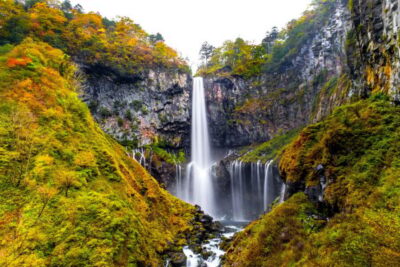
- Kegon Falls: give yourself real time for the 97-meter drop
- Lake Chuzenji: the quick reset that makes the day feel worth it
- Kanmangafuchi Abyss (optional): the Jizo river walk
- Lunch, tickets, and how your driver-escort helps in real life
- What kind of driver service you should expect
- Who this Nikko private day tour is best for
- Should you book this Nikko private day tour?
- FAQ
- How long is the Nikko private day tour?
- How much does it cost, and how many people can fit?
- Where do you get picked up and dropped off?
- What’s included in the price?
- Are attraction tickets included?
- Is there a guided tour with an expert guide?
- Does the tour include lunch?
- What if the tour runs late due to traffic?
- Is there Wi-Fi in the car?
- When is the tour start time?
Key things I’d plan around before you go
- Private car from your Tokyo hotel: no train hops, no station-timing headaches
- Driver-escort with English: helpful for tickets, questions, and restaurant ideas
- A true Nikko hits list: Toshogu Shrine, Shinkyo Bridge, Kegon Falls, Lake Chuzenji
- Optional Jizo river walk: Kanmangafuchi Abyss can add time fast
- Admissions are separate: budget about ¥2,700 per person paid on site
- Expect a long transit day: even without traffic, Nikko is far enough to feel it
The shrine road north: other Nikko trips
- Nikko: Kegon Falls, Lake Chuzenji & Toshogu Temple★ 4.6 · 1,577 reviews
- Tokyo: Nikko Toshogu Shrine and Kegon Waterfall Tour★ 4.5 · 1,266 reviews
- From Tokyo: Nikko World Heritage Site Private Full-Day Trip★ 4.9 · 243 reviews
Private Nikko Day: the value of a car you control
This is a smart style of outing for people who want Nikko but dislike rushing. You’re paying for a private, air-conditioned vehicle plus an English-speaking driver-escort who can manage the order of stops and keep you on track. With a group size up to 5, the per-person cost starts to feel reasonable compared to piecing together public transport and taxis plus timed-entry anxiety.
The best part is the mindset: you’re not trapped in “see everything in 30 minutes” mode. Your driver can ask what you care about most and shape the day around that. If you want more time on carvings at Nikko Tosho-gu, you can slow down there. If you want more nature time at Kegon Falls and Lake Chuzenji, you can push the scenic stops.
The trade-off is that Nikko’s main sights are not a drive-through. You’ll walk. One factor to consider: the tour is built as a 10-hour block from pickup to drop-off, and overtime is charged after that. That means you should decide early what you’re willing to cut if the day runs long.
Price and logistics: what $423.40 per group really means
The price is $423.40 per group (up to 5) for about 10 hours. That’s the cost of convenience. You’re not paying just for the vehicle—you’re paying for time management, parking logistics, and an English-speaking helper riding along the whole way.
Admissions are not included. You should plan around about ¥2,700 per person paid on site, which usually becomes the kind of cost that surprises people who assumed everything was bundled. Food and drinks aren’t included either, so budget for a proper lunch—especially because the day plan often points you toward a local specialty like yuba gozen.
One more practical cost: overtime. If you go past 10 hours, it’s ¥2,500 per 30 minutes paid directly to the driver. That can happen if you linger at a stop or if traffic slows the return trip.
Overall, the value is best if you:
- have 3–5 people sharing the car cost
- want control over pacing
- prefer not to navigate trains and transfers
It’s less ideal if you mainly want a guided commentary packed with history nonstop. This is more “private driver-escort with help” than “full guided tour.”
Timing and the Tokyo-to-Nikko reality check
Start time is listed as 8:00 am. Your pickup timing can vary based on where you’re staying, but the plan is designed for a full day that ends around 6:00 pm.
Here’s the part that matters: the ride time is significant. From central Tokyo, you should expect roughly 2.5 hours each way even without major traffic jams. On busier days, that can stretch, and the whole day can start feeling tighter than you planned.
So I’d use this rule of thumb:
- Build your sightseeing plan around limited time inside Nikko itself
- Keep your photo stops honest (Shinkyo Bridge looks quick, but people slow down for pictures)
- Decide what “must-not-miss” means for you
Several drivers in the past have handled congestion and reroutes well, including situations involving weather. That’s reassuring, because the driver’s job isn’t just driving—it’s protecting your schedule when roads get messy.
Stop-by-stop: how to get the most from Nikko Tosho-gu
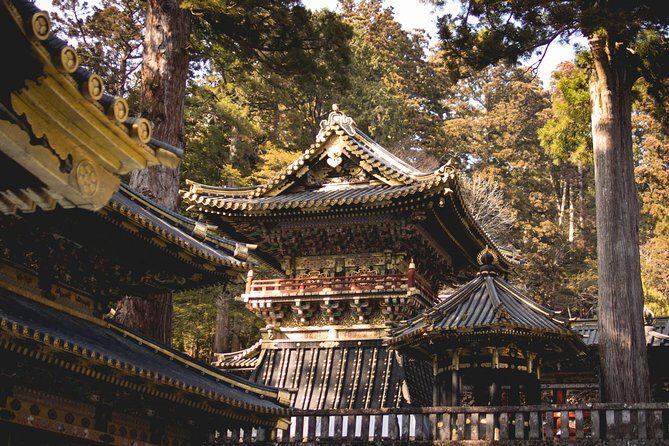
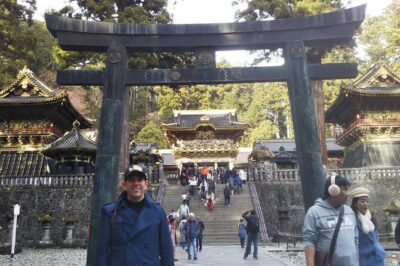
Your first major cultural stop is Nikko Tosho-gu, a UNESCO World Heritage site known for its intricate carvings and gold-leaf details. Plan on about 1 hour here.
Why this stop is worth protecting with your time: Toshogu is the “reason” most people come to Nikko. It’s visually intense—bright detail, layered ornamentation, and lots of small things to notice as you walk the grounds. If you use your hour well, you’ll come away feeling like you got the core experience.
What can slow you down:
- crowd flow (especially when people stop to take photos)
- personal pace (if you love carvings, you’ll want more than 60 minutes)
If you’re with an English-speaking driver-escort who’s switched between these sites often, you’ll likely get practical help on where to focus and how to move efficiently. In past trips, drivers like Bek and Haider stood out for keeping the day smooth and un-rushed, so you can spend your energy inside the shrine complex instead of solving logistics.
Tip for your pace: if you’re a quick walker, you can do a focused “highlights circuit.” If you love detail, keep in mind you’ll need to shorten another stop later, because the day is fixed around that 10-hour window.
More door-to-door days with your own driver

Shinkyo Bridge and Tamozawa: sacred gateway plus a quieter break
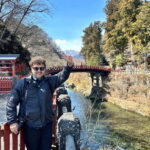
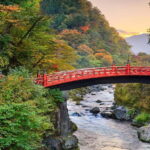
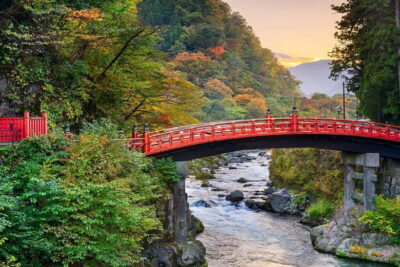
Next up is Shinkyo Bridge, a signature red bridge often photographed as the gateway to Nikko’s sacred sites. Expect about 30 minutes.
This is one of those places where the view is obvious, but the timing still matters. People love it, and the line for photos can eat minutes. I’d treat it as a real photo + calm look stop, not a 2-minute dash.
After that comes Nikko Tamozawa Imperial Villa Memorial Park (about 1 hour). This stop shifts the mood. Instead of ceremonial crowds, you get peaceful gardens and a former imperial retreat area that mixes traditional charm with a Western touch.
Why I like this pairing: Toshogu and Shinkyo feed your “culture brain,” then Tamozawa gives you a decompression hour. It also helps if your group has mixed interests—some people want the big shrine moments, and some people just want scenery and breathing room.
Small drawback: if you’ve got limited time, Tamozawa can feel like the “filler” stop compared with Kegon Falls. If you care less about villas and gardens, you may want to keep your stroll lighter and move on.
Kegon Falls: give yourself real time for the 97-meter drop
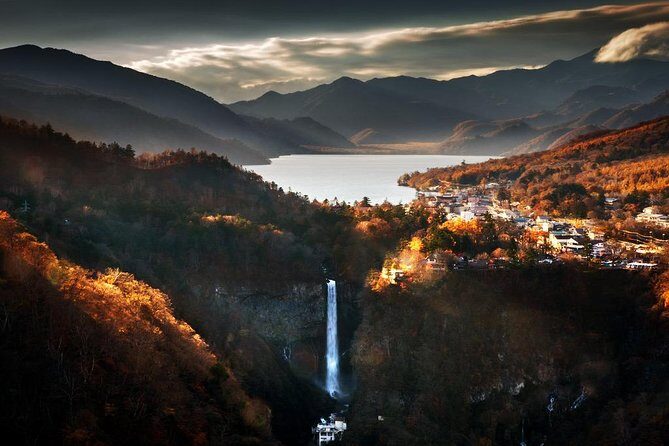
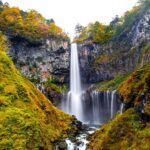
Kegon Falls is your big nature payoff. The waterfall is 97 meters, and it’s especially memorable in autumn or snowy periods. The plan sets aside about 2 hours, which is more than you might think you need.
Here’s my practical advice: don’t waste that time. One useful lesson from past schedules is that people often linger too long at the falls and then feel rushed at later stops. Aim for:
- a relaxed viewing moment first
- a second viewing option if you like taking photos from different angles
- enough time to stand comfortably without feeling like you’re sprinting afterward
If you’re prone to “one more photo” syndrome, set a mental checkpoint. You’ll thank yourself when you reach Lake Chuzenji and can actually enjoy the calm.
Drivers have also been careful with tight road sections near Kegon Falls in the past—drivers like Umer and others known for attentive, safe driving made the ride feel less stressful, even on twisty routes.
Lake Chuzenji: the quick reset that makes the day feel worth it
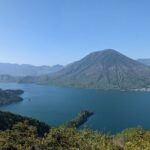
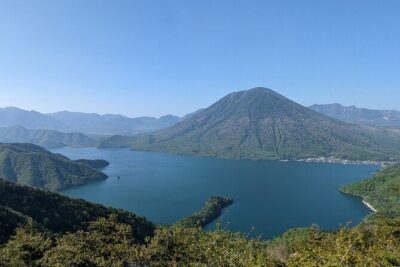
Then you reach Lake Chuzenji, a tranquil lakeside break surrounded by forested mountains. The timing is about 30 minutes, and it’s intentionally short.
This is the moment I’d treat as your reset button. After shrine crowds and a long stop at the waterfall, Lake Chuzenji gives you a chance to sit, breathe, and look at real distance. Even a half hour can help the day feel balanced instead of nonstop.
The key is to not try to cram too much. If you use it like a scenic recharge, you’ll end the tour happier—and you’ll be more patient when the return to Tokyo takes time.
Kanmangafuchi Abyss (optional): the Jizo river walk
There’s an optional stop: Kanmangafuchi Abyss. It’s a riverside walking trail with Jizo statues and lush scenery, typically about 45 minutes.
This can be a fantastic add-on because it feels different from the big centerpiece stops. It’s more about walking slowly, looking at rows of statues, and enjoying the quiet rhythm.
The catch: it may push your day past the 10-hour mark. The operator notes that overtime may apply. So decide based on your group’s energy:
- If everyone is walking comfortably and you want more “authentic atmosphere,” go for it.
- If you’re sensitive to time, keep it simple and stick to the main list.
Some visitors even swap or layer in related Jizo areas nearby, like Bake Jizo, if timing allows. If you care about these statue-filled paths, ask your driver what route fits your pace best.
Lunch, tickets, and how your driver-escort helps in real life
Food and drinks are not included, but the plan is set up to keep lunch easy. The day is designed around local experiences, including yuba gozen (a traditional tofu-based specialty), and your driver can offer restaurant recommendations.
In past trips, drivers have been proactive about practical needs. Some have helped with ticket purchasing, and others have supported special requests like vegetarian meals. You might also find your driver asking about your food preferences and trying to line things up so you’re not stuck hunting down options while hungry.
One important expectation-setting point: this is not a full guide who stays with you inside each site and provides long, continuous commentary. You’re exploring on your own at each stop, with your driver handling logistics and being available for questions. That can be perfect if you like independent wandering. If you want constant narration, you’ll need a different kind of tour.
Ticket admission fees are typically around ¥2,700 per person, and you pay on site. Your driver can often help you handle the process, but don’t assume every queue and every ticket desk will be translated for you word-for-word.
Practical tip: if you have dietary restrictions, tell your driver clearly when you’re planning the lunch stop. It’s the fastest way to avoid a rushed scramble later.
What kind of driver service you should expect
The driver-escort role is the heart of the experience. Drivers are licensed professionals, speak English and Japanese, and focus on safe, efficient driving and itinerary support.
Past drivers have made a difference in how smooth the day felt:
- Bek helped keep timing tight and avoided a rushed-feeling schedule
- Haider came across as attentive and thoughtful about what guests wanted to do
- Rabs offered charm and friendly guidance, plus ideas beyond the default plan
- Anees has been noted for handling congestion well and keeping the trip restful
- Tanaka stood out for food-allergy care by checking with restaurants and sitting with guests to make sure they could order safely
Even with that range, the core model stays the same: you get a capable driver, not a dedicated museum-style storyteller.
Who this Nikko private day tour is best for
This is a strong fit if you:
- want an easy day trip from Tokyo with door-to-door pickup
- like mixing culture and nature without feeling rushed by a group
- value English support for navigating tickets and restaurants
- are traveling with family or friends who share interests but won’t move at the same speed
It may be a weaker fit if you:
- want long, in-depth history at every stop
- hate long transit days or don’t tolerate walking well
- are traveling during peak traffic periods and need a guaranteed, ultra-flexible schedule with no overtime concerns
A final practical thought: Nikko is a “slow down and look” kind of place. If you try to sprint through everything, you’ll feel the 10-hour constraint fast.
Should you book this Nikko private day tour?
I’d book it if your priority is a comfortable private ride, a clear hit list of Nikko essentials, and the ability to adjust the flow to your group. The best value shows up when you can share the car cost and you’re okay paying separate admissions.
I’d skip or rethink if you’re counting on a fully guided experience with constant commentary. This is more about logistics, language help, and your own time inside the sights.
If you do book, make your choices ahead of time: decide how much time you want at Tosho-gu versus Kegon Falls, and don’t let the bridge and waterfall become memory-less photo marathons. With that small planning mindset, the day usually feels well paced and genuinely fun.
FAQ
How long is the Nikko private day tour?
The tour runs for about 10 hours, from hotel pickup to drop-off. If you go beyond 10 hours, overtime is charged.
How much does it cost, and how many people can fit?
It costs $423.40 per group, up to 5 people. A child seat is available for 1 child per group/vehicle.
Where do you get picked up and dropped off?
Hotel pickup and drop-off are included within Tokyo’s 23 wards. Your driver also provides pickup and return to the Tokyo area as arranged for your hotel.
What’s included in the price?
A private air-conditioned vehicle, an English-speaking driver-escort, fuel/highway tolls/parking fees, and a WiFi hotspot router in the vehicle when available.
Are attraction tickets included?
No. Admission fees are not included and are listed at about ¥2,700 per person, paid on site.
Is there a guided tour with an expert guide?
It’s a private car hire with an English-speaking driver-escort for advice and assistance. Tour guide services are not included, so you typically explore the sites on your own.
Does the tour include lunch?
Food and drinks are not included. You can ask the driver for restaurant recommendations, and the plan is set up for lunch during the day.
What if the tour runs late due to traffic?
If you need extra time beyond the 10-hour window, overtime is available at ¥2,500 per 30 minutes, paid directly to the driver on the day.
Is there Wi-Fi in the car?
Yes, there’s a WiFi hotspot router in the vehicle when available.
When is the tour start time?
The start time is listed as 8:00 am, with hotel pickup timing varying based on your location.
More Tour Reviews in Tokyo






Your Own Wheels: More Private Driver Days
North Again: More Nikko Trips
Fresh reviews from around Tokyo






Nikko Day Trips, compared.
 ★ 4.6Nikko: Kegon Falls, Lake Chuzenji & Toshogu TempleFrom $891,577 reviews
 ★ 4.5Nikko Toshogu Shrine and Kegon Waterfall TourFrom $841,266 reviews
 ★ 5.0Nikko Full-Day Private Tour with Government-Licensed GuideFrom $155259 reviews
 ★ 4.9From Tokyo: Nikko World Heritage Site Private Full-Day TripFrom $483243 reviews
 ★ 4.3Nikko: Edo Wonderland Edomura Cultural Theme Park TicketFrom $35205 reviews
From Tokyo: Nikko World Heritage Sight Full Day Private TourFrom $362127 reviews
★ 4.3Nikko: Edo Wonderland Edomura Cultural Theme Park TicketFrom $35205 reviews
From Tokyo: Nikko World Heritage Sight Full Day Private TourFrom $362127 reviews
 ★ 4.9Nikko – Beautiful Full-Day Personal and Private TourFrom $364119 reviews
 ★ 5.0Chartered Private Tour – Tokyo to Nikko, Toshogu, Edo WonderlandFrom $1,286105 reviews
Browse the lists this tour appears in