
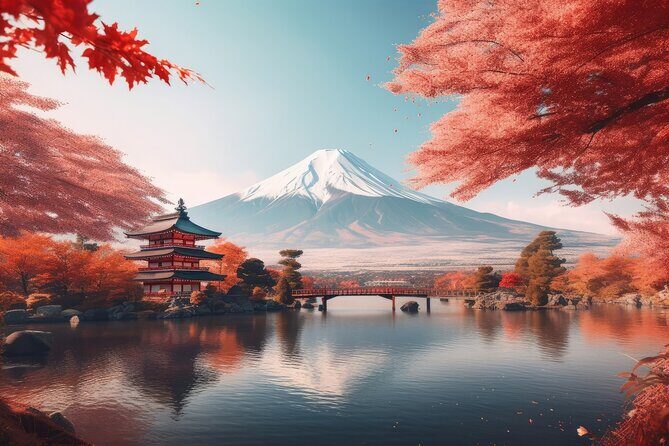
Reviewed · MT FUJI DAY TRIPS
Mt. Fuji Tours with Kawaguchi Lake Ropeway View English Speaking
Clear days turn this into magic.
This Mt. Fuji tour is built around one simple idea: see Fuji from multiple angles in one long day, without you having to plan train times and transfers. You ride the Kawaguchi Lake Panoramic Ropeway, hop to Kachikachi Mountain for more viewpoints, then continue to classic sights like Oishi Park and Oshino Hakkai’s eight springs. It’s also run with an English-speaking guide, and the pace is designed to hit the main stops even when the day gets busy.
I especially love how the itinerary stacks view stops back-to-back. You get the ropeway gondola experience first, then the Kachikachi cable car for a second round of high viewpoints over Lake Kawaguchi. A second win is the matcha experience time at Lake Kawaguchiko Konohana Museum, which adds a hands-on cultural break instead of making the day all rides and photos.
One drawback to plan for: Mt. Fuji is a weather-dependent star. Cloudy or rainy conditions can hide the mountain, and heavy traffic or long lines on weekends can tighten the time at each spot.
In This Review
- Quick wins and watch-outs
- Tokyo-to-Fuji timing: why this “10 hours” setup matters
- Pickup points and guide style: what makes the day feel smooth
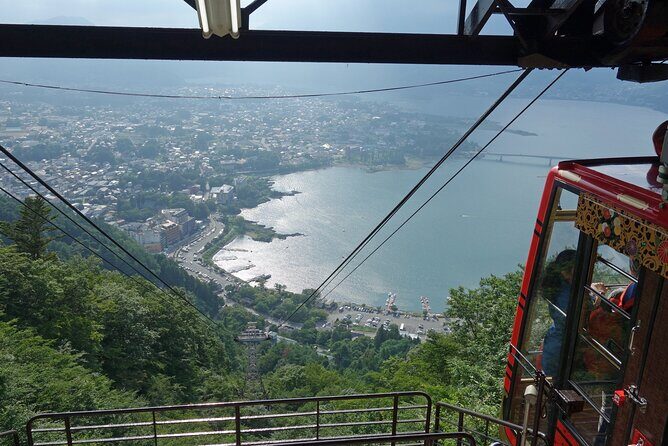
- Riding the Mt. Fuji Panoramic Ropeway over Kawaguchi Lake
- Kachikachi cable car: the second Fuji angle you’ll be glad you got
- Konohana Museum matcha break: a culture stop that’s actually timed
- Oishi Park timing: flowers if you’re lucky, calm if you’re not
- Oshino Hakkai ponds: Fuji snowmelt you can actually see
- Price and value: what you’re really paying for at about $81
- When it feels rushed: traffic, queues, and how to protect your enjoyment
- Who this tour suits best (and who should consider alternatives)
- Should you book this Mt. Fuji Ropeway and Kawaguchi Lake day trip?
- FAQ
- How long is the Mt. Fuji and Kawaguchi Lake ropeway tour?
- What is included in the tour price?
- Where do pickups happen in Tokyo?
- Do I need to pay for the ropeway and cable car?
- What if Mt. Fuji is cloudy or rainy?
- What happens if the gondola or cable car can’t run due to weather?
- Is food provided during the tour?
Quick wins and watch-outs
- Multiple Fuji viewpoints in one day, so your odds improve even if the weather wobbles
- Ropeway + cable car combo gives you different angles over Lake Kawaguchi
- Matcha experience at Lake Kawaguchiko Konohana Museum adds more than sightseeing
- Oshino Hakkai ponds show Fuji’s snowmelt water in a very tangible way
- Visibility is never guaranteed, and weekends can feel like a queue simulator
Other routes to the mountain, compared
- Mt Fuji & Hakone Cruise, Drum Show Bullet Train 1 Day from Tokyo★ 4.0 · 7,413 reviews
- Tokyo Mt Fuji 5th St & Hakone Cruise Bus Tour w/Bullet Train★ 4.4 · 5,024 reviews
- From Tokyo: Mount Fuji Full-Day Sightseeing Trip★ 4.5 · 4,970 reviews
Tokyo-to-Fuji timing: why this “10 hours” setup matters
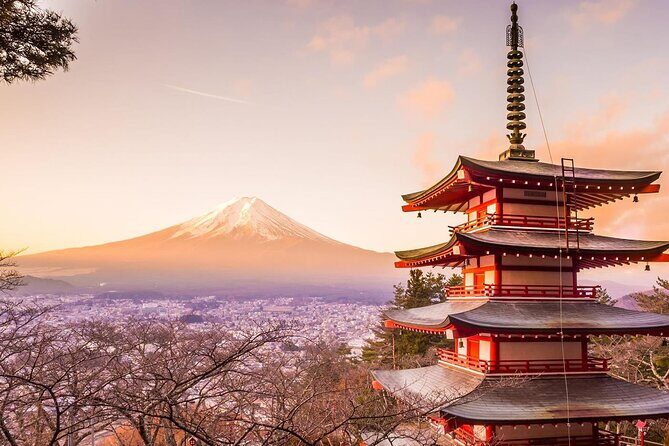
A day trip to Mt. Fuji works best when the schedule is tight and the logistics are handled. This one is long—about 10 hours total including travel—but it’s built so you’re not guessing your way from Tokyo to Kawaguchiko on your own. Instead, you’re handed a route, a meeting plan, and ticketed rides at the key points.
The big tradeoff is fatigue. Even when everything runs smoothly, this is a full day of walking, waiting, and photo stops. On a clear day, it feels worth it; on a gray day, you may wish you had fewer locations and more time at your favorite one.
I also like that the tour gives you structure for what is otherwise hard to manage: transport, multiple viewpoint areas, and a proper run through the sights around Lake Kawaguchi. That’s the real value here. You spend less time figuring out what to do next and more time watching the mountain.
Pickup points and guide style: what makes the day feel smooth
You’ll choose from two central pickup points in Tokyo, and you get a reminder email the day before with pickup timing and the guide/contact details. If you opt for the small-group package, you also get door-to-door transfer in some Tokyo districts during the 7:00–8:30 window. That’s a big difference if you’re staying far from major stations.
The guides can make or break a Fuji day, because you’re constantly moving and constantly checking the sky. Multiple guides are mentioned in the feedback, including Sawaki, Erina, Vivienne, Brewski, and Luis/Louis, and the common theme is clear communication and a lively, organized tone. Some guides even coordinate through WhatsApp when needed, which helps when crowds and timing get chaotic.
Still, keep your expectations realistic about meetings. One person noted the pickup area can be crowded with multiple tour groups and can be hard to spot. My advice: arrive early, keep an eye out for the guide’s instructions, and have your phone ready in case you need quick contact.
Riding the Mt. Fuji Panoramic Ropeway over Kawaguchi Lake
The tour’s first big visual payoff is the Mt. Fuji Panoramic Ropeway at Kawaguchi Lake. You ride the Lake Kawaguchi Panoramic Gondola, and the schedule gives you about 1 hour 30 minutes with the admission ticket included. This is where you start stacking viewpoints early, before the day gets fully swallowed by crowds.
From a practical standpoint, I like the ropeway because it’s efficient. You don’t have to hike for long, and you get a wide, elevated perspective quickly. The timing also helps: if the mountain shows itself, you want to be up and looking early enough to enjoy it.
There’s one seasonal note. The gondola can be repaired from Dec. 10 to Dec. 20. During that time, you’re told you’ll take the Sengoku Boat instead. If your dream involves the gondola specifically, check your travel dates and don’t assume every day runs the ropeway.
And yes, visibility matters. The tour info makes it clear that cloudy or rainy conditions can reduce view quality. When that happens, you’re still riding, but your photos will look less like postcards and more like a foggy science experiment.
Kachikachi cable car: the second Fuji angle you’ll be glad you got
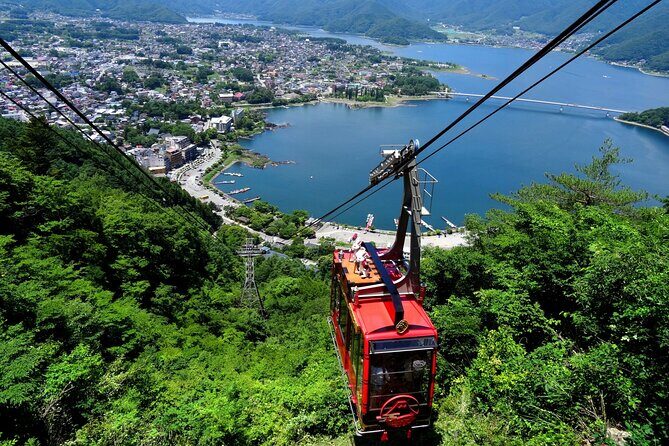
After the ropeway, you move to Lake Kawaguchiko for the Kachikachi area. The tour includes the Kachikachi Mountain Cable Car, with about 90 minutes of time and the cable car fee included. You’re not just repeating the same view from the same place—you’re shifting to another viewpoint over Lake Kawaguchi and the surrounding terrain.
This stop is a real strategy for improving your odds. Mt. Fuji can hide, then show, then hide again. By getting a second major elevation change, you increase the chance you’ll catch a window of clarity. It’s why this itinerary feels designed for reality, not for perfect weather fantasies.
Timing details matter here too. The cable car operating hours vary by day—weekdays end earlier, while Saturdays, Sundays, and holidays run longer. The schedule also warns the cable car may stop for strong winds or lightning. If that happens, your plan adjusts to a Sengoku Warrior Boat alternative or you may receive a ticket refund.
My practical tip: dress for wind and cool temperatures at height. You might start the morning feeling warm in Tokyo, then get hit with breeze at the viewpoint and wish you’d brought a light layer.





Konohana Museum matcha break: a culture stop that’s actually timed
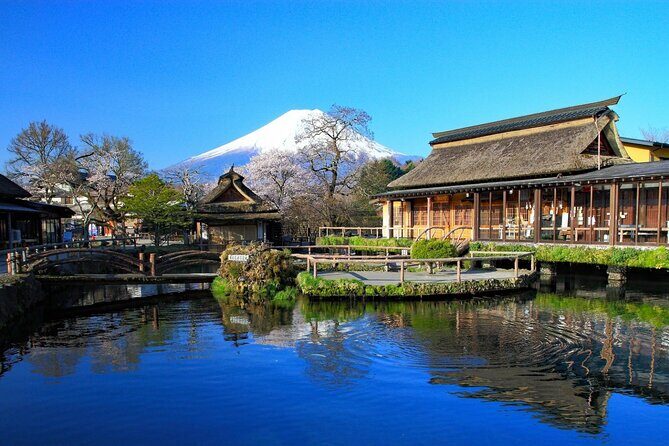
One hour at Lake Kawaguchiko Konohana Museum is set aside for a matcha experience (about 60 minutes). This is one of those stops that can turn a sightseeing day into something more personal. Instead of just buying souvenirs, you’re doing a short activity connected to tea culture.
The schedule notes that traffic or other force majeure situations can shorten the matcha timing. So don’t assume it will always run the full duration, especially on crowded travel days. Even so, the fact that the tour includes this activity is a plus for many people who want more than ropeways and ponds.
From a value perspective, this stop helps justify the “big day” feeling. You get a slower moment to reset, sit down, and focus on something other than walking and waiting. If your Fuji day ends up cloudy, this matcha time can still give you a memorable cultural anchor.
Oishi Park timing: flowers if you’re lucky, calm if you’re not
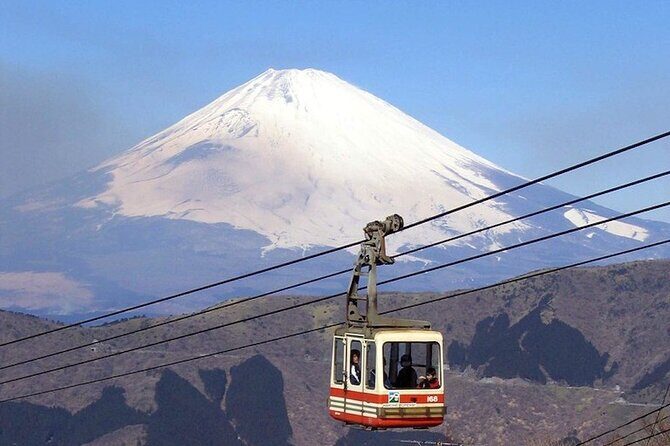
Next is Oishi Park at Lake Kawaguchi, with about 30 minutes. The tour highlights seasonal lavender blooms in summer, but even outside peak flower season, this is basically a scenic pause. You’re given enough time to walk, take a few photos, and absorb the lake atmosphere without turning it into a long detour.
Thirty minutes sounds short, and it is. If the day runs late due to traffic or lines, this is also the part where you’ll feel the compression first. Still, it’s useful to have a park stop in the middle of the day. It breaks the rhythm between the elevated views and the pond area later.
If you want the best odds for photos, aim to arrive ready to shoot quickly. Don’t plan on leisurely wandering when the schedule is designed to keep moving.
Oshino Hakkai ponds: Fuji snowmelt you can actually see
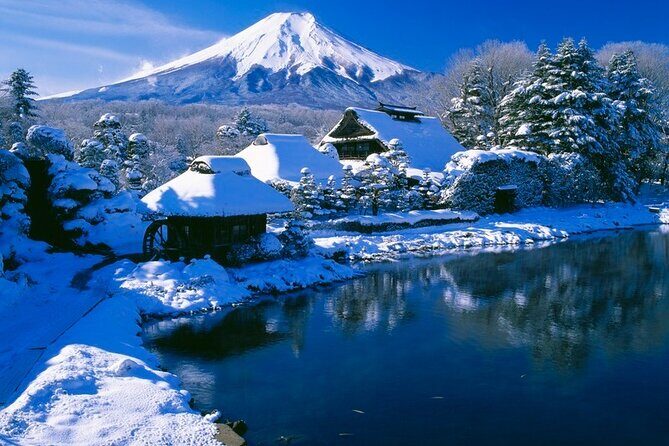
The final major sight is Oshino Hakkai, famous for its eight clear springs formed from Mount Fuji snowmelt. You get about 60 minutes for this stop, and it’s a nice contrast to the more ride-based earlier portion of the day.
Why I like this kind of stop: it’s not just a viewpoint. It’s a place with a clear natural story. The springs are the point, and the ponds give you something to look at even if Fuji is hidden in the clouds. When the mountain won’t cooperate, Oshino Hakkai is still doing its job.
Oshino Hakkai is also where you’ll likely encounter shopping and snack options. Some people feel the day includes too many retail-style stops, so if you dislike that vibe, decide ahead of time what you want to buy—or skip it and just enjoy the ponds and walking paths.
Price and value: what you’re really paying for at about $81
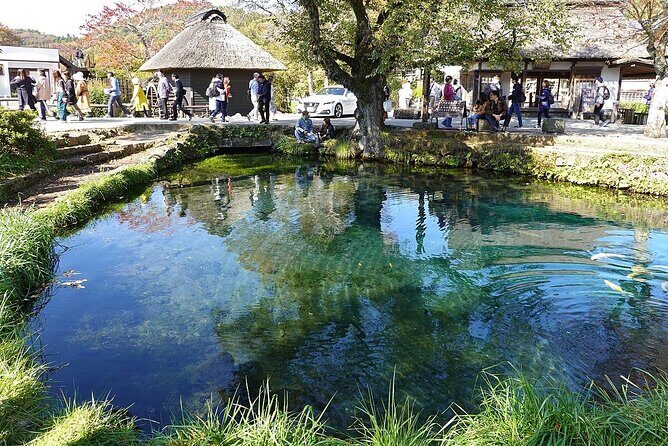
At around $81.41 per person, you’re paying for transport, timed scheduling, and included ride elements rather than just admission fees. The tour includes vehicle service fees, fuel, tolls, and driver service fees, plus the ticketed portions like the ropeway and the cable car time. Food isn’t listed as included, so plan on budgeting for your own meals and snacks.
So where’s the value? It’s in the fact that you’re compressing what could be a half-day of planning into a one-day route. That matters if you’re on a tight Tokyo schedule and don’t want to learn Japanese bus and train logistics for one day.
For some people, the cost still feels high if the weather hides Fuji. That’s fair. This tour’s payoff depends on visibility and on how smoothly the day runs. But if you catch even partial views, you’re likely to feel like the day was money well spent because you hit multiple Fuji-related points instead of only one.
My approach: think of this as a ticket to structure. You’re buying a plan, not a guarantee of clear skies.
When it feels rushed: traffic, queues, and how to protect your enjoyment
Japan weekends and public holidays can mean heavy traffic to the Fuji area. When that happens, the tour can feel like it’s moving faster than you want. The info also warns that traffic jams and long lines can shorten time at stops, especially around ropeway queues.
A key detail: the tour can run longer than the original plan when roads are slow. That can squeeze time at each location and make the day feel tiring. There are also reports of crowded meeting points, with some people struggling to find their guide right away.
Here’s how you keep this from ruining your day:
- Pick a weekday if you have flexibility
- Check the weather forecast and also pay attention to visibility chances before booking
- Keep your expectations simple: you’re seeing several spots, not lingering forever
Also, plan your stamina. Even in good conditions, this is a long sitting-and-walking day. If you come in rested, you’ll enjoy it more, even when the schedule tightens.
Who this tour suits best (and who should consider alternatives)
This tour fits best if you want a structured Mt. Fuji day trip from Tokyo with included ropeway and cable car time, plus a cultural tea stop and classic pond scenery. If you’re traveling solo or as a pair and you don’t want to spend hours mapping out transport, it’s a strong option.
It’s also a good fit if you believe in the “odds” strategy. Multiple people mention the joy of seeing Fuji from different angles, and the itinerary is designed for that. If you’d rather rely on one viewpoint and hope for the best, you might find this style too busy.
If you’re the type who hates crowded shopping stops or tight timings, you’ll want to go in with a mindset of minimizing retail time. Decide what you want at each stop, and remember that you can enjoy a site without buying anything.
Should you book this Mt. Fuji Ropeway and Kawaguchi Lake day trip?
I’d book it if you want the easiest path to major Kawaguchiko sights in one day, especially if you like ride-based viewpoints and want a second shot at Fuji through Kachikachi. The included ropeway and cable car time, plus the matcha experience and Oshino Hakkai ponds, make it more than a one-note tour.
I wouldn’t book it if your entire trip depends on seeing Mt. Fuji from every single stop. Weather can hide the mountain, and on weekends the schedule can tighten due to traffic and lines. In that case, you might want a plan that builds in more flexibility—or you’ll at least want a backup day.
If you can travel on a weekday and you’re okay with a long day, this is a solid, practical way to experience the Fuji area without turning your vacation into a logistics project.
FAQ
How long is the Mt. Fuji and Kawaguchi Lake ropeway tour?
The duration is listed as about 10 hours, including travel time.
What is included in the tour price?
Transport-related vehicle service fees and driver service fee are included, along with the ropeway and cable car admissions per the itinerary. Food and drinks are not included.
Where do pickups happen in Tokyo?
You can choose from two central pickup points in Tokyo, and a small-group upgrade includes door-to-door transfer in some districts during a specified time window.
Do I need to pay for the ropeway and cable car?
Yes, those ride elements are part of the itinerary and the relevant admission tickets/fees are included as described for the ropeway and the Kachikachi Mountain Cable Car.
What if Mt. Fuji is cloudy or rainy?
Visibility can be reduced on cloudy or rainy days, possibly obscuring Mt. Fuji. The tour notes that weather affects the experience, so you should check the forecast before you go.
What happens if the gondola or cable car can’t run due to weather?
If the ropeway gondola is repaired (Dec. 10–Dec. 20), you’ll take the Sengoku Boat instead. If the cable car is suspended due to strong winds or other reasons, the itinerary changes to the Sengoku Warrior Boat at Lake Kawaguchi or the ticket fee may be refunded.
Is food provided during the tour?
Food and drinks are not listed as included. You’ll have time to eat, but you should budget for meals on your own.
More Tours in Tokyo

More Tour Reviews in Tokyo



The Fuji Shortlist: Other Days Out to the Mountain
Fresh reviews from around Tokyo






Mt Fuji Day Trips, compared.
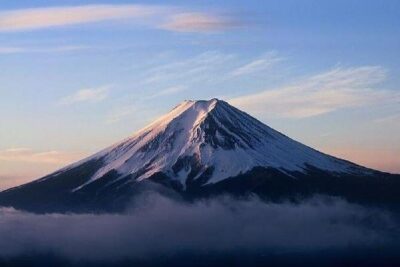 ★ 4.0Mt Fuji & Hakone Cruise, Drum Show Bullet Train 1 Day from TokyoFrom $1497,413 reviews
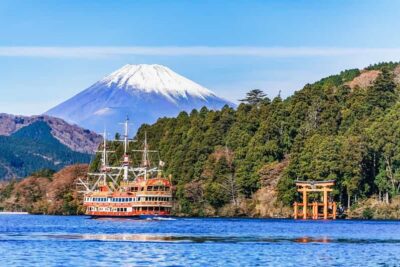 ★ 4.4Tokyo Mt Fuji 5th St & Hakone Cruise Bus Tour w/Bullet TrainFrom $1545,024 reviews
 ★ 4.5From Tokyo: Mount Fuji Full-Day Sightseeing TripFrom $684,970 reviews
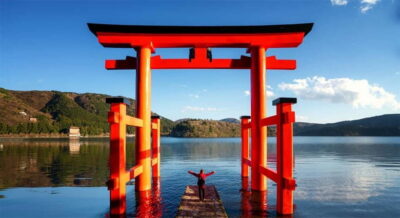 ★ 4.7Mt. Fuji Tour, Hakone Ropeway, Owakudani, Lake AshiFrom $544,002 reviews
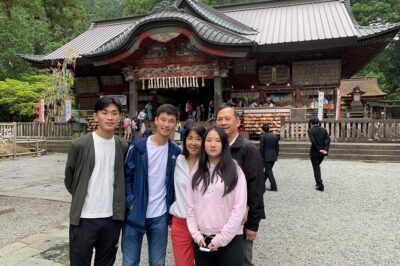 ★ 5.0Private Tour to Mt. Fuji and Hakone (Fully Licenced Operator)From $4971,910 reviews
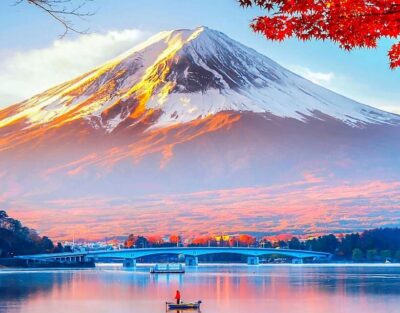 ★ 4.9Mount Fuji Full-Day Private Tour from Tokyo (Customizable)From $3931,470 reviews
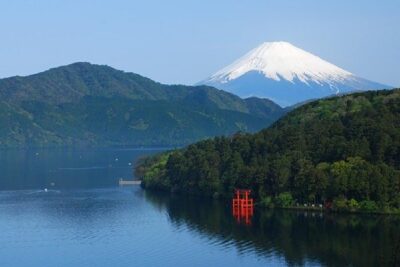 ★ 4.0Mt Fuji & Hakone Cruise, Drum Show Bus 1 Day from TokyoFrom $1221,287 reviews
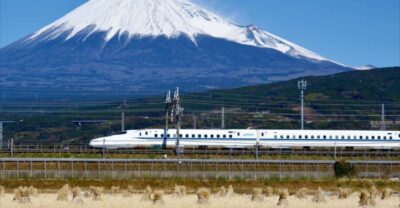 ★ 4.2From Tokyo: Mt. Fuji & Hakone Tour w/ Return by Bullet TrainFrom $1171,278 reviews
Browse the lists this tour appears in