
Reviewed · MT FUJI DAY TRIPS
Mt Fuji Private Day Trip from Tokyo with English Speaking Driver
Mt. Fuji in a single day is the real test.
This private tour is built for people who don’t want to spend their morning figuring out trains and transfers, then rushing to catch views before the clouds move in. You ride in an air-conditioned private vehicle with an English-speaking driver, plus onboard Wi‑Fi hotspot when available, so the time in motion stays comfortable and useful.
I like that the plan packs in the big-name Fuji Five Lakes area stops without turning the day into chaos. You get to see Oshino Hakkai, the Chureito Pagoda, and multiple lake viewpoints in one loop, with a guide who handles logistics so you can focus on what you came for.
One thing to consider: this is a weather-dependent experience. If conditions aren’t right, the tour may be canceled and you’ll need to switch dates or get a refund, and Mt. Fuji views can be hit or miss depending on skies.
In This Review
- Key points before you go
- Why this private Mt. Fuji day trip feels smoother than DIY
- Price and logistics: what you’re really paying for
- Your 8:00 am start: meet-and-greet, mobile ticket, and staying on track
- Oshino Hakkai: Eight Ponds of Oshino in a compact, scenic village
- Chureito Pagoda at Arakurayama Sengen Park: the photo stop that matters
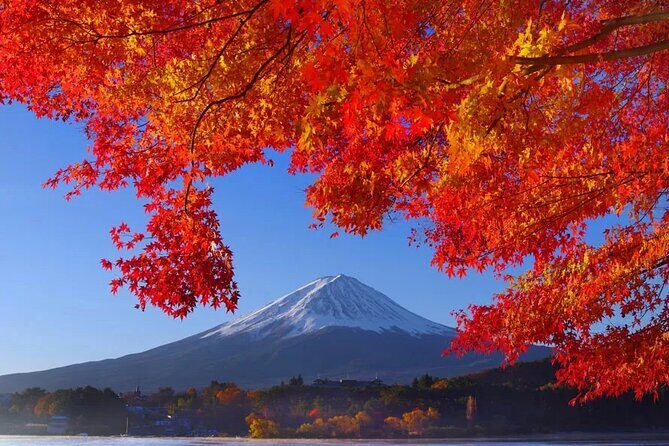
- Lake Kawaguchiko: reflections, seasonal scenery, and big Mt. Fuji energy
- Ropeway time and Oishi Park: how to get the most out of the Kachikachi ride
- Saiko Lake and Saiko Iyashi no Sato Nenba: slowing down near Mt. Fuji
- Guides who make the day feel personal: Hridoy, Orko, Sham, Haju, Sakib
- Mt. Fuji views depend on weather, so plan for options
- Who this Mt. Fuji private tour fits best
- Should you book it? My honest take
- FAQ
- How long is the Mt. Fuji private day trip from Tokyo?
- What is the group size and price?
- Do you get pickup in Tokyo?
- Is the driver English speaking?
- Is Wi‑Fi included during the trip?
- What admission tickets are included, and what is not?
- Are food and drinks included?
- What time does the tour start?
- What happens if weather is bad?
- Is free cancellation available?
Key points before you go
- Private, up to 5 people: less waiting, more control over pacing
- English-speaking driver + meet-and-greet: helpful for first-timers in Tokyo-area travel
- Onboard Wi‑Fi hotspot when available: easy to stay connected on the road
- A full Fuji Five Lakes-style circuit: Oshino Hakkai, Chureito Pagoda, Lake Kawaguchiko, plus quieter lakes
- Ropeway ticket not included: budget extra for the Mt. Fuji panoramic ride
- Good-weather requirement: plan flexibility helps a lot for this day trip
Other routes to the mountain, compared
- Mt Fuji & Hakone Cruise, Drum Show Bullet Train 1 Day from Tokyo★ 4.0 · 7,413 reviews
- Tokyo Mt Fuji 5th St & Hakone Cruise Bus Tour w/Bullet Train★ 4.4 · 5,024 reviews
- From Tokyo: Mount Fuji Full-Day Sightseeing Trip★ 4.5 · 4,970 reviews
Why this private Mt. Fuji day trip feels smoother than DIY
If your Japan trip has limited time, the biggest value here is simple: you trade planning stress for actual sightseeing. From Tokyo, getting to the Fuji area can mean multiple legs and timing puzzles. This tour removes that headache with private transportation and a driver who handles the route.
The second big win is attention. This is a private format, so your day doesn’t feel like a conveyor belt. You’re with your group the whole time, and that makes a difference when you want to move at a practical pace—especially around photo stops.
I also appreciate the small comforts that make long-distance touring easier. The vehicle is air-conditioned, and there’s an onboard Wi‑Fi hotspot when available. That matters if you’re checking directions, looking up quick questions, or just keeping your group entertained during the drive.
And yes, you’re also saving time by clustering the main sites into one ~10-hour day rather than spreading them across separate trips.
Price and logistics: what you’re really paying for
The price is $423.90 per group (up to 5). That sounds like a lot until you do the math: at the max group size, it’s roughly $85 per person. For a full-day, door-to-spot style private drive out of Tokyo, that can be strong value—particularly when you factor in that you’re not paying with your time or sanity.
Here’s what’s included versus not, in a practical way:
Included:
- Air-conditioned vehicle
- Private transportation
- Meet and greet
- Wi‑Fi hotspot (in vehicle when available)
- Toll costs
- Patrol/gas (covered)
Not included:
- Food and drinks
- Mt. Fuji 5th Station entry fee: listed as JPY 2,100 for the group/vehicle
- Kachikachi Ropeway ticket: around JPY 1,000 per person
A key takeaway: this tour covers the travel and the structure. You still pay for optional-but-popular add-ons like the ropeway, and you’ll want to budget for your own lunch. If you’re the kind of traveler who wants zero decision-making once you’re on the ground, this setup is still pretty low-friction—you just need to plan a little for meals and tickets.
Your 8:00 am start: meet-and-greet, mobile ticket, and staying on track
The day begins at 8:00 am. The tour offers pickup and a meet-and-greet, plus a mobile ticket. That combo is usually what makes the first hour feel calmer, since you’re not scrambling to find your meeting spot.
You’ll want to be ready for a long day, even though it’s packed rather than rushed. With a ~10-hour duration, the priority becomes timing. The itinerary is set up to give you enough time at each stop (some are longer than you’d think), but it still depends on weather and how quickly viewpoints and pathways move that day.
Practical tip: dress for layers. Even in the Fuji area, conditions can change, and your comfort matters when you’re outside looking up at Mt. Fuji or waiting for a clear sightline.
Oshino Hakkai: Eight Ponds of Oshino in a compact, scenic village
Oshino Hakkai is where your day gets grounded in a Fuji-area classic. It’s described as a historic, picturesque village near Mt. Fuji, and its main draw is right in the name: Eight Ponds of Oshino. The site is known for eight clear spring ponds.
You get about 3 hours here, which is generous compared with many day-trip schedules. That extra time is useful because the area is pleasant for slow walking and lingering for photos. It also helps if you arrive and the view conditions aren’t ideal—Oshino is still a satisfying stop even when the mountain isn’t cooperating.
One caution: the ponds are a focal point, so you’ll want to be mindful of crowd flow around viewpoints. Your private setup helps because you can move as a group instead of trying to match someone else’s pace.
Best part of this stop in the overall route: it acts like a calm opener before the more “classic photo” destinations.
More door-to-door days with your own driver

Chureito Pagoda at Arakurayama Sengen Park: the photo stop that matters
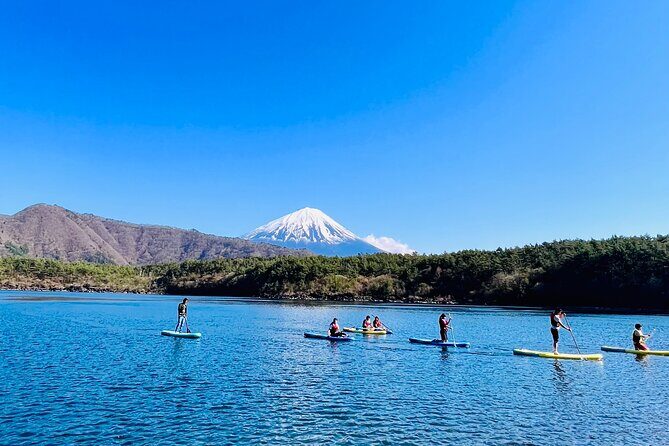
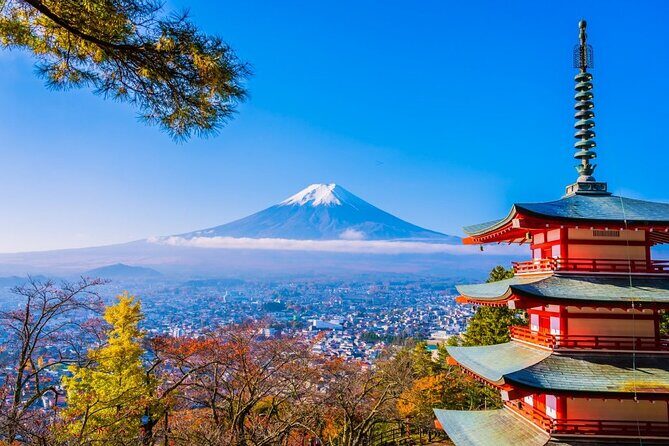
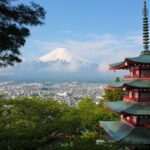
Next is Chureito Pagoda, a five-storied pagoda in Arakurayama Sengen Park in Fujiyoshida. This is one of those places where you understand why people travel for a view—because the pagoda and the mountain are often seen together from well-known angles.
You’re given about 1 hour. That’s usually enough for the main viewpoints, quick wandering in the surrounding park area, and a couple rounds of photos if the light is right.
Consideration: this is a popular landmark, and time is limited. If you care a lot about photography, use that hour strategically. Do one calm scan first, then return for your most important shots when you’re confident where the best angles are.
Lake Kawaguchiko: reflections, seasonal scenery, and big Mt. Fuji energy
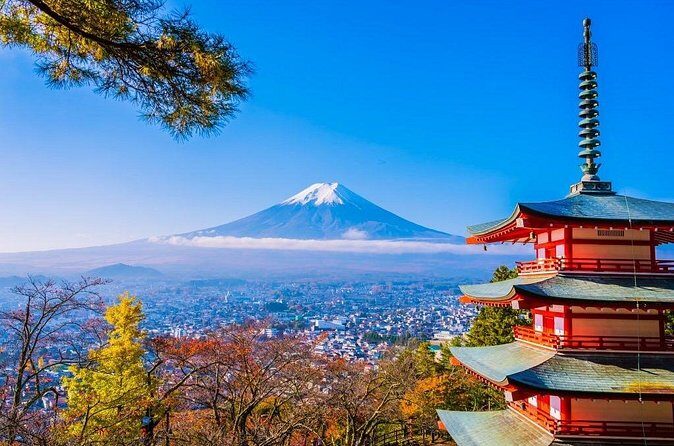
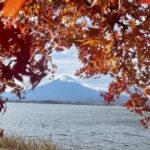
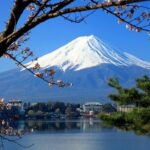
Then you move into Lake Kawaguchiko, the best-known of the Fuji Five Lakes for a reason. It’s described as serene and picturesque, famous for stunning reflections of Mt. Fuji, plus seasonal flowers and hot spring resorts.
Your time here is about 1 hour, which is short, but it’s also an advantage: you’re not stuck in one spot with a view that might change. Instead, the day is built to let you hop between nearby viewpoints.
What you should expect:
- A lake-area atmosphere that feels more spread out than the village stop
- Strong photo opportunities when Mt. Fuji is visible
- The sense that you’re in the heart of the Fuji tourist circuit, without needing to do separate travel days
If you’re traveling in a season when blossoms and greenery are at their best, the lake area can add color to your photos. If clouds roll in, focus on composition and atmosphere—you can still enjoy the views even without perfect reflections.
Ropeway time and Oishi Park: how to get the most out of the Kachikachi ride
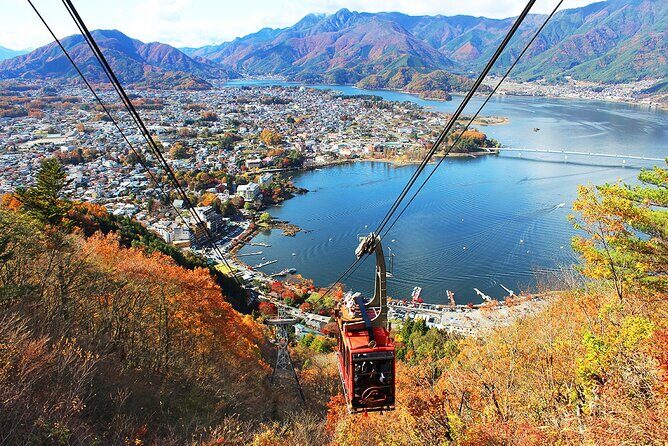
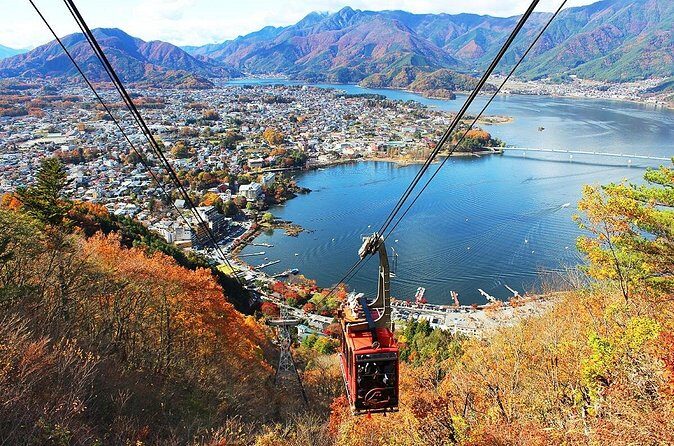
The itinerary includes the Mt. Fuji Panoramic Ropeway, listed as the Kachikachi Ropeway near Lake Kawaguchiko. The ropeway provides a scenic journey to the top, but the key detail is what you’ll pay yourself: ticket not included, about JPY 1,000 per person.
You’ll get around 1 hour for this part of the day, which is enough to factor in getting tickets and enjoying the viewpoints. Since it’s a paid add-on, consider it as the “vertical view upgrade” after seeing the lake from ground level.
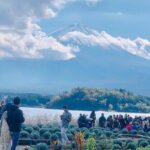
Then you also have Oishi Park (about 1 hour), described as a popular lakeside park with breathtaking views of Mount Fuji. If you’re lucky with visibility, this pairing works well: ropeway for altitude and wide angle, Oishi Park for a more open, scenic foreground.
Practical advice:
- If you want photos, keep an eye on Mt. Fuji as you move—visibility can improve or fade during the day.
- Save time for walking around rather than treating Oishi Park as a single-point photo mission.
Saiko Lake and Saiko Iyashi no Sato Nenba: slowing down near Mt. Fuji
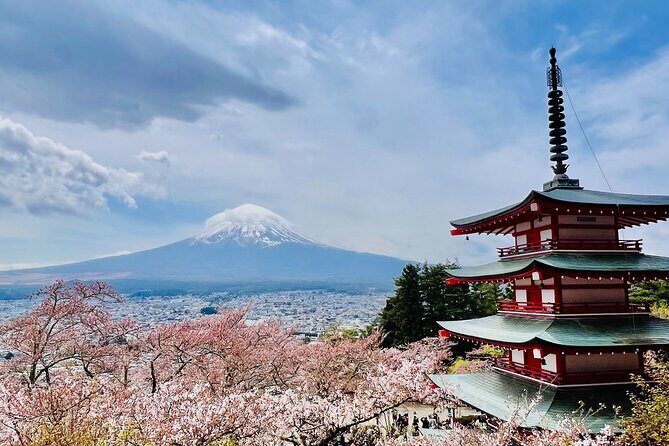
After Kawaguchiko, the route moves toward Saiko Lake, one of the Fuji Five Lakes. It’s noted as relatively smaller compared to some other lakes, and appreciated for its attractions—then the day continues with Saiko Iyashi no Sato Nemba.
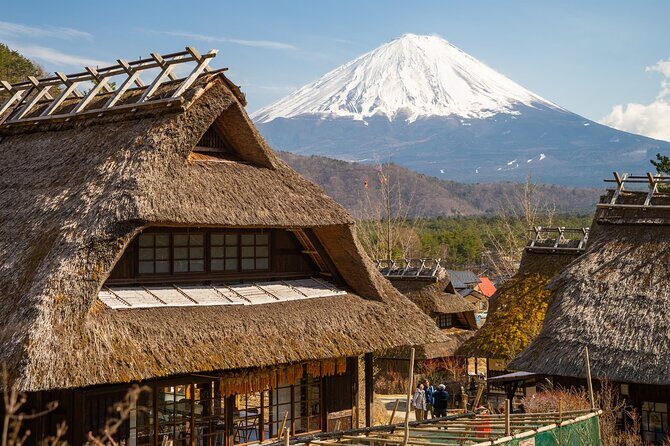
Saiko Lake gives you about 1 hour, then Saiko Iyashi no Sato Nemba is allocated about 2 hours. This second stop is described as a traditional Japanese village near Lake Saiko, called Iyashi no Sato, meaning Healing Village. It’s a reconstructed village, and the admission for this stop is listed as not included.
Why this feels different than the more famous stops:
- The day shifts from postcard viewpoints to a more cultural, village-style experience
- You get extra time here (two hours), which makes it easier to wander and soak in details without feeling rushed
If your group likes a balanced day—views plus something hands-on to look at—this portion is a smart fit. It also provides a nice buffer if Mt. Fuji visibility changes after the earlier stops.
Guides who make the day feel personal: Hridoy, Orko, Sham, Haju, Sakib
A good driver gets you there. A great one makes the day feel easy. The strongest praise in the guidance comes through in a few consistent ways: smooth driving, prompt professionalism, and real flexibility when weather and timing don’t cooperate.
I’m especially impressed by how guides handle practical details like where to eat. One experience highlights a driver (Hridoy) guiding guests through the sights, while another notes Orko taking the group to a lunch spot and being helpful with site knowledge. Sham is mentioned as prompt, professional, courteous, and patient. Haju is praised for rolling with rain and staying personable. Sakib stands out for last-minute responsiveness and smooth driving.
What does that mean for you? On a day trip like this, the biggest stress is usually logistics. When your guide is calm and organized, it turns the day into a sightseeing plan you can actually enjoy—rather than a schedule you survive.
Also, a private tour means you’re not stuck with someone else’s pace. If you need a quick adjustment—extra minutes at a viewpoint or a change based on conditions—there’s more room for it when the driver is good at managing the day.
Mt. Fuji views depend on weather, so plan for options
This is a good-weather experience. The tour info states that it requires good weather, and if it’s canceled due to poor weather, you’ll be offered a different date or a full refund.
That matters because Mt. Fuji can disappear behind clouds. A tour like this can’t control the sky. What you can control is your mindset and flexibility. Even when the mountain isn’t perfectly visible, the stops themselves—Oshino Hakkai, the pagoda area, the lake parks, and the reconstructed village—still give you a full day.
Also remember there’s a Mt. Fuji 5th Station entry fee listed as JPY 2,100 for the group/vehicle, and it’s not included. If your plan includes 5th Station time, budget for that in advance so you aren’t surprised at the end of the day.
Who this Mt. Fuji private tour fits best
This tour is a great match if:
- You’re short on time in Tokyo and want a full-day Fuji highlights circuit
- You prefer a private group over crowded buses and rail transfers
- You’d like an English-speaking driver who can handle route decisions and on-the-ground flow
- You want a comfortable day ride with Wi‑Fi hotspot when available and a/c in the vehicle
It’s also a smart choice for families or mixed-age groups, because private transport usually reduces friction and keeps everyone moving together.
If your style is very DIY and you love trains, you might spend less money on public transport. But you’ll likely trade that savings for extra planning time and more potential stress—especially on a tight schedule.
Should you book it? My honest take
I’d book this if your priority is seeing the classic Mt. Fuji area highlights without turning your day into a logistics project. The value hits hardest when you’re traveling as a group of up to five and want the flexibility of a private car plus an experienced driver.
I would not book if:
- Your schedule is rigid with no date flexibility
- You’re trying to keep costs ultra-low by skipping extra tickets and meals
- You’re hoping for guaranteed Mt. Fuji views in any weather
For most visitors with limited time, this hits the sweet spot: a well-paced day that combines iconic viewpoints with village-and-lake variety, in a setup that saves you hours of transport hassle.
FAQ
How long is the Mt. Fuji private day trip from Tokyo?
It runs about 10 hours.
What is the group size and price?
The tour is priced at $423.90 per group, with a maximum of up to 5 people.
Do you get pickup in Tokyo?
Yes. Pickup is offered, and there’s a meet-and-greet.
Is the driver English speaking?
Yes, the tour includes an English-speaking driver.
Is Wi‑Fi included during the trip?
Yes, there is an onboard Wi‑Fi hotspot when available.
What admission tickets are included, and what is not?
The itinerary lists several stops with free admission, but the Mt. Fuji Panoramic Ropeway ticket is not included (about JPY 1,000 per person). Also, the Mt. Fuji 5th Station entry fee is not included (listed as JPY 2,100 for the group/vehicle).
Are food and drinks included?
No. Food and drinks are not included.
What time does the tour start?
The start time is 8:00 am.
What happens if weather is bad?
The experience requires good weather. If canceled due to poor weather, you’ll be offered a different date or a full refund.
Is free cancellation available?
Yes. Free cancellation is offered up to 24 hours in advance for a full refund.
More Tour Reviews in Tokyo






Your Own Wheels: More Private Driver Days
The Fuji Shortlist: Other Days Out to the Mountain

Fresh reviews from around Tokyo






Mt Fuji Day Trips, compared.
 ★ 4.0Mt Fuji & Hakone Cruise, Drum Show Bullet Train 1 Day from TokyoFrom $1497,413 reviews
 ★ 4.4Tokyo Mt Fuji 5th St & Hakone Cruise Bus Tour w/Bullet TrainFrom $1545,024 reviews
 ★ 4.5From Tokyo: Mount Fuji Full-Day Sightseeing TripFrom $684,970 reviews
 ★ 4.7Mt. Fuji Tour, Hakone Ropeway, Owakudani, Lake AshiFrom $544,002 reviews
 ★ 5.0Private Tour to Mt. Fuji and Hakone (Fully Licenced Operator)From $4971,910 reviews
 ★ 4.9Mount Fuji Full-Day Private Tour from Tokyo (Customizable)From $3931,470 reviews
 ★ 4.0Mt Fuji & Hakone Cruise, Drum Show Bus 1 Day from TokyoFrom $1221,287 reviews
 ★ 4.2From Tokyo: Mt. Fuji & Hakone Tour w/ Return by Bullet TrainFrom $1171,278 reviews
Browse the lists this tour appears in