
Reviewed · MT FUJI DAY TRIPS
Mt. Fuji Panoramic Ropeway, 5th Station, And Oshino Hakkai Tour
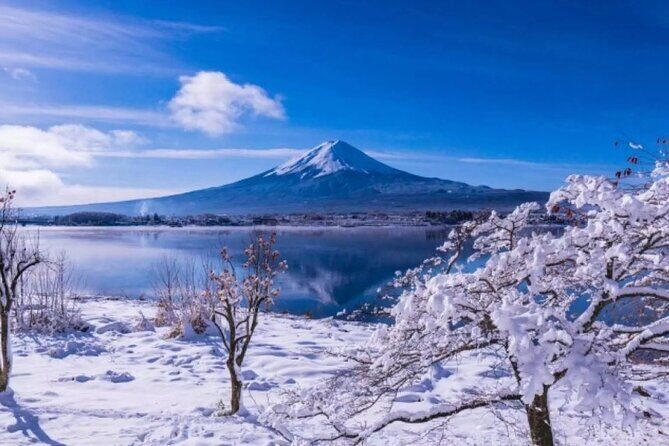
Fuji in one day beats guesswork. This tour strings together the big-name viewpoints—Lake Kawaguchi, Oishi Park, the 5th Station area, and Oshino Hakkai—so you don’t burn time planning. I like that the day is designed around photo windows (especially during the ropeway ride), not just check-the-box stops.
I also like the built-in chance to talk with like-minded people while moving between places—plus a real lunch break instead of snack-only timing. The one drawback to keep in mind: the best views depend on weather, and the ropeway requires on-site queuing (so delays happen).
If you want Mount Fuji without the stress of day-trip logistics, this is a solid way to do it. Just bring a coat, wear good shoes, and plan your day with a little flexibility.
In This Review
- Key Things That Make This Tour Worth Your Time
- Why This Fuji Day Works: Ropeway Views Plus Two Classic Stops
- Morning Logistics From Shinjuku: Meeting at the Love Statue
- Lake Kawaguchi and the Mt. Fuji Panoramic Ropeway: How to Use Queue Time
- Oishi Park Flower Garden: Short Stop, Real Scenic Payoff
- Mt. Fuji 5th Station Police Box: What to Expect at Around 2,300 Meters
- Oshino Hakkai Ponds and Thatched-Roof Houses: The Calm Part of the Day
- Lunch and Pacing: Keeping 9–10 Hours from Feeling Like a Whirlwind
- Price and Value vs DIY: Does $119 Make Sense?
- Language Support and Group Size: English Isn’t Promised, but You’ll Still Manage
- Weather Changes and Close-to-Departure Cancellations: Plan Like a Pro
- Who This Tour Suits Best
- Should You Book This Mt. Fuji Panoramic Ropeway and Oshino Hakkai Tour?
- FAQ
- What time does the tour meet and depart?
- How long is the tour?
- What’s included in the price?
- What happens if the ropeway is suspended due to weather?
- How long do you spend at each main stop?
- Is the tour offered in English?
- What should I wear or bring?
Key Things That Make This Tour Worth Your Time
- Ropeway time for photos: The ride gives you scenic moments when you’re not fighting for roadside pull-offs.
- Two classic Lake Kawaguchi spots: You get both the ropeway area and Oishi Park near the lake.
- Altitude at the 5th Station: You’ll visit around 2,300 meters, so the air feels different.
- Oshino Hakkai ponds + thatched houses: Three hours for a calmer, traditional-style break.
- Group size stays small: Maximum of 20 people, so the day doesn’t feel like cattle sorting.
- Lunch is included: You don’t have to gamble on finding something quick between viewpoints.
Other routes to the mountain, compared
- Mt Fuji & Hakone Cruise, Drum Show Bullet Train 1 Day from Tokyo★ 4.0 · 7,413 reviews
- Tokyo Mt Fuji 5th St & Hakone Cruise Bus Tour w/Bullet Train★ 4.4 · 5,024 reviews
- From Tokyo: Mount Fuji Full-Day Sightseeing Trip★ 4.5 · 4,970 reviews
Why This Fuji Day Works: Ropeway Views Plus Two Classic Stops
This is one of those Mount Fuji tours that makes sense even if you’re not chasing the perfect panorama. You start in Tokyo early, then switch scenery fast: city → lake views → park strolls → high-altitude stop → traditional village ponds. That sequencing matters. By the time you reach Oshino Hakkai, you’re not just tired—you’re ready for something slower.
The core value is simple: you get a guided day that handles transportation and admissions, so you spend your energy on the actual sights. And because the ropeway ride is built into the schedule, it’s easier to time photos and pacing than if you’re bouncing between buses and stations on your own.
Morning Logistics From Shinjuku: Meeting at the Love Statue
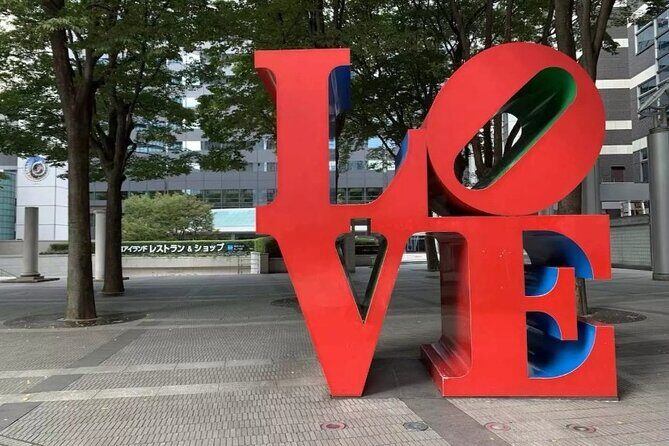
The meeting point is at the Robert Indiana sculpture Love statue, by Shinjuku West Exit (Shinjuku Island Tower area). You’ll meet around 7:45, with departure at 8:00, and you should arrive about 10 minutes early.
Why this matters: Shinjuku is huge. If you show up late, you’ll lose time immediately—then the whole day can feel rushed. Also, the tour duration is roughly 9 to 10 hours, so early timing isn’t optional.
This tour is designed for small-group comfort (max 20). That usually means fewer “where are we?” moments, and easier communication in person when schedules tighten.
Lake Kawaguchi and the Mt. Fuji Panoramic Ropeway: How to Use Queue Time
Your first major viewpoint area is around Lake Kawaguchi, where the Mt. Fuji Panoramic Ropeway (Kawaguchiko Ropeway area) is part of the plan. The schedule gives you a long block here—about 4 hours—so you’re not sprinting from the bus to the photo spot and back.
Two practical things to know:
1) The ropeway can’t be reserved in advance. You queue on site. That’s normal in Japan, but it’s still a real variable. If you’re sensitive to waiting, mentally prep for it now.
2) Weather can change the plan. If the ropeway is temporarily suspended due to official weather announcements—or if queuing would significantly delay the rest of your day—the tour may substitute a Lake Kawaguchi Ensoleille cruise. So even if the ropeway isn’t running, you shouldn’t end up with a total wasted morning.
Photo tip that’s actually useful: the ropeway is your chance to get views without standing in one place too long. If you can, aim to capture the first clear looks immediately, then relax and take a second round of photos after the ride settles into rhythm. That way you’re not only chasing the first view.
Oishi Park Flower Garden: Short Stop, Real Scenic Payoff
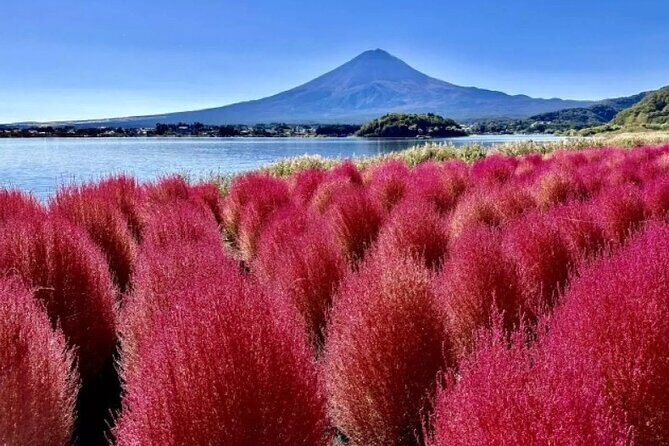
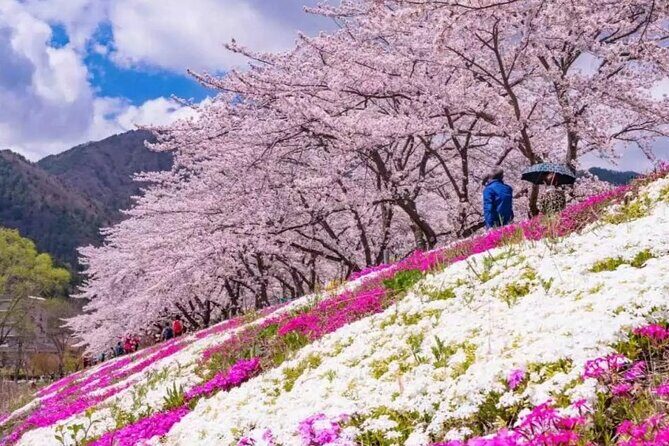
Next up is Oishi Park, near Lake Kawaguchi, with about 1 hour on the clock. This stop is all about getting unobstructed Mount Fuji views in a more garden-like setting—less roadside, more walk-and-breathe.
Here’s the honest tradeoff: you’re visiting based on the day’s light and conditions. The tour notes that weather affects the best viewing period for flowers or red leaves. In other words, you might see prime seasonal colors—or you might see a less dramatic version than your ideal postcard. The good part is that you still get the park setting and the lake-view angles, even when the “wow” factor is toned down.
Practical move: bring a light layer or coat. Even in warmer months, lake areas can feel cooler, especially when the wind picks up.





Mt. Fuji 5th Station Police Box: What to Expect at Around 2,300 Meters
The 5th Station stop is about 1 hour, and it’s at roughly 2,300 meters (7,546 feet). That altitude difference is more than trivia—it changes the feel of the visit. You may notice cooler air, and the day can feel sharper (in both senses of the word).
The site is the Mt. Fuji 5th Station Police Box area. Even if you’re not hiking, this is a meaningful part of the experience because it’s a higher vantage point tied to how people actually think about climbing Fuji.
What you should do with this stop:
- Take a few minutes just to look around before taking photos.
- Bring your coat out early. Don’t wait until you feel cold.
- Keep your pace steady. One hour goes quickly when you’re trying to do photos, understand what you’re seeing, and catch your breath.
Also note a backup plan exists: if the road to the 5th Station is closed due to unexpected weather or traffic conditions, the itinerary may shift to Kitaguchi Hongu Fuji Sengen Jinja. That’s a real possibility, so stay flexible and don’t assume the schedule will be identical every day.
Oshino Hakkai Ponds and Thatched-Roof Houses: The Calm Part of the Day
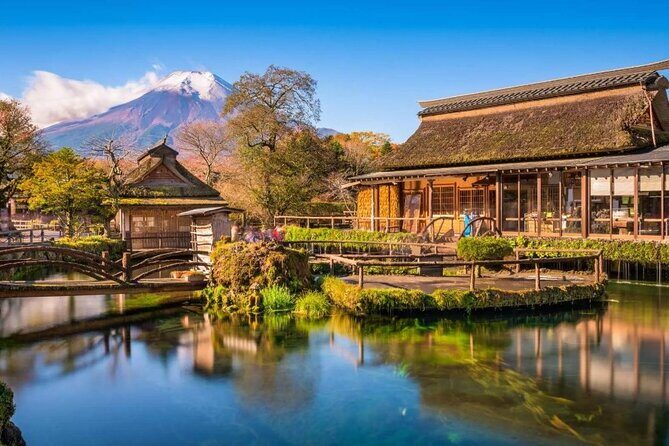
Oshino Hakkai is one of those places that feels like a different tempo. You’ll spend about 3 hours here, which is plenty of time to slow down after the lake views and altitude stop.
This village is famous for eight crystal-clear ponds known collectively as Hakkai Springs, plus traditional thatched-roof houses. The ponds are the star, but the value of the stop isn’t just the water—it’s how the whole area feels: quiet streets, traditional architecture, and an easy walk where you don’t feel trapped by constant crowds.
If you’re wondering what to do for three hours: don’t try to cram it like a checklist. Start with the pond views, then take your time around the thatched-roof streets. If you get the chance to pause, you’ll enjoy it more than if you rush to the next photo angle.
Lunch and Pacing: Keeping 9–10 Hours from Feeling Like a Whirlwind
The tour includes lunch, which is a big deal on a full-day Mount Fuji plan. Without included food, you’d spend time hunting for something quick between buses and viewpoints. With lunch handled, you can focus on staying comfortable and keeping energy up.
Pacing is also built into the day. The itinerary alternates view-heavy stops (ropeway, park) with a more “look and walk” village stop (Oshino Hakkai). That’s smart. When everything is only scenery, you can feel restless. When you mix in an easier environment, the day lands better.
Practical prep: the tour notes that during flower and maple seasons there can be serious traffic jams. Light food is recommended. Even with lunch included, you might want a small snack for later, just in case your schedule shifts.
Price and Value vs DIY: Does $119 Make Sense?
At $119 per person, you’re paying for a few things that add up fast if you DIY:
- Transportation (from Shinjuku to the Fuji area and between stops)
- Admissions (the tour includes admissions for the planned activities)
- Lunch
- A guided experience that also includes facts about Mount Fuji that guidebooks often skip
For value, the key question is whether you want the mental overhead of arranging transit, timing ropeway queue stress, and keeping everything on schedule. If you’d rather not spend your morning solving logistics, the price starts to look reasonable.
Also, the group size cap (20 people) helps value feel more human. Bigger groups tend to feel slower and harder to manage. Here, it’s more likely to move with smoother rhythm.
The only way $119 won’t feel worth it is if you’re the type who enjoys DIY control so much that you’d rather spend your time navigating than paying for the handoff.
Language Support and Group Size: English Isn’t Promised, but You’ll Still Manage
The tour can provide Chinese, Japanese, or English service, depending on what’s available. You can request an English-speaking guide when booking, but it’s not guaranteed. If you don’t make a request, a Chinese-speaking guide is provided.
What this means for you:
- If you need English for comfort, request it early.
- Still, the itinerary is pretty visual. You’re going to ropeway, parks, a 5th Station area, and Oshino Hakkai. Even if language support is limited, the day’s structure is straightforward.
Group size stays small, which helps communication. If you get confused, you’re not trying to ask your question into a crowd.
Weather Changes and Close-to-Departure Cancellations: Plan Like a Pro
This tour requires good weather. The schedule can adjust, including substitutions if the ropeway suspends or if the road to the 5th Station is closed. That’s not a scam; it’s how day trips to Fuji work.
There’s also a human risk to accept with any organized tour: sometimes things fall apart due to logistics, traffic, or weather. The tour indicates that travelers may be notified if there are changes or cancellations, including scenarios where minimum booking requirements aren’t met.
One practical strategy if you’re on a tight Tokyo schedule: keep at least one backup plan for that day in your back pocket. Don’t put all your hopes on one single departure if your whole trip has to work around Mount Fuji.
Finally, since flowers or foliage timing can shift with weather, the tour doesn’t promise that you’ll see the absolute best seasonal look. You’re choosing a guided day to Mount Fuji and key areas, not a guaranteed postcard.
Who This Tour Suits Best
This is a good fit if you want:
- A structured day with minimal transport stress from Tokyo
- Photo time at major Fuji-view spots without figuring out every connection
- A classic pairing of Lake Kawaguchi viewpoints plus Oshino Hakkai culture
It’s also a decent choice for first-time visitors to Fuji because you’ll hit both the scenic viewpoints and the traditional village area in one go.
If you already know you want deep flexibility and love wandering on your own timetable, you might prefer DIY. But if your priority is a smooth day with guided context and included meals, this tour fits that goal well.
Should You Book This Mt. Fuji Panoramic Ropeway and Oshino Hakkai Tour?
I’d book it if you want a full-day Fuji experience without planning fatigue and you’re okay with the reality that weather and ropeway queues can affect timing. The $119 value improves because transportation, admissions, and lunch are wrapped into one price, and the day includes both lake viewpoints and Oshino Hakkai’s traditional pond scenery.
I’d pause and reconsider if you’re traveling with no flexibility at all or you’re sensitive to schedule changes. Since the itinerary can shift due to road closures or ropeway suspensions, it’s smart to keep a backup plan.
FAQ
What time does the tour meet and depart?
The meeting time is 7:45, with departure at 8:00. You’re advised to arrive about 10 minutes before the meeting point.
How long is the tour?
The duration is approximately 9 to 10 hours.
What’s included in the price?
Transportation, admissions, and lunch are included.
What happens if the ropeway is suspended due to weather?
If the Mt. Fuji Panorama Ropeway is temporarily suspended due to weather announcements or if queuing would significantly delay the itinerary, the tour may arrange the Lake Kawaguchi Ensoleille cruise instead.
How long do you spend at each main stop?
The day includes about 4 hours at the Lake Kawaguchi ropeway area, 1 hour at Oishi Park, 1 hour at the Mt. Fuji 5th Station Police Box area, and about 3 hours at Oshino Hakkai.
Is the tour offered in English?
Chinese, Japanese, or English service is available, and you can request an English-speaking guide when booking. However, it isn’t guaranteed.
What should I wear or bring?
Wear comfortable shoes and clothing, and bring a coat.
More Tours in Tokyo

More Tour Reviews in Tokyo



The Fuji Shortlist: Other Days Out to the Mountain

Fresh reviews from around Tokyo






Mt Fuji Day Trips, compared.
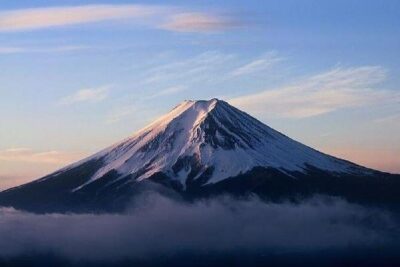 ★ 4.0Mt Fuji & Hakone Cruise, Drum Show Bullet Train 1 Day from TokyoFrom $1497,413 reviews
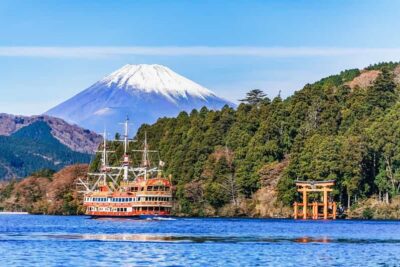 ★ 4.4Tokyo Mt Fuji 5th St & Hakone Cruise Bus Tour w/Bullet TrainFrom $1545,024 reviews
 ★ 4.5From Tokyo: Mount Fuji Full-Day Sightseeing TripFrom $684,970 reviews
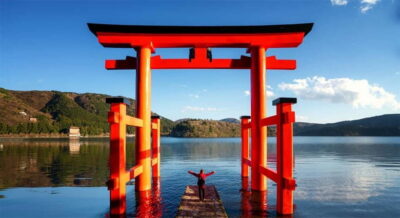 ★ 4.7Mt. Fuji Tour, Hakone Ropeway, Owakudani, Lake AshiFrom $544,002 reviews
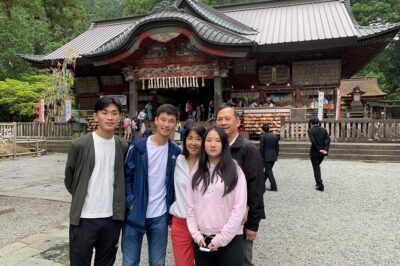 ★ 5.0Private Tour to Mt. Fuji and Hakone (Fully Licenced Operator)From $4971,910 reviews
 ★ 4.9Mount Fuji Full-Day Private Tour from Tokyo (Customizable)From $3931,470 reviews
 ★ 4.0Mt Fuji & Hakone Cruise, Drum Show Bus 1 Day from TokyoFrom $1221,287 reviews
 ★ 4.2From Tokyo: Mt. Fuji & Hakone Tour w/ Return by Bullet TrainFrom $1171,278 reviews
Browse the lists this tour appears in