
Reviewed · MT FUJI DAY TRIPS
Mt. Fuji 6 Attractions Tour: Lake Kawaguchi, Oshino Hakkai
Mt. Fuji makes even a full day feel short. This tour strings together the big spiritual icons and the best photo angles around Lake Kawaguchi and Oshino Hakkai, with a guide who keeps things organized (and helps with practical timing). I especially like two things: the day’s mix of sacred stops and everyday local streets, and the way guides like Anna focus on history plus real-world photo help. One drawback to plan for: Mt. Fuji visibility depends on weather, so you’ll want a little flexibility in expectations.
The pacing also works. You start early from Tokyo (around 8:00 AM) and hit the viewpoints while the light is still friendly, then you’re back in the city by late afternoon most days. Just note that it’s not a slow stroll tour—this is a group day with set stops, and the bus leaves on time from the meeting point.
In This Review
- Key Things I’d Pay Attention To
- Mt. Fuji Day Trip Value: Why This One Costs About $50
- Leaving Tokyo at 8:00 AM and the Coach Ride That Actually Works
- Arakura Sengen Shrine and Shinkurayama Sengen Park: The 398 Steps Moment
- Honcho Street and the Hikawa Clock Shop: A Simple Walk With Showa-Era Charm
- Oshino Hakkai: When Mt. Fuji Snow Becomes Drinking-Water Magic
- Lake Kawaguchi Oishi Park: Seasonal Mt. Fuji Framing at the Water’s Edge
- Seasonal Bonus: Maple Corridor or Cherry Blossom Festival (Depending on Timing)
- The Lawson Convenience Store Stop: A Modern Japan Photo Hack
- Timing, Group Pace, and Getting Back to Tokyo (Sometimes Late)
- Weather and Mt. Fuji Visibility: Plan for Both Outcomes
- Who This Tour Fits Best (and Who Should Skip It)
- Guide Quality: Anna and Evita’s Style Shows Up in the Day
- Practical Tips I’d Use Before You Go
- Should You Book This Mt. Fuji 6 Attractions Tour?
- FAQ
- What time does the tour start and end?
- Where do we meet in Tokyo?
- What is included in the price?
- Are meals included?
- What language support do you get?
- Do I need cash?
- Is Mt. Fuji guaranteed to be visible?
- Is this tour suitable for everyone?
Key Things I’d Pay Attention To
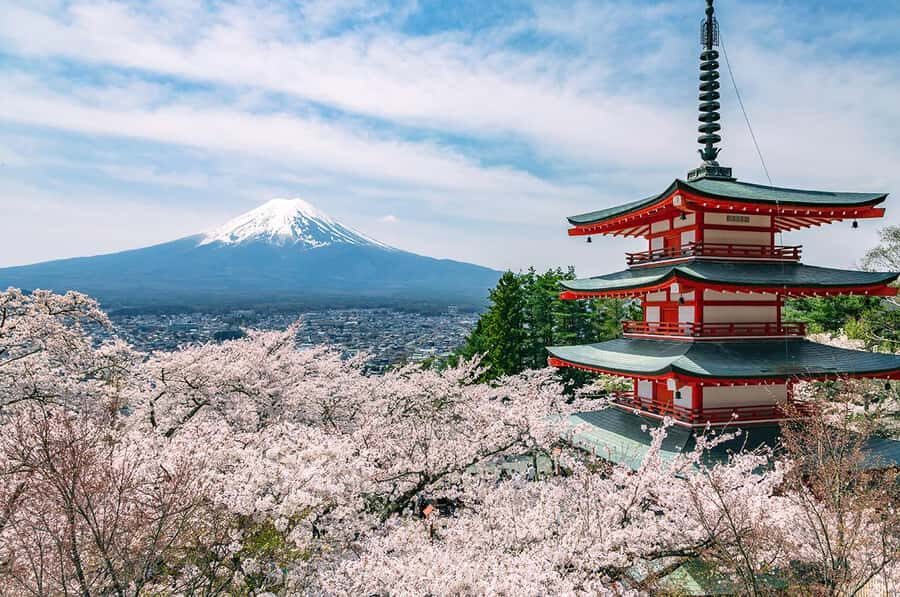
- 398 steps at Arakura Sengen Shrine for one of the most famous Mt. Fuji view-and-pagoda combos in the area
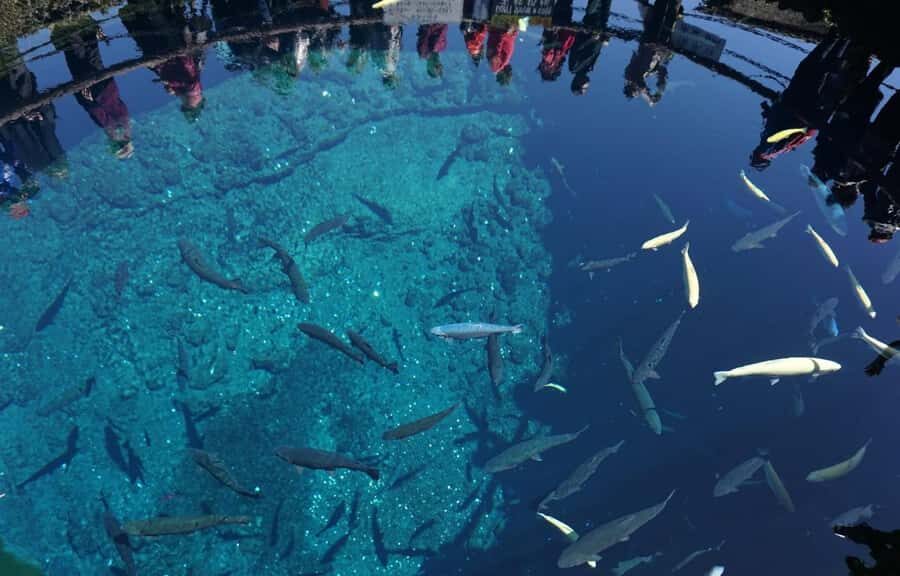
- Oshino Hakkai springs: eight crystal-clear waters fed by Mt. Fuji snowmelt over decades
- Seasonal Mt. Fuji framing at Oishi Park and possible maple/cherry-blossom moments depending on timing
- A classic side street stop at the clock shop and Honcho Street vibe for an easy walk and local flavor
- A Lawson convenience store viewpoint where modern Japan gives you a fresh angle on Mt. Fuji
- English/Chinese/Japanese guidance plus photo tips that keep the group together and moving
Other routes to the mountain, compared
- Mt Fuji & Hakone Cruise, Drum Show Bullet Train 1 Day from Tokyo★ 4.0 · 7,413 reviews
- Tokyo Mt Fuji 5th St & Hakone Cruise Bus Tour w/Bullet Train★ 4.4 · 5,024 reviews
- From Tokyo: Mount Fuji Full-Day Sightseeing Trip★ 4.5 · 4,970 reviews
Mt. Fuji Day Trip Value: Why This One Costs About $50
At roughly $50 per person, what you’re paying for is not just “transport to Mt. Fuji.” You’re getting a full coach ride from Tokyo with a professional driver, pickup and drop-off at the meeting point, admission coverage for the included stops, and a multilingual guide (English/Chinese/Japanese). Add in group logistics—people still get to the right places at the right times—and this price starts to make sense, especially if you’d otherwise be juggling trains, entry tickets, and time buffers.
What’s not included is the stuff you’d expect: meals and personal expenses. You’ll also want some cash. The tour notes that some attractions and local shops may not take cards, so having yen on hand keeps you from getting stuck at the worst moment—like when you see a small shop snack you don’t want to skip.
Leaving Tokyo at 8:00 AM and the Coach Ride That Actually Works
This is a classic “leave early, return before dinner” format. You meet your guide at a designated Tokyo meeting point (the exact spot can vary by booking), then board a comfortable air-conditioned coach. The goal is simple: get out of the city, reduce stress, and reach the Mt. Fuji viewpoints before the day gets too hot or too hazy.
You’ll likely be watching the scenery change as you head into rural Honshu. That ride time matters more than it sounds. When you’re trying to catch Mt. Fuji in decent visibility, earlier usually means a better shot at clear views and fewer crowds at the main photo locations.
Arakura Sengen Shrine and Shinkurayama Sengen Park: The 398 Steps Moment
Around 10:30 AM, the tour shifts into “Path of Faith” mode at Arakura Sengen Shrine and Shinkurayama Sengen Park. This is the famous spot where you’ll see Mt. Fuji alongside a five-story pagoda, with a townscape stretched out below. It’s one of those places where the setting feels arranged for photos—so if photography matters to you, this stop earns its place.
The big move here is practical: you climb 398 steps. It’s not a technical hike, but it’s still stairs, so wear comfortable shoes and pace yourself. If you want the view, you’ll want to plan for a steady climb and a little time at the viewpoints once you reach the top.
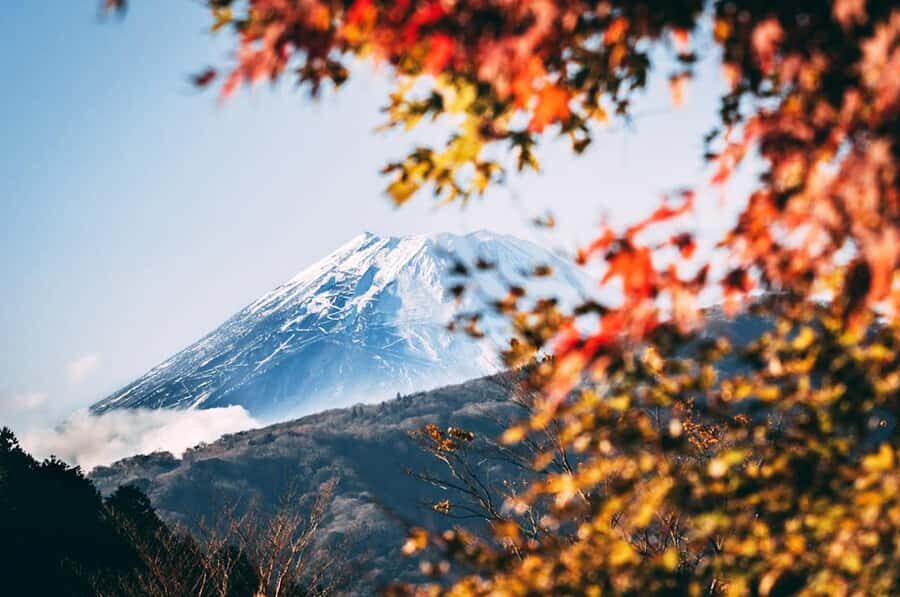
The seasonal payoff is also real. The tour is designed to let you catch different backdrops—cherry blossoms in spring, colorful leaves in autumn, and a snowy peak vibe in winter. Even if Mt. Fuji is partially obscured, the pagoda-and-town framing usually still gives you something memorable.
Honcho Street and the Hikawa Clock Shop: A Simple Walk With Showa-Era Charm
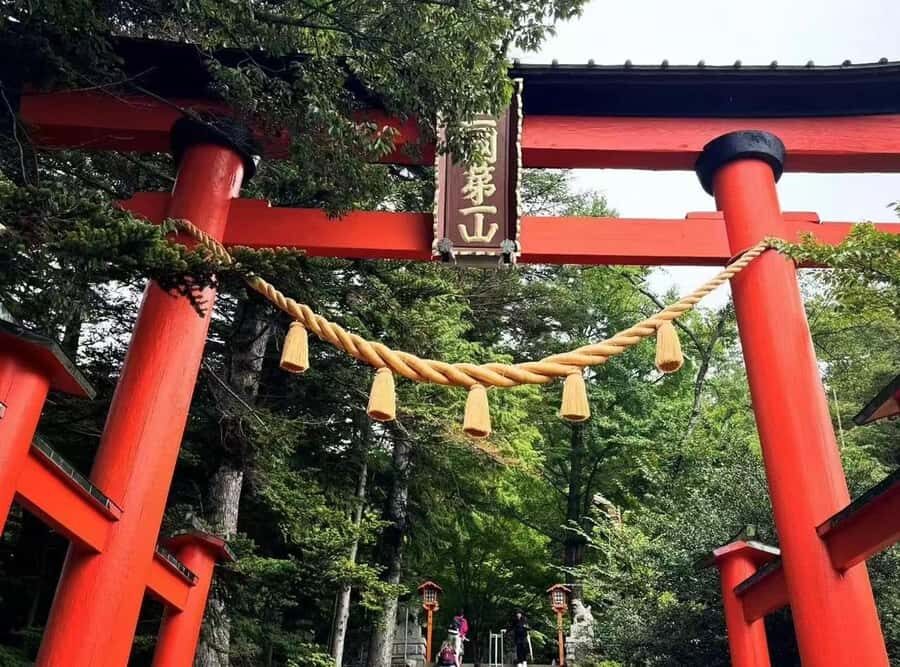
After the shrine, around 11:40 AM you shift to a more everyday, local-feeling stop: Hikawa Clock Shop & Honcho Street. This is sometimes described as Fuji’s Sky Ladder Town vibe—one of those “the view looks like it’s pulling you upward” experiences. In plain terms: it’s an easy walk through traditional shopfront atmosphere where Mt. Fuji can appear like it’s close, even while it stays stubbornly far.
I like this part because it breaks the “only temples and big views” rhythm. You get local textures—small-town calm, older storefront energy, and a break from the heavier sightseeing. It’s also a good moment to regroup if your group split a little at the stairs.





Oshino Hakkai: When Mt. Fuji Snow Becomes Drinking-Water Magic
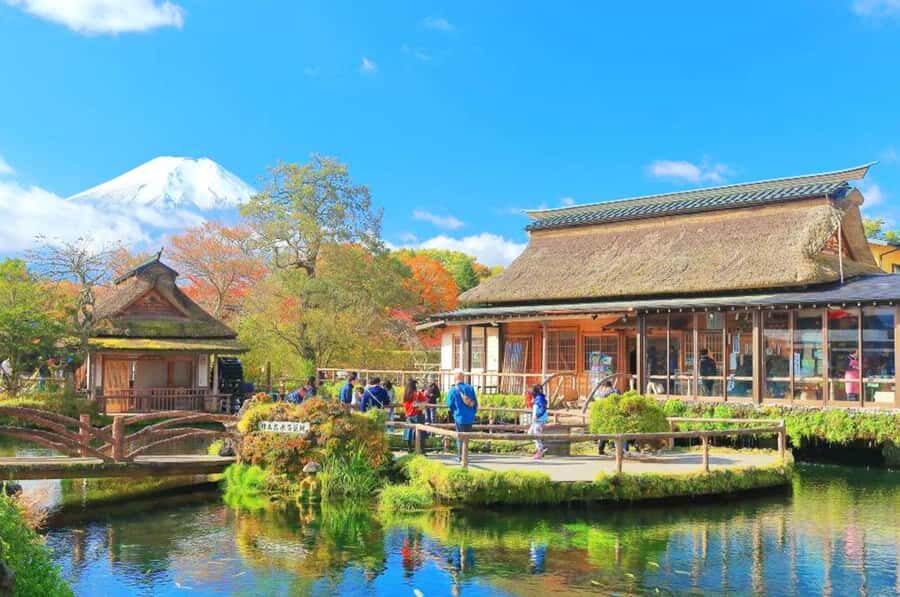
Around 12:30 PM, you reach Oshino Hakkai, a scenic village centered on eight crystal-clear springs. The key idea here is time. The tour explains that the springs are fed by Mt. Fuji snowmelt, filtered over decades. That’s why Oshino feels different from typical souvenir areas—you’re not just looking at water, you’re seeing an old natural process turned into a living landmark.
Oshino Hakkai is recognized as a Natural Monument and part of the Mt. Fuji UNESCO World Heritage area, and the day’s tone matches that. The atmosphere is calmer, more rural, and a bit more sacred in feel than the high-photo spots.
This is also a great place to slow down. You’ll likely have enough time to wander the spring area and take in the surroundings without rushing every two minutes. Just remember: this is still a group tour, so keep an eye on the meeting time and head back early if you want less stress.
Lake Kawaguchi Oishi Park: Seasonal Mt. Fuji Framing at the Water’s Edge
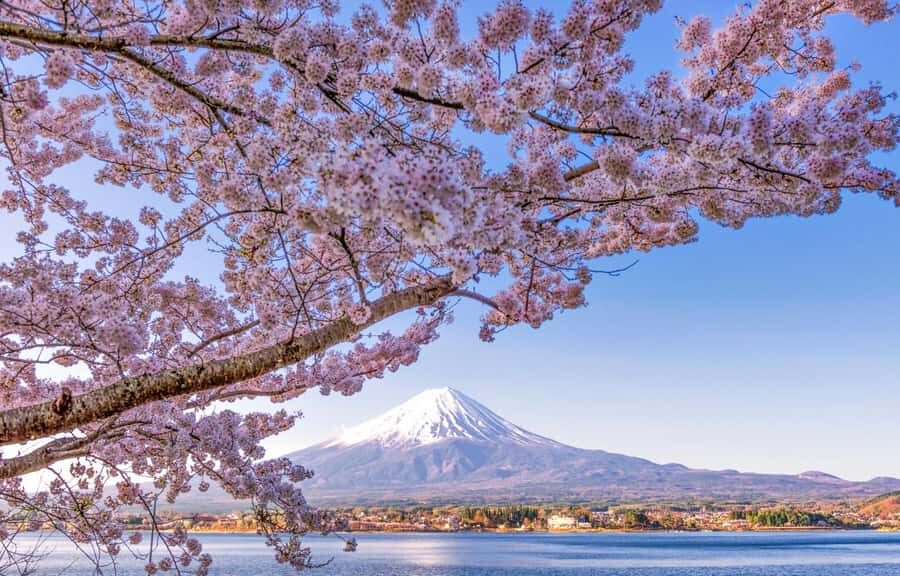
At about 2:30 PM, the tour arrives at Kawaguchiko Oishi Park, on Lake Kawaguchi’s northern shore. This is the iconic “Mt. Fuji reflected in the lake” kind of moment, and Oishi Park is one of the classic ways to get that view.
The seasonal angle matters. In cherry blossom season, you can get Mt. Fuji framed by pink petals with reflective lake scenes. In autumn, the scene can shift into warm foliage colors. And in winter, you’re often chasing that snow-covered peak feeling for photography.
The tour also mentions the Mt. Fuji Assembly Memorial Monument built from rocks sourced across Japan. It’s a small detail compared to the mountain itself, but it adds a cultural layer: the idea of Mt. Fuji as something many people share, not just locals who live with it every day.
Seasonal Bonus: Maple Corridor or Cherry Blossom Festival (Depending on Timing)
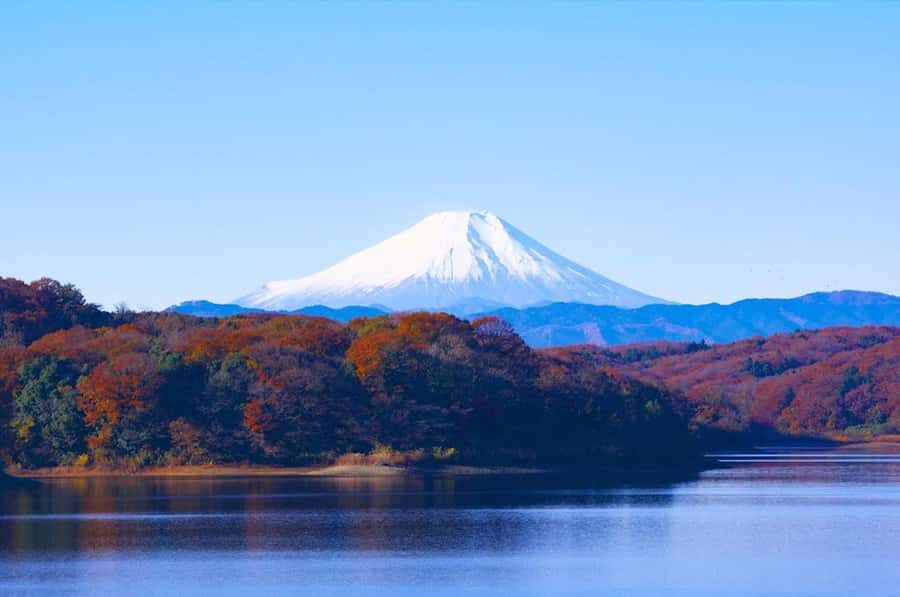
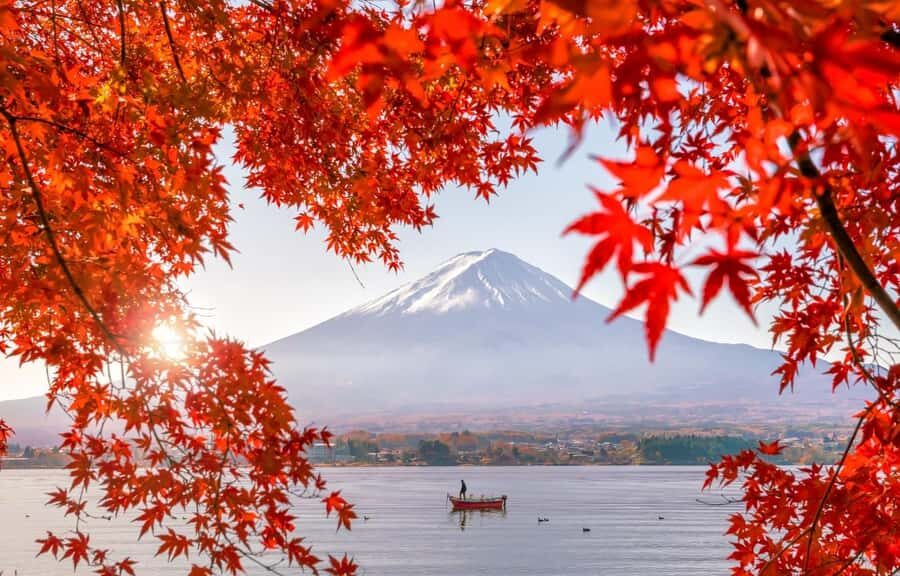
This tour includes a seasonal limited moment, which is a smart way to avoid a one-size-fits-all sightseeing day. If you’re traveling when the maples are ready, you may catch the Kawaguchiko Maple Corridor—a once-a-year sight where red maple leaves can set off a snow-capped Mt. Fuji background.
If you’re in spring, the alternative is the Kawaguchiko Cherry Blossom Festival on the northern shore. That’s a famous photo setup because you can aim for Mt. Fuji, the lake, and blooming cherry blossoms all in one frame.
One thing to keep in mind: seasonal “wow” depends on timing and weather. Still, the tour’s structure is designed to make sure you’re in the right place when the season hits.
The Lawson Convenience Store Stop: A Modern Japan Photo Hack
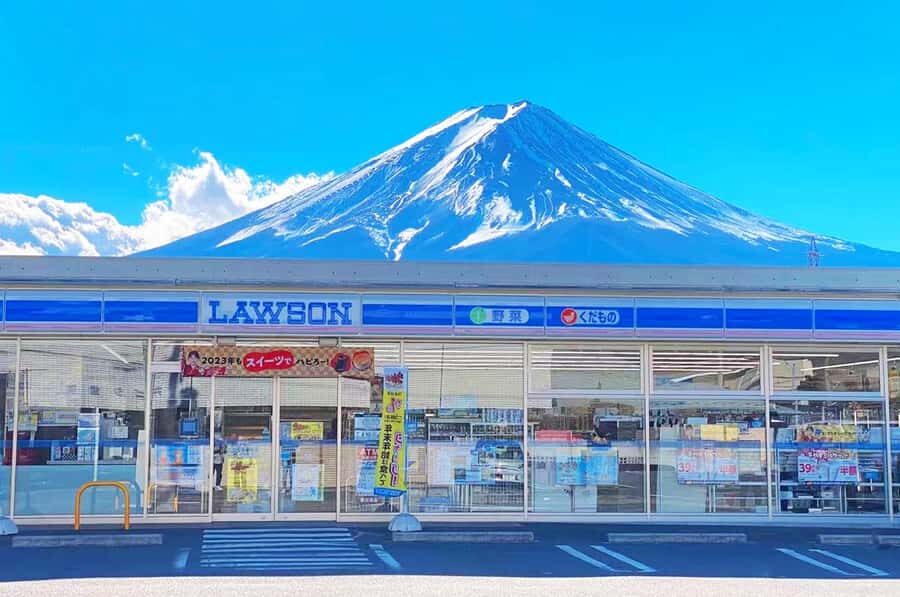
Around 3:40 PM, there’s a stop that sounds random until you see it. The tour makes time for a Lawson convenience store at Lake Kawaguchi, where you can view Mt. Fuji from a different angle—literally from a parking area. It’s a clever reset: you get a short break, you can grab snacks or drinks, and you see how Mt. Fuji shows up in everyday life, not just in official tourist spots.
This also helps the group energy. After earlier walking and viewpoints, a quick “modern rest stop” gives you a chance to breathe and recharge before the final ride back toward Tokyo.
Timing, Group Pace, and Getting Back to Tokyo (Sometimes Late)
This day starts at 8:00 AM and is usually structured to return around 6:00 PM. The tour notes that traffic and pickup locations can shift return times, and during peak seasons you might get back later—up to 21:00 is mentioned.
That matters because you’re booking a full-day commitment. If you have dinner plans with hard reservations, don’t schedule them too tight. If you’re flexible, the day feels smooth.
Also, the tour is punctual: the bus departs on time from the meeting point. Late arrivals can be treated as no-shows and are non-refundable. So set your alarm like you’re boarding a flight.
Weather and Mt. Fuji Visibility: Plan for Both Outcomes
Here’s the honest part: Mt. Fuji visibility depends on the day’s weather. Even with the best planning, clouds and haze can hide the peak. The tour directly warns you about this, and it’s worth taking seriously.
Your best strategy is simple:
- Be ready to enjoy the places even if the mountain is partly hidden.
- Prioritize good footwear and patience at the steps and viewpoints.
- Treat photos as a bonus, not the only reason for going.
In other words, you’re really visiting a cultural landscape of shrines, springs, and lake viewpoints. Mt. Fuji just happens to be the star guest who may or may not show up on schedule.
Who This Tour Fits Best (and Who Should Skip It)
This is a good fit if you want a guided Mt. Fuji day trip from Tokyo without the hassle of planning transport between multiple sites. It’s especially suitable for first-timers who want high-value stops: a signature shrine viewpoint, Oshino Hakkai’s springs, Lake Kawaguchi’s park views, and a couple of local street moments.
It’s also a strong pick if you like structured photo help. The tour descriptions highlight that guides provide explanations and practical tips. In the feedback, guides like Evita and Anna come across as organized and considerate, including when families are in the group.
However, it’s not suitable for wheelchair users. And there’s a note that it isn’t suitable for people over 95 years old, likely due to walking and the step climb at Arakura Sengen.
Guide Quality: Anna and Evita’s Style Shows Up in the Day
The tour’s success seems tied to the guide. In the feedback, guides named Anna and Evita are praised for being clear, accommodating, and attentive to the group’s needs. You can also see a pattern: they don’t just recite facts—they help you find the right angles and keep everyone together on schedule.
That matters in this region. A day like this can feel hectic if you’re left to figure things out alone. When the guide handles timing, explanations, and meeting points, the day feels calmer—even when you’re moving between several stops.
If you care about history (shrines, UNESCO status, and what the springs actually represent), this tour’s guide structure is built for that. And if you care about photos, the guide’s photo tips are a real advantage at the viewpoints that attract crowds.
Practical Tips I’d Use Before You Go
A few small moves can make a big difference:
- Bring cash for small shops and stops where cards might not work.
- Wear comfortable shoes for the 398 steps and the walking around streets and springs.
- Pack a light layer. Weather changes fast around lakes and viewpoints.
- Keep your phone charged for Mt. Fuji visibility surprises—then save battery for the best moments.
- Check the guide/bus/driver details email the night before departure (it’s sent by 9:00 PM).
Should You Book This Mt. Fuji 6 Attractions Tour?
If you want a single day that hits the main Mt. Fuji must-sees—Arakura Sengen’s pagoda view, Oshino Hakkai’s springs, and Lake Kawaguchi’s classic framing—this tour is a solid value. For around $50, the combination of coach transport, admissions, and multilingual guidance is hard to beat if you’d otherwise DIY the day.
I’d especially recommend it if:
- You’re short on time in Tokyo and want an efficient plan.
- You want a guide to handle timing and cultural context.
- You love seasonal Mt. Fuji photo chances (cherry blossoms, maples, or snowy peaks).
If you want complete freedom and zero walking, or if Mt. Fuji visibility is the only thing you’ll be happy about, you might feel frustrated by the weather-dependent nature of the views. But if you’re open to the shrines, the lake, and Oshino’s spring magic even when the peak is shy, this is a strong book.
FAQ
What time does the tour start and end?
You depart Tokyo at about 8:00 AM and typically return around 6:00 PM. Return time can vary due to traffic and pickup locations, and in peak seasons it may be as late as 21:00.
Where do we meet in Tokyo?
The meeting point can vary depending on the option booked. You’ll meet your guide at a designated meeting point, and the tour ends back at that same meeting point.
What is included in the price?
Admission to the attractions is included, along with an English/Chinese/Japanese-speaking guide, a tourist air-conditioned coach bus, pickup and drop-off, and a professional driver.
Are meals included?
No. Meals and beverages are not included, and you’ll plan your own timing for food.
What language support do you get?
The guide provides English and Japanese (and the tour description also notes English/Chinese/Japanese-speaking support).
Do I need cash?
Yes. Some attractions and local shops may not accept cards, so it’s recommended to bring some cash.
Is Mt. Fuji guaranteed to be visible?
No. Mt. Fuji visibility depends on the weather, and the tour notes that if the mountain isn’t visible, you’ll need to be understanding.
Is this tour suitable for everyone?
It’s not suitable for wheelchair users, and there’s a note that it isn’t suitable for people over 95 years old.
More Tours in Tokyo

More Tour Reviews in Tokyo



The Fuji Shortlist: Other Days Out to the Mountain
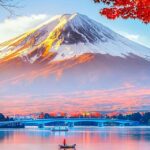
Fresh reviews from around Tokyo






Mt Fuji Day Trips, compared.
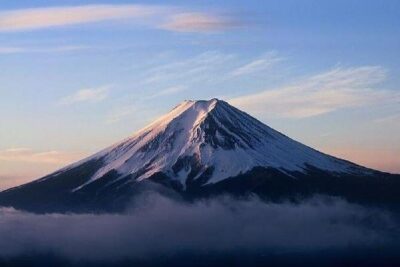 ★ 4.0Mt Fuji & Hakone Cruise, Drum Show Bullet Train 1 Day from TokyoFrom $1497,413 reviews
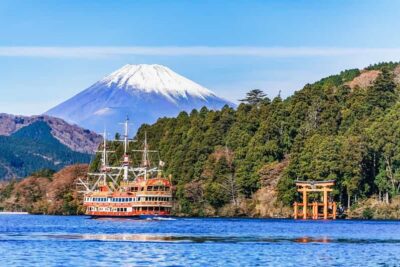 ★ 4.4Tokyo Mt Fuji 5th St & Hakone Cruise Bus Tour w/Bullet TrainFrom $1545,024 reviews
 ★ 4.5From Tokyo: Mount Fuji Full-Day Sightseeing TripFrom $684,970 reviews
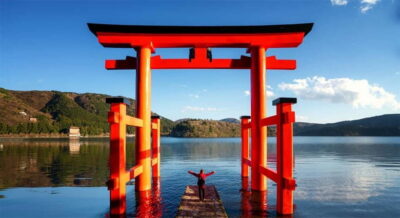 ★ 4.7Mt. Fuji Tour, Hakone Ropeway, Owakudani, Lake AshiFrom $544,002 reviews
 ★ 5.0Private Tour to Mt. Fuji and Hakone (Fully Licenced Operator)From $4971,910 reviews
 ★ 4.9Mount Fuji Full-Day Private Tour from Tokyo (Customizable)From $3931,470 reviews
 ★ 4.0Mt Fuji & Hakone Cruise, Drum Show Bus 1 Day from TokyoFrom $1221,287 reviews
 ★ 4.2From Tokyo: Mt. Fuji & Hakone Tour w/ Return by Bullet TrainFrom $1171,278 reviews
Browse the lists this tour appears in