
Reviewed · MT FUJI DAY TRIPS
Mount Fuji, Hakone & Lakekawaguchiko Private Group Tour by Car.
Mt. Fuji is better with fewer hassles.
This private group tour takes you out of busy Tokyo in a car and lets you focus on the best Fuji views and classic stops. I like the round-trip pickup convenience from your accommodation, and I also like the small-group private feel where you can go at a pace that works for your crew. One thing to plan for: seeing Mount Fuji is weather-dependent, and some days a stop like the 5th station can be affected by closures.
I really appreciate how the day mixes big-name sights with calm breaks around Lake Kawaguchiko. The itinerary flows from high-altitude viewpoints down to shrines, old village lanes, and lakeside moments—so you’re not just doing one photo stop and sprinting onward. Still, budget heads up: the 5th station fee (2100 yen) and lunch aren’t included, so you’ll want a little extra cash ready.
If you want a smooth day, communication and timing matter. Many guides were praised for punctual pickup and helpful photo assistance (I’ve seen names like Ali, Mani, and Shoaib come up a lot), but a few experiences noted missed instructions or less tour-style commentary than expected. That’s the trade: you’re paying for flexibility and logistics, so be clear on pickup details and luggage needs.
In This Review
- Key Highlights You’ll Actually Feel During the Day
- Why a Private Car Works So Well for Fuji Day Trips
- Price and Value: What You’re Really Paying For
- The Van Pickup: Your Shortcut Around Tokyo Stress
- Stop 1: Mt. Fuji Subaru Line 5th Station (The Closest Big View)
- Stop 2: Oishi Park (Classic Fuji Lake Views with Flowers)
- Stop 3: Kitaguchi Hongu Fuji Sengen Jinja (A Shrine with Roots)
- Stop 4: Chureito Pagoda (400+ Steps for Big Reward)
- Stop 5: Oshino Hakkai (Old Structures and the Water Village Feel)
- Stop 6: Lake Kawaguchiko (Cruise Break and Fuji-Lake Time)
- Stop 7: Lake Yamanaka (Short, Calm, and Friendly)
- Owakudani Valley: The Bonus Stop If Time Permits
- What Guides Can Change: Timing, Crowd Avoidance, and Photo Help
- Logistics You’ll Want to Plan for (So You’re Not Rushing)
- The Weather Reality: Mount Fuji Isn’t a Given
- Who This Tour Suits Best
- Should You Book This Mt. Fuji Private Group Tour?
- FAQ
- Is pickup from my Tokyo accommodation included?
- How much does the tour cost, and how many people can it cover?
- How long is the private tour?
- What’s included in the price?
- What costs are not included?
- Is Mount Fuji guaranteed to be visible?
- Does the itinerary include Owakudani Valley?
- Are the main stops free to enter?
- Is this tour only for my group?
Key Highlights You’ll Actually Feel During the Day
- Door-to-door transfer means less stress than buses and trains, especially with kids or big bags
- Five classic Fuji stops plus lakes give you multiple chances at good views
- Private pacing: you’re not stuck with the slowest pace in a big group
- Boat/food options at Lake Kawaguchiko let you tailor the break time
- Owakudani Valley only if time permits, so don’t bank on it every time
- Weather flexibility: guides may adjust if visibility is poor
Other routes to the mountain, compared
- Mt Fuji & Hakone Cruise, Drum Show Bullet Train 1 Day from Tokyo★ 4.0 · 7,413 reviews
- Tokyo Mt Fuji 5th St & Hakone Cruise Bus Tour w/Bullet Train★ 4.4 · 5,024 reviews
- From Tokyo: Mount Fuji Full-Day Sightseeing Trip★ 4.5 · 4,970 reviews
Why a Private Car Works So Well for Fuji Day Trips
Tokyo to Mount Fuji is doable, but doing it with trains and bus transfers can turn into a full-day logistics project. This tour is built for the simple idea that travel should support your day—not steal it. You’re picked up, you ride in one vehicle, and you get dropped back at the end. That alone makes the day feel easier, especially if you’d rather not calculate station exits while everyone is hungry.
The vehicle size matters too. The tour is priced per group (up to 6 in the booking price), and the cars can accommodate up to nine people. That makes this a smart choice when you’re traveling with family or a small group who wants to keep plans together. You’ll still want to confirm exact group headcount with the operator, but the point is clear: there’s room.
Finally, the day is designed around classic Fuji viewpoints and lake scenery. You’re not just going for one stop. You’re getting multiple “chances” to see the mountain well, plus cultural stops that make the day feel more like Japan than like a scenic drive.
Price and Value: What You’re Really Paying For
At $414.59 per group (up to 6), the price works out best when you fill the group capacity. If you max it out at 6 people, you’re looking at roughly $69 per person (before any excluded costs like lunch and the 5th station fee). If there are fewer people, the per-person number goes up, but you still get the same private logistics and pacing.
Here’s the practical value: you’re paying for fewer moving parts. You’re not coordinating transit times, you’re not dealing with transfers mid-day, and you’re not losing time to crowds at stations or waiting on a packed bus. That’s especially meaningful on a day when you’re spending hours in transit anyway.
Also, the tour includes a water bottle. It’s a small thing, but it keeps the start of the day from feeling like you have to scramble for basics before you even get going.
Just remember the non-included items: lunch isn’t included, and the 2100 yen fee for the Mount Fuji 5th station is not included. Boats or cruises at Lake Kawaguchiko also aren’t included in the tour price, so keep a little spending budget ready.
The Van Pickup: Your Shortcut Around Tokyo Stress
Pickup is offered, and that changes the tone of the whole day. Instead of figuring out where to meet and how to reach the pickup point with luggage, you’re going from your accommodation. In multiple experiences, guides were praised for being on time and helpful with photos.
One of the underrated benefits here is flexibility around real-life needs. If your group has kids under 7, you’ll want to inform the operator in advance. If your luggage situation is tricky, you should also share your luggage quantity early—sometimes moving bags inside a van takes more care than people expect.
I’d treat pickup like a small mission: send clear pickup location details (and use a pin if it’s tricky). One caution from past experiences is that pickup instructions can get ignored, so take 2 minutes to double-check your exact meeting point.
Stop 1: Mt. Fuji Subaru Line 5th Station (The Closest Big View)
Your day’s first major “wow” tends to be the 5th station. It’s around 7,500 feet up, and it’s often the closest official viewpoint to the top of Mount Fuji you can reach without hiking. You get a nature-heavy, dramatic sense of the mountain at altitude.
There are two practical realities to know:
1) This stop has a fee. The 2100 yen Mount Fuji 5th station fee isn’t included, so plan for it.
2) Closure can happen. In winter, the 5th station may be shut due to snow or storms. One experience noted January closure and still made the day work—so you should expect that your guide may shift timing and what you can do up top.
How to enjoy this stop best: dress for real weather. Even when Tokyo feels mild, altitude can feel colder and windier. And build in time for pictures at the viewpoint edges—you’ll want a few angles, not just one quick shot.
More Hakone loops, ropeways and lake crossings
Stop 2: Oishi Park (Classic Fuji Lake Views with Flowers)
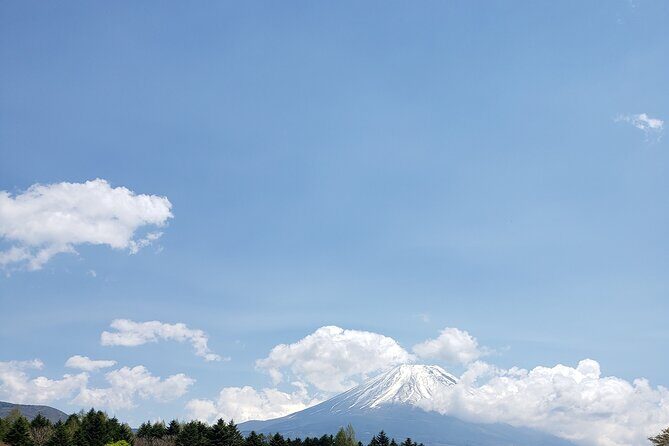
Oishi Park is a favorite because it’s Fuji with a supporting cast: Lake Kawaguchiko and colorful seasonal flowers. The stop is about 40 minutes and admission is free, which makes it easy to enjoy without feeling like you’re “paying to be outside.”
This is the part of the day where you slow down. You’re not climbing stairs or negotiating crowds at a shrine. You’re letting your eyes adjust—big mountain in the background, lake lines in the foreground, and usually enough space for calmer photos.
Drawback to accept: if clouds roll in, this becomes more about the lake and park atmosphere than a crisp Fuji silhouette. Still, it’s a gorgeous setting even when visibility is average.
Stop 3: Kitaguchi Hongu Fuji Sengen Jinja (A Shrine with Roots)
Next up is Kitaguchi Hongu Fuji Sengen Jinja, a shrine connected to early legendary ties around Mount Fuji. The tour has you there for about 30 minutes, and entry is free.
Why this stop is worth your time: shrines around Fuji aren’t just random sightseeing. They connect people to the mountain through prayer, tradition, and cultural stories. Even if you’re not a deep-scholar of shrine history, you’ll likely enjoy how this stop shifts the day from scenery to meaning.
Tip for your visit: keep your pace steady. This is a good “walk and reset” moment before the more physically demanding parts, like the stairs at the pagoda.
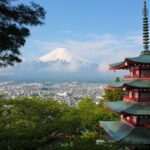
Stop 4: Chureito Pagoda (400+ Steps for Big Reward)
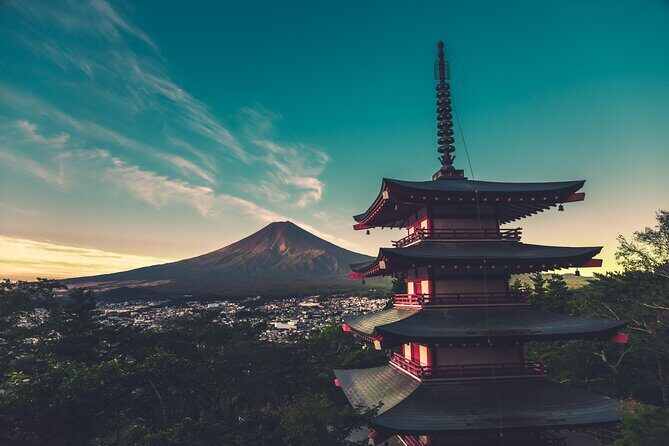
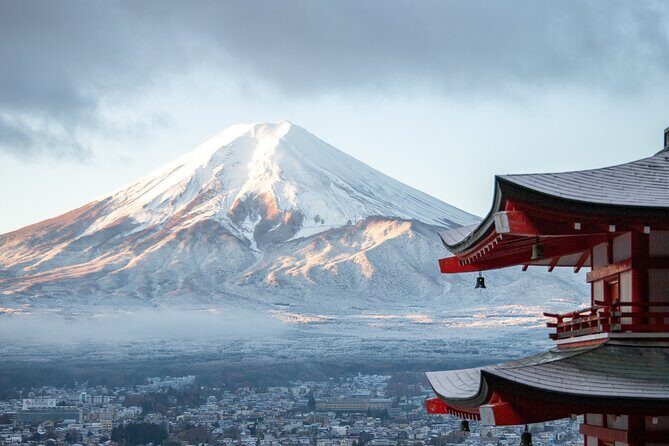
Chureito Pagoda is the stop many people remember after the trip. It’s more than 400 stairs up from the ground. Expect a bit of a leg workout, especially if your day includes other walking.
The payoff is the view. On clear days, the pagoda frames Fuji like a postcard. On cloudy days, the scene can still feel dramatic, but it won’t look like the classic internet version.
This is also where good timing matters. One of the recurring praises in past experiences: guides helped pick pickup times to avoid crowd peaks and got people into photo spots with less pushing around. If you’re the type who likes photographing quietly (not fighting a crowd), this is another reason to go private.
If you’re traveling with someone who has limited mobility, decide in advance whether you’ll climb all the stairs or pause partway for photos. The tour experience is private, so you can adjust.
Stop 5: Oshino Hakkai (Old Structures and the Water Village Feel)
Oshino Hakkai is about preserved old structures. It’s often called the Ninja village and old village in casual descriptions, and you’ll spend around 50 minutes here.
This stop is great when you want something different from viewpoint chasing. You can wander, look at the water-related layout of the village feel, and enjoy that “old Japan” vibe without needing to hike to earn it.
Admission is free, which makes it a low-pressure stop. The only thing to watch is time. If your day is running tight, you may not want to spend too long photographing every corner. The tour is designed to fit a full loop, so you’ll still want enough energy for the lakes.
Stop 6: Lake Kawaguchiko (Cruise Break and Fuji-Lake Time)
Lake Kawaguchiko is one of the main reasons this day trip works. You get around an hour here, admission-free for the main visit. The lake area is also where you can add fun time: you can take a cruise or a personal boat, and you can eat lunch at restaurants near the lake corners.
This is a turning point in the day: it’s less about “one specific spot” and more about a scenic break. If Fuji is visible, the lake gives you multiple angles as you move around. If Fuji isn’t visible, the lake still works as an atmospheric reset—water, air, and space.
What I’d do for best value: plan your lunch around your visibility. If the mountain is clear, get a lunch spot or timing that keeps Fuji in your sightline. If it’s cloudy, use the time to relax and maybe consider a boat option if the schedule fits.
Stop 7: Lake Yamanaka (Short, Calm, and Friendly)
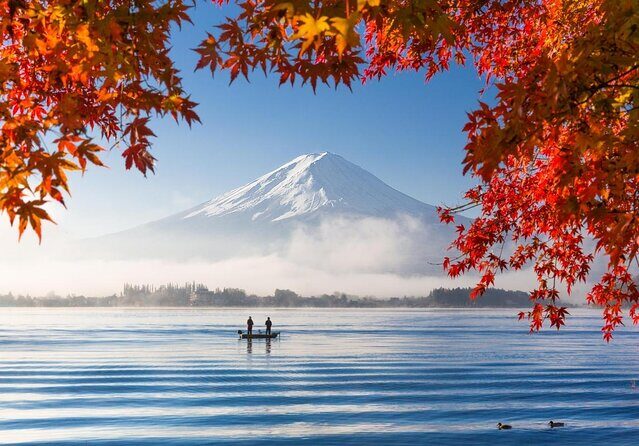
Finally, Lake Yamanaka is on the schedule for about 30 minutes. This is a lighter, calmer stop: you can enjoy views of Mount Fuji when visibility allows, and there’s also the experience of feeding swans and fish.
Why this works at the end of the day: it’s not another “climb for a viewpoint.” It’s a gentle finish. You get a peaceful wrap-up that feels less like a checklist and more like a proper holiday moment.
On a day with bad visibility, you’ll still enjoy the lake vibe, but your photos may focus more on the water and animals than on the mountain shape.
Owakudani Valley: The Bonus Stop If Time Permits
The schedule includes Owakudani Valley if time permits. That means it’s not guaranteed, but it’s a logical add-on when the day’s driving and stops are running smoothly.
Why you might want it: Owakudani is known for its volcanic character, so it adds a different texture than shrines and lakes. Even if Fuji is partially obscured, volcanic scenery can still deliver that Japan “something different” feeling.
If Owakudani doesn’t happen, don’t panic. You still get the core Fuji viewpoints, lakes, and cultural stops that make this day worth doing.
What Guides Can Change: Timing, Crowd Avoidance, and Photo Help
The best part of a private tour is not that it’s private. It’s that it can be smart.
Many experiences praised guides like Ali, Mani, Shoaib, Abdullah, Murad, Sikandar M., and Zohan for being on time, helpful with photos, and flexible with pacing. Some also shared practical timing advice—like when to be at viewpoints for better visibility and fewer crowds.
Here’s how you can use this to your advantage, without needing inside secrets:
- Wear the right layers so you can stand outside for photos without rushing
- Keep your camera or phone charged, because photo moments tend to arrive fast
- Be ready to adjust if Fuji visibility changes quickly
- Ask the guide what time windows look best for photos once you’re on the route
Also, know that when weather turns, guides may substitute other nearby sights. One experience described swapping in extra attractions when visibility wasn’t ideal. That’s not a guarantee, but it’s a pattern that can happen with private flexibility.
Logistics You’ll Want to Plan for (So You’re Not Rushing)
This tour runs about 8 to 9 hours total. The remaining time is travel time, so don’t interpret that as extra sightseeing time. You’re doing a lot in one loop.
A few things to prepare so the day stays easy:
- Confirm pickup details clearly if your lodging isn’t a typical hotel entrance
- Mention luggage quantity early so the guide can plan space
- Bring cash or a card for excluded costs (like the 5th station fee and lunch)
- Dress for changing weather at higher altitude
And yes, comfort matters. Several experiences praised the van as clean and comfortable for a long driving day, which helps when you’re sitting for hours but still want to enjoy the stops.
The Weather Reality: Mount Fuji Isn’t a Given
This experience requires good weather. If the day’s forecast doesn’t cooperate, you can be offered a different date or a full refund. That’s important, because the mountain can hide behind cloud cover or mist quickly.
Here’s the practical mindset I recommend: treat visibility as bonus, not the goal. The stops still have value—shrines, old village atmosphere, lakes, and classic views. But if your heart is set on a crisp Fuji peak in the frame, your odds are best when weather is cooperative.
If Fuji is obscured, a great guide makes the day still feel like a win. Past experiences included guides adjusting sightseeing choices to make the most of limited visibility.
Who This Tour Suits Best
This is a strong fit for:
- Families who want private pickup instead of train transfers
- Small groups who care about pacing and photo opportunities
- People who want a “great hits” Fuji day: viewpoint, shrines, old village, lakes
- Travelers who prefer flexible adjustments if weather is unpredictable
It may be less ideal if:
- You want a nonstop, highly narrated guide at every stop (some experiences noted less explanation)
- You’re expecting a strict schedule that never changes, no matter what weather does
- You’re very sensitive to vehicle conditions (one experience mentioned a cleanliness issue)
Most importantly, if you’re going private, you should play your part: clear pickup location, realistic expectations, and a willingness to adapt.
Should You Book This Mt. Fuji Private Group Tour?
Yes, if you want a smoother Fuji day with private logistics, a realistic chance at stunning views, and a route that covers both iconic scenery and cultural stops. The combination of door-to-door transfer, classic Fuji areas like Oishi Park and Chureito Pagoda, plus lake time at Kawaguchiko and Yamanaka is a solid “one-day best-of” plan.
Book with extra care if your travel dates are in a season where the 5th station can close, or if you’re traveling on a day where weather could swing. In those cases, confirm your plan for flexibility and be ready for substitutions when the mountain hides.
If you’re traveling with a group, this tour can be especially good value. When you split the cost across a full group, the convenience becomes the big win. And when a guide like Ali or Shoaib is on your day, the photo help and pacing can turn a typical sightseeing day into something you’ll actually remember.
FAQ
Is pickup from my Tokyo accommodation included?
Pickup is offered, and the tour includes round-trip transfers from your Tokyo accommodation.
How much does the tour cost, and how many people can it cover?
The price is $414.59 per group for up to 6 people. The vehicles can accommodate up to nine people.
How long is the private tour?
The tour lasts about 8 to 9 hours.
What’s included in the price?
The tour includes a water bottle and round-trip transfers. A mobile ticket is also provided.
What costs are not included?
Lunch is not included. The 2100 yen Mount Fuji 5th station fee is not included.
Is Mount Fuji guaranteed to be visible?
No. The experience requires good weather. If it’s canceled due to poor weather, you’ll be offered a different date or a full refund.
Does the itinerary include Owakudani Valley?
Owakudani Valley will be visited if time permits.
Are the main stops free to enter?
Oishi Park, Kitaguchi Hongu Fuji Sengen Jinja, Chureito Pagoda, and Oshino Hakkai are listed as free. The Mount Fuji 5th station fee and Lake Kawaguchiko-related options may have additional costs.
Is this tour only for my group?
Yes. This is a private tour/activity, and only your group participates.
More Tour Reviews in Tokyo






Hakone, Three More Ways
The Fuji Shortlist: Other Days Out to the Mountain

Fresh reviews from around Tokyo






Mt Fuji Day Trips, compared.
 ★ 4.0Mt Fuji & Hakone Cruise, Drum Show Bullet Train 1 Day from TokyoFrom $1497,413 reviews
 ★ 4.4Tokyo Mt Fuji 5th St & Hakone Cruise Bus Tour w/Bullet TrainFrom $1545,024 reviews
 ★ 4.5From Tokyo: Mount Fuji Full-Day Sightseeing TripFrom $684,970 reviews
 ★ 4.7Mt. Fuji Tour, Hakone Ropeway, Owakudani, Lake AshiFrom $544,002 reviews
 ★ 5.0Private Tour to Mt. Fuji and Hakone (Fully Licenced Operator)From $4971,910 reviews
 ★ 4.9Mount Fuji Full-Day Private Tour from Tokyo (Customizable)From $3931,470 reviews
 ★ 4.0Mt Fuji & Hakone Cruise, Drum Show Bus 1 Day from TokyoFrom $1221,287 reviews
 ★ 4.2From Tokyo: Mt. Fuji & Hakone Tour w/ Return by Bullet TrainFrom $1171,278 reviews
Browse the lists this tour appears in