
Reviewed · MT FUJI DAY TRIPS
Majestic Mt. Fuji & Hakone Retreat –A Private Day Tour from Tokyo
Tokyo to Fuji in one day is the real trick. This private tour is built for that, stacking Mt. Fuji viewpoints and classic Hakone sights into a single 9–10 hour outing, with hotel pickup and a driver-guide who handles the hard parts. I like that you can keep things flexible for your group, instead of feeling locked into a rigid coach schedule.
Two things I really like about this experience are the comfort and time-savings and the way it’s organized around major photo stops. You’ll ride in a vehicle with air-con and Wi-Fi, plus USB charging, and you start with a meet-and-greet directly from your central Tokyo hotel area. The other big plus is the guide support at crowded places; in past trips, drivers like Atif Cheema and Ahsan have helped families and first-timers move in and out efficiently.
One consideration: a big chunk of the payoff depends on weather and visibility. The tour requires good weather, and if clouds roll in, the dramatic Mt. Fuji views may be muted—even though you’ll still see plenty of great scenery around lakes and the shrine/pagoda stops.
In This Review
- Quick wins before you go
- Private pickup and a driver-guide who does the navigation
- Chureito Pagoda and Arakura Fuji Sengen Shrine: where the views actually happen
- The Mt. Fuji 5th Station option: worth it for the height, not for everyone
- Lake Kawaguchiko: Fuji lakeside views, plus easy strolling
- Oshino Hakkai: the Eight Ponds stop that feels like a postcard village
- Lake Ashinoko and Owakudani: Hakone’s best-known moods
- Lake Yamanaka: a calmer Fuji Five Lakes moment
- Hakone Ropeway: the scenic ride, and the one line you should expect
- Customizing the day without losing your big-sight win
- Price and value for a group of up to five
- Weather reality: how to plan when Fuji hides
- Who should book this Mt. Fuji and Hakone private tour?
- Should you book Majestic Mt. Fuji & Hakone Retreat?
- FAQ
- How long is the Mt. Fuji and Hakone private day tour?
- How many people can be in a group?
- Does the tour include hotel pickup and drop-off?
- What’s included in the price?
- What is not included?
- Is the Mt. Fuji 5th Station stop optional?
- Is the Hakone Ropeway ticket included?
- What kind of ticket do you receive?
- What happens if the weather is poor?
Quick wins before you go
- Hotel pickup meet-and-greet in central Tokyo so you don’t waste time figuring out trains and buses.
- Private group routing up to 5 people with room to customize what matters most to you.
- Iconic Fuji photo stops like Chureito Pagoda and Arakura Fuji Sengen Shrine.
- Hakone highlights in one loop including Lake Ashinoko, Owakudani, and Hakone Ropeway.
- Smart pace with guide help for entering/exiting busy areas faster.
- Clear-weather advantage: Mt. Fuji views are best when skies cooperate.
Other routes to the mountain, compared
- Mt Fuji & Hakone Cruise, Drum Show Bullet Train 1 Day from Tokyo★ 4.0 · 7,413 reviews
- Tokyo Mt Fuji 5th St & Hakone Cruise Bus Tour w/Bullet Train★ 4.4 · 5,024 reviews
- From Tokyo: Mount Fuji Full-Day Sightseeing Trip★ 4.5 · 4,970 reviews
Private pickup and a driver-guide who does the navigation
The day starts with something simple that matters a lot: someone meets you and gets you moving from your central Tokyo hotel area. That alone is worth it for many first-timers, because the route to Hakone/Fuji isn’t difficult, but it is time-consuming when you add train transfers, station confusion, and ticket lines.
Your vehicle is set up for comfort, with air-con and Wi-Fi plus USB charging. In a long day like this, it’s a lot nicer to arrive calm than sweaty and stressed from rushing through Tokyo transit. And because it’s a private tour, you can ask the driver-guide questions in plain English—past guides have included people like Atif Cheema, Ahsan, and Ahmed from earlier group experiences.
Here’s the practical part: because you’re not hopping between trains, the schedule has a better chance of holding together. That matters when traffic or crowds slow you down, which can absolutely happen on day trips leaving Tokyo.
Chureito Pagoda and Arakura Fuji Sengen Shrine: where the views actually happen
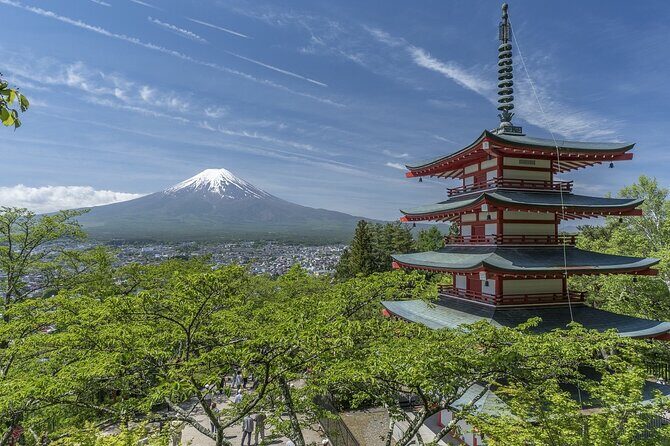
You’ll spend time at the Chureito Pagoda area, one of Japan’s most copied-yet-impressive Fuji backdrops. On clear days, the pagoda frames Mt. Fuji in a way that makes your camera work overtime. Even when the mountain hides behind clouds, the shrine-and-pagoda setting still feels special and photo-friendly, and it’s a free stop.
A key detail is timing and patience. This is a popular spot, so you can expect other people chasing the same angle. In past trips, guides like Ahsan and Cheema helped groups find the right things to do around the area without burning an hour just standing in the wrong spot.
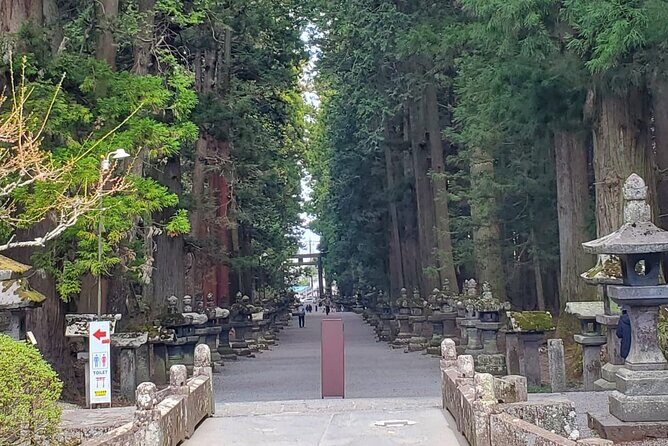
Arakura Fuji Sengen Shrine fits naturally into this same region. You get a scenic hillside shrine atmosphere, and it’s closely linked with the famous pagoda viewpoint. Plan for short walks, some stairs, and lots of camera breaks—think of this as a “see it, enjoy it, then move” stop rather than an all-day linger.
Photo tip: if Fuji shows up even briefly, take it. Clouds can move fast, and your guide will generally help you decide when it’s worth committing to photos.
The Mt. Fuji 5th Station option: worth it for the height, not for everyone
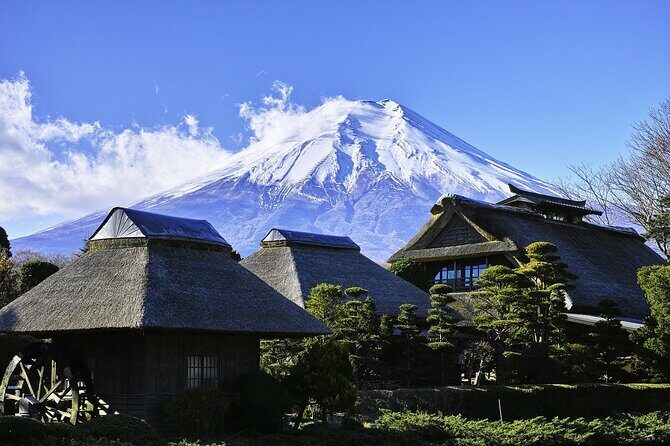
Mount Fuji’s 5th Station sits at about 2,300 meters, so the experience is mostly about altitude and big-sky views—often above the cloud layer when the weather plays nice. The stop also connects you to Fujisan Komitake Shrine, a spiritual waypoint for climbers, and it’s near where the Yoshida Trail starts.
This is marked as optional, and for good reason. If you’re short on time, not feeling well with elevation, or you mainly want photos without extra walking, you might choose to skip it and spend more time around the lakes and viewpoints. Also, the 5th Station admission is not included, so factor that into your spending if you decide to go.
When it does work, it’s memorable. The height makes even ordinary moments feel different: air feels thinner, views open up, and the whole area gives you that “you’re close to the mountain” feeling. If you do go, wear layers. Even if Tokyo feels warm, the 5th Station can feel cooler.
My take: treat this stop as the “choose your adventure” moment. If you’re chasing maximum Fuji, don’t ignore it. If you’re chasing an easier day with less exertion, keep it optional and go with what your group feels.
Lake Kawaguchiko: Fuji lakeside views, plus easy strolling
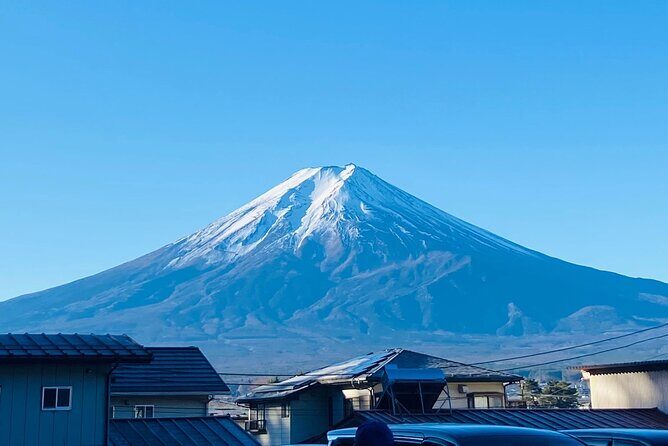
Lake Kawaguchiko is one of the main lakes people use as a base for seeing Mt. Fuji. You’ll have about an hour here, with time to enjoy viewpoints and wander around the area. The tour makes it simple, and admission for this stop is free.
You’ll also find ways to get closer to the water’s angle, including viewpoints tied to the ropeway or a cruise option on Lake Kawaguchiko. The catch is that those are not included in the tour price, so you’ll likely decide on the day if you want to add them.
This is a good place to reset. After shrine/pagoda walking, a lakeside stop feels like a breather. If Fuji is visible, Kawaguchiko often delivers a classic postcard look. If Fuji is hidden, you still get the calm lake atmosphere and plenty of scenic shoreline.
Practical move: keep your camera ready but don’t fixate on Fuji the whole time. Clouds can lift and drop repeatedly, and you’ll enjoy the moment more if you treat it like a long look, not a one-second miracle.
More Hakone loops, ropeways and lake crossings
Oshino Hakkai: the Eight Ponds stop that feels like a postcard village
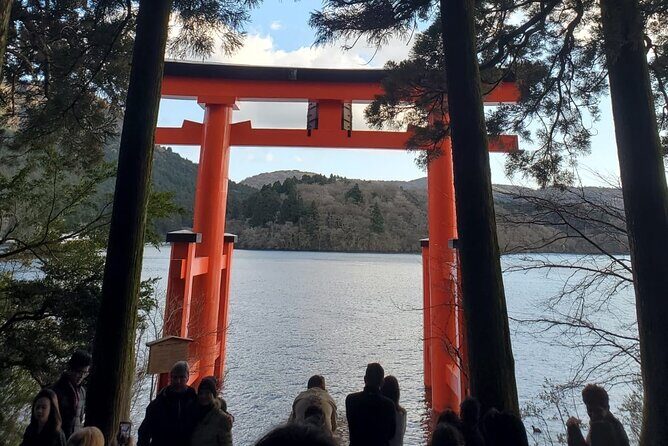
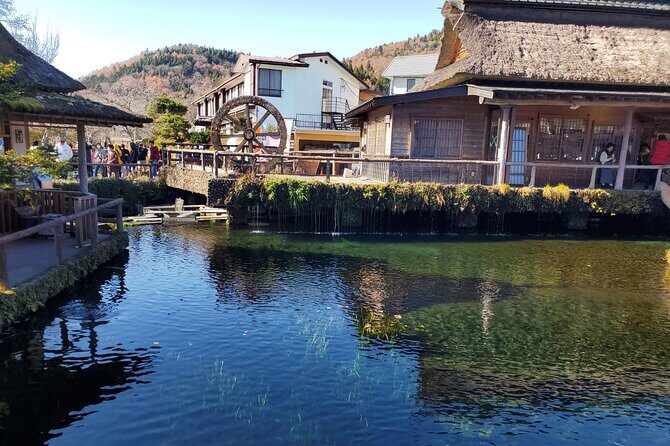
Oshino Hakkai is a small village set up for scenic wandering and photos, built around eight ponds. It’s a big favorite because it’s compact and easy to explore without planning. You’ll have about an hour, and the stop is free.
What makes it work is the texture of the place. You’re not just looking at a view—you’re walking through a curated (in the best way) area with pond viewpoints and food/souvenir vendors. If you want a simple stretch of time where you can snack, take a slow walk, and not worry about the logistics, this is it.
The only real drawback is that it can be crowded around peak hours. Your guide can help you keep moving and avoid wasting time hovering at the most congested angles.
If you like places that feel like a real stop, not just a viewpoint platform, Oshino Hakkai is usually the kind of stop that stays with you.
Lake Ashinoko and Owakudani: Hakone’s best-known moods

Once you shift into Hakone territory, the vibe changes. Lake Ashinoko is the scenic lake stop, and you’ll have about an hour here. This is where you can choose to ride the pirate cruise on the lake, but the admission for that kind of add-on isn’t included, so you’ll decide based on time and how your group feels.
Even without the cruise, Lake Ashinoko works because it frames the Hakone valley feel and gives you room to breathe. In a packed day, that matters.
Then you move to Owakudani Valley, a volcanic area famous for its steam vents and sulfuric landscapes. You’ll get about an hour, and this stop is free. The sights here are unlike most places around Tokyo, and it’s one of the best chances on the day to see a truly different side of the region—hot ground, steaming air, and dramatic terrain.
This stop can also be a bit intense. You’re dealing with strong sulfur smells and lots of activity around the viewpoints. If you’re sensitive to odors, plan to keep your walking limited and don’t linger in the densest areas too long. For many people, though, it’s exactly the point: you come to Hakone for the geothermal drama, not just pretty water.
If you want one Hakone “must” in your head, Owakudani is usually it.
Lake Yamanaka: a calmer Fuji Five Lakes moment
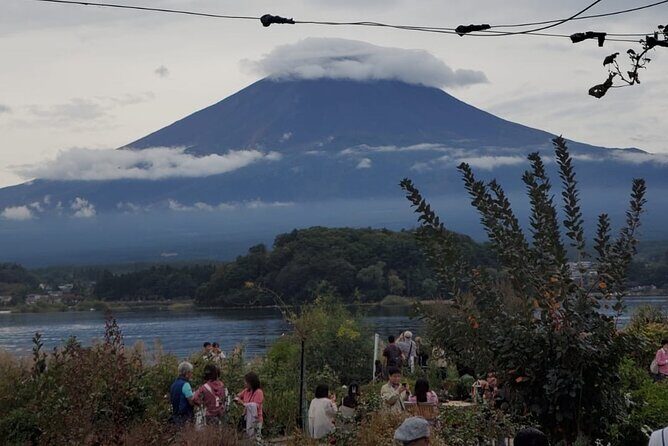
Lake Yamanaka is part of the Fuji Five Lakes group and is described as the largest by surface area and the highest in elevation. You’ll have about an hour, and it’s a free stop.
This is a good mid-to-late day option because it often feels calmer than the busiest viewpoint areas. It also keeps the Fuji theme going while you move toward the Hakone highlights.
One practical note: since the entire day is weather-dependent, your best bet is to stay mentally flexible. If Fuji is visible, Yamanaka can look great. If not, you’ll still have a scenic lake setting and a chance to slow down.
Think of this as the “breathe and reset” lake.
Hakone Ropeway: the scenic ride, and the one line you should expect
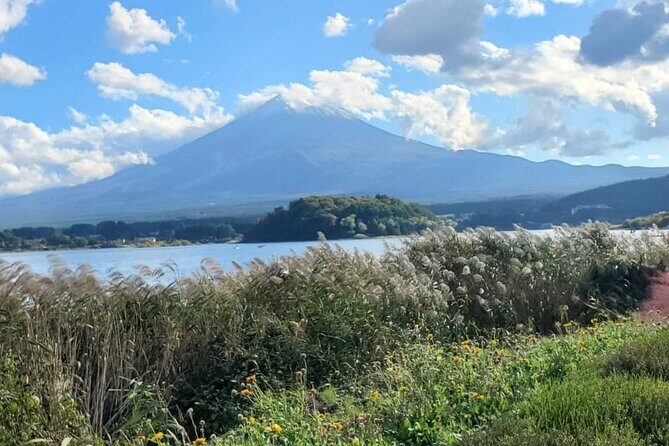
The Hakone Ropeway is one of the region’s iconic cable car experiences. It’s short—about a 30-minute segment as planned—and it connects areas around the volcanic zone and lake viewing points (you’ll see the route as you arrive). The admission for the ropeway is not included.
This is also the stop where you should assume lines. One review tip I’d take seriously: if you use the ropeway, be ready to stand in line for a while. The good news is that if the day is clear, the views can make the wait feel worthwhile.
Even if it’s not crystal clear, the ride still gives you something different from the road travel. You get elevated perspective and a quick way to understand how the lake and volcanic zones connect.
What to bring: water if you tend to get dry in queues, and wear comfortable shoes. Ropeways are easy, but waiting areas still involve walking and standing.
Customizing the day without losing your big-sight win
This tour is private, which means customization is real—not just a checkbox. Your guide can help adjust the sequence and priorities so your day fits your group, whether that means spending more time at a favorite lake view or choosing what to skip.
In earlier experiences, guides were quick about finding the best ways in and out of busy places. That matters because a day like this has limited daylight hours and limited energy. The smartest use of customization is to pick what you’d regret missing, then let everything else support that plan.
If you’re a family with kids, the flexibility is often the difference between an enjoyable day and a fussy one. If you’ve got mobility limits, you’ll want to be strategic about where walking and stairs add up—5th Station and shrine areas can require extra effort.
Simple decision rule:
- Want maximum Fuji drama? Prioritize Fuji-related stops and consider the optional 5th Station.
- Want maximum Hakone mood? Give Owakudani and the Ropeway more breathing room.
- Want a balanced day? Keep the core stops and let your guide fine-tune timing on the ground.
Price and value for a group of up to five
The price is $495.39 per group (up to 5 people), and it includes private luxury transportation plus all taxes, tolls, and fees. It also includes hotel pickup and drop-off in central Tokyo, free onboard Wi-Fi, USB charging, and an English-speaking professional driver-guide.
That price can look high if you only think in per-person terms. But private transport plus hotel pickup plus a guiding service is usually expensive to piece together on your own, especially for a day that spans multiple regions. For families, small groups, or anyone who wants to avoid complicated transit, this setup is often the cleanest value.
What’s not included is also clear: personal expenses (souvenirs, snacks outside the plan), optional add-ons you choose on the day, and gratuities. Also, some major attraction admissions are not included, like Mt. Fuji 5th Station and the Hakone Ropeway (and the cruise/ropeway-related options where applicable).
My practical way to judge value: if you would otherwise pay separately for transfers, guided help, and you’d like to keep the schedule tight, this private day tour is a straightforward buy. If you’re traveling solo with plenty of time to spare and you enjoy figuring out routes, you might spend less with public transport—just expect more effort.
Weather reality: how to plan when Fuji hides
This experience explicitly requires good weather. When skies cooperate, you get the classic Fuji views people dream about. When they don’t, you’ll still have a full day of meaningful sightseeing, but the mountain might not be the main character.
On cloudy or rainy days, the day’s value shifts. Instead of relying on seeing Mt. Fuji clearly, you lean into the charm of lakes, the pond village atmosphere at Oshino Hakkai, the volcanic textures at Owakudani, and the shrine/pagoda experience even when the background is soft.
One tip I’d give you: pack for temperature swings. A clear Tokyo morning can become cooler near mountain-adjacent zones. Also, bring a light rain layer even in calm seasons—visibility can change fast.
If your goal is specific, dramatic Fuji photos, choose your timing carefully and keep expectations flexible. You’re buying a day designed around icons; the weather decides how loud the icon moments get.
Who should book this Mt. Fuji and Hakone private tour?
This tour is a strong fit if you want one-day efficiency from Tokyo with minimal planning stress. It’s ideal for small groups up to 5, families, couples, and anyone who prefers a driver-guide to manage routing and crowd timing.
It’s also a good pick if you care about comfort. The vehicle has air-con, Wi-Fi, and USB charging, and you start with pickup and meet-and-greet support. Past groups highlighted how guides helped with quick entry/exit and made short notice adjustments when schedules got tight.
If you’re the type who wants a slow multi-day Fuji/Hakone plan with lots of independent transit, you might find a private day too packed. But if you have limited time and you want the biggest sights in a single stroke, this matches the job.
Should you book Majestic Mt. Fuji & Hakone Retreat?
I’d book it if you’re doing Japan on a time budget and you want the payoff of two regions in one day. The private hotel pickup, English-speaking guide support, and comfortable ride reduce the usual “day-trip tax” of stress and wasted hours.
I’d pause if your priority is only one very specific view and you’re worried about cloudy conditions. Since the tour depends on weather for maximum Mt. Fuji drama, you’ll need to accept that some days just don’t show the mountain clearly.
If you like your travel days to feel organized, then loosened by customization, this one has a good balance. You’ll hit the big hits—Chureito Pagoda, Fuji-area lakes, Oshino Hakkai, Lake Ashinoko, Owakudani, and the Hakone Ropeway—with a guide who helps you keep moving.
FAQ
How long is the Mt. Fuji and Hakone private day tour?
The tour runs about 9 to 10 hours.
How many people can be in a group?
This is priced per group and can accommodate up to 5 people.
Does the tour include hotel pickup and drop-off?
Yes. The tour includes hotel pickup and drop-off in central Tokyo, with a meet-and-greet.
What’s included in the price?
Included are private luxury transportation, all taxes and tolls/fees, free onboard Wi-Fi and USB charging, an English-speaking professional driver-guide, and hotel pickup and drop-off in central Tokyo.
What is not included?
Not included are personal expenses like souvenirs and snacks outside the planned stops, optional activities not specified, and gratuities.
Is the Mt. Fuji 5th Station stop optional?
Yes. The Mt. Fuji 5th Station monument visit is marked optional, and admission is not included.
Is the Hakone Ropeway ticket included?
No. Hakone Ropeway admission is not included.
What kind of ticket do you receive?
You get a mobile ticket.
What happens if the weather is poor?
The experience requires good weather. If it’s canceled due to poor weather, you’ll be offered a different date or a full refund.
More Tour Reviews in Tokyo






Hakone, Three More Ways
The Fuji Shortlist: Other Days Out to the Mountain

Fresh reviews from around Tokyo






Mt Fuji Day Trips, compared.
 ★ 4.0Mt Fuji & Hakone Cruise, Drum Show Bullet Train 1 Day from TokyoFrom $1497,413 reviews
 ★ 4.4Tokyo Mt Fuji 5th St & Hakone Cruise Bus Tour w/Bullet TrainFrom $1545,024 reviews
 ★ 4.5From Tokyo: Mount Fuji Full-Day Sightseeing TripFrom $684,970 reviews
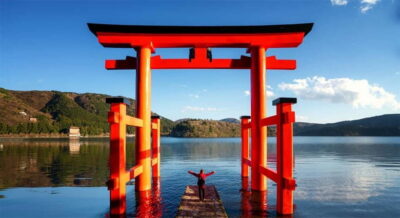 ★ 4.7Mt. Fuji Tour, Hakone Ropeway, Owakudani, Lake AshiFrom $544,002 reviews
 ★ 5.0Private Tour to Mt. Fuji and Hakone (Fully Licenced Operator)From $4971,910 reviews
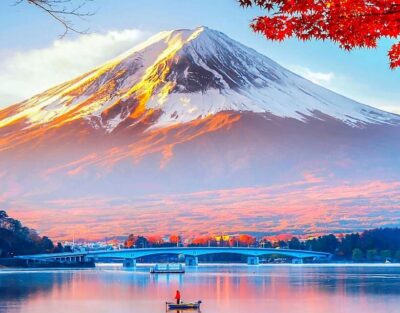 ★ 4.9Mount Fuji Full-Day Private Tour from Tokyo (Customizable)From $3931,470 reviews
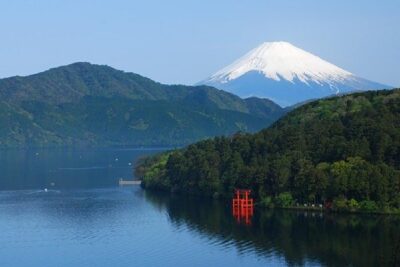 ★ 4.0Mt Fuji & Hakone Cruise, Drum Show Bus 1 Day from TokyoFrom $1221,287 reviews
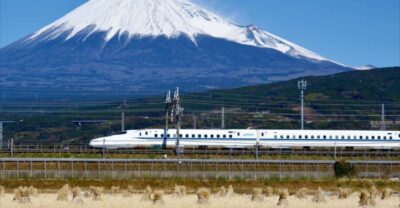 ★ 4.2From Tokyo: Mt. Fuji & Hakone Tour w/ Return by Bullet TrainFrom $1171,278 reviews
Browse the lists this tour appears in