
Reviewed · KAMAKURA DAY TRIPS
Kamakura: Private History and Heritage Tour by Rickshaw
A rickshaw makes Kamakura feel close. This private, customizable ride threads you through temple lanes and heritage spots in a way that’s hard to match on foot. I especially like the chance to get up close to the Great Buddha and the built-in photo stops that help you hit the best angles without wandering in circles.
There’s also something genuinely useful about going private: your guide can steer the day toward what you care about, whether that’s shrines, gardens, or just the atmosphere. One thing to weigh first: the guide is listed as Japanese, and some practical limits apply (like the tour not being recommended for expecting mothers in the first 16 weeks and not suiting people with back problems).
In This Review
- Key highlights worth your attention
- Why a private rickshaw is the fast lane to Kamakura
- Choosing the right tour length: 45 to 190 minutes
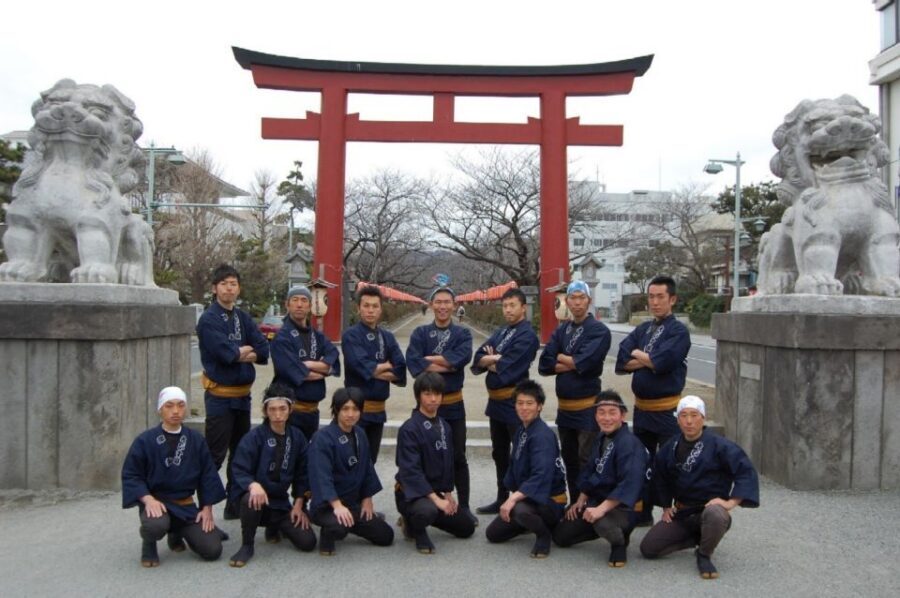
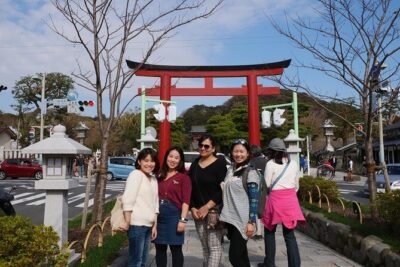
- Tsurugaoka Hachimangu Shrine and Otori Gate: where your orientation clicks
- Hokokuji Temple gardens: the pause that makes the day feel balanced
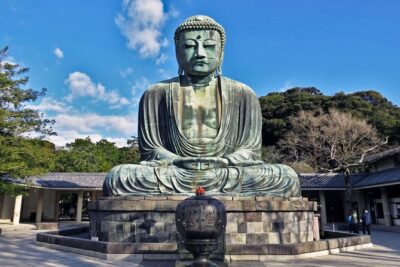
- Daibutsu close-up time: seeing the Great Buddha Statue the right way
- Photo stops that actually help you frame the day
- Side streets and temple grounds: the charm is in the routes
- Comfort, rickshaw size, and who should consider this
- Price and value: is about $51 per person a good deal?
- Should you book this Kamakura rickshaw history tour?
- FAQ
- How long is the Kamakura private rickshaw tour?
- What does the 45-minute tour include?
- What additional stop do you get with the 1 hour 10 minutes tour?
- What’s included in the 2 hours 10 minutes tour?
- What’s the difference with the 3 hours 10 minutes tour?
- Where is the meeting point?
- What’s included in the price?
- Are admission fees included?
- What language are the guides?
- Is it wheelchair accessible, and can kids ride?
- FAQ
- Are selfie sticks allowed?
- How many people can ride in one rickshaw?
- Can I bring my stroller?
- Is hotel pickup included?
- Is free cancellation available?
- Is there a pay later option?
Key highlights worth your attention
- Great Buddha close-up time when you choose the longer options
- Tsurugaoka Hachimangu Shrine viewpoints with that rewarding “look over Kamakura” angle
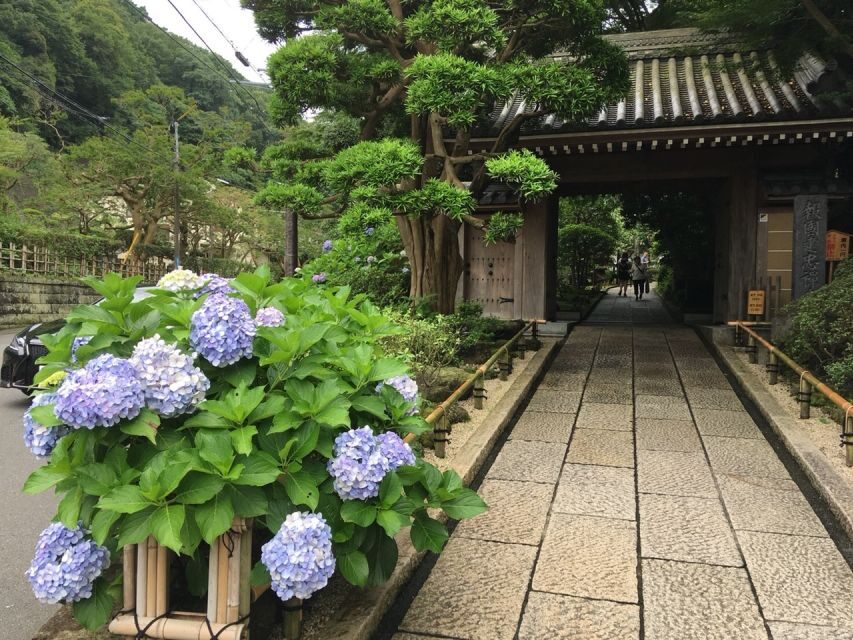
- Hokokuji Temple gardens if you pick the 1 hour 10 minutes or longer
- Photo stops included, so you’re not scrambling for the best spots
- Real flexibility: you can customize depending on what you want to see
- Rickshaw comfort planning matters because the vehicle is 74 cm wide
Why a private rickshaw is the fast lane to Kamakura
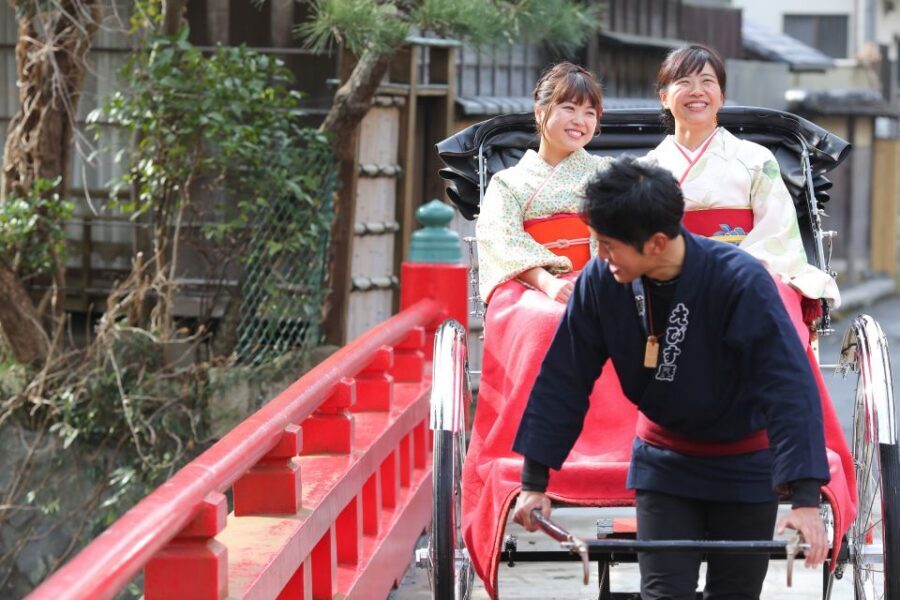
Kamakura isn’t just one main street. It’s a patchwork of old lanes, temple grounds, and hilltop views. A rickshaw helps you cover ground without turning your day into nonstop walking. In practice, it’s a smart “pace” choice: you can look around, take photos, and still make it to the big-ticket sites on time.
I also like the feel of a private setup. You’re not jamming into a crowd’s timing. If you want your guide to slow down at a shrine gate, you can ask. If you’d rather spend extra minutes on the garden portion of the day, that’s part of the point of choosing a private tour.
For me, the best part is how close the experience gets to the sites. The Great Buddha stop is the kind of landmark you can only fully appreciate if you actually get near it. You’re not just passing a sign. And since photo stops are included, you can focus on framing rather than timing.
Choosing the right tour length: 45 to 190 minutes
The tour comes in four time options, and your choice changes the sights you’ll be able to see.
- 45 minutes: This is the “starter” version. You’ll pass the Otori Gate and go by Tsurugaoka Hachimangu Shrine, then work your way back through side streets past temples with expansive grounds.
- 1 hour 10 minutes: You add Hokokuji Temple. This is where the famous garden wandering comes in, giving you a slower, more scenic pause.
- 2 hours 10 minutes: You’ll go higher for the Tsurugaoka Hachimangu Shrine views over the city, and you’ll also include the Daibutsu (Great Buddha Statue).
- 3 hours 10 minutes: Think of this as the full hits package—everything listed above, in one run.
Here’s how I’d decide. If this is your first visit to Kamakura and you mainly want the big names, pick 2 hours 10 minutes. If you care about gardens and want a calmer pace, go 1 hour 10 minutes (and consider upgrading if you’re also hoping for the Great Buddha). If you want the whole sampler—gate, shrine, garden, and Buddha—choose 3 hours 10 minutes.
Tsurugaoka Hachimangu Shrine and Otori Gate: where your orientation clicks
Your tour starts in the Kamakura area near Tsurugaoka Hachiman-gu Shrine—your guide waits just outside the office building, less than 90 meters down the street. That’s a nice setup because you’re already close to the action.
On the shorter option, you pass Otori Gate and then head to Tsurugaoka Hachimangu Shrine. This isn’t just a stop on a list. The location and layout help you understand why Kamakura mattered as a center of power in Japan’s warrior era. Even if you don’t go deep into dates, you feel the structure—processional paths, gates, and the way the site frames the surrounding town.
One of the practical joys here: you don’t have to figure out where to walk next. Your guide is the map, and you can pay attention to what’s in front of you instead of studying transit lines.
On the longer versions, the tour includes climbing up all the way to Tsurugaoka Hachimangu Shrine and then taking in the views over the city. If you’re the type who likes a “we earned this view” moment, the 2 hours 10 minutes and 3 hours 10 minutes options make more sense than the quick pass.
Hokokuji Temple gardens: the pause that makes the day feel balanced
If you choose the 1 hour 10 minutes tour or longer, you’ll stop at Hokokuji Temple. This is the kind of place where you benefit from having time set aside for wandering rather than rushing from point A to point B.
The key value here is control of pacing. A rickshaw ride gives you that smooth movement, but the garden stop slows everything down in a good way. It’s a change of tempo that keeps the tour from feeling like a checklist.
You’ll also get a more relaxed chance to take photos. This matters because gardens and temple grounds often look best when you take a minute, step to a new angle, and let your eyes adjust. The tour structure supports that.
If you’re choosing between garden time and the Great Buddha, ask yourself what you’ll enjoy more when you’re standing there. Many people love gardens because they’re quiet and atmospheric. Others want the big dramatic landmark first. The good news: the longer tour options combine both.
Daibutsu close-up time: seeing the Great Buddha Statue the right way
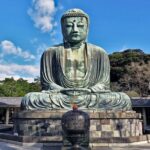
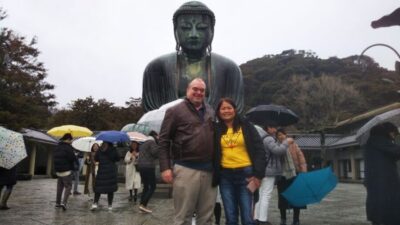
The Daibutsu (Great Buddha Statue) is included on the 2 hours 10 minutes and 3 hours 10 minutes tours. This is the stop I’d prioritize if you want Kamakura to feel like a place with scale.
When you see the Great Buddha from a distance, it can feel like a photo subject. Up close, it becomes something else: weight, texture, and presence. The tour timing helps because you’re not trying to squeeze it into a rushed schedule.
Also, because the tour includes photo stops, you don’t have to guess where the best angles are. You can focus on capturing the statue and the surrounding temple context without wandering around trying to find the perfect spot.
If you’re sensitive to crowds or you just don’t want to play navigation Tetris, the private rickshaw structure helps. You get a guided path through the area, and the day flows rather than jolting between distant locations.
Photo stops that actually help you frame the day
This is one of the tour’s smartest “hidden” benefits: photo stops are included. That means you’re not stuck with a guide who only drives. Your guide can time the stops and help you build a coherent set of photos rather than one-off shots.
In the reviews, guides are repeatedly described as friendly and willing to take photos for you. One guide named Satoshi is specifically mentioned as pleasant and chatty, sharing information along the way and handling photo moments during the tour. Another review notes that the guide was well informed about the area and its history and that the guide was well spoken in English and Japanese. Since the tour is listed as Japanese-language, consider English-speaking ability a bonus you might experience, not a guarantee.
There’s also a clear rule to plan around: no selfie sticks. If you rely on one for steadier shots, bring a normal phone camera setup instead.
Side streets and temple grounds: the charm is in the routes
On the 45-minute option, you return to the station through quaint side streets and past temples with expansive grounds. Even if your main target is a shrine or the Great Buddha, don’t ignore this part.
Why it matters: Kamakura’s vibe lives in the in-between spaces. The side streets show a different pace of life than the big landmark gates. Temple grounds also give you visual variety—space, walls, steps, and the way paths widen or narrow.
This is where a private guide is a plus. You’re not just moving; you’re moving with context. Your guide can point out what you’re likely seeing and how it connects to the warrior-era story of the town.
Comfort, rickshaw size, and who should consider this
A rickshaw is a small vehicle. That’s not a deal-breaker, but it’s good to know up front.
- Each rickshaw is 74 cm wide, so it can feel tight.
- The tour allows up to 2 adults per rickshaw.
- Up to 2 children age 5 and under can ride with 2 adults on an adult’s lap.
- If a child under 6 needs their own seat (not lap seating), adult pricing applies.
There’s also guidance that helps you plan for bodies and comfort:
- Wheelchair and stroller-friendly is listed.
- It’s wheelchair accessible.
- It’s not recommended for expecting mothers in the first 16 weeks.
- It’s not suitable for people with back problems.
If you’re traveling as a solo adult, you might find the narrower space less stressful. If you’re a couple and you tend to like more personal space, consider booking individual rickshaws if you can. That suggestion is practical given the 74 cm width.
For what to bring, keep it simple: comfortable shoes for when you get out at the main sights, and a normal camera setup (no selfie stick). Food and drinks aren’t included, so plan to eat before or after your rickshaw block.
Price and value: is about $51 per person a good deal?
The price is listed as $51 per person, with a private rickshaw experience and photo stops included. Your value question really comes down to time and convenience.
You’re paying for:
- A private guide and driver
- A rickshaw ride that saves walking
- Photo stops
- A souvenir postcard and sticker
Admission fees are not included. So factor in temple entry costs if applicable when you pick the longer durations (the Daibutsu and Hokokuji garden visits often involve their own ticketing, depending on what you plan to do once you arrive).
Still, the overall value often lands well because the tour reduces the biggest headaches in Kamakura: routing, distance, and figuring out how to fit it all together without spending half your day checking directions.
If you’re short on time or you prefer comfort over endurance, this tour is a strong match. If you love spending hours wandering completely on your own, you might not need a private format. But if you want a guided “best of Kamakura” flow, the price feels more reasonable than it first looks.
Should you book this Kamakura rickshaw history tour?
Book it if you want Kamakura to feel efficient and well-paced. The 2 hours 10 minutes option is a sweet spot for most first-timers: gate and shrine, then higher views, plus Great Buddha. Choose 1 hour 10 minutes if gardens are your priority and you’d rather keep the schedule lighter. Go 3 hours 10 minutes only if you truly want the full list in one go without compromises.
Skip it if you need a very English-heavy experience with no Japanese at all, or if you fall into the categories noted as not suitable (like back problems, or early pregnancy). And if you hate tight vehicle seating, plan on using individual rickshaws when possible.
FAQ
How long is the Kamakura private rickshaw tour?
It runs from 45 minutes up to 190 minutes, with four options: 45 minutes, 1 hour 10 minutes, 2 hours 10 minutes, and 3 hours 10 minutes.
What does the 45-minute tour include?
You’ll pass Otori Gate, visit Tsurugaoka Hachimangu Shrine, and return toward the station through side streets past temples with expansive grounds.
What additional stop do you get with the 1 hour 10 minutes tour?
You’ll include a stop at Hokokuji Temple, where you can wander through the famous gardens.
What’s included in the 2 hours 10 minutes tour?
You’ll climb up to Tsurugaoka Hachimangu Shrine for city views, and you’ll also visit the Daibutsu, the Great Buddha Statue.
What’s the difference with the 3 hours 10 minutes tour?
It includes all the sights listed across the shorter options: Otori Gate and Tsurugaoka Hachimangu Shrine, the Hokokuji Temple garden visit, city views from Hachimangu, and the Daibutsu.
Where is the meeting point?
Your guide waits just outside the office building, less than 90 meters down the street from Tsurugaoka Hachiman-gu Shrine.
What’s included in the price?
The tour includes a private rickshaw tour, photo stops, and a souvenir postcard and sticker.
Are admission fees included?
No. Admission fees are not included in the tour price.
What language are the guides?
The live tour guide language is Japanese.
Is it wheelchair accessible, and can kids ride?
Wheelchair accessibility is listed. The tour allows up to 2 adults per rickshaw, and up to 2 children age 5 and under can ride with adults on laps. If a child under 6 has their own seat (not on an adult’s lap), adult pricing applies.
FAQ
Are selfie sticks allowed?
No, selfie sticks are not allowed.
How many people can ride in one rickshaw?
Maximum is 2 adults per rickshaw, plus up to 2 children age 5 and under on an adult’s lap.
Can I bring my stroller?
Stroller-friendly is listed.
Is hotel pickup included?
Hotel pickup and drop-off are not included.
Is free cancellation available?
Yes. You can cancel up to 24 hours in advance for a full refund.
Is there a pay later option?
Yes. The tour offers reserve now & pay later.
More Tours in Kamakura
More Tour Reviews in Kamakura
More Days by the Great Buddha
Kamakura Day Trips, compared.
 ★ 4.5Kamakura & Enoshima Day Trip including Temple TicketsFrom $581,375 reviews
 ★ 4.5From Tokyo: Kamakura & Enoshima 1-Day Bus TourFrom $66189 reviews
 ★ 5.0Kamakura Historical Walking Tour with the Great BuddhaFrom $98129 reviews
Kamakura Private Tour: Temples, Nature, and the Great BuddhaFrom $98121 reviews
Kamakura Walking Tour – The City of ShogunFrom $35100 reviews
★ 5.0Kamakura Historical Walking Tour with the Great BuddhaFrom $98129 reviews
Kamakura Private Tour: Temples, Nature, and the Great BuddhaFrom $98121 reviews
Kamakura Walking Tour – The City of ShogunFrom $35100 reviews
 ★ 5.0Kamakura 8 hr Private Walking Tour with Licensed Guide from TokyoFrom $20180 reviews
 ★ 4.1Kamakura & Enoshima Day Tour with Pickup & Train RideFrom $1361 reviews
 ★ 4.8Kamakura: Private Guided Walking Tour with Local GuideFrom $10660 reviews
Browse the lists this tour appears in