
Reviewed · KAMAKURA DAY TRIPS
Kamakura Private Custom Tour
Kamakura has a way of slowing you down. This private, English-speaking day is built around some of the area’s biggest Buddhist and Shinto sites—plus a street stop that feels like everyday Kamakura life. I love that the schedule is flexible, so you can focus on what you care about. I also love the practical routing by public transportation, which matters because temples and shrines are spread out and timing can get tricky. One thing to plan for: you’ll have extra costs on the day for your train/bus rides and listed entrance fees (like the Great Buddha and Hase-dera).
The vibe is thoughtful, not rushed. With a guide who’s willing to adjust, you’re not just collecting photos—you’re learning how these places connect to Kamakura’s political and religious past. If you’re aiming for an efficient first visit, the 9:00am start and 7-hour window make sense. If you want a super laid-back day with zero walking, note the moderate physical fitness level and the fact that getting around relies on transit and walking between stops.
In the real-world experience, the guides make the difference. Akira stood out for being attentive and kind, and Nobuo Kono for clear explanations of the sites and history—exactly what you want when you’re moving from temple to shrine to street. You’ll still enjoy the sites even without a guide, but with one, the day clicks faster.
In This Review
- Key Things You’ll Notice on This Kamakura Private Custom Tour
- Kamakura by Train and Bus: Why This Tour Works
- Meeting at Kamakura Station and Getting the Day Started Right
- Kotoku-in Great Buddha: The Open-Air Icon and the Inside View
- Tsurugaoka Hachimangu Shrine: Shinto Ceremony at a Power Center
- Hasedera Temple: Eleven-Faced Kannon and a Garden That Changes With Seasons
- Jomyo-ji: Zen Temple Built in 1188 and a Tea Moment
- Komachidori: Main Street Energy, Seafood, and Snack-Friendly Stops
- What You’ll Actually See in 7 Hours (and How Custom Fit Changes the Feel)
- Price and Value: What $149.58 Covers (and What It Doesn’t)
- Guide Quality Makes the Difference Here
- Should You Book This Kamakura Private Custom Tour?
- FAQ
- What’s the duration of the Kamakura Private Custom Tour?
- What time does the tour start, and where do we meet?
- Is this a private tour?
- What sites are included?
- Are entrance fees included in the price?
- Do I need to pay for local transportation?
- What does the tour cost cover?
- What’s the cancellation policy?
Key Things You’ll Notice on This Kamakura Private Custom Tour
- Private, English-speaking guide with guide transport, lunch, and guide admission covered
- Public transportation routing to reach 3–4 main stops without stress
- Iconic stops like Kotoku-in, Tsurugaoka Hachimangu, Hasedera, Jomyo-ji, and Komachidori
- Hands-on moments, including climbing inside the Great Buddha
- A real break for tea at Jomyo-ji (machcha with sweets)
- Extra pay-as-needed costs for your rides and some temple entrance fees
Kamakura by Train and Bus: Why This Tour Works
Kamakura used to be a political center in the 12th century, and you still feel that layers-on-layers feeling when you move between major shrines and temples. The big challenge for a DIY day is distance. Sites aren’t all packed into one neat walking square, so you end up guessing trains, buses, and walking routes.
This tour keeps it simple: you start at Kamakura Station and then you use the train and bus network to connect the stops. Because you’re moving efficiently, you can usually see 3 or 4 highlights in a single 7-hour day. That’s a smart target—enough to feel like you had a real visit, not so many stops that your legs (and patience) check out.
The custom part is also practical. The itinerary is arranged depending on your interests and needs. That matters in Kamakura because the “best” day varies. If you care more about Buddhist art, you’ll naturally linger at the Big Buddha and the Kannon statue. If you’re more into Shinto shrine atmosphere, you’ll prioritize Tsurugaoka Hachimangu. And if you want food and shopping time, Komachidori is built in.
Meeting at Kamakura Station and Getting the Day Started Right
Your day begins at 9:00am at Kamakura Station (1-chōme-1-15 Onarimachi, Kamakura, Kanagawa 248-0012). Starting here is a big advantage. Kamakura Station is where you can reset your bearings fast—train lines, bus lines, and the general “hub” energy of the town.
From there, you’ll be walking between stops and using transit to bridge the gaps. That’s why the tour lists a moderate physical fitness level. It’s not about athleticism. It’s about being comfortable with some time on your feet and the rhythm of moving in and out of stations, sidewalks, and temple grounds.
If you like structure, this works well. The timing and route are set so you’re not spending half your day figuring out how to get from one gate to the next. If you prefer total spontaneity, you might feel slightly guided. But since the itinerary adjusts to your interests, you usually get the feeling of control—just with a smart scaffold underneath.
Kotoku-in Great Buddha: The Open-Air Icon and the Inside View
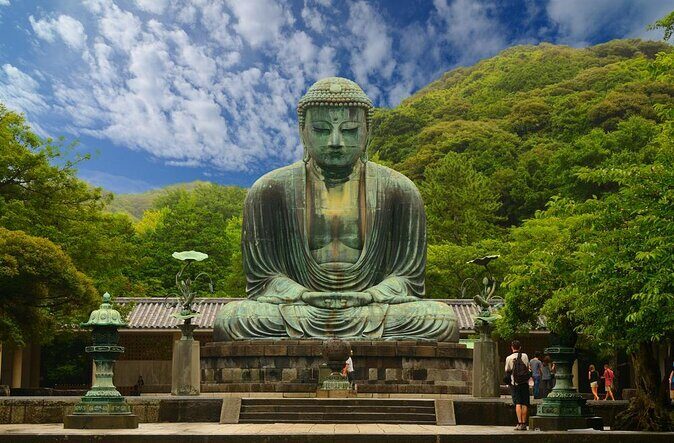
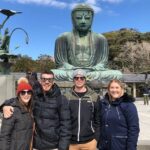
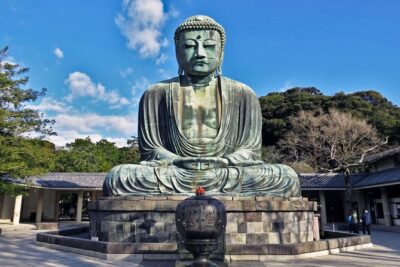
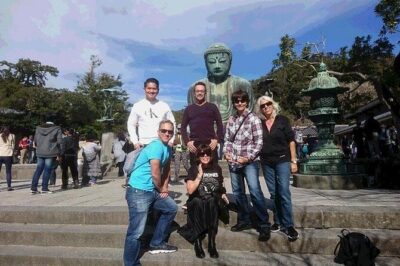
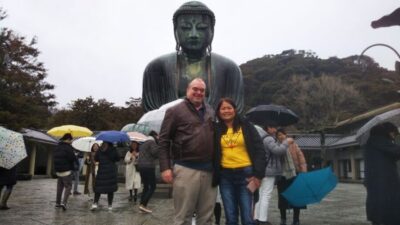
Stop one is Kotoku-in, famous for the Open-Air Great Buddha. This is one of those “you have to see it” sights in Kamakura, and the reason isn’t only size. It’s the way it’s presented—out in the open, with you walking around it and experiencing it from different angles.
Here’s the detail that makes this stop special: you can climb inside the Great Buddha, similar to the idea of climbing inside the Statue of Liberty in the U.S. That turns a photo stop into a real physical experience. You’re not just looking. You’re stepping into the monument’s interior.
You should budget for admission here. The tour info lists ¥200 for adults (and ¥150 for elementary school kids). That’s an easy add-on, but it’s also one of the clearest “pay-for-entry” moments in the day.
One possible drawback: because Kotoku-in is a major draw, it can feel busy depending on the time and season. If you want quieter space inside the Buddha, aim to move with your guide’s timing rather than linger too long at the outer viewpoints.
Tsurugaoka Hachimangu Shrine: Shinto Ceremony at a Power Center
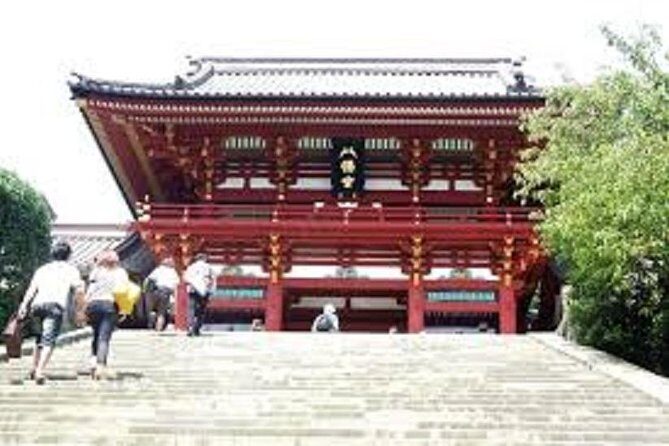
Next up is Tsurugaoka Hachimangu Shrine, one of Japan’s most popular shrines in Kamakura. This shrine began in the middle of the 12th century, and it has deep links to the Minamoto clan’s rise. The tour specifically highlights Minamoto no Yoritomo, the first shogun associated with Kamakura.
So even if you’re not a shrine researcher, this stop connects to the bigger story of the town. You’re standing in a place that was built for more than worship—it also carried political weight. That adds meaning when you notice the approach, the shrine layout, and the overall ceremonial feel.
Admission isn’t listed as included or excluded in the same way as Kotoku-in and Hase-dera, so the safest mindset is: if anything is required, you’ll handle it as part of the day. In practice, your guide will keep things smooth so you’re not hunting for payment options while everyone waits.
This stop is also a good “reset.” After the Great Buddha’s open-air presence, the shrine’s pacing tends to slow you down. You’ll get a different mood: less monolithic, more layered with ritual space and pathways.
Hasedera Temple: Eleven-Faced Kannon and a Garden That Changes With Seasons
Stop three is Hasedera Temple, known for its eleven-faced statue of Kannon, the goddess of mercy who is associated with saving people from suffering. That kind of spiritual focus can sound abstract until you see what the temple is built around. In Hasedera, Kannon isn’t just a statue in the background—it’s the point.
There’s also a strong seasonal angle. The tour notes that Hasedera has a beautiful flower garden, and it specifically calls out hydrangeas in June. If you’re visiting in early summer, you can expect this stop to feel extra alive. If you’re visiting outside that window, you’ll still get the temple atmosphere, but the “wow” may lean more toward sculpture and temple grounds rather than big blooms.
You should plan for an admission fee here: ¥300 per person for Hase-dera is listed as not included. This is one of the clearest items on your day-of budget list, and it’s worth paying because Hasedera tends to be a place where you slow down naturally—without feeling like you’re trapped there for hours.
One practical note: temples can involve stairs, uneven paths, and indoor/outdoor transitions depending on what’s open. Your legs will notice it more than your brain. Take breaks when you can and let your guide set the pace.
Jomyo-ji: Zen Temple Built in 1188 and a Tea Moment
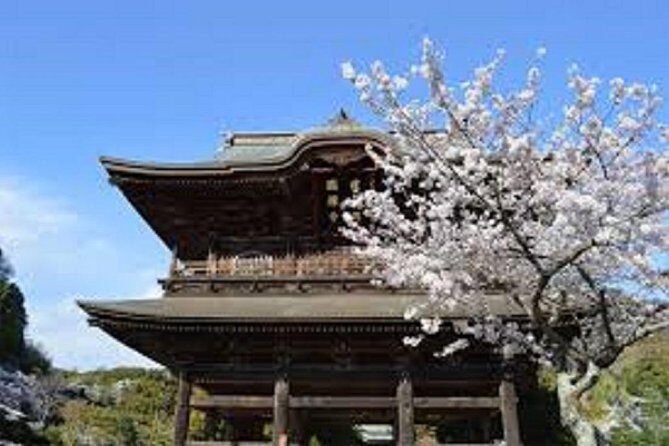
Stop four is Jomyo-ji Temple, built in 1188 and described as one of the fifth great Zen temples. This is a nice shift in tone. After major shrine and temple icons, Jomyo-ji often feels more focused and contemplative.
Here’s what makes it feel personal: you can have Japanese powdered green tea (matcha) with sweets. That’s not just a snack stop. It’s a rhythm change. You sit, you breathe, you reset your eyes after moving around sacred spaces for hours.
The tour lists an admission fee for Jomyo-ji: ¥100 for adults (over 14) and ¥50 for children (under 15). Since it’s explicitly stated, budget for it. Your guide will tell you when it’s time so you’re not scrambling.
Compared with Kotoku-in’s inside climb, Jomyo-ji’s highlight is softer. It’s less about a single visual moment and more about the overall atmosphere—plus the tea.
Komachidori: Main Street Energy, Seafood, and Snack-Friendly Stops
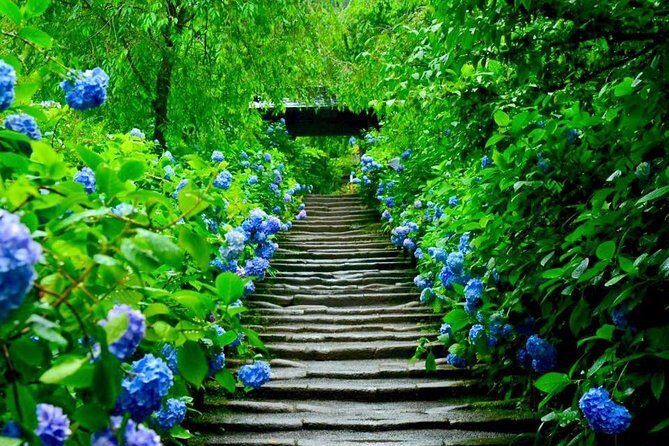
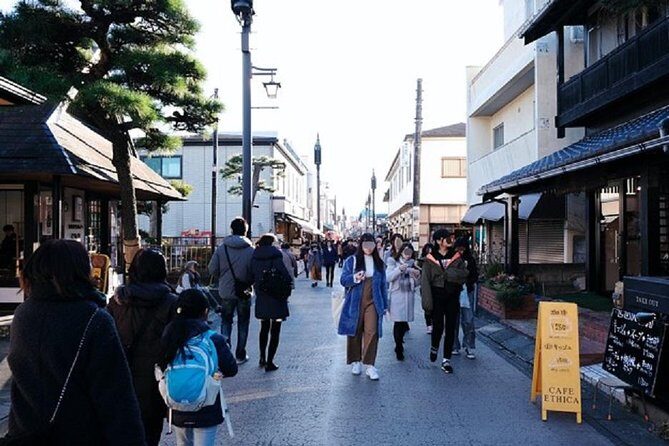
Stop five is Kamakura Komachidori, the main street of Kamakura. This is where the day becomes more “real town” and less “temple circuit.”
The tour describes a street filled with shops, stalls, and restaurants, and it points out something practical: because Kamakura is close to the sea, there are lots of good seafood restaurants. You might not end up eating a full meal here—your timing might land you at snack size—but even browsing can be fun. You get that mix of old-meets-everyday without needing another paid attraction.
Komachidori is also a good place to buy small gifts or quick treats. The tour notes that it’s said vegetables harvested in the area support local food culture. Even if you don’t go deep into the food story, you’ll find the street itself gives you a sense of where locals eat and stroll.
Because it’s a street, it can also be busy. Use it intentionally: pick a short window for wandering, then come back to your guide’s plan so you don’t lose the day to random detours.
What You’ll Actually See in 7 Hours (and How Custom Fit Changes the Feel)
The tour duration is about 7 hours and the plan is built around public transportation. That usually means 3–4 main sites rather than trying to “hit everything.” This is the right scale. It gives you time to walk, take photos, step inside key areas, and still have breathing room.
The flexible part matters most for people with specific interests:
- If you love big Buddhist icons, you’ll probably spend more attention on Kotoku-in and Hasedera’s Kannon focus.
- If you’re drawn to shrine culture and political ties, Tsurugaoka Hachimangu becomes the emotional center.
- If you want a calmer Zen moment, Jomyo-ji’s matcha stop helps balance the day.
- If you want food and casual shopping time, Komachidori turns the last stretch into a flexible win.
Also, because it’s private, you aren’t stuck matching someone else’s pace. You can ask for more time at a stop or slightly adjust the flow based on your own energy.
Price and Value: What $149.58 Covers (and What It Doesn’t)
The price is $149.58 per person, and the tour includes an English-speaking professional guide, guide transportation fee, guide lunch fee, and the guide’s admission fee if any.
What you don’t get included is your own transportation in Kamakura (train and bus), listed at ¥2,000 per person, plus entrance fees for Hase-dera (¥300) and Kotoku-in (¥200). Since Jomyo-ji’s admission is also listed, you should expect some extra temple costs during the day.
So is it good value? I think it is, if you like efficiency without feeling rushed. You’re paying for more than “someone who knows the sites.” You’re paying for a guide who knows how to connect temples and shrines using the local bus system—exactly the kind of thing that makes a first visit feel easy instead of stressful.
It’s especially worth it if:
- you want a smooth first day in Kamakura
- you care about understanding what you’re seeing, not just photographing it
- you prefer comfort over figuring out transit while your feet are already tired
There’s also a practical bonus: the tour notes group discounts and mobile ticket. Group discounts can help the overall cost, and mobile ticket delivery makes last-minute logistics less annoying.
Guide Quality Makes the Difference Here
The experience stands or falls on the guide’s ability to turn places into meaning. The details from past tours show that clearly.
Akira was praised for being attentive to needs, kind, and good at matching explanations to what the group wanted. Nobuo Kono was praised for being informative and for knowing the sites and history with clarity. That’s what you want in Kamakura: quick context, clean explanations, and guidance that keeps you moving while still letting you enjoy the sacred spaces.
Should You Book This Kamakura Private Custom Tour?
Book it if this is your first real shot at Kamakura and you want a day that’s efficient, guided, and flexible. The combination of major temples/shrines plus Komachidori is a well-rounded match for most visitors, and the train-bus routing is the kind of practical support that turns “I’m in the right area” into “I saw the right things.”
Skip it (or consider another format) if you hate walking, don’t want to pay day-of entrance fees, or you want a totally unstructured freeform day with no schedule. The tour is private and custom, but it still runs on a 7-hour plan built around transit and site access.
If you’re aiming for a meaningful Kamakura day without transit headaches, this one makes a lot of sense.
FAQ
What’s the duration of the Kamakura Private Custom Tour?
The tour lasts about 7 hours.
What time does the tour start, and where do we meet?
It starts at 9:00am at Kamakura Station (1-chōme-1-15 Onarimachi, Kamakura, Kanagawa 248-0012, Japan).
Is this a private tour?
Yes. It’s a private tour/activity, and only your group participates.
What sites are included?
The tour includes Kotoku-in (Great Buddha), Tsurugaoka Hachimangu Shrine, Hasedera Temple, Jomyo-ji Temple, and Kamakura Komachidori.
Are entrance fees included in the price?
No. Entrance fees are not included for Kotoku-in (¥200 per person) and Hase-dera (¥300 per person). Jomyo-ji also lists an admission fee in the tour details.
Do I need to pay for local transportation?
Yes. Your transportation fee in Kamakura (train and bus) is listed as ¥2,000 per person.
What does the tour cost cover?
It includes an English-speaking professional guide, guide transportation fee, guide lunch fee, and the guide’s admission fee if any.
What’s the cancellation policy?
You can cancel for a full refund up to 24 hours before the experience’s start time.
More Tours in Kamakura
More Tour Reviews in Kamakura
More Days by the Great Buddha
Kamakura Day Trips, compared.
 ★ 4.5Kamakura & Enoshima Day Trip including Temple TicketsFrom $581,375 reviews
 ★ 4.5From Tokyo: Kamakura & Enoshima 1-Day Bus TourFrom $66189 reviews
 ★ 5.0Kamakura Historical Walking Tour with the Great BuddhaFrom $98129 reviews
Kamakura Private Tour: Temples, Nature, and the Great BuddhaFrom $98121 reviews
Kamakura Walking Tour – The City of ShogunFrom $35100 reviews
★ 5.0Kamakura Historical Walking Tour with the Great BuddhaFrom $98129 reviews
Kamakura Private Tour: Temples, Nature, and the Great BuddhaFrom $98121 reviews
Kamakura Walking Tour – The City of ShogunFrom $35100 reviews
 ★ 5.0Kamakura 8 hr Private Walking Tour with Licensed Guide from TokyoFrom $20180 reviews
 ★ 4.1Kamakura & Enoshima Day Tour with Pickup & Train RideFrom $1361 reviews
 ★ 4.8Kamakura: Private Guided Walking Tour with Local GuideFrom $10660 reviews
Browse the lists this tour appears in