
Reviewed · KAMAKURA DAY TRIPS
Kamakura Full-Day Private Tour
Kamakura is small, but it takes focus. This private day is a practical way to see the big spiritual highlights without sharing your guide with strangers. I like that the tour uses public transport so you can cover a lot of ground, and I also like that your English-speaking guide keeps the day understandable as you move from place to place.
One thing to plan for: the tour doesn’t include admission tickets, food, or the cost of getting yourself between stops (you’ll handle transit and entrance fees separately). With moderate walking involved, you’ll want comfortable shoes and a steady pace.
In This Review
- Key Points Before You Go
- A Private Day in Kamakura That Actually Saves Time
- Getting Oriented at Kamakura Station and Using the Transit Plan
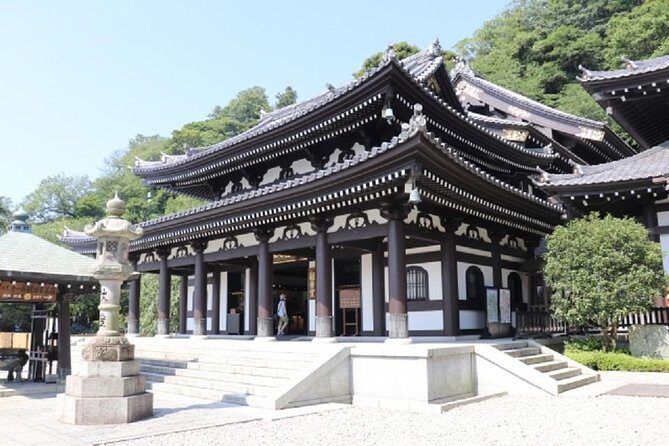
- Hase-dera Temple: Seasonal Flowers and a Temple Worth Slowing Down For
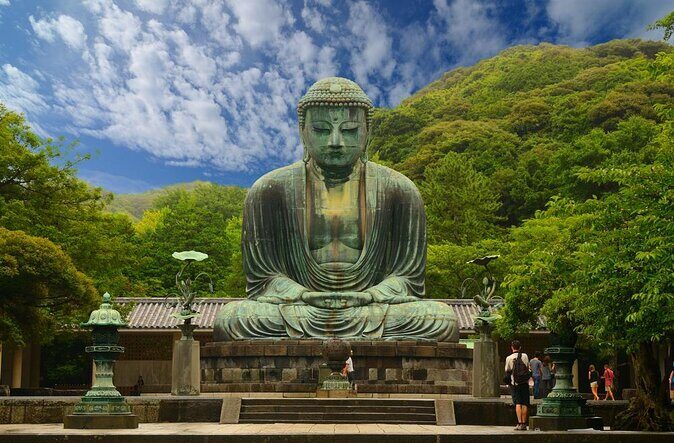
- Kotoku-in (Great Buddha): An Outdoor Bronze Icon Up Close
- Hokoku-ji Bamboo Temple: The Cool, Mysterious Break in the Middle of Town
- Tsurugaoka Hachimangu Shrine: The Shrine at the City Center
- Komachidori Street: Food and Unique Shops for a Relaxed Finish
- Walking, Pacing, and Physical Comfort on a 6.5-Hour Loop
- Price and Value at $162.59 Per Person
- Should You Book This Kamakura Private Tour?
- FAQ
- How long is the Kamakura full-day private tour?
- Where does the tour start and end?
- Is the tour private?
- What’s included in the price?
- What is not included?
- Can I cancel if plans change or the weather is bad?
Key Points Before You Go
- Private guide, not a group free-for-all: You’ll hear explanations clearly and can steer your day.
- Public transport strategy: The route is designed to move efficiently through Kamakura.
- Big hits in one day: Hase-dera, Kotoku-in (Great Buddha), Hokoku-ji, and Tsurugaoka all fit in.
- Moderate walking: You’ll cover more than a simple stroll, so plan for it.
- Tickets and meals are on you: Admission fees, food, drinks, and transit aren’t included.
A Private Day in Kamakura That Actually Saves Time
Kamakura can feel easy to reach and hard to organize. The place is packed with temples and shrines, and if you’re trying to do it yourself, you can burn time figuring out routes, timing, and what to see first. This private full-day tour is built for getting your bearings fast and spending your energy where it matters.
The biggest win is that you’re not stuck behind a big group. You get an English-speaking professional guide for the whole experience, so you can ask questions and actually understand what you’re looking at. That matters in Kamakura, because the sites are visually impressive, but the meaning and details can get lost when you only have a guidebook and a tight schedule.
I also like that you can go at your own pace. The day is structured, but it’s not rigid. If you want more time at the bamboo, or you’d rather slow down for photos near the shrine, a private format gives you that freedom.
Now the tradeoff. This is priced as a private tour, and while the day is long enough to be satisfying, you’ll still pay extra for admissions, food, and transit costs on your side. At $162.59 per person, it’s best when you value time and clarity more than you value doing everything as cheaply as possible.
Getting Oriented at Kamakura Station and Using the Transit Plan
The day starts and ends back at Kamakura Station, which makes planning way simpler. You meet at Kamakura Station (West Exit) near 1-chōme-1-15 Onarimachi, Kamakura, Kanagawa 248-0012. If you’re already in the area, you can keep your luggage situation easy and avoid extra transfers at the end of a long day.
The tour is marked as being near public transportation, which usually means it’s designed to mesh with how you’ll already be moving around. Since public transportation costs to and from aren’t included, you should budget for your own rides between stops. The guide handles the “where to go next” part—so you spend less time scanning maps and more time moving.
A nice detail is the mobile ticket. That’s one less paper thing to manage on the day. Also, the experience says confirmation is received at booking time unless you book within two days, so if you’re booking late, just keep an eye out for the message.
How this feels in practice: you’re not renting a car and you’re not trying to stitch together a DIY temple-circuit with perfect timing. You’re using the local transport system with guidance, which is a good middle ground for saving time without overspending.
Hase-dera Temple: Seasonal Flowers and a Temple Worth Slowing Down For
Hase-dera is where many people get their first strong Kamakura impression. It’s a famous stop, right up there with other big-name sites in the area, and it’s especially known for flowers that change by season. That seasonal variety is a big part of why this stop works so well on a guided day—your guide can point out what you’re seeing and how the gardens are used through the year.
Plan on about one hour here. That’s not an eternity, but it’s long enough to wander the key areas, take your time through viewpoints, and still keep the momentum for the rest of the tour. The format also helps if you’re the type who likes photos but hates feeling rushed—private time tends to feel less stressful.
One practical note: admission isn’t included, so you’ll want a little cash or card ready when you arrive. Also, since the tour requires moderate walking, you may be on your feet for longer than you expect just from looking at temple grounds.
If you want a calm start, Hase-dera is a good choice. It sets the tone with gardens and seasonal color, and it’s a contrast to the big outdoor statue at the next main stop. If you’re traveling in a group with different interests, this is often the place where “everyone can find something they like,” because it’s visual, peaceful, and easy to enjoy without needing special context.
Kotoku-in (Great Buddha): An Outdoor Bronze Icon Up Close
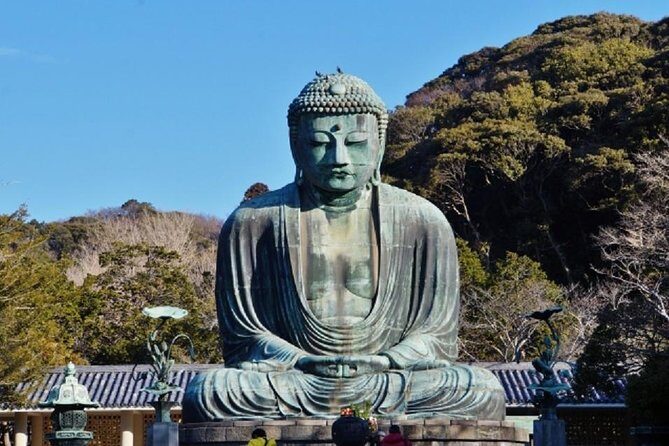
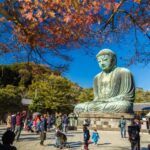
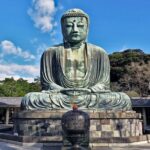
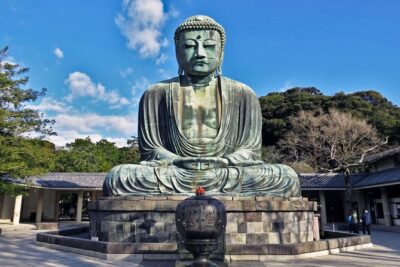
Kotoku-in is famous for a single, unmistakable reason: the Great Buddha of Kamakura, an outdoor bronze statue of Amida Buddha. The tour highlights it as an outdoor statue located on the temple grounds, and it’s listed as about 13.35 meters tall. That size matters. When you see it in person, it’s not the kind of sight you can fully appreciate through a quick glance.
You’ll spend about one hour at Kotoku-in. For many people, that feels like the right amount of time to take in the statue from different angles, walk the surrounding grounds, and still not fall behind on the rest of the day. Because it’s outdoors, it also tends to be easier to plan around than indoor sites—weather and lighting will matter, but at least you’re not stuck waiting for entry times inside.
Admission is not included, so check what you need before you go in. I’d also plan for time to adjust if the area is busy, because an outdoor landmark naturally draws attention.
Why this stop is a smart use of a limited day: it’s one of those rare “anchors” in an itinerary. You can spend a lot of time in Kamakura’s smaller corners, but if you only have one day, you want at least one iconic, easy-to-understand wow moment—and this is it.
If you prefer structure, Kotoku-in works well. You’ll know what the main attraction is, and the guide can help you connect the dots between what you’re seeing and what it represents.
Hokoku-ji Bamboo Temple: The Cool, Mysterious Break in the Middle of Town
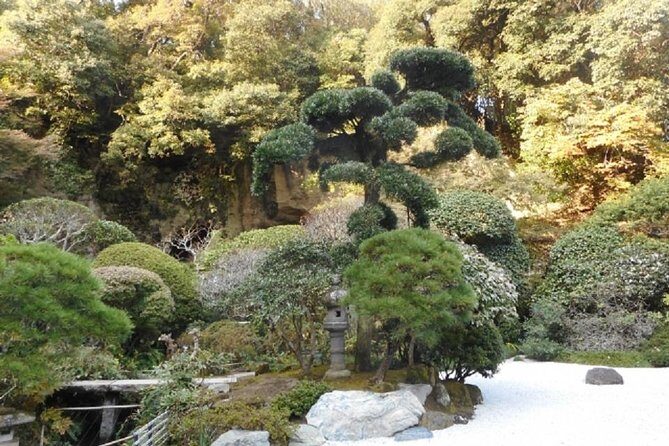
Hokoku-ji is the bamboo stop, and it’s more than a quick photo-op. The site is described as a famous tourist location as the bamboo temple, known for a large bamboo garden on the temple grounds. The experience is framed with a cool, mysterious atmosphere, which is exactly the kind of change of pace that keeps a full-day itinerary from feeling like a repeat of similar sights.
You’ll have about one hour here. That time is enough to walk through the bamboo area slowly and still move on without feeling like you have to rush to “finish” the garden. Bamboo temples are visual in a way that rewards slow walking—your eye needs a little time to adjust to the changing light and the rhythm of the stalks.
Again, admission isn’t included, so factor in the extra cost. And because the day involves moderate walking overall, you’ll want shoes with grip. Bamboo gardens can have uneven ground, and you’ll likely be moving in small bursts as you stop for photos.
What I like about Hokoku-ji on this specific tour: it breaks up the day. You get the flower-focused calm at Hase-dera, then an open-air landmark at Kotoku-in, then you’re in a shaded bamboo environment that feels completely different. That variety makes the full-day structure feel more satisfying.
Also, the guide helps here because bamboo sites can feel similar from the outside until someone tells you what to look for in the grounds and how the atmosphere is meant to be experienced.
Tsurugaoka Hachimangu Shrine: The Shrine at the City Center
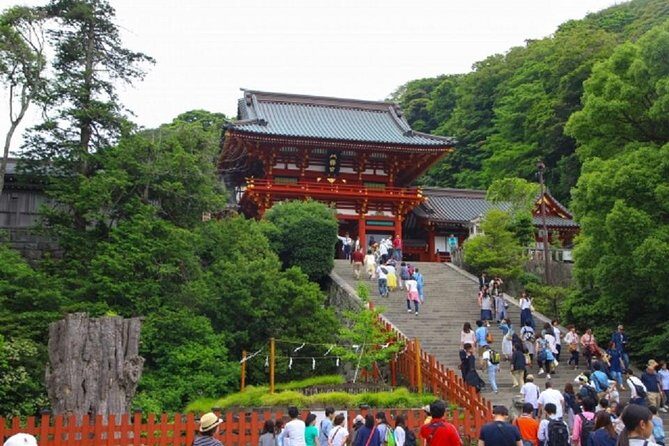
After the bamboo, you’ll shift back into the heart of Kamakura with Tsurugaoka Hachimangu Shrine. This one matters because it’s located in the middle of the city center, so it naturally connects your temple circuit to the “real town” feeling.
The tour describes Tsurugaoka Hachimangu as venerated for centuries as the home of gods of war. That kind of framing changes how you experience a shrine. You start noticing details with that context in mind rather than treating it like scenery.
You’ll spend about one hour here. That’s enough time to walk through the key areas, pause for photos, and still have enough energy to enjoy the final street time afterward. Like other stops, admissions aren’t included, so you’ll be paying that on your own.
One practical upside: because it’s in the city center, you can often find a natural flow for your afternoon. If you’re the type who likes to buy a snack or grab water without going out of your way, this stop’s location tends to make that easier.
This is also a good point in the itinerary to decide how you want your Komachidori time to feel at the end: do you want to shop quickly and snack, or linger with smaller browsing?
Komachidori Street: Food and Unique Shops for a Relaxed Finish
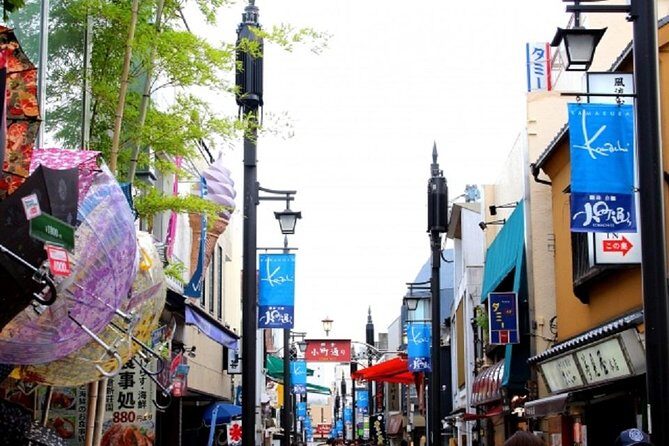
The last stop gives you something different: Kamakura Komachidori. You get about 30 minutes, and the focus is on strolling for food and unique shops along the street.
This short slot is smart. By the time you reach Komachidori, you’ve done several major temple/shrine stops. Thirty minutes is long enough to pick up something small, try a snack, or do a last-minute souvenir hunt without turning your day into a long shopping trip.
Food and drinks aren’t included, so you’ll pay for anything you choose here. The value of this time isn’t just the purchases—it’s the break in pace. It helps you avoid the “nonstop sightseeing” fatigue that can hit near the end of a 6.5-hour day.
If you’re traveling with someone who doesn’t get as excited about temples as you do, this is usually the easiest “everyone’s happy” portion. Even if you’re more focused on sights, walking a lively shopping street at the end gives your brain something lighter after all the sacred spaces.
Walking, Pacing, and Physical Comfort on a 6.5-Hour Loop
This tour calls for moderate physical fitness, and you should take that seriously. Moderate doesn’t mean extreme, but it does mean you’ll likely be walking between sites and spending time inside grounds where the ground can be uneven or hilly.
The best way to handle it is simple:
- wear comfortable shoes you already trust
- keep your pace steady, especially on transitions between stops
- bring water since food and drinks aren’t included
What surprised me from the way this tour is structured: it’s only about 6 hours 30 minutes, but it still covers multiple major attractions. That means downtime is limited. Private pacing helps, because your guide can adjust the order or time spent based on your energy, but there’s still a lot to fit into one day.
If you love planning but hate rushing, this format is a good middle ground. You’ll have a guide to keep the day moving, but you won’t be trapped in a group timeline.
If you hate walking, or you need very frequent seated breaks, you might find it tight. But if you can handle a moderate amount of walking for a half day, you’ll likely feel fine.
Price and Value at $162.59 Per Person
At $162.59 per person, this tour is not the cheapest way to see Kamakura. But you’re paying for something specific: a private, English-speaking guide who helps you make sense of the stops while using an economical routing approach with public transport.
To judge value, don’t look only at the price. Look at what you’re getting for that price:
- a private guide (not a shared group format)
- the ability to go at your own pace
- time-efficient coverage of the big highlights in a single day
- explanations you can actually hear as you move
And then subtract what you’ll still pay separately:
- admission tickets at each stop
- food and drinks
- public transportation to and from
For many travelers, the “math” works out when you value reduced stress and better understanding. If you were to DIY it, you’d still pay transit and admissions, but you’d pay with time and uncertainty. A guide turns that uncertainty into a smooth route and helps you notice what matters at each site.
Also, the tour is listed as having group discounts. If you’re traveling with multiple people, it’s worth checking whether your party size improves the per-person value.
From the way guides show up in small moments of the day, this tour also seems to reward curiosity. One example from the guide experiences: a guide helped guests buy a driver’s safety charm at Hase-dera for someone in Texas, which shows the day can include thoughtful, practical shrine-shopping moments—not just standard sightseeing.
Should You Book This Kamakura Private Tour?
Book it if you want a single, focused day in Kamakura that hits the big landmarks—without doing the mental work of routing and timing. It’s a good choice if you care about context, want an English-speaking guide, and prefer a private pace over joining a larger group.
Skip it or rethink it if you’re trying to minimize costs and you don’t want to pay extra for admissions, transit, and your own meals. Also, if moderate walking is a challenge for you, you may feel squeezed by the packed schedule.
If you’re the kind of traveler who likes clear highlights and flexible timing, this is a solid way to enjoy Kamakura efficiently.
FAQ
How long is the Kamakura full-day private tour?
It runs about 6 hours 30 minutes.
Where does the tour start and end?
It starts at Kamakura Station (West Exit) and ends back at the meeting point.
Is the tour private?
Yes. It’s a private tour/activity, so only your group participates.
What’s included in the price?
You get an English-speaking professional guide and the private tour experience. The tour also includes a mobile ticket.
What is not included?
Admission fees, food and drinks, and public transportation to/from are not included.
Can I cancel if plans change or the weather is bad?
Yes. You can cancel for a full refund up to 24 hours before the start time. The experience also depends on good weather, and if it’s canceled due to poor weather, you’ll be offered a different date or a full refund.
More Tours in Kamakura
More Tour Reviews in Kamakura
More Days by the Great Buddha
Kamakura Day Trips, compared.
 ★ 4.5Kamakura & Enoshima Day Trip including Temple TicketsFrom $581,375 reviews
 ★ 4.5From Tokyo: Kamakura & Enoshima 1-Day Bus TourFrom $66189 reviews
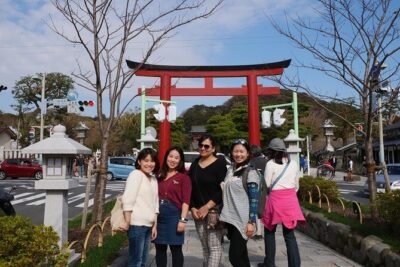 ★ 5.0Kamakura Historical Walking Tour with the Great BuddhaFrom $98129 reviews
Kamakura Private Tour: Temples, Nature, and the Great BuddhaFrom $98121 reviews
Kamakura Walking Tour – The City of ShogunFrom $35100 reviews
★ 5.0Kamakura Historical Walking Tour with the Great BuddhaFrom $98129 reviews
Kamakura Private Tour: Temples, Nature, and the Great BuddhaFrom $98121 reviews
Kamakura Walking Tour – The City of ShogunFrom $35100 reviews
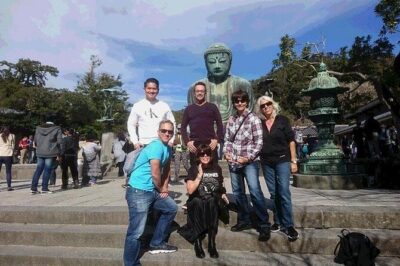 ★ 5.0Kamakura 8 hr Private Walking Tour with Licensed Guide from TokyoFrom $20180 reviews
 ★ 4.1Kamakura & Enoshima Day Tour with Pickup & Train RideFrom $1361 reviews
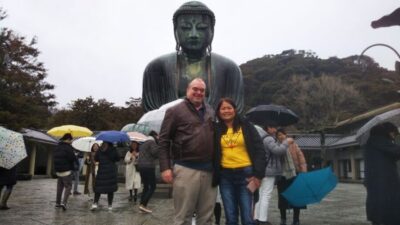 ★ 4.8Kamakura: Private Guided Walking Tour with Local GuideFrom $10660 reviews
Browse the lists this tour appears in