
Reviewed · MT FUJI DAY TRIPS
Hakone: Self Guided Trip to Mt. Fuji // Made by Local Guides
A Fuji day without planning stress. This one-day Hakone outing is built around a simple rhythm: transit from Shinjuku, scenic photo breaks, and a few classic sights that are easier when you don’t have to map everything yourself. I like that the experience is designed for independent pacing while still keeping you on track.
Two things I really like here: the easy-to-follow PDF itinerary and the practical food and transportation recommendations at each stop. You’re not just getting a route—you’re getting guidance that helps you decide what to eat and how to move between places without wasting time.
One caution: Hakone and the Fuji viewpoints can be time-sensitive. If you’re hoping for lots of late-day wandering, note that some activities can close earlier than you’d expect in Japan, so you’ll want to follow the suggested timing.
In This Review
- Key Things You’ll Appreciate
- One-Day Hakone + Mt. Fuji: How the Day Flows From Shinjuku
- Starting at Shinjuku Station: Your Day’s Anchor Point
- Moto Hakone: Traditional Streets and a Gentle First Break
- Amazake Chaya: A Cozy Stop for Warm Sweet Rice Wine
- Old Tokaido Line Experience: Stone Steps, Old-Route Vibes, Real Walking
- Lake Ashi: Photo Stops and the Pirate Ship Cruise
- Mount Fuji Stop: Short, Focused Sightseeing Time
- Owakudani: Geothermal Views and the Black Onsen Egg Tradition
- The Real Value: A Self-Guided Plan That Still Does the Thinking
- Budget Reality: What You Pay for vs. What You’ll Still Need to Cover
- Timing and Closing Times: The One Thing That Can Catch You
- Who This Trip Fits (and Who Should Skip It)
- Should You Book This One-Day Hakone + Mt. Fuji Plan?
- FAQ
- Where does the trip start?
- How long is the Hakone self-guided trip?
- What’s included in the price?
- Are transportation and entry tickets included?
- Is food included?
- Do I get a personal guide to escort me?
- Who is the tour not suitable for?
- What’s the cancellation and payment flexibility?
Key Things You’ll Appreciate
- Clear PDF itinerary: step-by-step directions and where to go next
- Food and transportation recommendations: fewer guesswork moments
- Moto Hakone start: traditional streets and a calm lead-in to the day
- Lake Ashi pirate ship cruise: a Fuji photo angle from the water
- Owakudani black onsen eggs: geothermal stop plus a fun tradition
- Self-guided freedom: you can move at your own pace, not in lockstep with a group
Other routes to the mountain, compared
- Mt Fuji & Hakone Cruise, Drum Show Bullet Train 1 Day from Tokyo★ 4.0 · 7,413 reviews
- Tokyo Mt Fuji 5th St & Hakone Cruise Bus Tour w/Bullet Train★ 4.4 · 5,024 reviews
- From Tokyo: Mount Fuji Full-Day Sightseeing Trip★ 4.5 · 4,970 reviews
One-Day Hakone + Mt. Fuji: How the Day Flows From Shinjuku
This trip is set up as a tight, satisfying day loop in the Hakone area, starting in Shinjuku and designed to end back there. The key is that it’s structured like a checklist you can follow, but not like a tour where you have to stay glued to someone. In practice, that means your calendar does the herding.
You’ll spend most of the day moving between major sights, with intentional breaks for photos and “look around” time. The plan is short enough that you don’t feel trapped, but organized enough that you don’t burn time figuring things out when you’re tired.
The price is low because what you’re really buying is planning support, not tickets. At $3.22 per group up to 1, the value is about turning a complicated logistics day into something you can handle.
Starting at Shinjuku Station: Your Day’s Anchor Point
Your meeting point is Shinjuku City, with the practical instruction to start from Shinjuku Station on the first train. That matters because Shinjuku is where you can reliably access services heading toward Hakone, and being early gives you a better chance at smooth connections.
The tour includes a set of coordinates for the meeting area (35.6938253, 139.7033559). You’ll use that kind of detail to orient yourself quickly, which is especially helpful in a station that’s busy and sprawling.
If you’re the type who likes to “arrive, get bearings, then go,” this start time style fits you. If you prefer a slow morning with no set rhythm, you’ll feel the clock more on this trip.
Moto Hakone: Traditional Streets and a Gentle First Break
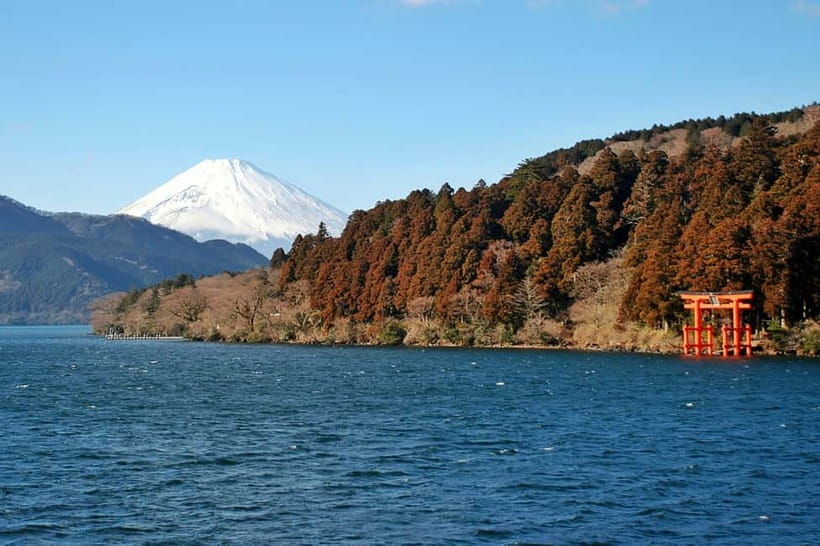
Your day begins with a break time and a visit in Moto Hakone, a village setting surrounded by greenery and known for streets lined with traditional shops and eateries. This stop works well because it gives you a warm-up before the bigger sightseeing hits.
You’ll have about an hour here (the plan includes break, visit, lunch time, and free time). That sounds simple, but it’s actually the right formula: get oriented, grab local snacks if you want, and take a few early photos before your Fuji views start competing with the rest of the day’s priorities.
What to watch for: you’ll be in a town vibe, not a single landmark. So wear shoes you can walk in comfortably and treat this as your “wander responsibly” window.
Amazake Chaya: A Cozy Stop for Warm Sweet Rice Wine
Next up is Amasake Chaya, scheduled for about an hour including tea time. This is the kind of stop that’s small but meaningful: a historic teahouse style break where you can try warm amazake, plus savory snacks.
The nice part of including this here is timing. You’re not just sightseeing-you’re refueling in a way that feels local. If you’ve never tried amazake, this is one of those easy “try it while it’s in front of you” moments.
Keep expectations practical: this isn’t a long sit-down meal. It’s a pause designed to reset you for the afternoon leg where you’ll be hopping between transit, viewpoints, and scenic stretches.
More Hakone loops, ropeways and lake crossings
Old Tokaido Line Experience: Stone Steps, Old-Route Vibes, Real Walking

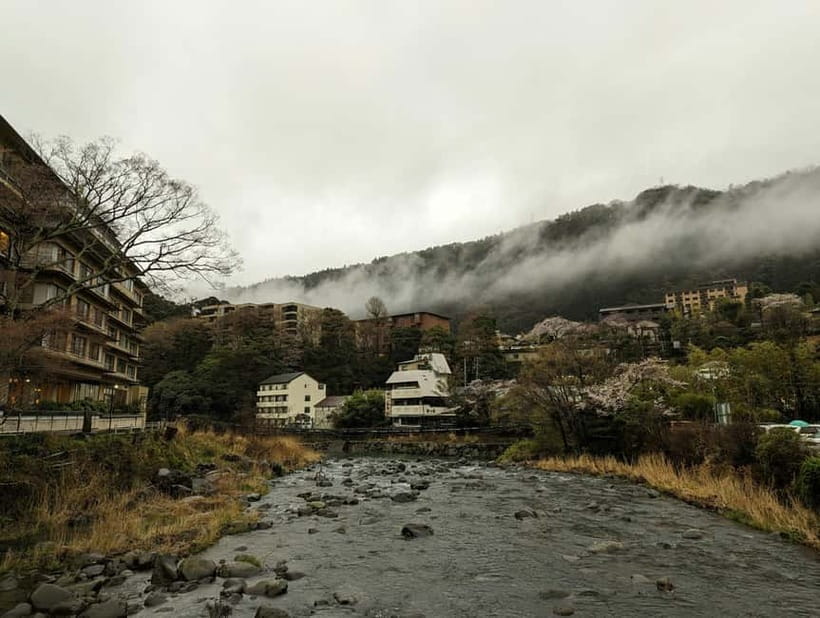
You then move into the Old Tokaido Line area, with the itinerary showing a “bus” connection step and a walk/hiking segment of about 45 minutes (labeled as 旧街道石畳(バス)). The plan frames this as a historic route—once connecting Tokyo and Kyoto—so you’re walking a piece of that “old roads” feel.
This part is valuable because it breaks up the day. Instead of more transit and more photos, you get a stretch of movement through an older-style streetscape.
Practical caution: the name includes stone-paved (石畳) language, which usually means footing can be uneven. If you have any balance issues, don’t plan to “just power through.” This is exactly the kind of segment that can feel harder than it sounds.
Lake Ashi: Photo Stops and the Pirate Ship Cruise
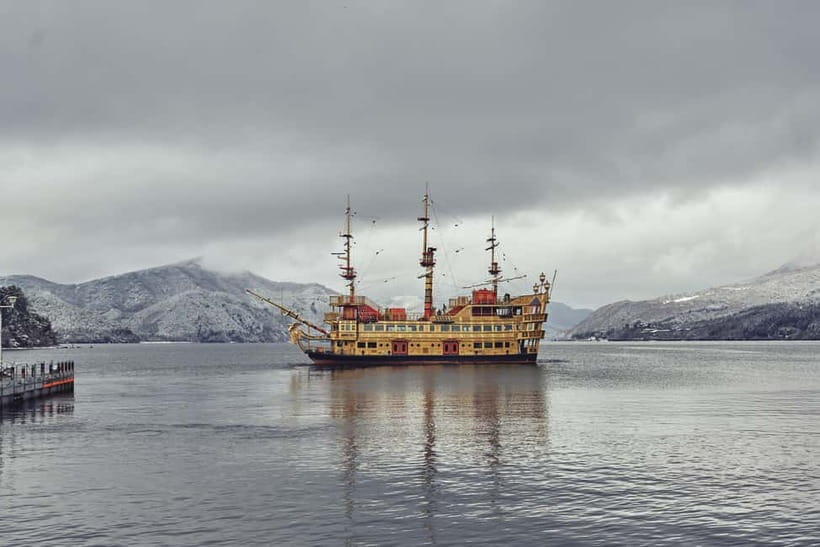
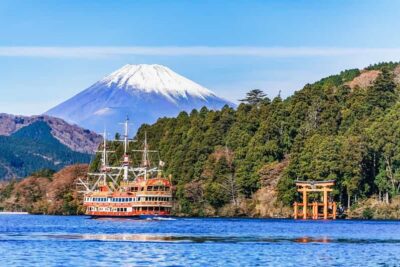
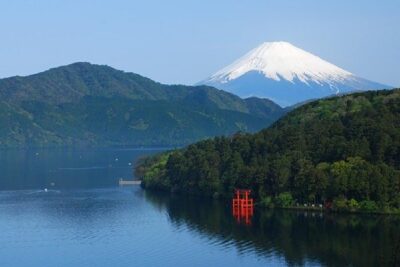
Lake Ashi is where the day starts turning cinematic. The schedule gives you about an hour with photo stops, visits, self-guided time, and scenic views on the way. This is also the segment that includes a boat cruise aboard a pirate ship.
The selling point is simple: you get open-water views with Mt. Fuji in the distance, and being on the water can change everything about a photo. It’s a classic Hakone move for a reason—there’s something about the waterline that makes the Fuji perspective feel closer and more dramatic.
How to enjoy it without overthinking:
- Have your camera ready before the cruise starts swinging into view moments.
- Keep an eye on how crowded areas get around viewpoints and select spots where you can actually take a photo.
If you’re sensitive to motion or sudden wind, pack accordingly. You don’t want discomfort to steal your best picture window.
Mount Fuji Stop: Short, Focused Sightseeing Time
After Lake Ashi, the itinerary includes Mount Fuji time for a break, photo stop, sightseeing, and scenic views, with about 30 minutes allocated. This is not a long summit-style excursion; it’s a viewpoint-style stop designed to give you a look and a photo without eating your whole day.
Because the allotted time is short, the strategy is to be ready for the moment you’re there. Don’t spend your window searching for the “perfect” spot. Instead, pick a good vantage quickly, shoot your photos, and then use the rest to enjoy the view.
You’ll come away with memories even if the weather isn’t perfect. Fuji days are often about working with conditions, not controlling them.
Owakudani: Geothermal Views and the Black Onsen Egg Tradition
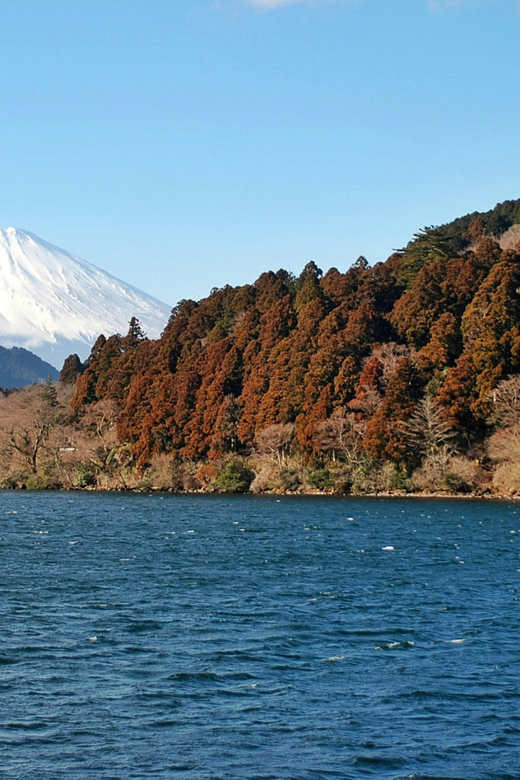
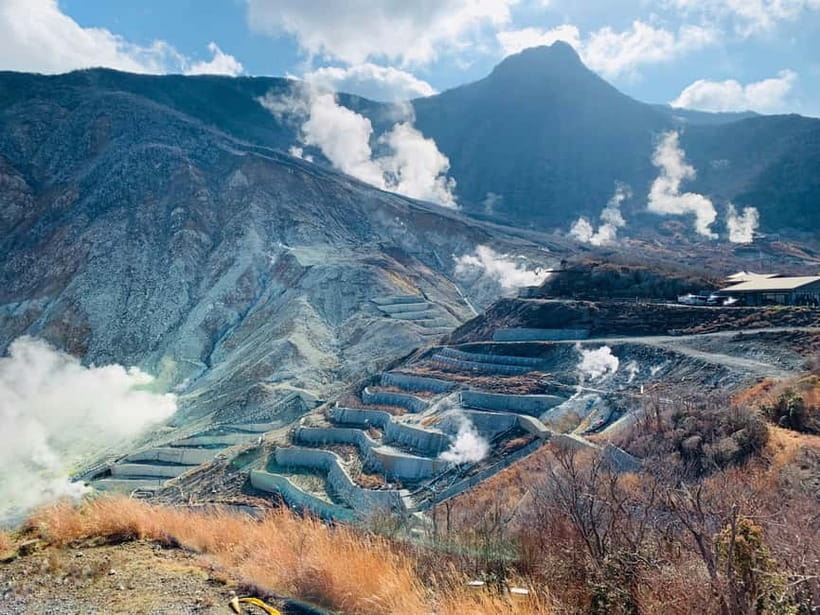
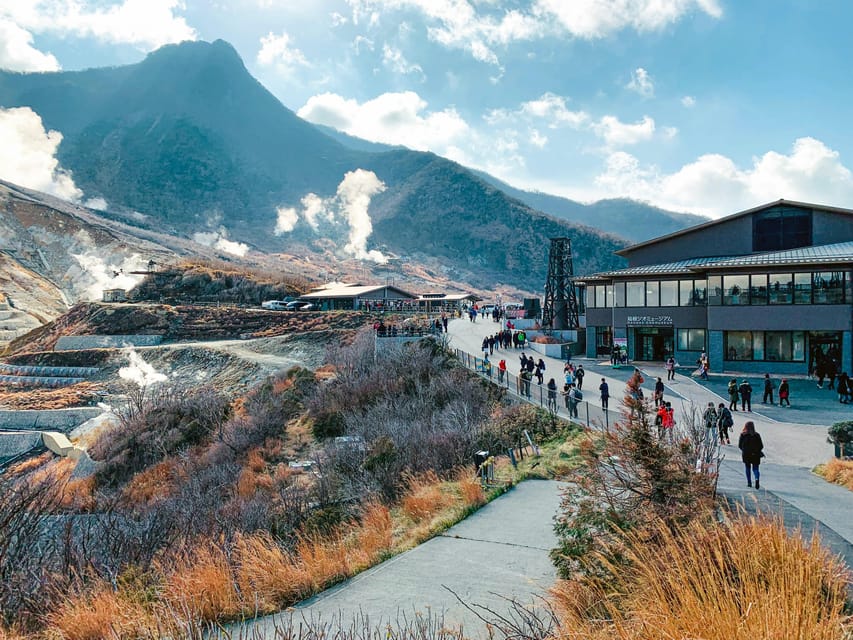
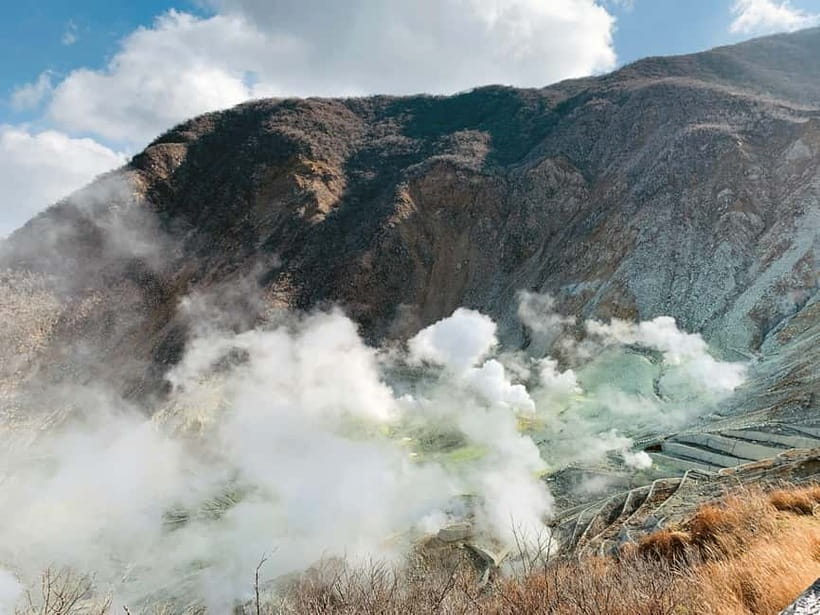
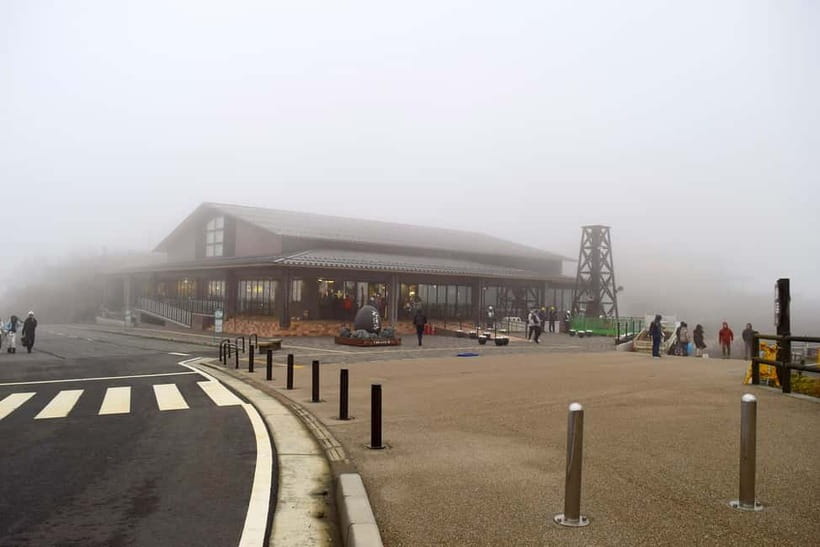
The final big sightseeing block is Owakudani (Hakone) with about an hour for photo stop, sightseeing, and self-guided time, plus scenic views on the way. This is where the trip earns its name as a classic Hakone day.
You’ll have a chance to take in the natural beauty and enjoy the culinary highlight: the famous black onsen eggs, boiled in geothermal waters. The tour description includes the legend that each egg adds seven years to your life. It’s a fun myth to treat as a joke-with-purpose, like a tiny ritual that makes the stop memorable.
Owakudani is also a great “finish strong” location because it combines:
- dramatic geothermal scenery
- an easy-to-understand food moment
- a clear reason to stop, look, then taste
After that, you return to Shinjuku City to close out the loop.
The Real Value: A Self-Guided Plan That Still Does the Thinking
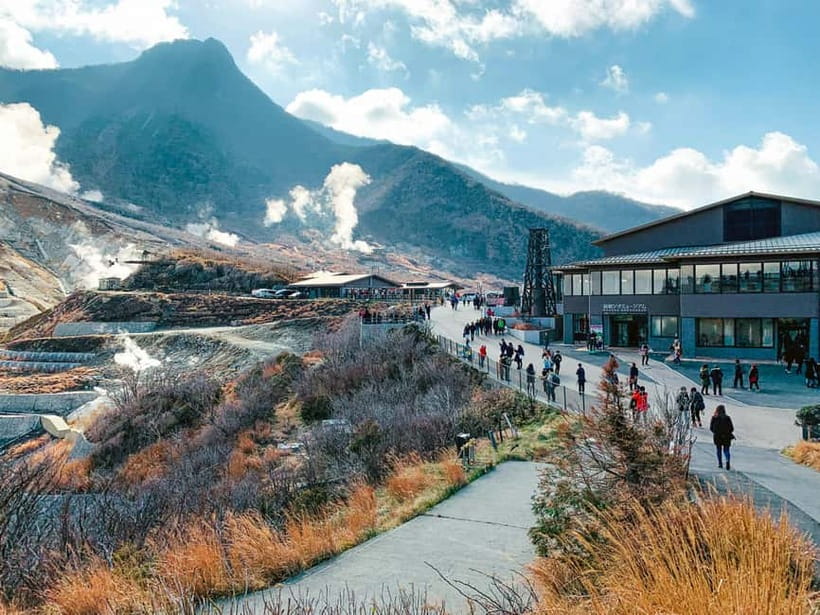
Self-guided trips can go two ways. Either you’re handed a vague route and told good luck, or you get real help that makes independence work. This one leans toward the helpful side.
The included full PDF is the heart of the experience. It’s described as easy to understand and includes detailed explanations of where to go and how to get there. It also adds food recommendations at different stops and general tips for traveling Japan.
That’s what makes the day feel smoother: you’re not just navigating—you’re making choices (where to eat, what to do next, how to time stops) with less friction.
The experience also includes photo stops at scenic viewpoints and picturesque spots, which helps if you’re traveling without a dedicated photographer. You get planned “pause points” rather than hoping you’ll remember to stop when the view is at its best.
A note on pace: the day is structured, but you’re still the boss. One of the best parts of this style is being able to move at your own speed while still knowing where you’re supposed to be next.
Budget Reality: What You Pay for vs. What You’ll Still Need to Cover
This is where you’ll get the most clarity by separating planning from costs. What’s included is the itinerary support:
- photo stop planning
- the PDF with detailed directions and explanations
- food and transportation recommendations
- general Japan travel tips
- a $3 discount on eSIM in Japan using a code inside the PDF
What’s not included is the stuff that costs money on the ground:
- actual transportation between points
- entry tickets for attractions
- food
- hotel/accommodations
- a personal guide to physically take you around
So the $3.22 price is not paying for a full “all-in” day. It’s paying for the big headache solver: knowing what to do and how to sequence it. If you’re comfortable covering transit and snacks yourself, the value is genuinely strong. If you want a fully ticketed day with everything paid upfront, you’ll need to manage expectations.
Timing and Closing Times: The One Thing That Can Catch You
This experience is mostly about hitting key sights efficiently, and that means you’ll want to respect time windows. Some parts of Japan tend to shut down earlier than people expect, and this kind of day trip is built around a working schedule.
Your best approach is to treat the PDF’s timing guidance as a baseline, not a suggestion. Build in quick photo breaks, then get moving when it’s time for the next leg.
In a day like this, the difference between a great trip and a stressful one is often just one thing: not lingering too long at any single stop.
Who This Trip Fits (and Who Should Skip It)
This itinerary is a good fit if you:
- want a structured day without joining a group tour
- like scenic viewpoints and photo moments (planned photo stops help)
- enjoy a mix of town streets, cultural food breaks, and geothermal scenery
- are okay handling transport and any entry costs yourself
It’s not suitable for people with:
- back problems
- mobility impairments
- wheelchair users
- respiratory issues
- recent surgeries
- low level of fitness
That’s especially relevant because the plan includes walking segments and a 45-minute route section.
If you’re traveling with limited mobility, you’ll likely feel the walking demands quickly. If you’re generally active and can handle uneven stone-paved areas, you’ll be in a better position to enjoy the full arc of the day.
Should You Book This One-Day Hakone + Mt. Fuji Plan?
Book it if you want Mt. Fuji and Hakone highlights in one day without spending your vacation days doing route math. The real strength is the PDF-based independence: clear directions, food and transport suggestions, and built-in photo stops that reduce decision fatigue.
Don’t book it if you strongly prefer a fully guided experience with someone escorting you, or if you need a wheelchair-friendly plan. Also think twice if you hate time limits. This day works best when you follow the sequence and keep moving.
If you’re the kind of traveler who likes to say yes quickly when the view looks good, this is a smart setup. You’ll spend less time planning and more time seeing-specially at Moto Hakone, on Lake Ashi, and at Owakudani with that black egg ritual.
FAQ
Where does the trip start?
The meeting point is Shinjuku City / Shinjuku Station, with instructions to take the first train. The coordinates provided are 35.6938253, 139.7033559.
How long is the Hakone self-guided trip?
It lasts 1 day.
What’s included in the price?
You get a full PDF itinerary with detailed directions, photo stops at scenic viewpoints, food recommendations at different stops, and some general useful tips. There’s also a $3 eSIM discount code included in the PDF.
Are transportation and entry tickets included?
No. The actual costs for going to places (including transportation and entry tickets) are not included.
Is food included?
No. Food is not included, though the PDF provides food recommendations at the stops.
Do I get a personal guide to escort me?
No. It’s self-guided, and a personal guide showing you around is not included.
Who is the tour not suitable for?
It’s not suitable for people with back problems, mobility impairments, wheelchair users, respiratory issues, recent surgeries, or low level of fitness.
What’s the cancellation and payment flexibility?
You can cancel up to 24 hours in advance for a full refund. You can also reserve now and pay later.
More Tour Reviews in Tokyo






Hakone, Three More Ways
The Fuji Shortlist: Other Days Out to the Mountain

Fresh reviews from around Tokyo






Mt Fuji Day Trips, compared.
 ★ 4.0Mt Fuji & Hakone Cruise, Drum Show Bullet Train 1 Day from TokyoFrom $1497,413 reviews
 ★ 4.4Tokyo Mt Fuji 5th St & Hakone Cruise Bus Tour w/Bullet TrainFrom $1545,024 reviews
 ★ 4.5From Tokyo: Mount Fuji Full-Day Sightseeing TripFrom $684,970 reviews
 ★ 4.7Mt. Fuji Tour, Hakone Ropeway, Owakudani, Lake AshiFrom $544,002 reviews
 ★ 5.0Private Tour to Mt. Fuji and Hakone (Fully Licenced Operator)From $4971,910 reviews
 ★ 4.9Mount Fuji Full-Day Private Tour from Tokyo (Customizable)From $3931,470 reviews
 ★ 4.0Mt Fuji & Hakone Cruise, Drum Show Bus 1 Day from TokyoFrom $1221,287 reviews
 ★ 4.2From Tokyo: Mt. Fuji & Hakone Tour w/ Return by Bullet TrainFrom $1171,278 reviews
Browse the lists this tour appears in