
Reviewed · MT FUJI DAY TRIPS
Hakone and Mt. Fuji Day Trip with Private Vehicle
One day, two icons.
This private Hakone and Mt. Fuji outing is built for travelers who want a clean break from hectic Tokyo without the stress of trains and transfers. The plan centers on Hakone highlights like Lake Ashi, the ropeway toward volcanic views near Owakudani, and the Hakone Open-Air Museum, with time for a shrine and a garden stop. You’ll also have flexibility to adjust when weather rolls in and Mt. Fuji is shy.
Two things I like a lot: your own comfortable vehicle and the pace control it brings. In the real-world feedback, drivers such as Ali, Abdul, Waseem, and Maz often help make smart timing calls—staying efficient when traffic thickens, or shifting the balance when visibility is poor—so you spend less of the day standing in lines and more of it actually looking.
One possible drawback: even with perfect planning, Mt. Fuji visibility isn’t guaranteed, and you’ll also pay for several major attractions separately. If your budget is tight or you’re counting on dramatic Fuji photos no matter what, this is the key thing to know before you book.
In This Review
- Key Points at a Glance
- Leaving Tokyo for Hakone: Why This Day Feels Special
- Price and the Real Value: What Your $436.05 Buys
- Stop 1: Hakone Shrine and Kuzuryu Shrine—A Calm Start Before the Action
- Stop 2: Lake Ashi—Views, Fresh Air, and the Fuji Question
- Stop 3: Hakone Ropeway to Volcanic Sights—Steam, Gasses, and Real Drama
- Stop 4: Hakone Open-Air Museum—Outdoor Art That Actually Fits the Setting
- Stop 5: Gora Park—French-Style Gardens for a Breather
- Stop 6: Gotemba Premium Outlets—Shopping Bonus or a Time Sink
- Mt. Fuji Reality Check: Plan for Clouds, Not Miracles
- Private Means Flexibility—But Know What Type of Service You’re Getting
- Who Should Book This Day Trip?
- Should You Book This Hakone and Mt. Fuji Day Trip?
- FAQ
- What does the tour include?
- Are entrance fees included in the tour price?
- How much time will I have for each stop?
- Is this a guided tour or just a car service?
- What if Mt. Fuji is not visible due to weather?
- How many people can book this tour?
Key Points at a Glance
- Private car, full-day flexibility: You can tailor stops to your interests and timing.
- Lake Ashi + cruise opportunity: A classic Hakone moment with potential Mt. Fuji views.
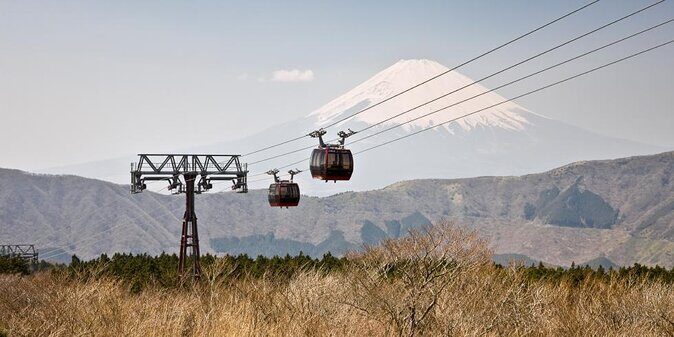
- Ropeway toward volcanic sights: Expect steam, gasses, and big nature energy.
- Open-Air Museum is the art highlight: Sculpture outdoors with strong atmosphere.
- Gotemba Premium Outlets can be hit-or-miss: Great if you want shopping; crowded if it’s a holiday.
- You’ll budget for add-on tickets: Museum, ropeway, cruise/boat, and park entries are extra.
Other routes to the mountain, compared
- Mt Fuji & Hakone Cruise, Drum Show Bullet Train 1 Day from Tokyo★ 4.0 · 7,413 reviews
- Tokyo Mt Fuji 5th St & Hakone Cruise Bus Tour w/Bullet Train★ 4.4 · 5,024 reviews
- From Tokyo: Mount Fuji Full-Day Sightseeing Trip★ 4.5 · 4,970 reviews
Leaving Tokyo for Hakone: Why This Day Feels Special
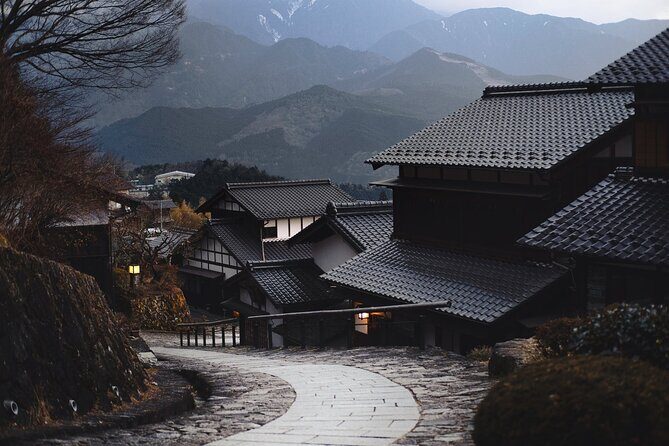
Hakone is the kind of place that makes a one-day trip feel like a reset button. You trade concrete for mountains, steam, lake air, and that slow, scenic rhythm you just can’t get from staying inside Tokyo. With a private vehicle, the day is smoother: fewer timetable worries, fewer station changes, and fewer chances for small delays to snowball.
The route also helps you see Hakone in layers. You start with a shrine setting, shift to lake views, then move into the volcanic zone area, and finally you land in art and gardens. It’s a smart mix for people who don’t want to “only” do the cruise or “only” do cable cars.
From a comfort standpoint, the air-conditioned vehicle matters more than you’d think. Hakone can feel cooler than Tokyo, but the day still involves waiting outdoors between transportation segments and viewpoints. Having the car ready makes the whole schedule feel less exhausting.
Price and the Real Value: What Your $436.05 Buys
This tour runs $436.05 per group (up to 5 people) for about 10 hours. That pricing can feel steep—until you think about what you’re buying: private transport for a full day. If you’d otherwise hire a taxi for multiple legs or end up juggling several train rides with transfers, the math starts to make more sense fast, especially for families or mixed-age groups.
Now the catch: the big ticket items are not included. Based on the provided costs, you should plan for:
- Hakone Open-Air Museum: ¥2,000 per person
- Hakone Ropeway: ¥1,600 per person
- Hakone Gora Park: ¥650 per person
- Hakone cruise ship: ¥1,200 per person
That means the total cost can climb depending on what you choose to do that day. If you want the full Hakone circuit—ropeway + boat + museum—you’ll want extra spending cash or a card ready. If you only do a few stops, you may feel like you paid a lot for driving time. So decide early how “complete” you want your Hakone day to be.
Stop 1: Hakone Shrine and Kuzuryu Shrine—A Calm Start Before the Action
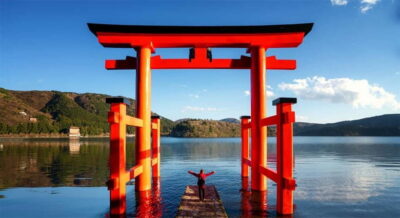
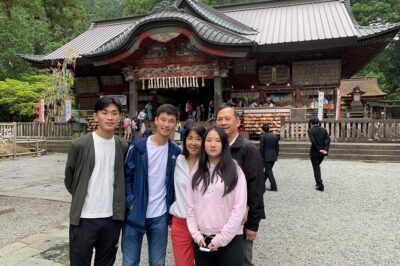
The day begins at Hakone’s shrine area, including Hakone Shrine / Kuzuryu Shrine. This is one of those places where the setting does half the work. Even if you’re not chasing a deep spiritual story, you’ll feel the mood shift immediately—slower footsteps, incense or seasonal atmosphere, and plenty to look at as you wander.
One practical upside: starting with a shrine stop often works well for photos and pacing. You’re fresh, you’re not yet tired from transportation, and you can spend about 45 minutes on the grounds without it turning into a marathon.
Potential drawback: it can be busy depending on dates and holidays. If the lines are long or the crowding is intense, you’ll want your driver to help you avoid wasted time so you can still hit the lake and ropeway without feeling rushed.
Stop 2: Lake Ashi—Views, Fresh Air, and the Fuji Question
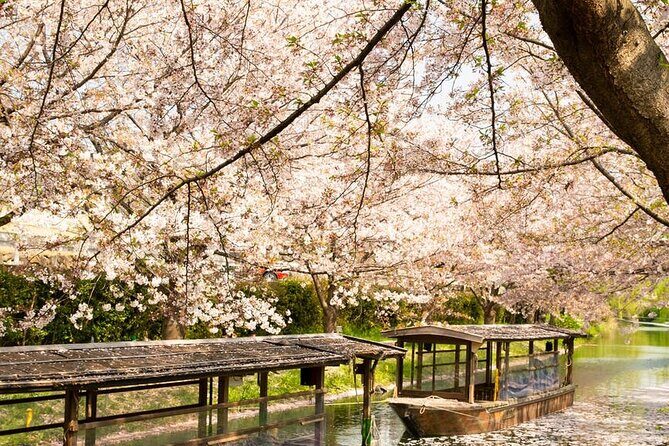
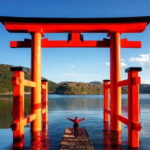
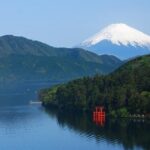
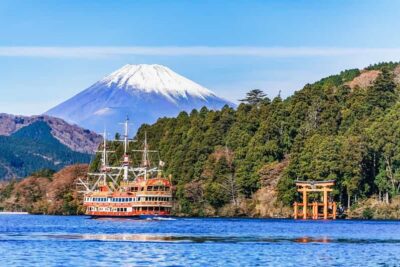
Next up is Lake Ashinoko, where the day gets scenic in a bigger way. Lake Ashi is famous for a reason: the water gives you that open, breathing-room feeling, and the surrounding hills make the whole area feel like a postcard—even when the sky is doing its own thing.
You’ll get about 1 hour here, plus the option to take a cruise/boat segment toward the ropeway area (often tied to Togendai). This is one of the moments where Mt. Fuji might show up in the background. Some days it’s crystal clear; other days clouds win. So think of it as a “try for Fuji” stop, not a guarantee.
If the weather is good, this is where you’ll want to slow down and take your time. If the weather is bad, the lake is still worth it for the atmosphere and the view of nature around you.
More Hakone loops, ropeways and lake crossings
Stop 3: Hakone Ropeway to Volcanic Sights—Steam, Gasses, and Real Drama
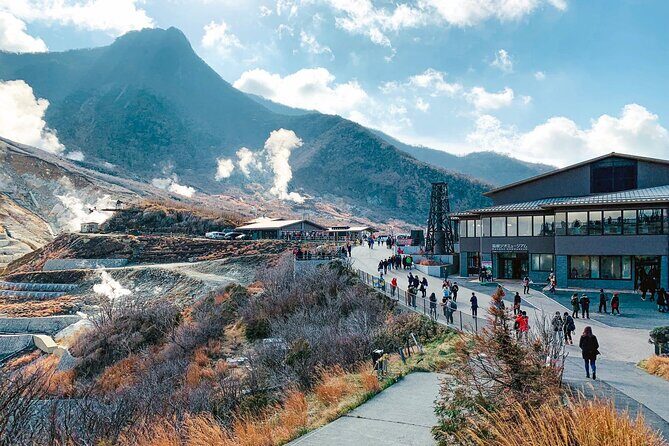
This is where Hakone stops being gentle and starts feeling alive. The Hakone Ropeway takes you toward the volcanic-attraction zone area near Owakudani, and that usually means up-close steam, gaseous vapors, and that unmistakable smell of geothermal activity.
Plan for about 1 hour at this stop area, but keep your expectations flexible. Ropeway access can involve waiting, and visibility can change quickly with clouds or haze. When the views are clear, the ropeway section can be one of the most memorable parts of the day because you get a sense of the landscape’s power.
Budget note: the ropeway admission is ¥1,600 per person, so this is one of the first add-ons you’ll likely want to include if you came for volcano energy.
Stop 4: Hakone Open-Air Museum—Outdoor Art That Actually Fits the Setting
The Hakone Open-Air Museum is one of the best reasons to come on a day trip. You’re not only walking through sculptures—you’re walking through sculpture gardens, with the surrounding nature doing the staging. Expect about 1 hour here.
The museum is known for major modern sculpture collections and the way they relate to open air. If you like art, it feels refreshing because it’s not trapped indoors. You can look, shift angles, and take photos without the “museum hallway” vibe.
You’ll pay an admission fee of ¥2,000 per person, so I’d treat this as a priority stop rather than a quick walk-through. If time is tight, focus on the works and paths that you enjoy most instead of trying to see every single thing.
Stop 5: Gora Park—French-Style Gardens for a Breather
After volcanic sights and museum art, Gora Park offers a calmer change of pace. It’s described as a French-styled landscape park, with a fountain and rose garden, plus greenhouses that house botanical areas.
You’ll likely spend about 45 minutes here, which is the right amount of time for a garden stop. It gives you space to breathe, regroup, and enjoy greenery without turning your day into a long scenic detour.
This is another paid stop: ¥650 per person. If you’re the type who loves gardens, it’s a good balance. If you’d rather spend that time on the lake area again or add more shopping time, you could consider it a flexible swap.
Stop 6: Gotemba Premium Outlets—Shopping Bonus or a Time Sink
The day can end with Gotemba Premium Outlets, one of Japan’s well-known outlet shopping spots. You’ll have about 1 hour 30 minutes here.
I treat this stop like a choice, not a must. If you want brand shopping at outlet pricing, it’s convenient to tack it onto a Hakone day. But if you don’t shop much, you may feel like the value shifts away from sightseeing.
The practical challenge is crowd timing. During holiday periods, parking and movement can slow down, which can make the mall feel packed and the logistics a bit annoying. In one case, the outlet visit was described as the low point because car access and traffic made it harder to flow smoothly.
So if you love shopping, this fits. If you don’t, consider keeping your expectations low and using the time for browsing and snacks rather than a big mission.
Mt. Fuji Reality Check: Plan for Clouds, Not Miracles
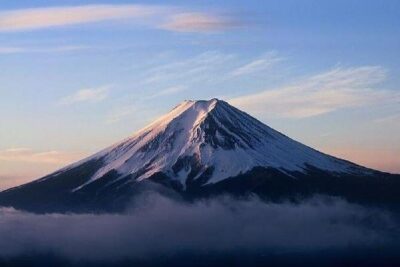
Mt. Fuji is the reason many people book this day trip. Here’s the reality: you can do everything right and still not get a clear view, especially with haze or clouds. That shows up in the experience reports, where some days deliver views and other days keep Fuji hidden.
What you can control is timing and where you spend your “hope time.” The route is designed to give you chances: Lake Ashinoko and the cruise/boat segment can offer views depending on weather, and the volcanic area and ropeway section can also be affected by cloud cover.
The smart move is to treat the day as Hakone first, Fuji second. If you go in that order of importance, the trip still feels complete even when Fuji doesn’t show up.
Private Means Flexibility—But Know What Type of Service You’re Getting
This is where expectations can get tricky. The experience is described as a private vehicle option with a driver, and the day may be more about transport than about deep, site-by-site guiding. Some drivers in feedback were very hands-on and helped with timing, explanations, and even small kindnesses for the group. Other experiences felt more like a chauffeur service with limited information.
So before you book, I’d clarify what you want from your driver:
- Do you expect historical commentary, or just practical guidance and timing?
- Will the driver be able to help with straightforward explanations at each stop, or is it primarily driving?
- If Mt. Fuji visibility matters to you, ask how they handle weather-driven route changes.
Based on the feedback, drivers such as Abdul, Ali, Waseem, Maz, Mohsin, and Khan Salman appear to have offered strong help in different ways—smoothing the schedule, adjusting when weather shifts, and keeping people comfortable. That’s the upside of private transport: your day can be made easier fast.
Who Should Book This Day Trip?
This works best for you if:
- You want a full-day Hakone hit without the pain of trains and transfers.
- You’re traveling as a group of up to five and want everyone to move together.
- You have elders or anyone who benefits from fewer steps and more comfort in the car.
- You care about multiple Hakone zones: lake, ropeway/volcanic area, open-air art, and a garden stop.
It might not be the best fit if:
- You’re ultra-budget sensitive once you add ropeway, museum, park, and cruise tickets.
- You need a guaranteed Mt. Fuji view for your photos. Weather is the boss.
Should You Book This Hakone and Mt. Fuji Day Trip?
If you want the easiest way to do Hakone in one day, I think this is a strong option. The private vehicle makes the long day feel manageable, and the lineup hits major themes: lake scenery, volcanic drama, outdoor art, and a garden breather. When the day goes well weather-wise, it can feel like you squeezed a whole mini-vacation into Tokyo.
But go in with two rules:
1) Budget for add-on tickets if you want the full experience.
2) Treat Fuji as uncertain and Hakone as the main event.
Do that, and this tour style can deliver exactly what you came for: a smooth, scenic, high-effort sightseeing day—without you playing transport chess all day.
FAQ
What does the tour include?
You get an air-conditioned vehicle, private transportation, and bottled water. You’ll also receive a mobile ticket.
Are entrance fees included in the tour price?
No. Entrance fees are not included, including the Hakone Open-Air Museum, Hakone Ropeway, Hakone Gora Park, and the Hakone cruise ship.
How much time will I have for each stop?
The schedule includes about 45 minutes at Hakone Shrine / Kuzuryu Shrine, around 1 hour at Lake Ashinoko, about 1 hour at the Hakone Ropeway stop, about 1 hour at the Hakone Open-Air Museum, about 45 minutes at Gora Park, and about 1 hour 30 minutes at Gotemba Premium Outlets.
Is this a guided tour or just a car service?
It’s a private vehicle service with your driver. The day is not presented as a full guided tour with a guide staying with you for detailed commentary.
What if Mt. Fuji is not visible due to weather?
This experience depends on good weather. If weather is poor, it may be canceled or you may need to adjust expectations since Mt. Fuji visibility can be affected by clouds and haze.
How many people can book this tour?
It’s priced per group for up to 5 people. Pickup is offered, and you choose your preferred pickup location.
More Tour Reviews in Tokyo






Hakone, Three More Ways
The Fuji Shortlist: Other Days Out to the Mountain

Fresh reviews from around Tokyo






Mt Fuji Day Trips, compared.
 ★ 4.0Mt Fuji & Hakone Cruise, Drum Show Bullet Train 1 Day from TokyoFrom $1497,413 reviews
 ★ 4.4Tokyo Mt Fuji 5th St & Hakone Cruise Bus Tour w/Bullet TrainFrom $1545,024 reviews
 ★ 4.5From Tokyo: Mount Fuji Full-Day Sightseeing TripFrom $684,970 reviews
 ★ 4.7Mt. Fuji Tour, Hakone Ropeway, Owakudani, Lake AshiFrom $544,002 reviews
 ★ 5.0Private Tour to Mt. Fuji and Hakone (Fully Licenced Operator)From $4971,910 reviews
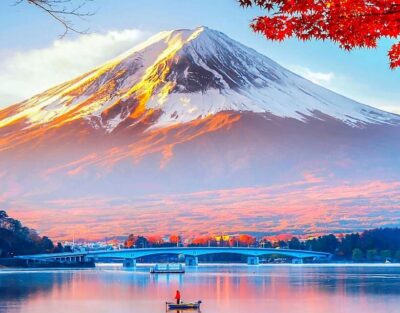 ★ 4.9Mount Fuji Full-Day Private Tour from Tokyo (Customizable)From $3931,470 reviews
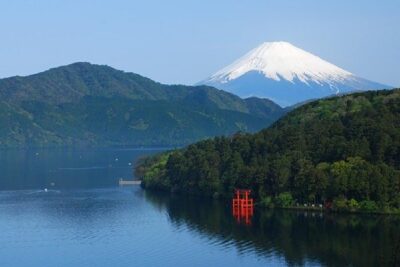 ★ 4.0Mt Fuji & Hakone Cruise, Drum Show Bus 1 Day from TokyoFrom $1221,287 reviews
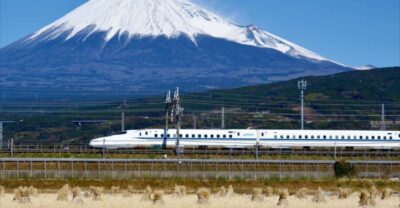 ★ 4.2From Tokyo: Mt. Fuji & Hakone Tour w/ Return by Bullet TrainFrom $1171,278 reviews
Browse the lists this tour appears in