
Reviewed · HAKONE DAY TRIPS
Hakone Adventure: Explore Nature’s Beauty and Tranquility
Hakone moves in slow, dramatic steps. What I like is how this day tour strings together the big sights in one shot, especially the Hakone Tozan Railway and the Lake Ashi cruise. I also like that an English guide (people like Yumiko, Taku, and Yuuki) keeps you moving without stress and gives context along the way. The main catch: it’s not the cheapest way to do Hakone, and you still pay separate transport tickets during the tour—plus crowds can squeeze time.
If you want one day that covers rail, cable, ropeway, and water, this is built for that. You also get Hakone’s volcanic personality up close at Owakudani, where you’ll notice the steam and the sulfur smell. The consideration to plan around is weather and timing: clouds can hide Mt. Fuji, and peak crowds can mean long queues that push out later stops.
In This Review
- Key things I’d clock before you go
- A Hakone Day That Doesn’t Need a Spreadsheet
- Hakone Tozan Railway: Japan’s Only Mountain Train
- Cable Car and Ropeway: Panoramic Views Above the Caldera
- Owakudani: Steam, Sulfur Smell, and Active Volcanic Vents
- Lake Ashi Cruise: Torii Gates and the Mt. Fuji Question
- Hakone Shrine: A Classic Finale With Limited Time
- Price and Logistics: What You’re Paying For
- When the price makes sense
- When you might feel sticker shock
- Getting the Timing Right: Crowds, Queues, and Weather
- 1) Ropeway and transport crowding
- 2) Weather and Mt. Fuji visibility
- What to Pack and How to Show Up
- Who This Tour Fits Best
- Should You Book This Hakone Adventure?
- FAQ
- How long is the Hakone Adventure experience?
- Are transport tickets included in the price?
- What’s included with the tour?
- Where do I meet, and where do I get dropped off?
- Will I definitely see Mt. Fuji?
- What should I bring for the day?
- Is it suitable for everyone?
Key things I’d clock before you go
- Japan’s only mountain railway on the Hakone Tozan line, with steady climbs through forested slopes
- Multiple transport modes in one day, so you’re not playing train-transfer detective
- Owakudani geothermal vents, including the steam atmosphere and sulfur-scented air
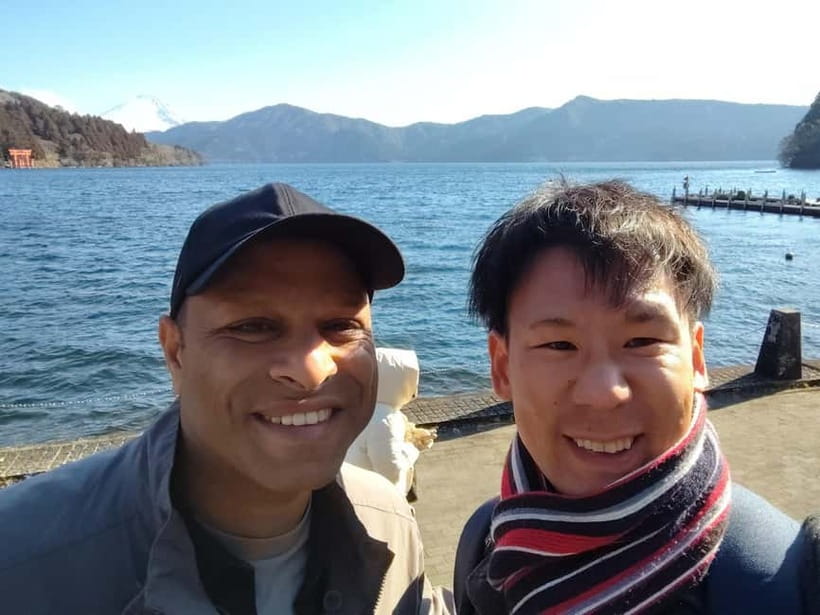
- Lake Ashi sightseeing cruise with classic torii-gate views and potential Mt. Fuji views
- Hakone Shrine on a fixed schedule, so you’ll want to be ready for crowds and timing
A Hakone Day That Doesn’t Need a Spreadsheet
Hakone is the kind of place where the scenery alone can eat up your whole day. This tour is useful because it’s structured around moving between viewpoints efficiently—by train up into the mountains, then cable car/ropeway higher over the volcanic caldera, and finally down to the lake for a cruise. You’re not just checking boxes. You’re seeing the region from several angles: steam valley, panoramic heights, and the calm water side by side.
I also like that the meeting setup gives you choices. You can start from Shinjuku or from the Hakone/Odawara area (there are multiple departure options), and you can get dropped back in one of two locations. That matters because Hakone day trips often become a tug-of-war between sightseeing time and commuting time.
The other practical advantage: you’re traveling with an English-speaking guide and a private group setup. Even when you’re riding public transport modes (ropeway lines, for example), the guide helps you keep the day on track and interpret what you’re seeing.
Hakone Tozan Railway: Japan’s Only Mountain Train
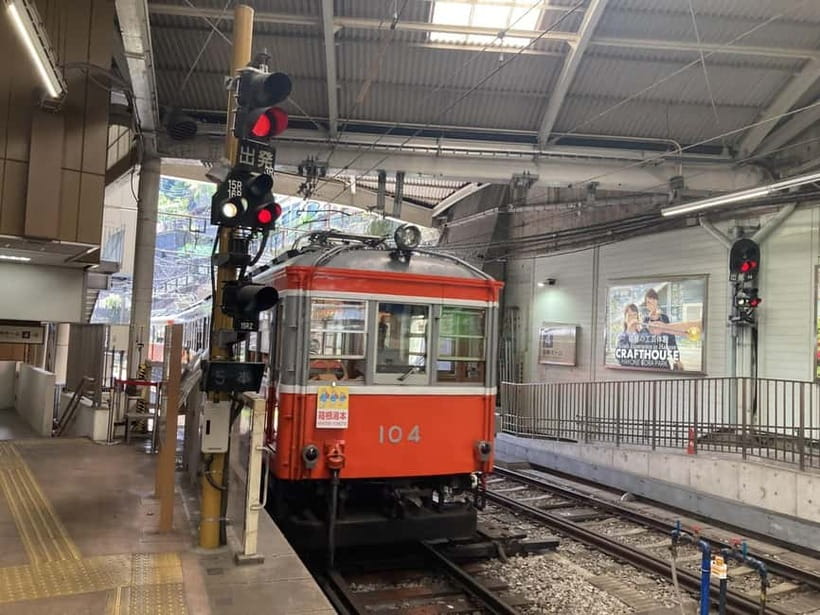
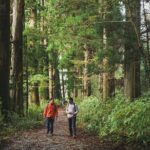
Your day begins on the Hakone Tozan Railway, described as Japan’s only mountain train. This is the part I’d put near the top of the list for first-timers. The route climbs in a way that feels purposeful, not rushed—winding through forested slopes and seasonal scenery as you gain elevation.
What you’re really buying here is motion plus meaning. As the train climbs, your guide provides context on Hakone’s role as a historic mountain resort area and a gateway between regions. In plain terms: it helps the scenery connect to why this place became such a big stop on Japan’s travel routes.
Practical note: plan for some walking at stations and viewpoints. The train ride itself is easy, but your feet still get involved between transport changes.
Cable Car and Ropeway: Panoramic Views Above the Caldera
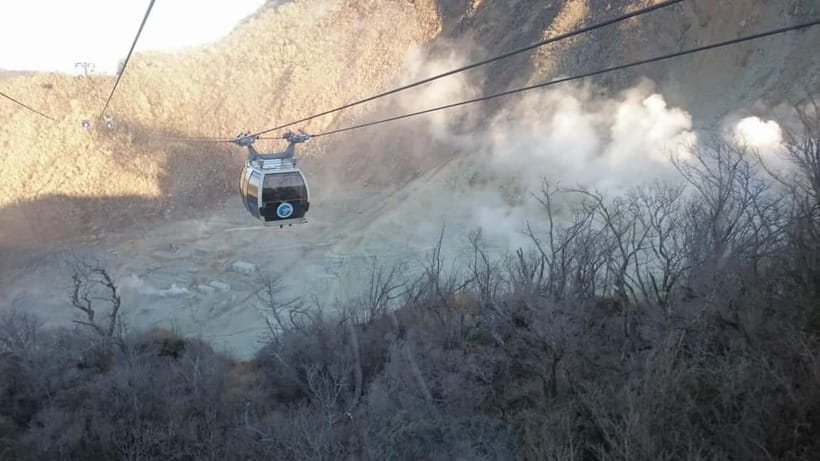
After the first rail stretch, you switch modes—starting with a cable car ride—then moving into the ropeway/higher-view area above the volcanic terrain. This is where Hakone stops feeling like a regular day trip and starts feeling like a geological show.
The key idea here is elevation. You’re going above Hakone’s caldera, a huge crater-shaped landscape formed by ancient eruptions. From those higher points, you can actually understand why this region feels so dramatic: it’s not just “mountains and lakes,” it’s a world shaped by volcanic forces.
What I’d watch for is simple: take your time with viewpoints and photos, especially if visibility is good. Once you’re higher up, weather can change fast. Bring warm layers if you get wind up top (the tour recommends warm clothing, and it’s good advice).
Owakudani: Steam, Sulfur Smell, and Active Volcanic Vents
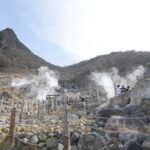
Next comes Owakudani, Hakone’s active geothermal valley. This stop is about more than a pretty photo. You’ll see steam rising from vents, and you’ll likely notice the sulfur-scented air—an immediate reminder that the volcano here is still alive.
This is also one of those places where a guide makes the difference. Your guide explains cultural stories and local traditions tied to Owakudani, turning a quick viewpoint visit into something that feels connected to the people who live with this landscape day to day.
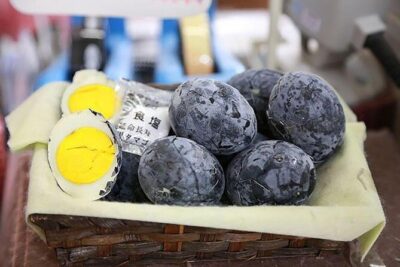
One extra detail: during the Owakudani stop, you might encounter the famous local black egg tradition (people talk about discovering the black eggs here). Even if you don’t buy anything, just knowing it’s part of the local experience helps you read the scene without feeling lost.
Timing consideration: Owakudani itself is scheduled for a guided visit and sightseeing, but it’s a place where you may linger if the steam looks dramatic. If you’re trying to protect time for later stops, keep an eye on the clock.
Lake Ashi Cruise: Torii Gates and the Mt. Fuji Question
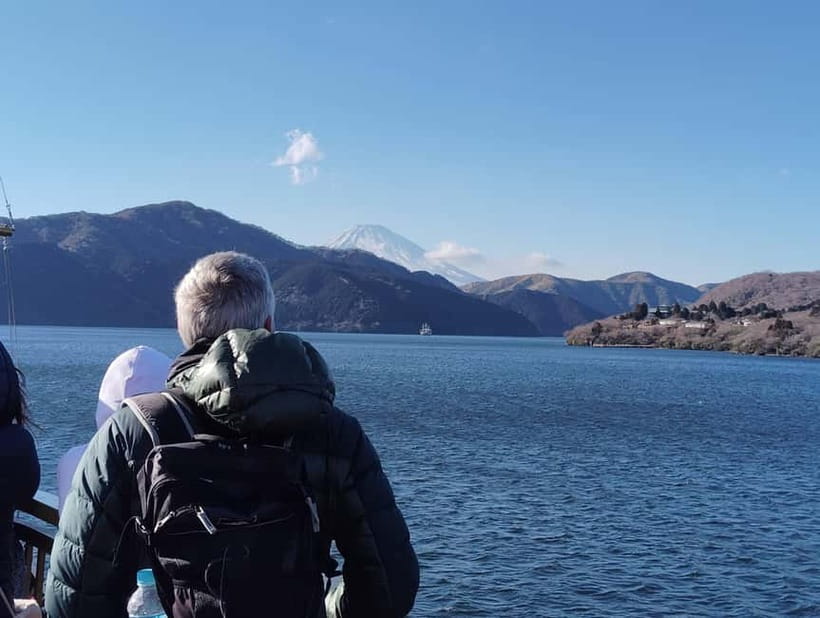
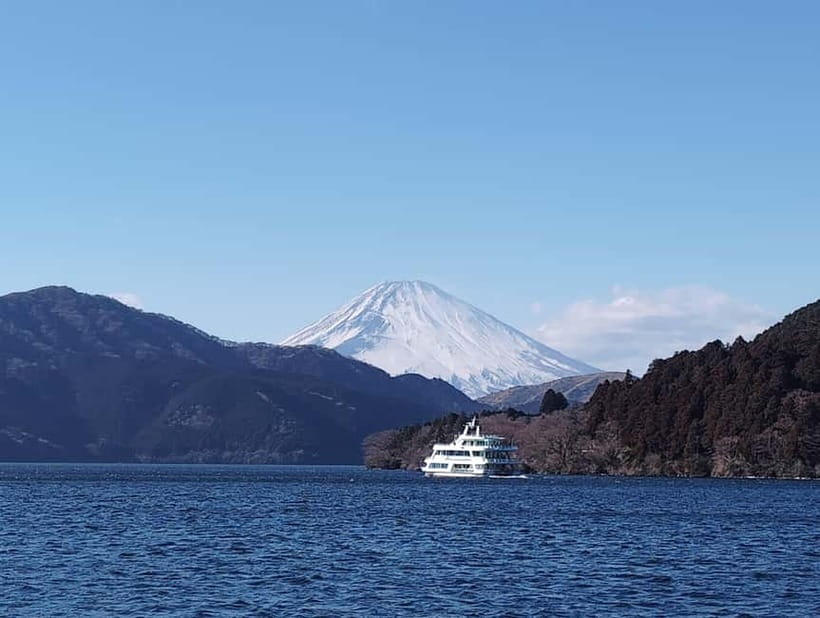
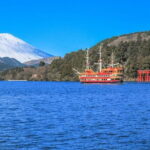
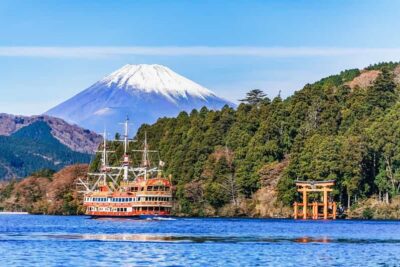
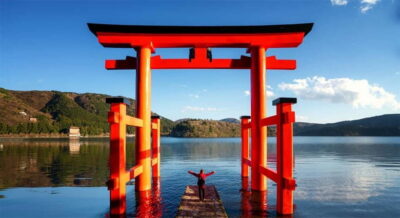
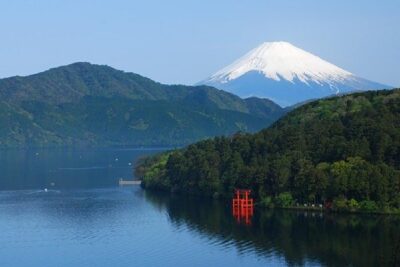
Then you get to switch gears. Lake Ashi is calmer, broader, and—on clear days—capable of delivering a Mt. Fuji silhouette in the background. You board a sightseeing cruise for about 50 minutes, gliding across the lake while you take in the shoreline hills and the iconic torii gates.
This is a smart part of the day for two reasons:
- You’re resting your legs while still seeing major scenery.
- Water views tend to feel less crowded than viewpoint lines, even when the overall area is busy.
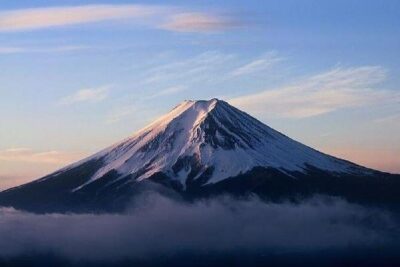
Important reality check: Mt. Fuji is not guaranteed. The tour’s highlights talk about seeing Fuji on clear days, and conditions can easily turn a dream view into just clouds. When Fuji is hidden, the cruise is still worthwhile for the lake scale and the torii-gate scenery.
After the cruise, there’s a short guided visit window on the lake side, keeping you in the “Hakone calm zone” rather than rushing you back immediately.
Hakone Shrine: A Classic Finale With Limited Time
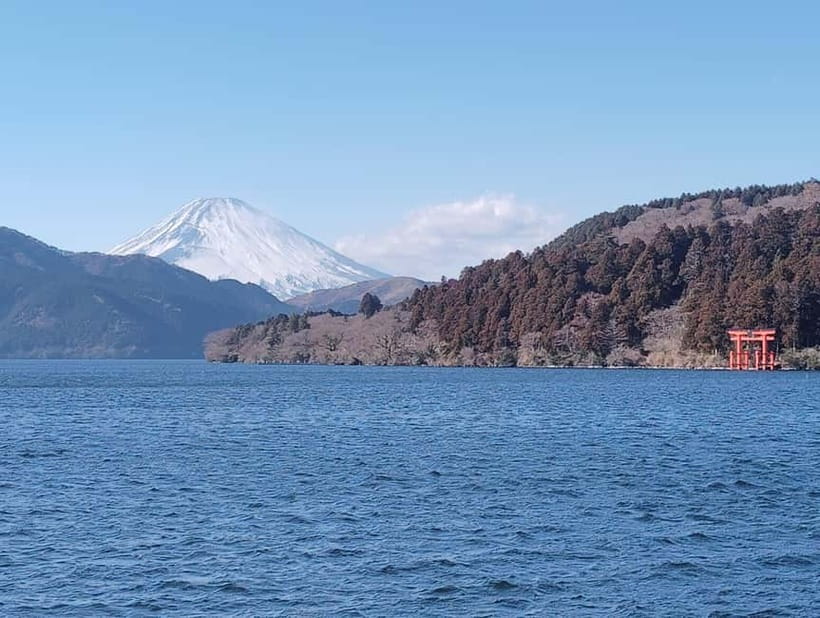
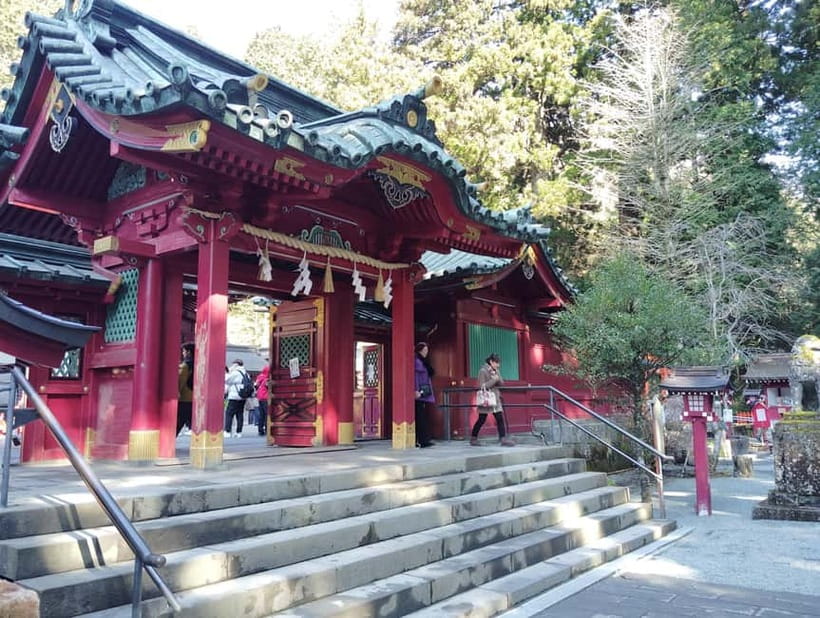
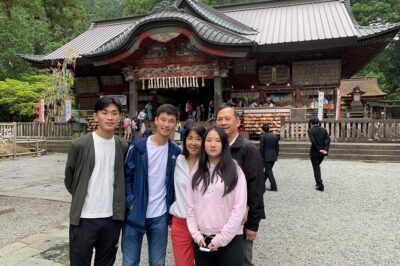
The final major sight is Hakone Shrine, with a guided visit and sightseeing time scheduled around 45 minutes. This stop is often where the day feels most “complete,” because you have the lake setting and the shrine setting working together: water, stone, and religious symbolism in one place.
It’s also where you want to be realistic about time. On busier days, queues and transport changes can eat into the buffer. One person even had to skip the shrine due to running out of time after ropeway lines. That’s a warning sign, not a guarantee—but it tells me you should assume crowds can happen even on weekdays.
If you’re booking this with a tight schedule back to Tokyo, give yourself breathing room. If the tour’s timing looks close to your return train, choose the earliest departure option you can from your starting point.
Price and Logistics: What You’re Paying For
This costs $139 per person, and you’ll also pay transportation fares separately. That can feel frustrating if you’re used to tours where the rail and ropeway tickets are bundled.
So is it good value? It depends on your style.
When the price makes sense
- You want an English guide to explain what you’re seeing (especially at Owakudani and the volcanic/geology context).
- You don’t want to manage connections across multiple transport types.
- You prefer a “one-day plan” that reduces decision fatigue.
When you might feel sticker shock
- If you think you can handle the train and cable/rope connections on your own at much lower cost, you may feel this isn’t worth it.
- Since transport fares aren’t included, the final cost can rise quickly once you add tickets.
One useful tactic: before you book, check your preferred starting point and expected route you’d take independently. If you’d already ride most of these modes anyway, then the value shifts toward the guide and the time saved rather than the transport itself.
Getting the Timing Right: Crowds, Queues, and Weather
This tour runs about 270 to 570 minutes, depending on the start time and how the day’s pacing works out. Because the schedule relies on multiple transport segments, anything that slows one part can cascade.
Two big variables affect your day:
1) Ropeway and transport crowding
Hakone can be crowded even outside weekends. In one account, a queue for the ropeway took ages on a Monday and cut into later time. You can’t control that, but you can control your expectations: plan for lines, and don’t treat the last stop as guaranteed.
2) Weather and Mt. Fuji visibility
Clear conditions help. Cloud cover can hide Fuji even when you’re doing everything right. Warm clothing still matters because higher points can feel colder and windier.
What to Pack and How to Show Up
This tour is active enough to matter, but it’s not a hike day. Still, you’ll want to arrive ready.
Bring:
- Comfortable shoes (walking is involved at stations and viewpoints)
- Warm clothing
- Camera
- Sunscreen
Wear layers. Even if the morning starts mild, Hakone’s elevation can change the feel fast.
Arrive at the meeting point about 15 minutes early. With multiple departure options and transport changes, early arrival is how you avoid being the person sprinting with a backpack.
And a simple rule: no smoking.
Who This Tour Fits Best
This experience is best for first-timers who want a structured, high-impact day across Hakone’s most famous zones. It also fits travelers who like guided context—especially the “why” behind Owakudani and the region’s development.
It’s not suitable for pregnant women, people with mobility impairments, or people with heart problems. That’s worth taking seriously, since the day includes walking and using transport modes that may be awkward if you need extra support.
If you have mobility limitations, I’d treat this as a “maybe no” unless you can confirm your ability to handle the walking involved and any queuing.
Should You Book This Hakone Adventure?
I’d book this if you want a guided, multi-mode Hakone day and you value not coordinating every transfer yourself. The biggest strengths are the Hakone Tozan Railway for the ride, Owakudani for the real volcanic atmosphere, and the Lake Ashi cruise for that calm, iconic scenery with torii gates.
I’d hesitate if your priority is lowest cost and you’re happy to DIY the transport. Since transportation fares aren’t included, the total outlay can feel steep, and one key stop can get cut short when crowds hit.
If you can travel on a day with better odds for smoother lines—and you’re okay paying for convenience plus an English guide—this is a solid way to experience Hakone without turning the day into a logistics puzzle.
FAQ
How long is the Hakone Adventure experience?
The duration range is 270 to 570 minutes. Exact timing depends on availability and your starting time.
Are transport tickets included in the price?
No. Transportation fares are paid separately during the tour.
What’s included with the tour?
You get an expert English-speaking guide, a planned route covering Hakone’s top sights, and help navigating across the train, cable car, ropeway, and cruise.
Where do I meet, and where do I get dropped off?
Meeting points vary by option and can include 向山公園, 新宿警察署 新宿駅東口交番, 箱根湯本駅, or 小田原駅観光案内所. Drop-off locations include 箱根湯本駅 or 新宿警察署 新宿駅東口交番.
Will I definitely see Mt. Fuji?
Visibility depends on weather. The cruise is described as showing Mt. Fuji on clear days, so it’s not guaranteed.
What should I bring for the day?
Wear comfortable shoes and bring warm clothing, a camera, and sunscreen.
Is it suitable for everyone?
It is not suitable for pregnant women, people with mobility impairments, or people with heart problems. Smoking is also not allowed.
More Tour Reviews in Hakone

Hakone, Three More Ways
Hakone Day Trips, compared.
 ★ 4.0Mt Fuji & Hakone Cruise, Drum Show Bullet Train 1 Day from TokyoFrom $1497,413 reviews
 ★ 4.4Tokyo Mt Fuji 5th St & Hakone Cruise Bus Tour w/Bullet TrainFrom $1545,024 reviews
 ★ 4.7Mt. Fuji Tour, Hakone Ropeway, Owakudani, Lake AshiFrom $544,002 reviews
 ★ 5.0Private Tour to Mt. Fuji and Hakone (Fully Licenced Operator)From $4971,910 reviews
 ★ 4.0Mt Fuji & Hakone Cruise, Drum Show Bus 1 Day from TokyoFrom $1221,287 reviews
 ★ 4.2From Tokyo: Mt. Fuji & Hakone Tour w/ Return by Bullet TrainFrom $1171,278 reviews
 ★ 4.5Mt. Fuji & Hakone Private Day Tour with English-Speaking DriverFrom $453824 reviews
 ★ 4.2Hakone Fuji Day Tour w/ Cruise, Cable Car, VolcanoFrom $98724 reviews
Browse the lists this tour appears in