
Reviewed · MT FUJI DAY TRIPS
Private Local Hiking to enjoy the nature and culture of Mt.Fuji
Mt. Fuji hits different on foot.
This private hike circles the quieter side of Fujisan, led by Yuki, a certified mountain guide who has climbed Mt. Fuji over 40 times and also holds a local hunting license. I like how the day blends nature with shrine-and-lake culture, then backs it up with practical trail guidance rather than just sightseeing. One thing to plan around: this tour depends heavily on clear weather for the iconic Fuji views, and the pickup is limited to people staying in the Kawaguchiko or Fujiyoshida areas.
You’ll move at a moderate pace—about 1 hour up and 30 minutes down—with free rental gear (shoes, poles, rain layers, gloves). Another big plus: the itinerary strings together big-feeling places without forcing an all-day endurance slog, and you’ll end with local food and real matcha in a Japanese garden.
The format is straightforward: a private group with start time at 9:00 am and about 5–6 hours on the clock, plus private transport. If you’re not in the Kawaguchiko/Fujiyoshida area, you’ll need to get yourself to the meeting area on your own.
In This Review
- 5–6 hours at the Mt. Fuji lakes: what makes this hike worth it
- Key highlights I’d circle on your itinerary
- Starting with Lake Kawaguchiko: the Mt. Fuji view strategy
- Fuji Omuro Sengen Shrine: why eruptions live on in local worship
- Saiko Lake and Aokigahara Jukai: quiet water, then sea of trees
- Ryugudoketsu Cave: a sacred spot before the bigger climb
- Sankodai viewpoint hike: the best payoff for your effort
- Menkyo-kaiden and Yoshida Udon: fuel that tastes like the area
- Fujisan Onsen Hotel Kaneyamaen: matcha in a garden to close the loop
- What’s included vs. what you’ll pay out of pocket
- Private transport and the pickup rule that matters
- Trail fit: moderate hiking that still feels like Mt. Fuji
- Weather is the real schedule boss
- Price and value: what $131 buys you in practice
- Should you book this Mt. Fuji nature-and-culture hike?
- FAQ
- Do I get pickup for this Mt. Fuji hiking tour?
- How long is the tour and when does it start?
- What hiking difficulty should I expect?
- What’s included in the tour price?
- Is lunch included?
- Does the tour require good weather?
5–6 hours at the Mt. Fuji lakes: what makes this hike worth it
This is the kind of Mt. Fuji outing that helps you slow down. Instead of racing from one famous photo spot to another, you follow a trail where the views are earned, and the stops explain why people have cared about this mountain for generations.
The guide role matters here. Yuki isn’t just reciting facts. He’s the type who can connect what you see—lava terrain, forest growth, and shrine beliefs—to how this area actually works today. That’s why the day feels like a story with legs: lakes for breathing room, a lava cave for the geology side, then a forest route that makes the mountain feel close.
Key highlights I’d circle on your itinerary
- A guide with real mountain experience (Yuki): certified, 40+ Mt. Fuji climbs, and strong local context.
- Moderate hike timing: roughly 1 hour up and 30 minutes down, plus breaks for viewpoints.
- Quieter lakes and forest stops: Kawaguchiko’s famous angle, then Saiko Lake’s calm, followed by Aokigahara’s “sea of trees.”
- Memorable culture beats: Fuji Omuro Sengen Shrine and Ryugudoketsu cave stop you from treating Fuji like just a backdrop.
- Local food and matcha in a garden: Yoshida Udon and optional sweet time in a serene public-access garden setting.
Starting with Lake Kawaguchiko: the Mt. Fuji view strategy
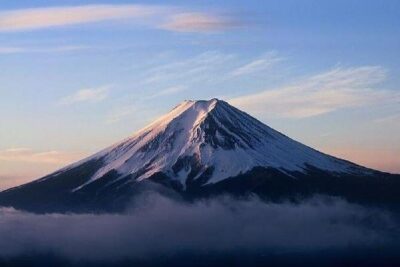
Your morning begins in the Fujikawaguchiko area, where Lake Kawaguchiko is the best-known of the Fuji Five Lakes. You’ll feel the difference immediately: this place is built for big views, and the route is designed so you can catch Mt. Fuji from scenic angles when conditions are right.
Here’s the practical thing: Fuji visibility changes fast. If it’s clear, you’ll get that classic mountain-and-lake composition. If clouds roll in, don’t panic—your guide can shift attention to the trail and cultural stops so the day stays satisfying even when the peak is shy.
Fuji Omuro Sengen Shrine: why eruptions live on in local worship
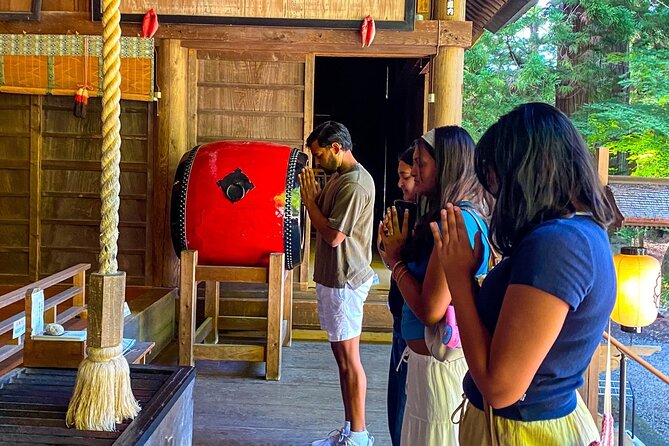
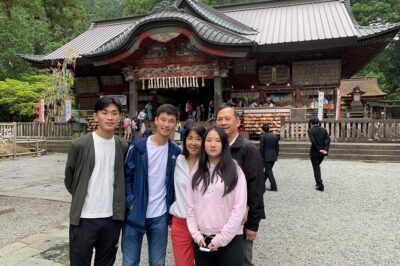
One of the most interesting parts of the day is the stop at Fuji Omuro Sengen Shrine, an ancient shrine tied to Mt. Fuji worship. The key detail is the connection to a major eruption and the way people used shrine-building to calm fear and channel respect.
Even if you don’t read Japanese, you can “get” the message. The shrine is a reminder that eruptions weren’t just events in a textbook. They shaped daily life—where people built, how they prayed, and how they understood the mountain as both powerful and personal.
Also worth noting: admission is free at this stop, so you’re not paying extra just to enter a meaningful place.
Saiko Lake and Aokigahara Jukai: quiet water, then sea of trees
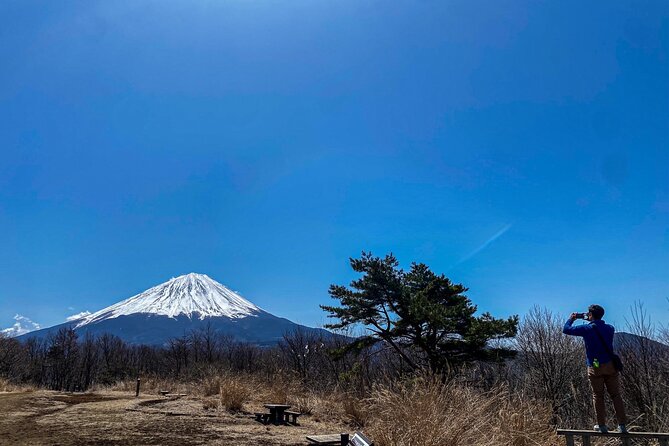
Next comes Saiko Lake, the quieter cousin in the Fuji Five Lakes group. This is the kind of pause that makes the hike feel like more than exercise. The goal is the view of Lake Saiko with Mt. Fuji in frame when the weather cooperates.
From there, you head to Aokigahara, often described as the forest people compare to a sea. In this itinerary, it’s tied directly to the geology story of Mt. Fuji: forest growth formed on past eruption terrain, including one major eruption that happened about 1,200 years ago. The result is a walk that feels both natural and strange—like you’re moving through a living layer of volcanic history.
Two practical tips for this part:
- Wear the rain gear even if it looks fine. Forest areas can get damp fast.
- Take your time. This is not a “walk fast for photos” segment. The forest changes the pace.
Ryugudoketsu Cave: a sacred spot before the bigger climb
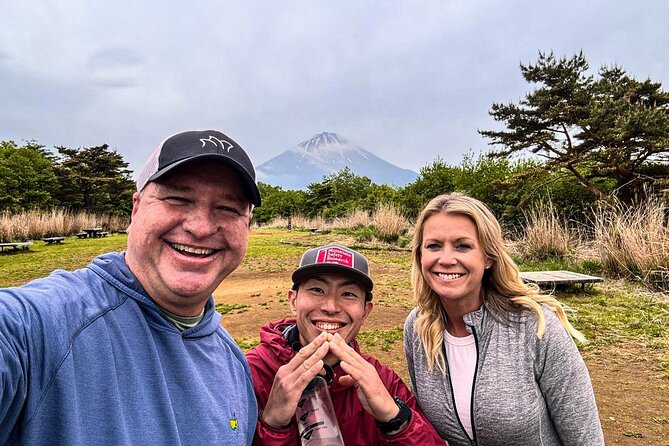
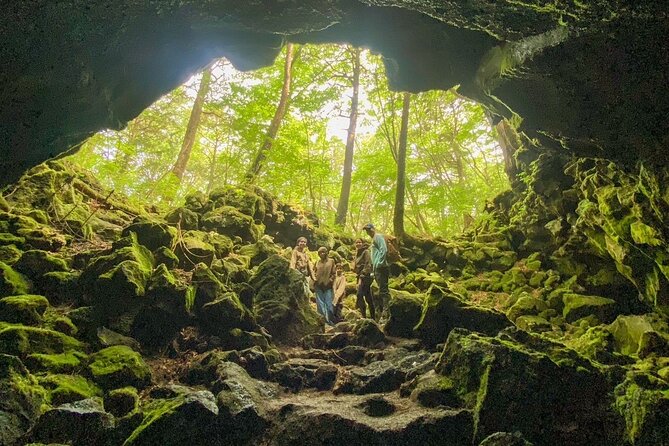
Then you’re at Ryugudoketsu-iriguchi, the entrance to a sacred cave associated with praying before climbing Mt. Fuji. The belief was that the cave’s inside represented the goddess’s space—so people came to pray with the idea that they were literally stepping closer to spiritual presence.
This stop is short, but it adds emotional texture to the day. You stop thinking of the mountain as scenery and start thinking of it as a destination people approach with intention.
As with other stops on this route, there’s no ticket cost noted for this part.
Sankodai viewpoint hike: the best payoff for your effort
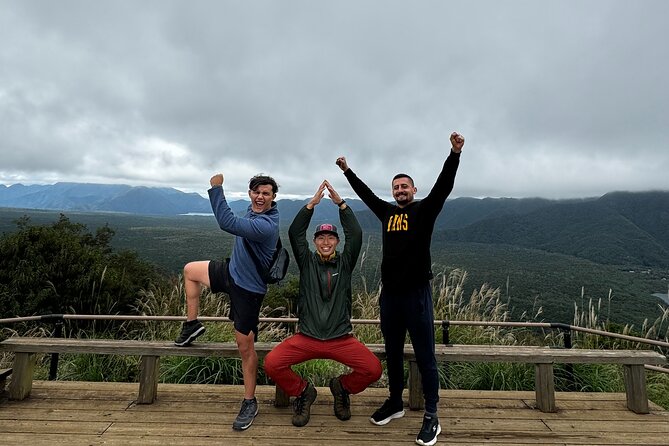
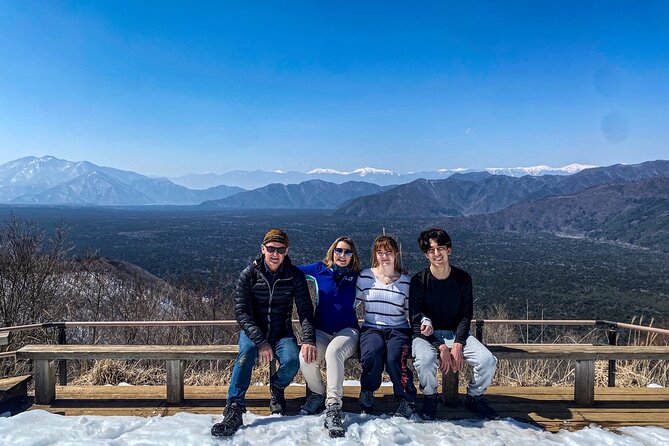
The most “hike” feeling moment is the climb toward Sankodai. The route is about a 1-hour one-way walk to a viewpoint, and the payoff is big: views that can include Mt. Fuji, the “sea of trees” forest, and Lake Saiko all at once.
This is also where the tour’s moderate design really matters. The itinerary positions Sankodai as suitable for outdoor beginners, so you’re not forced into advanced terrain. Still, you’ll want to treat it like a real climb—pace yourself, drink water, and let the guide set the rhythm.
One more thing I love about this plan: it doesn’t just hand you a viewpoint and move on. You get time to look, breathe, and absorb what you hiked to reach.
Menkyo-kaiden and Yoshida Udon: fuel that tastes like the area
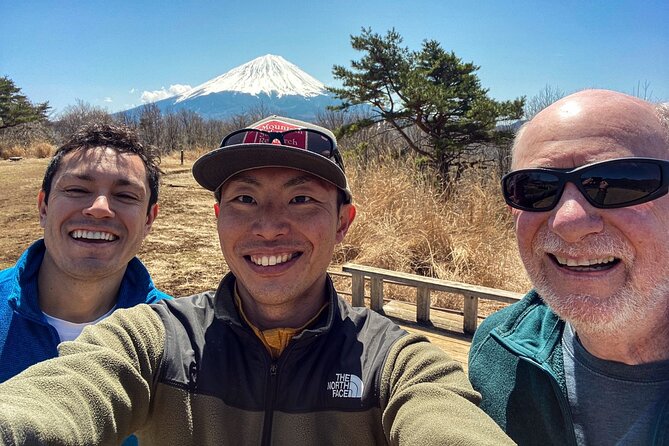
After time outdoors, you’ll eat at Menkyo-kaiden, guided to a local restaurant that tourists often miss. The signature food here is Yoshida Udon, and the cost is about 1,000 yen per person (lunch is not included in the tour price).
If you’re wondering whether it’s worth doing lunch with the guide: yes, because the itinerary is built so you’re hungry at the right moment. Also, the meal connects you back to the region’s identity, not just to your energy needs.
Quick practical note: if you have dietary limits, say something before the tour. The data doesn’t spell out special menus, so it’s better to flag it early.
Fujisan Onsen Hotel Kaneyamaen: matcha in a garden to close the loop
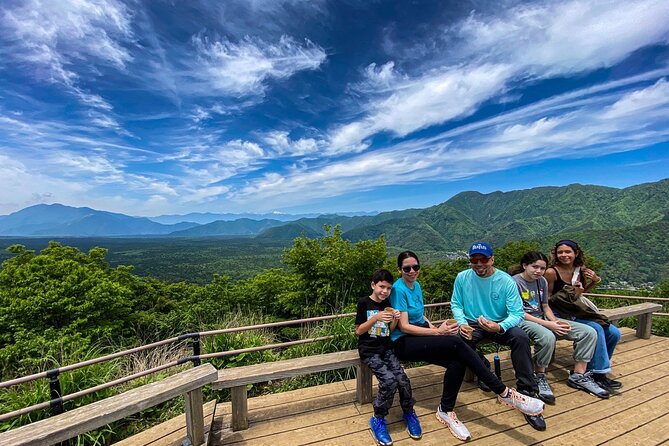
To finish, you relax at Fujisan Onsen Hotel Kaneyamaen, an older hotel in Fujiyoshida with a large Japanese garden that’s open for public enjoyment. The end of the day here is intentionally slow.
You can choose matcha with a Japanese sweet for about 1,000 yen, or just chill with matcha in the garden. This is a nice contrast to Aokigahara’s dense walking—your body cools down, and your eyes get to rest on soft shapes instead of uphill steps.
This final stop turns the day from “activity” into “experience,” and it’s a good reminder that a Mt. Fuji trip isn’t only about peak shots.
What’s included vs. what you’ll pay out of pocket
The tour includes:
- Trekking shoes, poles, rain jackets/pants, and gloves
- Private transportation
- Guide fee
Not included:
- Lunch (around 1,000 yen)
- Insurance
On the surprise side (in a good way): several key stops list admission as free. That means your money goes mostly toward the guide and the logistics of getting you from place to place without hassle.
If you already own good hiking shoes, you can still enjoy the comfort of poles and rain gear, especially since weather can flip without much warning.
Private transport and the pickup rule that matters
You’ll have private transportation, so the day runs like a guided loop rather than you trying to “figure it out” between stops.
Pickup is offered only if you’re already staying in the Kawaguchiko or Fujiyoshida area, or if you can come to those areas on your own. If you’re farther away, plan on making your way to the meeting setup rather than counting on pickup.
If you’re deciding where to base yourself for the trip: staying in or near Kawaguchiko/Fujiyoshida makes this tour much easier.
Trail fit: moderate hiking that still feels like Mt. Fuji
The route is described as moderate, with about 1 hour up and 30 minutes down. That doesn’t mean it’s a flat stroll. You’ll still be walking on uneven outdoor ground, and the viewpoint hike (Sankodai) adds effort even if the guide keeps the pace beginner-friendly.
This tour is listed as suitable for most travelers. The rental gear also helps a lot. You’re not just borrowing a cute hat—you get the things that prevent sore knees and wet discomfort.
Weather is the real schedule boss
The experience requires good weather, and if it’s canceled due to poor conditions, you’ll be offered another date or a full refund. Translation: don’t plan a tight itinerary where you can’t shift.
For photos and views, clear skies matter most for the iconic Mt. Fuji sightings from trail and lake angles. Even in cloudier moments, you’ll still get:
- shrine and cave culture stops
- forest atmosphere
- the Sankodai viewpoint effort (even if Fuji is partially hidden)
Price and value: what $131 buys you in practice
At about $131.38 per person, you’re paying for a private guided day with transport and gear, not just a ticket to a trail. For me, the value comes from three places:
1) Private guide time with a local who has real mountain credentials (Yuki).
2) Logistics handled via private transportation, so you can spend energy on the hike, not planning bus transfers.
3) Included equipment—rain layers, poles, and footwear basics—plus multiple stops that are meaningful without extra admission fees.
Add the fact that you get a structured loop around lakes, lava terrain, and viewpoints, and the price starts to make sense as a “guided day” rather than an hourly walk.
Should you book this Mt. Fuji nature-and-culture hike?
Book it if you want Mt. Fuji with context: shrine beliefs, lava-and-forest terrain, and lakes beyond the postcard rush. I also think it’s a great fit if you’d rather have one good guided route than try to stitch together five half-days on your own.
Skip it or rethink timing if you’re only interested in guaranteed, clear Fuji views. Weather can change, and this tour is weather-dependent. Also consider the pickup limitation—if you’re not in Kawaguchiko or Fujiyoshida, you’ll need to arrange getting yourself to the meeting area.
If those points work for you, this is a smart way to spend your morning-to-afternoon: active enough to feel outdoorsy, cultural enough to feel grounded, and calm enough to end with matcha in a real garden.
FAQ
Do I get pickup for this Mt. Fuji hiking tour?
Pickup is available only for people staying in the Kawaguchiko or Fujiyoshida area, or for those who can come to those areas on their own.
How long is the tour and when does it start?
The start time is 9:00 am, and the total duration is about 5 to 6 hours.
What hiking difficulty should I expect?
The trail is described as moderate, with about 1 hour up and 30 minutes down. The route to the Sankodai viewpoint is about 1 hour 30 minutes in the itinerary and is suitable for outdoor beginners.
What’s included in the tour price?
Included items are trekking shoes, trekking poles, rain jackets and pants, gloves, private transportation, and the guide fee.
Is lunch included?
Lunch is not included. Lunch is around 1,000 yen per person.
Does the tour require good weather?
Yes. The experience requires good weather. If it’s canceled due to poor weather, you’ll be offered a different date or a full refund.
Mt Fuji Day Trips, compared.
 ★ 4.0Mt Fuji & Hakone Cruise, Drum Show Bullet Train 1 Day from TokyoFrom $1497,413 reviews
 ★ 4.4Tokyo Mt Fuji 5th St & Hakone Cruise Bus Tour w/Bullet TrainFrom $1545,024 reviews
 ★ 4.5From Tokyo: Mount Fuji Full-Day Sightseeing TripFrom $684,970 reviews
 ★ 4.7Mt. Fuji Tour, Hakone Ropeway, Owakudani, Lake AshiFrom $544,002 reviews
 ★ 5.0Private Tour to Mt. Fuji and Hakone (Fully Licenced Operator)From $4971,910 reviews
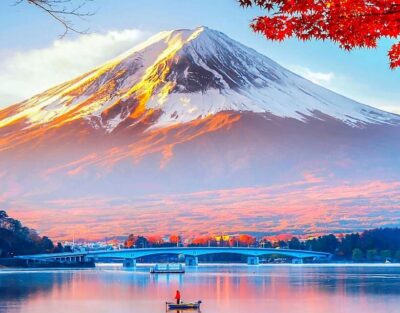 ★ 4.9Mount Fuji Full-Day Private Tour from Tokyo (Customizable)From $3931,470 reviews
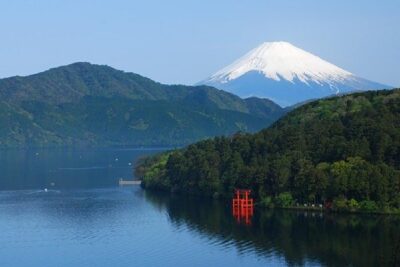 ★ 4.0Mt Fuji & Hakone Cruise, Drum Show Bus 1 Day from TokyoFrom $1221,287 reviews
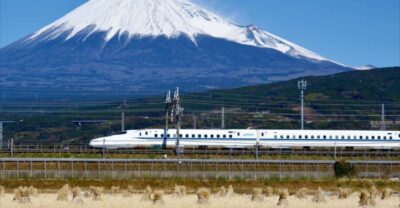 ★ 4.2From Tokyo: Mt. Fuji & Hakone Tour w/ Return by Bullet TrainFrom $1171,278 reviews
Browse the lists this tour appears in