
Reviewed · CITY TOURS
From Tokyo: Round-Trip Fare to Kawagoe City
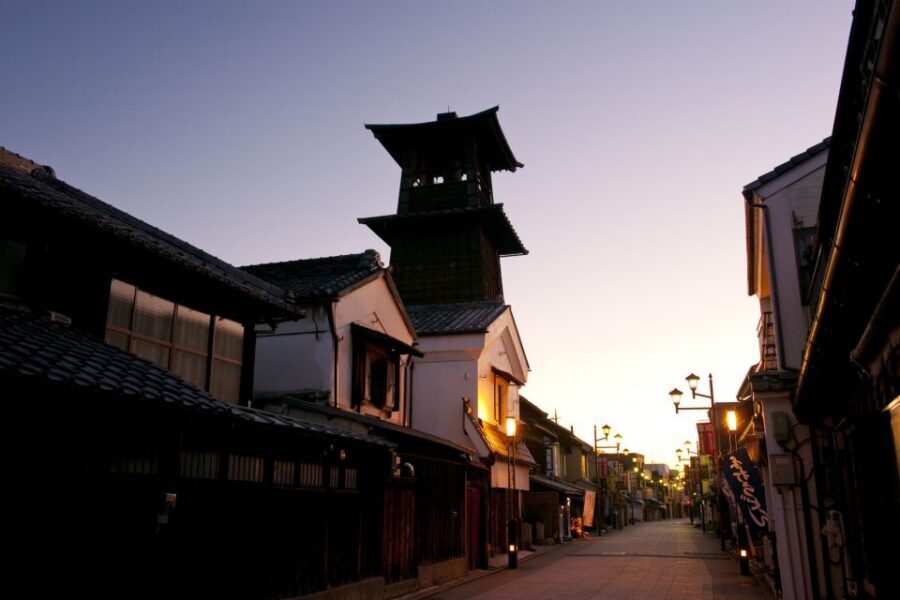
That Edo-era street feeling hits fast. This experience is basically a ready-made day trip from Tokyo to Kawagoe, famous for its preserved Edo Period look and storehouse-like lanes. You’ll ride out from Tokyo on included round-trip train fare, then spend your time wandering the town at your own pace.
Two things I like here: first, Kawagoe’s “Little Edo” atmosphere is the main event, with old-style streets and architecture that make you slow down. Second, the pass is designed for foreign visitors, so you’re not wrestling with a pile of ticket questions. The one possible drawback is simple: if you want a full-on Tokyo day with lots of variety, Kawagoe can feel like a shorter, more focused change of pace—great for a break, not a replacement.
In This Review
- Key Highlights You’ll Actually Care About
- Edo-Style Streets in Kawagoe: What You’re Getting For Your Day
- Starting in Tokyo: Seibu-Shinjuku, Takadanobaba, or Ikebukuro
- Little Edo Walking: How to Enjoy Kawagoe Without Overplanning
- The Pass Concept: A Product Built for Non-Japanese Passport Holders
- Train Day Reality: What “Round-Trip Fare Included” Actually Means
- Price Check: Is $4.51 Per Person Good Value?
- When Kawagoe Might Feel Too Short (and How to Fix It)
- Who This Day Trip Fits Best
- The Fine Print That Can Affect Your Day
- Should You Book This Day Trip?
- FAQ
- Who can use this pass?
- What do I need to bring?
- How much does it cost?
- What stations can I depart from in Tokyo?
- Are stopovers allowed on the way to Kawagoe?
- Is the pass valid for a certain length of time?
- What’s included in the price?
Key Highlights You’ll Actually Care About
- Kawagoe’s Little Edo vibe: old storehouse-style buildings and classic street views
- Foreign visitor-friendly pass: made for non-Japanese passport holders
- Round-trip train fare included: fewer decisions, less hassle
- Day trip from Tokyo: an easy escape without changing hotels
- No stopovers permitted: straightforward route—good for simplicity, less flexible
Bigger sweeps: other Tokyo city tours
- Tokyo: Private City Highlights Tour with Local Guide★ 4.8 · 1,433 reviews
- Tokyo: 3-Hour Bike or E-Bike City Highlights Tour★ 4.8 · 435 reviews
- Tokyo: Sumo Morning Practice Tour at Sumida City★ 4.8 · 308 reviews
Edo-Style Streets in Kawagoe: What You’re Getting For Your Day
Kawagoe is often called Koedo, and the name tells you what to expect. This is a town where the Edo Period look is the point. When you arrive, you’re not being asked to chase one landmark for hours. Instead, you walk. You look. You notice the texture of the old buildings—dark plaster walls, tile roofs, and the sense that the town has kept its past close.
The experience is built around that idea. You take a round-trip train ride from Tokyo (fare included), then you spend your time exploring Kawagoe’s streets like a living “photo background” you can actually stroll through. If you enjoy wandering without a rigid schedule, this works well. You’re not forced to hit a checklist of stops—though you will still want to plan how long you’ll linger in the most atmospheric lanes.
Also, think of this as a change of mood. Tokyo is neon and speed (even when it’s calm). Kawagoe is calmer and more old-town in feel. That shift can be exactly what you need, especially if you’ve been moving through Japan’s big-city sights and neighborhoods.
Starting in Tokyo: Seibu-Shinjuku, Takadanobaba, or Ikebukuro
The trip begins in Tokyo, and the starting point options matter because they can save you time. This pass lets you depart from Seibu-Shinjuku, Takadanobaba, or Ikebukuro. Picking the station closest to where you’re staying can make your day trip smoother, especially if you’re dealing with train transfers in a busy city.
Then there’s a key rule: stopovers between your departure station and Kawagoe are not permitted. Translation: you’re committing to the route as sold. That’s not bad—it often means fewer “what if I hop off here?” surprises. But if you were hoping to turn this into a multi-stop Tokyo-to-suburb adventure, you’ll want to plan something else separately.
Because this is a day trip, getting your Tokyo start right helps you arrive feeling fresh instead of rushed. If you’re staying near one of those stations, you’ll likely feel like the day is already running on easy mode.
Little Edo Walking: How to Enjoy Kawagoe Without Overplanning
Once you’re in Kawagoe, the goal is simple: enjoy the streets and the architecture. Little Edo is the theme, and it shows up in the kinds of buildings you see as you move along the lanes. Expect the classic preserved look: old storehouse-like structures, walls and roofs that look distinctly time-worn, and a town layout that encourages wandering.
What to do with that?
- Slow your pace. This town rewards footwork more than speed.
- Look for texture, not just pictures. The old buildings aren’t just scenic; they’re detailed in small ways—how the walls are finished, the shape of roof tiles, the way buildings relate to the street.
- Give yourself time to get “lost on purpose.” In places like this, taking the longer turn is often where you find the best street scenes.
One thing to keep in mind: this isn’t described as a guided sightseeing tour with assigned checkpoints. It’s more like a self-paced day trip built around transportation plus a pass designed for you. That can be liberating. It also means you should set a rough plan for yourself, like deciding what time you want to be done exploring so you don’t rush the way out.
If you’re the type who likes to read every sign and stop often, you’ll enjoy Kawagoe’s “living museum” feel. If you prefer museums and indoor exhibits, you might want to pair this day trip with a little extra structure of your own once you arrive—just so the day doesn’t feel too open-ended.
The Pass Concept: A Product Built for Non-Japanese Passport Holders
This is one of those details that quietly changes your stress level. The activity is only available for non-Japanese passport holders, and you’ll need your passport. That matters because it signals the pass is not meant as a generic ticket you could use the same way as locals.
The pass is also described as designed with foreign visitors specifically in mind. In practical terms, that usually means the system you’ll use (and the way you pick it up) is meant to be straightforward rather than a scavenger hunt.
There’s also a very specific limitation: passes can only be picked up and used on the date selected when booking. So you can’t buy this and then casually change the day later at the last second. If your plans might shift due to weather or train changes, try to lock in the date you genuinely expect to use.
One more rule that shapes your day: no stopovers are permitted between your departure station and Kawagoe. Again, this is about simplicity and “use it as intended.” If you like clean logistics and don’t want to make extra decisions, that’s a win.





Train Day Reality: What “Round-Trip Fare Included” Actually Means
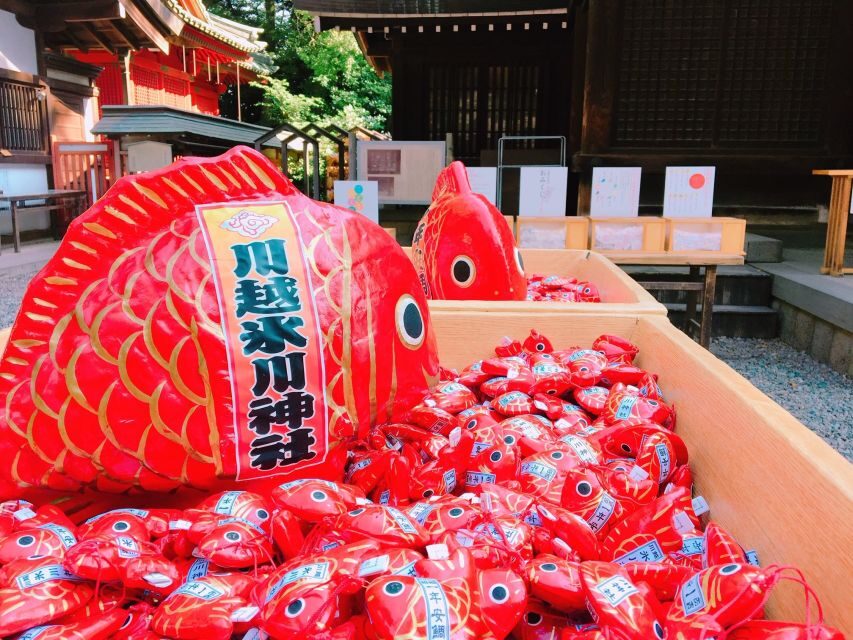
The price includes round-trip train fare to Kawagoe City. That’s the core value here, because it removes the “How much is transportation going to cost me?” question. You’re paying for the movement as part of the package, not buying separate tickets and then hoping everything lines up.
It also shapes how you should think about your time. Since the ride is included, you can focus your planning on the hours you spend in Kawagoe itself. This is a good format for travelers who like the idea of seeing a different side of Japan without having to change lodging.
If you’re the type who hates logistics days, this also reduces friction. There’s less to manage mid-trip. But remember: you’re still responsible for navigating within Kawagoe, picking where you want to spend time, and getting back before your day ends. This isn’t described as a guided escort back and forth—it’s a transportation + access style experience.
Price Check: Is $4.51 Per Person Good Value?
At $4.51 per person, this looks like a bargain—especially for a round-trip connection out of Tokyo. The realistic way to judge value is not just “is it cheap?” It’s “what does it replace?”
Here’s what it replaces:
- You don’t need to separately figure out and pay for round-trip rail fare as part of your day plan.
- The pass is geared for foreign visitors, which can reduce wasted time at pickup or ticketing points.
- The attraction value is built around Kawagoe’s Edo Period feel, so your transit cost is tied to a clear day-trip goal.
Now, the balanced part: the included product is transportation. The experience doesn’t promise that someone will handle your sightseeing decisions for you beyond bringing you there. That’s why this can be a great value for the right traveler and a disappointment for someone who wanted more guided content.
If your priority is architecture and atmosphere—and you’re happy to walk on your own—this is strong value. If your priority is a deep schedule of activities, this might feel too light. The simple structure is part of the product.
When Kawagoe Might Feel Too Short (and How to Fix It)
Not every day trip is meant to satisfy a whole day of variety. Kawagoe’s appeal is specific: old-town streets and Edo-style buildings. If what you want most is a Tokyo-style buffet of experiences—shopping, nightlife, multiple neighborhoods, indoor museums—then Kawagoe might feel like a change, not a full replacement.
That also connects to timing. Since this is a transportation-included day trip, you’ll likely spend limited hours on the ground before you need to return. If you do the main walking loop fast, you could finish while you still feel like you’re “just getting started.”
How do you prevent that?
- Plan a longer wandering block for the streets rather than treating it like a quick photo stop.
- Decide ahead of time how you’ll spend your time if you finish early (a second loop, extra browsing in town, or a calm sit-down break).
- Keep your expectations aligned: this is a day of atmosphere, not a mega-sightseeing festival.
The good news is that this mismatch is easy to solve with mindset. If you go in wanting one strong old-town experience, you’ll likely feel satisfied. If you go in expecting Tokyo-level variety, you might feel you got less than you hoped.
Who This Day Trip Fits Best
This works best if you:
- Want a low-stress break from Tokyo without changing hotels
- Enjoy self-paced walking in towns with strong visual identity
- Are drawn to Edo-style architecture and the feeling of stepping back in time
- Like the idea of paying for transportation bundled so your day plan stays simple
It might not be the best match if you:
- Need a structured, multi-stop program with lots of planned activities
- Want Tokyo to be the center of your entire Japan trip day-to-day
- Are planning to add stopovers between the departure station and Kawagoe (that rule isn’t allowed here)
Also, if you’re in a wheelchair, this experience is marked as wheelchair accessible—so that’s an important point to check as part of your own planning.
The Fine Print That Can Affect Your Day
A few facts here can make or break the experience when you’re actually in Japan:
- This activity is only for non-Japanese passport holders.
- You need your passport.
- Stopovers between the departure station and Kawagoe aren’t permitted.
- Pickup and use can only happen on the date selected when booking.
- The pass is valid for 2 months, but the exact date you select still matters for pickup/use.
So the best prep is boring but effective: choose your date carefully, double-check your starting station, and don’t plan any extra hops on the way.
Should You Book This Day Trip?
I’d book it if you want an easy, affordable way to see Kawagoe’s Little Edo atmosphere and you’re comfortable spending your time walking rather than following a full schedule. The value math is appealing because round-trip rail fare is included, and the pass is made for foreign visitors, which usually means fewer ticketing headaches.
I’d skip it (or at least think twice) if your ideal day in Japan looks like nonstop variety and structured sightseeing. Kawagoe is focused. If that matches your mood, great. If you’re trying to squeeze in a major chunk of your Tokyo plan and hope this adds up to that, you may feel shortchanged.
If you’re on the fence, here’s the deciding question: do you want one clear old-town experience for your day trip? If yes, this is a sensible way to do it.
FAQ
Who can use this pass?
This activity is only available for non-Japanese passport holders.
What do I need to bring?
You’ll need your passport.
How much does it cost?
The price shown is $4.51 per person.
What stations can I depart from in Tokyo?
You can depart from Seibu-Shinjuku, Takadanobaba, or Ikebukuro.
Are stopovers allowed on the way to Kawagoe?
No. Stopovers between your departure station and Kawagoe are not permitted.
Is the pass valid for a certain length of time?
Yes. It’s valid for 2 months, but you still need to pick it up and use it on the specific date selected when booking.
What’s included in the price?
Round-trip train fare to Kawagoe City is included.
The Whole City in a Day


More Tour Reviews in Tokyo



Fresh reviews from around Tokyo






City Tours, compared.
 ★ 4.8Private City Highlights Tour with Local GuideFrom $1061,433 reviews
3-Hour Bike or E-Bike City Highlights TourFrom $45435 reviews
★ 4.8Private City Highlights Tour with Local GuideFrom $1061,433 reviews
3-Hour Bike or E-Bike City Highlights TourFrom $45435 reviews
 ★ 4.8Sumo Morning Practice Tour at Sumida CityFrom $116308 reviews
 ★ 4.5Private Haneda Airport (HND) to Central Tokyo City TransferFrom $119260 reviews
 ★ 5.03-Hour Bike/E-Bike Tour of the City’s HighlightsFrom $63209 reviews
 ★ 5.0Small Town in the Big City: Tasting Tokyo’s KichijojiFrom $195195 reviews
 ★ 4.5Private departure transfer from Tokyo city to Tokyo Haneda Airport(HND)From $118123 reviews
Kamakura Walking Tour – The City of ShogunFrom $35100 reviews
★ 4.5Private departure transfer from Tokyo city to Tokyo Haneda Airport(HND)From $118123 reviews
Kamakura Walking Tour – The City of ShogunFrom $35100 reviews
Browse the lists this tour appears in