
Reviewed · MT FUJI DAY TRIPS
From Tokyo: Mt. Fuji And Hakone Private Sightseeing Day Trip
Fuji in a single day is a tall order. This private 10-hour trip makes it doable with flexible door-to-door pickup and a professional driver in a clean, air-conditioned vehicle, plus guided stops at classic spots like Mt. Fuji’s 5th Station. You can choose itinerary A for Fuji Five Lakes and traditional villages, or itinerary B for Hakone views by ropeway, Lake Ashi cruising, and the Open Air Museum.
I like that the schedule is built around timed viewpoints—then you get real free time to take photos, shop a little, and not feel herded. I also like the balance of big Fuji moments and quieter time at places like Oishi Park and Oshino Hakkai. One caution: extra tickets and fees are common on top of the tour price, and weather will decide how clearly you see Fuji.
In This Review
- Key highlights worth planning around
- Tokyo pickup and private driving: the real value
- Itinerary A: Chureito Pagoda viewpoints, 5th Station, and Lake Kawaguchiko time
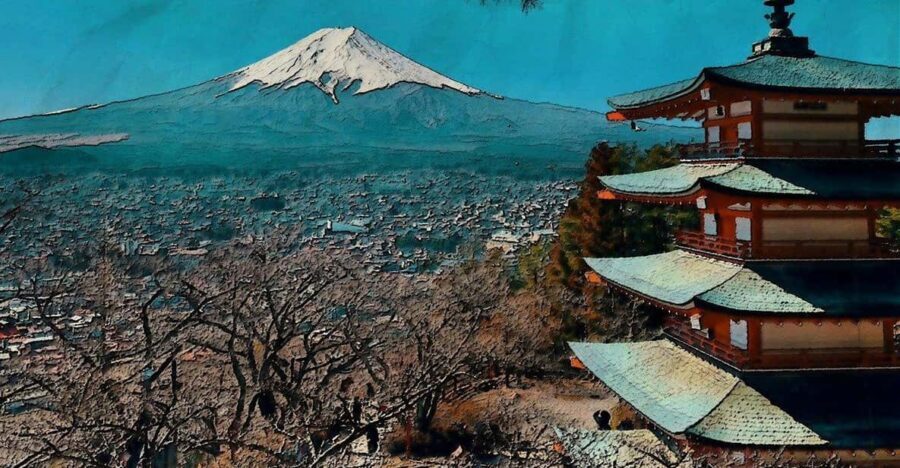
- Arakurayama Sengen Park and Chureito Pagoda photo time
- Kitaguchi Hongu Fuji Sengen Shrine: spiritual pause before the climb
- Mt. Fuji 5th Station: the halfway-up viewpoint
- Lake Kawaguchiko: ropeway height plus boat time
- Oishi Park and Oshino Hakkai: the calmer, more traditional Fuji side
- Oishi Park: flowers with an actual view
- Oshino Hakkai: spring ponds fed by Mt. Fuji
- Saiko Iyashi-no-Sato Nenba (thatched village): quick reset and extra fee
- Itinerary B for Hakone: ropeway views, Lake Ashi cruising, and Open Air Museum time
- Arakurayama Sengen Park and Oishi Park as a warm-up
- Hakone Ropeway: aerial views without hiking
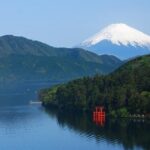
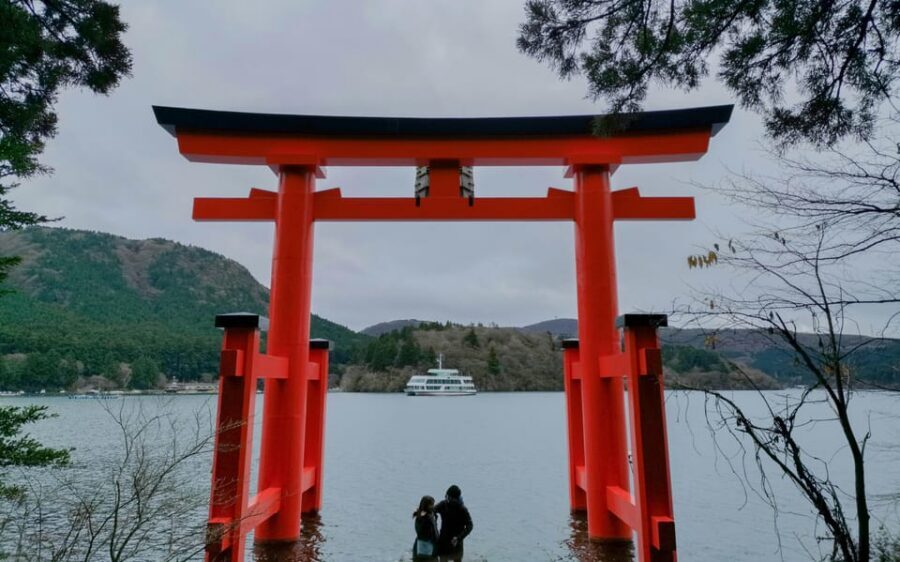
- Lake Ashi sightseeing cruise: slow water time
- Hakone Open Air Museum: art in the open air
- A note about guide consistency in Hakone
- Timing, weather, and the extra ticket budget you should plan for
- Your base price vs. common add-on fees
- When clouds roll in
- The 8:30AM pickup and traffic reality
- The private-group feel: flexibility, pace, and what to ask
- Should you book this day trip from Tokyo?
- FAQ
- Pickup times and drop-off options
- How late could pickup be?
- Which itinerary should I choose, A or B?
- Is lunch included?
- What extra tickets should I budget for?
- Does the tour include private transportation?
- How long is the tour?
- What languages will the driver speak?
- Is the tour wheelchair accessible?
Key highlights worth planning around
- Private pickup in Tokyo 23 wards at 8:30AM plus a practical note that traffic may add up to 30 minutes
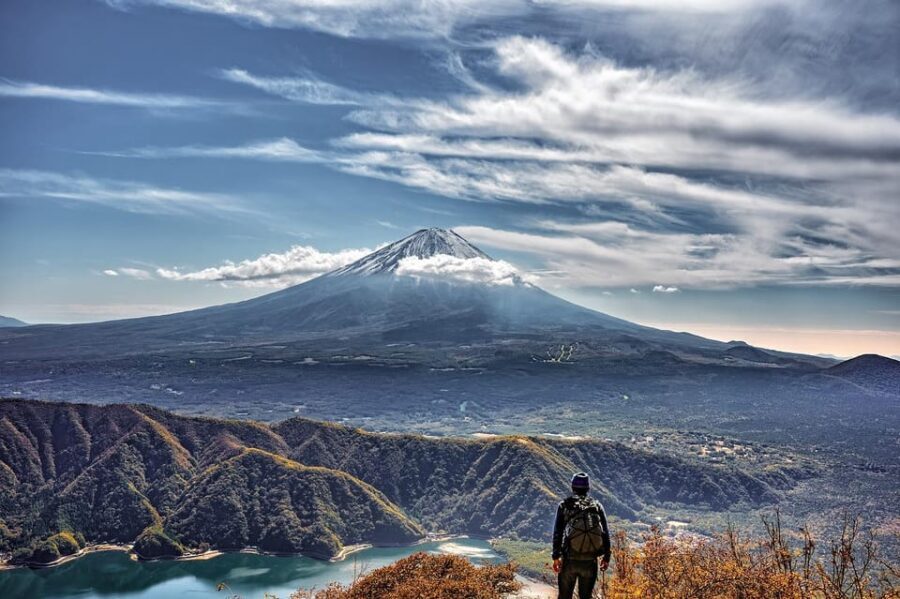
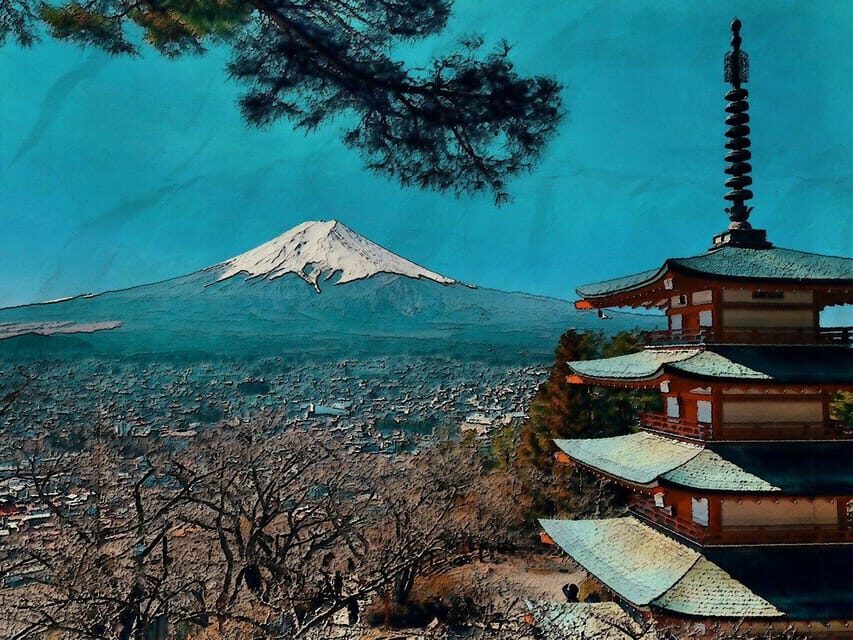
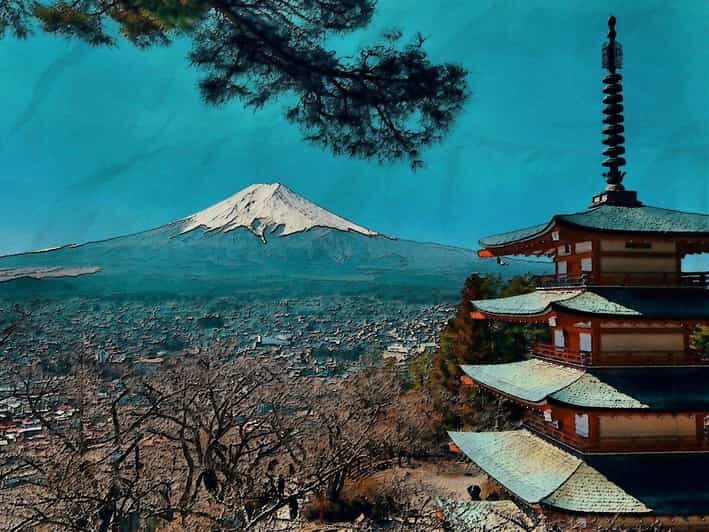
- Arakurayama Sengen Park and the Chureito Pagoda view for that iconic Fuji angle
- Mt. Fuji 5th Station with a guided segment and time to linger for photos
- Lake Kawaguchiko ropeway and boat time with mountain views from multiple angles
- Oshino Hakkai and its spring ponds for a slower, traditional finish to the day
Other routes to the mountain, compared
- Mt Fuji & Hakone Cruise, Drum Show Bullet Train 1 Day from Tokyo★ 4.0 · 7,413 reviews
- Tokyo Mt Fuji 5th St & Hakone Cruise Bus Tour w/Bullet Train★ 4.4 · 5,024 reviews
- From Tokyo: Mount Fuji Full-Day Sightseeing Trip★ 4.5 · 4,970 reviews
Tokyo pickup and private driving: the real value
When you’re trying to see Mt. Fuji and Hakone in one day, the biggest win isn’t any single photo stop. It’s the fact that you’re not wrestling trains, transfers, and timetable math while trying to catch the best light.
This tour starts with hotel-style pickup options across several Tokyo areas (Shinjuku, Shibuya, Minato, Shinagawa, Setagaya). The pickup time is 8:30AM, and they warn you that due to traffic you can be up to 30 minutes late. You also get multiple drop-off choices in the same general set of neighborhoods, so you’re not ending the day across town.
A private vehicle matters here because the day runs long—about 10 hours total—and the best stops are spaced out. Having one driver who can handle highway tolls and parking removes the stress. Plus, the vehicle is described as modern, clean, and air-conditioned, which helps a lot in Japan’s summer heat—or in a cold, rainy morning when you’re glad you’re not waiting outside.
If you’re traveling with a small group (up to five people), the pricing structure also makes sense. You’re paying for convenience and route flexibility, not just sightseeing.
Itinerary A: Chureito Pagoda viewpoints, 5th Station, and Lake Kawaguchiko time
Itinerary A is the “Fuji-first” option, with a classic set of stops built to give you multiple angles of the mountain. The rhythm is: viewpoint → shrine/cultural moment → altitude shot from the mountain → lakeside scenery → garden park → traditional spring ponds.
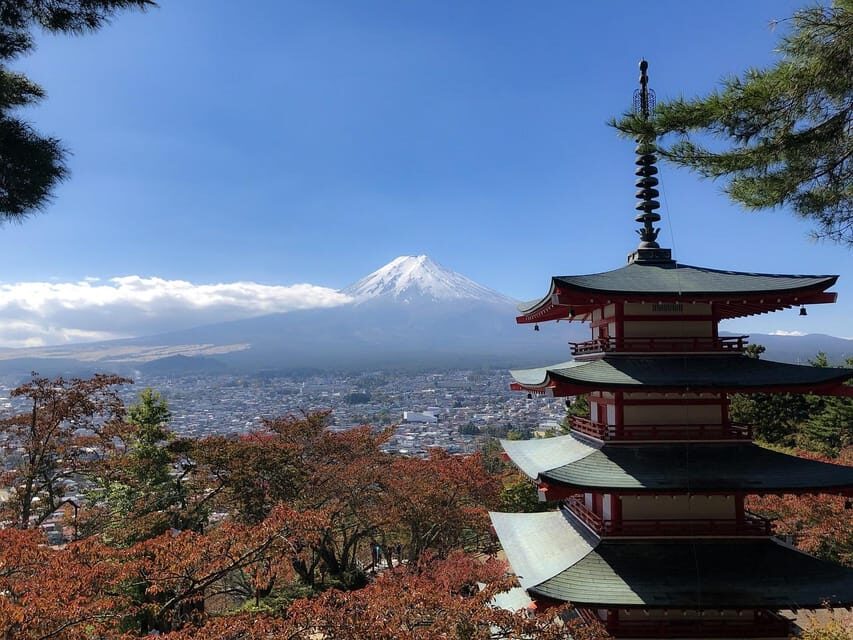
Arakurayama Sengen Park and Chureito Pagoda photo time
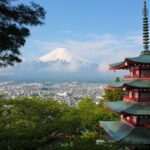
You start at Arakurayama Sengen Park, which is famous for the Fuji view and the Chureito Pagoda angle. The park sits higher up, so you’ll feel that quick shift from city ground-level into open-air mountain views.
Practical tip: wear shoes you’re comfortable walking in. This park is all about viewpoints, and you may move between spots to frame the shot. If the weather is clear, this is often where you get that immediate, satisfying “there it is” moment. If clouds sit low, this still works as a calm, scenic stop while you wait for Fuji to show itself more fully later.
Kitaguchi Hongu Fuji Sengen Shrine: spiritual pause before the climb
Next comes Kitaguchi Hongu Fuji Sengen Shrine. It’s a spiritual stop with a quieter pace than the photo spots, and it gives context for why Mt. Fuji is more than a photo backdrop. Even if you don’t read Japanese, you’ll feel the change in atmosphere here.
I like this kind of short cultural stop because it breaks the day into more than just “pull over, take picture, repeat.”
More Hakone loops, ropeways and lake crossings
Mt. Fuji 5th Station: the halfway-up viewpoint
The star for many people is Mt. Fuji 5th Station. You’ll get a guided segment plus photo time and a bit of free time for shopping and sightseeing, with about an hour scheduled.
The important detail: the 5th Station is described as halfway up the mountain, and it’s set up for panoramic views. This is the stop where you’ll want to slow down. Even on a busy day, take a minute just to look around—not only for the mountain, but for the way the valleys and ridgelines frame it.
One more budgeting note: there’s an Mt. Fuji entrance fee listed (2100 yen per group). That’s separate from the tour price.
Lake Kawaguchiko: ropeway height plus boat time
After the mountain stop, the day shifts to Lake Kawaguchiko, one of the Fuji Five Lakes. This is where the scenery often changes from sharp mountain views to reflective water views.
You’ll have time for a lakeside visit, plus a ropeway ride. The Mount Fuji Panoramic Ropeway ascends 400 meters from the eastern shore to an observation deck near the peak of Mount Tenjo. That matters because you’re getting elevation without needing to climb like a hiker.
Then there’s boat time—this includes a long-tail boat ride as part of the lake program. It’s a nice change of pace from the photo stops on land. If you get motion-sensitive, go in knowing you’ll be on the water for a scheduled slot, not a long excursion.
The tour schedule includes a lunch break in this area, but lunch itself is not included in the tour price.
Oishi Park and Oshino Hakkai: the calmer, more traditional Fuji side
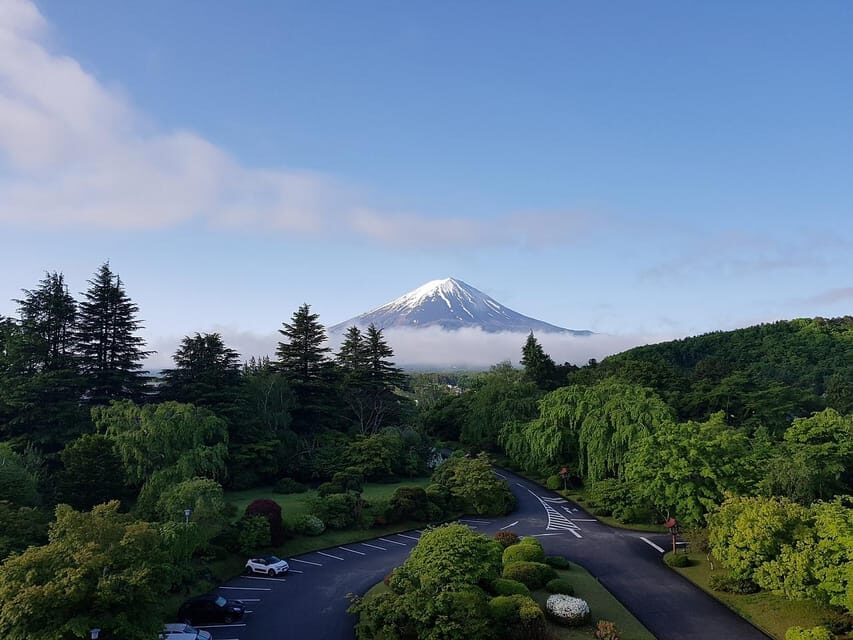
This is where itinerary A feels most “Japanese slow.” After big viewpoints, you get parks and villages built around water and seasonal change.
Oishi Park: flowers with an actual view
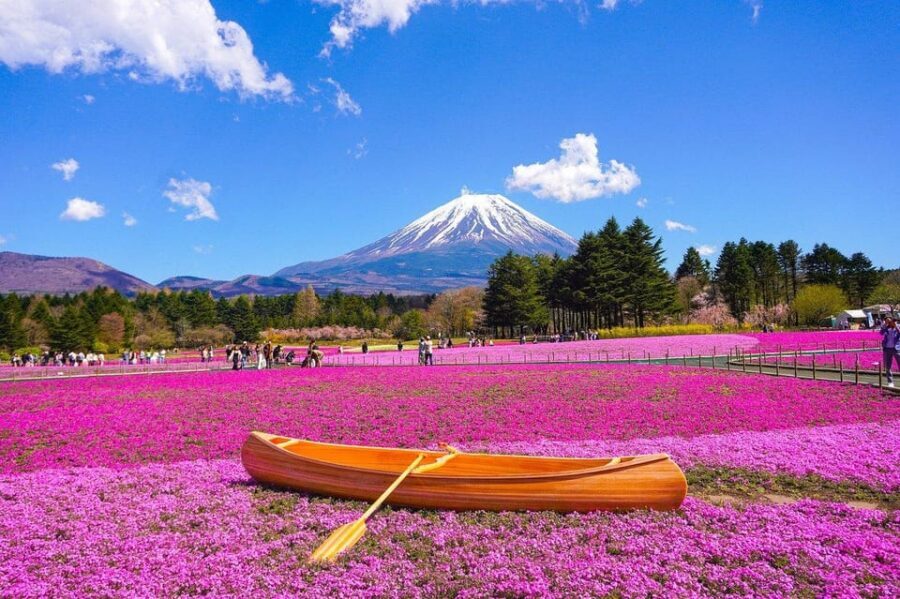
Oishi Park sits along the shores near Lake Kawaguchiko and is known for flower scenes and Fuji views. You’ll have about an hour here, with a photo stop and some guided context, plus free time.
What I like about Oishi Park is the contrast. You’re still chasing Fuji angles, but you’re doing it in a slower place where you can take your time. It’s a strong choice if you want photos that look like a garden postcard, not just a mountain silhouette.
Oshino Hakkai: spring ponds fed by Mt. Fuji
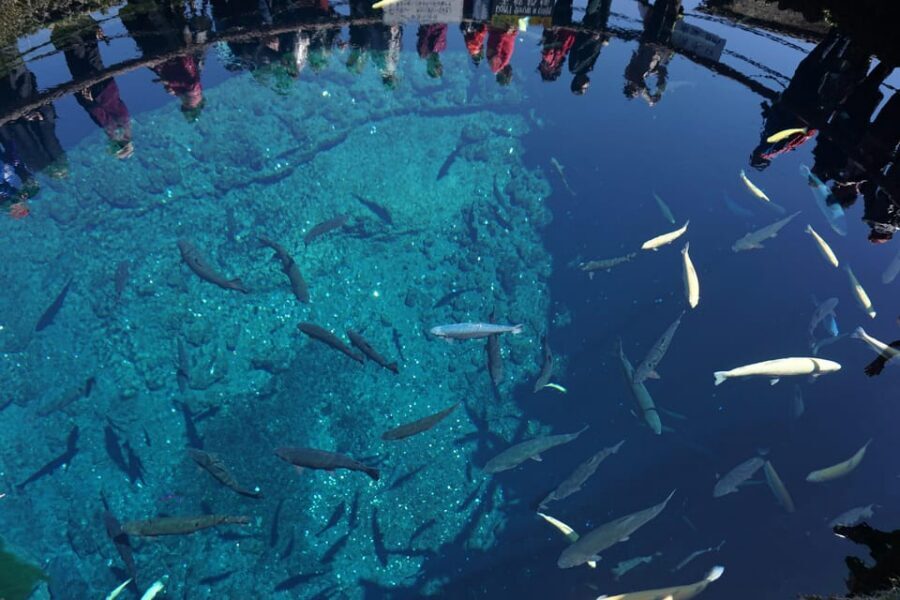
Oshino Hakkai is famous for its crystal-clear spring water ponds and thatched-roof traditional houses. The scheduled time is short (around 30 minutes), so go with a mindset of “see the key ponds and enjoy the atmosphere,” not “tour every corner.”
Even with limited time, this stop has a payoff because the ponds are the point. When you’re at Oshino Hakkai, you’re not just looking at buildings—you’re looking at water that’s fed by melted snow from Mt. Fuji. That connection is part of what makes the place feel special.
Saiko Iyashi-no-Sato Nenba (thatched village): quick reset and extra fee
Your day may also include Saiko Iyashi-no-Sato Nenba, a short stop with a break, photo time, and self-guided wandering. It’s listed with an admission fee of 500 yen per person, so this is another line item to plan for.
This stop works well when you want a final “old Japan” moment before heading back toward Tokyo.
Itinerary B for Hakone: ropeway views, Lake Ashi cruising, and Open Air Museum time
If you choose itinerary B, you’re trading more of the Fuji Five Lakes focus for Hakone scenery and art. The overall plan is still designed for a one-day hit: viewpoint early, then Hakone’s signature transport and museum time.
Arakurayama Sengen Park and Oishi Park as a warm-up
Even on itinerary B, you start with a Fuji warm-up at Arakurayama Sengen Park, plus Oishi Park time. That’s helpful because it sets the day’s mood before you head into Hakone.
Hakone Ropeway: aerial views without hiking
Hakone Ropeway is the big movement piece. It’s described as an aerial cable car with panoramic vistas of Mt. Fuji, lush valleys, and Lake Ashi. If you like views with minimal effort, this is the right tool.
Expect it to be a “look out the window” kind of stop. When the air is clear, it can give you a Fuji angle you didn’t get earlier.
Lake Ashi sightseeing cruise: slow water time
Next comes a sightseeing cruise on Lake Ashi. This is a relaxing stretch where you can sit and absorb the surroundings. It’s scheduled as a cruise segment, not a quick photo-only stop, so give yourself a moment to just be off your feet.
Hakone Open Air Museum: art in the open air
The final stop is the Hakone Open Air Museum. You’ll have time to visit, and tickets are not included in the tour price, so you’ll pay separately.
This museum often works best when you want a break from scenery-chasing. It gives you something to do that isn’t another viewpoint platform—useful in weather that’s less cooperative for mountain photos.
A note about guide consistency in Hakone
Private tours can be amazing when the driver knows the flow. Most of the time, you’ll be in good hands—names like Ishii, Zubi, and Amir show up with praise for being flexible and safe. Still, I’d take Hakone’s ropeway logistics seriously. One mismatch showed up when a driver didn’t seem familiar with which ropeway station to board, and there was also an issue with mobile calls during driving. The lesson: when you’re on a private tour, it’s smart to ask your guide to confirm the ropeway boarding station and the plan for tight timing.
Timing, weather, and the extra ticket budget you should plan for
This is a 10-hour day, so the schedule is tight by design. That’s great when you want a full day, but it means you should budget for the “stuff that costs extra” and accept that weather is part of the equation.
Your base price vs. common add-on fees
The tour price is listed as $419 per group up to 5. That covers private transport, highway tolls, and parking fees, plus hotel pickup and drop-off within Tokyo’s 23 wards.
But these are not included:
- Ropeway and cruise tickets: listed at 500 yen per person
- Mt. Fuji entrance fee: 2100 yen per group
- Saiko Iyashi-no-Sato Nenba admission: 500 yen per person
- Subaro line: 2100 yen per person (listed as not included)
That last item matters. It’s not always obvious what you’ll need until you’re on the road, so I’d ask your guide up front what’s planned that day and whether Subaro line is part of your route.
When clouds roll in
Fuji is famous for having moods. If clouds obscure the top, you may still get good views from lower elevations and from lake angles. The parks and villages still work even if the peak is hidden, because you’re not only chasing a single image—you’re seeing multiple places connected to the mountain.
Also, photography here is timing-sensitive. If it’s rainy, windy, or foggy, your best strategy is to stay patient and follow your guide’s timing suggestions rather than sprinting between stops.
The 8:30AM pickup and traffic reality
Pickup is 8:30AM, and they warn you that traffic can push it up to 30 minutes. Build your day plan around that. If you’re planning train connections or anything else the same day, don’t schedule anything right after your morning pickup with zero buffer.
The private-group feel: flexibility, pace, and what to ask
One of the best parts of a private day trip is that the guide can adjust around your pace. Several guides were praised for doing exactly that—helping first-timers feel confident, being calm in bad weather, and staying patient in crowded areas.
You’ll see that emphasis again and again with real examples:
- Amir was described as helpful and informative.
- Ishii was praised for making a rainy day work well, keeping the plan moving, and driving safely.
- Zubi was praised for being flexible with the schedule and patient when people wanted extra time at viewpoints.
That doesn’t mean every day is identical. Private tours depend on the people behind the wheel and the hands on the plan. So I’d go in with a few questions that protect your time:
- Which exact stop is the ropeway boarding point, and how long is the transfer buffer?
- If Fuji visibility changes, what’s the backup plan to still get strong viewpoints?
- What part of the day should we treat as the priority for photos, given the weather?
Also, since the driver speaks English and Japanese, ask if you can get quick translation support at shrine stops or museum entry so you don’t lose meaning while taking pictures.
Should you book this day trip from Tokyo?
Yes, I think you should consider booking it if you want a one-day, private way to see Mt. Fuji’s major viewpoints and a taste of Hakone without planning every bus and train transfer.
Choose itinerary A if you’re focused on Fuji Five Lakes, the ropeway height experience near Lake Kawaguchiko, and the traditional stop of Oshino Hakkai. Choose itinerary B if you’d rather spend more time in Hakone’s signature transport experience (ropeway and Lake Ashi cruise) and finish with the Open Air Museum.
Skip it, or at least rethink it, if you don’t want to deal with extra ticket fees during the day or if your budget is tight once you factor in ropeway/cruise, Fuji entrance, and museum/village admissions.
If you do book, do yourself a favor: ask your driver to confirm what’s included vs. ticketed for your exact day, and plan to be flexible with timing. Fuji days reward patience.
FAQ
Pickup times and drop-off options
Pickup starts at 8:30AM within Tokyo’s 23 wards, with several neighborhood options including Shinjuku, Shibuya, Minato, Shinagawa, and Setagaya. Drop-off is offered in multiple Tokyo locations as well, including Shinjuku, Shibuya, Minato, Shinagawa, and Setagaya.
How late could pickup be?
Due to traffic, pickup can be delayed by up to 30 minutes. The tour notes this timing buffer so you can plan your morning accordingly.
Which itinerary should I choose, A or B?
Itinerary A focuses on Mt. Fuji highlights and Fuji Five Lakes, including Arakurayama Sengen Park, Mt. Fuji 5th Station, Lake Kawaguchiko, Oishi Park, and Oshino Hakkai. Itinerary B focuses on Hakone, including Arakurayama Sengen Park, Oishi Park, Hakone Ropeway, Lake Ashi sightseeing cruise, and the Hakone Open Air Museum.
Is lunch included?
Lunch is listed as part of the schedule for the Lake Kawaguchiko area, but lunch itself is not included in the price. Plan on paying for your meal.
What extra tickets should I budget for?
Ticket costs are not included for activities such as ropeway and the cruise (listed at 500 yen per person). There’s also a Mt. Fuji entrance fee listed at 2100 yen per group, Saiko Iyashi-no-Sato Nenba at 500 yen per person, and a Subaro line fee listed at 2100 yen per person.
Does the tour include private transportation?
Yes. The tour includes private transportation in an air-conditioned vehicle, plus highway tolls and parking fees.
How long is the tour?
The total duration is 10 hours.
What languages will the driver speak?
The driver provides English and Japanese.
Is the tour wheelchair accessible?
Yes, wheelchair accessibility is listed as available for this activity.
More Tour Reviews in Tokyo






Hakone, Three More Ways
The Fuji Shortlist: Other Days Out to the Mountain

Fresh reviews from around Tokyo






Mt Fuji Day Trips, compared.
 ★ 4.0Mt Fuji & Hakone Cruise, Drum Show Bullet Train 1 Day from TokyoFrom $1497,413 reviews
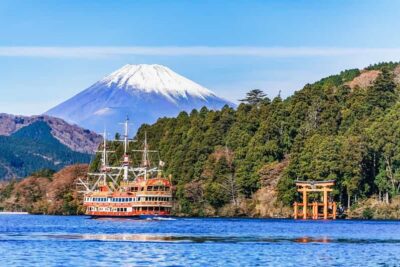 ★ 4.4Tokyo Mt Fuji 5th St & Hakone Cruise Bus Tour w/Bullet TrainFrom $1545,024 reviews
 ★ 4.5From Tokyo: Mount Fuji Full-Day Sightseeing TripFrom $684,970 reviews
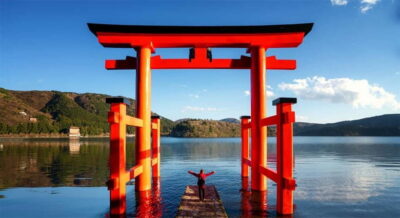 ★ 4.7Mt. Fuji Tour, Hakone Ropeway, Owakudani, Lake AshiFrom $544,002 reviews
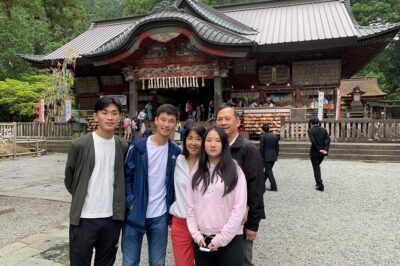 ★ 5.0Private Tour to Mt. Fuji and Hakone (Fully Licenced Operator)From $4971,910 reviews
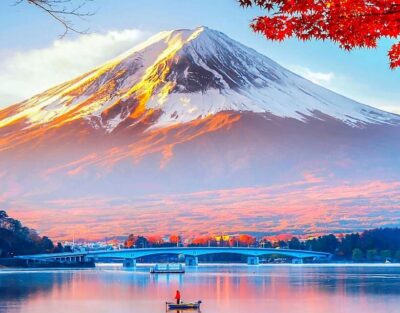 ★ 4.9Mount Fuji Full-Day Private Tour from Tokyo (Customizable)From $3931,470 reviews
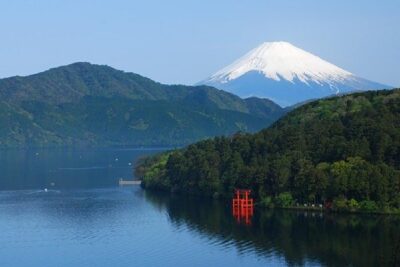 ★ 4.0Mt Fuji & Hakone Cruise, Drum Show Bus 1 Day from TokyoFrom $1221,287 reviews
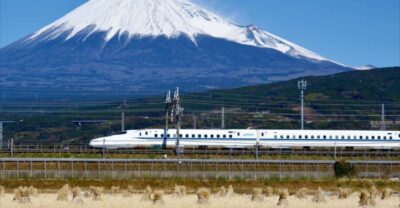 ★ 4.2From Tokyo: Mt. Fuji & Hakone Tour w/ Return by Bullet TrainFrom $1171,278 reviews
Browse the lists this tour appears in