
Reviewed · FUJIYOSHIDA
From Tokyo: Mount Fuji Highlights Private Tour
Fuji day can be magical, if you plan it right. This private 8-hour tour focuses on the classic sights around Mount Fuji—Lake Kawaguchi reflections, the red Chureito Pagoda view, and Oshino Hakkai ponds—without dragging you through a rigid bus schedule. You get flexible pacing, so you can linger for photos or slow down if you’re just taking it all in.
I especially like how the day blends big-name views with a quieter, more local feel at Oshino Hakkai. I also like the built-in weather thinking: if visibility is poor, the plan can shift to indoor options or other regional stops. One consideration: Fuji visibility isn’t guaranteed, and some walks include steps, so it pays to come ready for a moderate walking day and changing conditions.
In This Review
- Key highlights you’ll feel right away
- A private 8-hour day from Tokyo to Fuji’s best-photo corners
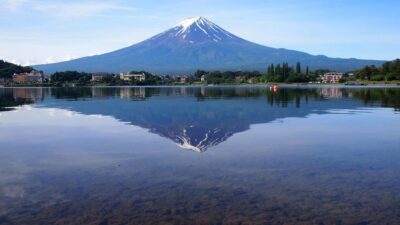
- Lake Kawaguchi and Oishi Park: where Fuji looks like a mirror
- Chureito Pagoda at Arakurayama Sengen Park: the red stairs to a classic view
- Oshino Hakkai ponds: eight spring-fed stops, water to taste, and Hoto noodles
- Weather backup plans when Fuji hides behind clouds
- Price and group size: why $304 per group can feel fair
- What your guide actually does for your day (Maik and the team)
- Getting there and moving around: what to pack and how to plan your feet
- Who should book this Mount Fuji highlights private tour
- Should you book this Mount Fuji highlights private tour?
- FAQ
- How long is the Mount Fuji highlights private tour from Tokyo?
- Is this tour private, and how many people can be in a group?
- Where is pickup in Tokyo?
- What are the main stops included in the tour?
- How much walking is involved?
- Is lunch included in the price?
- What options are available if it rains or visibility is poor?
- What language does the guide speak?
- Is seeing Mount Fuji guaranteed, and can I cancel?
Key highlights you’ll feel right away
- Private, flexible pacing that adapts to your group instead of herding you along
- Lake Kawaguchi + Oishi Park for the best chance at mirror-like Fuji photos
- Chureito Pagoda at Arakurayama Sengen Park for one of Japan’s most iconic angles
- Oshino Hakkai’s eight spring-fed ponds, plus chances to taste local treats
- Weather backup options that keep the day enjoyable if rain or clouds roll in
- English or German guide (Maik and the team are set up for cultural context, not just driving)
Before you commit, see how this one stacks up against a few Fujiyoshida favourites:
- From Tokyo: Full-Day Mount Fuji Tour in English or Spanish★ 4.7 · 101 reviews
- Tokyo: Private Mt. Fuji Luxury Day Tour – Fully Customizable★ 4.9 · 17 reviews
- From Tokyo: 5 Best Mount Fuji Photo Spots Private Day Trip★ 4.9 · 12 reviews
A private 8-hour day from Tokyo to Fuji’s best-photo corners
This is the kind of day trip that feels like it was designed for real life. You’ll start from central Tokyo and head out to the Fuji area with a private guide and tailored pacing. That means you’re not stuck with the “everyone back on the bus in 10 minutes” rhythm.
The core idea is simple: you hit the most recognizable Fuji viewpoints (Lake Kawaguchi, Chureito Pagoda, Oshino Hakkai) and you do it in an order that makes sense for photos and comfort. It’s light-to-moderate walking, with stairs at Chureito Pagoda, so wear shoes you can trust. And because the weather can be unpredictable, the guide can adjust the plan to keep your day from falling apart.
Lake Kawaguchi and Oishi Park: where Fuji looks like a mirror
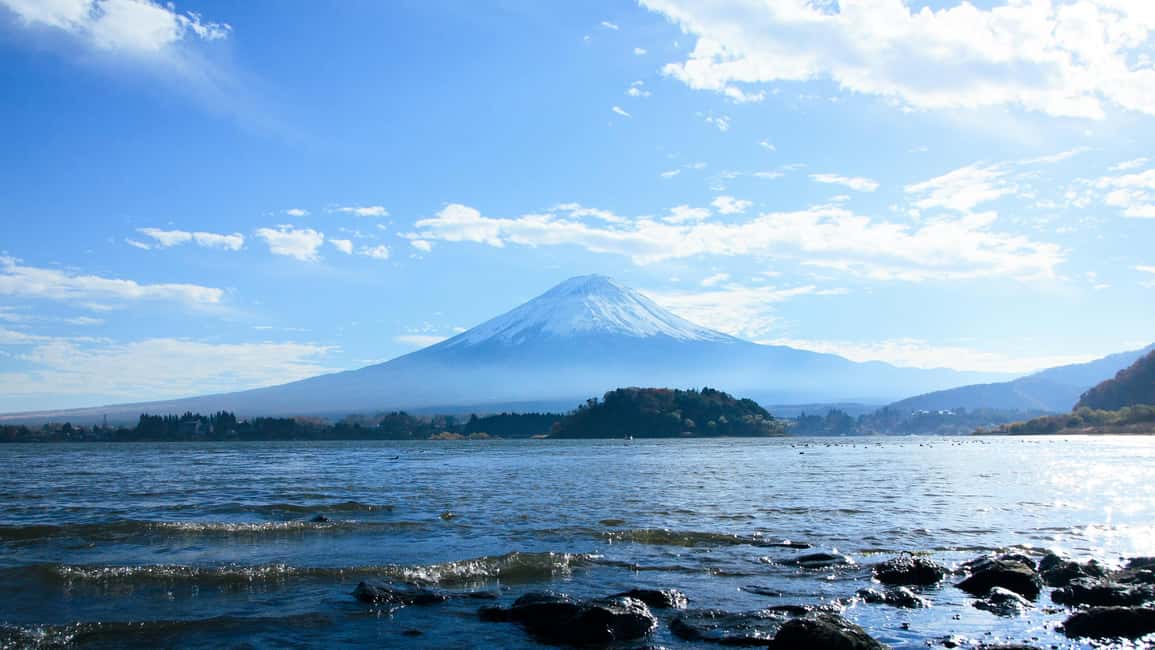
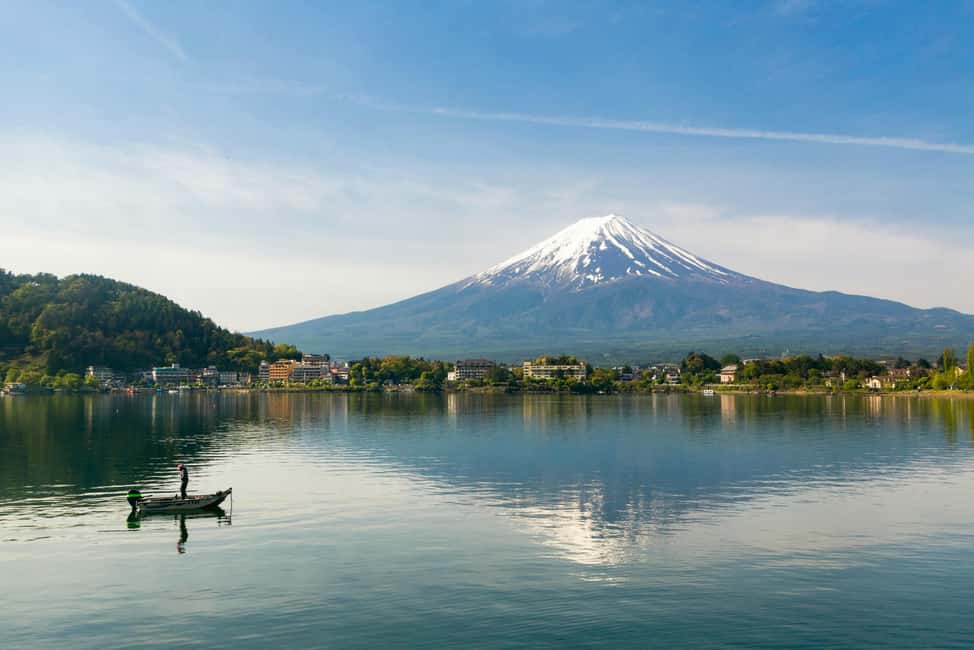
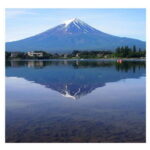
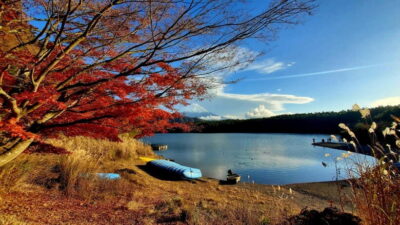
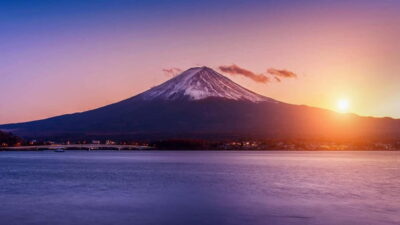
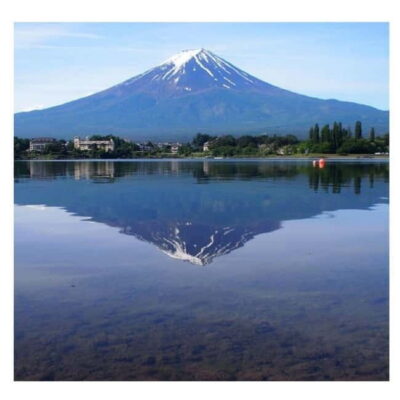
Lake Kawaguchi is famous for one thing: the chance to see Mount Fuji reflected like a polished postcard. On clear days, the water can feel almost still, and Fuji’s outline appears in a way that’s hard to replicate anywhere else. Even if the reflection isn’t perfect, the lake views still do their job.
At Oishi Park, you’re basically putting flowers in the frame. Seasonal blooms can create that classic “Fuji behind the flowers” look that photographers chase. I like this stop because it gives you options: you can stroll, pause, and wait for the light to change, instead of rushing from spot to spot.
Practical tip: for the best photos, give yourself a little time to walk a few different angles near the lake. If you see gaps in the clouds, treat that like a signal—don’t spend it scrolling on your phone. Your guide can help you decide where to stand based on what the sky is doing that day.
Chureito Pagoda at Arakurayama Sengen Park: the red stairs to a classic view
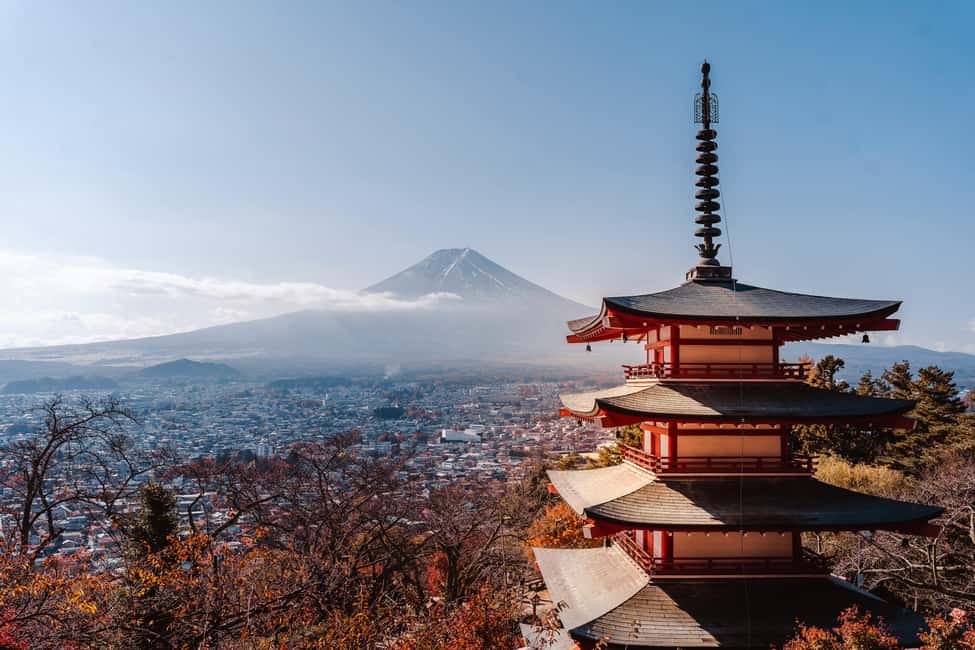
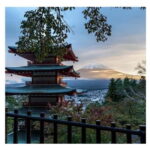
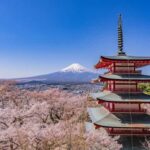
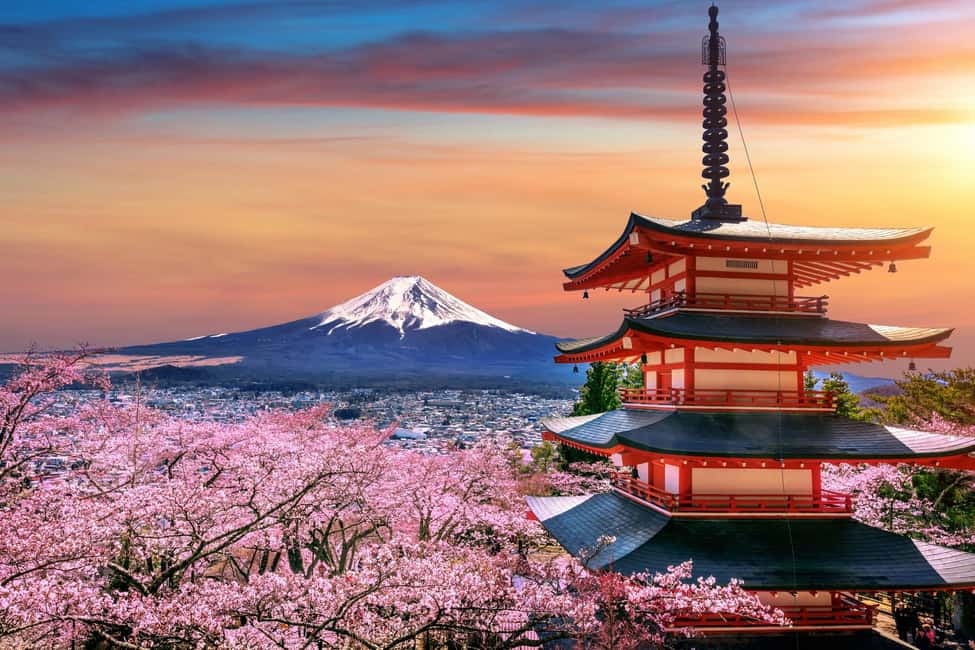
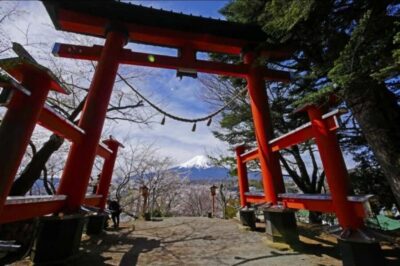
Chureito Pagoda is the Mount Fuji photo most people recognize instantly. It sits on a hillside in Arakurayama Sengen Park, and the view is the payoff: the red five-story pagoda with Fuji rising behind it.
The tradeoff is effort. You’ll do a short walk up and there are stairs, so plan for that. If your group includes anyone who dislikes steep steps, tell your guide early. One nice part of a private setup is that your pace can flex—slow is totally allowed.
What I like about Chureito isn’t just the iconic picture. It also gives you a change of scenery after the lake—less open space, more hillside views, and a different perspective on how Fuji sits in the wider countryside. It’s a strong “wow” moment built into the route.
Oshino Hakkai ponds: eight spring-fed stops, water to taste, and Hoto noodles
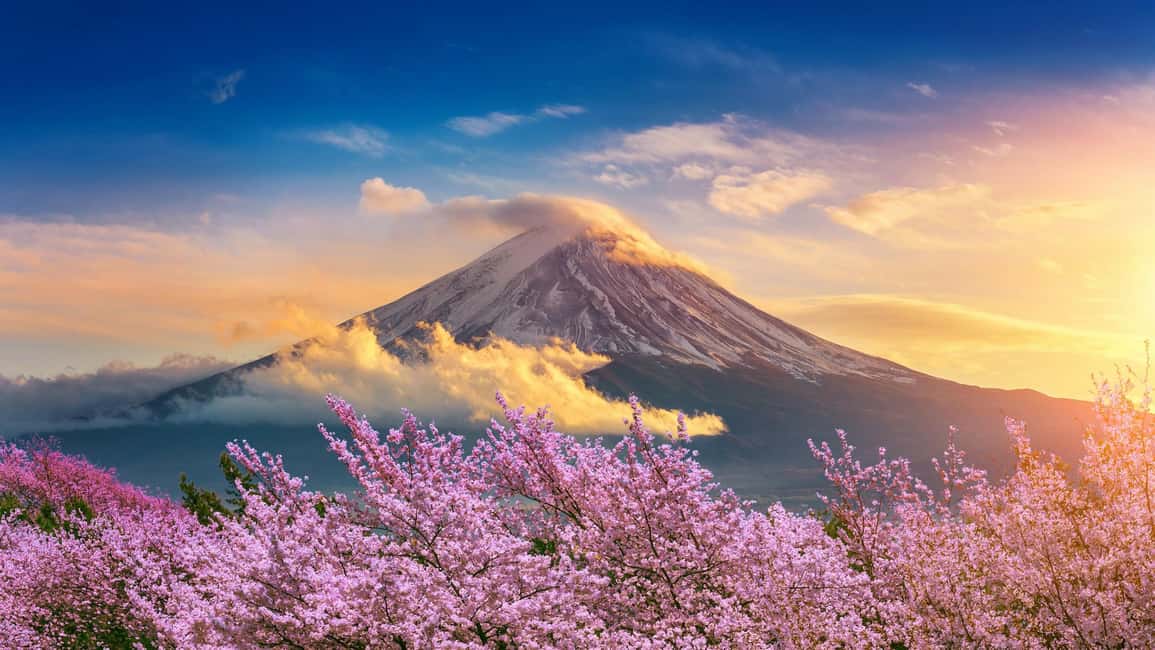
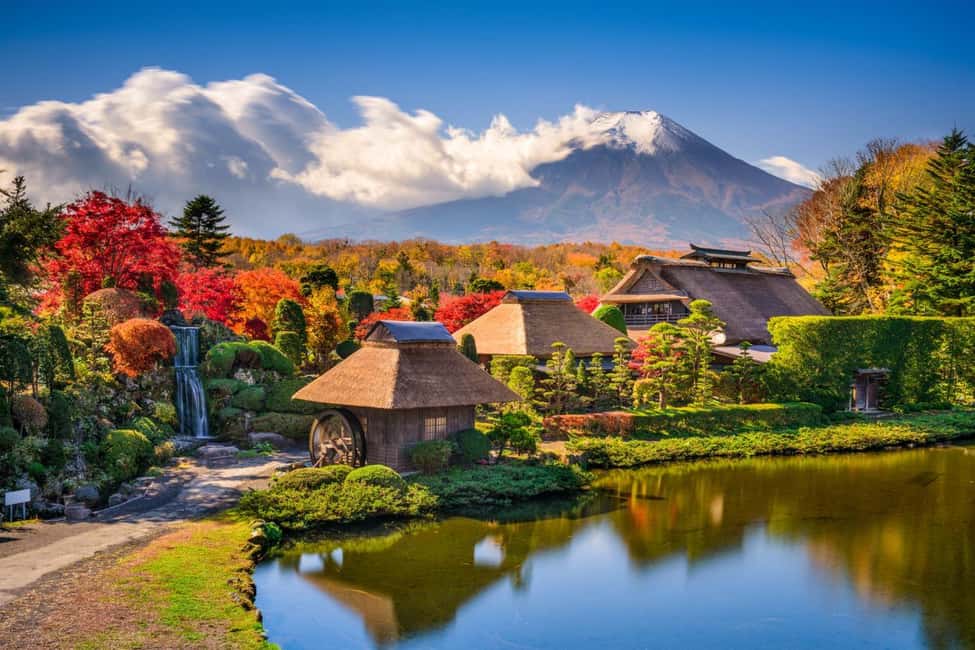
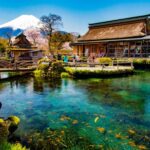
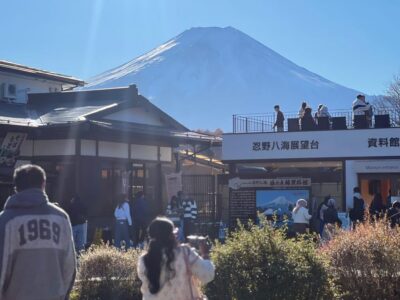
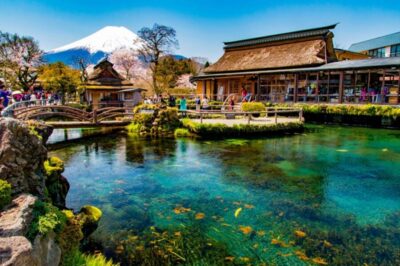
After the big viewpoint energy, Oshino Hakkai feels calmer and more hands-on. This is a traditional village built around eight spring-fed ponds, fed by water from Mount Fuji’s snowmelt. The atmosphere shifts quickly: you trade wide views for small streets, water surfaces, and a place that feels built for wandering at a human pace.
You’ll explore the village with your guide, and there’s even the chance to sample fresh mountain water. That matters more than it sounds. It’s one of those simple experiences that connects the landscape to daily life, because you’re tasting what the ponds are for.
Then there’s the food. A lunch break in the village can include regional dishes such as Hoto noodles—thick wheat noodles in miso broth. You may also come across local treats while walking around, including items like handmade soba noodles, grilled fish, and wasabi croquettes. If you like eating where locals eat, this is the part of the day that usually sticks in my memory.
A small consideration: lunch timing and restaurant choices can shift with the day’s conditions. The tour does include a guided lunch break approach, but lunch itself and drinks are personal expenses, so budget for it.
Weather backup plans when Fuji hides behind clouds
Mount Fuji has a personality: sometimes it shows off, sometimes it hides. This tour is built for that reality. If the weather turns—rain, low visibility, or clouds limiting views—the itinerary can switch to weather-friendly alternatives so the day stays worthwhile.
The listed backup options include:
- Itchiku Kubota Art Museum with kimono art
- A sake tasting session at a local brewery
- Kawaguchiko Music Forest Museum (an indoor option)
- Additional indoor attractions as needed, with optional entrance fees only if the plan uses them
I like this approach because it protects your day from turning into “just driving and hoping.” It also helps you avoid the frustration of spending hours in mist with zero view. The key is to go in with flexibility. If you treat Fuji like a bonus instead of the whole point, the day stays fun even when the mountain is shy.
One more thing: you should still dress for the possibility of rain. Even with backup planning, you’ll likely spend time outside at the main stops.
Price and group size: why $304 per group can feel fair
The price is $304 per group (up to 5 people) for an 8-hour day. That means if you bring a full group of five, you’re effectively paying about $60 per person for a private guide plus transportation from central Tokyo.
That cost structure changes how the tour “feels.” A standard group bus day might look cheaper on paper, but it often charges you with your time—time lost waiting, time lost rushing, time lost translating priorities across strangers. Here, you’re paying for a guide who can slow down, choose photo angles, and adjust the order based on conditions.
Also, the value isn’t only transportation. It’s the combination of:
- Major Fuji photo stops
- Guided exploration of Oshino Hakkai
- Cultural and historical commentary
- Weather adjustments to protect your experience
If you’re traveling as a couple, it’s still a strong option because private pacing can reduce stress. If you’re solo, it can be a bigger splurge, but it’s often worth it when you want the photography angles and the patience that group tours don’t offer.
What your guide actually does for your day (Maik and the team)
A good day trip guide doesn’t just point. They set you up to see more, stress less, and understand what you’re looking at.
In this experience, the guide provides cultural and historical commentary, plus fun facts and local recommendations. That helps at every stop. It’s the difference between seeing the pagoda and understanding why it became such a classic Fuji pairing. It’s the difference between walking around ponds and realizing why those springs matter.
You’ll also get help with photo strategy. The tour includes scenic photo stops and secret viewpoints, and your guide can suggest where to stand based on the conditions in front of you. That’s especially valuable around Lake Kawaguchi, where small changes in angle can change the look of the reflection.
And the private format gives you real control. If your group cares more about food, you can lean toward lunch and tastings. If you care about photos, you can ask for time at the lake and at Chureito Pagoda. If the weather shifts, the guide helps adjust so the day stays balanced.
One practical note: bring your own small essentials. I’d pack a water bottle and a compact umbrella just in case. Private tours can be excellent, but extras like water and backup rain gear are not something you should rely on.
Getting there and moving around: what to pack and how to plan your feet
This tour involves light to moderate walking, and there are stairs at Chureito Pagoda. That means comfy footwear matters more than fancy footwear. I’d also plan your day so you’re not starting this tour exhausted. An 8-hour tour is long enough that foot fatigue can steal the joy.
Dress in layers for rain and wind. Even if the day starts clear, Fuji weather can shift fast. If you want the best photos, you’ll likely pause outside and wait for moments to line up.
For food, remember that lunch and snacks are not included in the price. The tour includes guided lunch time and can point you toward regional specialties, but you’ll pay personal expenses like meals and drinks.
Who should book this Mount Fuji highlights private tour
This is a great fit if you want:
- A private day trip with flexible pacing instead of a rushed group schedule
- The core Fuji sights plus time to actually enjoy them
- A guide who can explain what you’re seeing and help you plan around weather
- A mix of nature viewpoints and culture at Oshino Hakkai
It’s less ideal if:
- Anyone in your group needs wheelchair access, since it’s not designed for that
- You’re traveling with children under 6, since the tour isn’t suited for that age group
- You prefer a fully hands-off “sit the whole day” experience, because there’s walking and stairs
Should you book this Mount Fuji highlights private tour?
If you’re planning one Fuji day from Tokyo and you want the big sights without the stress, I think this tour is a solid choice. The strongest reasons are the private flexibility, the focus on three high-impact stops, and the built-in weather options that keep your day from going flat.
Book it if your group values photography time, good local food in Oshino Hakkai, and a guide who helps you make sense of the places. Skip it if you can’t handle stairs or if you’re looking for a totally no-walking, no-choices day.
FAQ
How long is the Mount Fuji highlights private tour from Tokyo?
The tour runs for 8 hours.
Is this tour private, and how many people can be in a group?
Yes, it’s a private tour. Pricing is listed per group up to 5 people.
Where is pickup in Tokyo?
Pickup is included. You’ll be met directly at your hotel or a nearby landmark in central Tokyo, and the exact meeting point is coordinated after you reserve.
What are the main stops included in the tour?
The core stops include Lake Kawaguchi (with Oishi Park), Arakurayama Sengen Park for the Chureito Pagoda, and a guided exploration of Oshino Hakkai.
How much walking is involved?
Expect light to moderate walking. There are stairs at Chureito Pagoda.
Is lunch included in the price?
Lunch is not included as a covered cost. The tour includes a lunch break, but personal expenses like lunch and drinks are on you.
What options are available if it rains or visibility is poor?
The itinerary can be adjusted with weather-friendly alternatives such as Itchiku Kubota Art Museum, a sake tasting session at a local brewery, or indoor attractions like the Kawaguchiko Music Forest Museum. Optional entrance fees may apply for these indoor options.
What language does the guide speak?
The live guide speaks English and German.
Is seeing Mount Fuji guaranteed, and can I cancel?
Mount Fuji visibility is not guaranteed and depends on weather conditions. Free cancellation is available up to 24 hours in advance for a full refund.
More Tour Reviews in Fujiyoshida
Fresh reviews from around Fujiyoshida

Fujiyoshida, compared.
 ★ 4.7From Tokyo: Full-Day Mount Fuji Tour in English or SpanishFrom $90101 reviews
 ★ 4.9Private Mt. Fuji Luxury Day Tour – Fully CustomizableFrom $38717 reviews
 ★ 4.9From Tokyo: 5 Best Mount Fuji Photo Spots Private Day TripFrom $45112 reviews
 ★ 4.9Mount fuji and Hakone full day private tour with English guiFrom $34012 reviews
 ★ 4.8Fuji/Hakone Private Tour, English speaking guide, PhotographFrom $35711 reviews
 ★ 5.0Private Hiking Tour to View Mt. FujiFrom $11710 reviews
 ★ 5.0Yabusame Adventure with Mt. Fuji ViewsFrom $13010 reviews
 ★ 4.0Mount Fuji Full Day Private Tour from Tokyo Full CustomizedFrom $3299 reviews
Browse the lists this tour appears in