
Reviewed · FUJIYOSHIDA
Mount Fuji Trip with English speaking guide ( customizable)
A clear Fuji day is a gift. This private Mount Fuji escape out of Tokyo is built for pacing—your schedule is flexible, and you’re in a private chartered car so you can linger when the views are good. I really like the photo-friendly stop at Chureito Pagoda and the calm, snowmelt-fed ponds of Oshino Hakkai. The main drawback: Fuji visibility depends on weather, and traffic can stretch the day.
The guide can make the difference between a drive-by and a real day out. Names you might encounter—Mirza, Malik, Naeem, Zahid—show up in past tours, and the common thread is they help you get where you want to go and explain what you’re seeing. One thing to keep in mind: the depth of English can vary by guide, so if cultural background matters a lot, you’ll want to ask questions early.
You also have the option to add Hakone—ropeway views and a Lake Ashi cruise on a clear day—so the trip can feel more than just Fuji postcards. Just pack for the realities: comfortable shoes, charged phone, and drinks you’re happy with, because food and the key sightseeing tickets are extra.
In This Review
- Key highlights worth your attention
- A Tokyo-to-Mt. Fuji day that’s built around your pace
- Price and logistics: what the $407 covers (and what costs extra)
- Pickup rules and why timing can get messy in peak season
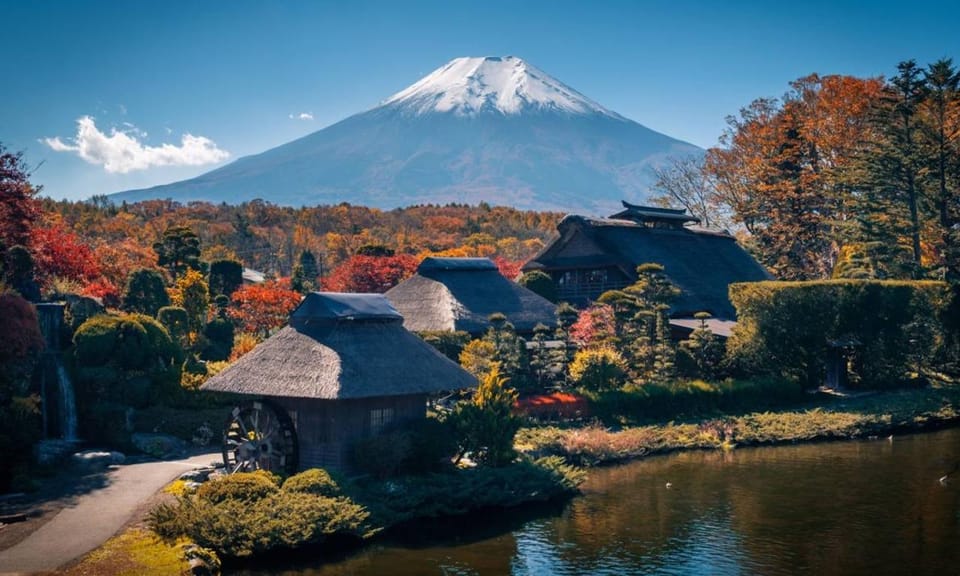
- Oshino Hakkai: snowmelt ponds and a calmer Fuji moment
- Kitaguchi Hongu Fuji Sengen Shrine under cedar trees
- Mt. Fuji 5th Station: the photo stop with real weather risk
- Lake Kawaguchiko and Oishi Park: reflections you can actually plan around
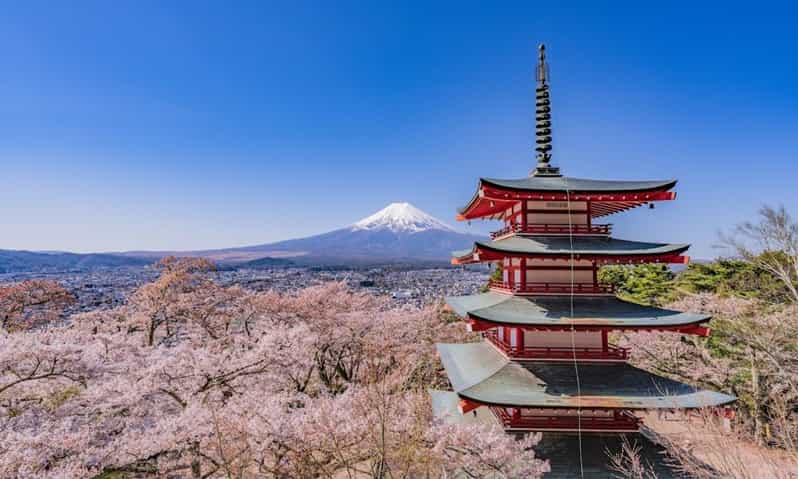
- Chureito Pagoda: postcard Fuji, with seasons doing the decorating
- Hakone Ropeway and Owakudani Valley: where volcanic views replace pure postcard perfection
- Lake Ashi cruise and Hakone Shrine breaks
- Hakone Open-Air Museum: free time that’s actually useful
- Who should book this Mount Fuji private day trip?
- Should you book Travel on smile’s Mount Fuji trip?
- FAQ
- How long is the Mount Fuji trip?
- Is this tour private or shared?
- What does the price include for up to 6 people?
- Are tickets for Mt. Fuji 5th Station included?
- Are Hakone Ropeway and the Lake Ashi cruise included?
- Can I customize the schedule and stops?
- Where can pickup happen?
- What if Mt. Fuji isn’t visible or conditions are bad?
- Is it free cancellation?
Key highlights worth your attention
- Flexible pacing in a private van so you can spend extra time where the mountain looks best
- Chureito Pagoda’s framed Fuji photos with seasonal colors like cherry blossoms or autumn leaves
- Oshino Hakkai ponds fed by Mount Fuji snowmelt for a quiet, mirror-like feel
- Kitaguchi Hongu Fuji Sengen Shrine in cedar shade with a pilgrimage vibe
- Optional Hakone add-ons like Hakone Ropeway, Owakudani Valley, and Lake Ashi cruise
- Guide support with tickets and timing, including help locating ticket counters for activities
Before you commit, see how this one stacks up against a few Fujiyoshida favourites:
- From Tokyo: Full-Day Mount Fuji Tour in English or Spanish★ 4.7 · 101 reviews
- Tokyo: Private Mt. Fuji Luxury Day Tour – Fully Customizable★ 4.9 · 17 reviews
- From Tokyo: 5 Best Mount Fuji Photo Spots Private Day Trip★ 4.9 · 12 reviews
A Tokyo-to-Mt. Fuji day that’s built around your pace
This trip is a full 12-hour day from Tokyo, but it doesn’t feel like a factory tour. The big value is that you’re not stuck with a rigid minute-by-minute plan—your guide and driver help you choose what to prioritize and how long to stay at each spot.
You’re also going by private chartered car, which matters more than it sounds. On a day where weather and crowds can throw curves, it’s easier to adjust when you’re not juggling public transit schedules.
I like how the itinerary mixes iconic “gotta-see” stops with slower, calmer moments. You get the classic Fuji backdrop at Chureito Pagoda, and then you get the gentler scenery at Oshino Hakkai and Lake areas where the mountain can reflect in still water.
Price and logistics: what the $407 covers (and what costs extra)
The price is $407 per group up to 6 people. If you fill the group, that can work out to roughly $68 per person for a 12-hour private day with an English-speaking guide and driver—often strong value compared with piecing together separate transport and guides.
What you get for that price:
- An English-speaking guide and driver
- Hotel pickup and drop-off in Tokyo (within Tokyo’s 23 wards)
- An air-conditioned vehicle, with WiFi when needed
- Water bottles
What you should budget separately:
- Mt. Fuji 5th Station entry ticket (not included)
- Hakone Ropeway ticket and Lake Ashi boat/motorboat ticket (not included)
- If you plan a visit to Saiko Iyashi no Nemba Village, that entry ticket is also not included
You’ll also want to know the trip includes “skip the ticket line,” but the exact tickets that apply can still depend on the stop. Practically, I’d assume you’ll be handling at least some ticket payments on the day—especially for ropeway and boat rides.
Pickup rules and why timing can get messy in peak season
Pickup is possible from your hotel in Tokyo, and anywhere within Tokyo’s 23 wards. Not from airports, ports, or train stations—so plan on meeting the guide in the city.
Here’s the honest timing reality:
- Drivers can be late up to 30 minutes because of highway traffic.
- You should expect arrival delays of 2 to 3 hours based on road conditions.
- On weekends and during flower season, highway traffic gets worse. Golden Week can be brutal.
That’s not a reason to skip the trip—it’s a reason to start early and stay flexible. I also suggest this mindset: treat the schedule as a menu, not a deadline. Your guide can shift photo stops, and on a clear day you’ll want that freedom.
Oshino Hakkai: snowmelt ponds and a calmer Fuji moment
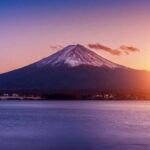
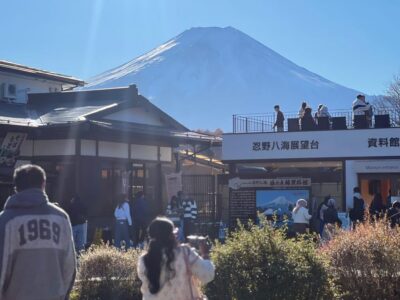
Your day’s rhythm is simple: leave Tokyo, then get to the Fuji area with a long driving block first. After that, you’ll typically spend about 45 minutes around Oshino Hakkai.
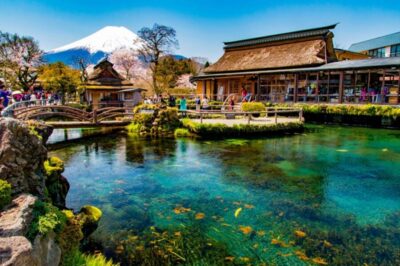
This stop is special because the ponds are fed by pure snowmelt water from Mount Fuji. The effect is that you’re not only seeing Fuji as a background mountain—you’re seeing it reflected and translated into everyday nature.
What to do in your 45 minutes:
- Focus on photos where the water looks still
- Walk at an easy pace rather than racing for a single viewpoint
- Use the guided portion to understand how the area works and what to look for
Possible catch: this is also a popular early stop, so if it’s crowded, your best photos may require a little patience. Having a private driver helps because you’re not stuck moving with the flow of public groups all day.
Kitaguchi Hongu Fuji Sengen Shrine under cedar trees
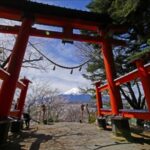
Next is Kitaguchi-hongu Fuji Sengen Shrine for about 40 minutes. This is where the day shifts from scenery to spirit.
The area is described as an ancient pilgrimage site surrounded by towering cedar trees. That matters because the atmosphere cools down—shade, quiet, and a sense that people have been coming here for generations to make the climb toward Fuji, even if they don’t always reach the top.
Practical advice:
- Dress comfortably and bring shoes you can stand in for a while.
- Take a few minutes before photos just to let your eyes adjust to the shaded surroundings.
- If you care about meaning, ask your guide one direct question early. This stop is exactly the kind where a strong explanation adds a lot.
Mt. Fuji 5th Station: the photo stop with real weather risk
After shrine time, you go to Mt. Fuji 5th Station for about 45 minutes, including a guided segment and photo time. But here’s the key caveat: reaching or accessing this stop depends on weather, and it might be closed in rain or bad conditions.
Also, the entry ticket is not included, so you’ll want cashless-ready payment options on your phone. The “skip the ticket line” feature may help, but you should still expect some ticket handling.
What you can realistically gain from this stop:
- A close-up look at the Fuji ascent area
- Photo chances that can feel different from lakeside and pagoda views
- A sense of scale—especially on a clear day
The trade-off is simple: if visibility is poor, your time might turn more into scenery scanning than a guaranteed “wow” moment. That’s why you should keep your expectations flexible and let the day be weather-dependent.
Lake Kawaguchiko and Oishi Park: reflections you can actually plan around
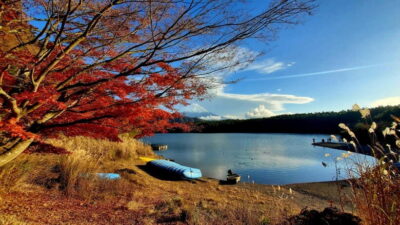
Later you’ll reach Lake Kawaguchiko with about an 1-hour break, including photo time and lunch. After that, you’ll stop at Oishi Park for around 40 minutes.
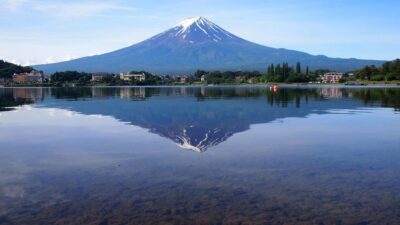
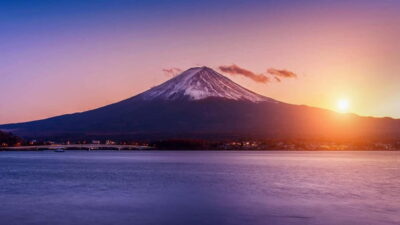
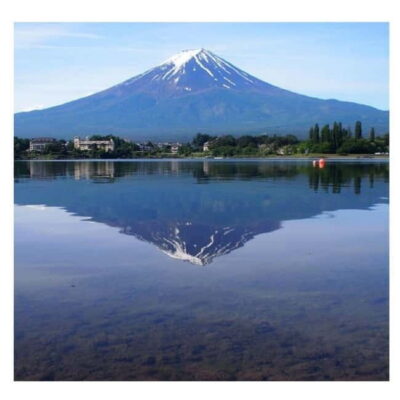
This is classic Fuji viewing territory because your goal is Mount Fuji reflected in still water. Lake Kawaguchiko is a Fuji Five Lakes area, and your best moments happen when skies cooperate and wind stays calm.
Practical move: during your free time, don’t just chase one viewpoint. If it’s clear, you can usually find more than one angle with different levels of mountain reflection.
If it’s cloudy, treat the lake as a reset. You still get the open space, the water, and the guided guidance on where to look. It’s not a waste day—it just shifts what “success” means.
Chureito Pagoda: postcard Fuji, with seasons doing the decorating
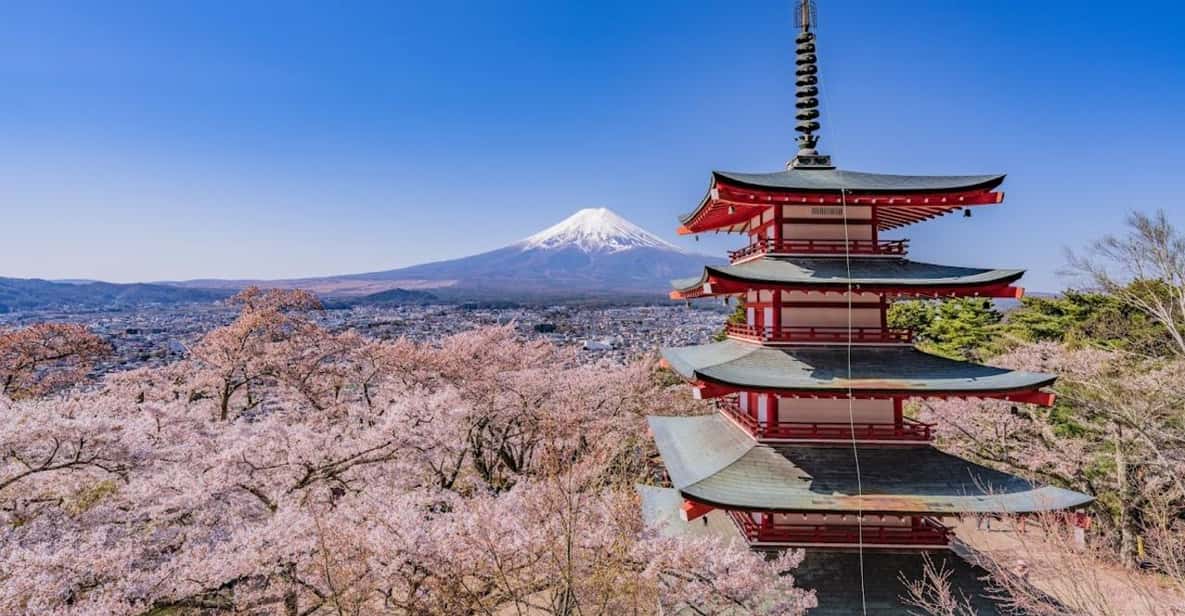
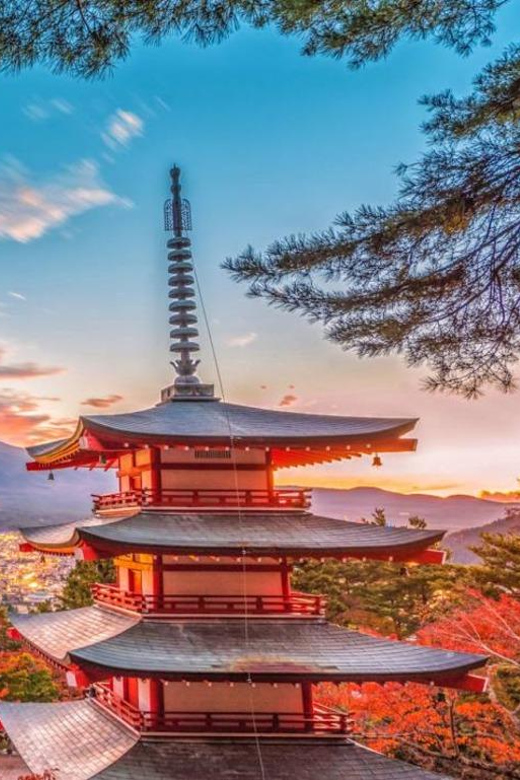
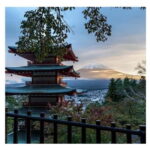
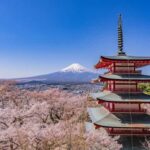
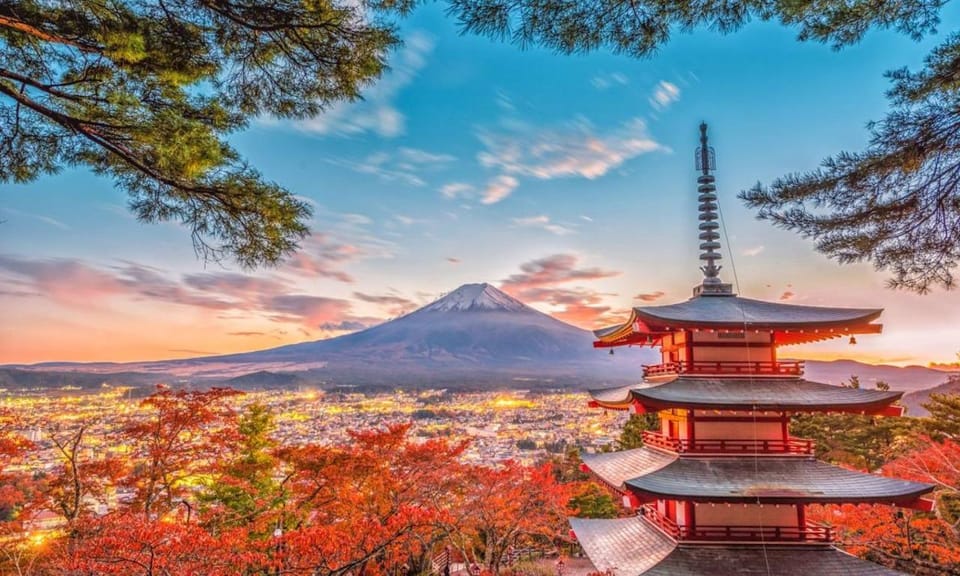
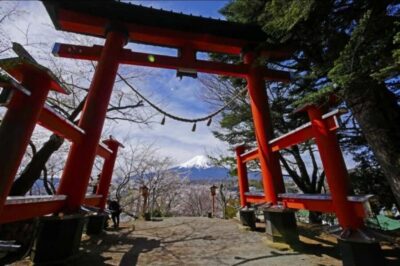
One of the most iconic stops is Chureito Pagoda (about 45 minutes). You’re there for a framed Fuji view—Fuji rises in the background with the pagoda creating a ready-made composition.
Depending on the season, you might see:
- Cherry blossoms (spring)
- Autumn leaves (fall)
This stop is also a strong reason to value the private setup. Even with crowds, you can spread out a bit and take photos without feeling like you’re trapped in a single checkpoint.
The one consideration: you can’t control the weather. On a clear day, this is the money shot. On a hazy day, it’s still pretty, but it may look less dramatic. Build your day so you’re not disappointed if Fuji hides.
Hakone Ropeway and Owakudani Valley: where volcanic views replace pure postcard perfection
Hakone is where your trip can become more adventurous. The itinerary includes Hakone Ropeway, Owakudani Valley, and then the Lake Ashi cruise path.
Two key things to know:
- Ropeway and boat tickets are not included
- Hakone-type parts are described as an option on a clear day, so confirm what your guide plans early in the morning
The ropeway experience is aimed at volcanic landscapes and wide views. At Owakudani Valley, you’ll get a chance to see steaming sulfur vents. This is a very different feeling from the lake and pagoda stops—more steam, more intensity, less calm reflection.
What can help you have a smoother day:
- Ask your guide to point you to the ticket counter early.
- If you’re planning to add ropeway and cruise, confirm timing so you’re not scrambling mid-trip.
In one example from a guide named Mirza, the support included showing where ticket counters are so you’re not lost. That kind of hands-on help makes a real difference when you’re traveling with limited time and your Fuji view depends on the weather window.
Lake Ashi cruise and Hakone Shrine breaks
After Hakone Valley, you move to Lake Ashi for photo time, guided sightseeing, and a walk. The goal here is again reflection, but with a different vibe than Kawaguchiko—Fuji reflected on the lake’s surface while you’re on the water.
The boat ride (described as traditional boat or pirate ship options) is where you can get moving views rather than only standing ones. Like the ropeway, the boat ticket is not included.
Then you’ll head to Hakone Shrine for a break, photo stop, and guided portion. It’s a nice pause after the more intense Owakudani steam area.
If you’re trying to manage fatigue, I’d treat the Hakone Shrine break as your “reset moment.” Use it to hydrate, get your legs moving, and recharge before any open-air museum time later.
Hakone Open-Air Museum: free time that’s actually useful
Your final major cultural stop is the Hakone Open-Air Museum, with a mix of guided time and free time, plus shopping. The exact experience depends on what you’re drawn to, but having free time matters because it gives you control.
If you want a calmer ending:
- Spend time where your interests pull you rather than rushing.
- Use the shopping breaks for small gifts you can carry home easily.
One more practical note: if you get a guide who communicates clearly (for example, Zahid and Malik are names tied to strong communication), the free time often feels less like wandering and more like a plan.
Who should book this Mount Fuji private day trip?
This is best for groups who value control: families, friends, or small parties who want a private car and English-speaking guidance without the stress of assembling logistics.
You’ll likely enjoy it if you:
- Want a day built around multiple Fuji viewpoints (pagoda, lakes, and station)
- Like guided context but also want time to roam on your own
- Plan to go with flexibility if Fuji is hidden—because the trip still has meaningful stops
You should think twice if:
- You’re extremely time-sensitive during busy seasons (traffic can add hours)
- Your main goal is guaranteed summit-area views (5th station can close in rain)
- You need guaranteed deep historical interpretation from every moment (English ability can vary)
Also note the age guidance: it’s stated as not suitable for people over 95 years.
Should you book Travel on smile’s Mount Fuji trip?
I’d book it if your group wants a private, customizable Fuji day with real variety: pagoda views, snowmelt ponds, a shrine stop with cedar-shaded calm, lakes for reflections, and an optional Hakone add-on for volcanic scenery.
I’d hesitate if you’re traveling only for one single outcome—like a perfect Fuji-in-every-frame day—because weather controls visibility and the 5th station is weather-dependent.
My best “make it work” checklist:
- Confirm early whether Hakone ropeway and Lake Ashi cruise are part of your plan for the day (and what tickets you’ll be paying for).
- Start early and keep your schedule flexible if you’re traveling around Golden Week or flower season.
- Bring comfortable shoes and your own drink strategy, since food and drinks aren’t included.
If you want the smoothest experience, aim for a clear weather window, and treat the day as your personal Fuji route—not a strict script.
FAQ
How long is the Mount Fuji trip?
The duration is 12 hours.
Is this tour private or shared?
It’s a private group experience.
What does the price include for up to 6 people?
It includes an English-speaking guide and driver, an air-conditioned vehicle with WiFi when needed, hotel pickup and drop-off (Tokyo 23 wards), and water bottles.
Are tickets for Mt. Fuji 5th Station included?
No. The Mt. Fuji 5th station entry ticket is not included.
Are Hakone Ropeway and the Lake Ashi cruise included?
Ropeway and motorboat/boat tickets are not included. You can choose to visit these parts depending on your day and conditions.
Can I customize the schedule and stops?
Yes. The trip is described as flexible, so you can decide what you see and for how long, and you can opt for alternatives like Hakone.
Where can pickup happen?
Pickup is possible from hotels, hostels, airbnbs, apartments, or other addresses within Tokyo’s 23 wards. Pickup is not available from airports, ports, and stations.
What if Mt. Fuji isn’t visible or conditions are bad?
Visibility depends on weather, and going to the 5th station depends on conditions. Panoramic views are not guaranteed, and rain or bad weather can affect access.
Is it free cancellation?
Yes, it offers free cancellation up to 24 hours in advance for a full refund.
More Tour Reviews in Fujiyoshida
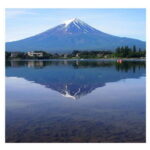
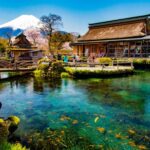
Fresh reviews from around Fujiyoshida

Fujiyoshida, compared.
 ★ 4.7From Tokyo: Full-Day Mount Fuji Tour in English or SpanishFrom $90101 reviews
 ★ 4.9Private Mt. Fuji Luxury Day Tour – Fully CustomizableFrom $38717 reviews
 ★ 4.9From Tokyo: 5 Best Mount Fuji Photo Spots Private Day TripFrom $45112 reviews
 ★ 4.9Mount fuji and Hakone full day private tour with English guiFrom $34012 reviews
 ★ 4.8Fuji/Hakone Private Tour, English speaking guide, PhotographFrom $35711 reviews
 ★ 5.0Private Hiking Tour to View Mt. FujiFrom $11710 reviews
 ★ 5.0Yabusame Adventure with Mt. Fuji ViewsFrom $13010 reviews
 ★ 4.0Mount Fuji Full Day Private Tour from Tokyo Full CustomizedFrom $3299 reviews
Browse the lists this tour appears in