
Reviewed · TOKYO
Exclusive Ramen Kitchen Experience
Ramen gets hands-on at a Tokyo pro kitchen. You get exclusive access to an award-winning ramen shop, plus hands-on coaching on temomi noodle massage. I like that it is practical and fast, not a long, sit-and-listen lesson.
Next comes tebo, the skill of shaking water out of the noodles, then you assemble and eat your own bowl with your chosen toppings. I also like the chef-style Q&A setup, since the instructor explains ramen’s role in Japanese food and answers recipe questions. One consideration: the ramen you eat includes chicken, pork, and fish, so plan around that if you have dietary limits.
In This Review
- Key highlights you will feel right away
- Exclusive access at an award-winning ramen kitchen in Tokyo
- Learning temomi and tebo: the noodle skills that define ramen texture
- Your hour at the ramen shop: what happens from prep to your bowl
- Stop 1: meeting near Nezu, then entering the Nakameguro area kitchen
- Price and value: is $78.38 a good deal?
- What you should know about the ramen: chicken, pork, and fish
- Who this ramen kitchen experience is best for
- Should you book this ramen kitchen experience?
- FAQ
- How long is the exclusive ramen kitchen experience?
- Where does the experience start and end?
- What is the group size limit?
- Is this a cooking class where you make everything from scratch?
- What noodle techniques will I learn?
- What will I eat at the end?
- Does the ramen include meat or seafood?
- Do I get a ticket on my phone?
- What is the cancellation policy?
Key highlights you will feel right away
- Exclusive, inside-the-kitchen access at an award-winning shop you normally can’t get as a visitor
- Temomi noodle massage practice guided in a real production context
- Tebō noodle shaking technique for the texture and finish that matter
- Ingredient purpose and sourcing explained so the prep makes sense, not just a checklist
- Small group (up to 6 people) with multiple guides for questions and pacing
- You eat the ramen you build at the end, not just watch it happen
Before you commit, see how this one stacks up against a few Tokyo favourites:
- Mt Fuji and Hakone 1-Day Bus Tour Return by Bullet Train★ 5.0 · 26,383 reviews
- 1-Day Tokyo Bus Tour★ 5.0 · 14,250 reviews
- Tokyo: teamLab Planets TOKYO Digital Art Museum Entry Ticket★ 4.6 · 9,779 reviews
Exclusive access at an award-winning ramen kitchen in Tokyo
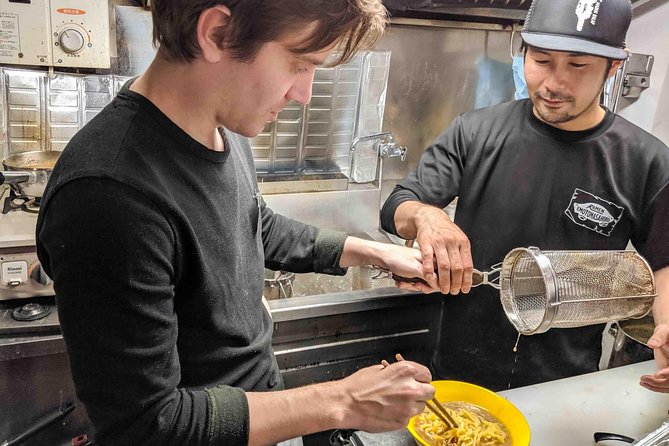
This experience is built around one simple idea: show you what real ramen work looks like, and then let you do the key steps. You are not touring a dining room; you are getting time inside a ramen kitchen, where technique and timing have real consequences.
What makes it appealing is that it stays honest about what you are learning. They tell you up front that the broth takes about 10 hours to make, so this is not an all-day, from-scratch cooking project. Instead, you get the parts that translate into great ramen texture and flavor: noodle handling, prep rhythms, and how the final bowl comes together.
I love that this approach respects your vacation time. You still learn the logic behind ingredients—what they do and where they come from—without spending hours waiting for the slowest steps. The result is a “chef-at-work” experience that feels close to the real deal, without pretending you are running a full ramen operation.
One more thing I really appreciate: the kitchen is treated like a classroom with atmosphere. You are supposed to notice the sights and sounds, not just the food. That matters because ramen is a sensory food—smell, steam, timing, and texture—so being in the environment helps the lesson stick.
Learning temomi and tebo: the noodle skills that define ramen texture
If you want ramen to taste right, noodles are where the magic happens. This experience focuses on the two noodle techniques with Japanese names, and you practice them rather than just hearing about them.
First is temomi, the noodle massage. This is the step that shapes how the noodles feel. Even if you do not speak Japanese, the concept is easy to grasp: gentle handling and the right movement help the noodles develop the texture you want for broth absorption and that satisfying bite.
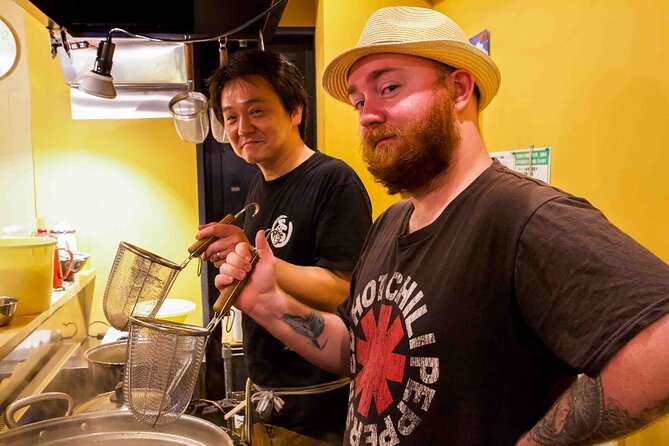
Then you move to tebo, the skill of shaking water from the noodles. This step sounds small, but it is the kind of detail that separates average ramen from the bowls you crave. Shaking is about control—getting rid of excess water so the noodle texture doesn’t turn watery once it hits the bowl. It also connects directly to why the finished dish tastes balanced instead of heavy or sloppy.
Here is what makes this worth paying for: you’re learning technique in context. In a typical restaurant, you only see the final result. Here, you see the noodle steps and understand why they matter. You will likely remember the feel of the movements more than you remember ingredient lists.
Also, because there are multiple guides, you can ask questions as you go. That helps if you are the type who wants to know not only what to do, but why ramen pros do it that way. The chef-style Q&A focus is a big part of the most positive feedback from people who tried the experience.
Your hour at the ramen shop: what happens from prep to your bowl
The timing is short—about 1 hour—so everything is set up to move smoothly. You start with an introduction to ramen prep and ingredient roles. You learn what each ingredient does and where it comes from, which helps you understand flavor structure instead of treating the bowl like a mystery you hope is good.
One key clarification: this is not a “make everything from scratch” class. They shorten the process so you can participate without losing hours. You do get the hands-on noodles work, and you do get to build your own finished ramen.
A good way to think of the flow is this:
- Prep orientation: ingredients and their purpose get explained
- Noodle technique practice: you work through temomi and tebo
- Build your bowl: you add toppings you prefer
- Eat: you sit down with what you made
The best part is the payoff. You do not just learn technique for fun and then go eat something else. You create a bowl and eat it, so you can instantly connect what you did with what you taste.
That is also why this works well for people who are curious but not into long classes. If you want something more like guided ramen craft than a full cooking day, this fits.
Stop 1: meeting near Nezu, then entering the Nakameguro area kitchen
You meet at the address listed for the experience: 2-chōme-12-6 Nezu, Bunkyo City, Tokyo 113-0031, Japan. The experience ends back at the meeting point, so you are not stuck figuring out transit afterward.
The itinerary lists Nakameguro Koukashita as the stop, and in practice that is where the experience’s ramen kitchen time happens. You will want to plan for a relaxed arrival so you can check in and get settled before the lesson starts. Since the session is only about an hour, being late can shrink the time you have for practice.
Good news for logistics: it’s described as being near public transportation, which matters a lot in Tokyo. You do not need a car or complicated planning to make this work. If you already have a day in the Bunkyo/Nezu area, this can slot in without fighting across the entire city.
And because the group is capped at 6 people, the pace should feel more like a small workshop than a crowded factory tour. With multiple guides, you should get attention rather than blending into a sea of people.





Price and value: is $78.38 a good deal?
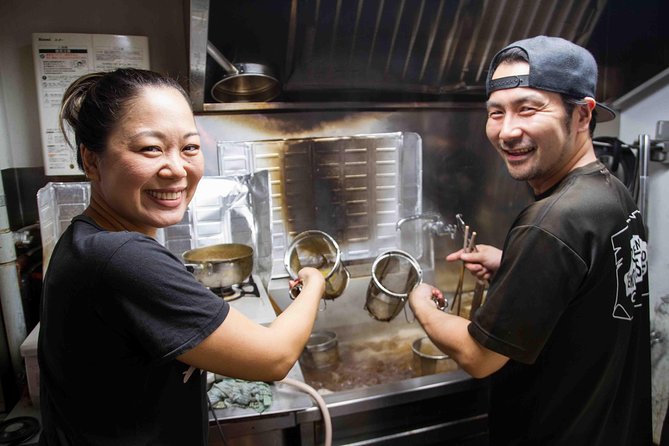
At $78.38 per person for roughly 1 hour, this is not a budget street-food stop. You are paying for access plus coaching inside an award-winning ramen shop.
So where does the value come from?
- Exclusive access to a real working ramen kitchen, which is usually off-limits
- Hands-on instruction on noodle techniques like temomi and tebo
- Chef-style explanations and Q&A, including ramen’s role in Japanese cuisine
- The payoff meal: you eat the bowl you assemble
A lot of Tokyo food experiences give you tasting and a story. This one gives you physical technique and then the immediate result. That hands-on component is hard to replicate on your own unless you already know what to do with ramen noodles.
If you are a ramen fan, the price can make sense because you are not buying just flavor. You’re buying the method and the inside look at how pros think during prep.
One planning note: the experience is usually booked about 16 days in advance on average. That suggests it is popular. If you want a specific date, try to reserve early rather than assuming walk-in availability.
What you should know about the ramen: chicken, pork, and fish

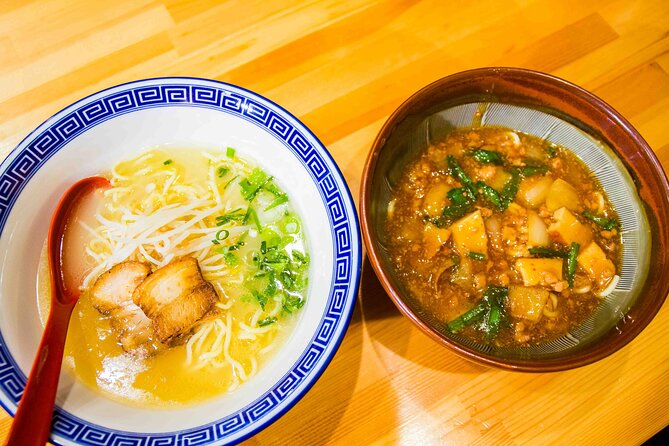
Before you book, read this part carefully: the ramen served contains chicken, pork, and fish. That means it is not a vegetarian or seafood-free experience, and it may not fit certain religious or allergy needs.
If you eat around those ingredients normally, you’ll likely be fine. If not, consider whether you can safely participate without the main dish. Since the session ends with you eating the ramen you made, you should treat this as the central meal, not optional extras.
Also, because the focus is on noodle technique and assembly, the dish you eat is part of the learning loop. Skipping the tasting would reduce the “connect action to result” value.
Who this ramen kitchen experience is best for
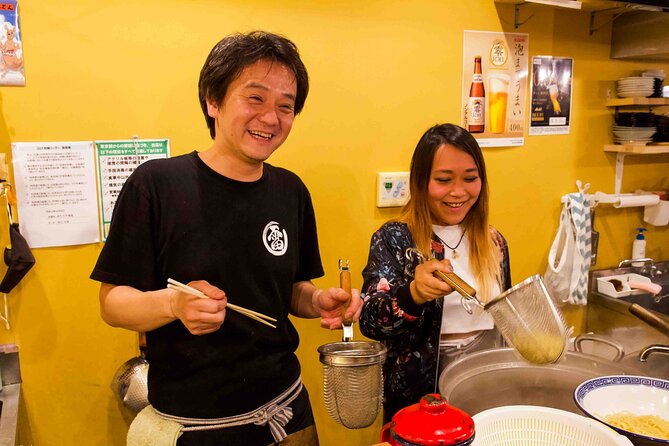
This is a great fit if you:
- Like food experiences with real technique, not just sampling
- Want to learn the noodle moves behind great ramen
- Enjoy asking questions and getting clear answers from a chef or instructor
- Prefer a short, structured session instead of a half-day cooking marathon
It may not be ideal if you:
- Need a ramen meal without chicken, pork, or fish
- Hate hands-on participation and prefer only observation
- Are hoping for a full “make everything from scratch” cooking class
The small group size (up to 6 people) and the multiple-guides format make it especially good for people who want attention and explanation. If you’re going with someone who loves food, you’ll probably both come away talking about the noodle texture and what you learned during temomi and tebo.
Should you book this ramen kitchen experience?
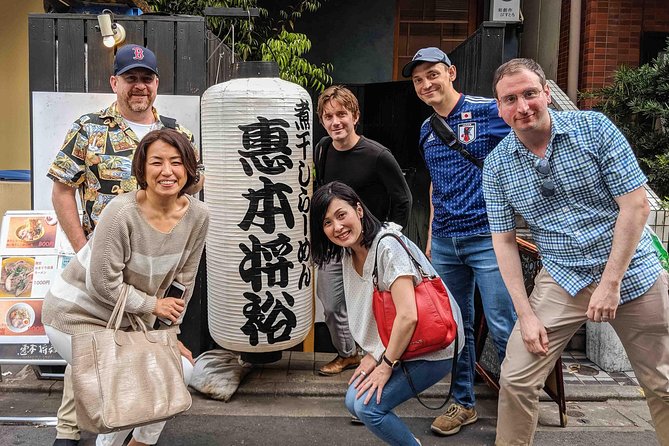
I think you should book it if you want something more meaningful than a regular ramen lunch. The combination of exclusive kitchen access, guided practice of named noodle techniques, and then eating your own bowl creates a payoff that feels earned.
Skip it only if the ingredient note (chicken, pork, fish) rules you out, or if you are looking for a long cooking class where you make everything yourself from scratch. Also, because it runs about 1 hour, it is best as a focused activity rather than something you cram between hectic commitments.
If you do book, reserve ahead if you can. And show up ready to participate. This experience rewards curiosity and hands-on energy.
FAQ
How long is the exclusive ramen kitchen experience?
The experience lasts about 1 hour.
Where does the experience start and end?
You start at 2-chōme-12-6 Nezu, Bunkyo City, Tokyo 113-0031, Japan, and the activity ends back at the meeting point.
What is the group size limit?
This tour/activity has a maximum of 6 people.
Is this a cooking class where you make everything from scratch?
No. It is not designed for making everything from scratch. The process is shortened, even though the broth takes about 10 hours to make.
What noodle techniques will I learn?
You learn temomi, which is massaging the noodles, and tebo, which is shaking water from the noodles.
What will I eat at the end?
After you assemble your toppings, you eat your own ramen creation.
Does the ramen include meat or seafood?
Yes. Please be aware the ramen contains chicken, pork, and fish.
Do I get a ticket on my phone?
Yes. The experience uses a mobile ticket.
What is the cancellation policy?
You can cancel for a full refund up to 24 hours in advance of the experience start time. Cancellation less than 24 hours before the start time is not refunded.
More Tour Reviews in Tokyo



Fresh reviews from around Tokyo






Tokyo, compared.
 ★ 5.0Mt Fuji and Hakone 1-Day Bus Tour Return by Bullet TrainFrom $16326,383 reviews
 ★ 5.01-Day Tokyo Bus TourFrom $12914,250 reviews
 ★ 4.6teamLab Planets TOKYO Digital Art Museum Entry TicketFrom $259,779 reviews
 ★ 4.0Mt Fuji & Hakone Cruise, Drum Show Bullet Train 1 Day from TokyoFrom $1497,413 reviews
 ★ 5.0Shinjuku Food Tour (13 Dishes at 4 Local Eateries)From $866,603 reviews
 ★ 4.4Tokyo Mt Fuji 5th St & Hakone Cruise Bus Tour w/Bullet TrainFrom $1545,024 reviews
 ★ 5.0Flagship 2-Hours Official Street Go-Kart Tour – Tokyo Bay ShopFrom $644,974 reviews
 ★ 4.5From Tokyo: Mount Fuji Full-Day Sightseeing TripFrom $684,970 reviews