
Reviewed · MT FUJI DAY TRIPS
Day Trip To Mount Fuji and Hakone from Tokyo with English Guide
Waking up to Fuji views is a thrill. This full-day route strings together classic photo stops and spiritual pauses, from Chureito Pagoda to Oshino Hakkai’s spring-fed ponds, then on to Hakone’s Lake Ashi and Owakudani. I especially liked having an English-speaking guide on board for context and smooth transitions, and I also loved the comfort of private pickup and a ride designed for a long day. In one memorable stretch, my group shared easy conversation with Salman Virk, who was polite and generous, which made the whole trip feel calm even with family in tow. One thing to watch: this is a weather-driven plan, so cloud cover can soften the Mt. Fuji views and poor conditions can lead to a change of date or a refund.
You also get a very practical balance: iconic sights plus short, manageable time blocks, rather than forcing you to sprint between places. Expect roughly 10 hours total with multiple stops built in—some are quick photo-and-walk moments, while others give you breathing room by the lakes. The main consideration for me is simple: lunch isn’t included, and with a busy route you’ll want to plan what you’ll eat on the go.
In This Review
- Key highlights you’ll actually feel
- Price and value: what $430 for up to 5 gets you
- Getting out of Tokyo: private pickup, WiFi, and why the timing matters
- Chureito Pagoda and Arakurayama: the photo moment that starts the day
- Oshino Hakkai’s eight ponds: where Fuji spring water shows its power
- Kitaguchi Hongu Fuji Sengen Jinja: the pilgrimage doorway feel
- Lake Kawaguchiko: the long sit-down of the day
- Oishi Park: seasonal color with Fuji in the frame
- Mt. Fuji 5th Station: the altitude jump and what it actually feels like
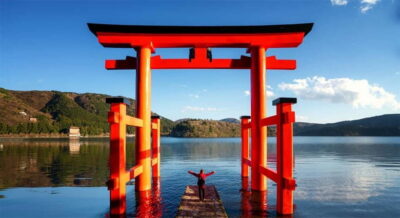
- Hakone Shrine and Lake Ashi: the red torii picture lives here
- Lake Ashinoko and Hakone Ropeway: views from water to air
- Owakudani Valley: steam, sulfur smell, and straight-up volcanic reality
- Hakone Open-Air Museum: when you want art with the outdoors
- What I’d pack and how to plan for weather
- Should you book this Mt. Fuji and Hakone day trip?
- FAQ
- Is this tour private?
- What’s included in the tour price?
- Are tickets for attractions included?
- How long is the day trip?
- Do you offer pickup in Tokyo?
- What’s the cancellation policy?
Key highlights you’ll actually feel
- Private group up to 5 with pickup and an English guide, so you spend less time figuring things out.
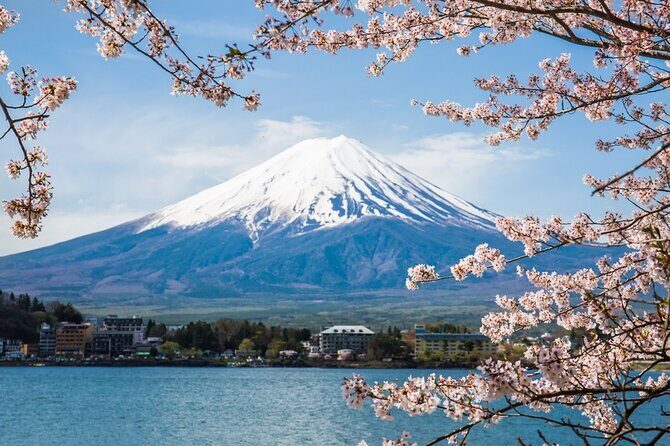
- Chureito Pagoda for that famous Fuji-and-pagoda photo angle, plus a peaceful park setting.
- Oshino Hakkai ponds to see how spring water shapes the village’s look and atmosphere.
- Hakone Ropeway + Owakudani for volcano steam views and big “what am I standing on?” energy.
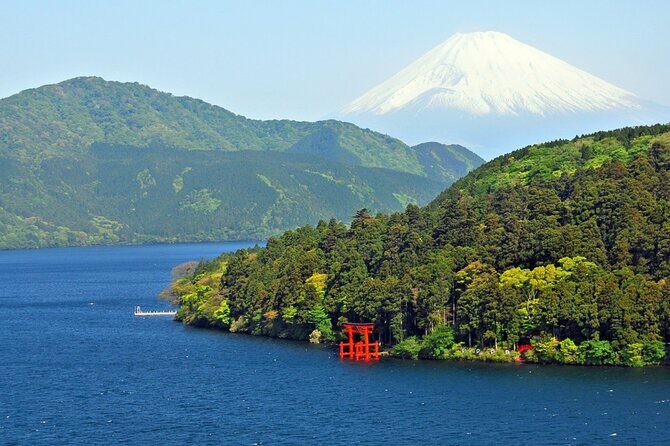
- Lake Ashi and Hakone Shrine for the classic red torii picture by the water.
- WiFi on board and bottled water, useful when your phone battery or hydration plans are already stressed.
Other routes to the mountain, compared
- Mt Fuji & Hakone Cruise, Drum Show Bullet Train 1 Day from Tokyo★ 4.0 · 7,413 reviews
- Tokyo Mt Fuji 5th St & Hakone Cruise Bus Tour w/Bullet Train★ 4.4 · 5,024 reviews
- From Tokyo: Mount Fuji Full-Day Sightseeing Trip★ 4.5 · 4,970 reviews
Price and value: what $430 for up to 5 gets you
This is priced at $430 per group (up to 5 people). That means the real question isn’t the headline number—it’s whether you want private logistics instead of wrestling buses and transfers for a day that can easily eat up your energy.
For a group, private often makes sense because:
- You get hotel pickup and private transportation, which can cut the mental load more than you’d expect.
- You’re not stuck waiting for the slowest person in the crowd or guessing how to route yourself between Fuji and Hakone areas.
- The guide can time the day around what’s feasible and explain what you’re seeing at each stop, which makes the time feel less like checkboxes.
If you’re traveling solo or as a couple, it can still be a good deal when you value convenience, but compare it to what you’d spend on transit plus tickets plus the time cost of changing trains.
Getting out of Tokyo: private pickup, WiFi, and why the timing matters
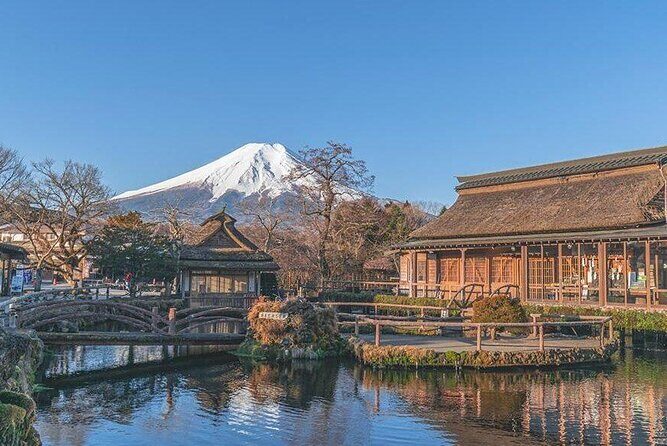
A day trip like this lives or dies on timing. With a 10-hour schedule and multiple stops, pickup and transport become more than a perk—they’re the foundation of how enjoyable the day feels.
You’ll travel in an air-conditioned vehicle, and you’ll have WiFi onboard and bottled water. That’s useful in real life: WiFi helps when you’re mapping your next photo spot or double-checking where you’ll meet up. Bottled water keeps you comfortable during walking stretches, especially around lakeside areas where you can end up outside longer than you planned.
One practical tip: treat this as a day with “short walks, lots of looking.” Even where time is listed as 30–45 minutes, there’s usually a rhythm of stepping out, taking photos, and getting back into position. Wear shoes you can move in quickly, and don’t plan on a slow, lingering pace at every stop.
Chureito Pagoda and Arakurayama: the photo moment that starts the day
The day kicks off at Chureito Pagoda, part of Arakurayama Sengen Park in Fujiyoshida. You’re going for a specific look: a five-story pagoda framed against Mount Fuji when conditions cooperate.
It’s a peace memorial built in 1963, and the location is more than just a postcard backdrop. The park setting gives you a short walk and viewpoints that feel scenic without requiring a full hike. With around 45 minutes, you’ll have time for photos from a couple of angles and a calmer moment to just take it in.
What I like about this stop is that it works for different travel styles:
- If you love photography, it’s straightforward and iconic.
- If you’re more about atmosphere, the park and shrine area still deliver something meaningful.
The one consideration: Fuji might be partly hidden depending on the sky that day. Even then, the pagoda is worth seeing, but your photo goals may be different.
Oshino Hakkai’s eight ponds: where Fuji spring water shows its power
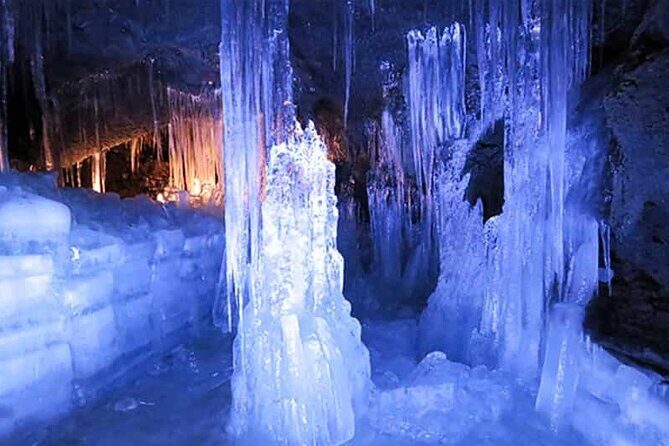
Next is Oshino Hakkai, a village near Mount Fuji famous for its eight crystal-clear ponds fed by spring water. You’ll notice the difference immediately: clear water, traditional-looking thatched roofs nearby, and a quieter pace than you might expect for a major landmark.
This stop is about 30 minutes, which is enough time to walk the pond area, spot the water features, and grab photos without turning it into a long detour. Admission is listed as free for this stop, which helps you get a full experience without extra ticket math.
A detail worth paying attention to: this isn’t just scenery. Oshino Hakkai is a strong example of how the water system around Mt. Fuji shapes where people built, lived, and farmed. If you enjoy small “how things work” moments, this stop rewards you.
More Hakone loops, ropeways and lake crossings
Kitaguchi Hongu Fuji Sengen Jinja: the pilgrimage doorway feel
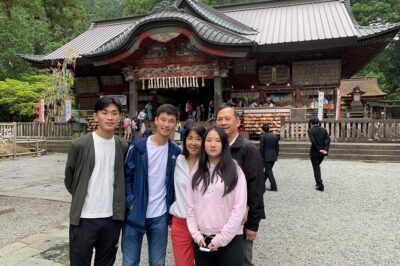
Then you move to Kitaguchi Hongu Fuji Sengen Jinja, described as a historic shrine at the foot of Mount Fuji. It’s historically tied to pilgrims who started climbing the mountain, so you’re stepping into a place that feels like a doorway—even if you’re only visiting for a short pause.
You’ll find towering cedar trees and grand torii gates, and with about 30 minutes, the timing is just right. You can slow down, look up, and take in the sense of reverence without feeling rushed.
This is also a good mental reset. After photo stops, you’ll often feel your shoulders drop once you’re under the trees. If you’re traveling with family, this stop is usually easy to enjoy because it doesn’t require intense walking or complicated ticket steps.
Lake Kawaguchiko: the long sit-down of the day
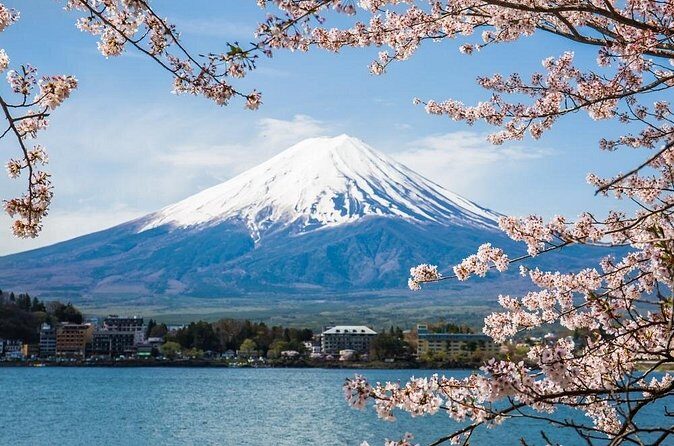
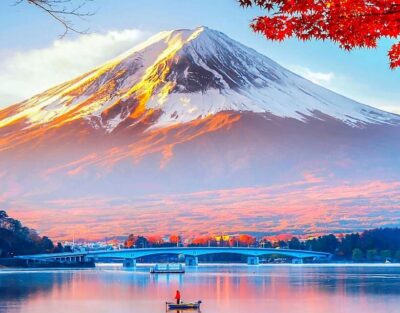
Lake Kawaguchiko is one of Japan’s Fuji Five Lakes, and this is where the tour gives you time to exhale—about 1 hour 30 minutes here. This longer block matters because it changes the mood. Instead of snap-and-go photos, you get a chance to walk the area, look at the water, and connect the dots between Mt. Fuji’s presence and how the region is built around it.
It’s also one of the best spots for views, especially during sunrise or sunset—but even mid-day can be beautiful depending on cloud cover.
You’ll also find options around the lake, like boat rides or lakeside walking paths. Admission for the lake area itself is noted as not included, so treat any optional activities as extra costs you may choose to add.
My advice: don’t force yourself to “do everything.” Pick one thing—walk a bit, find a good viewing angle, then take a breather. This is where you’ll recharge for the next phase.
Oishi Park: seasonal color with Fuji in the frame
After the lake, you head to Oishi Park, on the northern shore of Lake Kawaguchiko. This is a shorter stop—around 30 minutes—but it can be visually rewarding because Oishi Park is known for seasonal flower displays. Lavender is specifically mentioned for summer, but the real value is that you’re visiting a landscaped viewpoint designed for Mount Fuji sightlines.
Free admission is listed here, which makes it a low-stress addition to the day. You’ll likely spend time finding photo angles and taking in the view, then move on without feeling stuck in lines or extra fees.
If you’re the kind of person who loves color, this stop delivers even when the sky is only partly clear. If you’re less into gardens, it’s still a good place to catch fresh air and reset your eyes after busy stops.
Mt. Fuji 5th Station: the altitude jump and what it actually feels like
Next up is Mt. Fuji 5th Station, located at about 2,300 meters (7,500 feet) above sea level. This is the closest you’ll get today to “classic” Mt. Fuji mountain-town energy without needing a full climb.
The stop is about 30 minutes, and the listing notes access to souvenir shops and rest areas. That matters because at this altitude, you’ll likely feel temperature shifts quickly. Even if you don’t feel dramatic cold, it can be cooler and windier than where you started in Tokyo.
Here’s the key reality: views depend on weather, and clouds can swallow the mountain. Still, the altitude changes the atmosphere. You’re standing higher up the “myth” side of Fuji, and even if visibility is limited, the sense of being on the mountain route is real.
Tickets here are noted as not included, so you should expect there may be an entrance or access cost depending on conditions.
Hakone Shrine and Lake Ashi: the red torii picture lives here
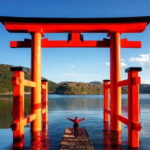
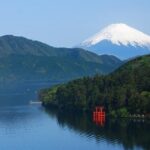
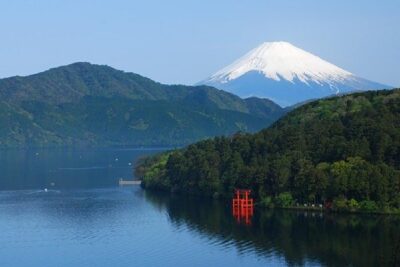
Once the day turns toward Hakone, you’ll start with Hakone Shrine, a Shinto shrine by Lake Ashi known for its iconic red torii gate standing in the water. That torii is the reason many people recognize this spot instantly—even if they’ve only seen it in photos.
You’ll get about 30 minutes here, which is a solid amount of time for that classic view:
- Find your viewpoint near the water
- Take photos in different angles
- Walk a little and soak up the calmer forest-and-lake vibe
It’s also a nice contrast to the Fuji lakes you visited earlier. Lake Ashi has a different feel, more Hakone, more volcanic-region mood.
Lake Ashinoko and Hakone Ropeway: views from water to air
After Hakone Shrine, the tour continues with Lake Ashinoko for about 30 minutes. It’s described as a crater lake with great scenery, and it’s also known for scenic boat cruises. The tour timing is short, so think of this as a chance to look, not a full “boat day.”
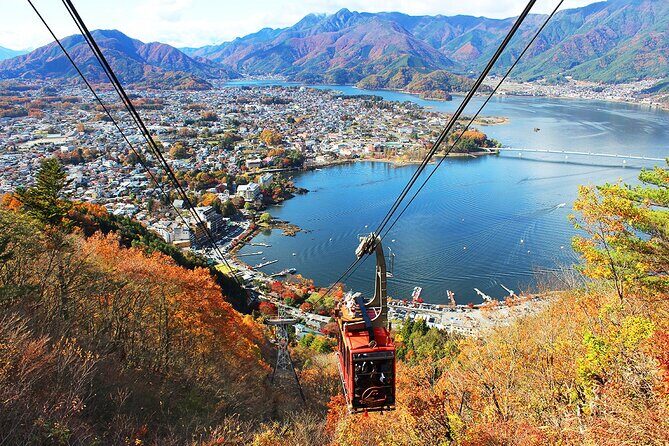
Then you ride the Hakone Ropeway. This is one of the best “transport by fun” experiences in the area: you’re lifted above volcanic terrain, and you get a big-picture view of Lake Ashi and the surrounding mountains. The ride itself is about 30 minutes, and it’s noted as ticketed separately (not included).
What I like here is how the ropeway changes your perspective. You’re not just walking through sights—you’re seeing the geography all at once. If the weather is clear, it’s a high payoff segment.
If the weather is rainy or foggy, you’ll still get the experience of the ropeway, but visibility may shrink. Keep that in mind when you’re dreaming about Mount Fuji in the background.
Owakudani Valley: steam, sulfur smell, and straight-up volcanic reality
Next is Owakudani Valley, a geothermal hotspot known for steam vents and a sulfur smell. This is the part of the day that feels most “otherworldly,” even if you’ve seen volcano scenery before.
You’ll have about 30 minutes, which is enough time to explore the area and take in the bubbling steam without rushing. This is also where your nose will do the talking. The sulfur scent is part of the experience, and it can be strong on certain days.
If you’re sensitive to smells, keep expectations flexible. The air may feel raw and active here. Bring common sense gear: cover your mouth if you need to, and don’t linger too close to vents for extended periods.
Hakone Open-Air Museum: when you want art with the outdoors
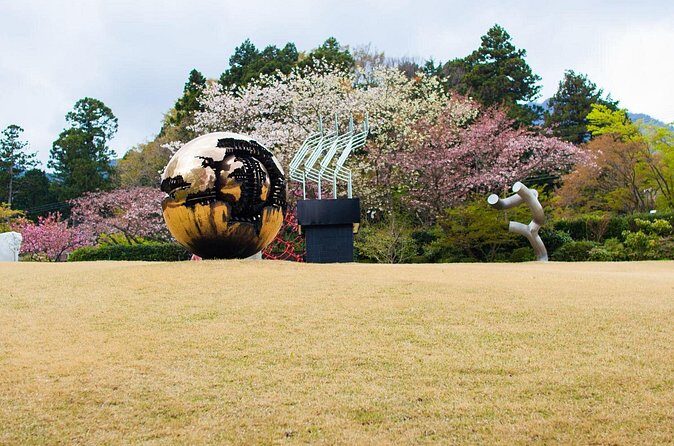
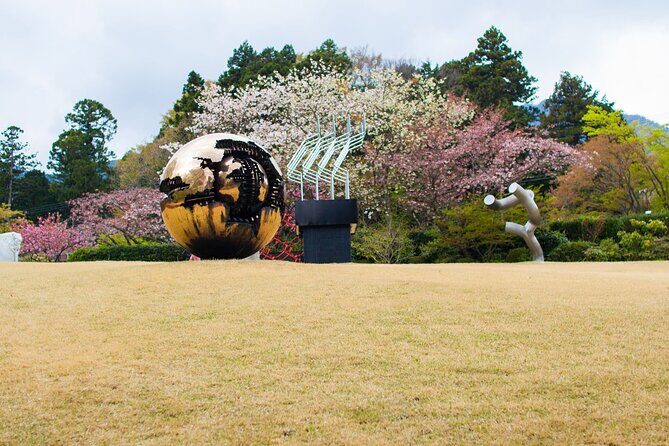
The final stop is the Hakone Open-Air Museum, an outdoor museum with sculpture by well-known artists. You’ll likely spend about 30 minutes here, and admission is noted as not included.
This stop is a good way to end the day because it slows the pace. Instead of only chasing views of water and mountains, you get to look at art against an outdoor backdrop. It’s a different kind of scenery—more human-made, more designed, but still connected to nature.
Since time is limited, plan your priority: either focus on a few standout sculptures or aim for the most obvious areas of the museum layout. Trying to see everything in 30 minutes can turn art into a checklist, which is not what you want.
What I’d pack and how to plan for weather
Because this tour is good-weather dependent, your comfort and photo success will hinge on what the sky does that day.
I’d plan like this:
- Bring a light layer that works in cooler air near higher elevations (especially around Mt. Fuji 5th Station).
- Wear shoes that handle short walks and possibly slick ground around lakes and valleys.
- Keep sunglasses and a hat handy, but also be ready for wind.
- Don’t rely on perfect visibility for every Fuji shot. Have a backup mindset: even when Fuji isn’t fully clear, the shrines, ponds, and Hakone geothermal views still carry the day.
Also, because lunch isn’t included, you’ll want to decide in advance how you’ll handle food. If you hate stress, think about grabbing something at a predictable point during the longer Lake Kawaguchiko or later Hakone segments. The tour will keep moving, so food planning helps a lot.
Should you book this Mt. Fuji and Hakone day trip?
Book it if:
- You want a private, English-guided day that covers both Fuji and Hakone without you coordinating transport.
- You care about a mix of photo stops and meaningful pauses at shrines and viewpoints.
- Your group includes people who appreciate comfort on a long day (pickup, AC, onboard WiFi).
Skip it (or switch to a different plan) if:
- You only care about one thing: a guaranteed Mount Fuji view. Weather can reduce visibility, and you won’t be controlling that part.
- You prefer a slower pace with fewer stops. This route is busy by design.
- You’re hoping lunch is covered. It isn’t.
One last thought: this tour works best when you treat it as a “big geography day.” Fuji gives you height and iconic frames. Hakone gives you water, steam, and air views. If that sounds like your kind of day, it’s a smart way to use your time from Tokyo.
FAQ
Is this tour private?
Yes. It’s listed as a private tour/activity, meaning only your group participates. The group size is up to 5.
What’s included in the tour price?
Included items are an air-conditioned vehicle, private transportation, WiFi on board, and bottled water. Lunch is not included.
Are tickets for attractions included?
Some stops are listed as free admission (like Chureito Pagoda, Oshino Hakkai, Kitaguchi Hongu Fuji Sengen Jinja, Oishi Park, Hakone Shrine, Lake Ashinoko, and Owakudani Valley), while others are listed as not included (like Lake Kawaguchiko, Mt. Fuji 5th Station, Hakone Ropeway, and the Hakone Open-Air Museum).
How long is the day trip?
The duration is about 10 hours (approx.).
Do you offer pickup in Tokyo?
Yes, pickup is offered. The tour also states mobile tickets and that it’s near public transportation.
What’s the cancellation policy?
Free cancellation is available up to 24 hours in advance for a full refund. If the experience is canceled due to poor weather, you’ll be offered a different date or a full refund.
More Tour Reviews in Tokyo






Hakone, Three More Ways
The Fuji Shortlist: Other Days Out to the Mountain

Fresh reviews from around Tokyo






Mt Fuji Day Trips, compared.
 ★ 4.0Mt Fuji & Hakone Cruise, Drum Show Bullet Train 1 Day from TokyoFrom $1497,413 reviews
 ★ 4.4Tokyo Mt Fuji 5th St & Hakone Cruise Bus Tour w/Bullet TrainFrom $1545,024 reviews
 ★ 4.5From Tokyo: Mount Fuji Full-Day Sightseeing TripFrom $684,970 reviews
 ★ 4.7Mt. Fuji Tour, Hakone Ropeway, Owakudani, Lake AshiFrom $544,002 reviews
 ★ 5.0Private Tour to Mt. Fuji and Hakone (Fully Licenced Operator)From $4971,910 reviews
 ★ 4.9Mount Fuji Full-Day Private Tour from Tokyo (Customizable)From $3931,470 reviews
 ★ 4.0Mt Fuji & Hakone Cruise, Drum Show Bus 1 Day from TokyoFrom $1221,287 reviews
 ★ 4.2From Tokyo: Mt. Fuji & Hakone Tour w/ Return by Bullet TrainFrom $1171,278 reviews
Browse the lists this tour appears in