
Reviewed · JDM DRIFT CAR EXPERIENCES
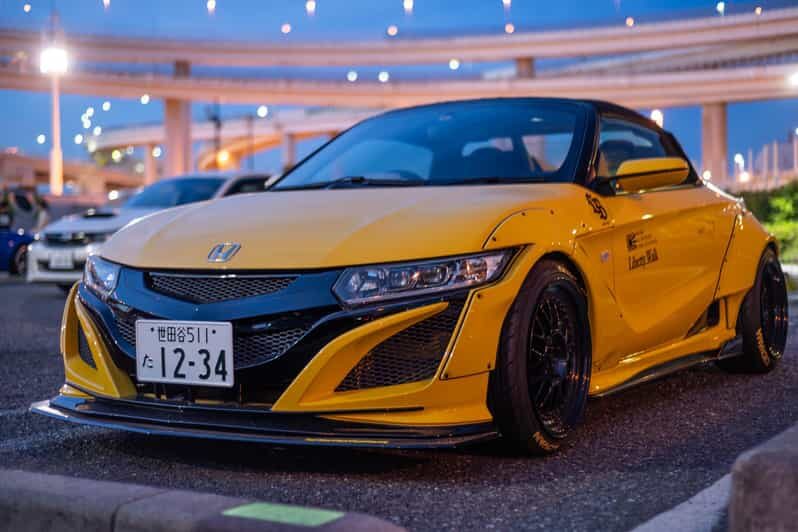
Daikoku Parking : going by this mini JDM – one customer only
Daikoku PA at night feels like a movie street. This private ride pairs a one-customer experience with a Liberty Walk–style Honda S660 and Tokyo highway views, so the whole night has that game-mission vibe from Wangan Midnight and Shuto Ko Battle. You get to see the real car-culture “stage,” not just pictures.
I love the no mini-van, no sharing setup. It keeps the focus on you and the driving, with Toshiro as your English guide and driver. I also love the mix of car-meet stops and big Tokyo landmarks passing by, from Daikoku to Tatsumi, then the Rainbow Bridge area, plus a Tokyo Tower / SkyTree pass-through.
One drawback to think about first: this is a tiny car with limited comfort. There’s no luggage space, and the seat size is like airplane economy, so pack light and treat it like a short, intense experience, not a long sightseeing bus day.
What makes this Daikoku JDM ride worth it
- One customer only: you ride in a modified Honda S660 with Toshiro, no shared group shuffle.
- Daikoku + Tatsumi energy: the night is built around the car-meet rhythm, plus a real break to walk and look.
- Tokyo from the road: metropolitan expressway and bay-shore routes, with Rainbow Bridge and major skyline passes.
- JDM car-culture “scene spotting”: the route is timed so you can match what you see with classic Japanese car media.
- Friday/Saturday timing matters: parking access can be restricted later, so departure and return can shift.
In This Review
- Why this private S660 night drive beats a big tour bus
- Meeting at MOS BURGER and the Ôba start: quick, simple, and practical
- Daikoku Parking Area: the car-meet stop that makes the night feel real
- Rolling Tokyo expressways: Skytree, Rainbow Bridge, and Tokyo Tower passes
- Tatsumi 1st PA: the long break where the night energy keeps building
- Night reality check: when parking closes and how to plan your evening
- The car: why the Honda S660 is the point of the whole evening
- Price and value: what $192 per group really buys
- Who should book this, and who should skip it
- Should you book this Daikoku Parking JDM tour?
- FAQ
- What car will I ride in?
- Is this a shared tour or private?
- How long is the experience?
- Where is the meeting point?
- Where do we go during the tour?
- What’s included in the price?
- What should I know before going about comfort?
- What if it rains?
Why this private S660 night drive beats a big tour bus
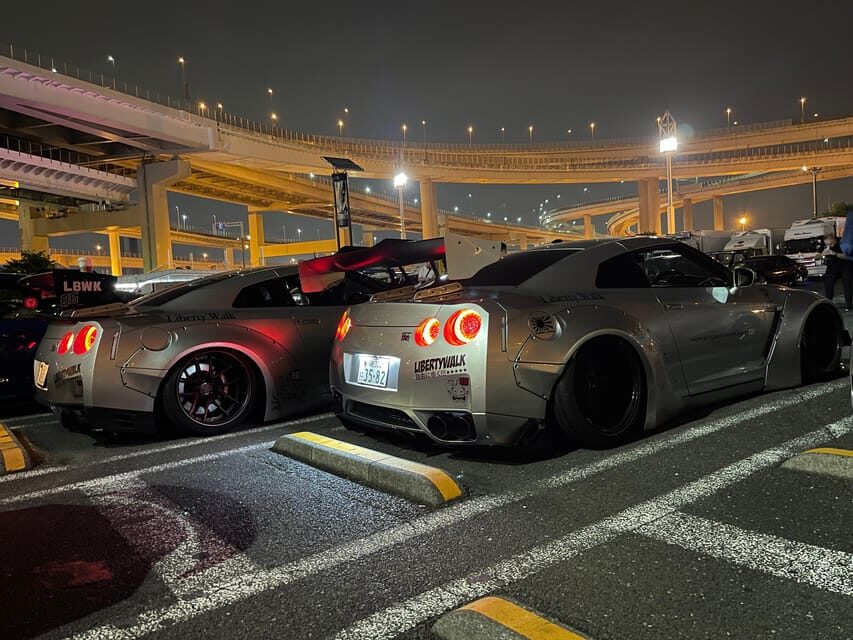
If you care about Japanese car culture, the usual “get off, take a photo, get back on” tour format can feel thin. This one is designed the opposite way: you spend the evening driving Tokyo with Toshiro in a domestic, mid-engine Honda S660 that’s modified in a JDM LBWK-style direction, then you drop into the car-meet atmosphere at the right spots.
The “private” part is not a marketing line here—it changes the whole pace. With one passenger, you don’t compete for attention, space, or camera angles. The conversation can stay real, too: Toshiro can talk through what you’re seeing and what matters at places like Daikoku and Tatsumi, instead of being stuck managing a multi-person crowd.
That’s the main value you’re paying for. You’re not buying “transport.” You’re buying an evening that matches the vibe of classic street-racing media, while still following traffic rules and respecting that it’s public roads.
More horsepower: other JDM and drift experiences
- GT-R35 800hp Club Membership – secret underground car meet★ 4.8 · 998 reviews
- Secret Car Meet: R34 Skyline Car Club Membership★ 4.8 · 494 reviews
- Tokyo Drift: Daikoku PA Supreme Car Experience 大黒PA★ 4.7 · 372 reviews
Meeting at MOS BURGER and the Ôba start: quick, simple, and practical
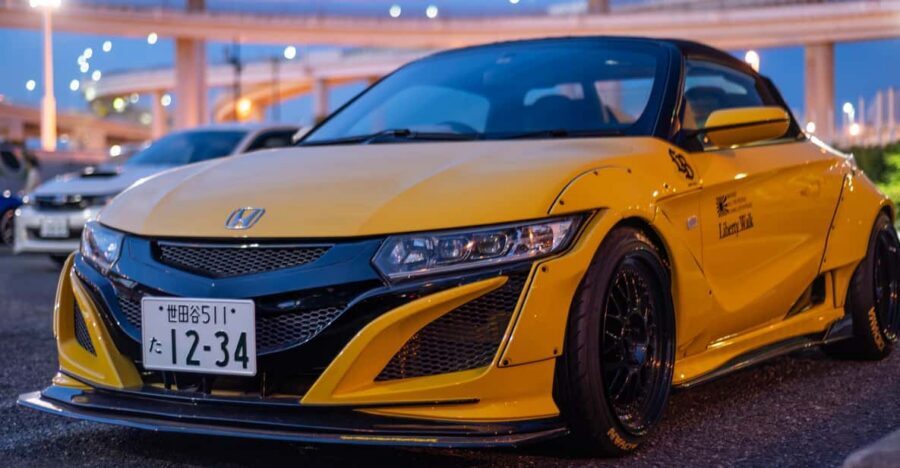
Your pickup is in front of MOS BURGER. From there, your ride begins toward Ōba, and your tour clock really starts when you get in the car. This is important because the route through Tokyo is part of the experience, not just the “boring transfer” between stops.
The car itself is a big part of the story. It’s a tiny two-seat setup. The guidance is clear: think airplane economy seat size and limited room overall. There’s also no luggage space, so plan like you’re traveling light—small bag, easy access, and nothing bulky.
If you’re expecting something that feels like a comfortable private car service, you’ll want to mentally switch modes. This is a car enthusiast ride. It’s compact, close-up, and focused on views and atmosphere.
Daikoku Parking Area: the car-meet stop that makes the night feel real
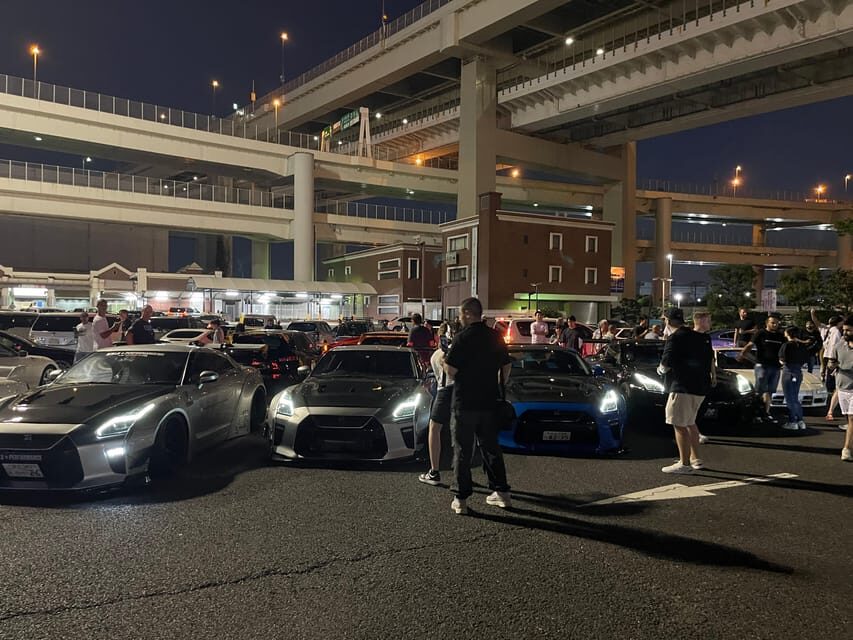
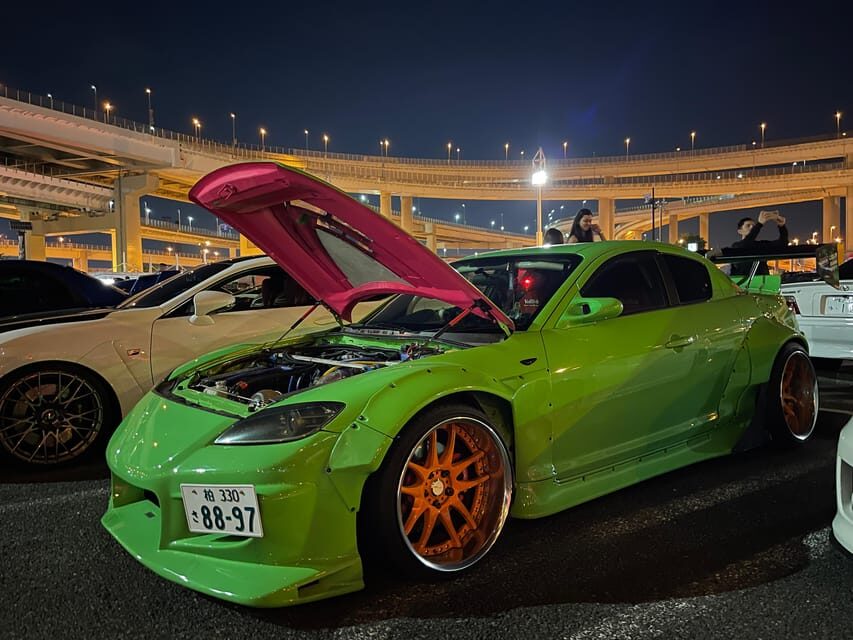
Daikoku Parking Area is the headline for a reason. This is where the JDM scene gathers in a way that looks and feels like a set from Japanese car culture. Your stop includes time to break, take photos, visit, and walk around—about 15 minutes.
That time limit is short on purpose. Daikoku is busy, and parking and movement can be fluid. The goal isn’t to “tour the parking lot like a museum.” It’s to let you step into the scene, get the sights, and catch the atmosphere while the drive energy stays alive.
What you’re likely to notice right away:
- You’ll see heavily modified cars—this is the point where the night becomes visual proof of the stories.
- The “Wangan Midnight” feeling kicks in fast because the vibe is so close to what you see in that kind of media: serious machines, night lighting, and people who know what they’re looking at.
- Even for non-gearheads, the variety of builds can be eye-opening. It’s not just one type of car showing up.
Practical note: on Friday and Saturday nights, timing can be tight. There’s mention that traffic police may close the parking from around 20:30, which can change how late you stay. That’s one reason the tour can leave around 18:00 and aim to return around 21:00 on busier nights.
Rolling Tokyo expressways: Skytree, Rainbow Bridge, and Tokyo Tower passes
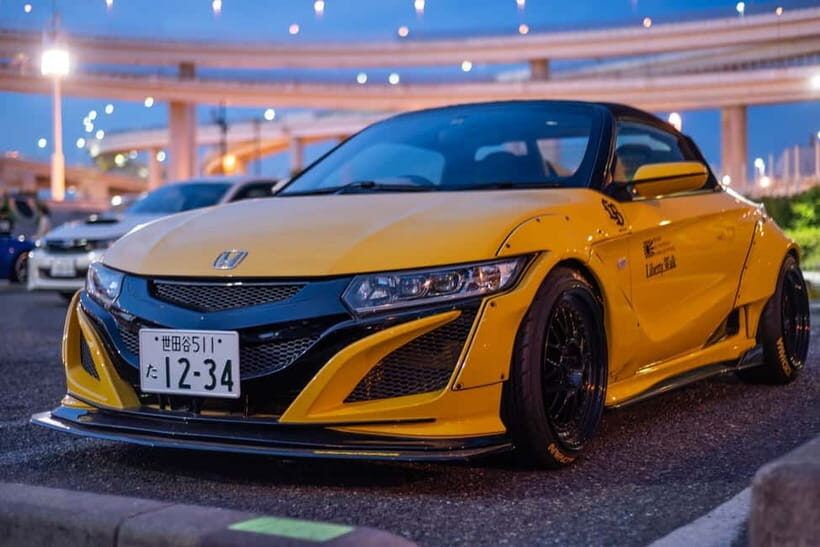
After Daikoku, you’re back on the road quickly, which is where this tour feels different from a normal sightseeing plan. You’re not stuck waiting in traffic with a crowd. You’re moving through Tokyo via metropolitan expressway and bay shore routes, and the big landmarks show up as passing moments from the car window.
You pass Tokyo Skytree, then later you pass Rainbow Bridge, and you’ll also get a Tokyo Tower / SkyTree passing view depending on the route timing.
Here’s why I think this works so well for your enjoyment:
- Tokyo’s skyline looks best when you’re moving, not when you’re standing in a single spot.
- A night drive changes everything. Street lighting and reflections make the city look cinematic without needing a lens trick.
- It connects the car-meet night to the actual geography of Tokyo—so the “game scenes” aren’t floating in nowhere-land.
Just don’t treat these as photo safari stops where you’ll park and wander. The landmarks are passes, so your window viewing and quick photo moments matter more than chasing viewpoints.
Tatsumi 1st PA: the long break where the night energy keeps building
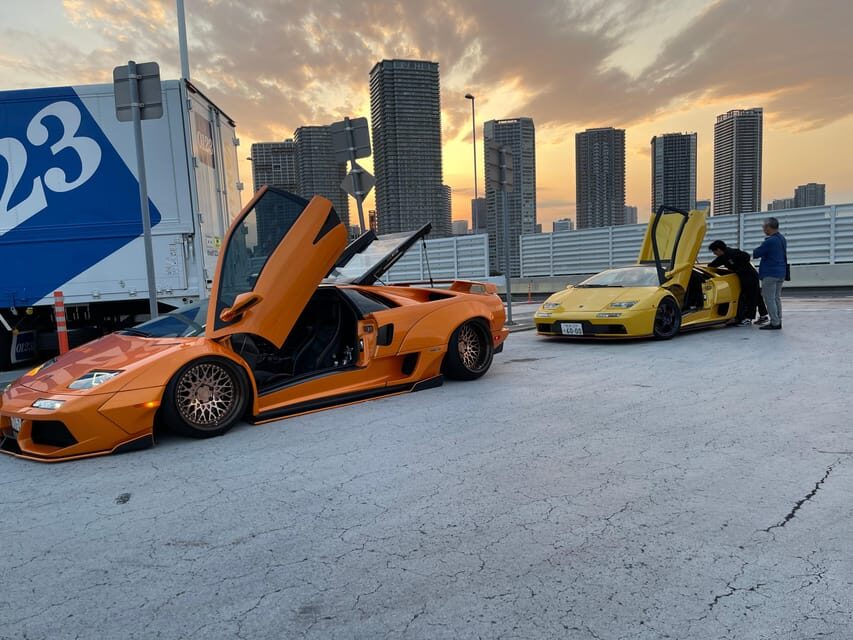
Next up is Tatsumi 1st PA. This is where the schedule gives you breathing room: about 1.5 hours total at the stop. During that time you get break time, photo stops, sightseeing, and time to walk.
This longer block is valuable because it gives you time to do the real “car-meet behavior” things—walk the perimeter, look longer at builds, and soak up the atmosphere without feeling rushed. If your main goal is to see real cars up close, this is the part that tends to satisfy.
Also, Tatsumi gives you a chance to reset after Daikoku. The night drive keeps going, but your body gets a break. That matters in a tiny car, where you’ll appreciate the standing and moving time.
From the vibe angle, this stop is where people often feel the tour becoming a lived version of the media. The timing and the car scene atmosphere help it land emotionally, even if you’re not chasing speed.





Night reality check: when parking closes and how to plan your evening
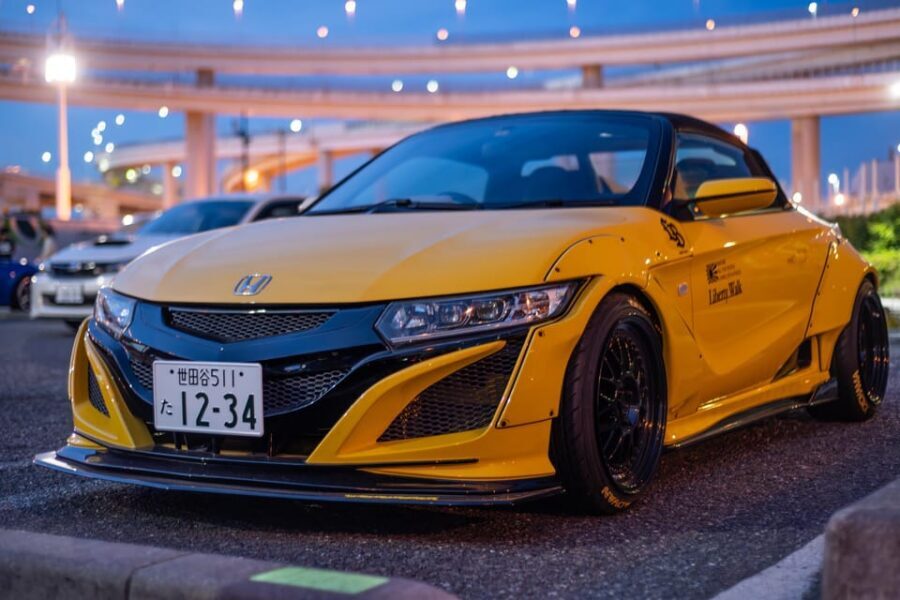
This tour can run different timing depending on day and conditions. On weekends (especially Friday and Saturday), you may need to depart around 18:00 and return around 21:00 because parking access can close around 20:30 due to traffic police restrictions.
On weekdays, it’s still possible, but the advice is straightforward: weekends are better, and Friday, Saturday, or Sunday nights have the most payoff.
Weather matters too. If it rains, you can postpone to a convenient day. That’s a big deal for an experience that relies on night views and walking in parking areas.
Finally, manage expectations about driving style. You won’t get a race-game fantasy run. The whole approach is to respect traffic law and enjoy the views, which keeps it safe and sustainable. Think of it as cinematic cruising, not a race event.
The car: why the Honda S660 is the point of the whole evening
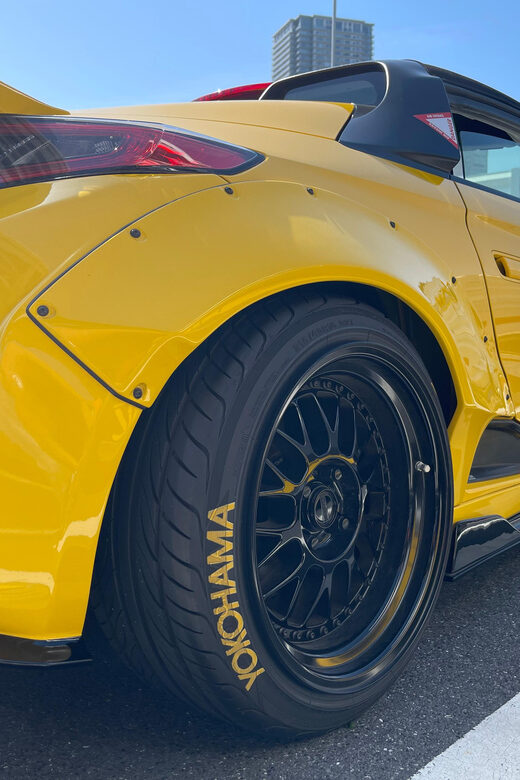
A normal car sightseeing tour might use some generic vehicle. This one doesn’t. It’s specifically a Honda S660, a small domestic mid-engine platform. That matters because:
- It keeps you close to the action and the road feel.
- The cabin size reinforces the feeling that you’re in a real enthusiast setup, not a themed shuttle.
- The modified look becomes part of the visual story as you pass Tokyo landmarks at night.
In the supplied impressions, the car itself gets serious praise. People also mention the night ride feeling like it matches the style of Wangan Midnight, which is exactly the emotional bridge this tour is building: car culture you can see, plus a route that makes Tokyo look like it belongs in that world.
One more practical thing: because the car is small, you’ll want to dress for comfort rather than expecting space. You’ll be fine if you’re used to compact seating and don’t need to stretch out.
Price and value: what $192 per group really buys
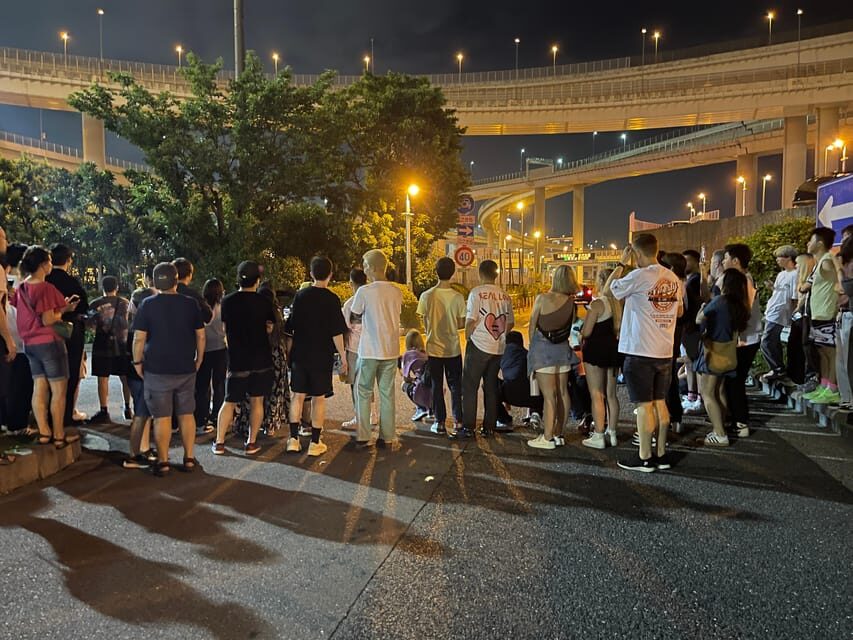
At $192 per group up to 1 for a 3-hour private experience, the math is simple: you’re paying for an intimate evening plus the logistics of driving, tolls, and fuel.
The value comes from three places:
- Privacy: one passenger, one driver, no group management. That’s a big difference in an experience built around specific moments at specific places.
- Route + access: the evening isn’t just driving between points. It’s built around car-meet locations like Daikoku and Tatsumi, with real walking/photo time.
- Car + guide: you’re in a modified JDM S660, with Toshiro in the driver seat as your English guide.
If you compare this to a typical shared tour, the cost is higher because you’re not splitting it. But if car culture is your priority, the experience tends to feel “worth it” because you’re buying time in the right environments with the right people, not just transit.
Who should book this, and who should skip it
This tour makes the most sense if:
- you’re a car enthusiast or you’ve watched JDM culture in movies and games and want the real-world equivalent
- you want private, one-on-one time and not a bus-like rhythm
- you’re comfortable with a tiny cabin and short-but-meaningful walking stops
It may not be ideal if:
- you need lots of luggage space
- you want long landmark stops with standing time and big viewpoints
- you expect race-track excitement or speed-chasing
If you’re traveling solo, it’s especially strong because the whole design is built for one passenger.
If you’re a small group larger than two people, you’ll need to message in advance—this experience is set up for limited party size.
Should you book this Daikoku Parking JDM tour?
If your top goal is to feel Tokyo’s car culture at night—Daikoku energy, Tatsumi walking time, and landmark passes from the road—then yes, this is a book-worthy plan. The private S660 setup and one-customer rhythm are the core reason to choose it, and the night driving style matches the tone of classic car media without breaking traffic rules.
Book it if you’re okay with:
- a tiny car and no luggage space
- photo and sightseeing time that’s measured in minutes, not hours
- a schedule that can shift slightly on busy weekend nights due to parking restrictions
Skip it if comfort and space are your non-negotiables, or if you’re expecting a big guided sightseeing route with long stops. This experience is short, focused, and built for people who care about the machines and the atmosphere.
FAQ
What car will I ride in?
You’ll ride in a domestic Honda S660 that is modified in a JDM style (described as LBWK modified). Your driver will be Toshiro.
Is this a shared tour or private?
It’s private. It’s set up for one customer with one local driver and no mini van and no shared group.
How long is the experience?
The duration is 3 hours.
Where is the meeting point?
Meet in front of MOS BURGER.
Where do we go during the tour?
You’ll go to Daikoku Parking Area (with a photo stop and short free time), then pass by Tokyo Skytree, stop at Tatsumi 1st PA (with break and about 1.5 hours of time), and then pass by Rainbow Bridge and Tokyo Tower before returning to Ōba.
What’s included in the price?
Fuel and toll road costs are included. You also get a local Japanese guide with English support, and transportation in the car.
What should I know before going about comfort?
There’s no luggage space, and the seats are very small (compared to airplane economy class). It’s also not a racing style experience; the plan is to respect traffic law and enjoy the views.
What if it rains?
If it rains, you can postpone to a convenient day. Free cancellation is available up to 24 hours in advance for a full refund.
More Tour Reviews in Tokyo



For the Petrolheads: More JDM Days
Fresh reviews from around Tokyo






JDM Drift Car Experiences, compared.
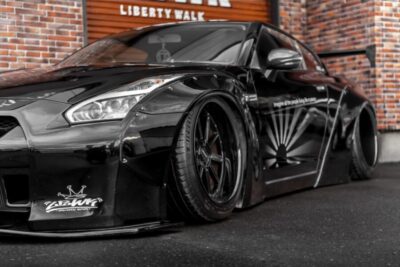 ★ 4.8GT-R35 800hp Club Membership – secret underground car meetFrom $205998 reviews
 ★ 4.8Fast & Furious Tokyo Drift 3 Experience (Kaila Yu SP)From $157947 reviews
Daikoku JDM Car Meet & Night Car Culture TourFrom $98626 reviews
★ 4.8Fast & Furious Tokyo Drift 3 Experience (Kaila Yu SP)From $157947 reviews
Daikoku JDM Car Meet & Night Car Culture TourFrom $98626 reviews
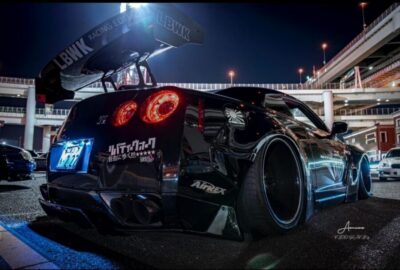 ★ 4.8Secret Car Meet: R34 Skyline Car Club MembershipFrom $236494 reviews
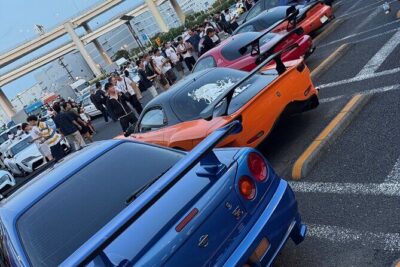 ★ 4.9EVO, WRX, Skyline – JDM Night Run to Daikoku Car MeetFrom $125478 reviews
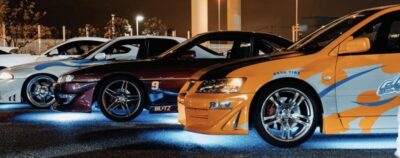 ★ 4.7Tokyo Drift: Daikoku PA Supreme Car Experience 大黒PAFrom $58372 reviews
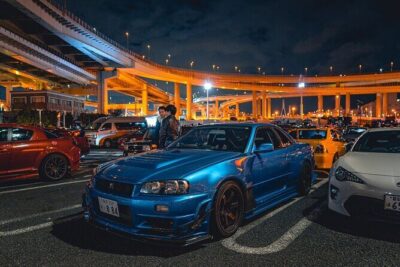 ★ 4.5Daikoku Car Club Temporary MembershipFrom $145275 reviews
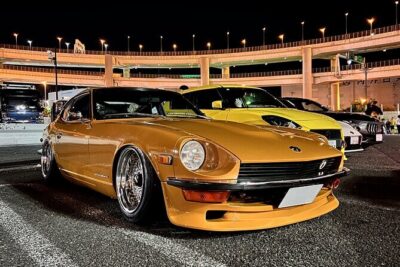 ★ 5.0Daikoku JDM Car Meet & Night Car Culture TourFrom $99232 reviews
Browse the lists this tour appears in