
Reviewed · GUIDED
8-hour Tokyo tour by qualified tour guide using public transport
Tokyo gets easier with a guide.
This 8-hour private tour uses public transport and a government-licensed guide to stitch together classic Tokyo (shrines, temples, gardens) plus big-city sights like Tokyo Tower. I like the way the plan stays flexible, letting you steer the day based on what you care about, and I like the hands-on help with navigating trains and walking without feeling rushed. The one thing to consider: it is a heavy-walking day, and entrance fees for a couple stops plus your transit rides can add cost on top of the price.
You also get real “first-day in Tokyo” value.
With hotel pickup and a mobile ticket, you start moving quickly instead of spending your morning figuring out stations and transfer routes. If you want a day that feels efficient but still relaxed, this is a strong fit.
Just keep your expectations practical.
You’ll cover a lot of ground, and the tour depends on good weather, so pack for sun, wind, or a light drizzle and wear shoes you trust.
In This Review
- Key things I’d focus on before you go
- Why this 8-hour Tokyo tour feels efficient (without feeling rushed)
- Meiji Jingu Shrine: starting with calm and real meaning
- Takeshita Street: pop culture chaos, but with context
- Asakusa and Sensoji: the old Tokyo you can still walk into
- Hama Rikyu Gardens on Tokyo Bay: a calm break with big-city views
- Tokyo Tower from 150 meters: classic skyline, clear reasons to go
- Tsukiji outside market: culture through quick tastes and walking
- Imperial Palace East Gardens and Gaien: history with room to breathe
- Price and what you’re really paying for
- The day’s logistics: pickup, pacing, and walking plans
- Who this tour suits best
- Should you book this Tokyo public-transport private tour?
- FAQ
- How long is the Tokyo tour?
- Does the tour include hotel pickup?
- Is this tour private or shared?
- What does the price include, and what costs extra?
- Do I need to buy tickets for the main sights?
- What happens if the weather is bad?
Key things I’d focus on before you go
- Government-licensed guide who can explain religion, history, and daily Tokyo life in clear English.
- Trains and subways done right: you learn the system as you go, not just where to stand for photos.
- Flexible start and flexible stops based on your interests, so the day doesn’t feel like a fixed checklist.
- A classic Tokyo mix: Meiji Jingu calm, Asakusa old Tokyo, Tokyo Bay gardens, then skyline views.
- Hotel pickup + mobile ticket so the start feels organized.
- Expect serious walking—I’d plan for around 25,000 steps and bring a water bottle.
More days made easy by a guide
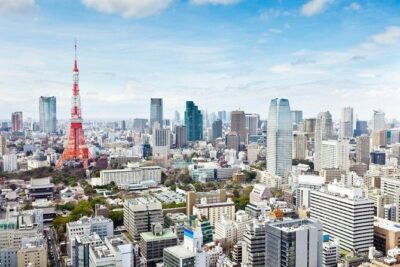
- Tokyo 6hr Private Tour with Government-Licensed Guide★ 5.0 · 3,902 reviews
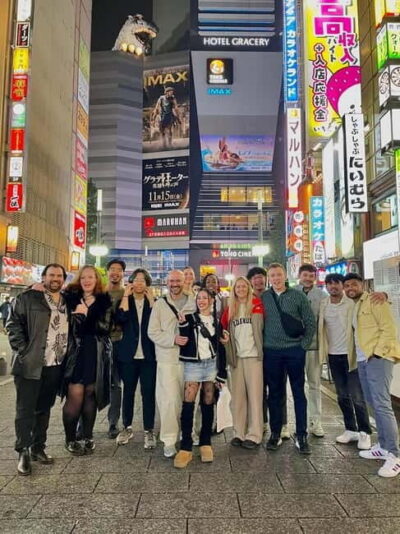
- Tokyo: Shinjuku Local Bar and Izakaya Guided Walking Tour★ 4.9 · 1,794 reviews
- Tokyo: Private City Highlights Tour with Local Guide★ 4.8 · 1,433 reviews
Why this 8-hour Tokyo tour feels efficient (without feeling rushed)
This tour is designed for people who want a lot of Tokyo in one day, but don’t want the chaos of figuring everything out solo. The format is private, meaning it’s just your group with a licensed guide, and you’re using public transport instead of paying for a car. That combination is a big deal in Tokyo, where station navigation can either be a fun challenge or a time sink.
What makes it work well is pacing. You’re not being shoved from stop to stop at full speed. You get set down, explained to, then given a realistic amount of time to walk, look, and take in details. Some stops are quick hits, while others give you room to drift a bit. Even with a packed route, it doesn’t feel like a sprint if your feet are ready for the distance.
Two practical notes you should plan around. First, entrance fees are not fully included—Hama Rikyu Gardens and Tokyo Tower are listed as extra, and you’ll also be responsible for your transit fares. Second, it’s a “good weather” experience, so if Tokyo is rainy or stormy, the plan may shift or you’ll be offered a different date.
Meiji Jingu Shrine: starting with calm and real meaning
You begin at Meiji Jingu, one of Tokyo’s most important shrines. It’s especially tied to the New Year season, with the first days of the year being a major visit time. The shrine is dedicated to the spirits of Meiji Emperor and Shoken Empress, which matters because it changes how you experience the place. You’re not just looking at a pretty entrance—you’re walking through a living part of Japanese belief and tradition.
I like starting here because the setting works like a palate cleanser. Tokyo can go from subway stairs to crowds in minutes. Meiji Jingu slows your pace right away. You also get a sense of why this shrine is popular: it feels intentionally set apart from the city, even though it’s still inside Tokyo’s reach.
Practical tip: go with a bit of patience for foot traffic. This is a top stop, so expect people. Comfortable walking shoes help because even “free” stops still involve moving around.
Takeshita Street: pop culture chaos, but with context
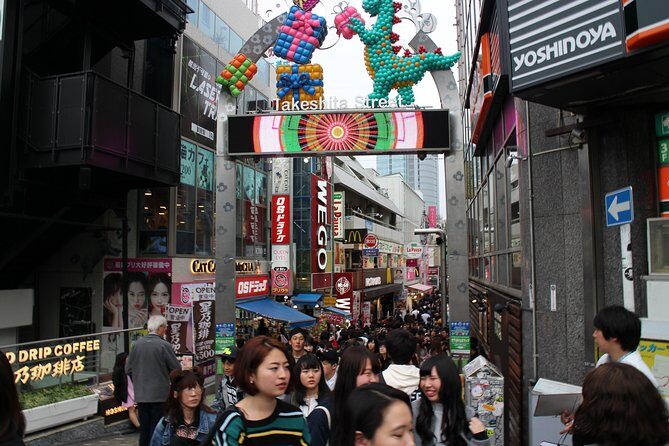
Next comes Takeshita Street, a shopping lane that’s become famous for youth style and tourist-friendly energy. This is where Tokyo turns louder and more visual. If you want to feel modern Japan—bright signs, fashion, snacks, and that fast-moving street vibe—this is the place.
What I like about having a guide here is context. Without it, you can end up just photographing storefronts. With the explanations, you start noticing how this area fits into Tokyo’s broader culture: trends, youth identity, and the tourist lens that grows around it.
This stop is short enough to keep it fun rather than exhausting. You’ll have time to wander, but it’s not a half-day shopping marathon. If your feet are already tired from the morning, that timing matters.
If you dislike crowded shopping streets, treat this as a quick walk-through and focus on a few streetside finds rather than trying to browse everything.
Asakusa and Sensoji: the old Tokyo you can still walk into
Asakusa is one of those neighborhoods where the past feels visible. The main draw is Sensoji Temple, and you get a real sense of why it stays famous. It’s described as the oldest temple in Tokyo, built in 628, and that age shows in how the area is structured for visitors—wide paths, temple grounds, and an atmosphere that invites strolling.
Along the way, Nakamise-dori gives you the classic “walk and snack” experience. It’s known as one of the oldest shopping streets in Japan for this temple area, which means you’re not just killing time—you’re seeing how the temple district evolved into a visitor corridor.
This is also a stop where a guide adds value beyond logistics. You learn what you’re looking at and why it matters, which helps you remember the visit after the photos fade. It’s the difference between seeing a temple and understanding how it functions in daily religious life.
Practical tip: Asakusa can get crowded. Build in time for slow walking and don’t rush to the front gate. If you let yourself linger, you’ll catch more small details in the surrounding streets.





Hama Rikyu Gardens on Tokyo Bay: a calm break with big-city views
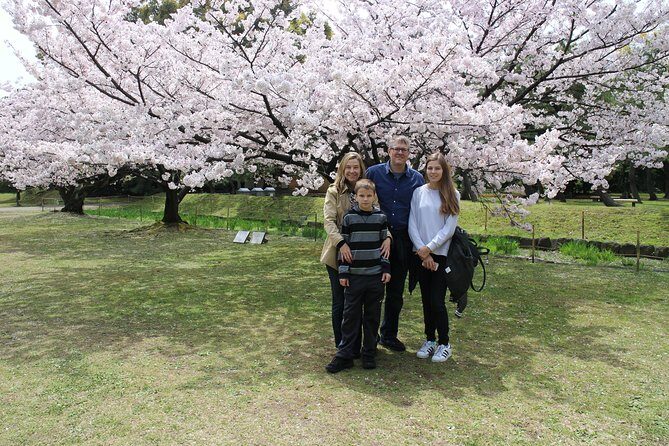
After the busy temple and shopping feel, Hama Rikyu Gardens is a smart contrast. This place is known for its circuit-style Japanese garden layout on Tokyo Bay, with ponds, trees, and bridges that create changing views as you move along the paths.
What makes it special is that it’s not only about tradition. The garden is described as showing a mix of a Buddhist paradise-in-nature feeling alongside visible modern Tokyo. You can even catch classic big-city references like Rainbow Bridge in the wider bay area. That blend is a very Tokyo experience: beauty with context, not beauty in isolation.
Plan on about an hour here. That’s enough time to follow the garden loop, slow down for a few photo angles, and enjoy the water-and-bridge rhythm without feeling trapped for a full half-day.
Important cost note: admission for Hama Rikyu Gardens is listed as not included. Bring a little extra money (or make sure you can pay easily) so you don’t lose time at the ticket window.
Tokyo Tower from 150 meters: classic skyline, clear reasons to go
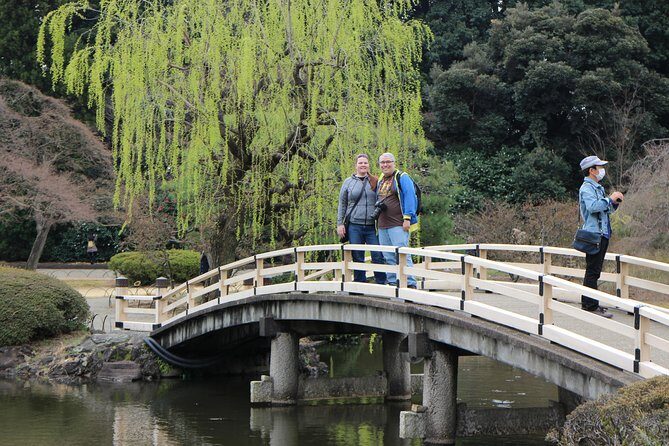
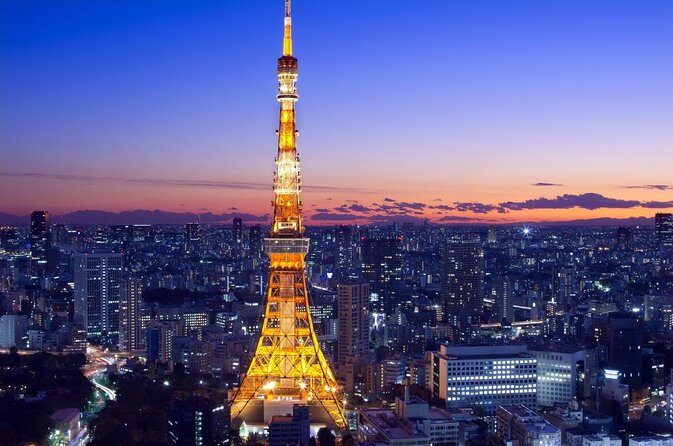
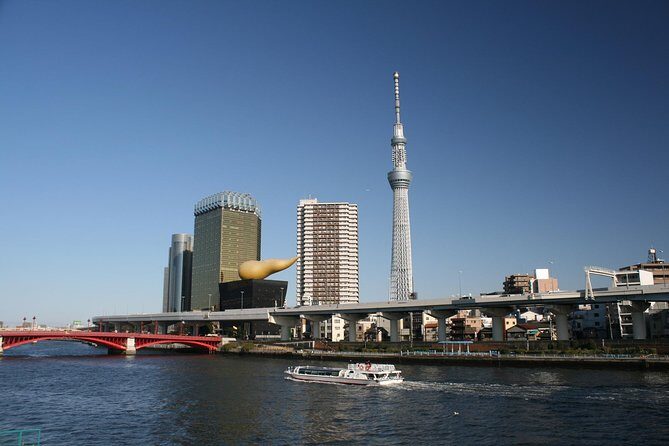
Tokyo Tower is next, and it’s still popular even after Tokyo Skytree took over the “tallest views” spotlight. The key detail to know is that you’re going up to around 150 meters, which should put you in the mood for city-spread photos and skyline perspective.
I like Tokyo Tower as a stop because it feels like a symbol you can recognize instantly. It’s also a good energy reset after a garden: you go from quiet paths to a viewpoint where Tokyo’s scale becomes obvious.
Time-wise, it’s about an hour, which is a practical amount for photos, a view loop, and then heading to the next neighborhood.
Cost note: Tokyo Tower entrance is also listed as not included. If your budget is tight, check whether your preferred viewpoint ticket type matches what you want to spend. Even if you keep it basic, plan extra so you’re not surprised.
Tsukiji outside market: culture through quick tastes and walking
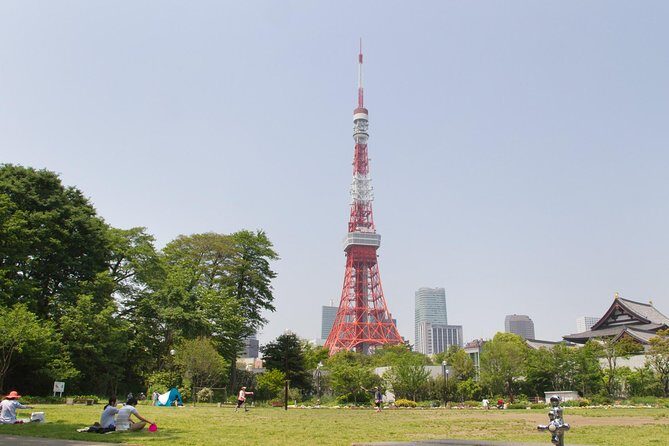
Then you head to Tsukiji, specifically the outside market area for an outside-market tour. This is where you should expect an experience that’s more about movement and atmosphere than museum-style viewing.
Even though it’s called a market, your visit style will likely feel like wandering with purpose. The outside area is all about what’s happening right now—food stalls, busy staff, and visitors snapping photos while trying not to get pulled into one more snack line.
I like this stop because it gives Tokyo’s modern food-culture energy without requiring a formal sit-down lunch. You can keep it flexible: grab something small, taste your way through, then regroup with the guide before moving on.
Admission note: it’s listed as free for the tour portion, which helps keep the day’s costs more predictable.
Imperial Palace East Gardens and Gaien: history with room to breathe
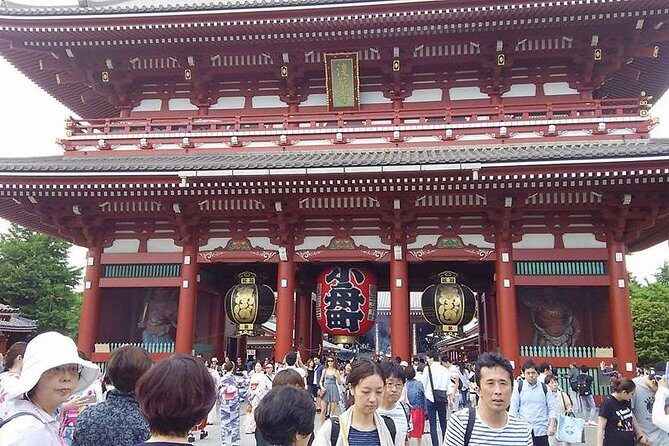
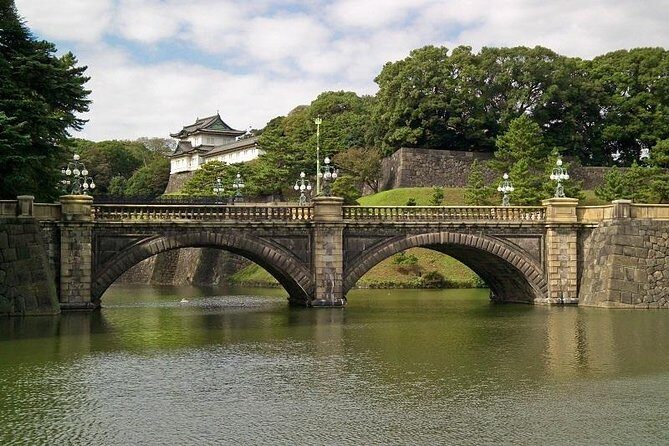
You finish with the Imperial Palace area, focusing on the Eastern Gyoen and Gaien. This part of Tokyo feels different again—less street-level noise and more space. It’s a good closing stop when you’re walking and your brain is starting to feel overloaded.
This section is described as a tour of those areas, and it’s listed as free for admission. That matters because it gives you a major Tokyo landmark experience without paying an extra ticket.
You’ll get about an hour here, which is enough for a calm walk through the grounds and to feel the contrast between the palace space and the rest of the day. For me, this stop turns the tour from “see sights” into “understand Tokyo’s structure”—religious spaces, commercial areas, then a symbolic civic heart.
Price and what you’re really paying for
At $225.36 per person for an approximately 8-hour private tour, you’re mostly paying for one thing: a licensed guide’s time, plus hotel pickup and the convenience of having someone handle the flow of the day.
Here’s the value breakdown in plain terms:
- You get hotel pickup and a private format, which can be worth a lot if you’d otherwise hire multiple taxis or waste time figuring out routes.
- You get a government-licensed guide and English support, plus help using public transport effectively.
- You get several top-name Tokyo stops that don’t all require extra entry fees.
But budget realistically for extras:
- Lunch is not included.
- Entrance fees aren’t included for Hama Rikyu Gardens and Tokyo Tower.
- Transportation expenses for participants are listed as not included. Since the tour uses public transport, expect to pay your own train/subway fares during the day.
So the tour tends to be best value if you want a guided day that reduces planning stress, and you’re comfortable adding a bit for two attractions plus transit and meals.
Also, this is popular—booked on average 74 days in advance. If you’re traveling in a busy season, don’t wait until the last minute.
The day’s logistics: pickup, pacing, and walking plans
Hotel pickup is included, and the tour starts at a flexible time. That means you can often align the day with your other plans, like cruise arrival times or early reservations later in the day.
You also get a mobile ticket, which helps reduce friction at the start. The tour meets near public transportation, so you’re not constantly being dropped somewhere awkward.
Then there’s the big reality check: walking. Based on what I’ve seen people report from this kind of format, it’s not “light strolling.” Expect roughly 25,000 steps—and sometimes more. One couple even logged about 26,000 steps on a similar day. That doesn’t mean the tour is hard, but it does mean you should treat it like a workout.
My advice:
- Wear broken-in shoes with good grip.
- Bring water.
- If you have a lower stamina level, ask about a shortened course. The route is customizable to match stamina, and that’s where you can protect your enjoyment.
Who this tour suits best
This experience fits best if you:
- Want a first-day in Tokyo plan that covers major areas without you guessing routes.
- Like history, religion, and cultural context, but also want modern Tokyo contrast.
- Enjoy walking and can handle a long day.
- Value a guide who can explain what you’re seeing and help with the subway system.
It’s less ideal if you:
- Want minimal walking or lots of indoor time.
- Have a tight budget that can’t handle extra entrance fees and transit fares.
- Are traveling during persistently bad weather and don’t want a plan that depends on conditions.
Should you book this Tokyo public-transport private tour?
Yes, if you want a guided day that helps you actually function in Tokyo, not just check off landmarks. The strongest reasons to book are simple: you get a government-licensed guide, you learn the public transport rhythm, and the route balances shrine calm, street energy, garden breathing space, and skyline payoff.
I’d say skip it only if walking 25,000-plus steps would ruin your trip, or if you strongly prefer a fully inclusive price where you don’t pay any extra for entrances and transit.
FAQ
How long is the Tokyo tour?
It runs for about 8 hours.
Does the tour include hotel pickup?
Yes. Hotel pickup is included.
Is this tour private or shared?
It’s private. Only your group participates.
What does the price include, and what costs extra?
The price includes the guide fee and hotel pickup. Lunch, entrance fees (including Hama Rikyu Gardens and Tokyo Tower), and transportation expenses for participants are not included.
Do I need to buy tickets for the main sights?
Admission is listed as free for several stops (like Meiji Jingu, Takeshita Street, Asakusa/Sensoji area, Tsukiji outside market tour, and the Imperial Palace East Garden/Gaien tour). Entrance fees are listed as not included for Hama Rikyu Gardens and Tokyo Tower.
What happens if the weather is bad?
The experience requires good weather. If it’s canceled due to poor weather, you’ll be offered a different date or a full refund.
Easier with a Guide

More Tours in Tokyo

More Tour Reviews in Tokyo



Fresh reviews from around Tokyo






Guided, compared.
 ★ 5.0Tokyo 6hr Private Tour with Government-Licensed GuideFrom $1553,902 reviews
 ★ 4.9Shinjuku Local Bar and Izakaya Guided Walking TourFrom $341,794 reviews
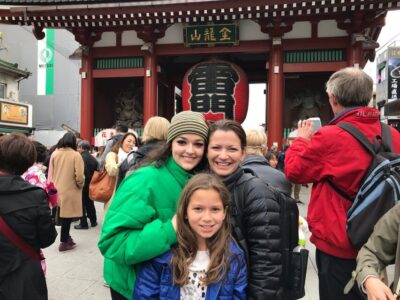 ★ 4.8Private City Highlights Tour with Local GuideFrom $1061,433 reviews
 ★ 4.9Tsukiji Fish Market Guided Walking TourFrom $221,397 reviews
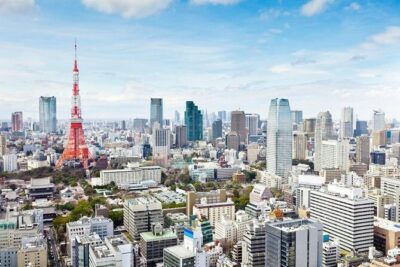 ★ 5.0Tokyo 4hr Private Tour with Government-Licensed GuideFrom $1091,394 reviews
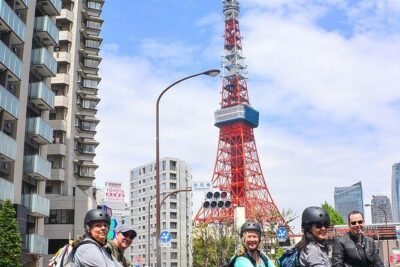 ★ 5.0Tokyo Guided Small-Group Biking TourFrom $1061,250 reviews
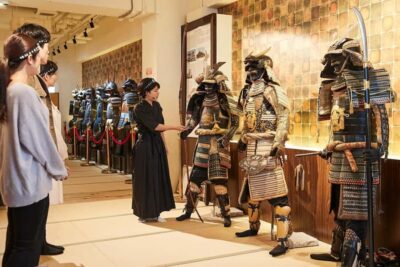 ★ 4.6Samurai Ninja Museum Guided tour and ExperienceFrom $271,010 reviews
 ★ 5.0Tsukiji Fish Market Guided Tour and Sushi Making with Pro ChefFrom $104775 reviews