
Reviewed · PRIVATE
10-Day Private Tour with more than 60 Attractions in Japan
Ten days, one smooth road plan. This private tour is built for first-timers who want big-name sights without the stress of trains, transfers, or self-driving. You start in Shinjuku at 7:00am and ride in a private air-conditioned vehicle with pickup offered, so the day stays moving.
I especially like the human touch from the guide—multiple groups highlight Newton as cheerful and story-focused, not just a driver who drops you off. I also like that you can steer the pace, since entry fees and hotel choices are extra and the route can be adjusted if traffic or long waits get ugly.
The main thing to watch is cost creep: a lot of the best-known stops have separate ticket fees, and the days run about 10 hours including commuting, so bring the right energy.
In This Review
- Key points that make this tour work
- A private Tokyo-to-Kobe route with real logistics handled
- Price and value: what $9,000 per group really buys
- Your 7:00am start and the rhythm of 10-hour days
- Day 1 in Tokyo: Tsukiji, temples, and modern icons without the hassle
- Day 2: Kamakura temples plus Yokohama’s waterfront
- Day 3: Mt. Fuji viewpoints that keep your eyes busy
- Day 4: Hakone’s shrine, lake, and the sulfur drama of Owakudani
- Day 5 in Nikko: Toshogu and waterfalls in a packed natural-cultural day
- Days 6 and 7 in Kyoto: temples, gates, gardens, and Gion at night
- Day 6 Kyoto highlights
- Day 7 Kyoto highlights
- Day 8 in Osaka: castles, markets, canal energy, and teamLab after dark
- Day 9 in Nara: deer, big temple halls, and a slower day
- Day 10 in Kobe: waterfalls, shrines, Chinatown, and mountain views
- How the guide changes the tour: Newton’s impact
- What costs extra, and how to pick wisely
- Should you book this 10-Day Private Tour?
- FAQ
- How many people is the private group limited to?
- Where does the tour start and what time does it begin?
- Where does the tour end?
- Are tickets included for major attractions like Skytree and teamLab?
- Does the tour include transportation and pickup?
- Is the itinerary fixed, or can stops change?
- What happens if the weather is bad?
Key points that make this tour work
- Private car, not train-hopping: you avoid long transfers and sit back through commuting time.
- Guide Newton’s style: cheerful, attentive, and full of stories that connect places to real life.
- 60+ major sights across Tokyo, Nikko, Fuji, Hakone, Kyoto, Osaka, Nara, Kobe: one route, many “first time here” highlights.
- Entry tickets add up: you’ll pay separately for big draws like Skytree, teamLab, Kinkaku-ji, and more.
- Flexible routing: stops can be skipped to avoid traffic or long lines.
- Mobile tickets: helpful for entry timing on the days you choose paid attractions.
More private options with your own guide
- Tokyo 6hr Private Tour with Government-Licensed Guide★ 5.0 · 3,902 reviews
- Private Tour to Mt. Fuji and Hakone (Fully Licenced Operator)★ 5.0 · 1,910 reviews
- Tokyo Customized Private Tour (Must See Places in 1 Day)★ 5.0 · 1,499 reviews
A private Tokyo-to-Kobe route with real logistics handled
This is the kind of trip design that saves your trip instead of spending it. Japan can be amazing, but the hardest part for many people is moving between regions efficiently. Here, you’re not building a DIY schedule for Tokyo, Nikko, Hakone, Mt. Fuji, Kyoto, Osaka, Nara, and then finishing in Kobe. You’re following a driver and a plan.
That matters most on day-to-day travel days. You get an itinerary with meaningful stops, but you’re also protected from the small chaos that can derail a first trip: wrong train platform, closed entrance at a temple, rain timing, or a “we can’t wait in line that long” moment.
Price and value: what $9,000 per group really buys
The tour price is $9,000.00 per group (up to 5 people). That’s not “cheap,” but it can be good value if you’re traveling as a family or small group and want a private car across long distances.
Here’s the simple math:
- If you’re 5 in the car, it’s about $1,800 per person for 10 days.
- If you’re 2, it’s about $4,500 per person.
What you’re paying for is not just sightseeing. You’re paying for private transportation, an air-conditioned vehicle, fuel/parking/tolls, and the time saved by not coordinating long-distance public transport daily. Bottled water is included, too.
What is not included is a chunk of admissions. Some are small, like 200–500 yen temple/shrine fees, and some are bigger (for example, Tokyo Skytree and teamLab Planets TOKYO). So budget for tickets even if many stops are free.
Your 7:00am start and the rhythm of 10-hour days
Most days are about 10 hours including commuting time. That’s long, but it’s also how you fit Tokyo + Nikko + Fuji + Kyoto + Osaka + Nara + Kobe into one trip. This tour is best if you like a structured schedule and you don’t mind moving each day.
A smart way to survive this rhythm:
- Keep breakfast simple and early.
- Wear layers. You’ll bounce between morning shade and daytime heat depending on the season.
- Treat paid attractions as “selective.” Some days have multiple optional ticket stops, so choose with your group’s interests in mind.
Also note the plan isn’t carved in stone. There’s a real possibility to change the itinerary or skip stops due to traffic congestion or to avoid long waiting time in crowded areas.
Day 1 in Tokyo: Tsukiji, temples, and modern icons without the hassle
Day 1 is a classic Tokyo sampler with enough variety to get your bearings fast.
- Tsukiji Fish Market (free): The best part is the energy. This isn’t just a photo stop; it’s a window into how food culture shapes Tokyo. Arrive ready to walk and snack if you feel like it.
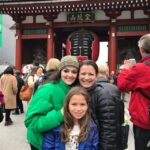
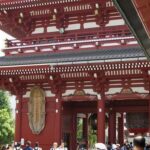
- Senso-ji Temple in Asakusa (free): Tokyo’s oldest religious building vibe hits hard here. Go slow at the grounds and enjoy how the surrounding streets feel like old Tokyo mixed with modern crowds.
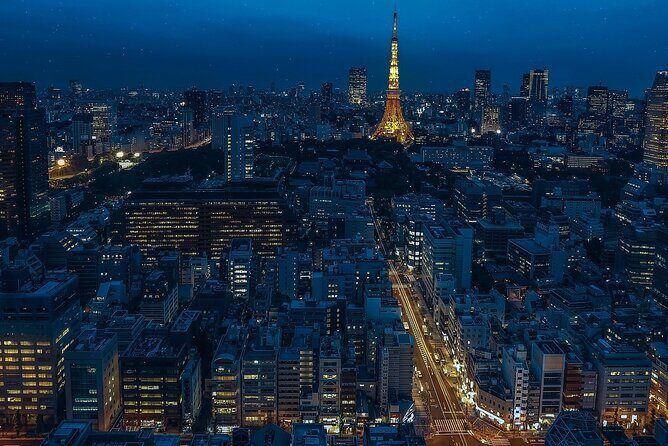
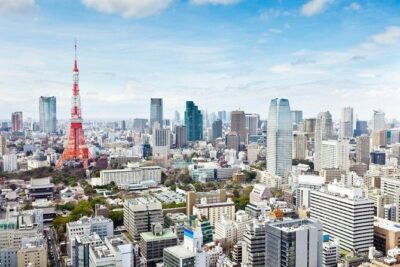
- Tokyo Skytree (paid): If you want skyline views, this is your big vertical moment. It’s 1 hour in the schedule, but it’s not included, so decide early if the view is worth it for your group.
- Imperial Palace East Garden (free): A calmer counterpoint to the city chaos. It’s a nice way to see how “old power” sits inside modern Tokyo.
- Akihabara (free): Electronics and anime culture, from tiny shops to bigger complexes like Yodobashi Multimedia Akiba. If that’s your thing, this slot can feel like instant fun.
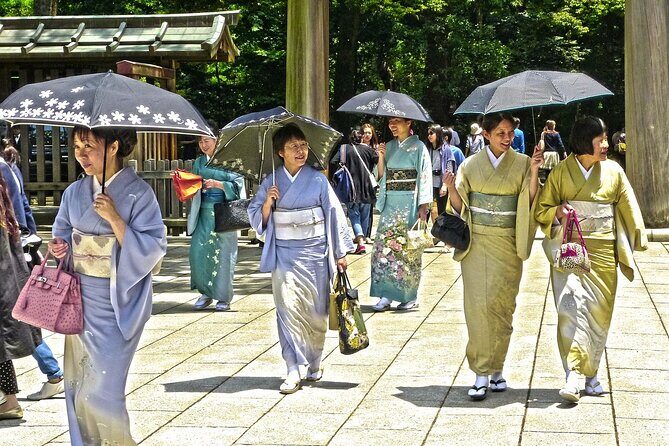
- Meiji Jingu (free): Forested Shinto shrine atmosphere right in the city. This is one of the best “reset” stops after dense shopping streets.
- Shibuya Crossing (free) + Takeshita Street (free): You get the famous intersection and the youth-fashion-sweets strip close together, so you can decide how long you want to linger at each.
- teamLab Planets TOKYO (paid): This is the immersive art payoff, but it’s scheduled only if time allows and tickets are not included.
By the end of day 1, you’ll likely feel like you’ve seen Tokyo from both ends: spiritual Tokyo, pop Tokyo, and “look up” Tokyo.




Day 2: Kamakura temples plus Yokohama’s waterfront
Day 2 shifts you out of central Tokyo and into places with a different pace.
- Hokoku-ji (Bamboo Temple) (paid): Even if you’re not a temple person, bamboo gardens are one of those places where you feel the mood shift.
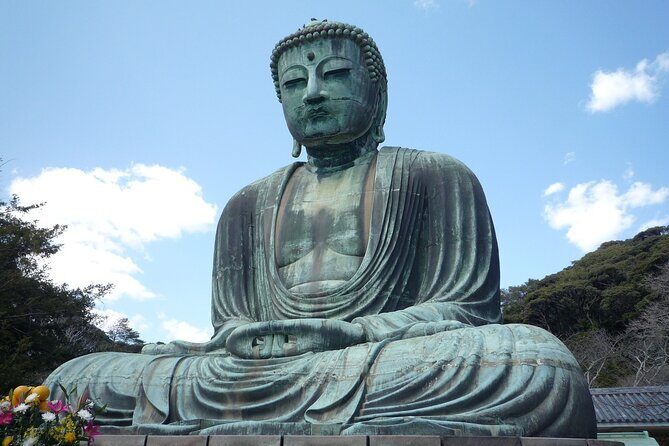
- Hase-dera (paid) + Great Buddha (Kotoku-in) (paid): This is where you get classic Kamakura: Buddhist sites and iconic statues. Expect a lot of walking in a compact area.
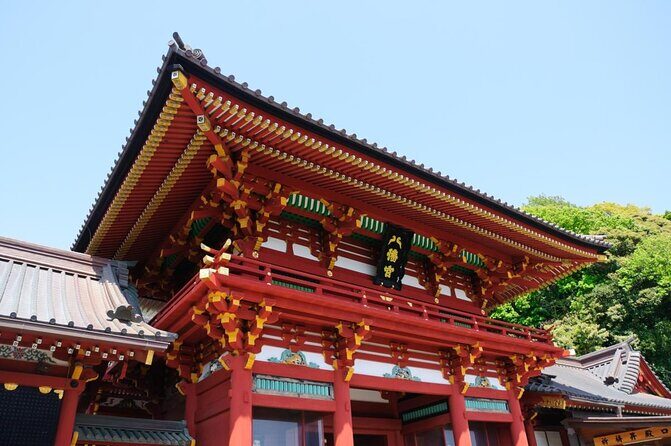
- Tsurugaoka Hachimangu (paid): An important shrine and festival hub. The ponds and grounds help it feel more “lived in” than just scenic.
- Kamakura Komachidori (free): The shopping lane works well as a break. You can grab sweets or souvenirs without committing to another ticketed attraction.
- Yokohama Chinatown (free): Food and street energy. It also gives your trip an international feel without leaving Japan.
- Sankeien Gardens and Minatomirai: Both are optional in the schedule depending on time. If your group loves gardens, Sankeien fits. If you want modern views, Minatomirai makes a good closer.
This day is ideal if you want variety: old religion sites in the morning, then a more playful city vibe by the afternoon.
Day 3: Mt. Fuji viewpoints that keep your eyes busy
Day 3 is built around the Fuji Five Lakes area, with several viewpoints so you’re not relying on just one photo angle.
- Oshino Hakkai (free): Eight spring sites tied to Mt. Fuji’s aquifer water. This is a scenic pause that feels grounded in nature and local life.
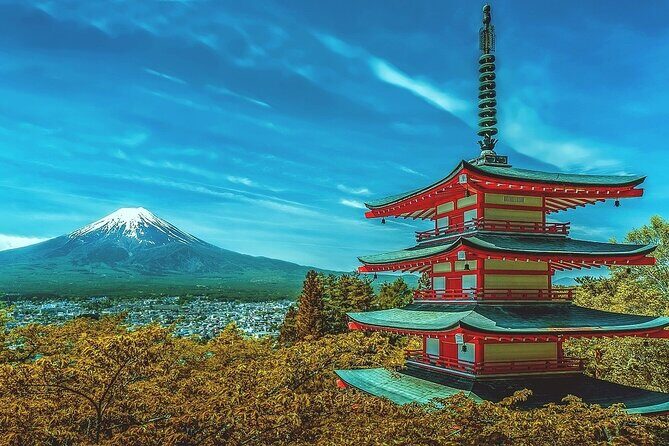
- Chureito Pagoda (free): The iconic pagoda-and-Fuji scene. Even when clouds move in, this area often still gives you a good composition.
- Lake Kawaguchiko (free): Your base moment for Fuji-lake views and the classic resort town feel.
- Mt. Fuji Panoramic Ropeway (paid): If you want a view change without heavy hiking, this helps. It’s not included.
- Oishi Park (free): One of the known best “Fuji-in-frame” spots. Great for photos, and it’s a quick stop that still feels worth it.
- Saiko Iyashi no Sato Nemba (paid): A step into an old-village feel with thatched-roof character.
- Arakura Fuji Sengen Shrine (free): Scenic park with panoramic views and seasonal potential like cherry blossoms.
- Mt. Fuji 5th Station (paid, listed as 2,100 yen per group): This is the big-ticket “reach higher” moment.
- Gotemba (free): A breather stop related to tea-growing in the region, plus shopping time.
Tip for choosing paid stops here: if you already love walking and views, you might skip one paid viewpoint. If your group wants less effort, prioritize the ropeway and the 5th Station.
Day 4: Hakone’s shrine, lake, and the sulfur drama of Owakudani
Hakone is where your trip gets more “Japan in layers”—shrines, caldera geography, and volcanic weirdness.
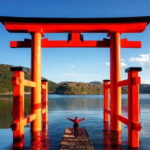
- Hakone Shrine / Kuzuryu Shrine (paid): Forested buildings at the lake edge. It’s a calm start before you move into the views.
- Lake Ashinoko (paid, also tied to optional cruise listed): This is a strong mid-day reset spot if the weather is good.
- Hakone Ropeway (paid): This is often the easiest way to get Hakone’s dramatic terrain without a long climb. It’s listed as not included.
- Owakudani Valley: Kuro-tamago black eggs are part of the sulfur-zone experience. The schedule says the stop is free here.
- Gora Park (paid): A western-style hillside botanical garden vibe, plus tea-house feel if you want to slow down.
- Hakone Open-Air Museum (paid): Sculpture outdoors, with views around it. This is for people who like art but also want nature nearby.
Hakone is a good day if you want a mixture of “spiritual + geological.” Just remember: fog and clouds can change how much you see, and this tour does require good weather.
Day 5 in Nikko: Toshogu and waterfalls in a packed natural-cultural day
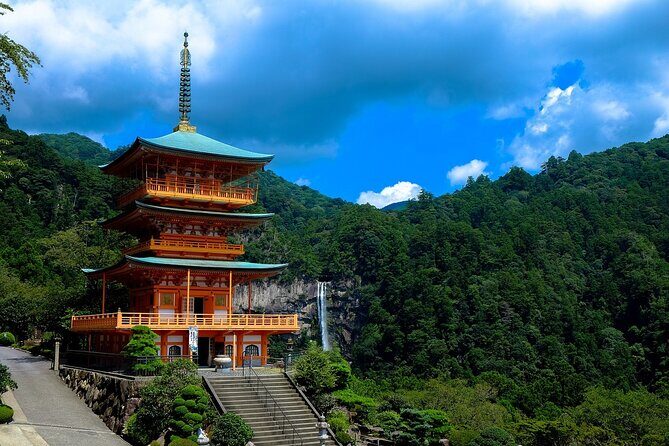
Nikko is often the day that feels most dramatic—ornate shrine architecture paired with forest and waterfall scenery.
- Toshogu Shrine (paid): This is the big one. The schedule emphasizes its colorful buildings and elaborate carvings. If your group loves craftsmanship, give it time.
- Shinkyo Bridge (free): One of Nikko’s signature bridge sights. It’s worth slowing down even if your schedule is tight.
- Nikko Jizo statues like Narabi Jizo (free): It’s a different kind of stop. These small guardian figures add a human, everyday feeling to the day.
- Nikko Tamozawa Imperial Villa Memorial Park (paid): Edo/Meiji/Taisho architectural styling. This is a more “quiet interest” stop if you like how eras overlap.
- Akechidaira Observation Area (paid): Built for views of Kegon Falls, Lake Chuzenji, and Mt. Nantai.
- Kegon Falls (paid): The waterfall payoff. Even in a rushed schedule, it’s a classic “stop and look” moment.
- Lake Chuzenji (free): The Sea of Happiness name fits the mood. It’s a calmer ending to a visually intense day.
This day is a strong choice for first-timers because it mixes famous culture with real nature.
Days 6 and 7 in Kyoto: temples, gates, gardens, and Gion at night
Kyoto here is done the smart way: you get the headline shrines and also the “wander” parts.
Day 6 Kyoto highlights
- Kiyomizu-dera (paid): A major temple stop. You’ll appreciate it more if you plan to take your time around the grounds, even if your group moves fast.
- Sanjūsangen-dō (paid): The long hall and the sheer scale of the place make it memorable.
- Yasaka Shrine (free): A good pause and a cultural anchor for the Gion area later.
- Nishiki Market (free): Shopping and snacks. It’s a practical stop because you can eat in small amounts without needing a formal plan.
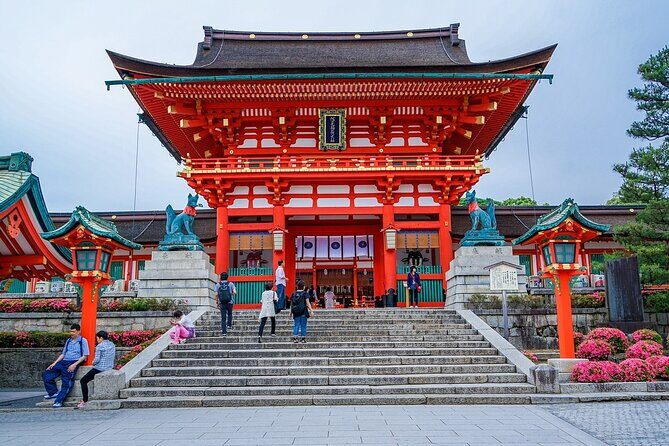
- Fushimi Inari-taisha (free): The orange torii gate tunnels are one of Kyoto’s most iconic experiences. It’s free, but it’s also walking-heavy—bring comfortable shoes.
- Nijo Castle (paid): The castle adds a historical angle with palace-style interiors and gardens in the complex.
Day 7 Kyoto highlights
- Kinkaku-ji (Golden Pavilion) (paid): Gold-leaf style capped with Mirror Pond reflections. Give your eyes a moment.
- Arashiyama Bamboo Forest (free): Fast, atmospheric, and very photo-driven. Go early or be ready for crowds.
- Tenryuji (paid): UNESCO-linked and tied to Zen gardens.
- Arashiyama Observation Deck (paid) and Arashiyama Kimono Forest (free): These give you viewpoints and a quick cultural shopping/strolling break.
- Monkey Park Iwatayama (paid): A more energetic stop if your group doesn’t mind a climb.
- Gion (free) with a night walk: This is the most “feel Kyoto” part. A night stroll helps the district feel less like a checklist.
If you want Kyoto to feel like a place, not just stops, nights like this are where you’ll remember it most.
Day 8 in Osaka: castles, markets, canal energy, and teamLab after dark
Osaka is where the tour shifts from historic calm to big-city fun.
- Osaka Castle (paid): A landmark with a full stop dedicated to it. If your group likes castles and strong viewpoints, this matters.
- Shitennoji (paid) + Sumiyoshi Taisha (free): You get religious history in two different directions—good balance between ticketed and free.
- teamLab Botanical Garden Osaka (paid): Interactive light-and-garden style. It can be a great “end the day with wow” choice, especially if you like modern art.
- Kuromon Market (free): Street-food and fresh-produce energy. This is a practical place for lunch or a late snack.
- Dotonbori (free): Canal-side neon, food signs, and a night vibe that’s hard to miss.
Osaka day works best for groups who like eating while sight-seeing. Even if you don’t shop, the markets and street atmosphere give you texture.
Day 9 in Nara: deer, big temple halls, and a slower day
Nara is your gentler day, though the temples can still be a lot of walking.
- Nigatsu-dō (Todai-ji) (paid): Part of the larger Todai-ji complex. The schedule lists a structured stop here.
- Kofuku-ji (paid): Formerly one of the powerful Seven Great Temples. The scale of the grounds gives you a sense of how important Nara was.
- Nara Park (free): Deer roaming around is the star. This is one of the easiest “everyone will enjoy something here” stops.
- Sanjo-dori Street (free): A boulevard that helps you connect sights without feeling trapped.
- Isuien Garden and Neiraku Museum (paid): A museum-and-garden pairing, good for a slower pace and indoor breaks if the weather turns.
Nara is where you can breathe. If you’ve been pushing hard since Tokyo, this day helps reset your pace.
Day 10 in Kobe: waterfalls, shrines, Chinatown, and mountain views
Your final day shifts you to Kobe’s coastal and hillside mix.
- Nunobiki Falls (free): Near downtown and a “divine falls” type stop in Japanese culture and art.
- Ikuta Shrine (free): One of Japan’s older shrines, with historic forest atmosphere.
- Kobe Chinatown (Nankin-machi) (free): A major tourist neighborhood with food and street life. This gives you a final round of non-Japanese temple vibes before the trip ends.
- Rokko Cable Car (free for time listed, but mount Rokko cable car is listed as paid one-way): The cable car is tied to Mount Rokko views.
- Weathercock House (kazamidori no yakata / Former Thomas House) (paid): A Western-style historic home stop, useful if you like architectural variety.
The tour ends in Kobe, with the last-day drop-off flexible: you can be left in Kobe, Kyoto, Nara, or Osaka depending on what you want.
How the guide changes the tour: Newton’s impact
The strongest repeated praise in the reviews is about Newton. People describe him as cheerful, knowledgeable, and actively keeping the group together even on hot days. One review even calls out that the car’s air-conditioning made an extreme heat day manageable.
That matters because private tours succeed on details: pace, timing, and whether you get explanations that make the stops click. If your group wants history + stories (not just a list of photos), this tour’s guide style is one of its biggest strengths.
What costs extra, and how to pick wisely
Many stops are free, but the ticket list is long. Some of the bigger paid items you’ll see include:
- Tokyo: Tokyo Skytree and teamLab Planets TOKYO
- Fuji region: ropeway, Saiko Iyashi no Sato Nemba, and Mt. Fuji 5th Station
- Hakone: Hakone Open-Air Museum, Hakone Ropeway, and Owaku-dani area options like lake cruise (900 yen)
- Nikko: Nikko Tosho-gu and Kegon Falls viewpoints
- Kyoto: Kiyomizu-dera, Sanjūsangen-dō, Nijo Castle, Kinkaku-ji, and more
- Osaka: teamLab Botanical Garden Osaka
- Nara: Todai-ji Nigatsu-dō and Kofuku-ji
- Kobe: Mount Rokko cable car one-way and Weathercock House
My practical advice: treat the free stops as “guarantees” and the paid ones as “choose based on your group.” For example:
- If your group loves iconic skyline views, Skytree and ropeways matter.
- If you prefer hands-on culture and walking, you can prioritize temple halls and torii gates and skip one museum-like ticket.
- If you’re traveling with kids or anyone who gets tired fast, consider limiting paid walking-heavy stops.
Should you book this 10-Day Private Tour?
Book it if you want a private, air-conditioned car plan that hits Tokyo, Nikko, Mt. Fuji, Hakone, Kyoto, Osaka, Nara, and Kobe without you juggling trains and reservations every day. It’s especially good for groups up to 5 who want guide-led storytelling and a clear route.
Skip it—or at least adjust expectations—if you hate paying separate admissions or if you want a slow, loose trip. The schedule is packed, the days are about 10 hours with commuting, and outdoor viewpoints can shift with weather.
If you’re okay with that trade-off, this tour is a strong way to see a lot of Japan in one coherent journey.
FAQ
How many people is the private group limited to?
The tour is priced per group up to 5 people, and it’s a private tour where only your group participates.
Where does the tour start and what time does it begin?
It starts in Shinjuku, Tokyo, with a 7:00am start time.
Where does the tour end?
The tour ends in Kobe. On the last day, the provider says they can drop customers in Kobe, Kyoto, Nara, or Osaka.
Are tickets included for major attractions like Skytree and teamLab?
No. Tokyo Skytree and both teamLab entries listed are not included, along with many other temple and museum admissions. The tour notes specific fees per attraction.
Does the tour include transportation and pickup?
Yes. Pickup is offered, and you get private transportation in an air-conditioned vehicle, plus bottled water. Fuel, parking, and toll charges are included.
Is the itinerary fixed, or can stops change?
The provider states there’s a possibility to change the itinerary, including skipping stops, due to traffic congestion or to avoid long waiting times in crowded situations.
What happens if the weather is bad?
The experience requires good weather. If it’s canceled due to poor weather, you’ll be offered a different date or a full refund.
If you want, tell me how many people are in your group and what season you’re going. I can help you pick which of the paid highlights are most worth it for your style and energy level.
Just Your Group: Private Options

More Tours in Tokyo

More Tour Reviews in Tokyo



Fresh reviews from around Tokyo






Private, compared.
 ★ 5.0Tokyo 6hr Private Tour with Government-Licensed GuideFrom $1553,902 reviews
 ★ 5.0Private Tour to Mt. Fuji and Hakone (Fully Licenced Operator)From $4971,910 reviews
 ★ 5.0Tokyo Customized Private Tour (Must See Places in 1 Day)From $1451,499 reviews
 ★ 4.9Mount Fuji Full-Day Private Tour from Tokyo (Customizable)From $3931,470 reviews
 ★ 4.8Private City Highlights Tour with Local GuideFrom $1061,433 reviews
 ★ 5.0Private Custom Tour: Tokyo in a DayFrom $1591,432 reviews
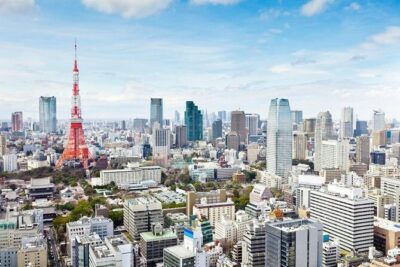 ★ 5.0Tokyo 4hr Private Tour with Government-Licensed GuideFrom $1091,394 reviews
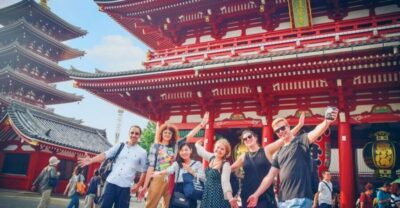 ★ 5.0Tokyo Customized Private Tour: See Top Attractions in 1 DayFrom $1451,351 reviews