
Reviewed · JDM DRIFT CAR EXPERIENCES
【R34】Tokyo:Private Daikoku tour in Modified R34
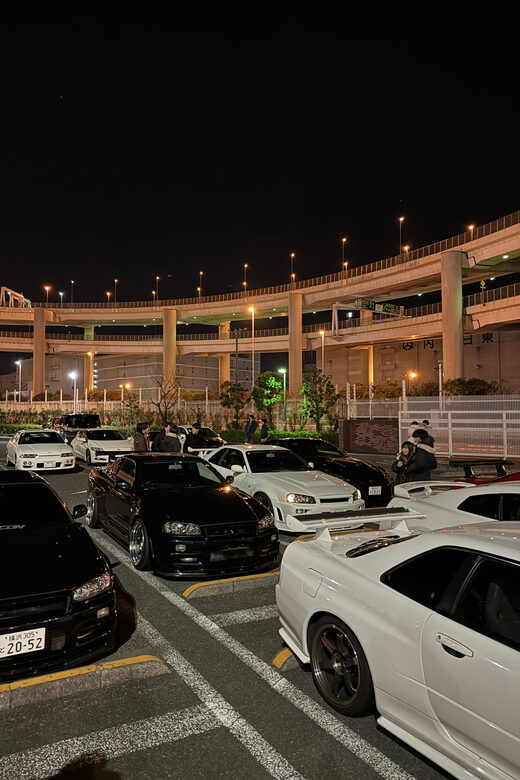
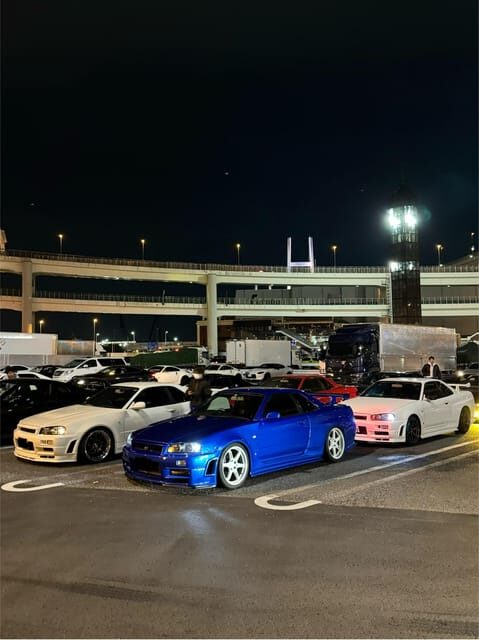
One of Japan’s coolest car scenes runs at night. This private Modified R34 Daikoku PA tour is built around Japan’s underground automotive culture, with owner-level guides and a real chance to experience Tokyo the way car people do. You ride in an R34 with a guide who actually lives this scene, then you spend focused time at Daikoku Parking Area.
I especially love that this is an owner-guided experience, not just a driver who drops you off. Seeing how guides like Tatsuya, Aya, Haruto, and Nori talk about their cars makes the stops feel personal, not like a checklist. I also love the pacing: you get a short break and photo time at Autobacs Shinonome, then a full one-hour block at Daikoku, before the ride wraps with a quick Rainbow Bridge pass.
One consideration: this is a thrill-based, road-time experience, so it’s not ideal if you’re traveling with very young kids, you need wheelchair access, or you want long sightseeing walks. Also, it’s a private tour for up to three, so the per-person value depends on how you split the group cost.
In This Review
- Key things I’d circle before you book
- Owner-led R34 culture: why this tour feels different
- Meeting up in Tokyo: the start matters more than you think
- Autobacs Shinonome stop: what you can actually do there
- Daikoku Parking Area: the hour that makes or breaks the night
- Rainbow Bridge pass: the photo finish and the Tokyo contrast
- What the driving experience is really like in an R34
- Timing: when you book affects the lineup and the energy
- Price and value: is $406 per group worth it?
- Who should book this R34 Daikoku tour
- Practical tips to make your night smoother
- Should you book the Modified R34 Daikoku private tour?
- FAQ
- How long is the Private Daikoku tour in a Modified R34?
- Is the R34 ride guaranteed on this tour?
- Where do you stop during the tour?
- Is food or drinks included?
- What’s included in the price?
- What languages do the guides speak?
- Who is this tour not suitable for?
Key things I’d circle before you book
- You ride an R34 only (this specific plan is for R34), with “might” moments depending on timing
- Guides are actual R34 owners, so the talk is car-nerd real, not scripted
- Autobacs Shinonome stop gives you car-shop energy plus photo time before Daikoku
- Daikoku PA gets its own hour, which is the difference between seeing it and actually enjoying it
- Rainbow Bridge is the quick finale, perfect for night views and photos
- Schedules vary by day, so you’ll want to match your booking time to the vibe you want
More horsepower: other JDM and drift experiences
- GT-R35 800hp Club Membership – secret underground car meet★ 4.8 · 998 reviews
- Secret Car Meet: R34 Skyline Car Club Membership★ 4.8 · 494 reviews
- Tokyo Drift: Daikoku PA Supreme Car Experience 大黒PA★ 4.7 · 372 reviews
Owner-led R34 culture: why this tour feels different
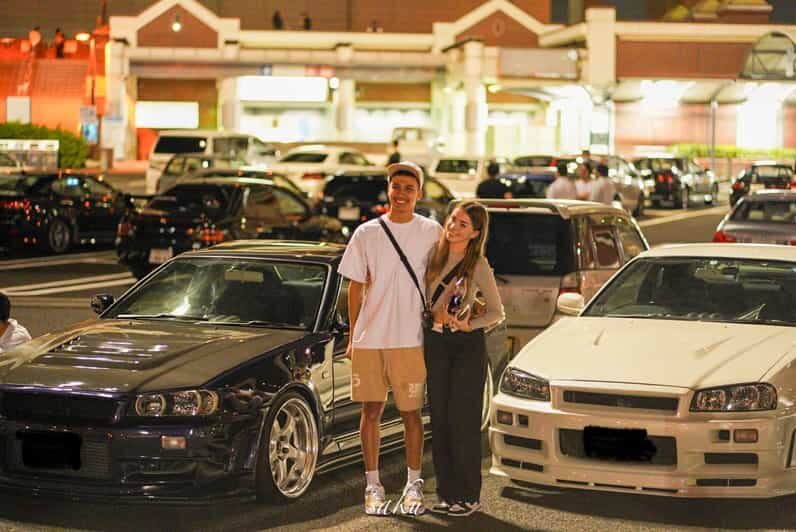
This tour works because it’s guided by people who are part of the scene, not people borrowing a microphone. You’ll be with an English/Japanese live guide who’s also an R34 owner, and that matters the moment you start talking cars. In the same way that a great local food guide adds meaning to a neighborhood, these owner-guides add meaning to Daikoku and the meet culture around it.
Another smart thing: the experience is structured like a car night out. You’re not stuck on a bus doing “look-and-go” stops. Instead, you join the guide in their private vehicle, follow local routing in full compliance with Japanese traffic laws, and spend your time where the cars and the atmosphere actually are.
If you’re a car person, you’ll probably appreciate the “crew” feeling too. Multiple guides are described as traveling with friends who are also car-focused, and that shows in how the group moves between locations—more like a meet-and-ride than a standard sightseeing outing.
Meeting up in Tokyo: the start matters more than you think
Pickup is handled in the Tokyo area, and the tour is private—so you don’t wait around with strangers. You’ll meet in Tokyo, then the night shifts into car-mode quickly.
The first real stop is Autobacs Shinonome, which works as a buffer. Think of it as the moment your brain stops being a tourist and starts being a car-spotter. You get a break plus photo time, and there’s time for shopping and sightseeing in the area. The walk here is about 30 minutes, so you can roam without losing the thread of the schedule.
Practical tip: if you want photos, this early stop is where you get your setup done. Lighting is easier than at some later meet points, and you’ll have time to reposition for shots before you’re dealing with denser crowds at Daikoku.
Autobacs Shinonome stop: what you can actually do there
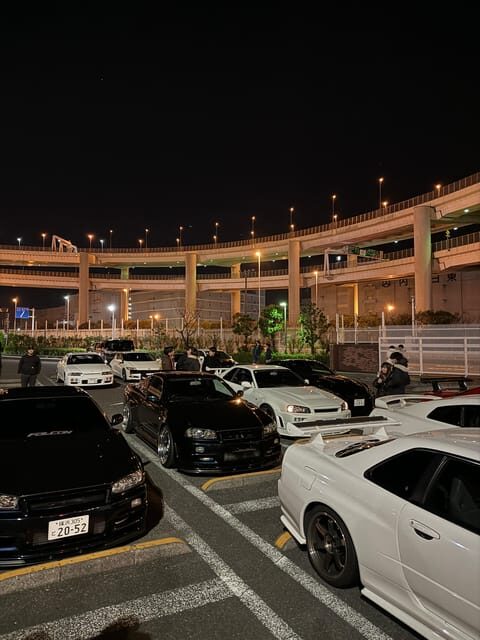
This isn’t just a quick photo pull-over. You’ll have a planned stretch for:
- car viewing and photos
- a break to reset
- free time with light shopping and sightseeing
Autobacs is a car-accessory institution in Japan, so even if you’re not buying anything, it’s a good place to feel the culture. It also acts like a warm-up for the bigger scene later. When you arrive at Daikoku, you’re already in the mindset to look closely: lineups, colors, wheels, body kits, and all the details that don’t show up in videos.
If you’re traveling with someone who isn’t as car-obsessed, this stop usually helps. It’s more than just cars on display—it’s also retail and atmosphere, so there’s something to do even if they’re not headfirst into JDM technical talk.
Daikoku Parking Area: the hour that makes or breaks the night
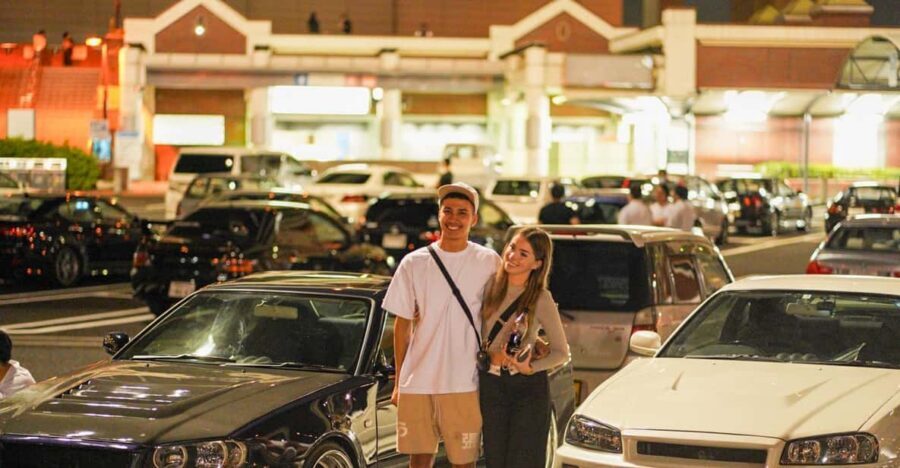
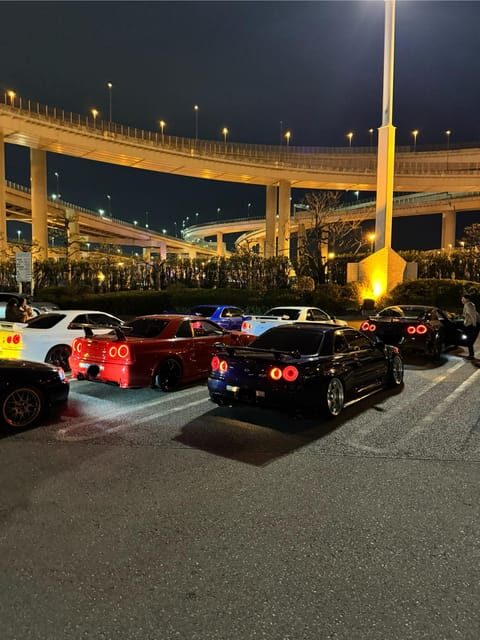
Daikoku Parking Area is the heart of this experience. You’ll arrive, take your break, and then get about one full hour on site. That hour is key. Short stops can feel rushed and exhausting; a real block of time lets you walk, look, and take photos without feeling like you’re sprinting.
Here’s how to get the most out of that hour:
- Start by doing a slow perimeter walk first, so you know where the biggest car clusters are
- Save your best photo angles for later—your first pass is for orientation
- Don’t only look at the obvious cars. Watch for the smaller details: stance, exhaust tips, and interior bits you might miss at speed
Daikoku is also where you can feel the mix of people. The whole point is the gathering—some nights are smoother, some are more crowded, and on public holidays it can get busy enough that your meeting time may shift earlier. If your goal is maximum car density and night energy, picking the right time matters.
One more practical note: the tours are designed around real-life variability. There’s an example of the plan shifting to another parking area when Daikoku wasn’t available, so you’re not guaranteed the exact same scene every night. The upside is that you’re still getting the “parking area car culture” experience rather than losing the whole trip to a closed door.
More private options with your own guide
Rainbow Bridge pass: the photo finish and the Tokyo contrast
After Daikoku, the ride heads toward Rainbow Bridge. It’s a short stop—about one minute—but it’s placed for a reason. Night views from this kind of Tokyo waterfront corridor give you a clean contrast: car-culture intensity on one side, city light scenery on the other.
In practice, you’ll want to treat this part like a quick photo window, not a sightseeing tour. If you want to maximize your result, be ready when you arrive—phone charged, camera set, and you know which direction you want to shoot.
Then it’s back to Tokyo.
What the driving experience is really like in an R34
The “thrill” part is real, but the tour isn’t about reckless driving. The driving is described as compliant with Japanese traffic laws, and safety shows up in the way guides talk and operate. Many guides are praised specifically for how smooth the ride feels—people repeatedly mention feeling comfortable and safe.
You might also catch how guide styles vary:
- Some guides keep things polished and smooth while still fun
- Others lean into the convoy feeling, where you’re part of a group moving between spots
Either way, you should expect an experience closer to a car-night out than a typical taxi ride. It’s a private group ride, and the plan is designed so you’re not trapped in traffic for hours with nothing happening.
Rain can happen too. One guide offered help with an umbrella when conditions got wet, which tells you the crew is thinking about “make the best of it” logistics on the fly.
Timing: when you book affects the lineup and the energy
This tour runs on specific schedule windows:
- Monday to Thursday starting around 7:30
- Friday to Sunday around 5:00 to 5:30
- Public holidays can mean earlier meeting times due to crowd levels
- Sunday morning tours have also been added
- There’s also a Umihotaru Parking Tour on weekend evenings at 9:30pm
Why you should care: Tokyo’s car culture is time-dependent. At night, the scene leans toward the late-night vibe—more “meet and ride” energy. In daytime variations, you might see more vintage Japanese cars and supercars, according to the tour’s own notes, which can feel like a different flavor of the same obsession.
If your dream is a classic Daikoku night atmosphere, you’ll generally want the evening window. If you’re more flexible and want something less chaotic, consider the other tour timing options.
Price and value: is $406 per group worth it?
The price is $406 per group up to 3, for a total duration around 150 to 210 minutes. That sounds steep if you’re thinking like a museum ticket shopper. But car culture tours like this are priced for something different: access plus time plus the guide’s real ownership experience.
Here’s what you’re buying for the money:
- Private vehicle time with an R34 owner-guide
- Interpretation and local guidance (not just navigation)
- Time at the key locations: Autobacs stop, one hour at Daikoku, and the Rainbow Bridge photo window
- The ride framework with tolls and gasoline handled, based on the tour info
Also, this is “guidance and interpretation,” not a paid transport service. That distinction matters. If you only wanted transportation, Tokyo has plenty of options. If you want the social context—why people gather, what to look for, how the scene works—then the guide role becomes part of the product.
Value also improves if you’re traveling in a small group of three. If you’re only one person, the price feels more painful, but the experience can still be a once-in-a-lifetime highlight, especially if an R34 is a lifelong dream.
Who should book this R34 Daikoku tour
You’ll likely love this if:
- you want the R34 experience specifically
- you like Japanese car culture more than generic sightseeing
- you enjoy photo-heavy evenings and convoy-style road time
- you’re okay with a focused itinerary rather than a long list of tourist stops
You might want to skip it if:
- you’re traveling with kids under 5 (and the tour notes it’s not suitable for under 8 as well)
- you need wheelchair access
- you have height/age constraints (the tour lists limits like under 3 ft / 90 cm and excludes very old age groups)
- you don’t like thrill-driving vibes even when they’re within traffic rules
For couples: it’s a great “shared dream” night. For families with older teens: it can be a huge payoff, and a number of car-loving group stories include parents and sons. Just keep in mind the stated child suitability limits.
Practical tips to make your night smoother
Bring the right mindset: this is a car scene tour, so your best results come from acting like you belong there for a few hours.
A few practical pointers:
- Wear shoes you can walk in comfortably. Daikoku’s lineup viewing rewards wandering.
- Charge your devices early. The best shots often happen at the busiest stops.
- If you don’t read Japanese, don’t stress. Guides communicate in English and Japanese, and even non-Japanese speakers are described as able to connect with the guide through support and translation.
- Keep expectations realistic about timing at crowded spots on holidays. The tour can shift meeting times if Daikoku gets too busy.
Also, remember the tour is private and guided. You don’t need to rush between stops. Let the guide set the pace.
Should you book the Modified R34 Daikoku private tour?
If you’re chasing an R34-specific Tokyo night and you want owner-led guidance at the exact places car people talk about, I think this is an easy yes. The structure hits the right targets: Autobacs warm-up, Daikoku PA for real viewing time, and a Tokyo skyline photo finish.
If you’re mainly looking for classic tourist sights, or you’re traveling with accessibility or young-child constraints, you’ll be better off choosing a standard sightseeing tour. But for JDM fans, especially anyone who’s dreamed about R34 noises and night convoy energy, this is the kind of experience that actually feels like access—not just sightseeing.
FAQ
How long is the Private Daikoku tour in a Modified R34?
It runs about 150 to 210 minutes, depending on the schedule and conditions that night.
Is the R34 ride guaranteed on this tour?
This plan is for an R34 experience. The tour notes that if timing is right, you might be able to ride a GTR, but if you want to ride a GTR for sure, they suggest booking the GTR plan instead.
Where do you stop during the tour?
You’ll start with pickup in Tokyo, then go to Autobacs Shinonome, spend time at Daikoku Parking Area, pass by Rainbow Bridge, and return to Tokyo.
Is food or drinks included?
No. Drink and food prices are not included, so you’ll want to plan your own.
What’s included in the price?
The tour includes hotel pickup and drop-off in the Tokyo area. The experience also covers guidance/interpretation and the tour is described as paying for expenses like tollways and gasoline.
What languages do the guides speak?
The live guide speaks English and Japanese.
Who is this tour not suitable for?
The tour lists restrictions including children under 5 (and also under 8), wheelchair users, babies under 1 year, people over 95 years, and children under 3 ft (90 cm). It also states no bikes, no alcohol and drugs, and no baby carriages.
More Tours in Tokyo


More Tour Reviews in Tokyo




For the Petrolheads: More JDM Days
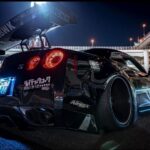
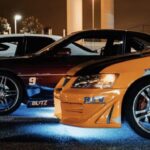
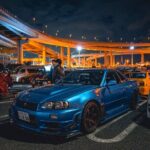
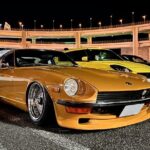
Fresh reviews from around Tokyo






JDM Drift Car Experiences, compared.
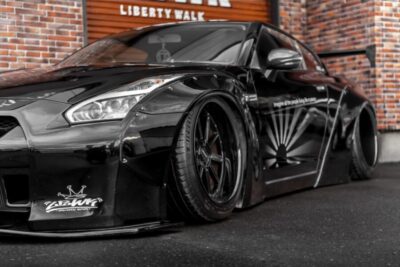 ★ 4.8GT-R35 800hp Club Membership – secret underground car meetFrom $205998 reviews
 ★ 4.8Fast & Furious Tokyo Drift 3 Experience (Kaila Yu SP)From $157947 reviews
Daikoku JDM Car Meet & Night Car Culture TourFrom $98626 reviews
★ 4.8Fast & Furious Tokyo Drift 3 Experience (Kaila Yu SP)From $157947 reviews
Daikoku JDM Car Meet & Night Car Culture TourFrom $98626 reviews
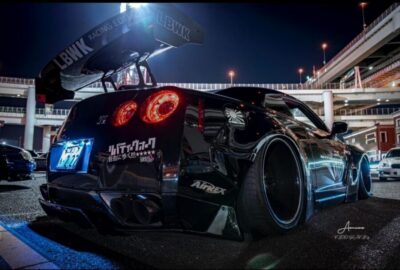 ★ 4.8Secret Car Meet: R34 Skyline Car Club MembershipFrom $236494 reviews
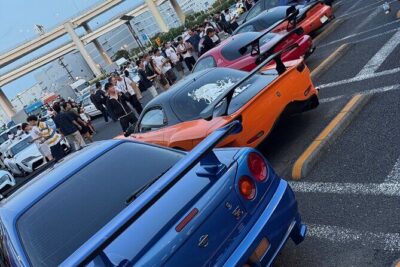 ★ 4.9EVO, WRX, Skyline – JDM Night Run to Daikoku Car MeetFrom $125478 reviews
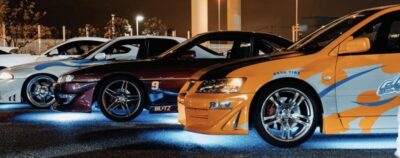 ★ 4.7Tokyo Drift: Daikoku PA Supreme Car Experience 大黒PAFrom $58372 reviews
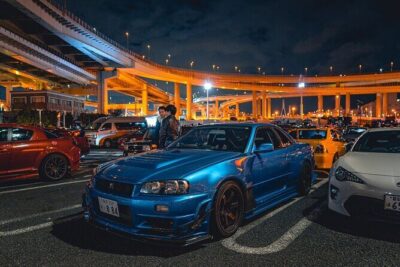 ★ 4.5Daikoku Car Club Temporary MembershipFrom $145275 reviews
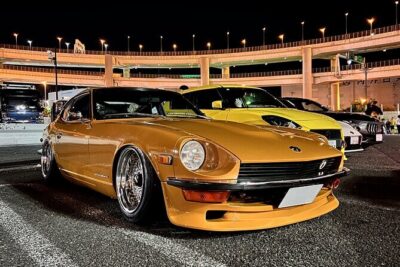 ★ 5.0Daikoku JDM Car Meet & Night Car Culture TourFrom $99232 reviews
Browse the lists this tour appears in