
Reviewed · TOURS
Tokyo’s Scariest Shitamachi Ghost Tour
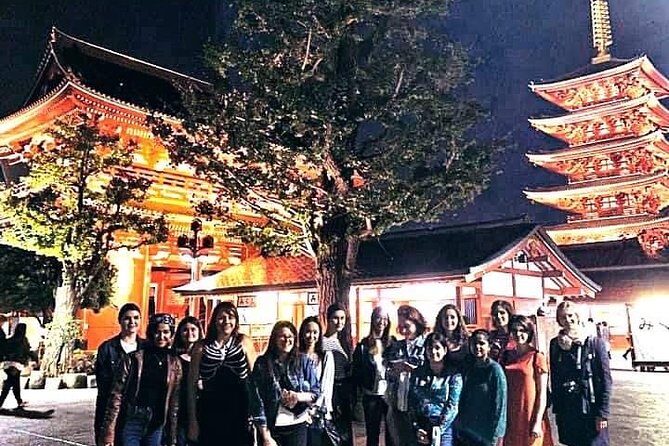
Tokyo gets genuinely eerie after dark.
This small-group Shitamachi ghost walk mixes spooky folklore with real neighborhood history, taking you through Tokyo corners that don’t show up on the typical checklist. I like that it’s built for conversation at night, and I also like that the tour includes one local snack so you’re not hunting food mid-route.
Two things I especially like: you get maximum 8 people, so you can actually hear the story details and ask questions, and the route centers on specific places tied to shrine and temple beliefs. The guides I’ve heard praised by name—Joris, Maik, Frank, Melissa, and Haruka—tend to keep the mood creepy without turning it into a lecture.
One thing to weigh before you book: this isn’t a nonstop, jump-scare style horror tour. The “ghost” theme leans heavily into grim death tales and cultural explanations, plus you’ll do a lot of walking, so pack for the hike.
In This Review
- Key things to know before you go
- Price and time: is $114.95 worth a nighttime ghost walk?
- Meeting at Tokyo Station at 6:00 pm and how you’ll get around
- Otemachi shrine stop: why people avoid turning their backs
- Minamisenju at night: tragic worship sites and reported paranormal activity
- Asakusa route: Sensoji, temple streets, Old Hag’s Pond, and Kappabashi
- The guides behind the chills: Joris, Maik, Frank/Mike, Melissa, and Haruka
- How scary is it, really? Grim folklore versus full horror
- The walking reality: what your body should expect
- Who should book Tokyo’s Scariest Shitamachi Ghost Tour?
- Should you book this ghost tour or pass?
- FAQ
- How long is the Tokyo’s Shitamachi Ghost Tour?
- How big is the group?
- Is the tour family-friendly?
- What’s included, and do I pay extra for transportation?
- Where do we meet and where does the tour end?
- Are there any admission fees during the stops?
Key things to know before you go
- Max 8 travelers means a more personal pace and better story time
- 6:00 pm start and an evening route around dinner makes the included snack a big plus
- Public transport costs extra (bring cash; it’s about 400 yen per person)
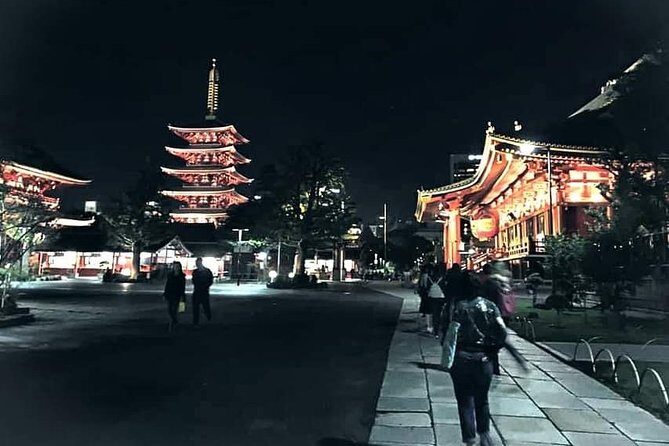
- Three core areas: Otemachi, Minamisenju, then Asakusa’s Sensoji area and nearby streets
- Guides matter: the tour is often praised for English, humor, and story delivery (Joris, Maik, Frank/Mike, Melissa, Haruka)
- Comfortable shoes are non-negotiable on this walking-heavy evening plan
Before you commit, see how this one stacks up against a few Tokyo favourites:
- Mt Fuji and Hakone 1-Day Bus Tour Return by Bullet Train★ 5.0 · 26,383 reviews
- 1-Day Tokyo Bus Tour★ 5.0 · 14,250 reviews
- Tokyo: teamLab Planets TOKYO Digital Art Museum Entry Ticket★ 4.6 · 9,779 reviews
Price and time: is $114.95 worth a nighttime ghost walk?
At $114.95 per person, this tour sits in the higher range for a city walk, but you’re not just paying for movement—you’re paying for a guided story route with free admission stops, an included evening snack, and a group limited to 8 travelers. For many people, that combination adds up to good value in Tokyo, where a “great guide” can change how you see an area.
The scheduled time is about 3 hours, but plan your energy for more walking than a casual stroll. Some people clock a heavy step count on this kind of after-dark route, and the itinerary is designed as a connected walk between neighborhoods and sights.
If you like spooky stories but also want meaningful context—why a shrine matters, why a place feels unlucky, why certain directions and behaviors are taken seriously—this price makes more sense. If you only want supernatural set pieces every 10 minutes, you may feel the experience is more folklore-and-history than full-on haunting.
Meeting at Tokyo Station at 6:00 pm and how you’ll get around
The tour starts at Yamato Transport Tokyo Station, Marunouchi North Exit Baggage Service Counter at 6:00 pm. It ends in Asakusa (near 1-chōme-2-35), with the guide able to drop you near a restaurant/bar or at the metro station entrance.
One practical note: public transportation fees aren’t included. You’ll need cash for transit during the tour—expect around 400 yen per person. That’s a small add-on, but it’s also the easiest way to keep the evening smooth: arrive ready with coins and bills so you’re not scrambling mid-walk.
You’ll also use a mobile ticket, and the tour runs as a group experience. Since it’s near public transportation, you shouldn’t struggle to reach the meeting point—but give yourself time to find the exact spot inside Tokyo Station’s big maze.
Otemachi shrine stop: why people avoid turning their backs
The first stop is Otemachi, where your guide takes you to a shrine connected to a vengeful spirit story. The key detail here is behavior: people working in the surrounding office area still don’t want to turn their backs toward the shrine. That’s the kind of local belief detail that makes these tours feel real, not staged.
This is also a short, focused stop—about 20 minutes—so treat it like a story ignition point. You’re not there to “see a landmark.” You’re there to learn the belief that shapes how the space is treated even in a modern work district.
Admission is listed as free for the stop, so you’re not burning your schedule on ticket lines. The goal is fast atmosphere: a little unease, a little meaning, then you move on.
Minamisenju at night: tragic worship sites and reported paranormal activity
Next comes Minamisenju, where you’ll visit several points tied to two separate places of worship with tragic history and many reports of paranormal activity. The tour time at this section is about 40 minutes, which is enough to connect the dots between the tragedy, the local memory, and the stories people attach to the area.
What makes Minamisenju worthwhile on a ghost tour is that the supernatural elements are presented alongside cultural and historical reasons. You’re not just hearing “it’s haunted.” You’re learning what kind of event or grief sits behind why people interpret strange feelings in a certain way.
This stop often works well for first-timers because it adds Tokyo texture beyond the postcard sights. Minamisenju is the kind of neighborhood you can pass through in daylight and never fully understand—at night, it snaps into focus.





Asakusa route: Sensoji, temple streets, Old Hag’s Pond, and Kappabashi
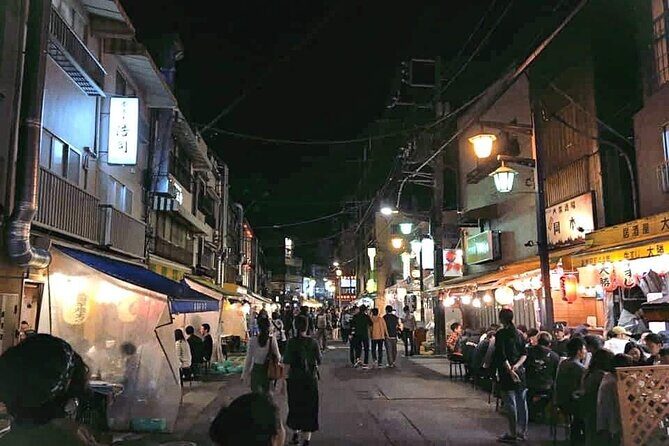
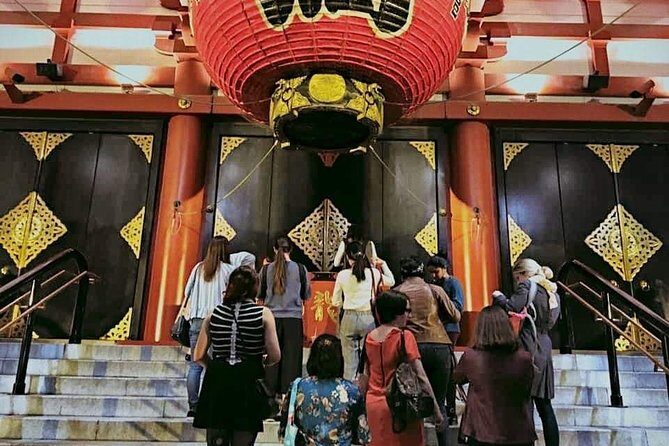
The big closer is Asakusa, with about 1 hour 20 minutes devoted to a cluster of well-known and lesser-noticed spots. You’ll move through the area guided to a viewpoint, then to Sensoji temple, and out along the streets surrounding it.
From there, you’ll also visit the area around Old Hag’s Pond, plus Kappabashi (the kitchenware street area). This mix is one reason the tour feels satisfying even when the haunting level varies: you get the classic Asakusa “night walk” energy plus specific story-linked points that turn the usual sightseeing route into something more personal and slightly unsettling.
If you come for ghosts only, Asakusa can feel like a contrast—because it’s also very much a real living district with shops and temple crowds later in the evening. But that tension can be part of the charm: Tokyo’s old beliefs still sit next to normal city life.
Also, keep in mind that this portion includes more walking than sitting. Many people recommend sneakers here for a reason.
The guides behind the chills: Joris, Maik, Frank/Mike, Melissa, and Haruka
The experience stands or falls on guide performance, and this one gets praised for that. Names that show up in the strongest feedback include Joris, Maik, Frank (also listed as Mike in at least one account), Melissa, and Haruka. The common thread is clear English, good pacing, and humor that keeps the tone from going flat.
A few guide strengths you can expect from this kind of delivery style:
- Story structure: you’re not just handed a spooky tale; it’s explained in context
- Engagement: guides ask questions and keep conversation flowing
- Comfort checks: some guides are noted for making sure you’re comfortable during the hike
- Extra help: one guide is described as following up after the tour with links to places discussed
If you’re booking for the atmosphere, that matters. In Tokyo, plenty of tours can show you places. Fewer tours make those places feel like you’re standing inside a story.
How scary is it, really? Grim folklore versus full horror
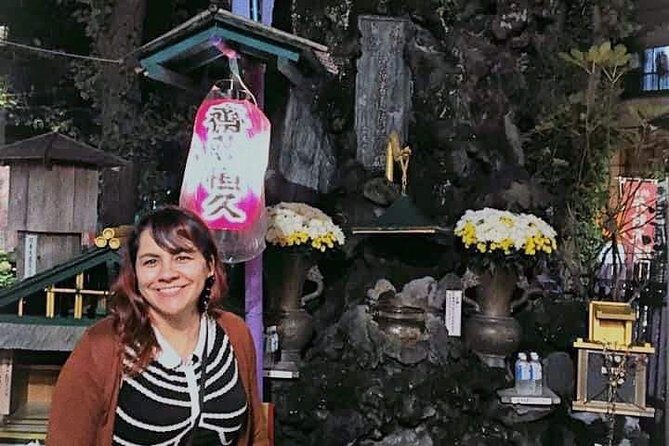
Here’s the honest read: this tour often lands in a “spooky but thoughtful” space. Some people want the supernatural to be nonstop, but the tour theme frequently turns into grim death and folklore with cultural meaning—especially around shrine and temple beliefs.
That works for “ghouls and history” types. If you enjoy stories about what people feared, why certain places were treated carefully, and how communities acted to protect themselves, you’ll probably find it genuinely creepy. It’s less about monsters and more about the uneasy weight of tradition and memory.
Still, there’s a mismatch risk if you expect a modern horror show. If your idea of a ghost tour includes frequent spectral encounters and lots of supernatural action, you may wish the title promised a higher ghost-to-history ratio.
A useful way to decide: go into this expecting spirit-lore explained by locals, not a scare-ride. You’ll likely have a better time with the tour’s exact flavor.
The walking reality: what your body should expect

This is a walking tour, and not the short “see three spots” kind. The route strings together multiple neighborhoods and sight clusters, and the timing includes enough movement that comfortable shoes aren’t a suggestion—they’re a requirement.
I’d also plan food timing carefully. Since it’s an evening tour around dinner time and you get only one local snack during the walk, you’ll feel better if you eat beforehand. If you wait until you’re hungry, the tour can turn from fun to cranky.
If you bring a family, the tour can be family-friendly, but be mindful: some stories may feel dark for younger audiences. This is the type of tour where age-appropriateness depends on your kid’s comfort with unsettling topics.
Who should book Tokyo’s Scariest Shitamachi Ghost Tour?
This is a great fit if you:
- love Tokyo history and want it tied to real neighborhoods
- enjoy folklore and shrine/temple beliefs more than “jump” scares
- want a small-group evening activity that feels like a local conversation
- want off-the-main-sight scenes (Otemachi’s shrine lore, Minamisenju’s tragic worship stories)
- are comfortable walking through Asakusa at night to reach story-linked spots
It’s less ideal if you:
- want non-stop supernatural action every segment
- hate long walks or need frequent breaks
- expect the tour to function like a dinner plan (it isn’t that)
Should you book this ghost tour or pass?
Book it if you want a Tokyo evening that’s equal parts storytelling, folklore, and specific neighborhood atmosphere. The value is strongest when you appreciate guided context and you’re ready for a walking route that ends in the Asakusa action.
Pass or consider a different style tour if you’re chasing pure horror energy. This one is scary in a cultural way—through beliefs, tragic history, and places that still feel serious after dark. If that’s your kind of spooky, you’ll probably have a memorable night.
FAQ
How long is the Tokyo’s Shitamachi Ghost Tour?
The tour runs for about 3 hours (approx.).
How big is the group?
The tour has a maximum of 8 travelers, which keeps it small-group and gives you more chance for interaction.
Is the tour family-friendly?
It can be family-friendly, though some stories may be dark for younger audiences.
What’s included, and do I pay extra for transportation?
You’ll receive snacks (one local snack during the evening). Public transportation fees are not included; bring cash for transit, around 400 yen per person.
Where do we meet and where does the tour end?
You meet at Yamato Transport Tokyo Station Marunouchi North Exit Baggage Service Counter. The tour ends in Asakusa, and the guide can drop you near a restaurant/bar or at the metro station entrance.
Are there any admission fees during the stops?
The tour’s stops list admission as free for the sites visited during the itinerary.
More Tours in Tokyo


More Tour Reviews in Tokyo



Fresh reviews from around Tokyo






Tours, compared.
 ★ 5.0Shinjuku Food Tour (13 Dishes at 4 Local Eateries)From $866,603 reviews
 ★ 4.4Tokyo Mt Fuji 5th St & Hakone Cruise Bus Tour w/Bullet TrainFrom $1545,024 reviews
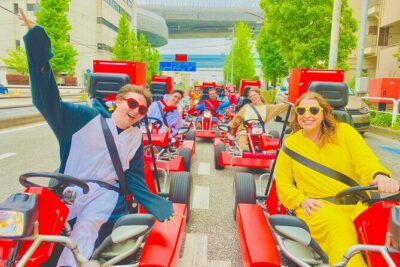 ★ 5.0Flagship 2-Hours Official Street Go-Kart Tour – Tokyo Bay ShopFrom $644,974 reviews
 ★ 4.7Mt. Fuji Tour, Hakone Ropeway, Owakudani, Lake AshiFrom $544,002 reviews
 ★ 5.0Tokyo 6hr Private Tour with Government-Licensed GuideFrom $1553,902 reviews
 ★ 5.0Tokyo Bar Hopping Tour in Shinjuku (All-You-Can-Drink + Dinner)From $1063,587 reviews
 ★ 5.0Tokyo Tsukiji Fish Market Food and Culture Walking TourFrom $993,184 reviews
 ★ 4.9Shinjuku Food Tour (15 Dishes and 4 Eateries)From $852,033 reviews