
Reviewed · NIKKO DAY TRIPS
Tokyo: Toshogu Shrine (Nikko Toshogu), Lake Chuzenji, Kegon Falls
Nikko hits hard in one day. You’ll see Nikko Toshogu Shrine and then ride up to high views over Lake Chuzenji, with a famous waterfall at the end. This trip is built for sightseeing lovers who want big scenery without switching hotels, and it moves efficiently between major stops around Nikko’s mountains.
Two things I like a lot: first, the shrine itself, with the Tokugawa Ieyasu connection and the carved gates that make you pause and look closer. Second, the view math: you get a dedicated observation stop at Akechipingira/Akechidaira (with a cable car hop) and then you get Lake Chuzenji’s seasonal photo spots right after. One drawback to consider is that the organization can feel stressful if you’re not good at finding your group quickly—there’s been feedback about difficulty identifying the guide in a crowded morning.
In This Review
- Quick Highlights Before You Go
- Nikko in a Single Day: What This Trip Really Delivers
- Entering Nikko Toshogu Shrine: Tokugawa Ieyasu’s Magnificent Gatework
- A quick reality check: crowds and timing
- Iroha Mountain Road: 48 Turns, Classic Nikko Road Views
- Akechipingira/Akechidaira Observation Deck: High Views With a Cable Car Shortcut
- If you want photos that don’t feel like a scramble
- Lake Chuzenji: Japan’s Highest Natural Lake and Its Four-Season Face
- Kegon Falls: The 99-Meter Waterfall Stop That’s Easy to Love
- Best practical tip: dress for quick weather swings
- Price and Logistics: Why $105.99 Can Still Feel Worth It
- The group size helps, but it doesn’t erase crowds
- Finding Your Group: The One Thing to Get Right Early
- Luggage, Time, and a Smooth Day Plan
- What to carry
- Who This Tour Fits Best (and Who Might Want a Different Plan)
- Should You Book This Nikko Day Trip?
- FAQ
- What are the main stops on this tour?
- How long is the tour?
- How much does the tour cost?
- What days does the tour depart?
- Is a mobile ticket used?
- Are admission tickets included?
- Do you ride a cable car at the observation area?
- How much time do you have at Kegon Falls and Lake Chuzenji?
- Is lunch included?
- What about luggage?
- Is cancellation free?
Quick Highlights Before You Go
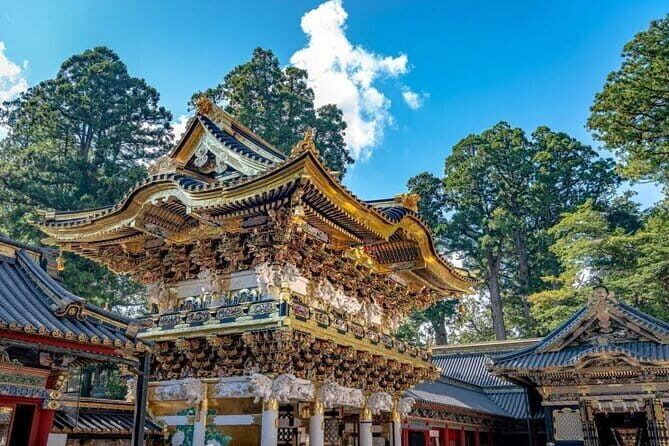
- Toshogu Shrine’s Tokugawa Ieyasu focus in a World Cultural Heritage setting, with the carved Mingyang Gate and Tang Gate
- Iroha Mountain Road: 15.8 km of curves, 48 turns, and classic Nikko road views
- Akechipingira/Akechidaira observation deck reached by a 3-minute cable car ride up to 1,373 meters
- Lake Chuzenji in all seasons, including azaleas (spring) and red leaves (autumn)
- Kegon Falls: a 99-meter drop that’s easy to photograph and built into a quick 30-minute stop
- Small group size (max 15) keeps the day from feeling like a free-for-all, even though crowds around the shrine are still real
The shrine road north: other Nikko trips
- Nikko: Kegon Falls, Lake Chuzenji & Toshogu Temple★ 4.6 · 1,577 reviews
- Tokyo: Nikko Toshogu Shrine and Kegon Waterfall Tour★ 4.5 · 1,266 reviews
- From Tokyo: Nikko World Heritage Site Private Full-Day Trip★ 4.9 · 243 reviews
Nikko in a Single Day: What This Trip Really Delivers
This is a long day—about 11 hours on the clock—but it’s also a very targeted one. You’re not trying to cover “everything Nikko.” You’re hitting the main visual hits: a World Heritage shrine complex, high-altitude lake views, and one of Japan’s most famous waterfalls.
At about $105.99 per person, the value comes from what’s bundled: the vehicle service fees, fuel, tolls/highway tolls, and driver time. Since meals aren’t included, you’ll want to plan for lunch on your own, but the big-ticket logistics are handled.
The tour runs on Tuesdays and Saturdays and needs a minimum of 4 people. It also caps out at 15 travelers, which matters because Nikko’s key sights can get crowded fast.
Entering Nikko Toshogu Shrine: Tokugawa Ieyasu’s Magnificent Gatework
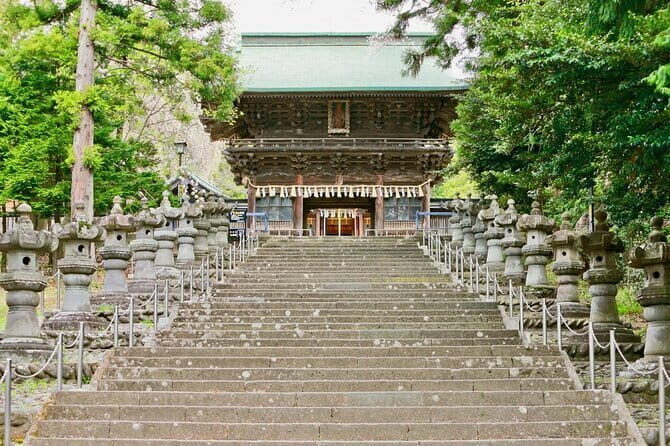
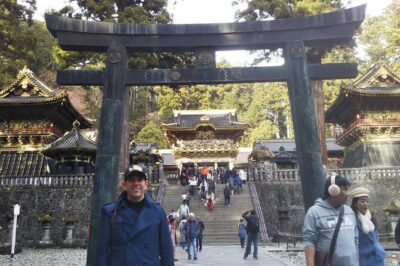
Your first real “wow” stop is Nikko Toshogu Shrine, the headquarters of the Toshogu Shrine. The main deity honored here is Tosho Ogongen, which connects directly to Tokugawa Ieyasu, the first shogun of the Edo shogunate. If you’re even slightly interested in Japanese history, this shrine is one of the most concentrated ways to meet it face-to-face.
What makes the shrine special is the architecture: it’s built against the mountains and filled with carved detail that you can’t fully appreciate from a quick glance. Two iconic gate styles are highlighted in the grounds— the Japanese-style Mingyang Gate and the Chinese-style Tang Gate—and both reflect the way the site layers symbolism into design.
Admission for this stop is listed as free in the itinerary. That’s a practical win, because you get two hours here without worrying about ticket math later.
A quick reality check: crowds and timing
The shrine is popular, and you should expect plenty of other visitors—especially around the main areas. One piece of feedback from past participants points out that starting at the temple in the morning can feel packed, and if you’re anxious about finding your guide quickly, that crowd factor can make it worse.
If you want this part to feel smooth, your best friend is early awareness. When you receive your departure reminder email (with the pick-up time, vehicle registration number, and guide contact info), use it to help you orient yourself before the bus arrives.
Iroha Mountain Road: 48 Turns, Classic Nikko Road Views
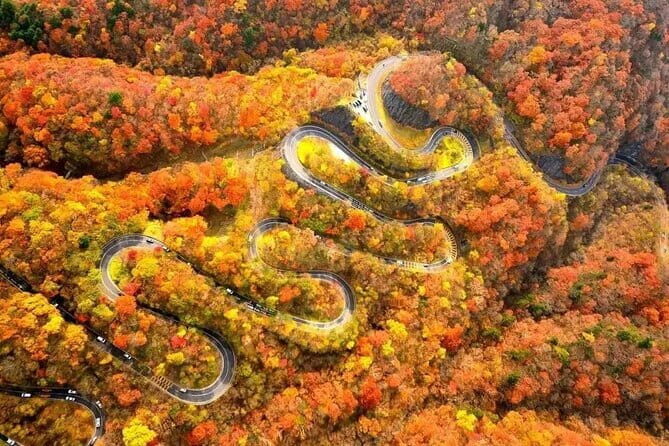
Between stops, you’ll travel via Iroha Mountain Road, known as one of Japan’s Top 100 Roads. This stretch runs 15.8 kilometers from Nikko City toward Lake Chuzenji and Oku-Nikko.
The trip description highlights the scale of the route: 48 turns on the up/down route. That’s not just trivia—it tells you the drive won’t feel flat and boring. The road winds through the mountains, and you’ll get those “pull over in your mind and admire the view” moments even while you’re staying seated.
This is also where the day starts setting up what’s next. The route is famous for scenic lookouts, and there’s a connection to the viewing area plan: the description notes views of both Kegon Falls and Lake Chuzenji from the Akechipingira ropeway area. Translation: you’re driving into the exact scenery you’ll photograph later, not just commuting through it.





Akechipingira/Akechidaira Observation Deck: High Views With a Cable Car Shortcut
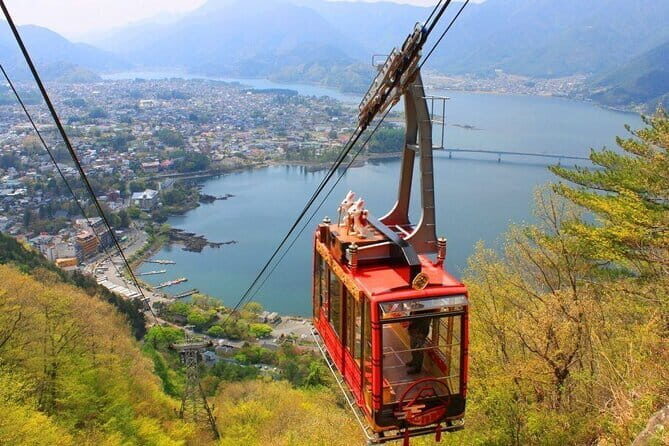
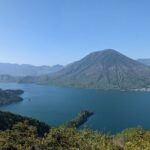
If Nikko had a “view button,” the Akechipingira observation area is it. This stop is described as the most popular observatory in the Nikko area, and it focuses on two big targets: Lake Chuzenji and the Huayan Waterfall viewpoint.
Getting up there is simple: you take the cable car from Akechipingira, a 3-minute ride, to the observation deck at 1,373 meters. That quick lift matters because it saves you from spending time and energy climbing—this is a day trip, and your time is best spent looking, not working.
From the east side of the observatory, there’s also mention of Pingfeng Rock, described as continuous cliffs, plus distant rolling mountains. Even if you’re not memorizing geology facts, this is the kind of framing that makes photos look layered instead of flat.
The itinerary lists one hour here, with admission included. That usually means you’ll have enough time for:
- a main viewpoint stop
- a few seconds of repositioning for the best angle
- time to just look without rushing to the next bus step
If you want photos that don’t feel like a scramble
Bring your phone/camera plan with you. Once you’re on an observation deck, the crowd naturally compresses around the same angles. If you’re hoping for cleaner shots, give yourself a minute to move off the densest cluster before you start shooting.
Lake Chuzenji: Japan’s Highest Natural Lake and Its Four-Season Face
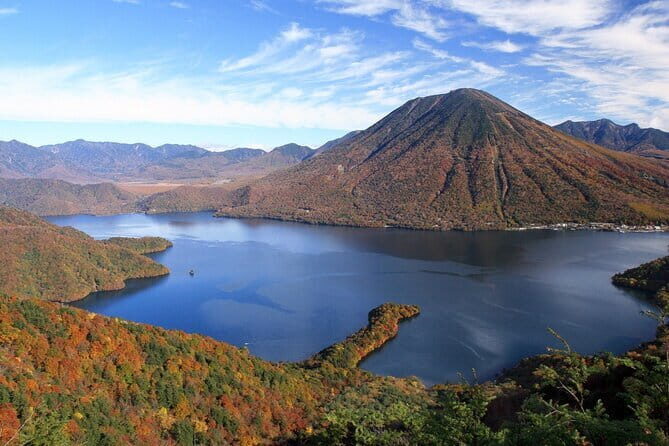
After the high observation break, the tour drops you into Lake Chuzenji, described as the highest natural lake in Japan. This stop is where the day becomes more gentle and scenic.
The itinerary also lays out why people come here across different seasons:
- Azaleas in spring
- Green trees in summer
- Red leaves in autumn
- Snowy scenery in winter
So you’re not just visiting a “lake.” You’re visiting a place with seasonal identity, and the photos change depending on when you go. The description also points out that azalea and autumn red leaves bring steady visitor streams, especially for camera time.
You’ll have about one hour here, with admission included. Practically, that’s enough to enjoy the shoreline views and get a few photos without feeling trapped in a single tight spot.
Kegon Falls: The 99-Meter Waterfall Stop That’s Easy to Love
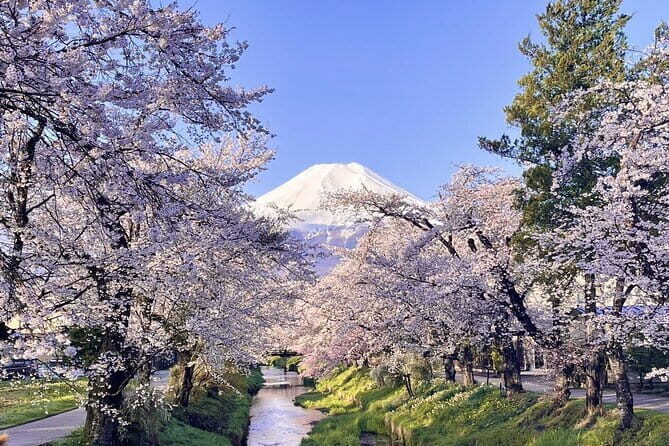
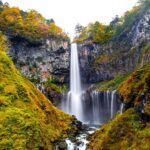
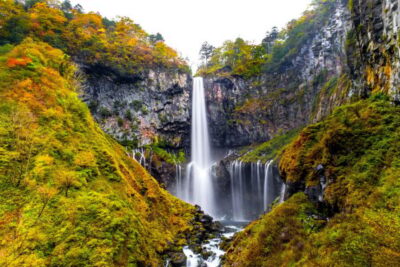
The final nature hit is Kegon Falls, described as one of the three famous waterfalls in Japan. It’s also labeled as a popular destination in Nikko National Park, and it’s built for quick, satisfying sightseeing.
The description gets specific about the water source and structure. Water from Lake Chuzenji forms the Ojiri River at its eastern end, crosses Mount Nantai, then flows down from a height of 700 meters, forming the main part of the waterfall at about 99 meters high. It also notes that the upper rock protrudes forward and that 12 small waterfalls flow out of rock gaps.
That kind of detail matters because it gives you something to look for while you’re standing there. Instead of just seeing “water falling,” you can recognize how the shape and multiple streams create depth.
This stop is 30 minutes, with free admission listed. Short stop lengths are a double-edged sword: you’ll likely have time for photos and a quick walk to viewpoints, but you won’t have long lingering time if conditions are rough (crowds, weather, or if you want more hiking-style viewing points).
Best practical tip: dress for quick weather swings
This entire day is mountain country, and Nikko’s weather can change quickly. Pack layers you can pull on/off fast—especially if you’re combining observation decks and waterfall views, where wind can feel sharper.
Price and Logistics: Why $105.99 Can Still Feel Worth It
Here’s the honest math. You’re paying $105.99 per person, and you’re getting:
- vehicle service fees
- fuel costs and tolls/highway tolls
- driver service fee
- vehicle service time within 10 hours (not the entire tour length, but the driver/vehicle component)
- admission items listed as included/free
- mobile ticket handling
That means your main effort is showing up and keeping time, not navigating complicated transfers between separate attractions.
What’s not included: meals and personal spending. Also, meals aren’t explicitly covered in the itinerary, and it’s noted that the remaining hours are for travel time and lunch. So plan on buying lunch locally during that window.
The group size helps, but it doesn’t erase crowds
The tour max is 15 travelers, which is good for pacing. Still, major Nikko sights can be packed. So even with a small group, the day can feel crowded when everyone funnels into the same viewpoints—especially early.
Finding Your Group: The One Thing to Get Right Early
One of the clearest review-style issues in the feedback you provided is about organization at the meeting point. The problem described: it’s hard to find the guide in a crowded tourist scene, with no distinctive signage to identify who is leading the group.
So don’t rely on luck. Here’s what you can do with what you’re told in the tour info:
- A departure reminder email arrives the night before, with the vehicle registration number, guide contact info, and pick up time.
- Guides do not initiate contact with you, so you’ll need to locate the group using the given details.
- Many hotels in Japan can’t park for long, so if the pick-up is at a hotel area, you should wait in front of the hotel, not inside the lobby or room area.
This isn’t glamorous travel advice, but it’s the difference between a smooth start and a stressful one.
Luggage, Time, and a Smooth Day Plan
This is a one-day trip, and it’s specifically stated that it’s not recommended to carry luggage. If you must bring luggage, you’re allowed 1 luggage per person, but there’s an extra 100 yuan per piece if you didn’t note it when booking or if it turns out you have more than one piece per guest.
Also, once your date is confirmed, it can’t be changed, and late or no-show is non-refundable. That means you want to build in a little buffer for travel from your hotel to the pick-up spot.
What to carry
Bring your passport and valuables with you and keep them safe. That’s not just legal-sounding advice—it’s practical for a day with many stops where the group is moving through public areas.
Who This Tour Fits Best (and Who Might Want a Different Plan)
This is a strong choice for:
- families with children who want major sights without the stress of trains and transfers
- adventure-seekers who like viewpoint stops and waterfall scenery
- first-time Nikko visitors who want a clean “greatest hits” day
It may feel less ideal if:
- you hate crowds and want a slow, uncrowded experience at each stop
- you need very clear, easy-to-spot guide marking (because meeting identification can be an issue)
- you expect meals to be part of the package (they aren’t listed as included)
The itinerary also moves at a pace where you’ll be spending time outdoors and on transport, so it’s best if you’re okay with that “see a lot, then move on” style.
Should You Book This Nikko Day Trip?
I’d book it if your goal is a high-value day of Nikko’s signature sights: Toshogu Shrine, a high observation deck with Lake Chuzenji views, and Kegon Falls. The pricing makes sense because the heavy lifting—vehicle, fuel, tolls, driver time, and key admissions—is handled for you.
I’d think twice if you know you struggle with meeting-group logistics or you dislike crowded starts. In that case, build extra time to reach the pick-up area early, study the reminder email details, and plan to be proactive about finding your guide.
FAQ
What are the main stops on this tour?
The tour includes Nikko Toshogu Shrine, Akechidaira/Akechipingira Observation Area, Lake Chuzenji, and Kegon Falls, plus the drive via Iroha Mountain Road.
How long is the tour?
It runs for about 11 hours (approx.).
How much does the tour cost?
The price is $105.99 per person.
What days does the tour depart?
It departs on Tuesdays and Saturdays.
Is a mobile ticket used?
Yes, the tour features a mobile ticket.
Are admission tickets included?
Admission is listed as free or included depending on the stop. Nikko Toshogu Shrine and Kegon Falls are listed as free, while the Akechidaira/Akechipingira observation area and Lake Chuzenji are listed as included.
Do you ride a cable car at the observation area?
Yes. You take the cable car at Akechipingira for about a 3-minute ride to the observation deck.
How much time do you have at Kegon Falls and Lake Chuzenji?
Kegon Falls is about 30 minutes, and Lake Chuzenji is about 1 hour.
Is lunch included?
Meals are not included. The remaining time is allotted for travel time and lunch.
What about luggage?
It’s not recommended to carry luggage. If you carry luggage, 1 piece per person is allowed. An extra 100 yuan per piece may apply if luggage wasn’t noted when booking or if you bring more than one piece.
Is cancellation free?
Yes, you can cancel for a full refund up to 24 hours before the experience’s start time.
More Tour Reviews in Tokyo



North Again: More Nikko Trips
Fresh reviews from around Tokyo






Nikko Day Trips, compared.
 ★ 4.6Nikko: Kegon Falls, Lake Chuzenji & Toshogu TempleFrom $891,577 reviews
 ★ 4.5Nikko Toshogu Shrine and Kegon Waterfall TourFrom $841,266 reviews
 ★ 5.0Nikko Full-Day Private Tour with Government-Licensed GuideFrom $155259 reviews
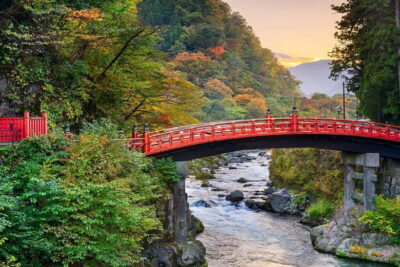 ★ 4.9From Tokyo: Nikko World Heritage Site Private Full-Day TripFrom $483243 reviews
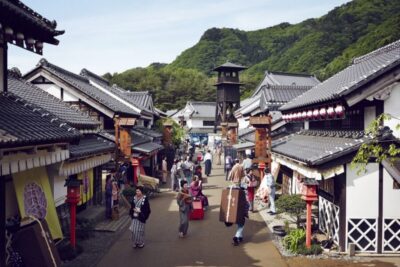 ★ 4.3Nikko: Edo Wonderland Edomura Cultural Theme Park TicketFrom $35205 reviews
From Tokyo: Nikko World Heritage Sight Full Day Private TourFrom $362127 reviews
★ 4.3Nikko: Edo Wonderland Edomura Cultural Theme Park TicketFrom $35205 reviews
From Tokyo: Nikko World Heritage Sight Full Day Private TourFrom $362127 reviews
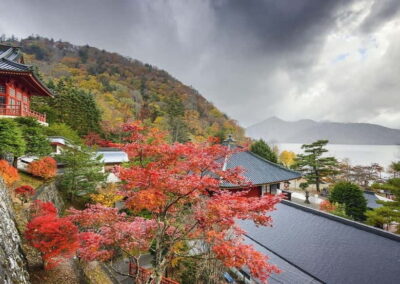 ★ 4.9Nikko – Beautiful Full-Day Personal and Private TourFrom $364119 reviews
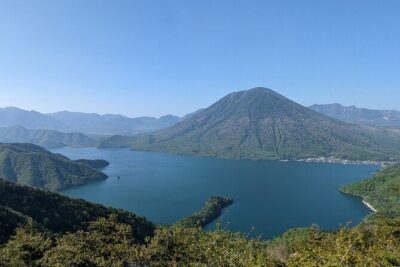 ★ 5.0Chartered Private Tour – Tokyo to Nikko, Toshogu, Edo WonderlandFrom $1,286105 reviews
Browse the lists this tour appears in