
Reviewed · FOOD & DRINK
Tokyo: Tasting Japanese Whiskies Experience
A quiet bar lesson can be worth more than a big tour.
This Japanese whisky comparison course focuses on six pours—three from Yamazaki (including a limited edition) and three from Chichibu (Ichiro’s Malt / Leaf Series)—served in the relaxed rhythm of a Tokyo bar. I like that it’s built for people who care about small differences, from production styles to how the whisky shows up in the glass. You’ll also get a chance to talk with the owner about Japanese whisky culture and spirits, not just sip and shuffle. One possible drawback: several details depend on who’s working that night, so the level of guidance can vary.
I’m a sucker for tastings that feel almost private.
At BAR ODIN, the setup is designed for close attention: limited pours, a calm space to taste slowly, and a host who can explain what you’re drinking—when they’re there and when language allows. I also like the pairing angle, including homemade shrimp deer jerky and an organic option, plus the bar’s lean toward organic products (and a suggestion for handmade chocolates). The main consideration is location and flow: the bar can be tricky to find, and some people experience it more like a tasting menu than a fully guided lesson.
In This Review
- Key things to know before you go
- Japanese whisky, but in a real Tokyo bar setting
- The value of the $103 price for 90 minutes
- Your drink lineup: Yamazaki vs Chichibu, and why it matters
- Yamazaki: range and age cues
- Chichibu (Ichiro’s Malt / Leaf series): craft energy
- Why this comparison is better than random bottles
- What the “almost private” session really feels like
- The snack and pairing angle: small bites that don’t fight the whisky
- Timing and pacing: how you fit this into your Tokyo evening
- Getting to BAR ODIN near Ebisu: easy on paper, tricky in real life
- When the experience hits hardest (and when it can fall flat)
- What’s most praised: ambience plus the whisky lineup
- What’s most frustrating: guidance level varies
- Menu changes can happen
- Who should book this whisky course
- Practical tips to get more out of your tasting
- Should you book BAR ODIN’s whisky course?
- FAQ
- How long is the Tokyo Japanese whisky tasting course?
- What’s included in the tasting?
- Where do I meet for the experience?
- Do I need to make a reservation, and for how many people?
- What are the rules about arriving on time?
- Is the restaurant non-smoking, and is it suitable for minors?
Key things to know before you go
- Six whisky pours, one flight-style experience: three Yamazaki plus three Chichibu Leaf/Ichiro’s Malt styles.
- A limited-edition Yamazaki bottle is part of the course when availability allows.
- Expect a bar vibe, not a classroom: you may get coaching or you may taste more independently.
- Owner presence matters: if the owner isn’t there, staff may not be able to explain whisky at the same depth.
- Location can be hard to spot since it’s downstairs and close-by directions aren’t always enough.
- You’re capped at 1.5 hours (extensions only with additional orders).
Other plates worth crossing Tokyo for
- Tokyo: Shinjuku Food Tour (13 Dishes at 4 Local Eateries)★ 5.0 · 6,603 reviews
- Tokyo Tsukiji Fish Market Food and Culture Walking Tour★ 5.0 · 3,184 reviews
- Tokyo: Shinjuku Food Tour (15 Dishes and 4 Eateries)★ 4.9 · 2,033 reviews
Japanese whisky, but in a real Tokyo bar setting
Japanese whisky has moved from niche to global obsession. The problem is that many tastings feel generic: everyone gets the same script, and you leave without knowing what you actually tasted. This 90-minute course at BAR ODIN is different because it’s about comparison—how styles relate, and how the same theme (Japanese whisky) still creates noticeable differences.
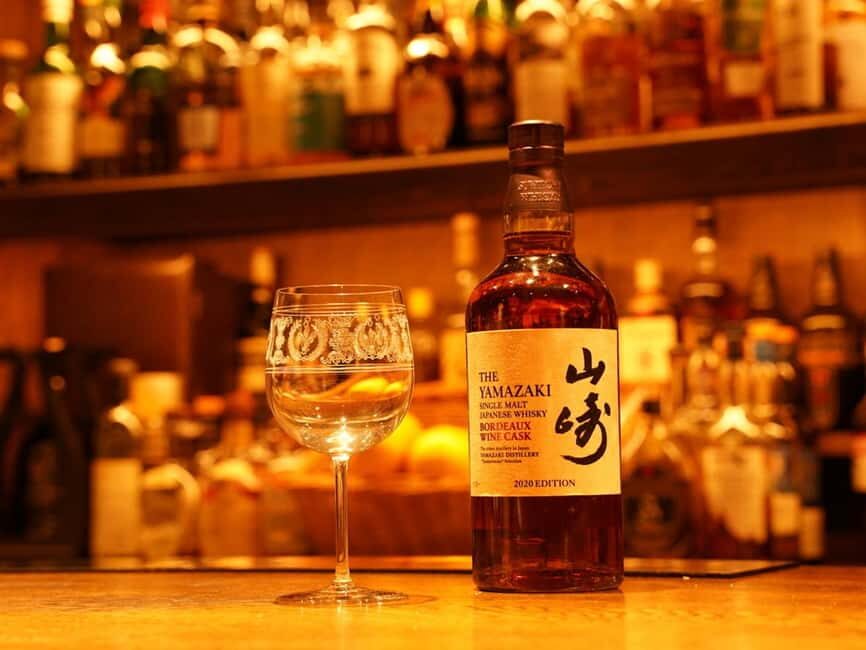
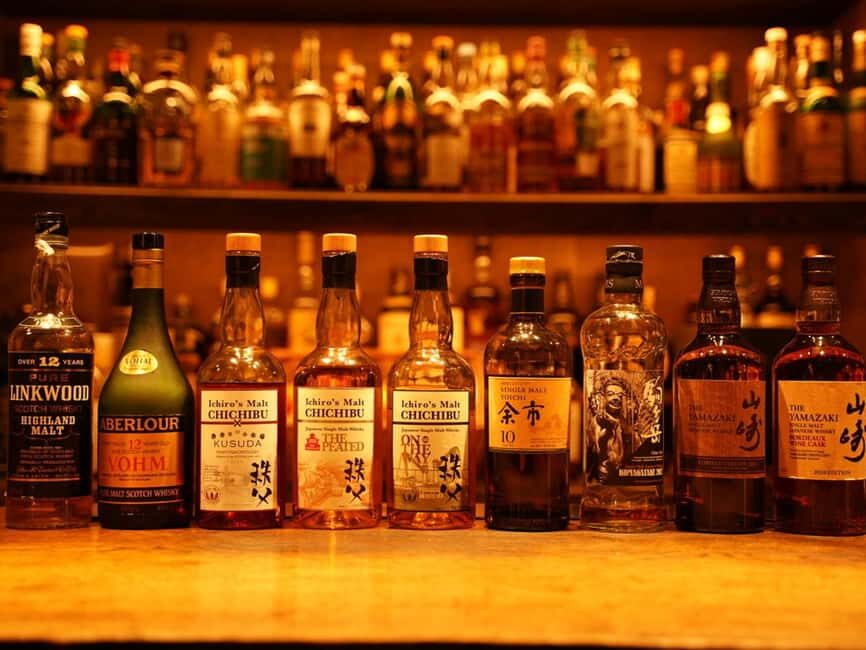
You start with a flight of six pours. The lineup includes Yamazaki in three expressions—non-vintage, 12-year-old, and a limited edition—and Chichibu in three expressions from the Ichiro’s Malt/Leaf series. If you like the idea that Japanese whisky isn’t one uniform flavor, but a spectrum shaped by distilleries, this format makes sense immediately.
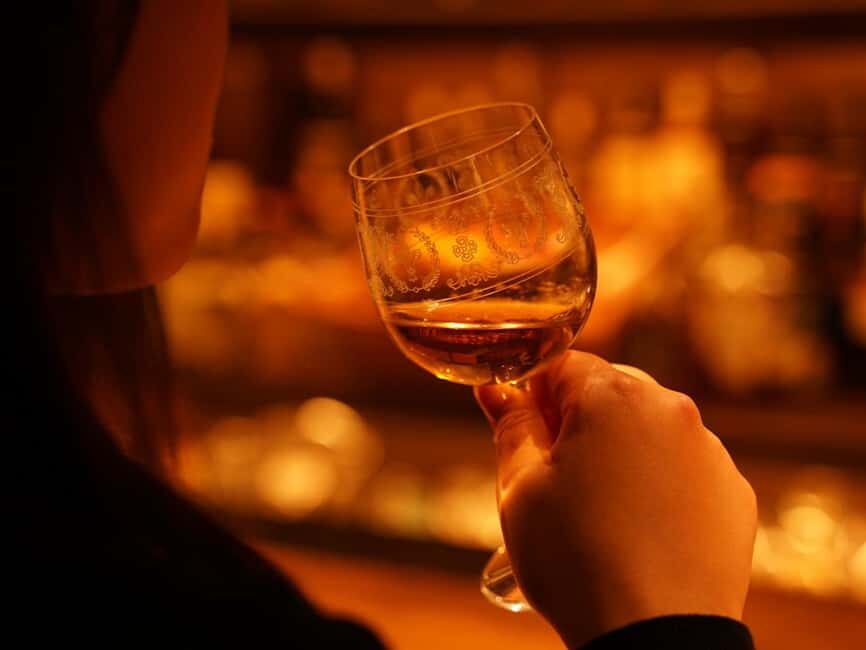
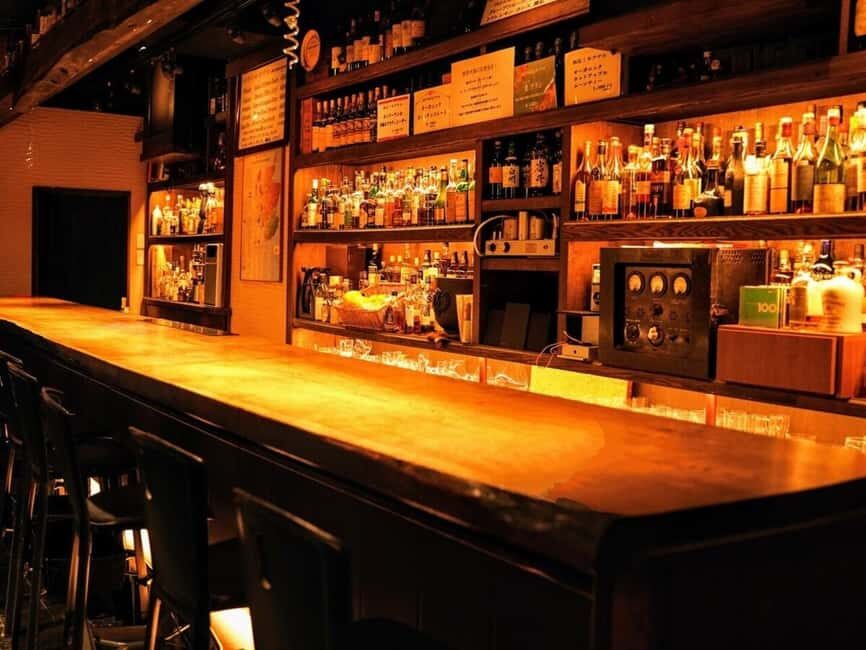
The atmosphere is also part of the point. Instead of a loud group activity, you get time to settle into the bar. That matters because whisky tasting is mostly patience—smelling, waiting a bit, taking notes in your head, then tasting again with a clearer idea of what you’re looking for.
The value of the $103 price for 90 minutes
Let’s talk value honestly. $103 per person for 90 minutes is not cheap for Tokyo, so your payoff depends on how much you’ll use the explanation.
Here’s what’s included:
- Yamazaki: 3 types (non-vintage, 12-year-old, limited edition)
- Chichibu: 3 types (Leaf series)
- Homemade shrimp deer jerky
- Organic cream erica (served as part of the course)
- A 700Yen charge is included
That’s six whiskies plus food, within a fixed time window. If you’re a true connoisseur—or even a curious enthusiast who wants the host to point out what you’re tasting—this pricing can feel fair because you’re paying for the lineup and the attention. If you’re expecting a very structured, talk-every-step guided lesson, you might find yourself wishing for more commentary.
So I’d judge this tour by your goal:
- If you want flavors and context from a person who knows the scene, it can be money well spent.
- If you mainly want to drink and don’t care much about what you’re learning, you may prefer a simpler tasting elsewhere.
Your drink lineup: Yamazaki vs Chichibu, and why it matters
This course is built around two heavyweights. Yamazaki is often treated as a starting point for people entering Japanese whisky, including because it’s linked to Japan’s oldest distillery. Pair that with Chichibu (Ichiro’s Malt / Leaf series), which is widely recognized in craft-whisky circles. That combination turns your tasting into a comparison lesson without needing a formal class.
Here’s what the lineup signals about the experience:
Yamazaki: range and age cues
You’ll sample Yamazaki across multiple expressions:
- a non-vintage pour
- a 12-year-old expression
- a limited edition bottle
The age range gives you a built-in question: does the whisky become smoother or more layered as it matures? Even if you don’t have a tasting “vocabulary” yet, you can still notice how oak, aroma, and texture shift with time.





Chichibu (Ichiro’s Malt / Leaf series): craft energy
Chichibu’s Leaf series expressions tend to feel more distinctive to people who like craft spirits. The course emphasizes this as Japan’s original craft whisky concept. Translation for you: expect flavors that feel intentional and individual rather than generic.
Why this comparison is better than random bottles
Random tastings can be fun, but they don’t teach you much. Here, the structure forces your brain to compare. You’ll taste six different expressions, but they’re grouped in a way that helps you build a mental map of Japanese whisky style.
What the “almost private” session really feels like
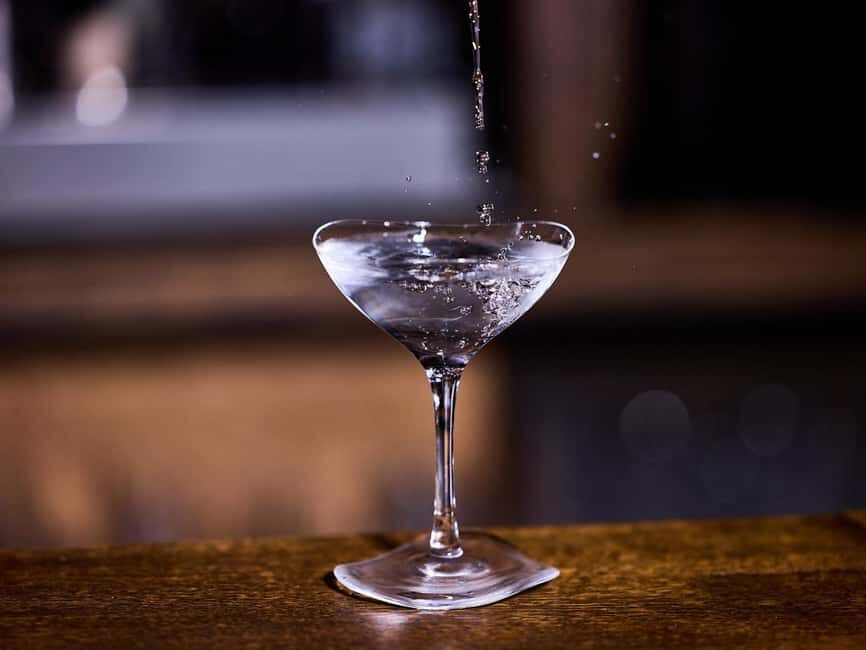
On paper, this is described as an almost private lesson. In practice, the experience sits in a gray zone between guided tasting and self-guided bar time.
In the best-case scenario, you get more than pours. The owner (a noted connoisseur) can talk through the specifics of Japanese whisky and other spirits being presented. That’s where you get real value: they can connect aroma and flavor to production choices, tell you what to look for, and help you understand why one bottle might be a crowd-pleaser while another is more for whisky nerds.
But there’s a key condition in the fine print: the owner isn’t guaranteed to be there every day. If the owner is absent, general staff may not have the same depth of explanation. I’d plan for this possibility, especially if you’re booking for a very educational experience.
So what does it look like when it’s less guided? You might see six glasses set out, hear the origin information, and then taste at your own pace. The bar is still attractive, and the setting can still be enjoyable—but it won’t feel like a lesson if the host stays quiet.
The snack and pairing angle: small bites that don’t fight the whisky
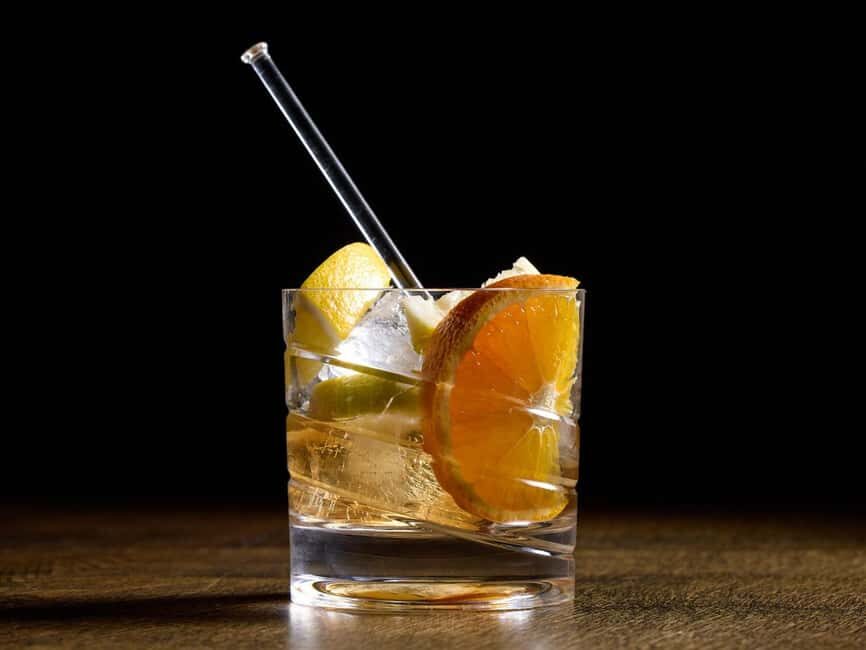
Food in whisky tastings isn’t about filling up. It’s about clearing your palate and adding contrast.
This course includes:
- homemade shrimp deer jerky
- organic cream erica
That combination tells me they’re trying to give you something savory (jerky) and something smoother/creamier (organic cream) so you can reset between pours. If you’re the type who wants your whisky to stay the star, these are the kind of pairings that can work without turning the tasting into a meal.
The course also mentions the owner’s interest in organic products. That doesn’t guarantee every bite will be exactly what you expect, but it does fit the idea that the bar is deliberate about sourcing and ingredients. You may also be encouraged toward handmade chocolates, which makes sense because chocolate often plays well with whisky sweetness and spice—if it’s available.
Timing and pacing: how you fit this into your Tokyo evening
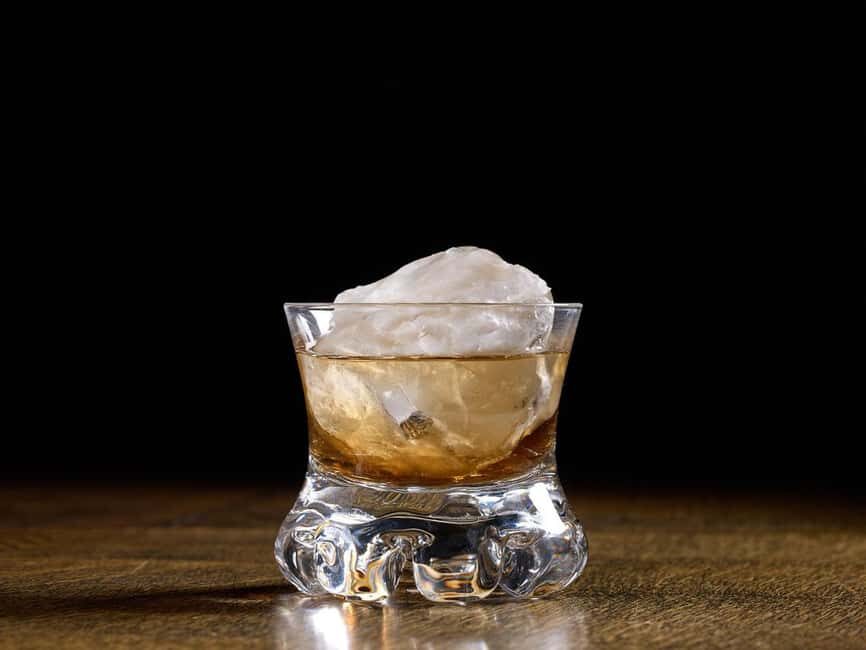
The duration is 90 minutes, but the maximum stay time is 1.5 hours. If you want to linger, that’s possible only with additional orders. That rule matters because it changes the vibe: you’re tasting in a timed window, and the bar is likely serving multiple people across the evening.
Arrival is important. If you don’t show up within 15 minutes after your reservation time, you might lose your seat. In Japan, that kind of punctuality is normal, but with a bar that can be hard to find, it becomes extra important.
Also, if you’re delayed, you should contact the place by phone. If you’re more than an hour late without notice, they may cancel your reservation if the bar is full. In other words: don’t treat this like a flexible bar stop. Plan it like a timed ticket.
Getting to BAR ODIN near Ebisu: easy on paper, tricky in real life
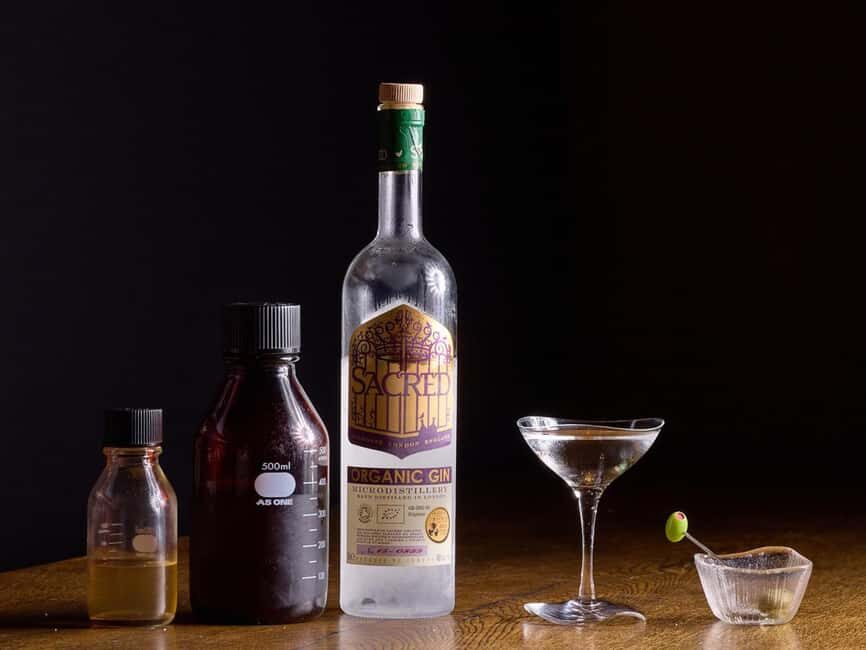
The meeting point is described as about a one-minute walk from Ebisu Station on JR lines and the Tokyo Metro Hibiya Line. On a normal day, that sounds straightforward.
In reality, the location can be frustrating because the bar is downstairs, and directions aren’t always enough to identify the exact place quickly. Some visitors have had to make multiple phone calls to get in the right spot. A practical strategy: use your map app carefully, and if you’re given a coordinate, don’t rely on memory—go straight to the coordinate, then look for the correct entrance.
If you like doing things the low-stress way, give yourself buffer time. I’d aim to arrive early and get oriented rather than racing the clock.
When the experience hits hardest (and when it can fall flat)
Let’s separate the “why this is great” from “what can go wrong,” based on how this kind of course tends to work in small bars.
What’s most praised: ambience plus the whisky lineup
The bar atmosphere is a real part of why people enjoy this. It gives you space to relax and taste slowly, instead of being rushed in a group.
The second big win is the selection. A course with Yamazaki and Chichibu together is already compelling, and including a limited edition Yamazaki bottle raises the odds that you’ll feel you got something special, not just standard labels.
What’s most frustrating: guidance level varies
The biggest disappointment described for similar tastings is lack of guidance. In some cases, it can feel like you receive the lineup and origin information, then you’re left to taste like you’re ordering flights on your own.
Language can be a factor too. If the person talking to you has limited English, it can become harder to convert the experience into learning. Even if you’re polite and patient, you may leave knowing which bottles you drank without knowing what to look for next time.
Menu changes can happen
There’s also a practical note: the menu may change depending on purchasing status and rare beverages can be difficult to obtain. If you’re showing up for one specific bottle or exact snack, keep your expectations flexible.
Who should book this whisky course
This works best for:
- people who already enjoy whisky and want a structured comparison between Yamazaki and Chichibu
- anyone who values conversation and wants the chance to ask questions about spirits
- groups that include at least one person who will actively listen and learn (rather than treating it as background drinking)
It may be less ideal for:
- people who want a tightly guided lesson in clear English every minute
- anyone who dislikes timed experiences with strict arrival rules
- those who are not comfortable with location-finding challenges
Also, it’s not suitable for people under 20.
Practical tips to get more out of your tasting
If you want the best learning-to-drinking ratio, do a few simple things before you arrive:
- Think in questions: What changes from non-vintage to 12-year-old? How does the craft style feel compared with the classic reference?
- Take small notes in your phone between pours, even if you only write three words per whisky.
- If the host is chatty, ask what to pay attention to in aroma and finish. If they’re quiet, ask one direct question early to set the tone.
- Pace yourself: whisky tastes different as it warms slightly in the glass, and rushing often flattens the flavors you came to notice.
Should you book BAR ODIN’s whisky course?
Book it if you want a comparison-focused Japanese whisky tasting with a serious lineup and the potential for a genuine owner-led lesson. The price can be fair for the amount of whisky and the bar experience—especially if you’re excited about Yamazaki plus Chichibu and you like tasting slowly.
Skip or reconsider if your top priority is a guaranteed, highly guided, English-first educational session. Because the owner’s presence isn’t guaranteed and some nights can feel more like a tasting menu than a teaching moment, the experience quality can depend on who’s behind the bar.
If you’re on the fence, I’d use this simple decision rule: if you’d still enjoy a calm night tasting six Japanese whiskies even without heavy explanation, go ahead and book. If you only want a learning-heavy class feel, plan extra time for backup options and consider asking questions when you reserve.
FAQ
How long is the Tokyo Japanese whisky tasting course?
The course lasts 90 minutes.
What’s included in the tasting?
You get 3 Yamazaki types (non-vintage, 12-year-old, and a limited edition) and 3 Chichibu Leaf series types, plus homemade shrimp deer jerky and organic cream erica. A 700Yen charge is included.
Where do I meet for the experience?
The meeting point is about a 1-minute walk from Ebisu Station on JR lines and the Tokyo Metro Hibiya Line.
Do I need to make a reservation, and for how many people?
Yes, you must make a reservation for this course. Reservations for this course are required for 2 or more people, and you need to reserve for the number of people attending.
What are the rules about arriving on time?
If you do not arrive within 15 minutes after your reservation time, they may not be able to reserve your seat. If you’re delayed, you should contact them by phone.
Is the restaurant non-smoking, and is it suitable for minors?
The restaurant is non-smoking. It is not suitable for people under 20, and minors must be accompanied by a guardian. If a minor will accompany you, you must notify the provider in advance.
Eat Your Way Round Tokyo


More Tour Reviews in Tokyo



Fresh reviews from around Tokyo






Food & Drink, compared.
 ★ 5.0Shinjuku Food Tour (13 Dishes at 4 Local Eateries)From $866,603 reviews
 ★ 5.0Tokyo Tsukiji Fish Market Food and Culture Walking TourFrom $993,184 reviews
 ★ 4.9Shinjuku Food Tour (15 Dishes and 4 Eateries)From $852,033 reviews
 ★ 5.0Tsukiji Fish Market Food and Walking tourFrom $301,724 reviews
 ★ 5.0Eat and Drink Like a Local: Tokyo Ueno Food Tour-Taverns&RamenFrom $95957 reviews
 ★ 5.0Shibuya Food Tour (13 dishes and 4 Eateries)From $77770 reviews
★ 4.7Tsukiji Fish Market Food and Culture Walking TourFrom $96757 reviews
★ 5.0Shibuya Food Tour (13 dishes and 4 Eateries)From $77770 reviews
★ 4.7Tsukiji Fish Market Food and Culture Walking TourFrom $96757 reviews
 ★ 5.0Tsukiji Fish Market: Street Food & Culture Walking TourFrom $33669 reviews
Browse the lists this tour appears in