
Reviewed · SHIBUYA TOURS
Tokyo Shibuya: Japan Only Limited Ramen – Select from 9 Types
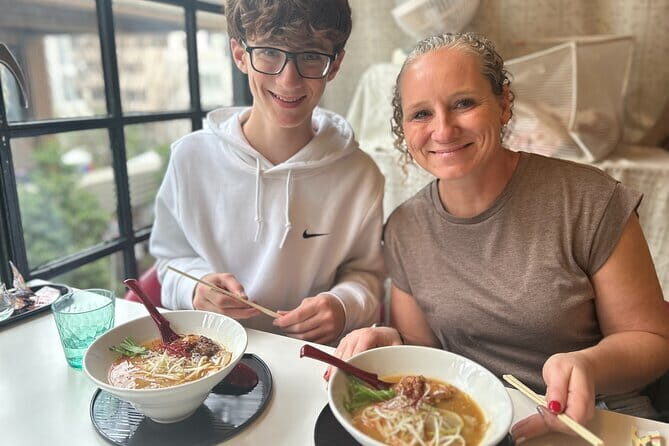
Tokyo ramen has a way of winning hearts fast. This tour gives you a smart way to taste more than one style without committing to a full-size bowl. You’ll start with the energy of Shibuya Crossing, then move into three long-loved ramen stops where you choose a half portion each time.
I love the way the guide, Sakurako, explains what you’re eating in plain language. She also brings cultural context and practical local tips, plus a laminated presentation that helps you connect toppings, noodle styles, and broth choices without guessing. A second big win for me is the format: half-sized bowls mean you can sample different types without feeling stuffed.
One consideration: this is mostly on foot, so if walking is hard for you, you may need a taxi at your own expense. Also, all broths contain chicken, pork, or fish, so it’s not a fit for strict vegetarian diets.
In This Review
- Key highlights you should care about
- Shibuya Crossing energy before you even eat
- Three shops, nine half-bowls: how the tasting actually works
- What you’ll learn about ramen styles (and why it helps you order later)
- Stop 0: the Shibuya meeting point and the walk plan
- Stop 1: thick, hearty ramen that feels like comfort
- Stop 2: a health-conscious style with flavor kept in mind
- Stop 3: a recommended finale tailored to you
- Why Sakurako’s explanations change the whole experience
- Portions, pacing, and group size: the comfort details
- Price and value: is $50 worth nine ramen choices?
- What’s included vs what you must plan
- Transportation on foot: the real comfort check
- Who this ramen tour fits best (and who should skip it)
- Quick FAQ
- FAQ
- How long is the Tokyo Shibuya ramen tour?
- What does the tour include for food?
- How many ramen types can I choose from?
- Where does the tour start?
- Does the tour end back at the meeting point?
- Is there a group size limit?
- Is transportation included?
- How do I pay for extra orders?
- What’s the best app to use for day-of contact?
- What is in the ramen broths?
- Should you book this Shibuya ramen tasting?
Key highlights you should care about
- Shibuya Crossing first so you get Tokyo energy before noodles
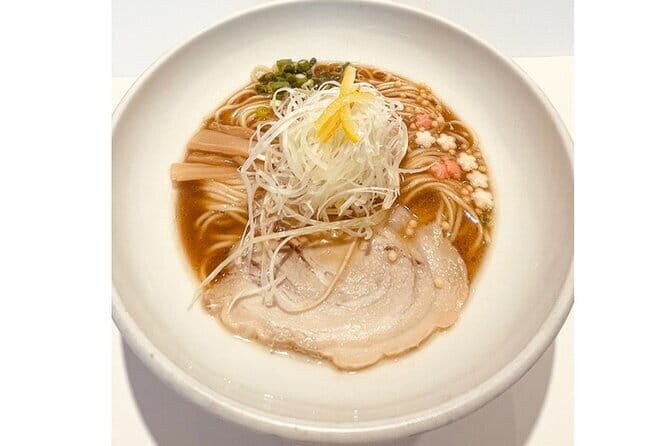
- Nine ramen options total (three shops, three choices each, half-sized bowls)
- Sakurako’s detailed explanations with a laminated guide to toppings and noodles
- Small group max of 10 for questions and easier pacing
- Additional orders need cash so plan ahead for extras like dumplings
More to do within sight of the Crossing
- Official Street Go-Kart in Shibuya★ 5.0 · 3,435 reviews
- Tokyo: Street Kart Experience in Shibuya★ 4.9 · 1,484 reviews
- Shibuya Meltdown Nightlife Tour: All-You-Can-Drink Bar Hopping★ 5.0 · 1,058 reviews
Shibuya Crossing energy before you even eat
I like tours that get you oriented fast, and this one does. You meet in Shibuya, then you’ll head to the world-famous scramble where hundreds of people move in every direction at once. It’s the kind of Tokyo scene that helps you reset your senses after travel, and it makes your photo roll instantly more interesting.
You’ll also notice something important: the crossing is chaotic only if you’ve never seen it. After a minute, it becomes patterned. That’s a helpful mental trick for the rest of the day because you’ll be doing quick transitions between ramen stops, not long bus rides.
You can expect a lively street atmosphere around Shibuya, but the schedule stays focused. Your ramen time doesn’t get swallowed by wandering, and the guide keeps the rhythm tight.
Three shops, nine half-bowls: how the tasting actually works
The core idea is simple: instead of one meal, you sample multiple ramen styles. You’ll visit three ramen shops, and at each one you choose from three options. That adds up to nine different ramen types across the tour.
The key detail is the half-size bowls. In a city where ramen portions can be generous, half-bowls are the difference between tasting and full-on food coma. You can compare broths, noodle textures, and toppings side by side, then talk through what you liked with your guide while it’s still fresh.
Also, the tour is built for learning, not just eating. The guide explains cooking methods and how different ramen categories are put together, so you’re not just consuming a mystery bowl. This matters if you want to recreate flavors later, or if you’re picky about texture and salt level.
What you’ll learn about ramen styles (and why it helps you order later)
Ramen can sound like a single dish until you start paying attention. This tour nudges you into the details: broth style, noodle type, and how toppings fit the overall balance.
Sakurako’s approach is especially useful because she doesn’t treat ramen like a trivia contest. She gives a structured explanation and uses her laminated presentation to map out the basics. That means when you sit down, you can look at what’s on the menu and make a better choice instead of picking randomly.
Here are the learning themes you should expect:
- How different broths feel in your mouth (thick and hearty vs lighter styles)
- How noodle shapes and thickness change the eating experience
- How cooking choices affect flavor depth and texture
- How toppings can shift the balance of salt, richness, and aroma
Even if you’re new to ramen, you’ll walk away more confident ordering on your own. You’ll know what to ask for next time and what to avoid if you don’t like certain textures.
Stop 0: the Shibuya meeting point and the walk plan
Your tour starts at Shibuya 1092-chōme-29-1 Dōgenzaka, Shibuya, Tokyo 150-0043, Japan. From there, you’ll move on foot through the Shibuya area. The schedule is designed so you can realistically cover each ramen shop without sprinting across town.
Two practical notes matter here. First, you’ll want comfortable shoes because all the travel is on foot. Second, communications on the day rely on WhatsApp, so download it before you go. That will make day-of coordination smoother if the group has any timing changes.
If you’re someone who hates “where are we going next” moments, this format can be a relief. The guide keeps the tour moving, and the short segments make it easier to stay mentally fresh.





Stop 1: thick, hearty ramen that feels like comfort

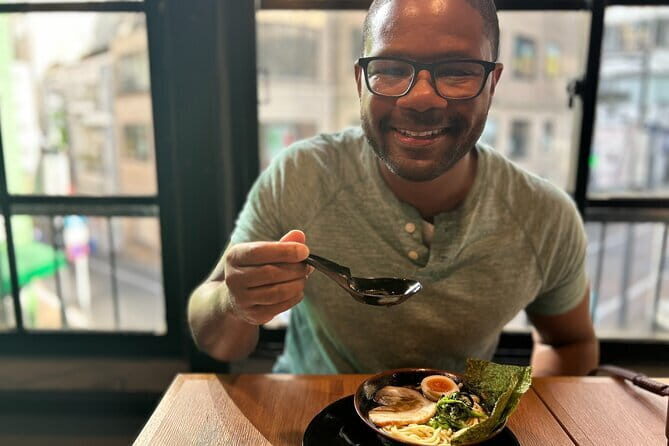
The first ramen stop is all about richness and thickness. You’ll start with a hearty style paired with satisfying thick noodles. This is the kind of bowl that tends to feel grounding after a long day in the city, and it’s a strong baseline for comparing the rest of your tasting.
At this stop, you’ll choose one half-sized ramen from multiple options at the shop. That means you can lean toward what you already think you’ll enjoy—without getting locked into a full meal.
A drawback of ordering ramen this way: if you’re not into thick, rich broths, the first stop might feel heavy. But that’s also why the tour structure works. After this, you’ll have lighter comparisons in the next shop, so you’re not stuck with one style all the way through.
Stop 2: a health-conscious style with flavor kept in mind
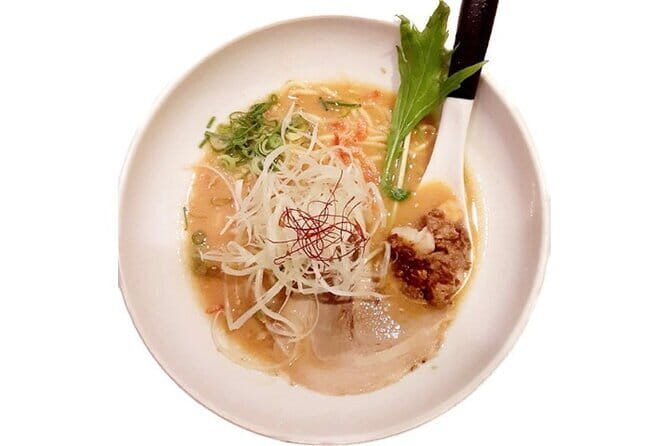
Next you’ll shift gears. The second stop focuses on a health-conscious ramen approach—nutritious, flavorful, and built to feel easier on you. The goal isn’t blandness. It’s a different flavor profile and weight so you can experience the range of Japanese ramen styles.
This is where I like to pay attention to details. When a bowl is lighter, you often notice aromatics, broth clarity, and the way noodles carry flavor differently. If the first shop is “comfort,” this one is more like “precision.”
You’ll again choose one half-sized ramen among the shop’s options. The half-bowl size keeps your tasting consistent across stops, so your comparison stays fair. You can think of this as controlled experimentation, except much tastier.
Stop 3: a recommended finale tailored to you
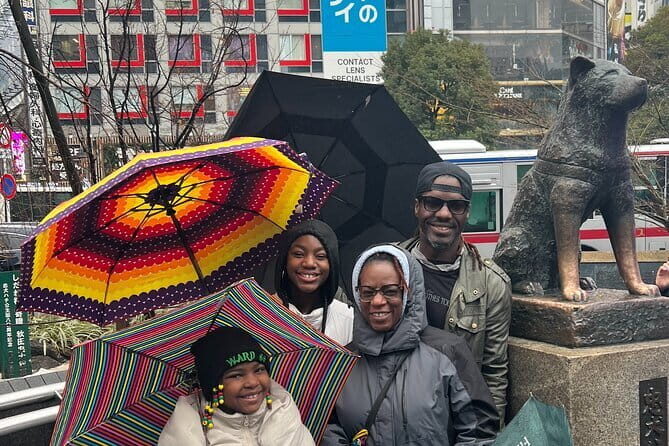
Your final ramen stop is the handpicked shop chosen just for you. The tour leans personal here, and that matters because ramen preferences are real. Some people love heavy broth depth, others want clean flavors, and others care most about noodle texture.
You’ll choose a half-sized bowl again, and by now you’ll be able to tell what you genuinely like rather than what sounded good earlier. That’s a huge benefit of this format. You’re not guessing for the last meal—you’re refining your choice based on the earlier experiences.
This is also where the guide’s explanations start to feel practical. After two stops, you’ll understand which ramen category you’re moving toward, and your final bowl becomes a satisfying payoff instead of a random third option.
Why Sakurako’s explanations change the whole experience

One of the most praised parts of this tour is the guide—Sakurako—and it’s not just that she’s friendly. She’s prepared. People liked her laminated presentation, her in-depth explanation of ramen history, and how she adds Japanese culture context.
That combination is a big deal. Ramen is deeply local, and food stories in Japan often connect to everyday life: sourcing, cooking traditions, and why certain flavors show up again and again. When a guide links ramen to culture, your meal becomes more than calories. It becomes a snapshot.
I also like that she provides local tips. Those small bits help you plan your next meal on your own. You’ll leave knowing what to look for in other shops, and how to order like you belong there.
Portions, pacing, and group size: the comfort details
This tour runs about 2 to 3 hours, with each ramen stop around 45 minutes. That pacing is ideal if you want multiple meals without rushing your body into constant standing.
The group size caps at 10 travelers, which keeps things from feeling chaotic. You can ask questions, hear the guide clearly, and compare notes with others without waiting forever. In a food tour, that’s not a luxury—it affects your actual enjoyment.
The half-bowl structure also helps with pacing. You’re not waiting for a full meal to hit before you can move on. You finish, digest lightly, and move toward the next shop with energy intact.
Price and value: is $50 worth nine ramen choices?
At $50 per person, you’re paying for a lot of “decision help” and hands-on access to multiple shops in one short window. The tour includes three half-sized bowls (so six to nine bites worth of comparison per bowl, depending on how big the half portion is) and the guide’s explanations.
What makes it good value is not just food—it’s efficiency. Finding three top ramen shops in Shibuya, figuring out what to order at each, and doing it smoothly on foot is hard work if you’re doing it alone. Here, that puzzle is solved for you.
Also, you’re sampling different styles rather than one “safe” choice. If you usually get ramen once and move on, this tour expands your palate. And once you understand what you like, you’re more likely to enjoy future meals without wasting time or money.
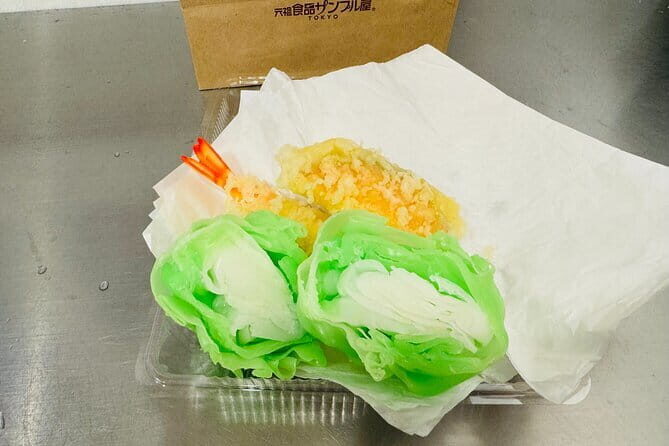
The one cost to watch: extras like dumplings or rice are not included. You’ll pay those in cash. If you don’t carry cash, you may feel stuck. Bring enough so you can say yes to add-ons if you want.
What’s included vs what you must plan
Included:
- 3 half-sized bowls of three different ramen types
- Local guide with ramen explanation
- Ramen-focused learning during the meal stops
Not included:
- Extra orders like dumplings or rice
- Transportation to the meeting point
- Hotel pick up and drop off
This is a good setup because it keeps the core experience focused and keeps the price from ballooning. But you should plan your start and end points carefully. The tour ends back at the meeting point, so you’ll want an easy way to get to Shibuya before you start.
If you’re coming from a hotel outside the area, give yourself time to reach the meeting spot. Tokyo transit is excellent, but you don’t want to arrive stressed and hungry.
Transportation on foot: the real comfort check
Since the entire tour is on foot, comfort matters. If you have mobility issues, the tour data notes you’ll need to use a taxi at your own expense for transportation. That’s not a minor detail—this is a practical reminder to evaluate your walking ability before booking.
If you’re generally okay with city walking and you like moving between food spots, you’ll likely find this painless. The segments are short enough to feel manageable, especially with ramen breaks every 45 minutes.
For everyone else: just wear shoes you trust. Shibuya’s sidewalks and crowds are part of the experience. You’re stepping into Tokyo life, not strolling a quiet park.
Who this ramen tour fits best (and who should skip it)
This tour is best for you if:
- You want to try more than one ramen type without committing to full bowls
- You like learning while you eat
- You’re visiting Tokyo and want a focused food experience in Shibuya
- You appreciate a guide who explains the why behind flavors
You might skip it if:
- You avoid chicken, pork, or fish. The tour notes all broths contain chicken, pork, or fish.
- You dislike walking or know you’ll need assistance getting around.
- You prefer fully independent restaurant time with no structure.
Quick FAQ
FAQ
How long is the Tokyo Shibuya ramen tour?
It runs about 2 to 3 hours.
What does the tour include for food?
You’ll get 3 half-sized bowls of three different ramen types.
How many ramen types can I choose from?
The experience is select from 9 types, with three options offered at each of the three shops.
Where does the tour start?
The meeting point is Shibuya 1092-chōme-29-1 Dōgenzaka, Shibuya, Tokyo 150-0043, Japan.
Does the tour end back at the meeting point?
Yes, it ends back at the meeting point.
Is there a group size limit?
Yes. The maximum group size is 10 travelers.
Is transportation included?
No. Transportation fee to the meeting point is not included, and there’s no hotel pick up and drop off.
How do I pay for extra orders?
Additional orders like dumplings or rice are paid in cash. Prepare cash in advance.
What’s the best app to use for day-of contact?
Download WhatsApp, since that’s how the provider will contact you.
What is in the ramen broths?
All ramen broths contain chicken, pork, or fish.
Should you book this Shibuya ramen tasting?
Book it if you want a smooth Shibuya food win with real learning built in. The combination of three ramen stops, half-sized tasting, and Sakurako’s explanation style makes this more than just eating. You’re likely to leave with stronger instincts for what to order next time, and you’ll get the Shibuya Crossing moment to set the tone.
Skip it if you’re strongly picky about ingredients or you can’t do on-foot movement. Otherwise, this is a smart, efficient way to sample what Japan does best with ramen—multiple styles in a short, well-managed window.
More Tour Reviews in Tokyo



Still in Shibuya? Keep Going





Fresh reviews from around Tokyo






Shibuya Tours, compared.
 ★ 5.0Official Street Go-Kart in ShibuyaFrom $763,435 reviews
 ★ 4.9Street Kart Experience in ShibuyaFrom $741,484 reviews
 ★ 5.0Shibuya Meltdown Nightlife Tour: All-You-Can-Drink Bar HoppingFrom $1061,058 reviews
 ★ 5.0Shibuya Official Street Go-Kart in Shibuya AnnexFrom $69972 reviews
 ★ 5.0Shibuya Food Tour (13 dishes and 4 Eateries)From $77770 reviews
 ★ 5.0Best of Shibuya Food TourFrom $217612 reviews
 ★ 4.8Shibuya Highlights Walking TourFrom $19601 reviews
 ★ 4.7Premium Go-Kart Tour with Tower & Shibuya CrossingFrom $116528 reviews
Browse the lists this tour appears in