
Reviewed · TOURS
Tokyo: Full Course Tour: Explore 10 Must-Sees & Hidden Gems
Tokyo rewards you when you plan smart. This tour is a fast, friendly way to do that. You start with a meet point at JR Yoyogi Station and spend the day learning how to move like a local on foot and by metro, guided by born-and-raised Tokyo experts like Sam and Yasuko. I especially liked the way the guide connects what you see to everyday Japanese etiquette, and I also like that all the attractions on the route are free to enter, so you can spend your yen on food instead of ticket lines. One possible drawback: it’s a walking-heavy day (the tour calls for comfortable shoes for around 20,000 steps), so if you’re not used to long distances, pace yourself.
The balance here is practical: big landmarks for instant context, plus smaller side streets and local spots that help Tokyo stop feeling like a maze. You’ll learn what to do at shrines, how public transport works in real life, and how to ask questions without getting stuck. The group stays small (limited to 7), which helps the guide keep things moving and answer your questions as you go.
In This Review
- Key points that make this tour worth your day
- A first-day Tokyo route that teaches you how to move
- Meet at JR Yoyogi Station and follow a guide who actually knows the streets
- Seven-Eleven and Konbini culture: the Tokyo skill you’ll use on day two
- Meiji Jingu Shrine: a forest pause with real etiquette cues
- Shibuya essentials: Hachiko first, then the Scramble Crossing
- Tsukiji Honganji Temple plus Tsukiji Outer Market: architecture and food planning
- The Imperial Palace and Marunouchi: where Tokyo’s old and new sit side by side
- Tokyo Station and Akihabara: the red-brick classic and the pop-culture engine
- Sensoji and Asakusa Shrine: old Asakusa with a calmer pause
- Free-entry stops and why that matters more than it sounds
- Walking rules, rain plans, and the IC card reality check
- Small group energy: why you’ll actually remember Tokyo after this
- Who this tour is best for, and who should skip it
- Should you book this Tokyo full-course tour?
- FAQ
- Where is the meeting point?
- How long is the tour and how many stops do we cover?
- Are entrance fees included?
- Do I need cash or an IC card?
- Is lunch included?
- How big is the group and what language is the guide?
- Who might not be suitable for this tour?
Key points that make this tour worth your day
- Free entry at every stop, so your budget stays predictable
- Small group size (7 max) with time for questions and etiquette tips
- English live guide selected from born-and-raised local experts
- You master metro + on-foot navigation instead of relying on taxis
- A mix of iconic Tokyo and practical local culture, from Konbini to Akihabara
- Cash and an IC card are part of the plan, not an afterthought
Before you commit, see how this one stacks up against a few Tokyo favourites:
- Mt Fuji and Hakone 1-Day Bus Tour Return by Bullet Train★ 5.0 · 26,383 reviews
- 1-Day Tokyo Bus Tour★ 5.0 · 14,250 reviews
- Tokyo: teamLab Planets TOKYO Digital Art Museum Entry Ticket★ 4.6 · 9,779 reviews
A first-day Tokyo route that teaches you how to move
If this is your first time in Tokyo, you’ll love how the tour turns confusion into confidence. The plan is built around one day of “see it, understand it, then know where you’re going next.” It lasts 7 hours, and the pacing assumes you’ll be walking a lot, using metro between areas, and adjusting quickly when the city gets busy.
The “small group” part matters more than you’d think. With a limit of 7 participants, your guide can slow down for your questions (and you can actually hear the explanations). You also get a clearer mental map of Tokyo by the end, which makes it easier to return later on your own.
Meet at JR Yoyogi Station and follow a guide who actually knows the streets
The meeting point is JR Yoyogi Station, West Exit, outside the ticket gate (1-chōme-34 Yoyogi, Shibuya City, Tokyo). Your guide’s name and photo are shared after you book, so you know who you’re looking for when you arrive.
What I like here is the guide approach. You’re not just getting a narration track. Guides are born-and-raised Japanese experts, and multiple guides referenced by name in past bookings (like Sam and Yasuko) are known for explaining both history and day-to-day courtesies. One traveler also noted iPad-style support with slides, which is helpful when you want a simple visual while you’re standing in a busy area.
Seven-Eleven and Konbini culture: the Tokyo skill you’ll use on day two
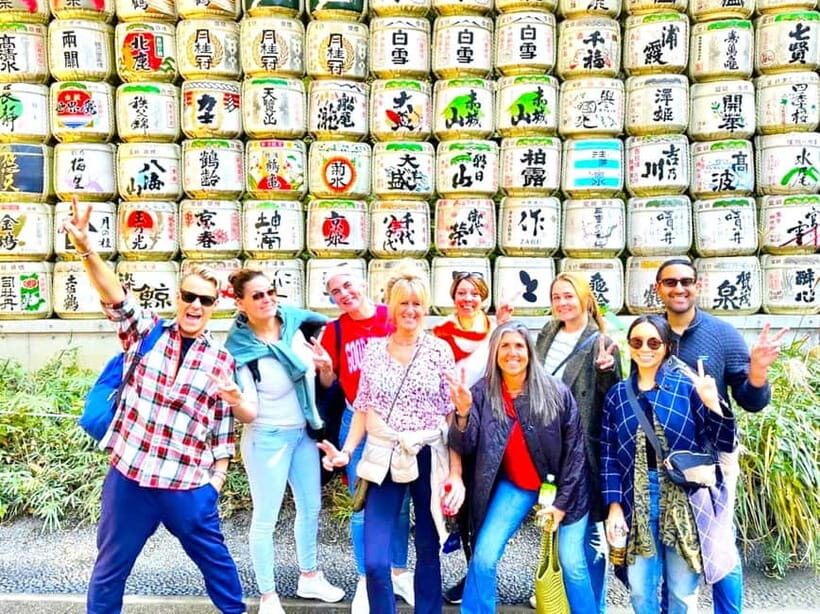
Tokyo runs on small convenience routines. That’s why starting with Seven-Eleven is smart. You’ll get a quick look at konbini culture and learn why these stores matter beyond snacks. Think of it as learning the city’s baseline rhythm: where to grab a drink, what kinds of foods you can expect, and how locals handle quick needs without making it a whole event.
Even if you don’t plan on shopping much, this stop pays off later. You’ll understand how people make Tokyo workable at all hours, which lowers stress when you’re tired or short on time.
Meiji Jingu Shrine: a forest pause with real etiquette cues
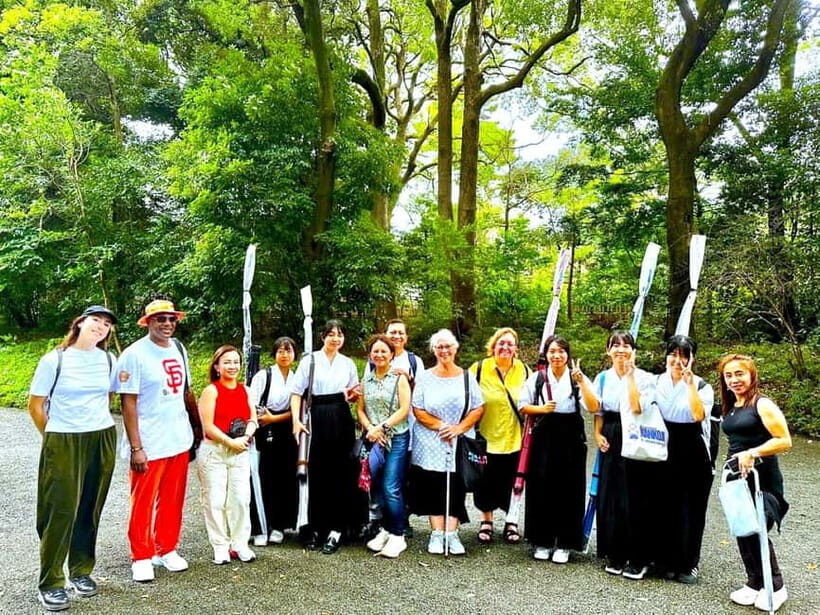
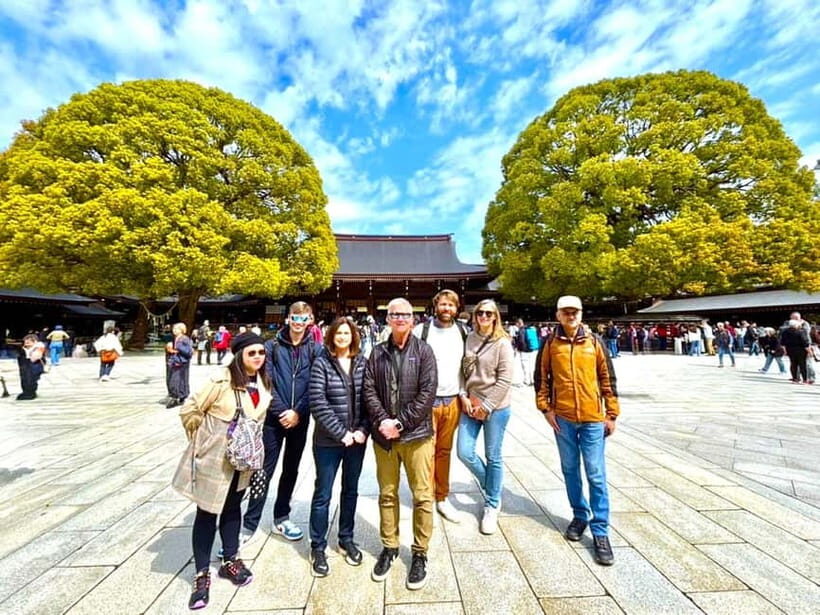
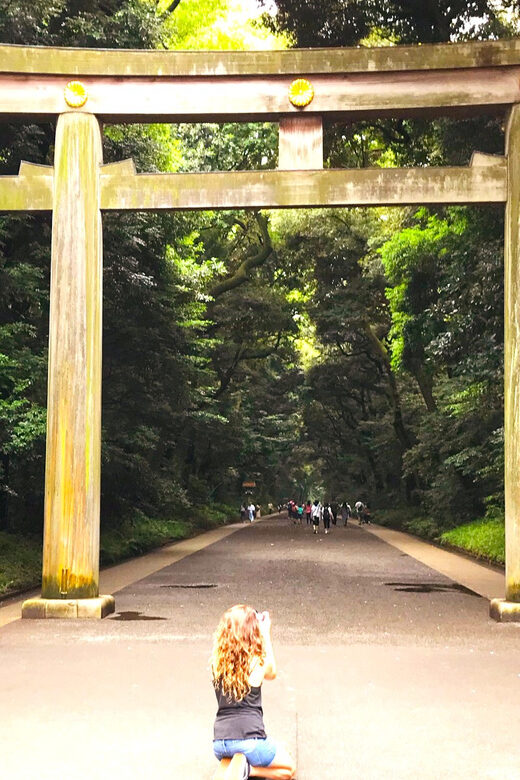
Then the day shifts to calm. At Meiji Jingu Shrine, you get a break from the urban noise and a chance to experience a more reflective side of Tokyo. The setting is described as a serene forest oasis, which is a great reset after city streets.
Here’s the practical value: you’ll learn how to behave respectfully in shrine spaces. That kind of guidance matters because Japanese etiquette can feel strict until someone shows you what it looks like in real life. Expect a slower pace than at street intersections, with enough context that you’re not just taking photos—you’re understanding what you’re seeing.





Shibuya essentials: Hachiko first, then the Scramble Crossing
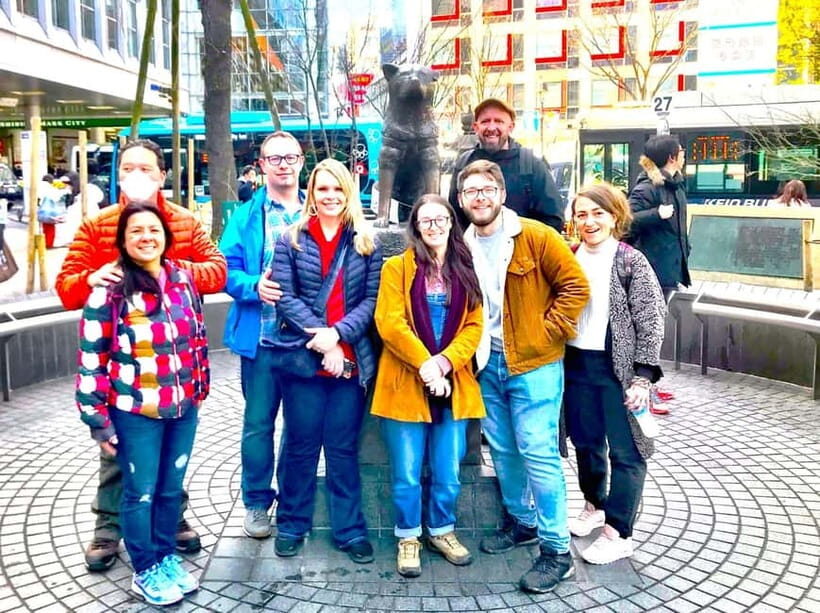
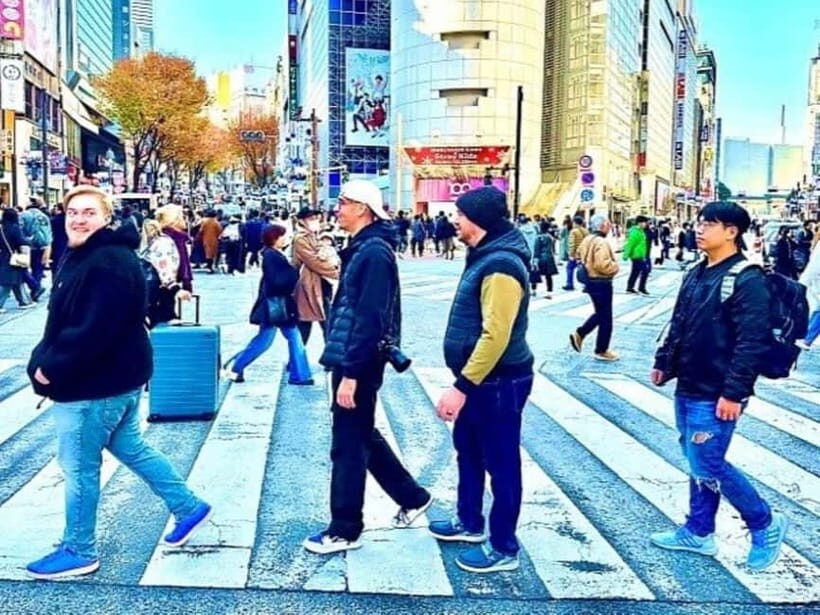
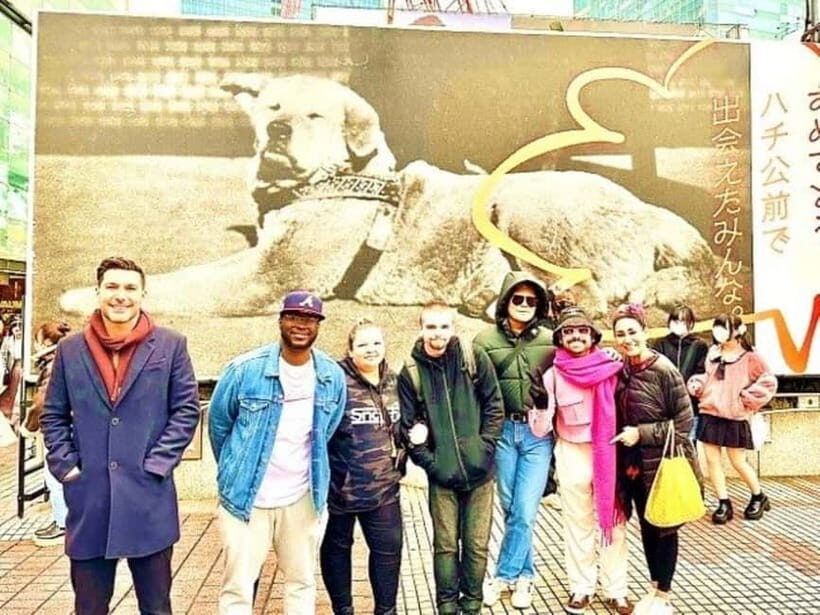
Next up is Shibuya, and it’s the perfect place to get Tokyo’s “instant energy” explained. You’ll stop at Shibuya Hachiko to connect the famous statue with the real story of Japan’s loyal dog, and then you’ll walk to Shibuya Scramble Crossing for the classic crosswalk photo moment.
The practical win at Shibuya is timing and movement. Crossing systems here are easier when you know what to watch for, and your guide can point out how people behave as the light cycles. You don’t just end up at the landmark—you learn how to navigate it without getting swept into the crowd.
Tsukiji Honganji Temple plus Tsukiji Outer Market: architecture and food planning
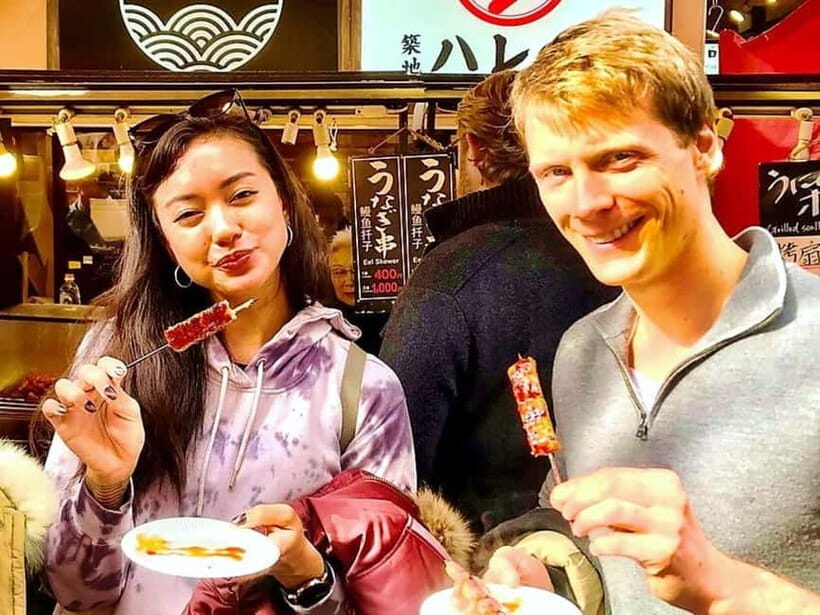
In Tsukiji, you get two very different experiences in one stretch.
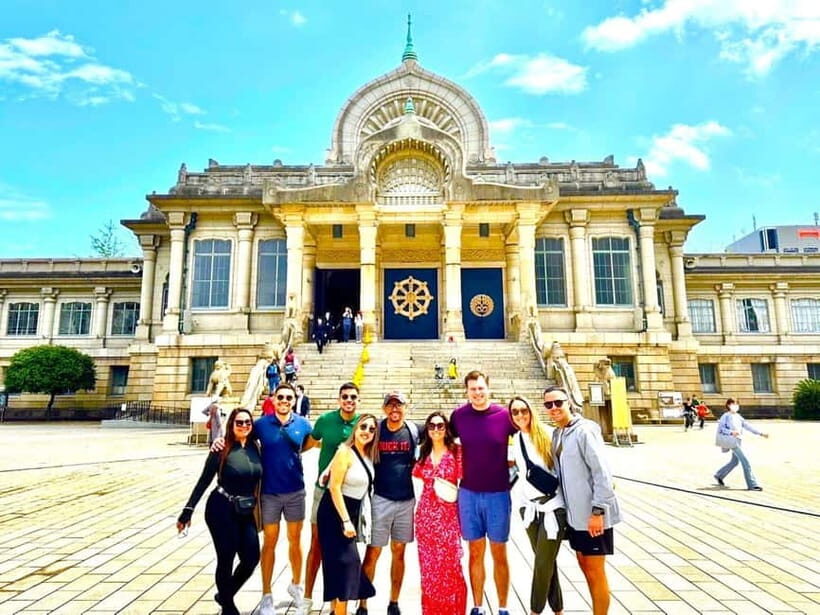
First is Tsukiji Honganji Temple, known for its striking stained glass and Indian-inspired architectural influence. It’s not the typical Tokyo temple vibe you might expect from pictures, so it’s a good reminder that the city keeps mixing styles and stories.
Then comes Tsukiji Outer Market, often described as Japan’s kitchen. If food is a big part of why you travel, this is one of the best places to see how locals shop and snack. Your tour also mentions lunch at Tsukiji, but meals and drinks are not included in the price, so plan on paying your own way (with snacks along the route). The good news: vegetarian and vegan options are always available, so you’re not forced into awkward choices.
The Imperial Palace and Marunouchi: where Tokyo’s old and new sit side by side
You’ll visit the Imperial Palace, including a walk around the grounds of the former Edo Castle and the view of the stone walls. Even if you know the basics of Japanese history, this stop gives you a physical sense of how the country’s power centers shaped the city.
Then you’ll head to Marunouchi, a scenic area where modern skyscrapers meet imperial heritage. This combination is great for your first day because it shows Tokyo’s pattern: tradition doesn’t disappear—it changes location and style.
Tokyo Station and Akihabara: the red-brick classic and the pop-culture engine
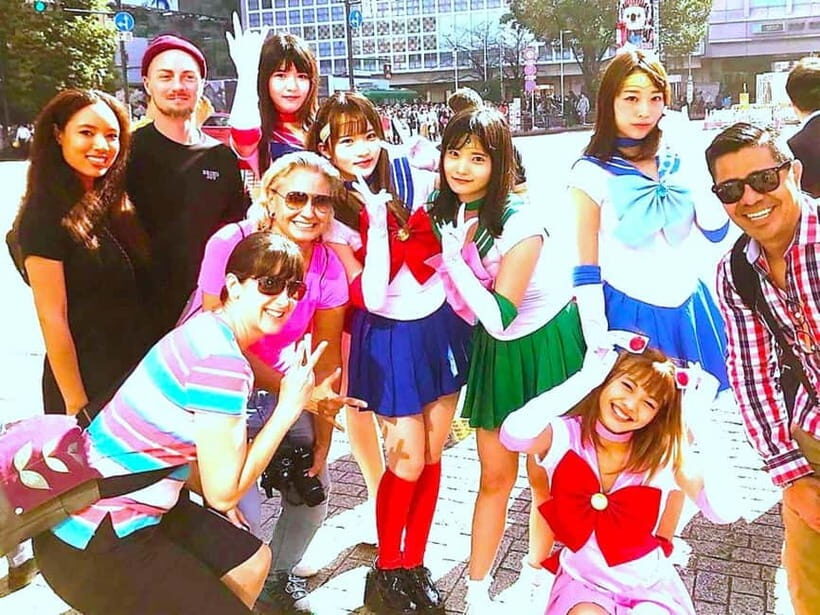
Next, you’ll admire Tokyo Station, famous for its red-brick landmark look and its role as a historic transit gateway. It’s a useful stop even beyond photos because you’ll understand why so many travelers pass through here—Tokyo’s rail map starts to make more sense once you see the station’s central shape.
After that, you’ll head to Akihabara, where the city’s pop-culture side takes over. Expect the neon, the game and anime energy, and the feeling of a neighborhood built around specific interests. This stop is especially satisfying if you like browsing without a strict plan—you can wander at your own pace within the area while your guide handles the big orientation points.
Sensoji and Asakusa Shrine: old Asakusa with a calmer pause
The day closes with Sensoji Temple, Tokyo’s oldest temple, and the approach through Kaminarimon Gate into the spiritual heart of old Asakusa. It’s one of those places where your senses do the work—smells, movement, and the sound level shift as you get closer.
Then you’ll visit Asakusa Shrine within the Sensoji grounds. If you’ve just been in the thick of crowds, this adds a quieter layer, letting you focus more on the meaning of the space rather than just the spectacle.
Free-entry stops and why that matters more than it sounds
The tour is priced at $77 per person, and the big selling point is that all attractions on the route are free to enter. That’s not just a money saver. It also reduces friction. You don’t waste time figuring out tickets, payment rules, or whether a site charges for that exact day.
When you think about real costs, there’s still metro/JR transportation to account for (listed around 1,500 JPY / 10 USD). Food and drinks aren’t included either, with lunch at Tsukiji and snacks called out separately. So your day’s total cost becomes more about how you eat than about entry fees. For many first-timers, that’s a better deal because the food options in Tokyo can vary wildly in price.
In short: you’re paying for route intelligence, local explanations, and stress reduction. That’s often where “value” lives on a first day.
Walking rules, rain plans, and the IC card reality check
Tokyo tours can fail fast when logistics aren’t realistic. This one tries to be. The tour tells you to wear comfortable shoes and easy-to-move clothes because you’ll cover about 20,000 steps. It also says no high-heeled shoes, no oversize luggage, no strollers, and no intoxication. That list is there for a reason: the route uses crowded pedestrian areas and metro transfers.
Bring rain gear, because the tour continues in rain. Even if you hate umbrellas, you’ll want one or a raincoat. You’ll also need cash (JPY) since some shops or items accept cash only.
And yes, bring an IC card like Suica, Pasmo, or Icoca pre-charged for metro travel. The tour explicitly depends on it. If you show up without one, you might spend extra time at ticket machines or lose momentum.
Small group energy: why you’ll actually remember Tokyo after this
With up to 7 participants, the guide can keep the group together and still give you answers. This matters on a route that spans Shibuya, Tsukiji, the Imperial area, Marunouchi, Tokyo Station, Akihabara, and Asakusa. It’s the kind of day where a bigger group would feel like a conveyor belt.
This tour’s teaching style shows up in the reviews tied to guides like Sam and Yasuko: explanations of history and courtesies, help with how to get around efficiently, and practical orientation like maps (one traveler specifically mentioned receiving maps). If you like questions, you’ll get more out of the day.
Who this tour is best for, and who should skip it
This is ideal if you want a strong Tokyo foundation in one shot. It’s listed as a perfect choice for your first day, and it’s also the kind of plan that works well for limited-time situations like a short stopover.
You’ll also enjoy it if you like a blend of:
- iconic landmarks (Hachiko, Shibuya Crossing, Tokyo Station)
- food context (Tsukiji Outer Market)
- culture with etiquette (Meiji Jingu, Sensoji, Asakusa Shrine)
- pop-culture energy (Akihabara)
- practical everyday Japan (Seven-Eleven)
But it may not be right if you have mobility limits or health constraints. The tour states it’s not for wheelchair users, not for pregnant guests, and not for people with back problems or low level of fitness. It also lists people with a cold as not suitable, and it’s not meant for professional research or language training.
If you’re traveling with small kids: under 13s require a private tour, and under 18s must be accompanied by an adult.
Should you book this Tokyo full-course tour?
I’d book it if you want your first day in Tokyo to feel guided, efficient, and meaningful without spending your whole trip in lines. The biggest reasons are simple: free-entry stops, a small group, and a guide who explains how Japanese daily life works, not just what to photograph.
I’d skip it if you don’t handle long walking days well or if you need step-free access. Also, if you hate paying separately for food, remember meals and drinks are not included, even though lunch at Tsukiji is part of the route.
For most first-timers, though, this is a smart way to get oriented fast, learn etiquette, and leave with a map in your head instead of just a memory of places you passed.
FAQ
Where is the meeting point?
You meet at JR Yoyogi Station, West Exit, outside the ticket gate (1-chōme-34 Yoyogi, Shibuya City, Tokyo 151-0053).
How long is the tour and how many stops do we cover?
The tour runs for 7 hours and the experience includes as many as 10 iconic attractions, plus additional stops listed on the route.
Are entrance fees included?
Yes. The tour states that all attractions on this route are free to enter.
Do I need cash or an IC card?
Bring cash (JPY) for shops and items that accept cash only. Also bring a pre-charged IC card (Suica, Pasmo, or Icoca) for metro travel.
Is lunch included?
No. The tour notes food and drinks are not included, including lunch at Tsukiji and snacks.
How big is the group and what language is the guide?
The group is limited to 7 participants and the guide is English (live tour guide).
Who might not be suitable for this tour?
It’s not suitable for pregnant guests, wheelchair users, people with back problems, people with a cold, or anyone with low level of fitness. Under 13s require a private tour, and under 18s must be with an adult.
More Tours in Tokyo

More Tour Reviews in Tokyo



Fresh reviews from around Tokyo






Tours, compared.
 ★ 5.0Shinjuku Food Tour (13 Dishes at 4 Local Eateries)From $866,603 reviews
 ★ 4.4Tokyo Mt Fuji 5th St & Hakone Cruise Bus Tour w/Bullet TrainFrom $1545,024 reviews
 ★ 5.0Flagship 2-Hours Official Street Go-Kart Tour – Tokyo Bay ShopFrom $644,974 reviews
 ★ 4.7Mt. Fuji Tour, Hakone Ropeway, Owakudani, Lake AshiFrom $544,002 reviews
 ★ 5.0Tokyo 6hr Private Tour with Government-Licensed GuideFrom $1553,902 reviews
 ★ 5.0Tokyo Bar Hopping Tour in Shinjuku (All-You-Can-Drink + Dinner)From $1063,587 reviews
 ★ 5.0Tokyo Tsukiji Fish Market Food and Culture Walking TourFrom $993,184 reviews
 ★ 4.9Shinjuku Food Tour (15 Dishes and 4 Eateries)From $852,033 reviews