
Spanish Tokyo feels easy.
That is the magic here: a full-day tour in Spanish that keeps temples, parks, and neighborhoods understandable, not just scenic. I also like that the guides stay close and friendly, and you leave with practical recommendations so you can keep enjoying Tokyo after the tour. One thing to keep in mind: the main viewpoint plan in Shinjuku can switch to Ebisu if the Shinjuku mirador is closed.
The day moves through a great contrast—traditional Asakusa rituals, Ueno’s park scene, market life in Ameyoko, then modern skyline energy in Shinjuku, and finally the neon adult-night vibe around Kabukicho/Golden Gai. You get skip-the-line access via a separate entrance, and the team says they’re respectful of the environment, which matters in crowded areas. You’ll still want comfy shoes, because this is an 8-hour walking-and-transit day.
In This Review
- Key Things To Know Before You Go
- 8 Hours Of Spanish Tokyo: Asakusa To Kabukicho In One Loop
- Starting In Asakusa: Sensō-ji With Easy Entry
- Ueno Park And Lunch Break: How The Guide Changes The Day
- Ameyoko Market After Lunch: Shopping Streets With Real Momentum
- Shinjuku And The Viewpoint: The Upgrade, Plus The Ebisu Backup
- Kabukicho And Golden Gai: Nightlife Without Losing Your Bearings
- How The Day Flows: Transit, Walking, And Comfort Tips
- Price And Value: Is $96 A Good Deal For This Route?
- Who This Tour Fits Best (And Who Might Want Another Plan)
- Should You Book Tokio A Tour De La Ciudad En Español?
- FAQ
- How long is the Tokio A Spanish city tour?
- Is the tour available in Spanish?
- What’s included in the tour price?
- Do I need to pay for transportation and meals?
- Where do we meet the guide?
- Is hotel pickup offered?
- Can I bring luggage or large bags?
- What happens if the Shinjuku viewpoint is closed?
- Is the tour accessible, and is it suitable for hearing-impaired visitors?
Key Things To Know Before You Go
- Spanish guide all day so you’re not piecing together Tokyo from signs and guesswork
- Skip-the-line via separate entrance to reduce waiting at key sights
- Asakusa → Ueno → Shinjuku → Kabukicho in one continuous loop of Tokyo contrasts
- Ameyoko market stop right after lunch break for a more everyday, local feel
- Shinjuku mirador backup: Ebisu can replace it if Shinjuku is closed
- Friendly, helpful guiding style shown in past experiences with guides like Nikita, Camila, and Emi
Before you commit, see how this one stacks up against a few Tokyo favourites:
- Mt Fuji and Hakone 1-Day Bus Tour Return by Bullet Train★ 5.0 · 26,383 reviews
- 1-Day Tokyo Bus Tour★ 5.0 · 14,250 reviews
- Tokyo: teamLab Planets TOKYO Digital Art Museum Entry Ticket★ 4.6 · 9,779 reviews
8 Hours Of Spanish Tokyo: Asakusa To Kabukicho In One Loop
This tour is built for people who want Tokyo to make sense fast. You start with a classic temple experience in Asakusa, then work your way through Ueno’s park-and-lunch rhythm, and keep rolling into Shinjuku for big-city views. By the time you reach Kabukicho and the Golden Gai area, you’ve seen how Japan can feel both formal and wildly modern in the same day.
What makes this format valuable is the sequence. Instead of jumping randomly across the map, you travel in the natural order of the day: traditional district first, then culture/people-watching, then skyline, then nightlife streets. You also get guidance on what you’re seeing, plus advice on what to do next—helpful when your free time in Tokyo is limited.
The tour lasts 8 hours. That’s long enough to see a lot, but it’s not a “sit and watch” experience. Expect public transport, walking between neighborhoods, and time spent at each main stop.
Starting In Asakusa: Sensō-ji With Easy Entry
Asakusa is where Tokyo still feels like a “real place,” not just a photo backdrop. Your morning begins in the traditional neighborhood and includes a guided visit to Sensō-ji, one of the most famous temples in Japan.
The practical win here is the separate entrance skip-the-line. At a place like Sensō-ji, waiting can eat time fast. Using a shortcut doesn’t make it less authentic—it mainly protects your schedule so you can spend more minutes looking, reading, and taking it in.
Sensō-ji also sets the tone for the whole day. The temple experience gives you a baseline understanding of Japanese religious and street life before you move into parks and markets later. That context helps when you start noticing details everywhere else—how people flow through streets, how neighborhoods are organized, and how guides translate the scene for you.
Logistics-wise, the meeting point is in front of the entrance to the Asakusa Tourist and Cultural Information Center. Your guide will have an identification hanging with the name NIPONEANDO. If you choose pickup options, note that pickups happen using public transport.
Ueno Park And Lunch Break: How The Guide Changes The Day
Next comes Ueno and a guided tour through Ueno Park. The park is popular for a reason: you get open space, people wandering, and a Tokyo pace that isn’t just commuter rails and skyscrapers. With a guide, you’re more likely to understand what you’re looking at and why Ueno is such a frequent stop for locals and visitors.
Ueno Park is scheduled for about 1.5 hours with the guide. That’s enough time to move without rushing. It’s also long enough for you to slow down if you want photos, because the guide is there to keep the group together and answer questions in Spanish.
Then you get a lunch break (about 80 minutes). Food and drinks are not included in the tour price, so you’ll be choosing and paying on your own. Still, having a set lunch window is useful—it helps you avoid the classic problem of hungry chaos in a busy city. If you want the day to stay pleasant, use lunch time to refuel and then come back ready to walk again.
What I like about this portion is how it balances structure and freedom. You get direction and context, but lunch is still your time to pick what you can realistically eat that day.
Ameyoko Market After Lunch: Shopping Streets With Real Momentum
After lunch, the itinerary includes Ameyoko market, described as atypical and known for its strong street-energy. This is where Tokyo shifts from “sightseeing stops” into “everyday commerce.”
Market time is a smart add-on because it changes what kind of traveler you feel like. Instead of only seeing landmarks, you’re watching how people buy, browse, and move through narrow lanes. And since the tour is in Spanish, you’re more likely to ask questions and understand what’s going on rather than just walking by and hoping.
There’s no guarantee you’ll buy anything—this stop is about atmosphere and context. Still, it’s a good place to pick up small souvenirs or snacks if that’s your style. Just remember: transport and food aren’t included, and the market area can be busy.
I also like that this stop fits right after Ueno. You already have the rhythm of the day, so the market doesn’t feel like a random detour. It feels like the next chapter.





Shinjuku And The Viewpoint: The Upgrade, Plus The Ebisu Backup
Shinjuku is where Tokyo shows off. You head there next for about 1.5 hours guided time, including a visit to one of the best viewpoints in Tokyo.
The big advantage of a guided viewpoint stop is timing and confidence. A view can be “just a view” if you don’t know what you’re looking at. With a guide, you get orientation—how the city’s shape and districts relate to each other.
One key caution: the mirador plan can change. If the Shinjuku viewpoint is closed for reasons outside the tour’s control, the visit may be switched to the Ebisu mirador instead. This is worth planning around mentally. In Japan, closures happen, and tours that have a backup option tend to protect your day.
In past Spanish tours, guides like Nikita have been praised for being polite, attentive, and genuinely helpful—qualities that matter when plans shift. If the viewpoint changes, you’ll still benefit from having someone explain what to focus on so the swap doesn’t feel disappointing.
The viewpoint portion also helps the day’s contrast. You go from temple space and park calm into a high-energy city panorama, then you end by stepping into one of Tokyo’s most famous nightlife zones.
Kabukicho And Golden Gai: Nightlife Without Losing Your Bearings
The finish zone is Kabukicho, home to Tokyo’s red-light district reputation and the Golden Gai area. Expect nightlife: karaoke bars, bars, restaurants, and gaming stores with neon-lit facades.
This part is where the tour becomes more about understanding a neighborhood than ticking off one final monument. Kabukicho is intense. If you’ve never been, it can feel overwhelming because it’s all happening at once. A guide helps you stay oriented—where to walk, what streets connect, and how to experience the area with curiosity rather than confusion.
You’ll get about 50 minutes guided time in Kabukicho, plus a short on-foot segment before you arrive there. The tour ends at the Kabukicho Theater, which gives you a clear final drop-off point.
What I like here is how the tour doesn’t pretend Kabukicho is anything other than what it is. It’s a nightlife district, and the contrast with the morning’s temple visit is the whole point. You walk away understanding Tokyo’s extremes, not just its postcard views.
How The Day Flows: Transit, Walking, And Comfort Tips
The itinerary mixes subway/metro and train segments with walking. You’ll spend short chunks moving between districts—around 10 minutes for subway/metro early on, then later a train segment around 25 minutes. That keeps the schedule efficient, but it also means you should travel light.
Some rules are clear:
- No large luggage or big bags
- No unaccompanied minors
- Wheelchair accessible
- Not suitable for hearing-impaired people
If you’re deciding what to bring, think compact and easy. This is not the day for a rolling suitcase.
Also, wear shoes you can stand in for hours. Even though the “walking minutes” per section are not huge numbers, the day totals up quickly: temple area walking, park wandering, market movement, then the neighborhood switch and the final Kabukicho streets.
Finally, remember that transportation costs are not included in the price. The tour lists transportation as 400¥. You’ll want that ready so you don’t slow down your group on arrival days.
Price And Value: Is $96 A Good Deal For This Route?
At $96 per person for an 8-hour tour, you’re paying for a lot more than a checklist of stops. You’re paying for:
- A Spanish live guide through multiple neighborhoods
- Guided time at Sensō-ji, Ueno Park, Shinjuku, and Kabukicho
- A viewpoint experience and a market visit
- A plan that coordinates timing across districts
- Skip-the-line entry via a separate entrance
- A close, friendly guiding style (and advice so you keep enjoying Tokyo after)
What you should budget separately:
- Transportation: 400¥
- Drinks and food (including lunch break)
So the real value question is whether you want guidance that keeps your day coherent. If you would otherwise spend hours reading signs, figuring out which direction to walk, and trying to translate what you’re seeing, this tour can be a strong shortcut. If you already know Tokyo well and you’re comfortable navigating without Spanish support, you might prefer independent travel.
One more value point: the guide also gives recommendations so you continue enjoying your trip. That can be just as useful as the sights themselves, especially if you only have a few days in Tokyo and your remaining time is unpredictable.
You also get free cancellation up to 24 hours in advance for a full refund, and reserve now pay later options are available, which reduces risk if your schedule changes.
Who This Tour Fits Best (And Who Might Want Another Plan)
This experience is a good match if you:
- Want Tokyo explained in Spanish
- Prefer guided structure across several neighborhoods
- Like a friendly, close guide style (not distant lectures)
- Enjoy contrast: temple morning, city views, and neon nightlife by nightfall
- Want practical recommendations for what to do after the tour ends
It also tends to work well for people who don’t want to plan every transit hop. The route already does the heavy lifting, and the guided timing keeps you from spending energy on logistics.
Who should reconsider:
- Hearing-impaired visitors, since it’s not suitable
- Anyone carrying large luggage, because it isn’t allowed
- Anyone with very limited mobility needs, since while it is wheelchair accessible, the day still involves moving through busy areas and getting from place to place
If you’re choosing between group and private: private group availability is offered. Guides with flexible planning styles have been mentioned in Spanish experiences, including Emi, who was described as communicative and flexible with hotel pickup.
Should You Book Tokio A Tour De La Ciudad En Español?
Yes, I’d book it if you want a Spanish-guided day that covers the “Tokyo range”: Asakusa tradition, Ueno’s calm, Ameyoko’s street life, Shinjuku’s height, and Kabukicho’s neon reality. The $96 price makes sense when you factor in the live guide time across multiple districts plus skip-the-line access.
Book it especially if you’ll benefit from leaving with recommendations. That advice can help you fill in your remaining Tokyo hours without guessing.
Before you commit, make sure you’re comfortable with:
- Paying extra for transportation (400¥) and your own food/drinks
- Walking through crowded neighborhoods
- The possibility of the viewpoint swapping from Shinjuku to Ebisu if needed
- Keeping luggage out of the trip
If that all sounds workable, this is a strong way to see Tokyo with less friction and more understanding.
FAQ
How long is the Tokio A Spanish city tour?
It lasts about 8 hours.
Is the tour available in Spanish?
Yes. The live tour guide speaks Spanish.
What’s included in the tour price?
The tour includes the Spanish Tokyo tour and the full 8-hour guided experience. Hotel pickup is included only if you add the pickup supplement or select the private option.
Do I need to pay for transportation and meals?
Yes. Transportation is listed separately (400¥), and drinks/food are not included. Lunch is scheduled during the day, but you’ll purchase what you want.
Where do we meet the guide?
You meet in front of the entrance to the Asakusa Tourist and Cultural Information Center. The guide will have an ID hanging that says NIPONEANDO.
Is hotel pickup offered?
Pickup is optional. If you choose it, the guide picks you up at your hotel, and pickups are done using public transport.
Can I bring luggage or large bags?
No. The tour does not allow luggage or large bags.
What happens if the Shinjuku viewpoint is closed?
The mirador may be changed to the Ebisu viewpoint if the original Shinjuku viewpoint is closed.
Is the tour accessible, and is it suitable for hearing-impaired visitors?
The tour is wheelchair accessible. It is not suitable for hearing-impaired people.
More Tours in Tokyo

More Tour Reviews in Tokyo



Fresh reviews from around Tokyo






Tours, compared.
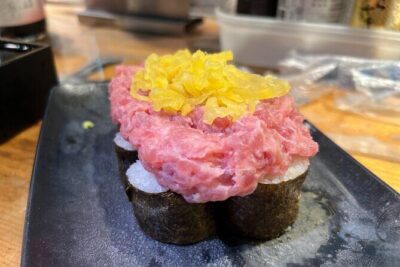 ★ 5.0Shinjuku Food Tour (13 Dishes at 4 Local Eateries)From $866,603 reviews
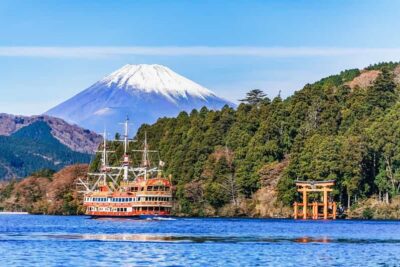 ★ 4.4Tokyo Mt Fuji 5th St & Hakone Cruise Bus Tour w/Bullet TrainFrom $1545,024 reviews
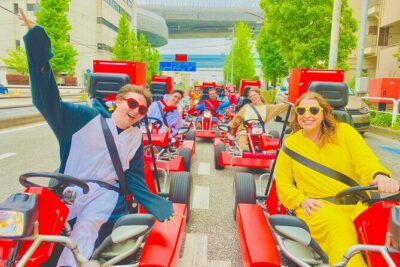 ★ 5.0Flagship 2-Hours Official Street Go-Kart Tour – Tokyo Bay ShopFrom $644,974 reviews
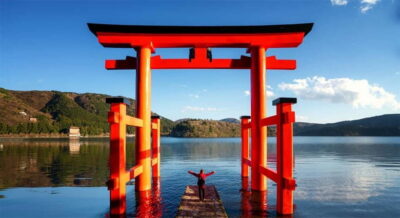 ★ 4.7Mt. Fuji Tour, Hakone Ropeway, Owakudani, Lake AshiFrom $544,002 reviews
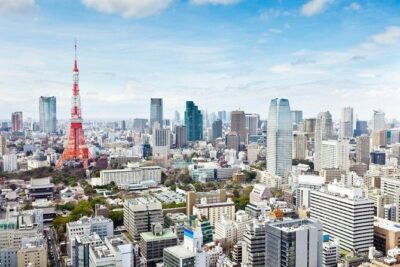 ★ 5.0Tokyo 6hr Private Tour with Government-Licensed GuideFrom $1553,902 reviews
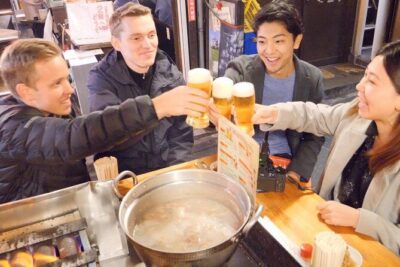 ★ 5.0Tokyo Bar Hopping Tour in Shinjuku (All-You-Can-Drink + Dinner)From $1063,587 reviews
 ★ 5.0Tokyo Tsukiji Fish Market Food and Culture Walking TourFrom $993,184 reviews
 ★ 4.9Shinjuku Food Tour (15 Dishes and 4 Eateries)From $852,033 reviews