
Reviewed · MUSASHINO
Seafood Sushi Diversity for All
Sushi lessons in Tokyo can be surprisingly fun.
This 4-hour workshop in Musashino uses seasonal ingredients and real Japanese tools to teach you that modern sushi is only a small slice of a much wider tradition. You start with the meaning and evolution of sushi, then move straight into sushi rice and hands-on shaping.
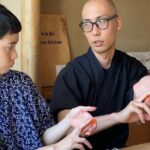
I especially like the six sushi types you’ll learn in one session, and the calm, step-by-step teaching that keeps beginners from feeling lost. With Rei at the center of the class (and extra support from Chie in some sessions), you get explanations that match the pace of the group.
The main drawback is also the obvious one: this is not a sit-and-watch experience. You’ll be working with rice, fillings, and traditional knives, so if you want mostly eating (not making), this may feel like more work than you expected.
In This Review
- Key highlights you’ll feel right away
- Sushi Diversity in Musashino: What You Actually Learn
- Finding the Class: Musashi-Sakai Station to a Private Ride
- The First Step: Sushi Rice, Vinegar, and Why Texture Rules
- Six Sushi Styles in One Session: Nigiri to Temari
- Nigiri: Hand-pressed with confidence
- Inarizushi: Tofu pouches with rice
- Gunkan: Topped rice that wears its toppings
- Hosomaki: Thin seaweed rolls
- Oshizushi: Pressed and molded layered sushi
- Temari: Ball-shaped sushi
- Traditional Knives and Food Hygiene: The Practical Side
- Tasting, Sharing, and Learning From the Group’s Outcomes
- Value Check: Is $65.15 Worth Four Hours of Sushi Skills?
- Who This Workshop Suits Best (And Who Might Skip It)
- Want a Longer Course? You Can Adjust the Content
- Should You Book This Sushi Workshop in Musashino?
- FAQ
- Where do we meet for the sushi class?
- How long is the class?
- What sushi types will we learn to make?
- Do I need sushi-making experience?
- Is this a private class?
- Can the course length or content be changed?
Key highlights you’ll feel right away
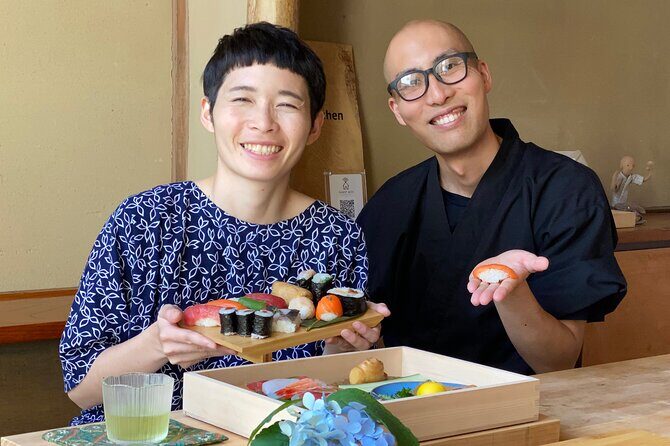
- Six distinct sushi styles in about four hours: nigiri, inarizushi, gunkan, hosomaki, oshizushi, and temari
- Sushi-rice technique first, so your toppings and shapes have a solid foundation
- Traditional tools training, including Japanese kitchen knives and proper handling habits
- Seasonal ingredients that change the character of what you make
- Private, small-group setup, so your attention stays on your team, not a crowd
- Sharing time at the end, where you taste what you and others created
Before you commit, see how this one stacks up against a few Musashino favourites:
- Small Town in the Big City: Tasting Tokyo’s Kichijoji★ 5.0 · 195 reviews
- The 10 Tastings of Tokyo With Locals: Private Street Food Tour★ 5.0 · 48 reviews
- EXCLUSIVE Tokyo Secret: Kichijoji Small-Group Food & Bar Hopping★ 5.0 · 29 reviews
Sushi Diversity in Musashino: What You Actually Learn
This class is built around a simple idea: sushi is not one single thing. It’s a family of foods that evolved over time, and modern “sushi” is just one chapter of that story. In practice, that means you’re not stuck making only rolls.
You’ll start by learning what people mean when they say sushi today, and how that meaning changed. Then you’ll work on the backbone of most sushi—sushi rice, seasoned by mixing it with vinegar. That early focus matters because rice quality and texture are what separate sushi that tastes good from sushi that tastes correct.
And then you get to the fun part: you make six styles using seasonal ingredients and traditional Japanese tools. You’ll go from hand-pressed nigiri to molded oshizushi, plus inarizushi pouch sushi and the ball-shaped temari. It’s variety with purpose: each style teaches a different handling skill.
Finding the Class: Musashi-Sakai Station to a Private Ride
You meet at JR Musashi-Sakai Station at 11:00 AM (Musashino, Tokyo 180-0023). From there, the group drives to the workshop location in a private car.
This matters more than it sounds. Musashi-Sakai is a real local station, and getting to a class inside a home (rather than a retail cooking studio) can be the difference between a generic activity and an actual neighborhood experience. Also, since the class ends back at the meeting point, you don’t have to manage a complicated return plan afterward.
The activity runs about four hours and uses a mobile ticket. So on the day, plan to have your phone ready to show the ticket.
The First Step: Sushi Rice, Vinegar, and Why Texture Rules
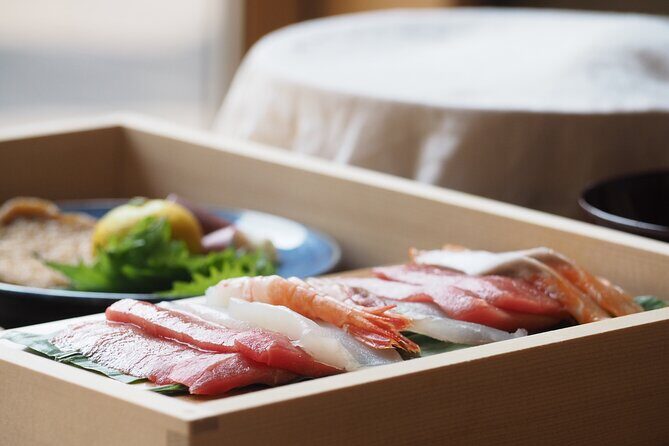
Before you touch fish or shape anything fancy, you learn how to make sushi rice. The class teaches you how to mix the rice with vinegar (the key seasoning step), and it’s presented as technique, not just instructions.
This is where beginners often relax. If you know how to season and handle the rice properly, the rest becomes easier. Your toppings can be whatever the class has that day, but the rice is still the core.
You’ll also learn the logic behind what you’re doing—why the rice is treated a certain way and how the rice texture affects the final sushi. That kind of reasoning helps you avoid the common problem: sushi that tastes fine but falls apart, or feels off in the mouth.
Six Sushi Styles in One Session: Nigiri to Temari
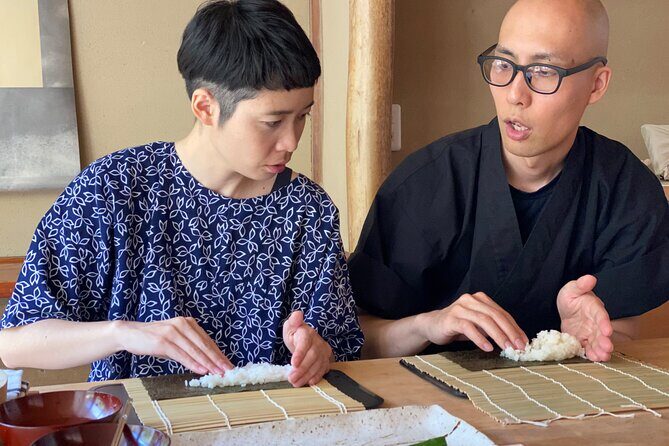
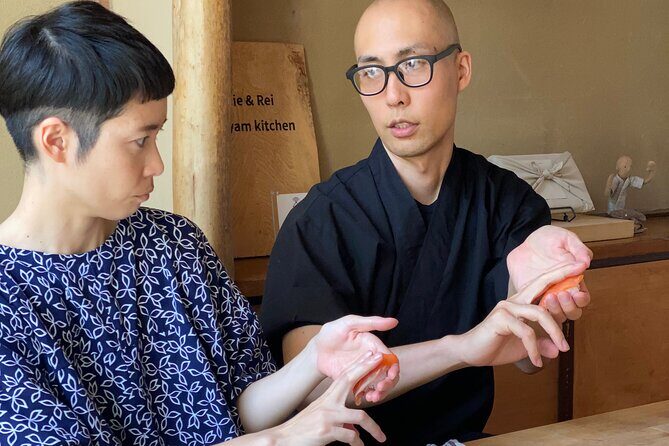
The workshop is hands-on from the start, and the menu is intentionally structured. You learn six styles, each one training a different shape or assembly method.
Nigiri: Hand-pressed with confidence
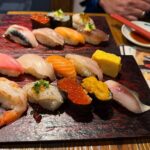
You’ll make nigiri, which means hand-pressed sushi topped with prepared ingredients. The class focuses on the feel of pressing and the balance between rice and topping. If you’ve only had nigiri from restaurants, this is where you see how much control goes into that simple bite.
Inarizushi: Tofu pouches with rice
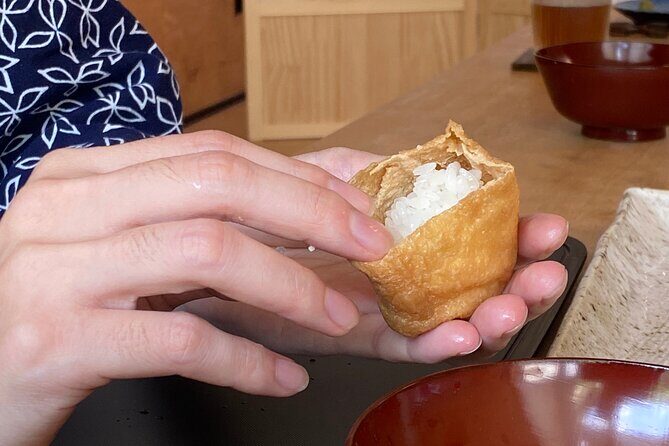
Next comes inarizushi, sushi made with rice stuffed into tofu pouches. This style teaches how to handle a filling that’s shaped by the container, not by freeform rolling. It’s a good contrast to nigiri because the final form is constrained in a different way.
Gunkan: Topped rice that wears its toppings
Then you’ll make gunkan, where rice is formed so toppings sit on top like a kind of protective mount. It’s a practical lesson in shaping: you’re building a structure that holds the filling in place.
Hosomaki: Thin seaweed rolls
You’ll also learn hosomaki, the thin seaweed roll style. This section is where technique becomes visible. Rolling is about even pressure and a neat seal, and the class guides you through making the roll you can actually cut and eat.
Oshizushi: Pressed and molded layered sushi
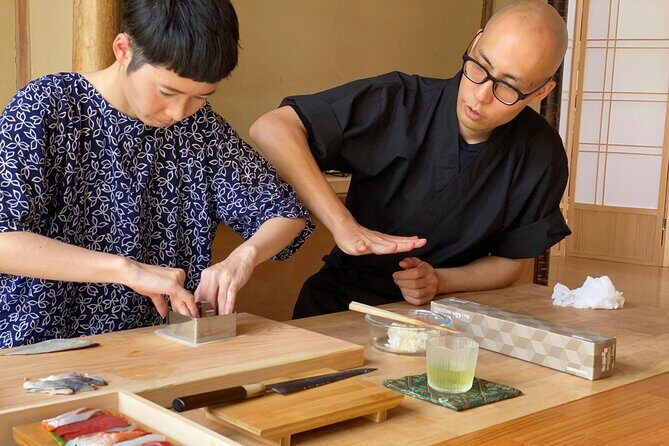
Oshizushi is a different rhythm. Instead of freehand shaping, you use a mold to press and create layered sushi. This is satisfying if you like tools and measured steps, because the mold does part of the work for you.
Temari: Ball-shaped sushi
Finally, you make temari, the ball-shaped style. It’s an approachable finish that shows how you can form sushi into something that doesn’t rely on cutting or rolling.
Across all six types, you’ll be working with the same fundamental building blocks: sushi rice, careful handling, and the idea that shape and structure affect flavor.
Traditional Knives and Food Hygiene: The Practical Side
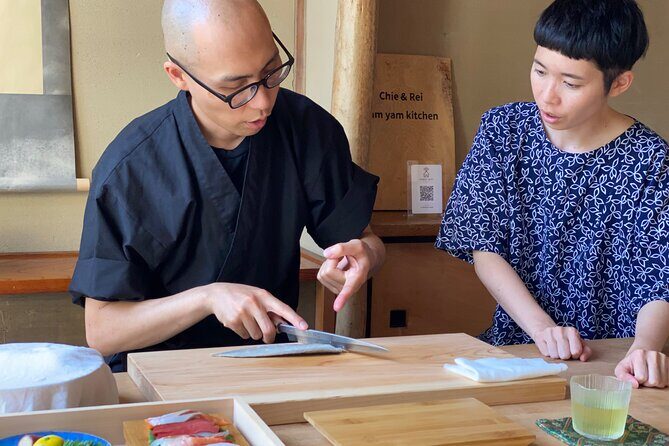
The class includes practice using traditional Japanese kitchen knives. That’s not a detail you should ignore. Sushi-making is equal parts food and technique, and using the right tools helps you handle ingredients cleanly and consistently.
You’ll also learn fish handling and hygiene practices. The guidance is described as clear and practical, which is exactly what you want for hands-on cooking. Even if you’re new, you’ll be taught what matters and how to do it without guessing.
This is one of the most valuable parts of the experience, because restaurant sushi can look effortless. Here, you learn what’s behind that ease: the steps that keep the food safe and the results consistent.
Tasting, Sharing, and Learning From the Group’s Outcomes
After you make your sushi, you get to enjoy what you created. There’s also a natural social rhythm at the end: you’ll exchange and try the sushi made by others in your group.
This is more than polite tasting. When you compare different plates from the same lesson, you quickly see what changes the result. Maybe someone’s hosomaki seals more neatly. Maybe another person’s nigiri has a slightly different rice-top balance. You’ll get instant feedback without it feeling like a classroom test.
It’s also a fun way to catch mistakes early for future attempts. You’ll see what worked, what held together, and what was easiest to eat.
Value Check: Is $65.15 Worth Four Hours of Sushi Skills?
At $65.15 per person for about four hours, the value depends on what you want.
If your goal is just to eat sushi, this may feel like “too much work for too little food.” But if your goal is to learn sushi-making skills you can repeat at home, this is a strong deal. You’re not just learning one technique. You’re learning six styles, plus sushi-rice seasoning, plus knife and hygiene basics.
You’re also paying for structure. The class meets at 11:00, drives you from the station to a home workshop location, and stays focused until you’ve made and eaten multiple sushi types. Many cooking classes charge similar money, but don’t give you this kind of range in one sitting.
One more value factor: this is a private tour/activity, meaning only your group participates. That typically makes the instruction more personal, especially if you’re traveling with family or friends.
Who This Workshop Suits Best (And Who Might Skip It)
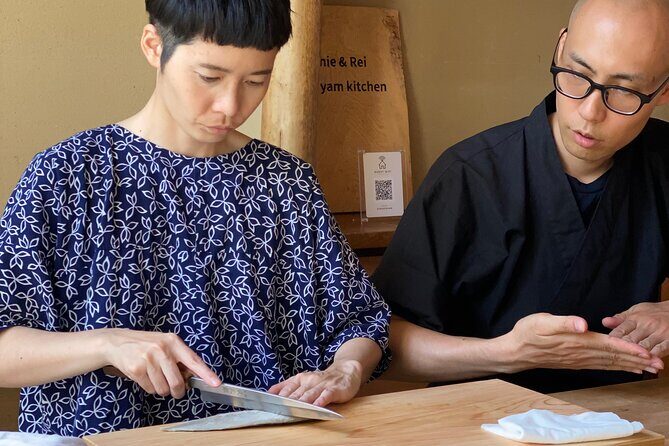
This workshop fits best if you want a hands-on morning activity in Tokyo that’s beginner-friendly. The class is open to all, and it’s designed for people who don’t have sushi experience. If you like learning by doing, you’ll probably find it easier than reading about sushi.
It’s also a good option for families. The pacing and patience described from the teaching style makes it feel less intimidating when multiple ages and skill levels share the same table.
I’d be a little cautious if you strongly prefer restaurant-style lounging. This is not a “watch someone else work” experience. You’ll be shaping, pressing, rolling, and learning a system.
Also note the start time: 11:00 AM. If you’re the type who wants an early start, this is a later morning plan.
Want a Longer Course? You Can Adjust the Content
The organizers can adjust the class length and even the content. You can request changes, and they’ll set the price accordingly after hearing your preferences.
They’ve offered an example of a 12-hour, 2-day intensive course that covers everything from cooking rice to full preparation. So if you’re serious about sushi-making, you can ask for a deeper training version rather than treating this as a one-time taste of the craft.
This flexibility is useful if you want either:
- a shorter sampler at the start of your trip, or
- a longer, more method-driven schedule later.
Should You Book This Sushi Workshop in Musashino?
If you want sushi experience with real skills, I’d book it. You’ll leave knowing how to season sushi rice, how six different sushi styles are assembled, and how tools and hygiene fit into the process.
It’s also a solid pick if you’re traveling with people who don’t all eat sushi the same way. Six styles give you enough variety that most tastes get covered, and the hands-on format makes it a shared activity instead of a passive meal.
Skip it only if your idea of a good Tokyo day is mostly sitting, sightseeing, and eating. This one is about making. If that sounds like your kind of fun, it’s an easy yes.
FAQ
Where do we meet for the sushi class?
You meet at JR Musashi-Sakai Station at 11:00 AM (Musashino, Tokyo 180-0023). The activity ends back at the meeting point.
How long is the class?
The workshop runs for about 4 hours.
What sushi types will we learn to make?
You’ll make six types of sushi: Nigiri, Inarizushi, Gunkan, Hosomaki, Oshizushi, and Temari.
Do I need sushi-making experience?
No. The class is open to all, and you do not need sushi experience.
Is this a private class?
Yes. It’s a private tour/activity, so only your group will participate.
Can the course length or content be changed?
Yes. The class length can be adjusted. The provider also mentions a longer 12-hour, 2-day intensive option and that pricing changes if you request different content.
If you want, tell me your travel dates and group size, and I’ll suggest whether the 4-hour session or a longer intensive makes more sense for your schedule.
More Tour Reviews in Musashino
Fresh reviews from around Musashino

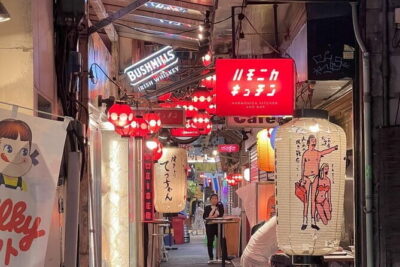
Musashino, compared.
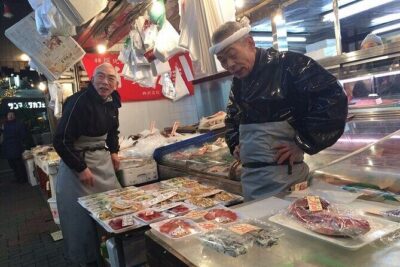 ★ 5.0Small Town in the Big City: Tasting Tokyo’s KichijojiFrom $195195 reviews
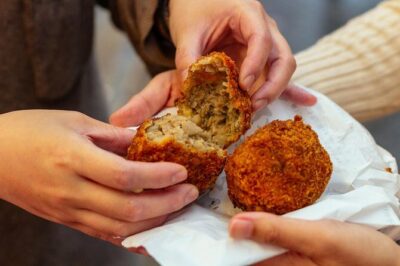 ★ 5.0The 10 Tastings of Tokyo With Locals: Private Street Food TourFrom $19948 reviews
 ★ 5.0EXCLUSIVE Tokyo Secret: Kichijoji Small-Group Food & Bar HoppingFrom $10529 reviews
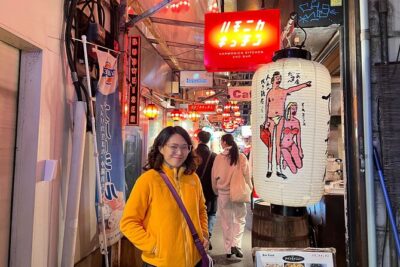 ★ 5.0Explore Kichijoji: Walk Through One of Tokyo’s Beloved DistrictsFrom $4521 reviews
★ 5.0Small Town in the Big City: Tasting Tokyo’s KichijojiFrom $19516 reviews
★ 5.0Explore Kichijoji: Walk Through One of Tokyo’s Beloved DistrictsFrom $4521 reviews
★ 5.0Small Town in the Big City: Tasting Tokyo’s KichijojiFrom $19516 reviews
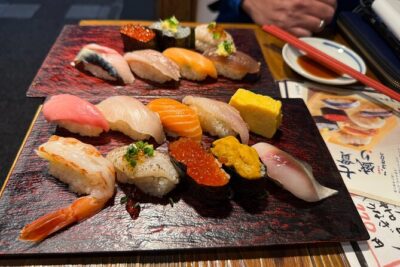 ★ 5.0Samurai Guide Sho’s:Kichijoji Night Training–Drink & Dish PairingFrom $977 reviews
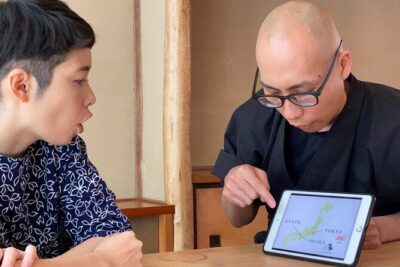 ★ 5.0Plant-Based Sushi Diversity for All (vegan-friendly)From $655 reviews
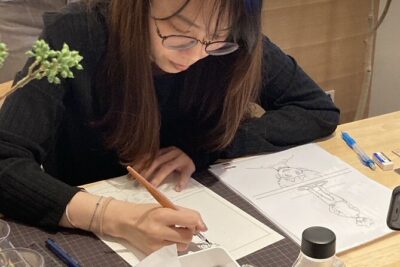 ★ 5.03-Hour Manga Drawing Workshop in TokyoFrom $975 reviews
Browse the lists this tour appears in