
Reviewed · FOOD & DRINK
Small Town in the Big City: Tasting Tokyo’s Kichijoji
Kichijoji feels like Tokyo’s quieter cousin. This food tour focuses on one neighborhood—Musashino’s Kichijoji—so you’re not just eating, you’re learning how local daily life shapes the menu. You’ll move through classic yakitori spots, a department-store food hall depachika, and small lanes where the food comes fast and hot.
I like the mix of big-and-small food culture in one 6-hour day, from polished counters to casual street stands. I also like that the tour keeps portions realistic, so you can taste a lot without turning the whole afternoon into a food coma.
One thing to consider: it’s $195 per person, and the value depends on your appetite for walking and for alcohol being part of the included meal plan.
In This Review
- The Kichijoji Small-Town Feel You Can Actually Taste
- Kichijoji Over Tokyo: Why This Neighborhood Matters
- A 6-Hour Plan That Stays Friendly (Not Exhausting)
- First Stop Energy: Getting Your Bearings in Kichijoji
- Depachika Magic: Tokyo Department-Store Food Halls, But With Purpose
- Shotengai Shopping Street: Taste While You Watch Daily Life
- Yakitori Joints and Local Taverns: How Small Spots Build Big Flavor
- Senbei Craft Visit: Food as Skill, Not Just Product
- The Meal Plan: What’s Included and How to Plan Your Hunger
- Price Check: Is $195 Worth It for a Tokyo Neighborhood Walk?
- Who This Tour Fits Best (And Who Might Want Another Option)
- Practical Tips So You Enjoy the Walking and the Eating
- Should You Book This Kichijoji Food Tour?
- FAQ
- How long is the Kichijoji food tour?
- How many people are in a group?
- What does the tour cost?
- What’s included in the price?
- Are admission tickets required for the stops?
- Where do I meet for the tour?
- Is private transportation included?
- Will I get a mobile ticket?
- Can I cancel and get a full refund?
The Kichijoji Small-Town Feel You Can Actually Taste
A focused neighborhood route. Instead of hopping across Tokyo, you stay in Kichijoji long enough to feel like you get the rhythm.
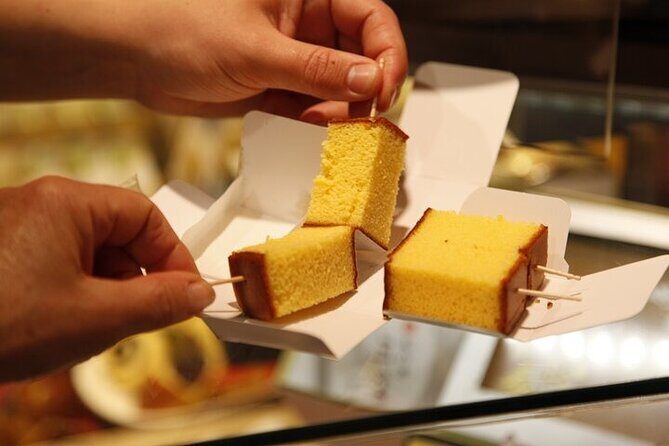
Depachika food hall stop. You get a structured look at how department stores treat tradition and trend at the same time.
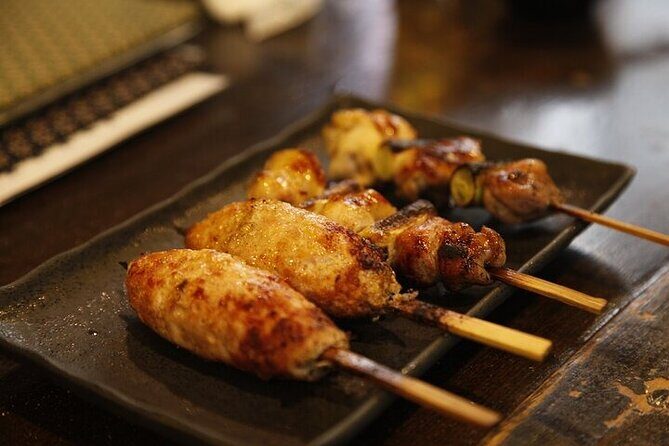
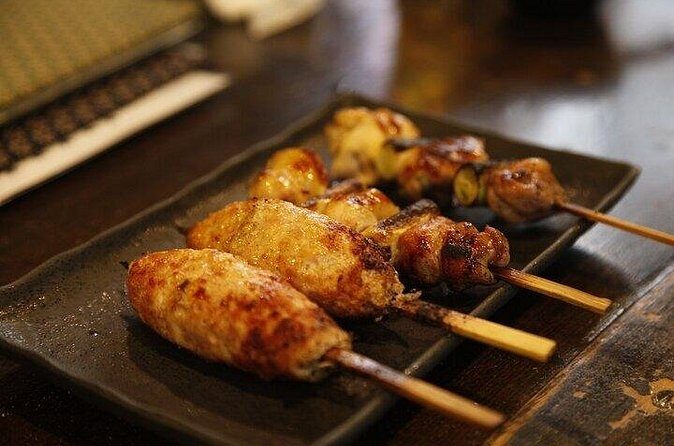
Street-level snack hits. Expect yakitori-style skewers and octopus balls in the mix, the kind of food you’d grab on a normal day.
Small group size (max 6). The pace stays friendly, and you’re more likely to have real questions answered.
Guides with strong rapport. Names like Elly, Michelle, Ken, and Diana show up in past groups, and the common thread is confident English and smooth hosting.
Other plates worth crossing Musashino for
- Small Town in the Big City: Tasting Tokyo’s Kichijoji★ 5.0 · 195 reviews
- The 10 Tastings of Tokyo With Locals: Private Street Food Tour★ 5.0 · 48 reviews
- Small Town in the Big City: Tasting Tokyo’s Kichijoji★ 5.0 · 16 reviews
Kichijoji Over Tokyo: Why This Neighborhood Matters
Tokyo can be loud. Kichijoji helps you reset that volume. It sits in Musashino, just outside the usual tourist push, and it has a “local errands” feel—shopfronts, small eateries, and a shopping street where people seem to know where they’re going.
That matters because food in Japan isn’t only about famous dishes. It’s about routine: what people eat after work, what families grab for dinner, and what looks good enough to stop for on a walk. With a neighborhood-focused format, you get those signals faster. You also waste less time in transit, which is a big deal in a city where even short rides add up.
A 6-Hour Plan That Stays Friendly (Not Exhausting)
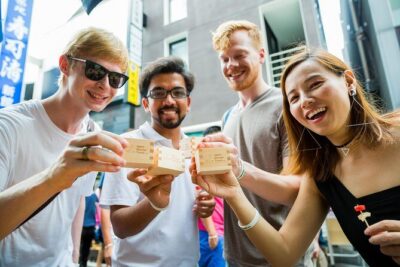
This tour runs about 6 hours, and the group is capped at 6 travelers. That small size changes the whole experience. You’re not fighting a crowd at tiny counters, and the guide can adjust the pace when someone needs a breather or wants a question answered.
You’ll get a mobile ticket, and the day ends back at the starting meeting point. That simplicity is underrated. You don’t have to wonder where you’ll finish. You just keep walking, eating, and learning your way through Kichijoji.
First Stop Energy: Getting Your Bearings in Kichijoji
Your day begins right at Kichijoji Station (listed as KICHIJOJI STA. 1 Chome-6 Kichijoji Minamicho, Musashino, Tokyo). From there, you get dropped into the neighborhood’s main mood: practical, local, and hungry-in-a-good-way.
At this early stage, the point isn’t just food. It’s orientation. You’ll start tasting and watching how the neighborhood works—what kinds of shops are where, how snack culture fits between meal culture, and how yakitori joints earn repeat business. Since Stop 1 is about an hour and includes free admission for the scheduled part, it sets the tone without dragging on.
Depachika Magic: Tokyo Department-Store Food Halls, But With Purpose
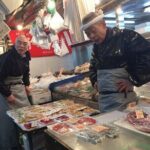
One of the biggest highlights is the depachika stop at a department store. This is not random museum-style wandering. It’s a very Japanese idea: food as a prestige product, presented with a level of care that still feels everyday.
Here, you’ll see the extremes side-by-side. The halls include things like prized pickles and high-quality fruit—items you might expect to gift or treat yourself to. You’ll also pass the aisle of Japanese junk food. That contrast is the whole point. Japan can do both “serious ingredient” and “fun snack” in the same place.
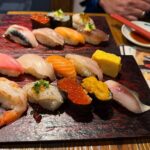
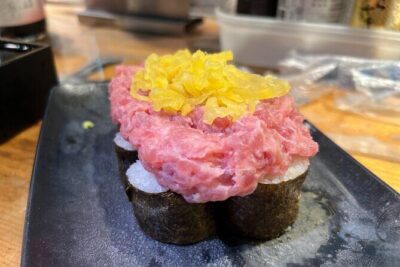
From there, the tour moves toward a sushi bar that’s a local choice. This is one of the smartest ways to do sushi in Tokyo: you’re not just ordering because it’s famous. You’re ordering because locals treat it like normal good sense.

Shotengai Shopping Street: Taste While You Watch Daily Life
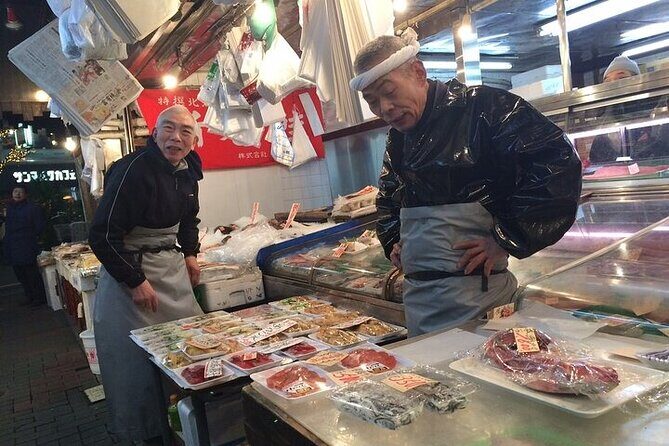
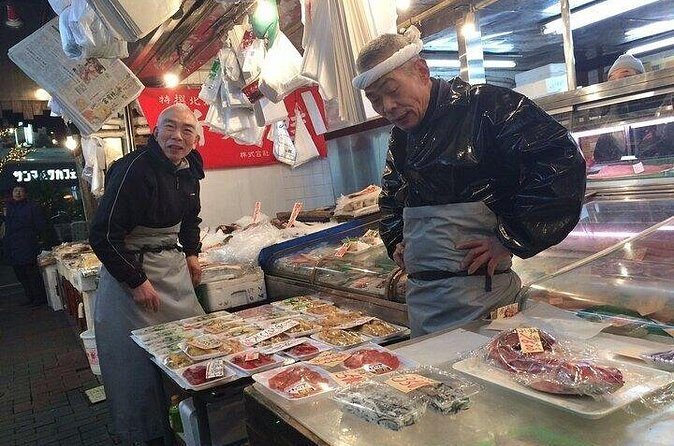
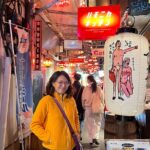
After the department store hall, you’ll head back out into Kichijoji’s busy shopping street, the shotengai. This is where the day starts feeling like real neighborhood life. People aren’t browsing like tourists. They’re stocking up, comparing brands, grabbing what they’ll eat soon.
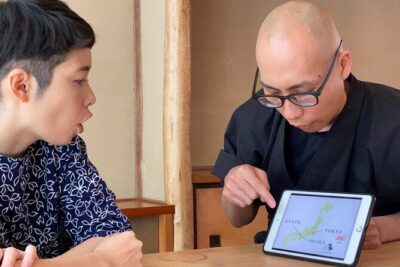
The tour uses this space well. You’ll rub elbows with locals as they shop, and you’ll learn basic Japanese cuisine ideas while tasting along the way. You can think of it like a walking class where the homework is food in your hands.
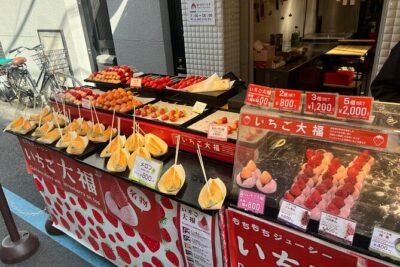
You’ll also get street-side bites such as yakitori-style skewers and octopus balls. Octopus balls can be a “one bite and you get it” kind of snack—warm, savory, and easy to keep exploring with while you walk. The best part is the timing: you’re not stuck waiting for one heavy meal. Instead, you’re sampling what keeps a neighborhood alive.
Yakitori Joints and Local Taverns: How Small Spots Build Big Flavor
Kichijoji is a great place to understand yakitori culture. The tour format makes sense here: instead of treating yakitori like a single dish you try once, you experience how it shows up in different kinds of small shops.
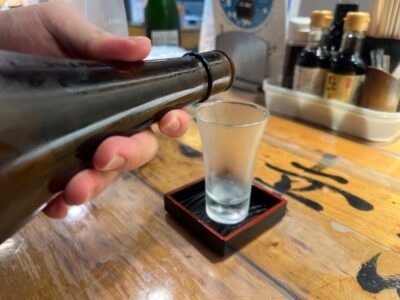
Old-school yakitori joints give you the comfort-food vibe—order, wait, eat, repeat. Then you get glimpses of other dining styles, including avant-ish taverns that feel current without being theme-park weird. That blend helps you see Tokyo’s range without needing a spreadsheet of restaurants.
A key practical point: the tour includes meals and snacks, but it’s guided. That usually means tasting is paced. You’re less likely to over-order yourself into regret, which is a common problem when you try to build a “perfect food crawl” on your own.
Senbei Craft Visit: Food as Skill, Not Just Product
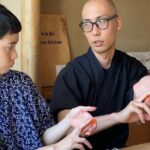
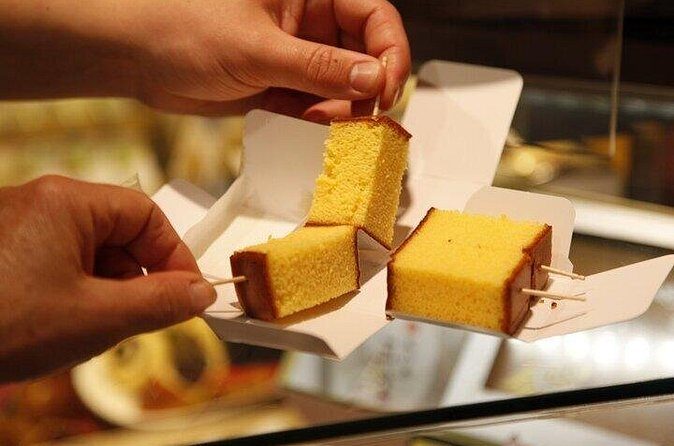
One stop includes meeting a family of artisanal senbei makers across three generations. That’s a big deal if you like more than just flavor—you like the process behind it.
Even with limited details, the takeaway is clear: senbei is craft food. It involves technique, timing, and repeatable results that generations pass down. You’re not just buying a snack; you’re seeing the human side of what makes Japanese snacks taste consistent.
If you’re the kind of traveler who enjoys watching how professionals work—how they handle tools, how they explain what matters—this portion is likely to stick with you.
The Meal Plan: What’s Included and How to Plan Your Hunger
This tour includes meals, lunch, snacks, coffee and/or tea, and alcoholic beverages. That’s not small. It’s also why the $195 price needs to be judged against what you’re actually getting.
Here’s how I’d plan your day around it:
- Eat lightly beforehand if you can. Since you’ll be tasting a variety of items, you don’t want to start stuffed.
- If you drink alcohol, this is a built-in benefit. If you don’t, the tour still functions as a food-focused day, but your safest move is to be ready for the fact that alcohol is part of the included plan.
- Bring water needs seriously. Even with breaks, walking plus tasting can dry you out fast.
Also notice the balance: free admission is listed for the scheduled stops, which helps keep costs tied to the food experience rather than ticket fees.
Price Check: Is $195 Worth It for a Tokyo Neighborhood Walk?
$195 sounds steep until you break down what’s covered. You’re paying for:
- Guided routing through multiple food styles (not one restaurant stop)
- A small group (max 6)
- Included food (meals, lunch, snacks) plus coffee/tea and alcohol
- Time efficiency in a city where planning can eat your energy
If you’d pay for a guided meal experience plus the cost of multiple tastings anyway, the price starts to make sense. The value is highest if you want authentic neighborhood food without doing research all week. It’s lower if you prefer to control every order yourself and you’re already confident planning a Kichijoji day on foot.
So I think of it like this: you’re buying access to a curated flow through local vendors, not just eating food that you could theoretically find alone. The tour reduces the “guessing” part.
Who This Tour Fits Best (And Who Might Want Another Option)
This tour is a strong match if you want:
- A Tokyo food tour that feels local, not just a parade of famous sights
- A neighborhood experience in Kichijoji rather than constant transit
- A guide who can connect what you’re eating to what life looks like around it
It’s also ideal if you travel with someone who loves food but also likes structure—stop timing, tasting flow, and explanations that keep you from wandering.
If you’re in Tokyo for only a day or two, you might struggle to fit a half-day plus. But if you have at least a few days and want one “anchor” food experience, this works well.
Practical Tips So You Enjoy the Walking and the Eating
Tokyo walking days can sneak up on you. I’d treat this like a proper neighborhood stroll with frequent stops:
- Wear comfortable shoes. You’ll walk enough that sore feet can ruin the tasting mood.
- Bring a small bag for anything you buy in the shotengai or food hall. The tour includes plenty to eat, but you might still want snacks to take back.
- Pace yourself with water and coffee/tea. The schedule includes coffee and/or tea, which helps.
- If you’re picky about certain foods, tell the guide. The format is designed for tastings, so flexibility helps everyone.
And one more thing: start your day mentally ready to try foods you don’t know yet. The point is variety—yakitori-style bites, octopus balls, sushi, senbei craft—so curiosity pays off.
Should You Book This Kichijoji Food Tour?
I’d book it if you want a Tokyo food day that actually feels like a neighborhood. The small group size, the included meal plan, and the smart mix of depachika, shotengai snacks, and yakitori culture add up to a day that’s not just about eating, but about understanding how locals eat.
I’d think twice if you hate walking, dislike group tours, or you’re not into a tasting-heavy format where alcohol is part of the included experience. Also, if you’re the type who prefers to DIY everything, you may prefer building your own Kichijoji route.
If you like your food experiences guided, structured, and grounded in one real area of town, this one is an easy yes.
FAQ
How long is the Kichijoji food tour?
It’s about 6 hours.
How many people are in a group?
The maximum group size is 6 travelers.
What does the tour cost?
The price is $195.00 per person.
What’s included in the price?
Meals, coffee and/or tea, alcoholic beverages, lunch, and snacks are included.
Are admission tickets required for the stops?
The scheduled stops list admission ticket fees as free.
Where do I meet for the tour?
You meet at KICHIJOJI STA. 1 Chome-6 Kichijoji Minamicho, Musashino, Tokyo 180-0003, Japan.
Is private transportation included?
No, private transportation is not included.
Will I get a mobile ticket?
Yes, the tour uses a mobile ticket.
Can I cancel and get a full refund?
Yes. You can cancel up to 24 hours in advance for a full refund.
The Whole City in a Day
Eat Your Way Round Musashino
More Tour Reviews in Musashino
Fresh reviews from around Musashino

Food & Drink, compared.
 ★ 5.0Shinjuku Food Tour (13 Dishes at 4 Local Eateries)From $866,603 reviews
 ★ 5.0Tokyo Tsukiji Fish Market Food and Culture Walking TourFrom $993,184 reviews
 ★ 4.9Shinjuku Food Tour (15 Dishes and 4 Eateries)From $852,033 reviews
 ★ 5.0Tsukiji Fish Market Food and Walking tourFrom $301,724 reviews
 ★ 5.0Eat and Drink Like a Local: Tokyo Ueno Food Tour-Taverns&RamenFrom $95957 reviews
 ★ 5.0Shibuya Food Tour (13 dishes and 4 Eateries)From $77770 reviews
★ 4.7Tsukiji Fish Market Food and Culture Walking TourFrom $96757 reviews
★ 5.0Shibuya Food Tour (13 dishes and 4 Eateries)From $77770 reviews
★ 4.7Tsukiji Fish Market Food and Culture Walking TourFrom $96757 reviews
 ★ 5.0Tsukiji Fish Market: Street Food & Culture Walking TourFrom $33669 reviews
Browse the lists this tour appears in