
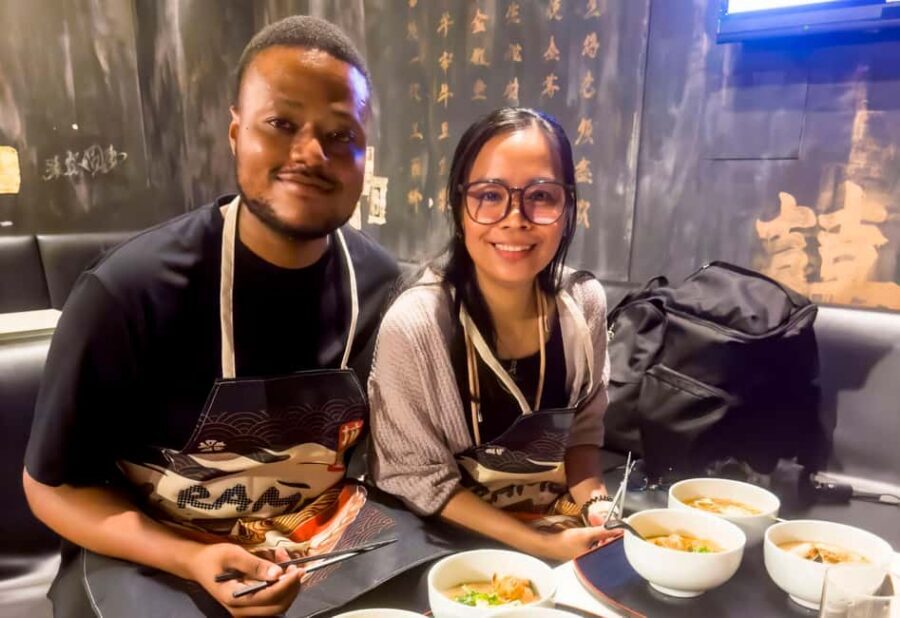
Reviewed · SHIBUYA TOURS
Shibuya: Ramen Dojo Tokyo | Make All 3 (Tonkotsu/Shoyu/Miso)
Ramen Dojo in Shibuya is a hands-on ramen shortcut. You get the full ramen maker experience in about 90 minutes: kneading, cutting fresh noodles on a pro noodle machine, prepping chicken chashu, then tasting tonkotsu, shoyu, and miso side by side. It also comes with an English-speaking instructor and a digital recipe so the skills don’t vanish the moment you leave the table.
Two things I especially like are the small-group setup (max 8), which keeps the instructor within arm’s reach, and the fact that you eat what you make: three mini bowls in one session. The one real drawback to consider is dietary limits—this isn’t suitable for severe wheat (gluten), egg, or soy allergies/celiac, and it also needs stairs access.
In This Review
- Key things before you go
- Shibuya ramen making: why this is more than a cooking demo
- The 90-minute flow: what you do step by step
- Fresh noodles with a pro machine: the skill that sticks
- Tonkotsu, shoyu, miso: how the flavors differ on your tray
- A note on the broth focus
- Chicken chashu: the comfort topping you learn to finish
- Three mini bowls: tasting strategy that helps you cook later
- Price and value: what $86.22 buys you
- Location near Shibuya Station: easy to fit into a day
- Who this ramen class is perfect for
- Should you book Ramen Dojo Tokyo Make All 3?
- FAQ
- Where is the meeting point?
- How long is the class?
- Is the class offered in English?
- How big is the group?
- What food is included?
- Do I make fresh noodles myself?
- What else do you prepare besides noodles?
- Is a digital recipe included?
- Is this suitable for people with allergies?
- How flexible is cancellation?
Key things before you go
- Three ramen styles in one lesson so you can compare flavor, texture, and seasoning decisions directly
- Fresh noodle making on a professional machine, not just assembling from pre-made noodles
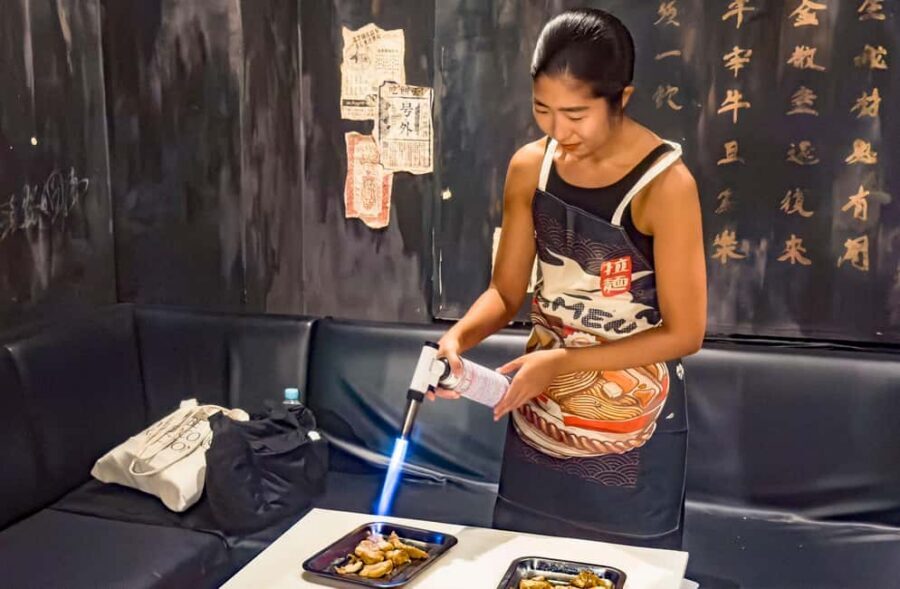
- Chicken chashu prep and then topping/finishing the bowls the way ramen shops do
- English instruction with attentive support for beginners
- Digital recipe after class, handy if you want to repeat the ramen at home
More to do within sight of the Crossing
- Official Street Go-Kart in Shibuya★ 5.0 · 3,435 reviews
- Tokyo: Street Kart Experience in Shibuya★ 4.9 · 1,484 reviews
- Shibuya Meltdown Nightlife Tour: All-You-Can-Drink Bar Hopping★ 5.0 · 1,058 reviews
Shibuya ramen making: why this is more than a cooking demo
Tokyo is packed with ramen shops, but this experience gives you something most bowls can’t: control. Instead of ordering tonkotsu and hoping you can recreate it later, you work the dough, learn noodle handling, and taste three broths/seasons decisions in the same sitting. It’s one of those rare classes where the lesson is the meal.
I also like the pacing. The schedule is built to keep you moving, not stuck watching. You start with a quick briefing, then jump into prep and noodle making, and end with a focused tasting/photo time that lets you notice what changes when you swap the ramen style.
If you’re the type who loves food detail—salt level, noodle chew, how toppings change the feel—you’ll get a lot from comparing miso vs shoyu vs tonkotsu. If you’re mainly there for entertainment, it still works, but go in with the right expectation: this is active cooking, not a show.
The 90-minute flow: what you do step by step
This class runs about 1 hour 30 minutes and follows a clear rhythm. Here’s how the time is used, and what it means for you in practice.
First comes check-in and briefing (about 10 minutes). This is where you’ll get the rundown on the process and how the studio expects you to work—especially important when you’re using machines. Then you move into chicken chashu prep (about 5 minutes). Even if some components are handled ahead of time to keep the class moving, your time is still aimed at what you’ll use in the final bowls.
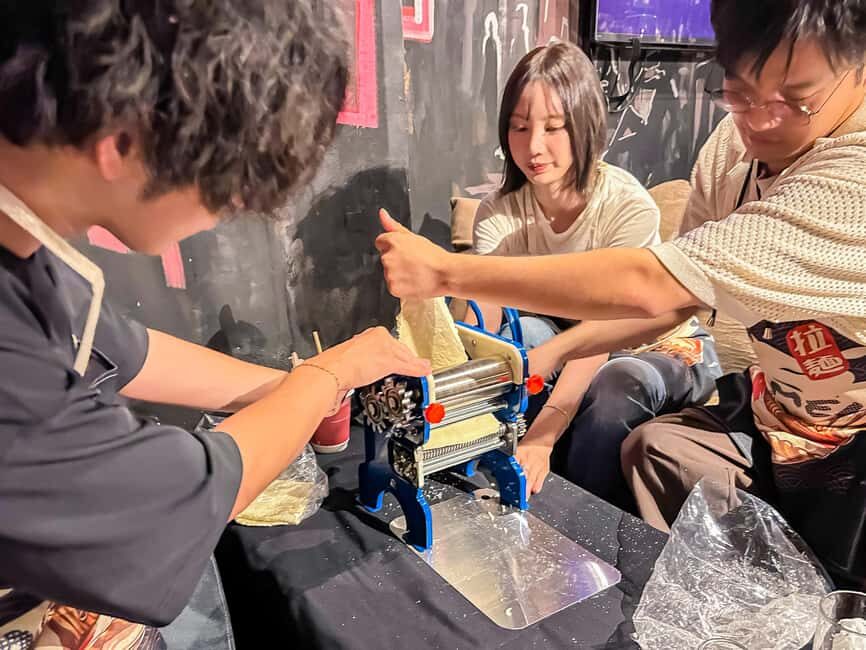
Next is the main event: noodle making (about 20 minutes). You’ll knead the dough, then cut and shape noodles using the studio’s professional tools. The value here is muscle memory. When you learn how dough behaves under your hands, you stop thinking of ramen as mysterious and start thinking of it as repeatable food craft.
Then you do chashu finishing (about 10 minutes). This is the bridge between prep and plating. After that you shift to boiling noodles and soup preparation (about 10 minutes). For you, this part matters because ramen is not only noodles—it’s also the soup base and how seasoning lands.
You’ll finish with plating (about 5 minutes), then tasting and photo time (about 30 minutes). That long tasting window is smart. It helps you slow down long enough to notice differences across the three styles, instead of eating in a rush and forgetting what you just made.
Fresh noodles with a pro machine: the skill that sticks
Most visitors who love ramen assume the secret is the broth. But noodle technique is where you can actually make a measurable difference at home. In this lesson, you get to handle the dough, then cut the noodles with a professional cutter, and shape them for cooking.
Here’s what to pay attention to while you’re working:
- How the dough feels during kneading (too dry vs too soft changes everything)
- How your noodle thickness looks after cutting
- How noodles behave when boiled (texture is your real feedback)
Beginners are welcome, and the instruction is in English. That helps because noodle making isn’t only steps; it’s tiny adjustments based on what you see and feel. In a small group, you’re not stuck guessing and hoping the machine works out.
Also, you’re wearing an apron loan, so the class is designed to be practical. This is the kind of workshop where you can expect to get a little flour on your sleeves, then laugh about it later.
Tonkotsu, shoyu, miso: how the flavors differ on your tray
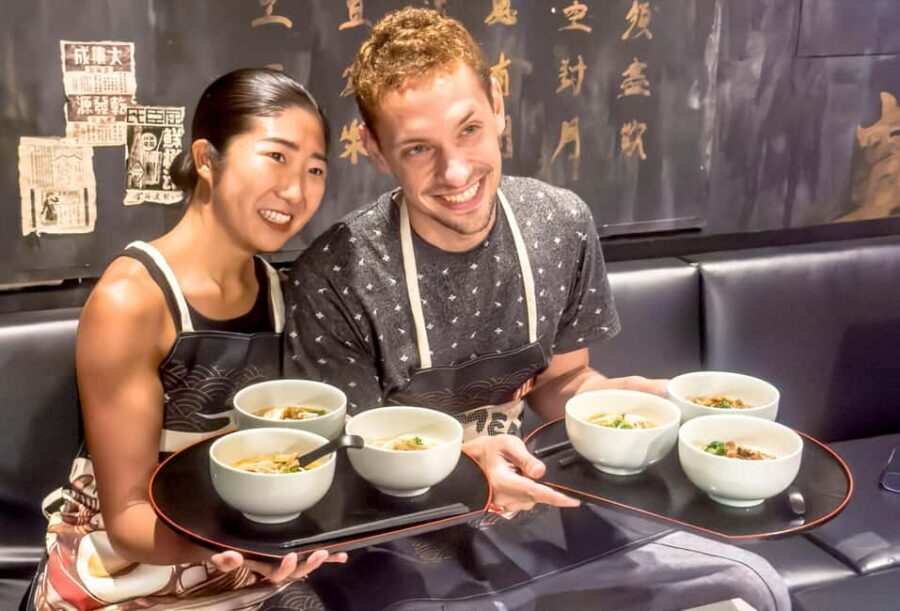
The highlight is tasting three ramen types—tonkotsu, shoyu, and miso—in one session. The lesson doesn’t just let you sample. It has you assemble three mini bowls, fine-tune flavor to taste, and then top each bowl so you see how choices affect the final bite.
What you learn here is comparison. Tonkotsu tends to feel richer and rounder, often giving you that deep, creamy mouthfeel people chase. Shoyu leans toward savory soy-forward flavor, so you get a different kind of saltiness and aroma. Miso brings a distinct warmth and fermented character, which changes how the broth tastes against the noodles.
In other words, this class trains your palate. Once you’ve tasted all three side by side, it’s easier to understand what you actually prefer—and which broth style matches your cooking habits at home.





A note on the broth focus
The schedule shows you spend time on soup preparation, but the class is also heavily weighted toward noodle making and chashu. If you’re hoping for a super deep dive on broth chemistry, you might find the session more balanced than you expected. Still, you’re tasting the finished bowls you help adjust, which is the quickest path to understanding.
Chicken chashu: the comfort topping you learn to finish
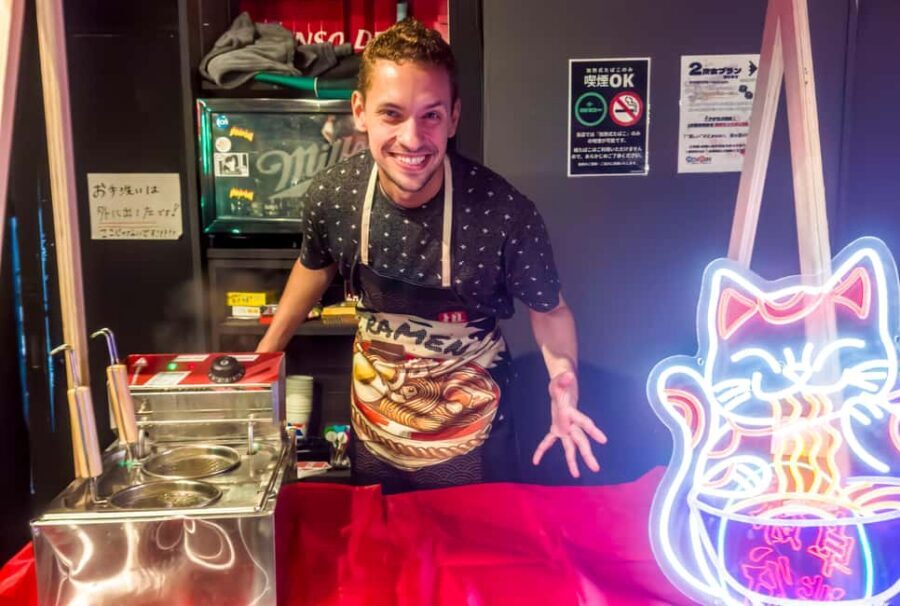
Chicken chashu is part of the reason this class feels like more than noodles. Chashu (even chicken version) adds texture, richness, and that savory contrast that makes ramen feel complete.
You start with chicken chashu prep (about 5 minutes), then do chicken chashu finishing (about 10 minutes). That two-part structure matters. It keeps you involved without turning the lesson into a full-day cooking project. You also get to understand how topping preparation fits into the ramen flow—timed so the noodles and soup aren’t waiting forever.
While you’re making it, think about two things:
- How the chashu is handled/finished for the best texture
- How it pairs with each broth style you’re tasting
When you build all three mini bowls, you’ll see what happens when the same topping meets different soups. That’s a useful ramen lesson in food pairing, not just recipe memorization.
Three mini bowls: tasting strategy that helps you cook later
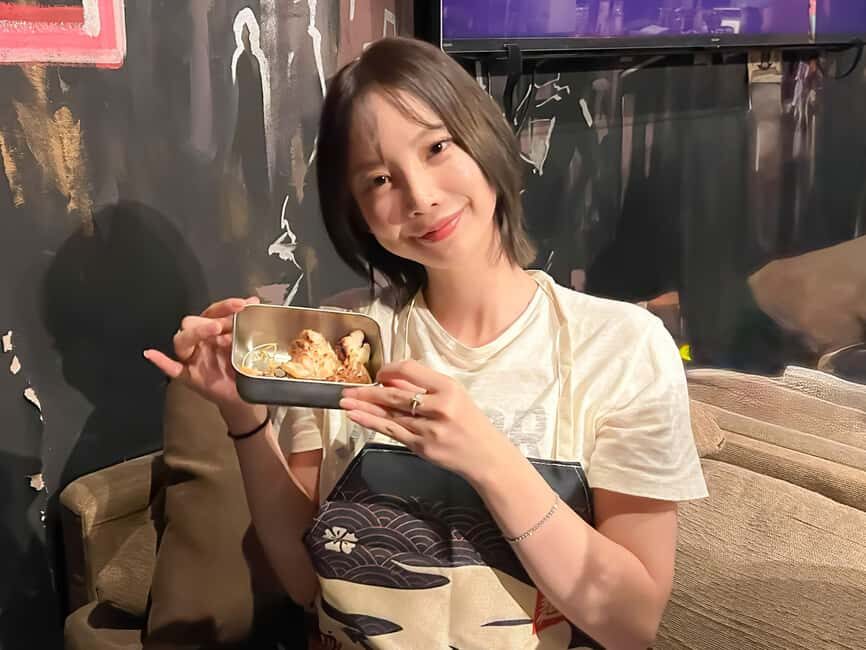
You end up with three mini bowls, each representing one style. The mini format is a big deal for value and learning. It gives you variety without forcing you into a full order of each broth type, which would be a lot in 90 minutes.
During tasting and photo time (about 30 minutes), use the clock. Don’t just eat. Pause after each bowl and notice:
- Which aroma hits first
- Whether noodles feel springy or softer
- How the topping changes the broth’s perception
Then connect it to what you did earlier—kneading, cutting, boiling, seasoning, plating. That mental link is what makes a class like this useful after you get home.
And yes, you’ll have an Instagram-worthy ramen trio. But the bigger win is that you leave with a clearer idea of what you want to recreate, not just photos.
Price and value: what $86.22 buys you
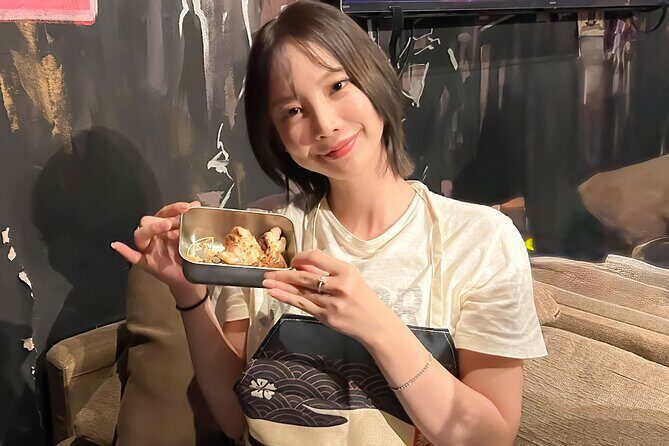
At $86.22 per person, this isn’t a casual snack. But you’re paying for more than ingredients. You get:
- A full hands-on noodle-making lesson on professional tools
- All ingredients and kitchen equipment
- Chicken chashu prep and soup preparation time
- Three tasting bowls included
- An English-speaking instructor
- A digital recipe after the class
If you’re only comparing it to a single ramen meal, it’s easy to feel expensive. If you compare it to paying for three separate ramen experiences plus instruction time, the value becomes clearer—because you’re not just eating, you’re learning repeatable technique.
The digital recipe also changes the value equation. It means you’re not relying on memory alone. When you cook again at home, you have a starting point to recreate your favorite of the three styles.
Location near Shibuya Station: easy to fit into a day
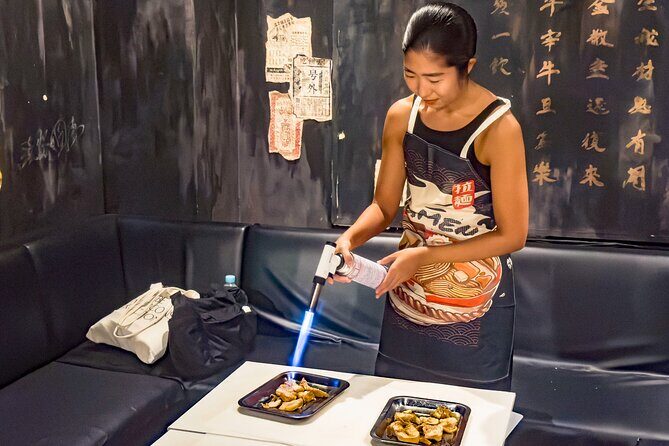
You meet at the Umekita Building, a 7-11 at Maruyamachō in Shibuya. The studio is about a 10-minute walk from Shibuya Station, so it’s workable even if you’re hopping between neighborhoods.
The class also starts and ends at the same location, which makes planning simple. You can finish, grab a drink or dessert nearby, and keep exploring Shibuya without a complicated return ride.
One practical tip: wear comfortable clothes you don’t mind getting a little flour dust on. It’s a noodle class, not a museum visit.
Who this ramen class is perfect for
This workshop fits best if you want real technique, not just eating. It’s especially great for:
- Beginners who want patient instruction and a structured approach
- Food lovers who like the idea of comparing tonkotsu, shoyu, and miso directly
- People who want to bring Japanese cooking skills home with a recipe to follow
It can also be a solid family activity if your group can follow simple cooking instructions and handle a short, active workshop. The lesson is built to be approachable, and the small group size helps keep things calm.
Should you book Ramen Dojo Tokyo Make All 3?
If you love ramen and you also care about learning, I’d book this. The combination of fresh noodles, chicken chashu work, and tasting three broth styles in one session is the kind of value that’s hard to replicate on your own. You’ll leave with a recipe and a much clearer sense of what makes each ramen type taste the way it does.
Skip it if you need strict dietary accommodations beyond what’s listed, or if stairs are a problem. And if your main goal is only broth research with no interest in noodle technique, you may find the class more balanced than you want.
Overall, this is a smart choice for first-time ramen makers who want to do it properly once—and then keep the skill going.
FAQ
Where is the meeting point?
You’ll meet at the Umekita Building, 7-11 Maruyamachō, Shibuya, Tokyo 150-0044, Japan.
How long is the class?
The experience runs about 1 hour 30 minutes (90 minutes).
Is the class offered in English?
Yes. The class is conducted in English with attentive support for small groups.
How big is the group?
The workshop has a maximum of 8 travelers.
What food is included?
You’ll get three mini bowls to taste: tonkotsu, shoyu, and miso.
Do I make fresh noodles myself?
Yes. You’ll knead dough and use a professional noodle machine to prepare fresh noodles.
What else do you prepare besides noodles?
You’ll also prepare chicken chashu, then assemble and plate the ramen bowls.
Is a digital recipe included?
Yes. A digital recipe is provided after the class.
Is this suitable for people with allergies?
It is not suitable for severe wheat (gluten), egg, or soy allergies, or celiac disease, and it’s not suitable for severe airborne flour sensitivity. It also has limits for strict vegan or religious diets beyond what’s stated.
How flexible is cancellation?
Free cancellation is available up to 24 hours in advance for a full refund.
More Tour Reviews in Tokyo



Still in Shibuya? Keep Going





Fresh reviews from around Tokyo






Shibuya Tours, compared.
 ★ 5.0Official Street Go-Kart in ShibuyaFrom $763,435 reviews
 ★ 4.9Street Kart Experience in ShibuyaFrom $741,484 reviews
 ★ 5.0Shibuya Meltdown Nightlife Tour: All-You-Can-Drink Bar HoppingFrom $1061,058 reviews
 ★ 5.0Shibuya Official Street Go-Kart in Shibuya AnnexFrom $69972 reviews
 ★ 5.0Shibuya Food Tour (13 dishes and 4 Eateries)From $77770 reviews
 ★ 5.0Best of Shibuya Food TourFrom $217612 reviews
 ★ 4.8Shibuya Highlights Walking TourFrom $19601 reviews
 ★ 4.7Premium Go-Kart Tour with Tower & Shibuya CrossingFrom $116528 reviews
Browse the lists this tour appears in