
Reviewed · SHIBUYA TOURS
Shibuya: Ramen Dojo Tokyo | Make All 3 (Tonkotsu/Shoyu/Miso)
That first slurp starts before you eat.
This is a hands-on Shibuya ramen workshop where you make fresh noodles with a professional machine and then build a three-bowl tasting: tonkotsu, shoyu, and miso. I love how beginner-friendly it is (English guidance, small group, step-by-step support), and I also like that you don’t just watch. You actually cut noodles, finish chicken chashu, adjust the soup base, and then sit down for the results. One thing to plan for: it’s stairs only, and it’s not suitable for severe wheat (gluten), egg, soy, or celiac disease.
The staff style is very “get you cooking fast.” Names that pop up from recent sessions include instructors like Kai, Kazuki, Kensei, Arata, Atari, and Ivy—and the common thread is clear instructions in English and constant help while you’re working.
In This Review
- Key things that make this Tokyo ramen class worth your time
- A 90-minute ramen lab in Shibuya (that actually feels like Tokyo)
- Entering the kitchen: check in, apron up, and get your hands moving
- Making noodles with a professional machine: the texture lesson you can taste
- The three-broth tasting is the real comparison tool
- Chicken chashu and soup timing: where the class teaches technique
- The schedule, step by step: what each 10-minute chunk is really for
- How much is it, and is it good value versus ramen elsewhere?
- Who this Tokyo ramen workshop suits best (and who should skip it)
- Where it fits in your Shibuya day (and how to avoid common mistakes)
- Should you book Ramen Dojo Tokyo?
- FAQ
- How far is the studio from Shibuya Station?
- Is the class taught in English?
- How many people are in a group?
- What ramen styles do I make and taste?
- Do I get a recipe to take home?
- What should I wear?
- What dietary needs can be handled?
Key things that make this Tokyo ramen class worth your time
- You make 3 ramen styles in one 90-minute session, not one “version plus sides.”
- Professional noodle equipment helps you get real ramen texture without needing special skills.
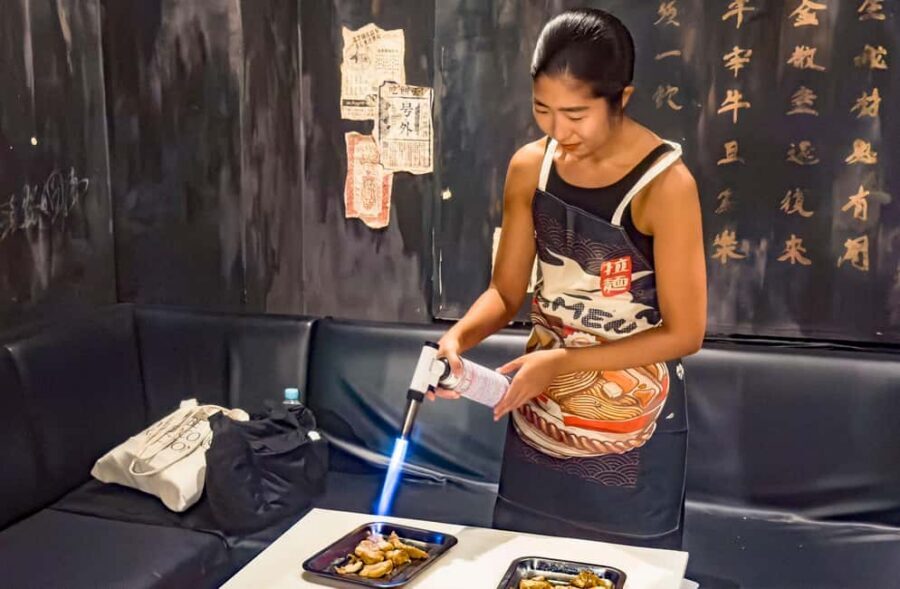
- Chicken chashu prep + broth adjustment means your bowl isn’t fully pre-made.
- Small group (max 8) keeps the class from feeling like a factory line.
- English-guided and beginner-friendly, with plenty of hands-on moments.
- Photo-friendly cooking and a final sit-down tasting for a full experience.
More to do within sight of the Crossing
- Official Street Go-Kart in Shibuya★ 5.0 · 3,435 reviews
- Tokyo: Street Kart Experience in Shibuya★ 4.9 · 1,484 reviews
- Shibuya Meltdown Nightlife Tour: All-You-Can-Drink Bar Hopping★ 5.0 · 1,058 reviews
A 90-minute ramen lab in Shibuya (that actually feels like Tokyo)
Shibuya is all angles—train crowds, neon, quick snacks—but this class gives you a calmer pocket of Tokyo life. The studio is about a 10-minute walk from Shibuya Station, so it works well as a planned break between wandering shopping streets and finding your next meal.
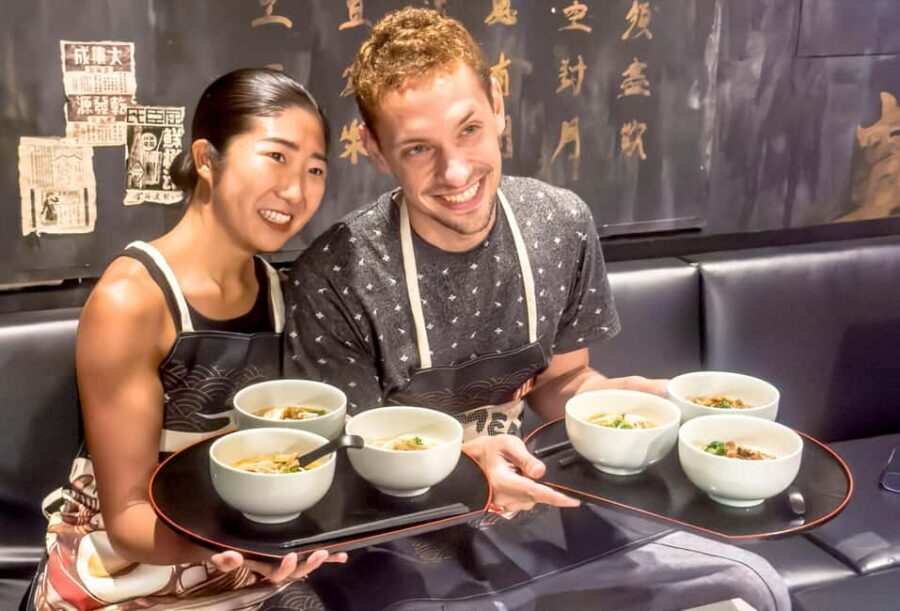
You’re in a working kitchen environment where ramen is treated like technique, not just taste. The session is built around three core tasks: making noodles, preparing chicken chashu, and customizing the broth strength. Then you eat what you made, in three mini bowls side by side. That last part matters. A lot of food experiences end with tasting one dish. Here, you can compare tonkotsu vs shoyu vs miso in the same sitting, which makes it easier to understand what changes when you change the soup base.
The group size is capped at 8 guests, which keeps instruction practical. You’re not juggling tasks alone, and you’re not waiting forever to get help with the noodle cutter or plating.
Two small practical notes. First, the space is stairs only, so you’ll want to know that going in. Second, the class doesn’t have a waiting area if you arrive too early. You’ll get the best experience by timing your arrival to check-in windows so the workshop can flow.
Entering the kitchen: check in, apron up, and get your hands moving
When you arrive, doors open 10 minutes before the start time. That’s the window to check in and get your briefing. The workshop also has a tight flow, so arriving more than about 5 minutes late can mean joining in progress or, in some cases, being refused for safety and schedule control.
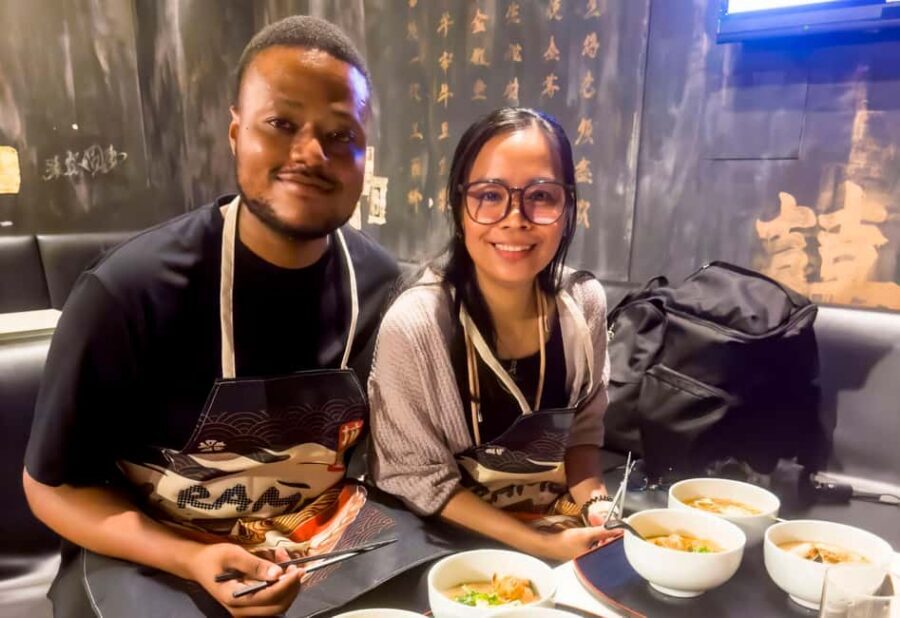
Once you’re in, you’ll get an apron loan and get assigned to your station. Expect flour during noodle making. It’s not a fancy “no mess” class. It’s the kind of cooking where you’ll look like you’ve been dusted with ramen magic by the end, then go wash up and move on.
The vibe is straightforward: staff guide you through each step in English while you actively work. If you’ve never made noodles before, you’ll still be able to finish the process because the equipment does much of the heavy lifting.
The reason I like this format for first-timers: it reduces the usual cooking-class fear. You’re not standing around while someone else does the steps. You’re participating the whole time—kneading, rolling, cutting, assembling—so the learning sticks. And because it’s a small group, you can ask quick questions without feeling like you’re slowing the whole room.
Making noodles with a professional machine: the texture lesson you can taste
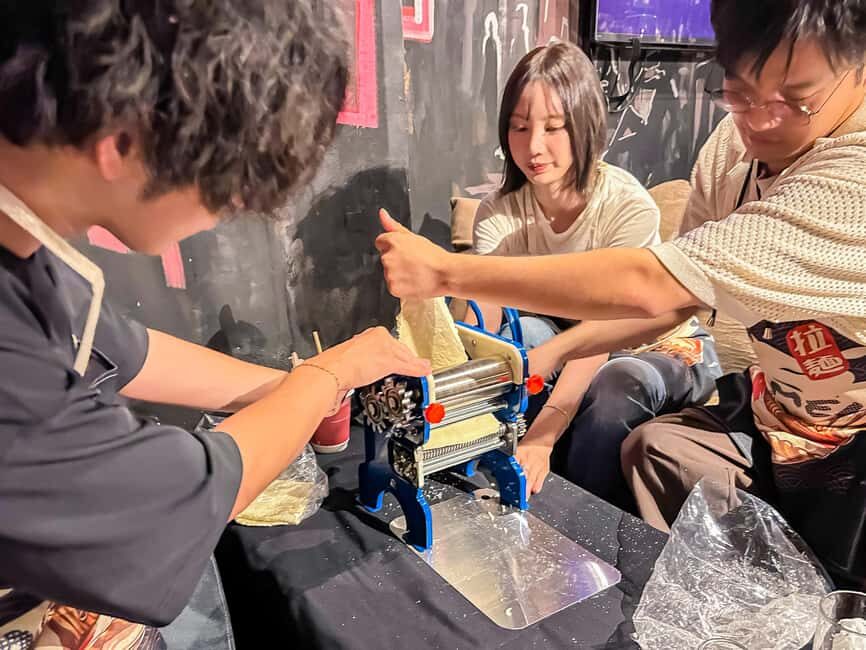
The noodle part is the showpiece. You’ll knead the dough, then use a professional noodle machine to roll and cut. This matters more than it sounds. Hand-made noodles are great, but the problem at home is consistency. A machine helps you learn what the right thickness and cut size look like so your ramen doesn’t turn into a noodle soup noodle shape lottery.
You’ll also see how ramen construction is a system, not a single ingredient. The dough handling, rolling thickness, and cut size all affect the final bite—how the noodles hold broth, how they feel in the bowl, and how they change with each broth style.
One practical tip: go hungry. The session includes three mini bowls at the end, and they’re filling because you’re eating your own handiwork. A few people also note they made the mistake of eating too close to class time. If you want the full comparison, save room so you can actually taste differences between tonkotsu richness, shoyu saltiness, and miso depth.
The three-broth tasting is the real comparison tool
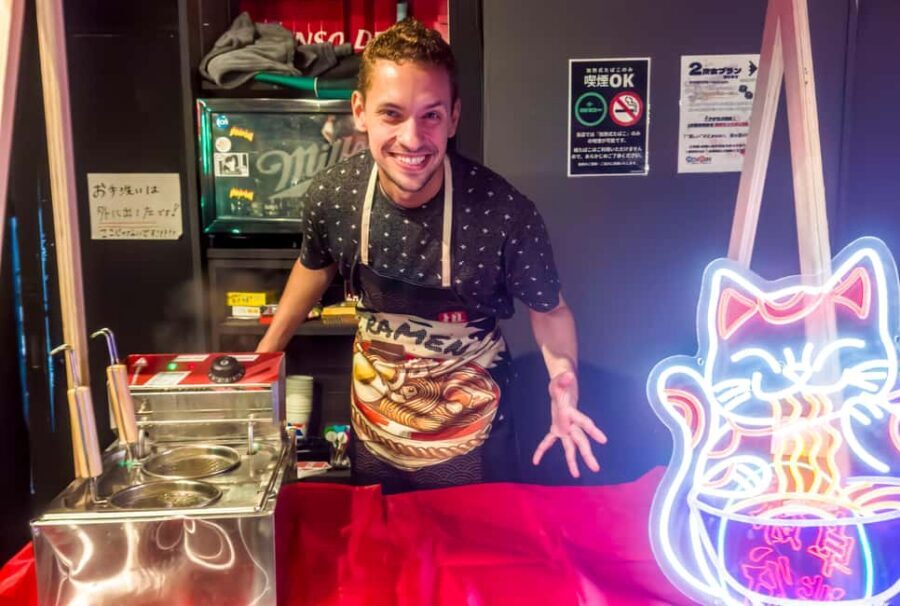
The highlight isn’t just that you make ramen. It’s that you make tonkotsu, shoyu, and miso in one session and taste them side by side.
Here’s what you’ll notice in practice. Tonkotsu is usually associated with a heavier, meatier feeling. Shoyu leans more on soy sauce flavor and salt balance. Miso tends to feel rounder and more savory, with a deeper, slightly sweeter edge depending on the base. Even if you don’t know the theory going in, tasting three styles back to back forces your brain to make connections fast.
Another valuable part: you adjust the soup base to your preferred strength. That’s not just “season to taste” in a vague way. It teaches you that ramen flavor isn’t one fixed recipe. Strength, balance, and toppings are how you shape your bowl toward your own palate.
And yes, the aroma matters. Even if you’re not a food nerd, you’ll pick up the different broth scents as you work and plate your mini bowls. It makes the whole experience feel more like cooking than like a classroom.





Chicken chashu and soup timing: where the class teaches technique
The class includes chicken chashu prep and finishing. You’ll help with the process, then get to the point where you boil noodles / prep soup, plate, and taste.
Because chashu takes time and careful handling, parts of it are structured so you can participate without the process turning into a 4-hour project. The goal is learning: you’ll see how seasoning and finishing steps affect the end result, and you’ll understand why ramen places weight on toppings and texture, not just broth.
The soup prep portion also matters. You’re not only assembling bowls from a single finished product. You’ll work with the soup bases and adjust them. That teaches you the “why” behind what you usually order at a shop: broth strength isn’t random, and it’s the part that changes the whole experience.
If you’re the type who likes to cook at home and wants your ramen results to be repeatable, this is one of the best sections. Reviews emphasize the class is set up so techniques you learn can be done back home without special ninja skills. The noodle machine is impressive, but the real takeaway is the method.
The schedule, step by step: what each 10-minute chunk is really for
This workshop is 90 minutes, built like a cooking relay. Here’s how to think about the flow so it doesn’t feel rushed.
- Check-in & briefing (10 min): You get positioned, learn what you’ll do, and understand timing so you’re not guessing when the “next step” hits.
- Chicken chashu prep (5 min): Quick initial prep so your cooking rhythm keeps moving.
- Noodle making (20 min): Knead, roll, and cut. This is your main hands-on learning block.
- Chicken chashu finishing (10 min): You’ll add finishing touches so the topping matches the ramen vibe.
- Boiling noodles / soup preparation (10 min): The “make it edible now” stage, where broth adjustments and timing matter.
- Plating (5 min): Fast, focused—this is where you build the three mini bowls.
- Tasting / photo time (30 min): The comparison window. You eat, you take photos, and you get a real feel for what each broth does.
That 30-minute tasting window is a big plus. It means the class doesn’t just hand you a bowl and rush you out. You have time to notice differences and take a breath.
Photography is welcome, and staff ask you to use #RamenDojoTokyo if you post. The cooking and plating stages are naturally camera-friendly because you’re assembling the trio you made.
How much is it, and is it good value versus ramen elsewhere?

At $64 per person for 90 minutes, you might wonder how this stacks up against buying ramen and moving on. Here’s how I’d judge value using only what’s included.
You’re paying for:
- an English-speaking instructor,
- all ingredients and kitchen equipment use,
- making fresh noodles with a professional noodle machine,
- preparing and finishing chicken chashu,
- adjusting and working with three soup bases,
- tasting three mini bowls (tonkotsu/shoyu/miso),
- an apron loan, plus
- a digital recipe after class.
So your money isn’t only buying food. It’s buying guided technique + the ingredients + equipment access. And the “three ramen styles” part is important: you’re not paying for one broth experience. You’re getting a structured comparison that helps you learn what you like.
If you’re a ramen fan who’s tired of eating the same type every time, this class is a fun shortcut to understanding your own preferences. If you’re just trying to grab cheap dinner, it likely won’t beat a casual shop meal. But for a hands-on experience where you leave with the ability to recreate something at home, it’s strong value.
Who this Tokyo ramen workshop suits best (and who should skip it)
This is a great fit if you:
- want a beginner-friendly cooking class with English guidance,
- love ramen enough to care about the differences between broths,
- like hands-on learning more than watching,
- want a meal built around your own prep work,
- travel with a partner or small group and want everyone to participate.
It’s less suitable if you:
- have severe allergies to wheat (gluten), egg, soy, or celiac disease (it’s not suitable for those cases),
- have severe airborne flour sensitivity (there’s flour during noodle making),
- need strict dietary compliance (the class can’t guarantee complete cross-contamination),
- can’t use stairs (the studio is stairs only).
Dietary requests beyond those restrictions are handled with limited accommodation for no chicken/pork, vegetarian, and vegan, but you’ll need to ask in advance. If you’re unsure, contact them before you book so you don’t arrive hoping for a substitution that isn’t possible.
Kids are recommended for ages 6+, so it can work as a family activity if your child can handle the stairs and the mess of flour.
Where it fits in your Shibuya day (and how to avoid common mistakes)
Because it starts and ends at the same studio, you don’t need to think about transfers. That makes it an easy anchor in your day plan: do this, then head back into Shibuya after.
If you’re building your Tokyo schedule, I’d place it where you can keep your meal timing simple:
- Eat lightly before if you want to truly enjoy all three mini bowls.
- Wear comfortable clothes you don’t mind getting a little flour on. You’ll get an apron, but it’s still noodle dough cooking.
Also, plan for photos. The tasting and plating time is where you’ll get your best shots. If you’re the type who wants to post quickly, you’ll probably appreciate that the class includes a dedicated photo window.
Should you book Ramen Dojo Tokyo?
Book it if you want a Tokyo activity that’s hands-on, not just observational, and you’d like a structured way to taste and compare ramen styles. The combination of fresh noodle making, chicken chashu prep, and the tonkotsu/shoyu/miso trio tasting in 90 minutes is a smart format for ramen lovers and curious cooks alike. It’s also a good choice when you want to learn techniques you can attempt later with regular ingredients and kitchen tools.
Skip it if you have serious food allergies (wheat/gluten, egg, soy), celiac disease, or severe flour sensitivity, or if stairs are a problem for you. The workshop is friendly, but it’s still a kitchen environment with real ingredients and real flour.
If you’re deciding between this and another Shibuya food experience, I’d lean toward booking this when you want to leave with both a meal and a skill—especially if you care about understanding what changes in ramen when the broth changes.
FAQ
How far is the studio from Shibuya Station?
The studio is about a 10-minute walk from Shibuya Station.
Is the class taught in English?
Yes. The workshop is conducted in English (with Japanese also used by the instructor).
How many people are in a group?
The group is limited to a maximum of 8 guests.
What ramen styles do I make and taste?
You make and taste three styles: tonkotsu, shoyu, and miso.
Do I get a recipe to take home?
Yes. You’ll receive a digital recipe after the class.
What should I wear?
Aprons are provided, but you may get flour on your clothes during noodle making.
What dietary needs can be handled?
The class uses ingredients that include wheat (gluten), egg, soy, chicken, and pork, and it cannot guarantee complete prevention of cross-contamination. Severe wheat/gluten, egg, soy allergies or celiac disease are not suitable. Partial accommodation may be possible for no chicken/pork, vegetarian, and vegan if you inquire in advance.
More Tour Reviews in Tokyo



Still in Shibuya? Keep Going





Fresh reviews from around Tokyo






Shibuya Tours, compared.
 ★ 5.0Official Street Go-Kart in ShibuyaFrom $763,435 reviews
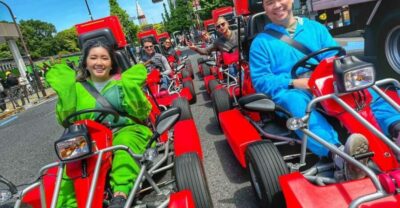 ★ 4.9Street Kart Experience in ShibuyaFrom $741,484 reviews
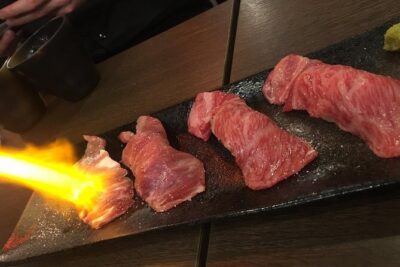 ★ 5.0Shibuya Meltdown Nightlife Tour: All-You-Can-Drink Bar HoppingFrom $1061,058 reviews
 ★ 5.0Shibuya Official Street Go-Kart in Shibuya AnnexFrom $69972 reviews
 ★ 5.0Shibuya Food Tour (13 dishes and 4 Eateries)From $77770 reviews
 ★ 5.0Best of Shibuya Food TourFrom $217612 reviews
 ★ 4.8Shibuya Highlights Walking TourFrom $19601 reviews
 ★ 4.7Premium Go-Kart Tour with Tower & Shibuya CrossingFrom $116528 reviews
Browse the lists this tour appears in