
Reviewed · MT FUJI DAY TRIPS
Seasonal Mt. Fuji Scenic Views, Fruit Picking and Ropeway!
Mt. Fuji changes with the calendar. That’s the whole magic of this one-day trip: you visit classic Fuji viewpoints, then time the day around seasonal color, cherry blossoms, lavender, autumn leaves, or winter quiet. It also adds a hands-on stop with seasonal fruit picking in Yamanashi, so you’re not just looking—you’re tasting.
I especially like the Kawaguchiko Ropeway component, because it’s an easy way to get big views without hiking. And I like that the tour runs with an English-speaking guide and a bus plan built for international visitors, not a maze of transfers. One thing to consider: Mt. Fuji visibility is weather-dependent, and the route can shift if the ropeway can’t run or clouds roll in.
In This Review
- Key highlights you’ll actually feel
- One Day, Many Looks: What This Tour Is Best At
- Seasonal Scenic Stops Around Mt. Fuji (What Changes Month to Month)
- Kawaguchiko Ropeway: Your Shortcut to Big Views
- Fruit Picking by Month: Strawberries, Cherries, Peaches, Grapes
- Lunch Included: Houtou Noodles and Seasonal Plates
- Price and Value: Is $90 a Good Deal?
- Tokyo Meet-Up and Bus Comfort (Small Details That Save You Time)
- Weather Rules and Schedule Shifts: How to Think About It
- Who This Tour Fits Best
- Should You Book This Tour?
- FAQ
- What is the price of this tour?
- How long is the tour?
- What’s included in the ticket?
- Is lunch included?
- Where do I meet the guide in Tokyo?
- What fruit do you pick on each date range?
- What if the Mt. Fuji Panoramic Ropeway doesn’t operate?
- What should I bring?
- Can children join?
- Can I get a cancellation refund?
- Should you book this tour?
Key highlights you’ll actually feel
- 360-degree panoramic views from the Mt. Fuji Panoramic Ropeway gondola (when it operates).
- Season-matched fruit picking: strawberries, cherries, peaches, grapes, plus possible apple or orange picking depending on the month.
- Seasonal scenery stops around Fuji, like Saiko Iyashi no Sato in winter or lavender scenery at Oishi Park in summer.
- One-day convenience: round-trip bus from Tokyo, Wi-Fi on board, and an English-speaking guide.
- Responsive on-the-day decisions, like the kind of guide assistance mentioned in reviews (example: Christy helping coordinate better viewpoints).
Other routes to the mountain, compared
- Mt Fuji & Hakone Cruise, Drum Show Bullet Train 1 Day from Tokyo★ 4.0 · 7,413 reviews
- Tokyo Mt Fuji 5th St & Hakone Cruise Bus Tour w/Bullet Train★ 4.4 · 5,024 reviews
- From Tokyo: Mount Fuji Full-Day Sightseeing Trip★ 4.5 · 4,970 reviews
One Day, Many Looks: What This Tour Is Best At
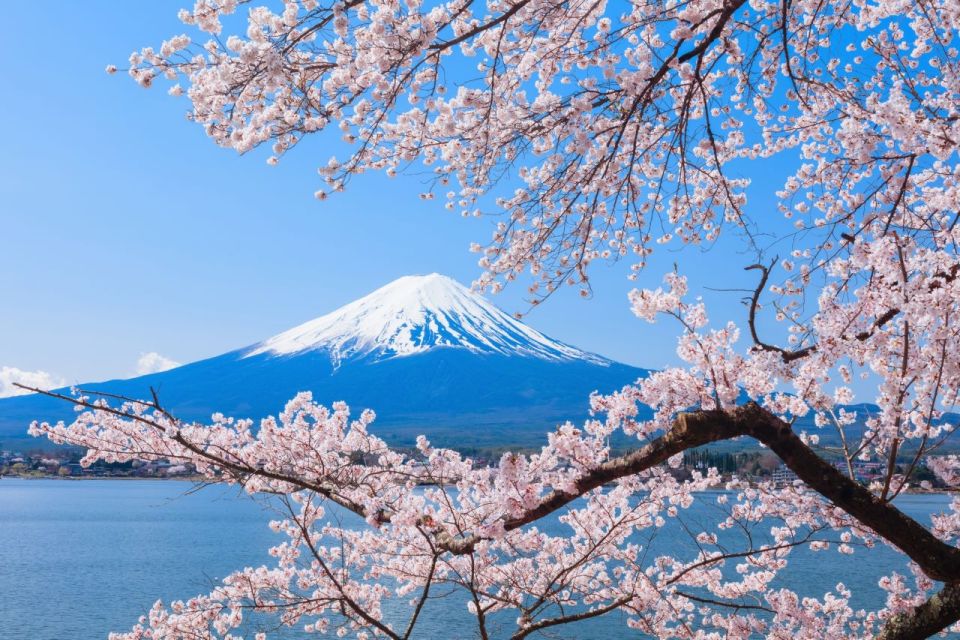
This is a “see Mt. Fuji, then experience the region” type of day. You start in Tokyo, ride out to the Fuji area on an air-conditioned bus, and spend the day at carefully selected scenic spots that match the season. The seasonal theme matters because Mt. Fuji’s surrounding sights change fast—spring turns bright, summer shifts to fields and long light, autumn becomes dramatic, and winter cools everything down.
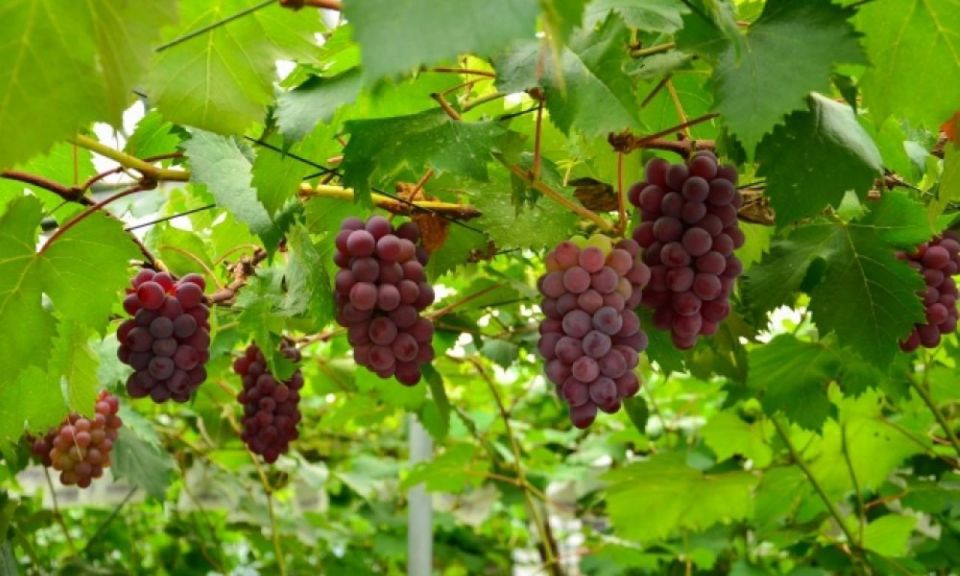
Then you add the orchard portion. Instead of treating fruit as a souvenir, you get a real picking window that depends on the month: you’ll do strawberries in late December through early May, Japanese cherries in June, sweet peaches in July, and grapes from August through late November. If you time it right, you may even find apple or orange picking added depending on what’s available.
The “best” part for many people is the balance: you’re not stuck at one viewpoint all day, and you’re not only doing activities. You get views, then a local hands-on food experience, then a practical lunch stop.
Seasonal Scenic Stops Around Mt. Fuji (What Changes Month to Month)
The tour’s core stays consistent, but the scenery highlight shifts by date. The operator also notes that their schedule will follow an original plan that includes Oishi Park and Mt. Fuji until May 10, and then they adjust starting May 25, 2025 to give guests more time at each destination. Practically, that means your exact “best photo” moments can differ depending on when you book.
Here are the seasonal highlights they list, so you can match what you want most:
- Winter (late Dec–March): Saiko Iyashi no Sato Healing Village
This is a traditional healing-village style spot with Mt. Fuji in the background. Winter light often feels crisp, and the vibe tends to be quiet and still compared with busier spring and summer.
- Spring (April): cherry blossoms at the Kawaguchiko area
If you’ve ever wanted Mt. Fuji with pink tones, this is the window. The Kawaguchiko area is a natural partner for cherry blossom season.
- Shibazakura season (late April–late May): Fuji Shibazakura Festival at Motosu Lake Resort
You’re looking at pink moss phlox—low, carpet-like color that makes the area look like it’s been painted. If you love color spots, this one is made for photos.
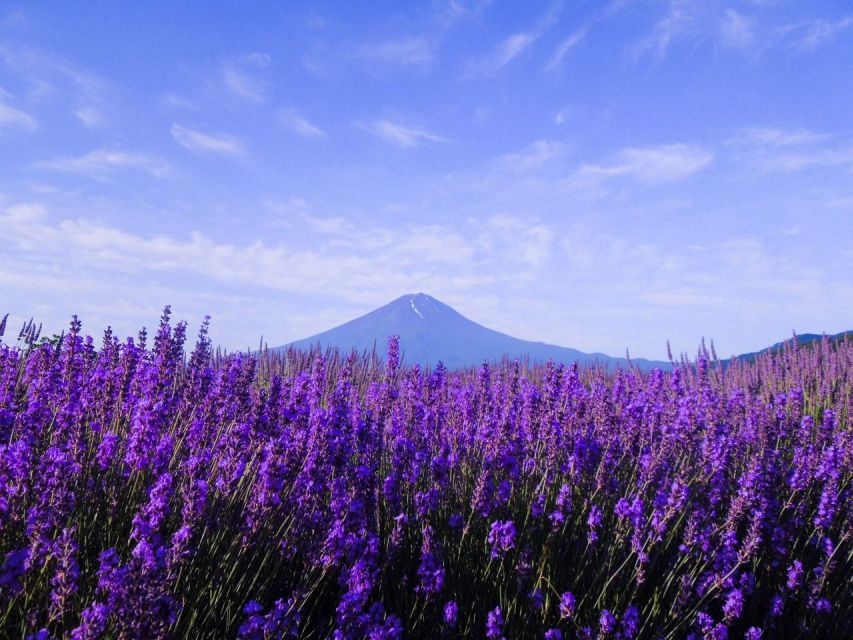
- Summer (June–July): lavender strolls at Oishi Park
Oishi Park is also where you’ll come for autumn color later. In summer, it leans into fields and gentle walking with Fuji as the backdrop.
- Late summer (August–September): Mt. Fuji 5th Station
This adds a closer-to-the-mountain feel. It’s a different kind of Fuji experience than lake views—more “you’re near the climb,” even if you’re not hiking the full way.
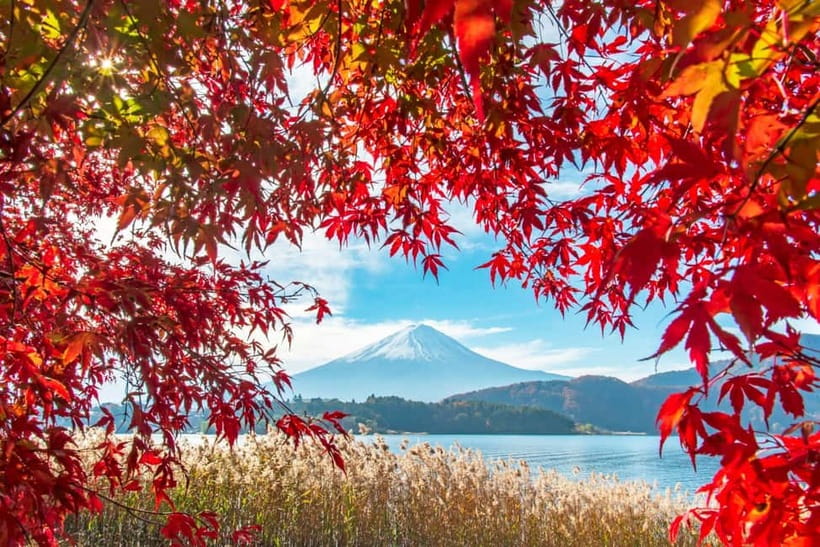
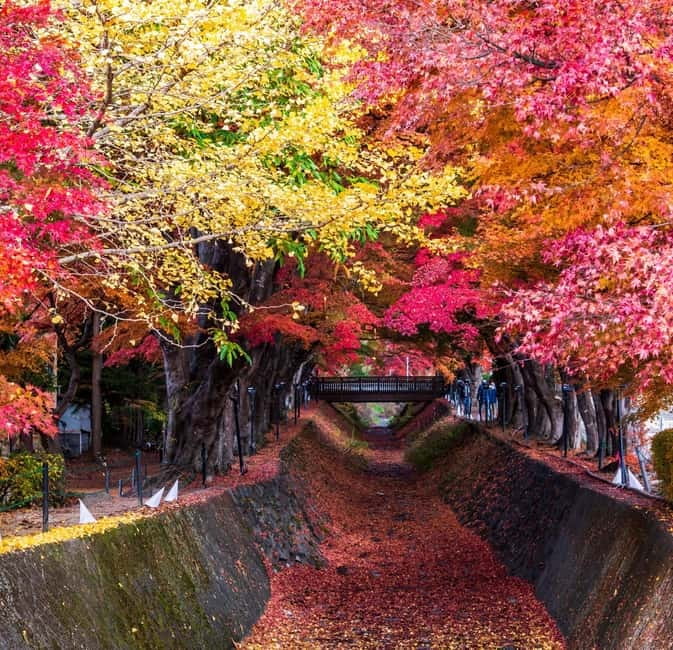
- Autumn (October–November): autumn foliage at Oishi Park or the Momiji Corridor
The Momiji Corridor (maple leaf tunnel) is the one to chase if you like a more dramatic, sheltered feel. Oishi Park is the classic choice if you want Fuji + wide seasonal views.
The big takeaway: if you’re picking a date mainly for a certain look—blossoms, lavender, leaves—this tour helps because it’s built around seasonal timing.
Kawaguchiko Ropeway: Your Shortcut to Big Views
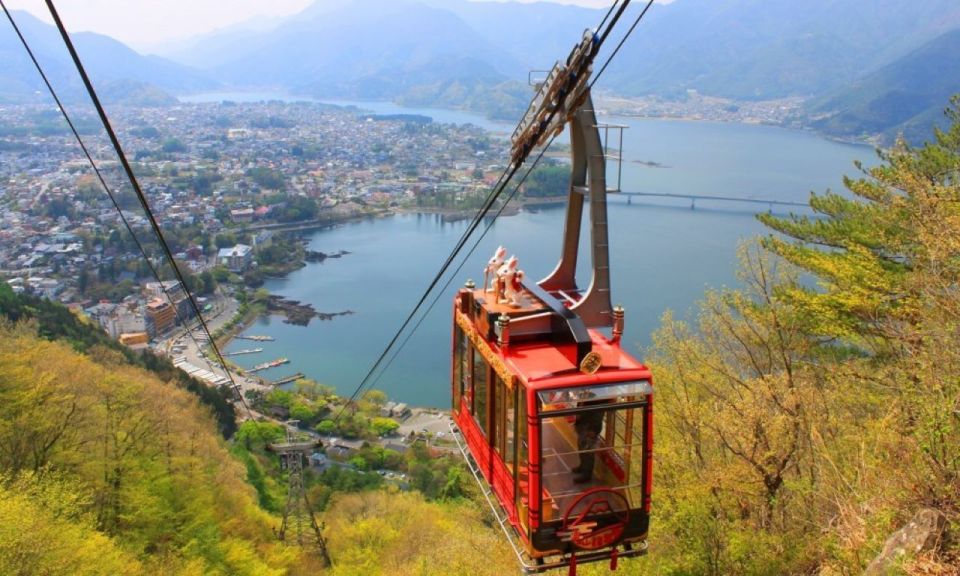
This tour includes a ticket for the Mt. Fuji Panoramic Ropeway (gondola). The promise is simple: you get a major view angle and a 360-degree look when you’re up in the air and over the landscape around Lake Kawaguchiko.
Why this matters for value: in the Fuji region, parking lots and short stops can be a time sink. The ropeway gives you quick altitude and a strong “wow” moment without requiring you to coordinate a bunch of separate viewpoints on your own.
A practical note: if the ropeway doesn’t operate, the plan won’t grind to a halt. The tour redirects you to either the Fuji Visitor Center or Oshino Hakkai instead. That’s a useful safety net, because Fuji-day plans often depend on operations and weather.
Also remember this: even with great planning, visibility isn’t guaranteed. The tour warns that Mt. Fuji may not be visible during fog, heavy rain, or high humidity. If you’re traveling expecting a clear, sharp peak in every photo, you might feel disappointed. If you’re happy to appreciate the region’s changing moods, you’ll probably enjoy the day more.
Fruit Picking by Month: Strawberries, Cherries, Peaches, Grapes
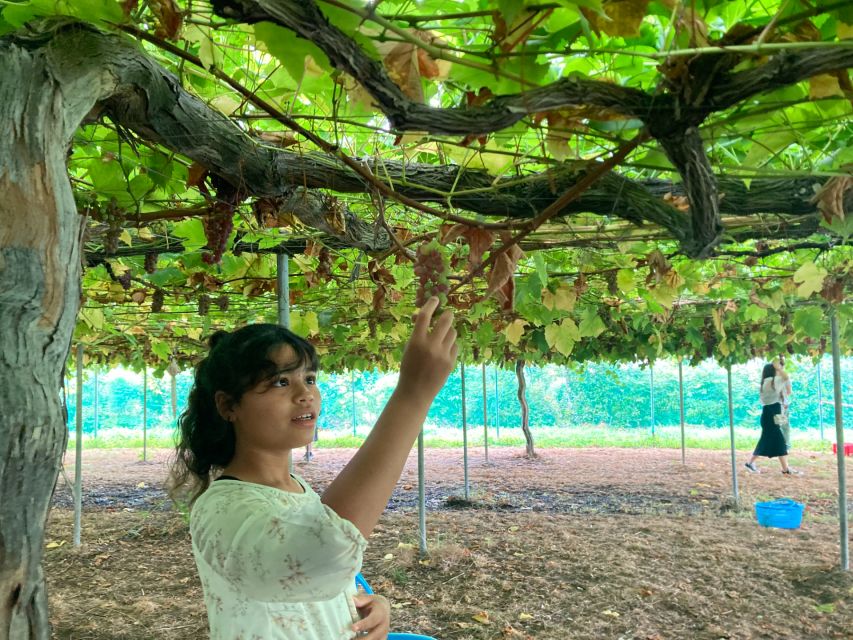
This is the most hands-on part, and it’s also where the season matching really pays off. The orchard fruit schedule is:
- Late December–early May: sweet strawberries
- June: Japanese cherry picking
- July: sweet peaches
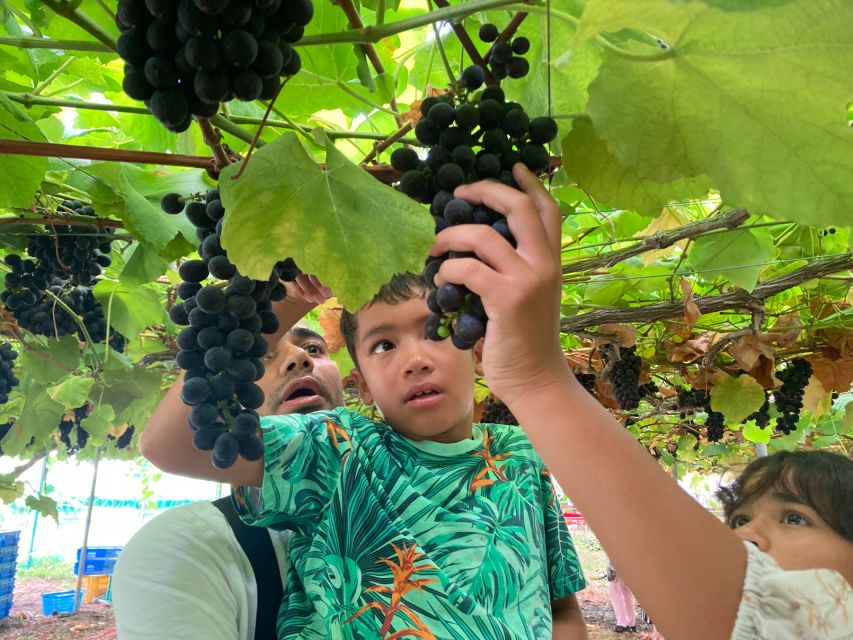
- August–late November: various types of grapes
They also mention you might experience apple or orange picking depending on the season.
What you’ll like about this stop is how direct it is. Instead of buying packaged fruit, you’re picking and tasting something fresher, right from the source. And the orchard portion is a nice break from the “photo and walk” rhythm. It gives you something to do with your hands, and it turns the day into more of a food-and-scenery experience.
What you should consider: fruit availability is seasonal and time-sensitive. Even within the same month, conditions and orchard choices can affect what you actually pick. That’s normal for agriculture. The good part is the tour is built to align picking with the typical calendar window.





Lunch Included: Houtou Noodles and Seasonal Plates
Lunch is included on the tour if you select the lunch option, and it focuses on Yamanashi flavors. The menu includes thick houtou noodles, pork, and fresh seasonal vegetables.
Two useful details here:
- If you need a Muslim-friendly meal by request, the menu contents will be adjusted.
- Drinks aren’t included, so you’ll want to plan for water or a non-alcoholic drink separately.
Even if you’re not a noodle person, houtou noodles are at least a strong regional choice. It’s not international comfort food dressed as local food—it’s a Yamanashi style you can only really get in the region.
Price and Value: Is $90 a Good Deal?
At about $90 per person, this tour can feel like a bargain or a stretch depending on what you’d otherwise do on your own.
Here’s where the value comes from:
- You’re paying for transport from Tokyo on an air-conditioned bus, plus an English-speaking guide.
- You get paid-for sightseeing infrastructure, including the ropeway ticket and orchard admission fees.
- You’re also factoring in the time saved. In this area, piecing together transport + tickets + viewpoint timing can take energy, and energy is usually what you spend during a vacation.
Where you might feel the cost less evenly:
- Mt. Fuji visibility is weather-dependent. If the sky is bad, your “peak of the mountain” photos might not happen.
- Drinks aren’t included, and lunch depends on the option you choose.
- It’s a busy one-day format, so if you want slow strolling with zero schedule pressure, this may feel a bit structured.
My advice: if you want a guided day that mixes views + ropeway + fruit picking, and you’d rather not manage the logistics alone, this price is in the reasonable-to-good range. If you’re mostly chasing a perfect, clear Mt. Fuji silhouette, build in flexibility and a backup mindset.
Tokyo Meet-Up and Bus Comfort (Small Details That Save You Time)
This tour starts and ends back at the meeting point, and the guide meets you holding a blue HIS logo flag or a meeting board.
If you’re coming from:
- JR Shinjuku Station: use the West Exit, about a 10-minute walk.
- Tokyo Metro Marunouchi Line Nishi-Shinjuku Station: exit E7, about 3 minutes.
On the bus, you’ll have Wi-Fi service and air-conditioning, and the bus company listed is Yamato Kankou. The guide is English-speaking, and there’s one guide for the day.
Two practical tips that sound boring but help:
- Wear comfortable shoes. You’ll be walking enough for your feet to notice.
- Be ready for seasonal crowds. Spring blossom periods and shibazakura time can draw more people around the Fuji area, so the day can feel fast.
Weather Rules and Schedule Shifts: How to Think About It
Fuji days come with rules. The tour explicitly warns that Mt. Fuji may not be visible due to high humidity, fog, or heavy rain. It also states there are no refunds for weather-related visibility issues or for schedule changes made by the tour guide or staff.
So how should you adjust your expectations?
- Aim to enjoy the full season atmosphere, not just the peak.
- Expect the day to run efficiently even if visibility is limited.
- Use the ropeway and orchard stop as your “anchor moments,” because those parts of the plan are less dependent on whether a distant peak is sharp.
There’s also a plan B if the ropeway doesn’t operate: Fuji Visitor Center or Oshino Hakkai. That’s a helpful fallback, even if it changes your ideal “ropeway views” moment.
Who This Tour Fits Best
This is a strong match if you:
- Want Mt. Fuji views without doing complicated planning
- Enjoy seasonal experiences that actually match the time of year
- Like food experiences, especially hands-on fruit picking
- Appreciate English guidance and a bus-day flow that’s built for international visitors
It may feel less ideal if you:
- Are only satisfied by a clear Mt. Fuji peak and nothing else
- Prefer independent travel where you control every minute
- Want long, slow days with lots of free time (this is a structured one-day plan)
Also note the tour is only for international tourists, and children up to 0–2 can join free of charge, but they won’t be provided with bus seats or lunch. If you need a seat and lunch for a child, you’d book under the child rate.
Should You Book This Tour?
Book it if you want an easy, guided way to pair Mt. Fuji scenery with a seasonal fruit experience—and you’re traveling during a time when the fruit schedule hits your favorite crop. The ropeway is a real highlight, and the food stop adds a “lived-in” feel to the day.
Skip or rethink if your travel dates are tight and you’re chasing only one thing: a crystal-clear Mt. Fuji silhouette. Weather can be unpredictable, and this tour doesn’t promise a guaranteed peak view.
If you go in with flexibility, this one-day setup is an efficient, fun way to experience Mt. Fuji across the seasons.
FAQ
What is the price of this tour?
The price is listed as $90 per person.
How long is the tour?
It’s a one-day tour.
What’s included in the ticket?
Included items are an air-conditioned bus, the Mt. Fuji Panoramic Ropeway gondola ticket, orchard admission for fruit picking, an English-speaking guide, and Wi-Fi service. Lunch is included if you select the lunch option.
Is lunch included?
Lunch is included as an option (listed as Lunch x 1). The lunch menu includes Yamanashi thick houtou noodles, pork, and fresh seasonal vegetables.
Where do I meet the guide in Tokyo?
Meet the guide at the start location by looking for the HIS logo blue flag or HIS logo meeting board. From JR Shinjuku Station, it’s about a 10-minute walk from the West Exit. From Nishi-Shinjuku Station (Marunouchi Line), it’s about 3 minutes from exit E7.
What fruit do you pick on each date range?
Late December to early May: sweet strawberries. June: Japanese cherry picking. July: sweet peaches. August to late November: various grapes. Apple or orange picking may also be available depending on the season.
What if the Mt. Fuji Panoramic Ropeway doesn’t operate?
If the ropeway doesn’t operate, the tour redirects to either the Fuji Visitor Center or Oshino Hakkai.
What should I bring?
Comfortable shoes are recommended.
Can children join?
Children up to 0–2 years old may join free of charge, but bus seats and lunch are not provided. If bus seats or lunch are needed, booking under the child rate is required.
Can I get a cancellation refund?
You can cancel up to 24 hours in advance for a full refund.
—
Should you book this tour?
If you want a guided one-day mix of Mt. Fuji viewpoints, Kawaguchiko Ropeway, and month-specific fruit picking, this is a practical choice—especially if you’re excited about seasonal scenery and local food. If your trip depends on perfectly clear views of the peak, plan for weather variability.
More Tour Reviews in Tokyo



The Fuji Shortlist: Other Days Out to the Mountain
Fresh reviews from around Tokyo






Mt Fuji Day Trips, compared.
 ★ 4.0Mt Fuji & Hakone Cruise, Drum Show Bullet Train 1 Day from TokyoFrom $1497,413 reviews
 ★ 4.4Tokyo Mt Fuji 5th St & Hakone Cruise Bus Tour w/Bullet TrainFrom $1545,024 reviews
 ★ 4.5From Tokyo: Mount Fuji Full-Day Sightseeing TripFrom $684,970 reviews
 ★ 4.7Mt. Fuji Tour, Hakone Ropeway, Owakudani, Lake AshiFrom $544,002 reviews
 ★ 5.0Private Tour to Mt. Fuji and Hakone (Fully Licenced Operator)From $4971,910 reviews
 ★ 4.9Mount Fuji Full-Day Private Tour from Tokyo (Customizable)From $3931,470 reviews
 ★ 4.0Mt Fuji & Hakone Cruise, Drum Show Bus 1 Day from TokyoFrom $1221,287 reviews
 ★ 4.2From Tokyo: Mt. Fuji & Hakone Tour w/ Return by Bullet TrainFrom $1171,278 reviews
Browse the lists this tour appears in