
Reviewed · FOOD & DRINK
Okonomiyaki making experience~Japanese popular food
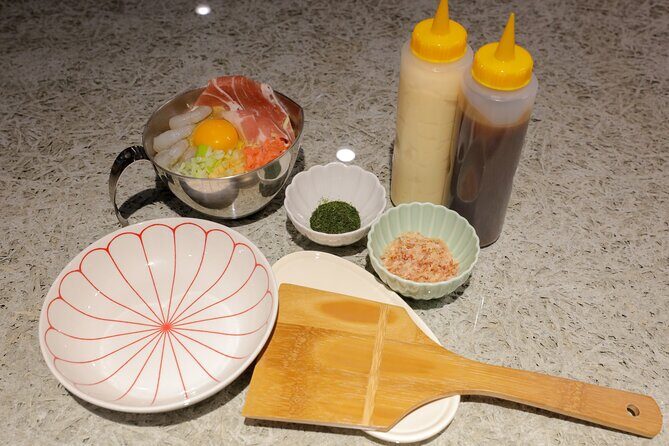
Hot griddles, big flavors, and you in charge. This okonomiyaki class turns a popular Japanese comfort food into a hands-on moment, with you mixing batter, cooking it on the grill, then finishing it with classic condiments like sauce and aonori. I like that it’s simple and fun, but still feels genuinely Japanese, not like a themed gimmick (griddle cooking, Japanese comfort food).
Two things I really liked: the class setup is guided by English-speaking support (including translator Nina), so you won’t get lost mid-flip, and there’s real encouragement to make more than one okonomiyaki—one person even reported making a second one to take home. One consideration: it’s only about 1 hour, and meals beyond the okonomiyaki aren’t included, so plan to eat again after if you’re hungry.
In This Review
- Key Things to Know Before You Go
- Finding the Class in Shinjuku’s Flower House
- Meat vs Seafood: Choosing Your Okonomiyaki Style
- Mixing the Batter: Where the Class Starts Making Sense
- The Hot Part: Cooking on the Griddle Like You Mean It
- Toppings That Finish the Flavor (Sauce, Mayo, Aonori)
- Taking the Class Beyond One Pancake
- Price and Value: Is $39.02 Worth It?
- Timing and What One Hour Feels Like in Real Life
- Who Should Book This Okonomiyaki Class?
- Practical Tips to Make Your Class Go Smoothly
- Should You Book This Okonomiyaki Making Experience?
- FAQ
- Where is the meeting point for the okonomiyaki class?
- How long does the experience take?
- How much does it cost?
- Is transportation included?
- What’s included in the ticket price?
- What is not included?
- Is this a private class or a group activity?
- Do I get to choose the flavor?
- Is the class in English?
- What if the weather is bad or the minimum number of travelers isn’t met?
Key Things to Know Before You Go
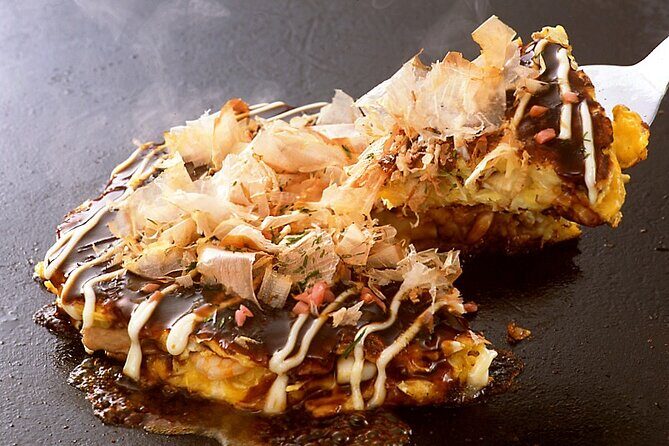
- You choose the style: go meat or seafood for your okonomiyaki.
- English support is part of the experience: Nina and the guides help keep things clear while you cook.
- It’s truly hands-on: you’ll mix, cook on the griddle, and plate your own pancake.
- Classic finishing touches: sauce, mayonnaise, and aonori (dried seaweed) are part of the formula.
- You may get a chance for a second one: some sessions let you make another to take home.
Other plates worth crossing Tokyo for
- Tokyo: Shinjuku Food Tour (13 Dishes at 4 Local Eateries)★ 5.0 · 6,603 reviews
- Tokyo Tsukiji Fish Market Food and Culture Walking Tour★ 5.0 · 3,184 reviews
- Tokyo: Shinjuku Food Tour (15 Dishes and 4 Eateries)★ 4.9 · 2,033 reviews
Finding the Class in Shinjuku’s Flower House
This experience meets at a place described like a house with flowers, in Shinjuku (3-chōme, 6-7 第6三和ビル 4階, Tokyo 160-0022). The address matters here because you’re stepping into a specific local setup, not a big public market scene. It’s also listed as near public transportation, which helps a lot in Shinjuku where directions can get messy fast.
The good part: you’re not just “watching people cook.” You’re doing the work on the griddle. A private group also means the pace tends to match your questions instead of a conveyor-belt tour vibe. With only about an hour on the clock, that structure helps you get meaningful cooking time without feeling rushed in the wrong way.
Meat vs Seafood: Choosing Your Okonomiyaki Style
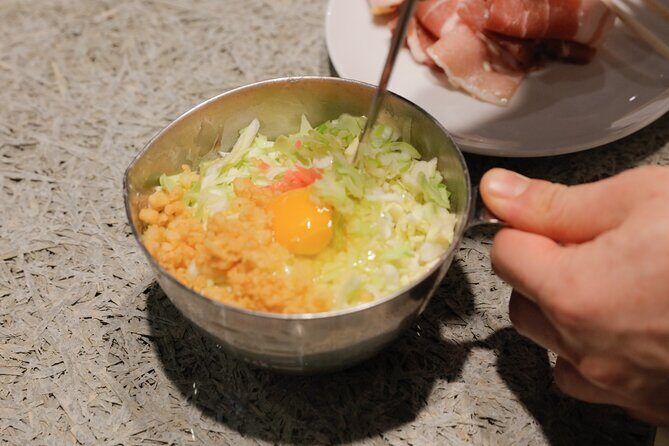
Okonomiyaki is often described as a pancake, but it’s more like a savory, griddle-cooked canvas. You start with a batter made from flour and eggs, then bring in cabbage and other ingredients. Depending on what you pick, it shifts toward seafood or meat.
What I like about this choice for your trip: it lets you customize without needing a long menu decision. If you’re a seafood person, you’ll steer your ingredients that way; if you want a more familiar comfort flavor, you can pick the meat version. Either way, you’ll get the core experience: mixing, cooking, and assembling it with the usual top notes—Japanese-style sauce, mayonnaise, and aonori (dried seaweed).
Mixing the Batter: Where the Class Starts Making Sense
In this class, the process is straightforward. You mix the flour batter with water, then other items like cabbage and your chosen add-ins (meat or seafood) come next. This is a good learning moment because okonomiyaki isn’t complicated—but small choices in mixing and thickness can change the texture you get on the griddle.
Also, don’t underestimate the “why” here. Getting the batter right teaches you the logic behind Japanese street-style cooking: controlled heat, careful layering, and quick finishing. Even if you never make okonomiyaki again at home, you’ll leave knowing what makes it taste like okonomiyaki instead of just a generic savory pancake.
And because English-speaking guides are part of the experience, you can actually ask what matters—how long to cook, when to flip, and how thick to aim for.
The Hot Part: Cooking on the Griddle Like You Mean It
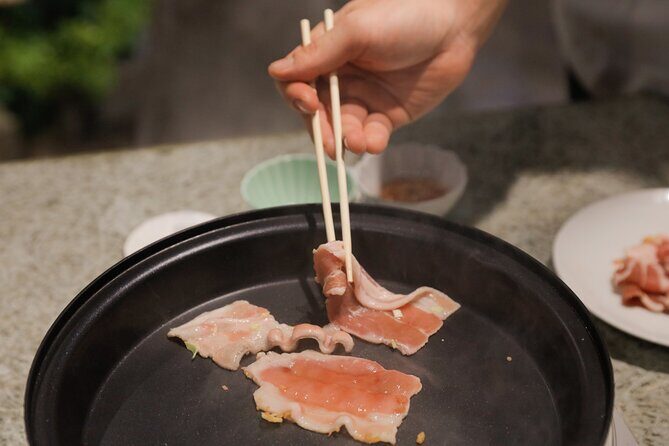
This is the star of the show. You cook your okonomiyaki on a griddle, which means you get feedback instantly: you can see browning, hear the sizzle, and adjust your timing. That direct cause-and-effect makes the class feel rewarding instead of performative.
The best learning support I saw highlighted: people weren’t left to figure it out alone. One session stood out for being guided step-by-step by a friendly team—two English-speaking guides alongside the chef—so the actions felt manageable even if you’ve never cooked Japanese food before.
You also get real practice, not just one quick flip. With a total duration of about an hour, the pacing is tight, so the instructors generally keep the workflow moving. If you’ve got questions, the private format helps you get answers fast without feeling like you’re holding up a big group.
Worth weighing up alongside this Tokyo pick:


Toppings That Finish the Flavor (Sauce, Mayo, Aonori)
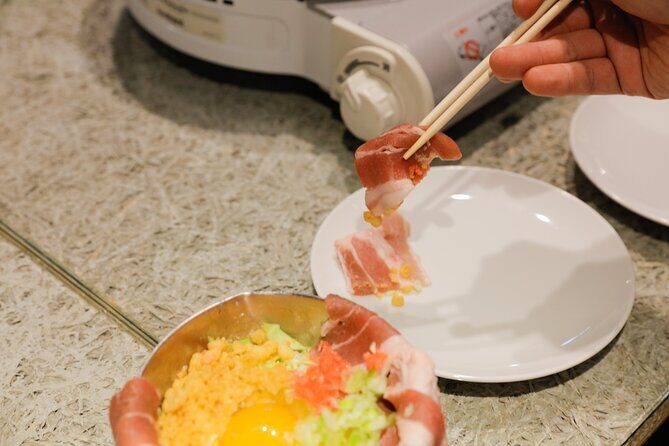
Once your okonomiyaki is cooked, it becomes a topping experience. You’ll finish it with Japanese condiments like sauce and mayonnaise, plus aonori (dried seaweed). These aren’t random extras. They’re part of the flavor “shape” people expect from okonomiyaki—sweet-salty sauce depth, creamy mayo richness, and a seaweed note that ties the whole dish together.
This is where you should pay attention even if you’re tired. A little sauce goes a long way, and the way you spread it changes the balance. The class format makes it easy to watch, then copy what you see and taste.
And yes, you’ll eat what you cook. That’s one of the reasons this kind of class is worth doing in Tokyo: you’re not just buying a snack—you’re producing it, then tasting the results in the same session.
Taking the Class Beyond One Pancake
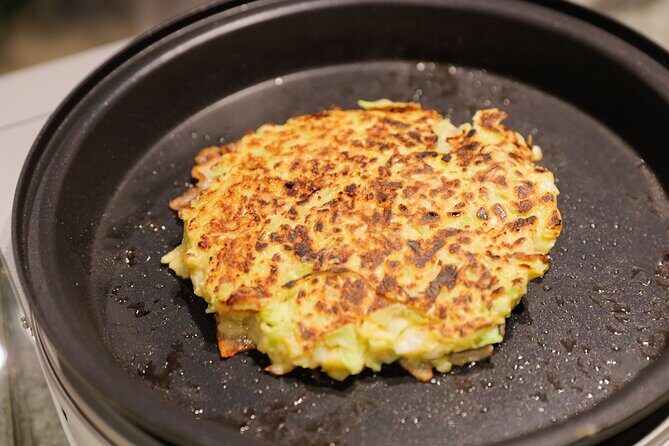
One highlight from the experience feedback: someone reported making a second okonomiyaki and taking it home. That matters for value, because $39.02 isn’t a “buy a ticket, eat a sample” price—it’s paying for instruction, cookware time, and ingredient prep.
If your session allows a second pancake, it’s a practical win for your day. You can pack a real food souvenir that’s still fresh enough to enjoy later. If you’d rather not, you can still think of it as a bonus, not a requirement.
Price and Value: Is $39.02 Worth It?
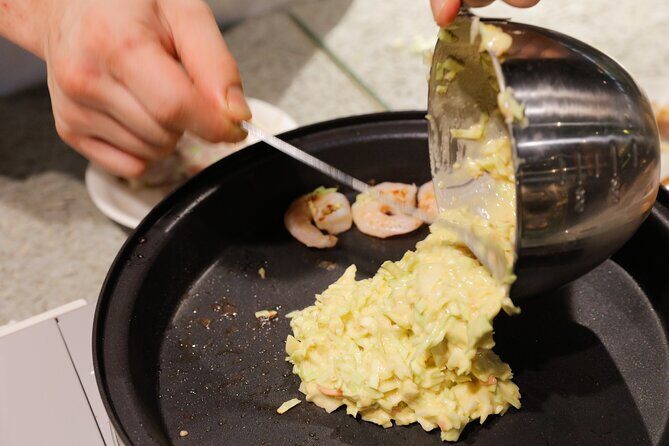
Let’s be blunt: this isn’t a cheap Tokyo snack. It’s priced at $39.02 per person, and it’s only about an hour. So what are you really paying for?
You’re paying for:
- Instruction and hands-on time with a griddle setup
- Ingredient handling and cooking support, not just watching
- Inclusion of all fees and tax
What you should know up front: bottled water and additional meals or drinks aren’t included. Dinner and lunch also aren’t included, so you’re likely treating this as part of a food plan, not the whole day’s calories.
So the best value move is timing. Slot this when you’re hungry for a hands-on activity, then plan to eat a proper meal after. If you’re already stuffed from lunch, the class can still be fun, but the “eat your results” payoff feels smaller.
Timing and What One Hour Feels Like in Real Life
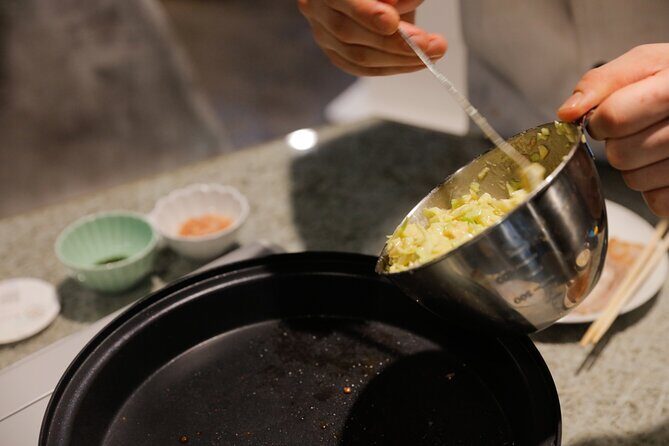
A one-hour class is a sweet spot in a city like Tokyo. You get enough time to actually cook, but it won’t eat half your day.
The rhythm you can expect:
- Get oriented at the meeting point
- Pick meat or seafood style
- Mix batter and assemble with cabbage and add-ins
- Cook on the griddle
- Finish with sauce, mayonnaise, and aonori
- Eat what you made
Because the experience is private (your group only), you also avoid the awkward “talking over each other” feeling that can happen in larger classes. Still, if you’re the type who likes to take ultra-slow steps and analyze everything, remember it’s built to finish on time.
Who Should Book This Okonomiyaki Class?
This is a great fit if:
- You want a hands-on Tokyo food experience, not a restaurant meal
- You like Japanese soul food and want to understand the basics behind it
- You’re comfortable cooking with simple guidance, even if you don’t speak much Japanese
- You travel in a small group and want focused attention
It’s also a smart choice for solo travelers who want structure and conversation. The English support and translator help make it easy to follow along without feeling stuck.
It might be less ideal if you’re expecting a long sit-down meal tour with multiple dishes, because this focuses tightly on okonomiyaki making and doesn’t include lunch or dinner.
Practical Tips to Make Your Class Go Smoothly
- Bring your appetite: water and meals aren’t included, so eat before or plan to eat after.
- Pick meat or seafood early: it helps the instructors keep the workflow moving.
- Watch the griddle timing: the browning and sizzle tell you more than any instruction does.
- Don’t overthink toppings: sauce, mayo, and aonori are part of the expected balance—follow the guide’s approach.
- Use your mobile ticket: it’s listed as a mobile ticket experience, so have it ready on arrival.
Should You Book This Okonomiyaki Making Experience?
Yes, I’d book it—especially if you want a Tokyo food moment you can point to and say you actually did. The price makes sense when you treat it like cooking instruction plus a real meal from your own griddle work. The biggest wins are the hands-on format and the support from English-speaking guides, including translator Nina, which keeps the experience fun instead of stressful.
If you’re short on time, like the idea of cooking Japanese comfort food, and want to leave with both a full belly and a story (and maybe even a take-home second pancake), this is an easy yes.
FAQ
Where is the meeting point for the okonomiyaki class?
It meets at a house with flowers in Shinjuku, Tokyo, at 3-chōme 6-7 第6三和ビル 4階 (160-0022).
How long does the experience take?
The experience runs for about 1 hour.
How much does it cost?
The price is $39.02 per person.
Is transportation included?
Transportation expenses to the meeting place are not included.
What’s included in the ticket price?
All fees and tax are included.
What is not included?
Bottled water, additional meals and drinks, and lunch or dinner are not included.
Is this a private class or a group activity?
It’s listed as private, so only your group participates.
Do I get to choose the flavor?
Yes. There are two taste options: seafood or meat.
Is the class in English?
One review highlights that there are English-speaking guides, along with a translator named Nina.
What if the weather is bad or the minimum number of travelers isn’t met?
The experience requires good weather, and if canceled for poor weather you’ll be offered a different date or a full refund. It also requires a minimum number of travelers, and if that isn’t met you’ll be offered a different experience/date or a full refund.
More Good Eating in Tokyo
Eat Your Way Round Tokyo

More Tour Reviews in Tokyo





Fresh reviews from around Tokyo






Food & Drink, compared.
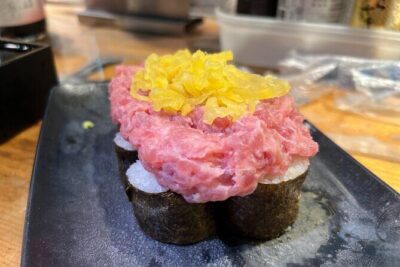 ★ 5.0Shinjuku Food Tour (13 Dishes at 4 Local Eateries)From $866,603 reviews
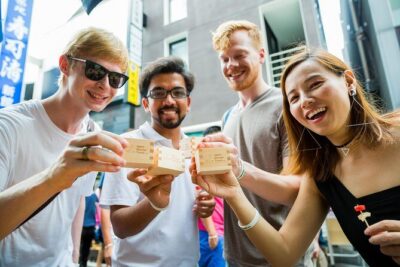 ★ 5.0Tokyo Tsukiji Fish Market Food and Culture Walking TourFrom $993,184 reviews
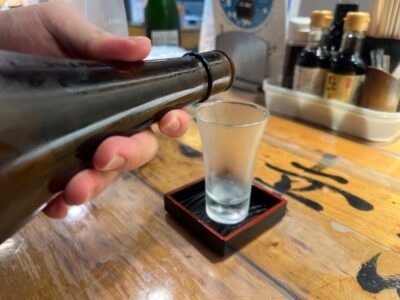 ★ 4.9Shinjuku Food Tour (15 Dishes and 4 Eateries)From $852,033 reviews
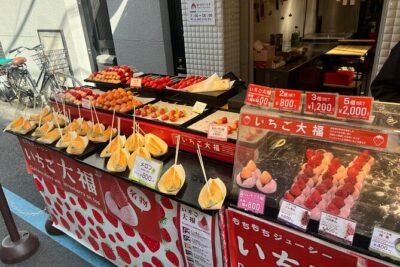 ★ 5.0Tsukiji Fish Market Food and Walking tourFrom $301,724 reviews
 ★ 5.0Eat and Drink Like a Local: Tokyo Ueno Food Tour-Taverns&RamenFrom $95957 reviews
 ★ 5.0Shibuya Food Tour (13 dishes and 4 Eateries)From $77770 reviews
★ 4.7Tsukiji Fish Market Food and Culture Walking TourFrom $96757 reviews
★ 5.0Shibuya Food Tour (13 dishes and 4 Eateries)From $77770 reviews
★ 4.7Tsukiji Fish Market Food and Culture Walking TourFrom $96757 reviews
 ★ 5.0Tsukiji Fish Market: Street Food & Culture Walking TourFrom $33669 reviews
Browse the lists this tour appears in