
Reviewed · NIKKO DAY TRIPS
NIKKO PASS All Area
Nikko is a nice change of pace from Tokyo. This pass turns it into a flexible, self-guided trip with unlimited local transport and a round-trip ride from Asakusa. You pick it up in Asakusa with your non-Japanese passport, then spend four calendar days bouncing between shrines, hot springs, waterfalls, and mountain scenery at your own rhythm.
What I like most is the simplicity: once you’re in Nikko, the pass covers the train hops between Shimo-Imaichi and Tobu-Nikko or Shin-Fujiwara, plus buses on the main sightseeing loops. I also like that it’s built around real places people actually want to reach, including access toward Kirifuri Waterfall and the Chuzenji area.
One drawback to plan for: the pass doesn’t cover shrine and temple admission, and there can be extra fees at certain sights. Also, the train portion isn’t always a single straight shot; expect transfers on the way.
In This Review
- Key Takeaways Before You Go
- Is This Nikko Pass a Smart Value for Independent Travelers?
- Getting Your Pass at Tobu Tourist Information Center Asakusa
- The Asakusa to Nikko Ride: Timing and Transfer Reality
- How the Nikko Bus Routes Map to Real Sights (2A–2D)
- Kirifuri Waterfall Planning: Season Dates and Why It Matters
- Chuzenji Onsen, Ropeway, and the Lake Cruise Timing
- Using the Included Discount Pieces Without Getting Burned
- Kinugawa Onsen: A Smart Place to Recover Between Sightseeing
- What About Transfers, Schedules, and Getting Your Bearings?
- Who This Pass Fits Best
- Should You Book the Nikko Pass All Area?
- FAQ
- Do I need a non-Japanese passport to get the Nikko All Area Pass?
- Where do I pick up the pass in Tokyo?
- How long is the pass valid?
- What rides are included with the pass?
- Are shrine and temple admission fees included?
- Are meals included?
- Is the train ride from Asakusa direct?
- How do the 2A, 2B, 2C, and 2D buses differ?
- Does Kirifuri no Taki require going in a specific season?
- Can I cancel for free?
Key Takeaways Before You Go
- 4 consecutive calendar days: plan around the exact date, not a 24-hour clock.
- Asakusa pickup: collect your pass at Tobu Tourist Information Center Asakusa before you start.
- Unlimited Nikko buses (2A–2D): use them to avoid complicated local navigation.
- Seasonal bus rule for 2D: Kirifuri no Taki in late fall/winter, Kirifuri-Kogen in spring/summer.
- Not everything is included: shrine/temple tickets and some extras can add up.
- Chuzenji timing matters: the lake cruise has winter closure starting 1 Dec.
The shrine road north: other Nikko trips
- Nikko: Kegon Falls, Lake Chuzenji & Toshogu Temple★ 4.6 · 1,577 reviews
- Tokyo: Nikko Toshogu Shrine and Kegon Waterfall Tour★ 4.5 · 1,266 reviews
- From Tokyo: Nikko World Heritage Site Private Full-Day Trip★ 4.9 · 243 reviews
Is This Nikko Pass a Smart Value for Independent Travelers?
This kind of pass is for you if you want control. You’re not stuck on a fixed schedule, and you can shape a route that fits your energy level and the season. Nikko is a place where “one more stop” turns into an all-day plan, so having transport coverage helps.
The value is in the bundle. Your pass includes the round-trip train fare between Asakusa Station and Shimo-Imaichi Station, plus unlimited local rides once you’re in the Nikko network. On top of that, the bus coverage on routes 2A, 2B, 2C, and 2D helps you reach the sights that are otherwise spread out.
But don’t assume it covers everything. Shrine and temple admissions are not included, and food is on you. If you’re only going to do one or two paid attractions, you might feel the pass doesn’t get used as much as you expected.
Getting Your Pass at Tobu Tourist Information Center Asakusa
Your trip starts in Asakusa. You collect the pass at Tobu Tourist Information Center Asakusa, located at 1-chōme-4-1 Hanakawado, Taito City, Tokyo. Bring your booking voucher and a valid non-Japanese passport—this pass is only available for foreign tourists.
Once you have it, you’re set up for four days. The pass is valid for 4 consecutive calendar days beginning on your selected date, not “24 hours from pickup.” That matters if you plan to squeeze the trip across two weeks or try to extend past midnight.
Also note the physical pace. The experience mentions a moderate physical fitness level, which makes sense: you’ll be walking in temple areas, around lakes, and toward viewpoints. Even if the transport is easy, your legs still do a lot of work.
The Asakusa to Nikko Ride: Timing and Transfer Reality
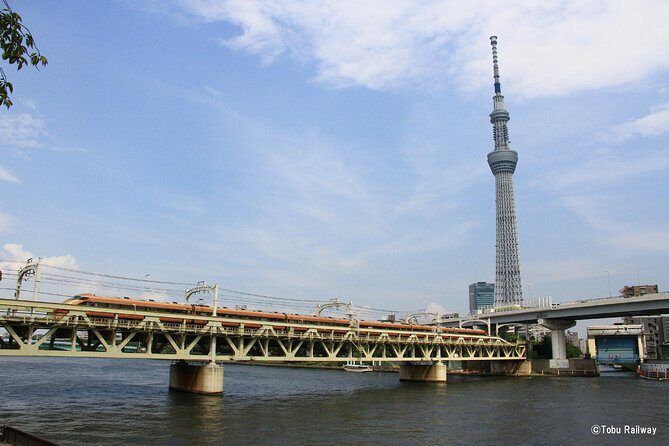
From Asakusa, Nikko is a real day trip in terms of travel time. The route to Nikko is about 1 hour 50 minutes by limited express, and the ride to Kinugawa Onsen is about 2 hours 10 minutes by limited express (timing can shift by connection).
Here’s the practical part: the train portion isn’t always a direct ride. One detail to keep in mind is that you may need to change trains multiple times on the way into the area. So I’d build a little slack into your planning—don’t schedule a must-do first thing in the morning without buffer.
Once you’re in the Nikko network, the pass turns the ride into a “hop freely” situation. It covers unlimited local train travel between Shimo-Imaichi Station and either Tobu-Nikko Station or Shin-Fujiwara Station. That’s a big deal when you’re trying to bounce between different neighborhoods of Nikko.
How the Nikko Bus Routes Map to Real Sights (2A–2D)
Trains get you into the area, but buses get you to the views. The pass includes unlimited bus rides on routes 2A, 2B, 2C, and 2D that depart from or arrive at Tobu-Nikko Station.
Route 2A is handy if you’re heading toward the Yumoto-Onsen side. Each leg is about 75 minutes, and it runs from 6:15 AM to 6:10 PM. If you want hot springs without backtracking, this is the one to lean on.
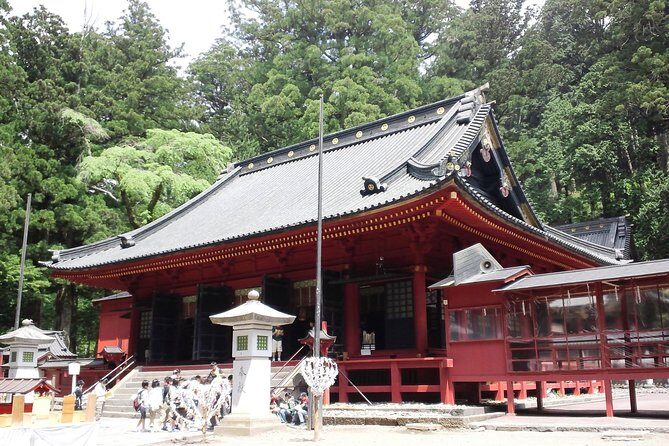
Route 2B is the “World Heritage Sightseeing” loop. Buses depart about every 15 minutes, and the loop lasts about 23 minutes, operating roughly 8:20 AM to 5:30 PM. This is useful when you want multiple shrine-temple areas without thinking too hard about timing.
Route 2C links Tobu-Nikko Station with Chuzenji-Onsen. Each leg is about 45 minutes, with service roughly 6:30 AM to 6:30 PM. This is the bus you’ll use if Chuzenji is on your list for lake views and cable-car style attractions.
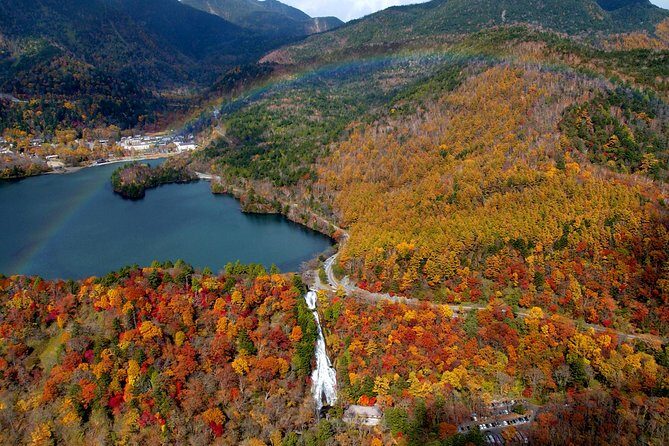
Route 2D is your Kirifuri connection—and it changes with the season. Between Nov 24 and Mar 31, it goes between Tobu-Nikko Station and Kirifuri no Taki. Between Apr 1 and Nov 23, it goes to Kirifuri-Kogen instead. The operating hours vary, so you’ll want to check the schedule before you build your day around it.
Practical tip: when buses run every 15 minutes (like 2B), you can plan more loosely. When a route has longer legs (like 2A), you’ll want more structure, so you don’t waste half a day waiting.





Kirifuri Waterfall Planning: Season Dates and Why It Matters
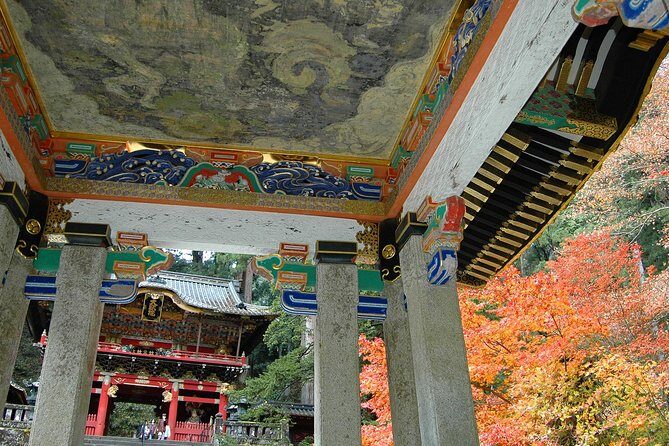
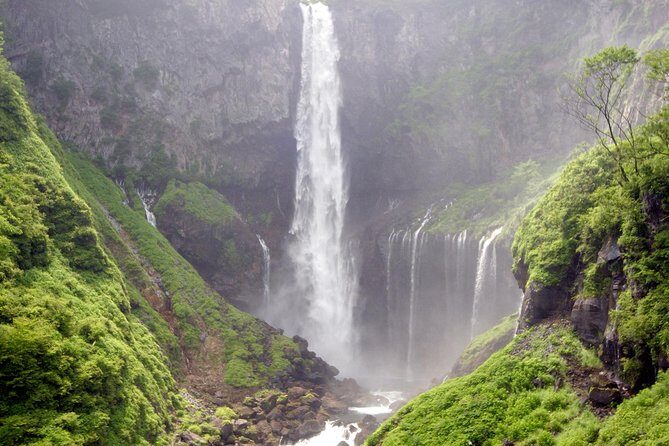
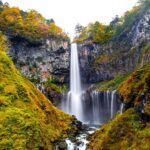
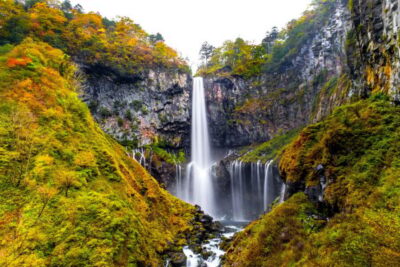
Kirifuri Waterfall is the kind of place that makes Nikko feel separate from Tokyo. The waterfall is 246 feet (75 meters) high and has inspired artists, including Katsushika Hokusai. In other words, it’s not just scenic. It’s famous for a reason.
Here’s what can trip you up: the pass uses different endpoints for bus route 2D depending on the date. If you visit between late November and late March, you’ll target Kirifuri no Taki. If you visit between April 1 and November 23, the bus goes to Kirifuri-Kogen instead.
So the right move is simple: check the exact date you’re traveling and confirm which stop matches your plan. Don’t assume you’ll automatically reach the waterfall the same way year-round.
Another planning point: service windows vary by season. The info notes that 2D operating hours change, so if you want morning light or you’re trying to connect with other routes, don’t leave it to luck.
Chuzenji Onsen, Ropeway, and the Lake Cruise Timing
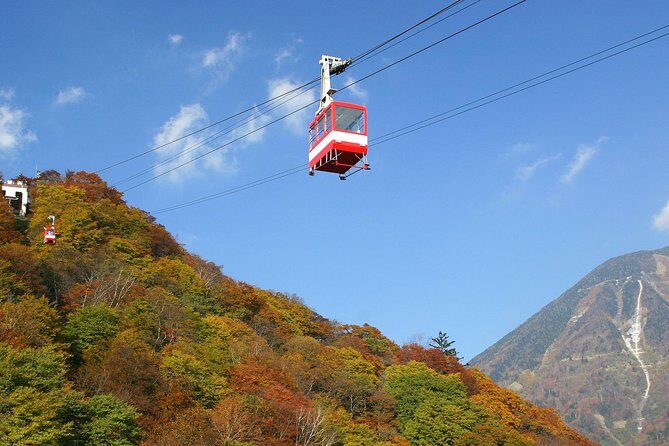
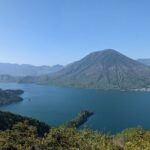
Chuzenji is where Nikko starts to feel extra scenic—water, altitude, and a slower pace. With the pass, you may have access to the ropeway (cable car) and the lake cruise at Chuzenji. One catch: the lake cruise is closed in winter starting 1 Dec.
This matters because it changes the value of your day. If your trip lands after 1 Dec, you’ll still be able to enjoy the area, but you might shift expectations away from the cruise itself. If your dates are earlier, the cruise can add a different angle to the lake views without requiring extra legwork.
Also, Chuzenji is connected by bus route 2C (about 45 minutes each way). That makes it easier to combine Chuzenji with other Nikko stops, instead of treating it as a solo day.
If you like your sightseeing to include a “sit-down” moment, plan for the cruise (when running) or for a long pause with lake views. Nikko rewards that kind of pacing.
Using the Included Discount Pieces Without Getting Burned
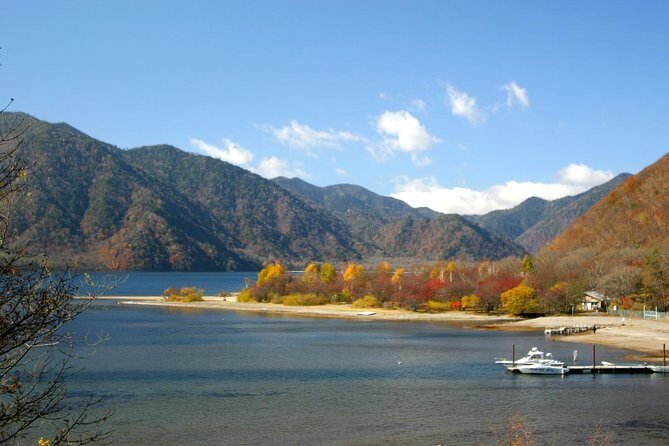
The pass also offers discounts on select attractions in the Nikko and Kinugawa Onsen areas. The tricky part is knowing that these are not blanket inclusions. Shrine and temple admission tickets are explicitly not included, and additional fees can show up depending on what you choose.
One practical takeaway: go in expecting some small purchases along the way. It’s normal for popular sites to charge separate admission, and Nikko is full of places where every stop can have its own ticket.
There’s also the payment detail to take seriously. One rider noted that bus drivers can require small change and that it may be hard to get change. So I’d travel with a pocketful of coins and smaller bills, just in case.
Finally, navigation can feel confusing at first if you’re jumping between train platforms and multiple bus routes. Your best defense is to pick a “home base” station for each day (like Tobu-Nikko Station) and build outward using the bus numbers.
Kinugawa Onsen: A Smart Place to Recover Between Sightseeing
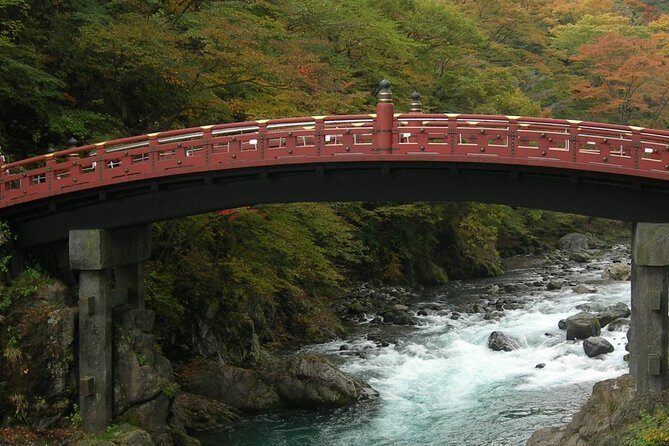
Even if you don’t chase hot springs like a mission, Kinugawa Onsen is a useful strategy. It’s a nearby escape from the busiest parts of Nikko, and it gives you a reason to slow down after temple hopping.
The ride from Asakusa to Kinugawa Onsen is about 2 hours 10 minutes by limited express, so it’s not far in the grand scheme of Japan. If you plan one day for mountain sights and another for a soak, the pass’s structure supports that split.
Just remember: food and beverages aren’t included, and attractions can have their own admission costs. So if hot springs are your centerpiece, budget for that like you would in any onsen town.
What About Transfers, Schedules, and Getting Your Bearings?
This pass gives you freedom. But freedom still needs a plan, especially early in the morning.
If you’re starting from Asakusa, get your pass pick-up done first so you’re not scrambling later. Then treat your first Nikko day as a learning day: try one bus route loop, then adjust the next day.
Also, accept that some transport is winding and slow in the mountains. One rider mentioned that a bus from the station up toward a hotel involved a twisty road with switchbacks. That’s normal Nikko geography. If you’re prone to motion sensitivity, you might take that into account for seating choices and pacing.
Your day will go smoother if you:
- Start earlier when you can, especially for routes with longer legs like 2A.
- Use the bus timetable info to match daylight hours.
- Don’t stack three “far apart” areas in one day unless you enjoy running.
Who This Pass Fits Best
This pass is a strong match for you if you:
- Want to explore at your pace over four calendar days
- Prefer public transport and don’t want to manage separate tickets for each bus hop
- Like mixing shrine-temple areas with natural scenery like waterfalls and lakes
It’s also good for value-minded trips. If you plan multiple bus rides across Nikko, the pass is designed for that pattern. Your money is spent on coverage, not on a single attraction.
It may be less ideal if you’re planning a very short visit or you only want a couple of paid sites. The pass won’t save you on temple/shrine admissions, and extras at specific sights can reduce the punch of the deal.
Should You Book the Nikko Pass All Area?
I’d book it if Nikko is a real multi-stop trip, not a quick in-and-out. If you plan to use the buses around Tobu-Nikko Station, target Kirifuri depending on the season, and spend at least one day around Chuzenji or Kinugawa Onsen, the structure makes sense.
Skip it or be cautious if you’re expecting everything to be free. Shrine and temple admission is not included, and some attractions or rides may bring additional costs. If you’re the type who only wants the absolute highlights with no extra stops, you might feel the pass doesn’t earn its keep.
Bottom line: for an independent Nikko plan with several transit-heavy days, this pass is built for exactly that kind of trip.
FAQ
Do I need a non-Japanese passport to get the Nikko All Area Pass?
Yes. The pass is only available for foreign visitors with a non-Japanese passport, and you must present your passport on the day of the activity.
Where do I pick up the pass in Tokyo?
You collect it at Tobu Tourist Information Center Asakusa (1-chōme-4-1 Hanakawado, Taito City, Tokyo 111-0033, Japan).
How long is the pass valid?
It’s valid for 4 consecutive calendar days starting on the date you selected when booking.
What rides are included with the pass?
The pass includes round-trip train fare between Asakusa Station and Shimo-Imaichi Station, unlimited local train rides between Shimo-Imaichi and Tobu-Nikko or Shin-Fujiwara, and unlimited bus rides on routes 2A, 2B, 2C, and 2D departing from or arriving at Tobu-Nikko Station.
Are shrine and temple admission fees included?
No. Admission to shrines and temples is not included.
Are meals included?
No. Food and beverages are not included.
Is the train ride from Asakusa direct?
No. The train in the pass is not a direct train; you should expect to change trains.
How do the 2A, 2B, 2C, and 2D buses differ?
2A goes between Tobu-Nikko Station and Yumoto-Onsen (about 75 minutes per leg). 2B runs the World Heritage Sightseeing route (loop about 23 minutes, frequent departures). 2C connects Tobu-Nikko Station and Chuzenji-Onsen (about 45 minutes per leg). 2D connects Tobu-Nikko Station to Kirifuri no Taki or Kirifuri-Kogen depending on season.
Does Kirifuri no Taki require going in a specific season?
Yes. For 2D, it goes to Kirifuri no Taki between Nov 24 and Mar 31, and to Kirifuri-Kogen between Apr 1 and Nov 23.
Can I cancel for free?
Yes. You can cancel up to 24 hours in advance for a full refund. If you cancel less than 24 hours before the start time, there is no refund.
More Tour Reviews in Tokyo



North Again: More Nikko Trips
Fresh reviews from around Tokyo






Nikko Day Trips, compared.
 ★ 4.6Nikko: Kegon Falls, Lake Chuzenji & Toshogu TempleFrom $891,577 reviews
 ★ 4.5Nikko Toshogu Shrine and Kegon Waterfall TourFrom $841,266 reviews
 ★ 5.0Nikko Full-Day Private Tour with Government-Licensed GuideFrom $155259 reviews
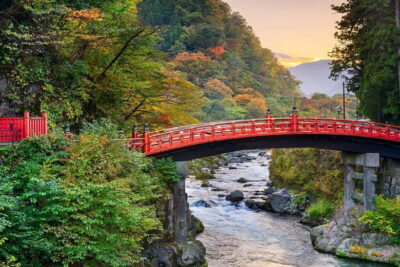 ★ 4.9From Tokyo: Nikko World Heritage Site Private Full-Day TripFrom $483243 reviews
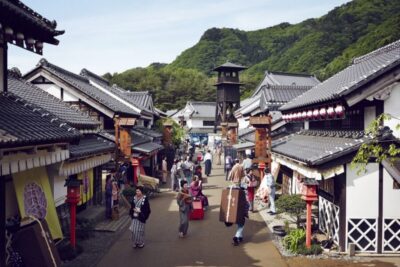 ★ 4.3Nikko: Edo Wonderland Edomura Cultural Theme Park TicketFrom $35205 reviews
From Tokyo: Nikko World Heritage Sight Full Day Private TourFrom $362127 reviews
★ 4.3Nikko: Edo Wonderland Edomura Cultural Theme Park TicketFrom $35205 reviews
From Tokyo: Nikko World Heritage Sight Full Day Private TourFrom $362127 reviews
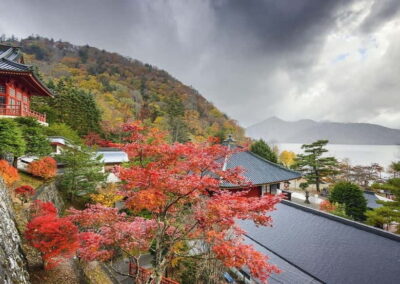 ★ 4.9Nikko – Beautiful Full-Day Personal and Private TourFrom $364119 reviews
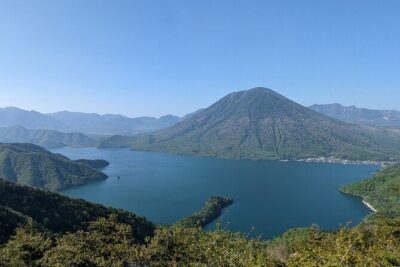 ★ 5.0Chartered Private Tour – Tokyo to Nikko, Toshogu, Edo WonderlandFrom $1,286105 reviews
Browse the lists this tour appears in