
Reviewed · MARTIAL ARTS CLASSES
Kickboxing & Body Training with EX-Pro Fighter
Punches and kicks in Tokyo sound fun. This class is led by ex-pro fighter Kato Sensei, with technique taught by Japanese kickboxer Kato Minoru. You meet in Higashi-Ikebukuro at 8:00 pm, and you’ll be in a small group, max 7 people, so it feels more like coaching than a show.
I love how the session is built for real improvement, starting with safety and form before anyone throws hard. You also get a structured flow that includes basic steps, punching and kicking, and kickboxing mitt training that quickly turns into sweat and skill. One thing to consider: bottled water is not included, and the workout can feel intense even if it is beginner-friendly.
In This Review
- Key Highlights You’ll Actually Use
- How Kato Sensei Teaches Kickboxing in One Focused Hour
- Warm-Up to Hand Prep: Safety, Stretching, and Fist Foam Making
- From Basic Steps to Punching and Kicking That Clicks
- Mitt Training: Where Technique Turns Into Real Combinations
- Defense Practice With Protectors: Learning to Respond, Not Only Attack
- The Weekly Program You Can Keep Doing Back Home
- Price and Value: Why $39 Works for This Kind of Coaching
- Where to Go: Higashi-Ikebukuro at 8:00 pm
- Who This Class Fits Best (and Who Might Think Twice)
- What to Bring and How to Prep
- Should You Book This Tokyo Kickboxing Session?
- FAQ
- How long is the kickboxing class?
- What time does the class start?
- Where is the meeting point in Tokyo?
- Is bottled water included?
- How many people are in the class?
- Is this class suitable for beginners?
- What’s included in the price?
- What if it gets canceled due to weather?
Key Highlights You’ll Actually Use
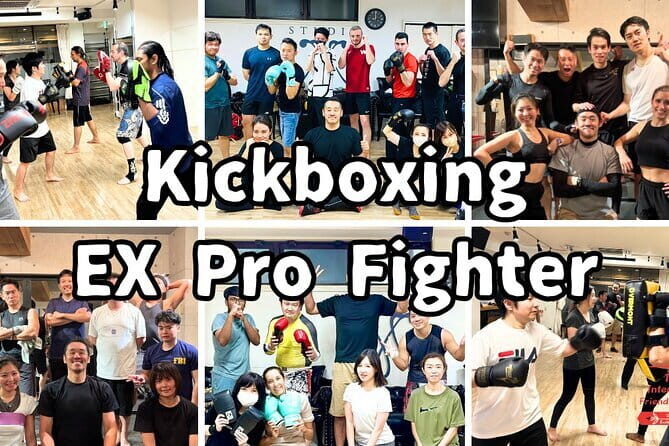
- Ex-pro MMA experience: Kato Sensei brings ring-tested coaching habits to a one-hour class.
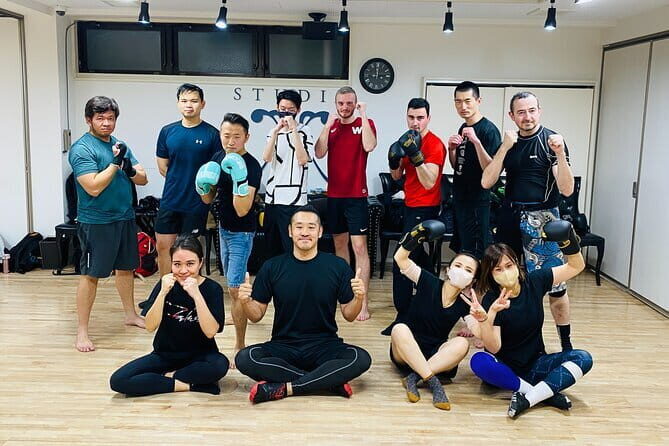
- Small group max 7: more attention, fewer people to wait for drills.
- Hands-on skill building: basic steps, punches, kicks, then mitt combinations.
- Conditioning through reps: the class mixes technique with body training so you leave tired in a good way.
- Defense practice with protectors: you’re not only attacking—you learn how to respond.
- Weekly program included: you get guidance for what to keep doing after the session.
Before you commit, see how this one stacks up against a few Tokyo favourites:
- Mt Fuji and Hakone 1-Day Bus Tour Return by Bullet Train★ 5.0 · 26,383 reviews
- 1-Day Tokyo Bus Tour★ 5.0 · 14,250 reviews
- Tokyo: teamLab Planets TOKYO Digital Art Museum Entry Ticket★ 4.6 · 9,779 reviews
How Kato Sensei Teaches Kickboxing in One Focused Hour
If you want kickboxing in Tokyo without a huge time commitment, this is a great format. It’s about one hour, starts at 8:00 pm, and then you’re back at the meeting point when it ends. That makes it easy to plug into an evening of sightseeing and dinner plans.
What makes this class feel different is the mix of pro-level credibility and practical pacing. You get coached in technique and form, not just random bag hits. And because the group is capped at 7, you can usually expect more correction than you would in a bigger class.
I also like that the training plan is clearly laid out: safety first, then warm-up, then technique, then mitt work, and finally defense. It keeps the session from feeling chaotic or throw-your-weight-around. Even if you’re new, the structure helps you know what to do next.
Warm-Up to Hand Prep: Safety, Stretching, and Fist Foam Making
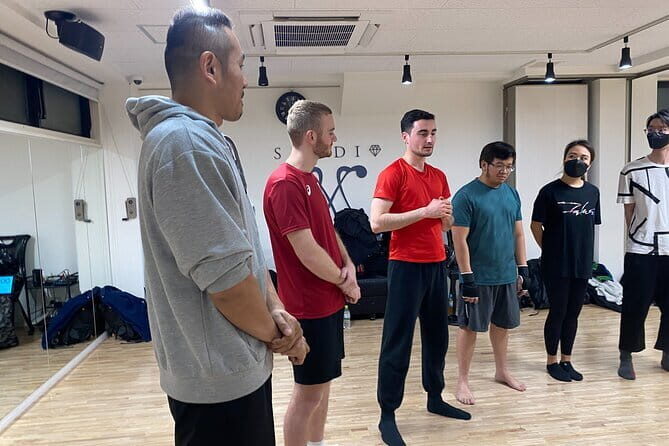
The session starts with the basics that matter in any combat sport: safety and precautions. You’ll also do stretching early, which is smart because you’re about to move your whole body hard, not just swing arms.
Then comes the part many people underestimate: fist prep and foam making. In plain terms, this is about getting your hands ready and your technique grounded so your punches and impacts don’t turn sloppy. Expect to spend time learning how to set up your fists correctly before you start striking drills.
This is a big value point. If you’ve ever taken a class where everyone jumps straight into punching, you know how fast form breaks. Here, the foundation gets attention first, so you can actually learn instead of just survive the session.
From Basic Steps to Punching and Kicking That Clicks
After the warm-up, you move into basic steps. This matters because kickboxing is not only about upper-body power. Footwork and body positioning decide whether your strikes land clean and whether you can stay balanced after each rep.
Next you’ll work on basic punching and kicking. The goal isn’t just to throw things; it’s to learn the mechanics so your body starts repeating the right pattern. If you’re a beginner, you’ll likely appreciate the pace, because the class is described as not strict and easy to follow for people starting out.
At the same time, don’t expect it to feel like a casual stretch-and-smile workout. The drills are structured and built to train conditioning too. So you’ll likely feel the effort in your legs and core by the time you get rolling.
Mitt Training: Where Technique Turns Into Real Combinations
This is the heart of the session: kickboxing mitt training. Mitt work is a smart way to learn because it teaches timing and accuracy while keeping the impact controlled. You can focus on speed, form, and distance without worrying about wildly hard contact.
In a well-run mitt session, you don’t just punch randomly. You learn combinations, then repeat them until your body stops guessing. That matches what people describe: drills are intense, well-structured, and focused on technique, conditioning, and combinations.
Even if you start out unsure, mitt training usually helps you find rhythm fast. Your partner or coach targets the mitt, you respond, and the feedback loop is immediate. That is how you go from thinking about form to actually doing it.





Defense Practice With Protectors: Learning to Respond, Not Only Attack
A good kickboxing class should teach you how to respond, not only how to throw. Here, you do defense practicing with protectors, which keeps things safer while still training real reactions.
Defense drills are where many people learn the most, because your whole mindset shifts. You’re no longer only trying to land hits. You’re tracking what comes at you and training your movement to block, cover, or counter with control.
If you’re new, protectors lower the fear factor. If you’re more experienced, it still gives you a chance to sharpen discipline. Either way, the takeaway is practical: you’ll leave understanding how defense fits into the rhythm of kickboxing, not as a separate theory lesson.
The Weekly Program You Can Keep Doing Back Home
One of the most useful extras is the weekly program. You don’t just get a one-night workout; you get guidance for what to keep training after the class. That matters if you’ve ever taken a lesson on vacation and then forgot everything the next day.
Because the program is included, you can use it as a checklist when you’re back to your normal routine. You’ll know what to focus on and how to structure your practice so you keep building instead of starting over.
I also like that the class emphasizes technique and conditioning. That combination fits real life: you can improve both how you move and how you handle effort. And that tends to make your continued practice feel doable, not random.
Price and Value: Why $39 Works for This Kind of Coaching
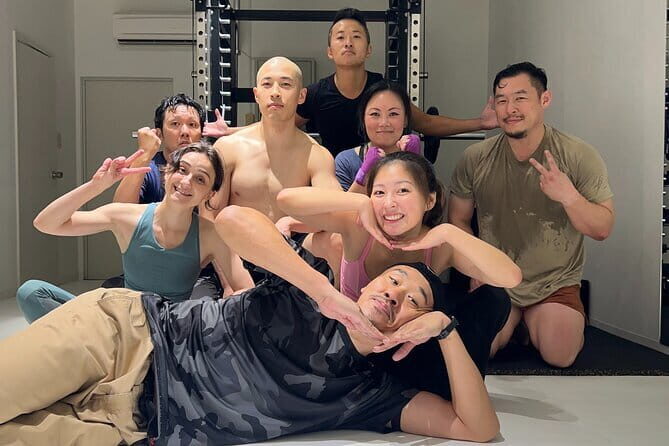
This experience costs $39 per person, for about an hour. At that price, you’re not paying for a huge production or a long multi-stop event. You’re paying for coaching time with pro background, plus the training setup.
What’s included is straightforward: kickboxing equipment and the gym. That’s a practical win. You can show up without tracking down gear, which is especially handy when you’re already traveling light.
Not included: bottled water. That’s the one small expense you’ll need to plan for. Bring a refillable bottle if you can, or grab water nearby before you head in.
Also worth noting: the group cap at 7 keeps the value high. When fewer people share attention, your chance of getting corrections and feedback increases. In a class like this, that feedback can be the difference between learning and just repeating movements.
Where to Go: Higashi-Ikebukuro at 8:00 pm
The meeting point is in Toshima City, Higashi-Ikebukuro, at 170-0013 Tokyo, Toshima City, Higashiikebukuro, 2-chōme 4510 東池袋リリエンハイム. The start time is 8:00 pm, and the activity ends back at the meeting point.
This timing can be a sweet spot. You get daylight for sightseeing, then you do a workout after dinner plans are settled. It also means you won’t feel rushed in the morning trying to fit one more activity.
The location is listed as near public transportation, which helps if you’re hopping between districts. If you like easy logistics, this is a good pick for an evening activity that doesn’t eat your whole day.
Who This Class Fits Best (and Who Might Think Twice)
This is best for you if you want kickboxing you can actually start with. The training is described as easy to follow and not strict for beginners, and it also sounds like the drills still challenge you. That combo is rare: learning without shame, and effort without confusion.
You’ll probably enjoy it even if you’re just curious. One person highlighted meeting new people and having fun, which makes sense in a small group workout where you’re all learning the same basics.
Who might think twice? If you hate high-intensity workouts or want something purely gentle, the class can feel intense. People also describe it as focusing on conditioning, so be ready for that element. And because it runs only an hour, you’ll be going from zero to working hard pretty fast.
What to Bring and How to Prep
The data doesn’t list a specific dress code, so I’ll keep this practical. Wear comfortable athletic clothes you can move in. Plan your footwear based on what the gym allows, but generally you want training-ready shoes if shoes are required.
Don’t forget water. Since bottled water is not included, you’ll want a plan to stay hydrated before and after. Also bring a positive mindset: the drills move quickly, and you’ll learn faster if you treat corrections like instructions, not judgment.
Finally, go in with realistic goals. In an hour, you’re not becoming a fighter. But you can leave with better footwork basics, cleaner technique, and a sense of how mitt work and defense fit together.
Should You Book This Tokyo Kickboxing Session?
Yes, you should book it if you want an evening kickboxing class in Tokyo that is structured, beginner-friendly, and still genuinely challenging. The small group cap, pro-led coaching, and the mix of mitt training plus defense practice make it feel like you’re learning useful skills, not just burning calories.
You might skip it if you strongly prefer low-intensity exercise or you’re not comfortable with a workout that includes conditioning-focused drills. But if you’re willing to work for progress, this is a smart value at $39 for an hour of coaching, equipment, and a gym setup.
If you’re in Tokyo and thinking, I want to try something physical that feels authentic, this hits the mark.
FAQ
How long is the kickboxing class?
It lasts about 1 hour.
What time does the class start?
Start time is 8:00 pm.
Where is the meeting point in Tokyo?
You meet at Japan, 170-0013 Tokyo, Toshima City, Higashiikebukuro, 2-chōme4510 東池袋リリエンハイム.
Is bottled water included?
No. Bottled water is not included.
How many people are in the class?
The maximum group size is 7 travelers.
Is this class suitable for beginners?
Most travelers can participate, and the training is described as easy to follow and not strict for beginners.
What’s included in the price?
Kickboxing equipment and the gym are included.
What if it gets canceled due to weather?
The experience requires good weather. If it’s canceled due to poor weather, you’ll be offered a different date or a full refund.
More Tour Reviews in Tokyo



Fresh reviews from around Tokyo






Martial Arts Classes, compared.
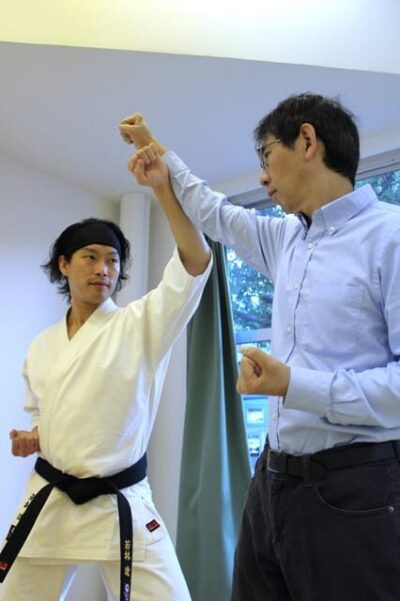 ★ 4.9Karate Experience with Former All-Japan ChampionFrom $5846 reviews
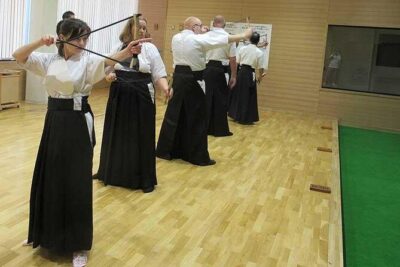 ★ 4.5Authentic Kyudo Japanese Archery Experience in TokyoFrom $12543 reviews
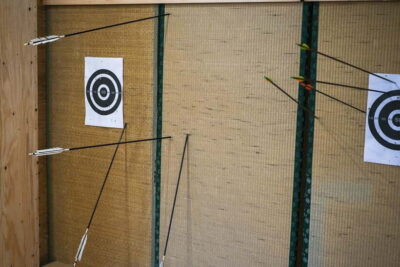 ★ 5.0Tokyo Samurai Experience: Kyudo (Archery) and SwordsmanshipFrom $9614 reviews
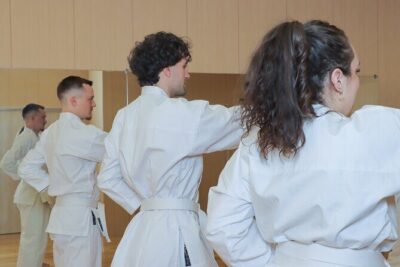 ★ 5.0A Tokyo Karate Dojo Activity ExperienceFrom $868 reviews
 ★ 5.0Karate Experience with the Shotokan Karate-do InstructorFrom $2205 reviews
Browse the lists this tour appears in