
Reviewed · MARTIAL ARTS CLASSES
A Tokyo Karate Dojo Activity Experience
Tokyo karate feels more human here.
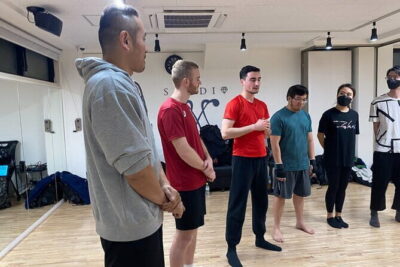
At Soshikan Dojo in Kita Ward (newly built July 2023), you get a clean, modern setup with real traditional touches like a kamidana shrine. I like that the focus is on etiquette and the basics, taught clearly by an English-speaking instructor, so beginners aren’t left guessing. You’ll also get the post-training social time that karate culture is known for, right next door at a standing-style sake bar.
Two things I like a lot: the uniform rental + tenugui towel mean you show up prepared without overpacking, and the experience includes two drinks plus snacks, which turns the class into a full slice of daily dojo life. You’re not just doing moves; you’re learning how people act before, during, and after training.
One possible drawback: this is beginner-friendly, so if you’re chasing advanced technique drills or a super intense workout, you may find it more introductory than hardcore.
In This Review
- Key points you’ll care about
- Soshikan Dojo in Kita Ward: modern space, traditional tone
- The 2-hour structure: start with etiquette, then guided basics
- What happens during training: clear pacing and beginner-friendly coaching
- Gi rentals and the small clothing detail that matters
- After training: the standing-style sake bar next door
- Price and value: is $86 worth 2 hours?
- Who should book this karate dojo session?
- Practical tips so your 2 hours go smoothly
- Should you book this Tokyo karate experience?
- FAQ
- What is included in the karate dojo experience?
- How long does the activity last?
- Where do I meet, and where does it end?
- Do I need to bring anything?
- Is this a private group activity?
- Can I cancel and get a full refund?
Key points you’ll care about
- Soshikan Dojo (July 2023 build): modern comfort plus traditional elements like a kamidana shrine
- Beginner setup with English guidance: clear instruction on basics and proper etiquette
- Everything you need for class: rental karate uniform, bottled water, and a tenugui towel
- Post-training release valve: walk next door for a standing-style sake bar time
- Included food and drink: two alcoholic beverages plus snacks, with non-alcoholic options too
- Private experience: only your group participates, which keeps things relaxed and focused
Before you commit, see how this one stacks up against a few Tokyo favourites:
- Mt Fuji and Hakone 1-Day Bus Tour Return by Bullet Train★ 5.0 · 26,383 reviews
- 1-Day Tokyo Bus Tour★ 5.0 · 14,250 reviews
- Tokyo: teamLab Planets TOKYO Digital Art Museum Entry Ticket★ 4.6 · 9,779 reviews
Soshikan Dojo in Kita Ward: modern space, traditional tone
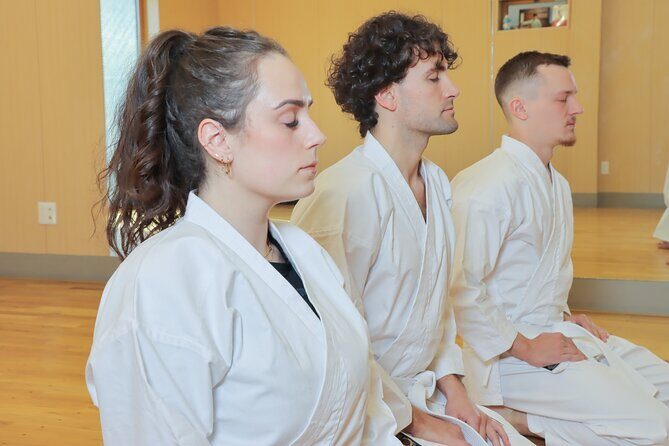
This activity takes place at Soshikan Dojo in Shimo, Kita Ward, Tokyo—at a spot that feels like it has both a fresh coat of paint and respect for the old way. The dojo is described as clean and modern, and it opened in July 2023. That matters more than you might think: newer facilities tend to be easier for first-timers to navigate, and you’ll spend less mental energy on logistics and more on learning.
Still, it’s not a generic gym vibe. The dojo includes a kamidana shrine, a traditional element that sets the tone. You’ll feel that moment where people slow down and become mindful—before anyone starts moving their arms and legs like they’re about to audition for an action movie.
The setting also helps with culture. The instructor isn’t only teaching how to do karate actions; they’re also guiding you through the idea of why karate has etiquette and history. That combination is exactly what makes this more than a “try it once” stunt.
The 2-hour structure: start with etiquette, then guided basics
You’ll meet at the dojo address (颯志館 レンタル道場, 4-chōme-6-2 Shimo, Kita City). From there, the experience runs for about 2 hours, and it ends back at the starting point. Because the time is limited, the session is built around the core parts that help a beginner succeed right away: how to behave in a dojo and how to start moving safely with proper form.
You can expect an English-speaking instructor to walk you through the basics with detailed guidance. That’s huge in Tokyo, where even simple instructions can become confusing if you’re thrown into the deep end. Here, you’re being taught from the start—so you’re not relying on guessing from what other people are doing.
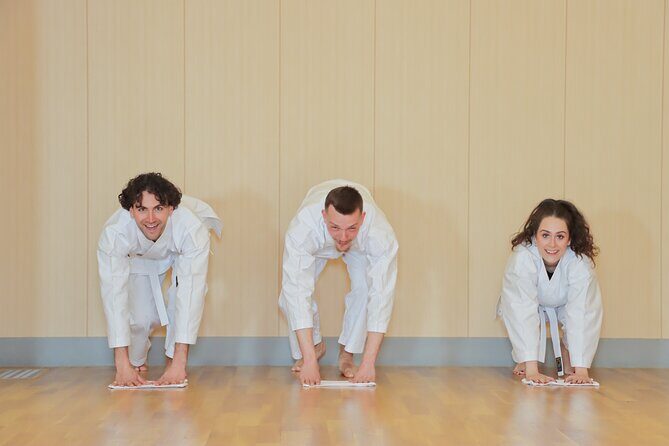
Etiquette is part of the curriculum, not an afterthought. Karate training depends on how you enter the space, how you respond, and how you treat the room and fellow students. You’ll learn the “do this first, then do that” flow, and you’ll get the sense that karate is as much about discipline as it is about technique.
Practical note: since the class is designed for beginners, keep expectations realistic. You’re not coming out with an advanced skill set in 2 hours. But you can absolutely walk away knowing the basics, understanding what the etiquette means, and feeling comfortable enough to do a few moves correctly without embarrassment.
What happens during training: clear pacing and beginner-friendly coaching
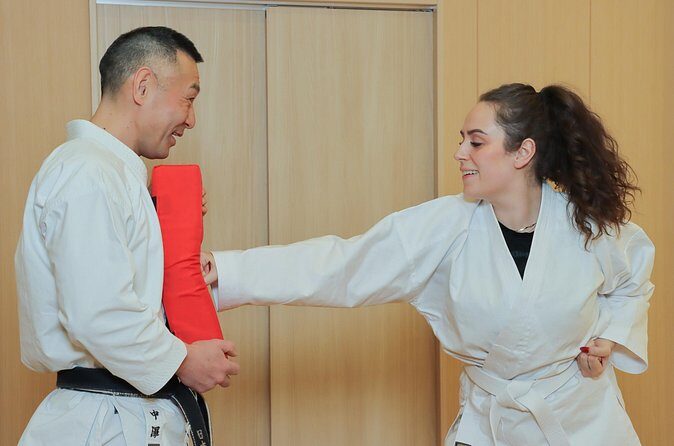
Karate dojo sessions can go two ways: either you get a patient guide, or you get a firehose. This one leans patient. The instructor’s role is to provide detailed guidance on the basics and proper etiquette, which usually translates to slower pacing, more correction, and opportunities to ask questions.
Also, the dojo environment helps you focus. It’s described as clean and modern, so you’re not fighting grime, clutter, or confusing arrangements. That seems small, but when you’re learning something physical for the first time, a calm space makes you faster.
You may also get a chance to participate in a photo session. The dojo offers photo sessions as part of the experience, and since the setting is meant for cultural exchange, it’s not treated like a rushed extra. You should still keep your energy up during training, because the photos make sense only if you’re properly engaged during the class.
If you want the culture side, this dojo doesn’t ignore it. Based on the way the instruction is described, the instructor also shares context about the culture and history of the art. That is a strong match for people who love travel but also want the story behind what they’re doing.
Gi rentals and the small clothing detail that matters
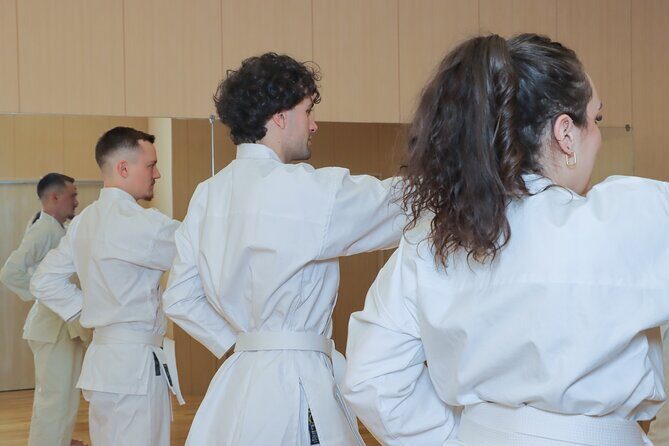
Included with the experience is a rental karate uniform (gi). You’ll also receive bottled water and a tenugui towel. These are the kinds of included extras that make the experience feel built for visitors, not just locals.
One item you must bring yourself is a T-shirt to wear under the uniform. The requirement is simple, but it’s also the kind of thing that can derail your day if you forget. If you arrive without a base layer, you may be stuck figuring out what’s acceptable last-minute. Bring a comfortable T-shirt and you’ll save yourself stress.
What to do with the rest of your belongings? The activity starts and ends at the same meeting point, and it’s only about 2 hours. That’s a good time window. You’ll likely want to keep your phone and essentials secured while you train, but you don’t need to plan for a long journey across Tokyo—this is a tight, local experience.





After training: the standing-style sake bar next door
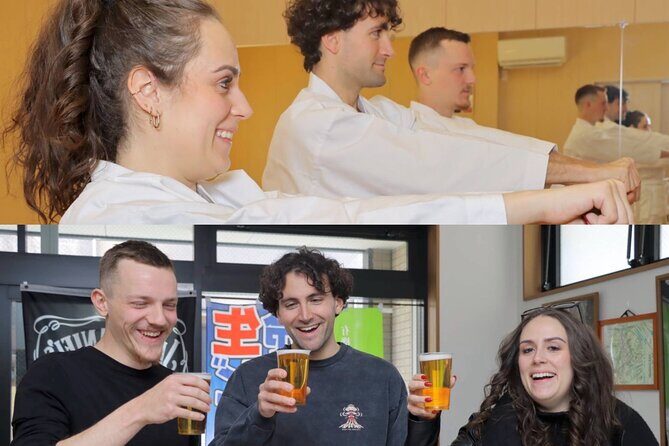
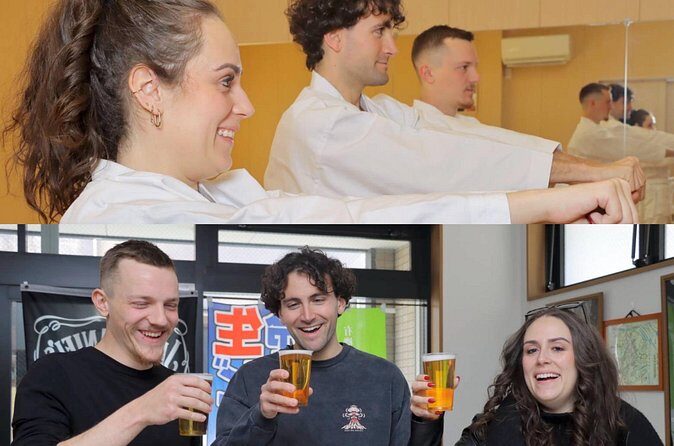
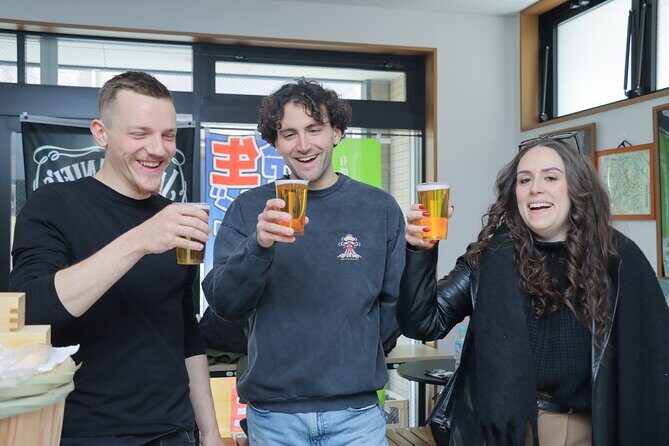
Here’s where this activity turns from “sport” into “Tokyo day out.” Right next to the dojo is a traditional standing-style sake bar. After your karate practice, you’ll relax and enjoy a cold beer, or other included drinks.
The included portion is clear: two alcoholic beverages, such as beer or sake, plus snacks. Non-alcoholic beverages are available too, so you’re not forced into alcohol if you’d rather pass. Still, the overall mood is social. You’ll be sitting or standing with the group right after you’ve trained, which makes it easier to connect with the instructor and feel the cultural flow.
This matters because karate culture isn’t only about the training room. There’s a long tradition of the post-practice gathering—people talking, unwinding, and building bonds. The experience explicitly aims to cover that “time after training” piece. If you like travel experiences that include daily life rather than just a photo and a goodbye, you’ll appreciate this setup.
Also, standing-style bars are usually compact and lively. That can be a plus if you like energy. If you prefer a quiet sit-down scene, you might find the format a little less restful—but it’s part of what makes it feel authentic and local.
Price and value: is $86 worth 2 hours?
At $86 per person, this isn’t a free-park-stroll kind of activity. But for Tokyo, the value looks solid when you look at what you actually get.
You’re paying for:
- a guided, beginner-friendly karate session in an actual dojo
- an English-speaking instructor giving detailed instruction on basics and etiquette
- rental karate uniform, plus bottled water and a tenugui towel
- two included drinks plus snacks
- a dojo setting described as clean and modern, plus traditional elements
- a private experience where only your group participates
The included drinks and snacks pull some cost back into the total value. You’re not just paying for training; you’re also paying for the social and cultural finish at the sake bar next door.
Also, the experience uses a mobile ticket, and confirmation is provided within 48 hours (subject to availability). That reduces uncertainty when you’re planning in a city where schedules can move around.
Booked on average about 32 days in advance, it suggests this is popular enough that you shouldn’t wait until the last minute if you’re traveling during busy periods.
Who should book this karate dojo session?
This experience is a great fit if:
- you’re a beginner or you want a clear introduction to karate etiquette and basics
- you want a cultural activity, not only a physical workout
- you like meeting structure: dojo training first, then an adjacent local bar experience
- you want an English-speaking instructor guiding you step-by-step
- you prefer a private group setting rather than being mixed into a larger crowd
It may be less ideal if:
- you’re looking for advanced or intensely technical training
- you want a long, multi-session karate program
- you strongly dislike social drinking settings (even though non-alcoholic options exist)
If your goal is a memorable, approachable Tokyo activity that combines discipline, culture, and local food-and-drink time, this fits that bill.
Practical tips so your 2 hours go smoothly
Keep these in mind and you’ll start strong.
First, bring the T-shirt you need to wear under the gi. It’s listed as required, and it’s the one prep detail that can’t be improvised easily.
Second, wear shoes you can remove quickly and comfortably if the dojo setup requires that kind of transition. Even when a tour doesn’t spell it out, dojo training commonly means more foot management than you’d do in a regular gym. Keep it easy on yourself.
Third, expect to be taught etiquette. If you feel shy, that’s normal. Just remember you’re in a beginner-friendly setting, and the instruction is designed to help you follow along. Ask questions early rather than letting them build up.
Fourth, plan your mindset for the post-class bar time. You’ll likely be hungry and ready to relax. The drinks and snacks are included, and it’s adjacent to the dojo, so the experience doesn’t require extra transit or extra planning.
Finally, go with a travel attitude: you’re not just learning moves. You’re picking up how a dojo works as a community space—before and after training.
Should you book this Tokyo karate experience?
Yes, I’d book it if you want a beginner-friendly dojo lesson with real cultural context and you like finishing with a local social setting. The price makes more sense when you factor in the uniform rental, guidance, and the included drinks and snacks.
Skip it only if you’re chasing advanced karate training or you’d rather not spend part of your Tokyo time in a standing-style sake bar atmosphere. Otherwise, this is the kind of activity that gives you a clean, modern learning space, traditional touches, and a very Tokyo way to close the day.
FAQ
What is included in the karate dojo experience?
You get a rental karate uniform, bottled water, and a tenugui towel. The experience also includes two alcoholic beverages (such as beer or sake) and snacks. Non-alcoholic beverages are also available.
How long does the activity last?
It lasts about 2 hours.
Where do I meet, and where does it end?
You start at 颯志館 レンタル道場4-chōme-6-2 Shimo, Kita City, Tokyo 115-0042, Japan, and the activity ends back at the same meeting point.
Do I need to bring anything?
Yes. You need to bring your own T-shirt to wear under your karate uniform.
Is this a private group activity?
Yes. It is a private tour/activity, and only your group will participate.
Can I cancel and get a full refund?
You can cancel for a full refund if you cancel at least 24 hours before the experience’s start time. Free cancellation is available up to 24 hours in advance.
More Tour Reviews in Tokyo



Fresh reviews from around Tokyo






Martial Arts Classes, compared.
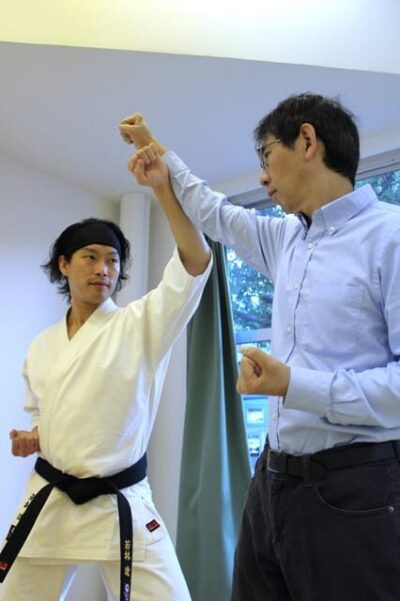 ★ 4.9Karate Experience with Former All-Japan ChampionFrom $5846 reviews
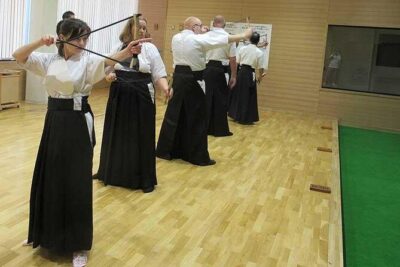 ★ 4.5Authentic Kyudo Japanese Archery Experience in TokyoFrom $12543 reviews
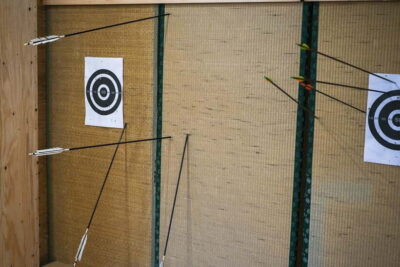 ★ 5.0Tokyo Samurai Experience: Kyudo (Archery) and SwordsmanshipFrom $9614 reviews
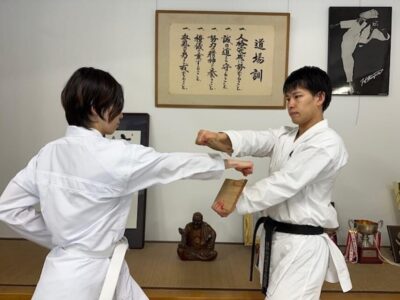 ★ 5.0Karate Experience with the Shotokan Karate-do InstructorFrom $2205 reviews
 ★ 5.0Kickboxing & Body Training with EX-Pro FighterFrom $394 reviews
Browse the lists this tour appears in