
Reviewed · MARTIAL ARTS CLASSES
Karate Experience with the Shotokan Karate-do Instructor
Karate in a real champion dojo. This 90-minute Shotokan session happens at the SKIF Headquarters dojo, where you learn the basics from high-level instructors and then test yourself on classic drills. You get a short start-to-finish flow: history and philosophy, then hands-on work with striking, kicking, kata, and promise kumite, plus a board-breaking moment many people remember for years.
I especially like that the instruction is structured for both beginners and experienced students, and that you can ask questions about techniques and Japanese terms during training. Another big plus is the chance to try board splitting yourself, not just watch it. One thing to consider: if you arrive late, the experience cannot be extended, so you must show up at least 10 minutes early.
The group stays small (limited to 10), and the session is led in English. That combo matters: you can actually correct your form, not just do motions.
In This Review
- Key takeaways before you go
- Why SKIF Headquarters is the right setting for Shotokan
- The 90-minute flow: history, fundamentals, and kata practice
- Striking and kicking: what you’ll actually work on
- Kata and promise kumite: why this combo helps you progress
- Board breaking: the moment you feel the technique
- Watching the instructor: learn by contrast
- Q and A style coaching: why the English matters
- Uniforms and what to bring (so you’re not rushing)
- The meeting point near Kugahara Station
- Price and value: what $220 is buying you
- Who this is best for (and who may feel it’s not their match)
- Practical dojo etiquette tips so you can focus on training
- Should you book this Shotokan karate-do experience?
- FAQ
- How long is the karate experience?
- Where does the experience take place?
- How many people are in the group?
- Is the instructor English-speaking?
- What’s included in the price?
- What should I bring?
- Do I need karate experience to join?
- What activities are part of the training?
- Is it okay for young children?
- What’s the cancellation policy?
Key takeaways before you go
- SKIF Headquarters dojo: train in a place tied to top-level Shotokan instruction.
- English instruction with real feedback: you can bring questions about technique and terms.
- Core fundamentals, not random moves: striking, kicking, kata, and promise kumite are built into the session.
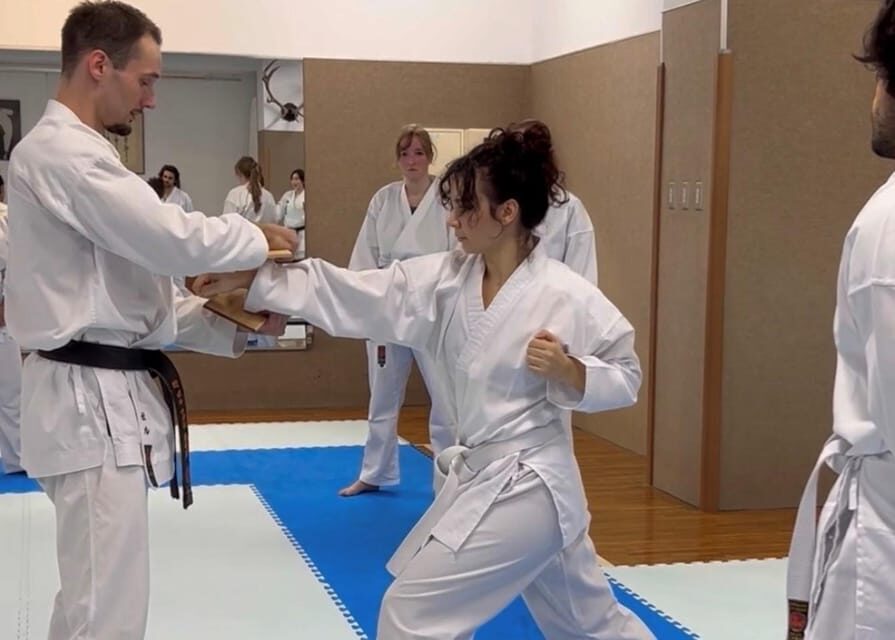
- Board breaking is hands-on: you’ll get a turn to try it.
- Uniform rental is included: you can travel lighter and still train comfortably.
- Arrival timing is strict: late arrivals shorten nothing, they just end the session.
Before you commit, see how this one stacks up against a few Tokyo favourites:
- Mt Fuji and Hakone 1-Day Bus Tour Return by Bullet Train★ 5.0 · 26,383 reviews
- 1-Day Tokyo Bus Tour★ 5.0 · 14,250 reviews
- Tokyo: teamLab Planets TOKYO Digital Art Museum Entry Ticket★ 4.6 · 9,779 reviews
Why SKIF Headquarters is the right setting for Shotokan
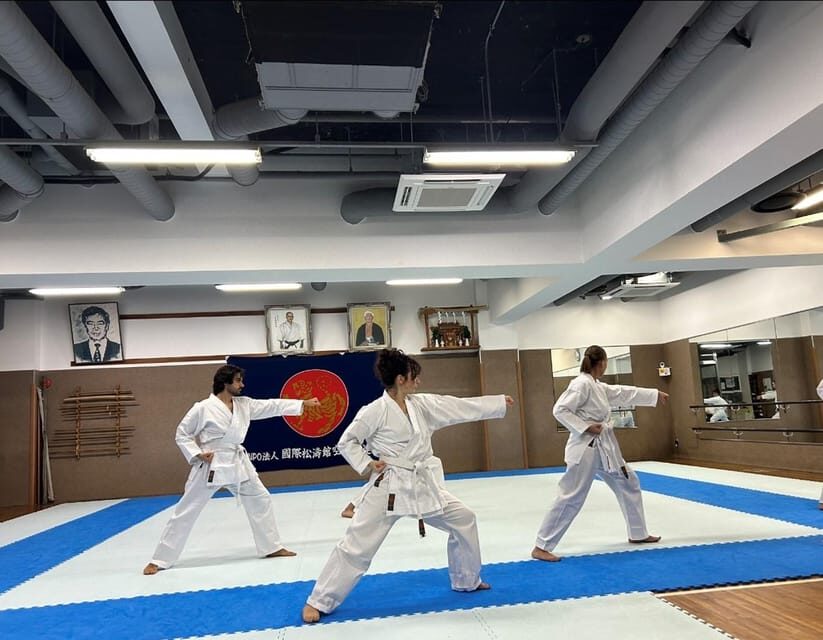
Shotokan karate is one of those styles where the details matter. Stances, timing, and how you breathe between techniques can look small to a newbie and feel huge once you’re doing it. This experience puts you in the environment that Shotokan was meant to be taught in: the SKIF Headquarters dojo, where world champions train and teach.
That matters for value. A cheaper class might still teach karate, but it often can’t promise the same depth of coaching or the same culture around training. Here, you’re learning from top-level instructors selected for tournament achievements and national titles, and the session is designed around fundamentals you can build on right away.
Also, the dojo setting tends to change your mindset. You’re not just “doing a workout.” You’re learning how the martial art thinks: why the basics come first, how kata connects to real movement, and why controlled sparring drills like promise kumite are used to develop skills safely.
The 90-minute flow: history, fundamentals, and kata practice
The session runs 90 minutes, so the schedule needs to be tight and it is. You start with a brief introduction to the history and philosophy of karate. Even if you don’t consider yourself “spiritual,” this part helps you understand why the class is organized the way it is. Karate isn’t taught only as fighting; it’s taught as disciplined practice—repetition, control, and respect for form.
Then you go hands-on with foundational techniques, typically including:
- striking and kicking fundamentals
- kata (forms) practice
- promise kumite (pre-arranged sparring drills)
For your learning, kata can be the biggest unlock. It’s not random choreography. In Shotokan teaching, kata is where you rehearse angles, transitions, and the logic behind each movement. Even when you’re new, you’ll see how techniques link together, and if you already know karate, you’ll likely notice how your instructor wants you to interpret posture and technique timing.
With promise kumite, you get a safer way to understand how distance and timing work. It’s sparring training without the chaos. That’s especially useful if you’re a beginner who wants the sparring feel without jumping straight into free sparring.
Striking and kicking: what you’ll actually work on
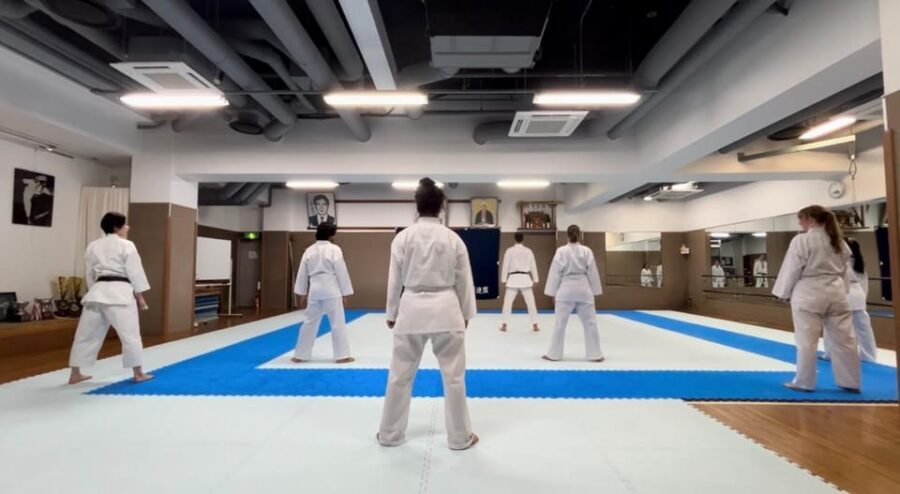
The class is built around basics, so you should expect repetition with correction. Striking and kicking are taught as technique first: how you generate power, how you land, and how you stay stable when your body moves.
This is where small-group coaching pays off. With only up to 10 participants, your instructor can correct common issues like posture collapse, incorrect foot placement, or over-rotating hips without control. You’ll also have time to ask questions in English, which is a big deal if you’re trying to understand Japanese terminology (more on that below).
If you come with prior experience, this can still be worth it. The session is set up to adapt to your level, and that means you’re not stuck doing the same “beginner package” no matter what you already know. The program explicitly notes that it can be more satisfying for experienced karateka if you let them know in advance what style you practice and what kind of training you want.
Kata and promise kumite: why this combo helps you progress
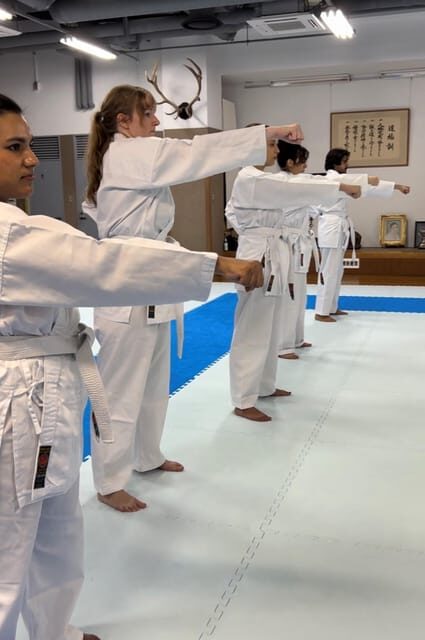
A lot of classes teach punches and kicks but skip the structured parts that build skill. Here, kata and promise kumite are central, and that’s smart if you want more than a basic workout.
Kata gives you a template:
- you learn how a technique starts and ends
- you practice transitions between stances and blocks
- you train your body to move with purpose, not just speed
Promise kumite then adds “what happens next.” Pre-arranged sparring drills let you practice responses: timing after a strike, distancing, and how to move safely with an opponent.
Together, they make your karate make sense. Instead of memorizing moves, you start seeing patterns: how the same idea can show up in different contexts. That’s also why this class is a strong first taste of traditional Shotokan practice. It’s not just physical; it’s organized thinking.





Board breaking: the moment you feel the technique
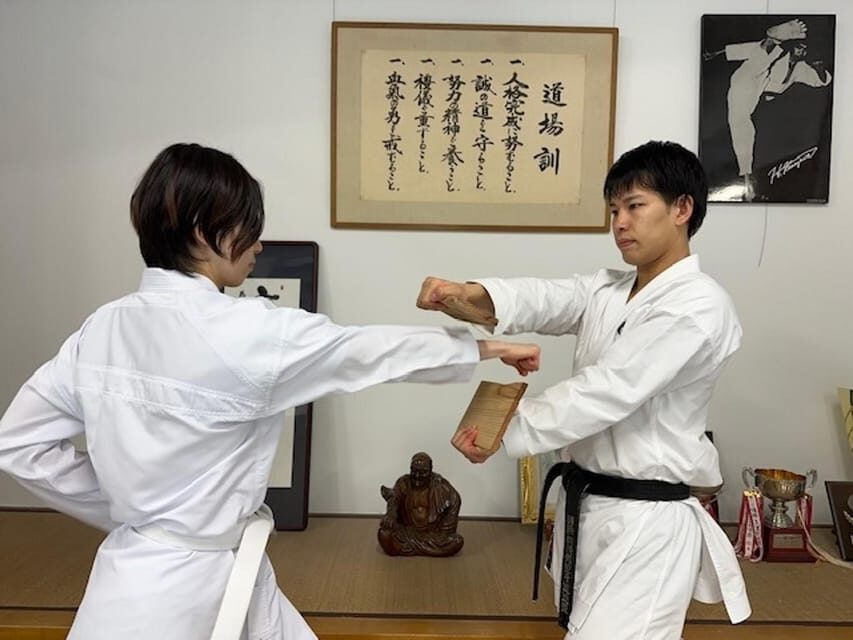
Board breaking is listed as a highlight, and it’s one of the few activities where you instantly understand the difference between raw strength and proper technique. You’re given the chance to try board splitting yourself, not just watch.
So what should you expect? It’s still karate basics. The goal isn’t brute force. The instructor’s role is to help you line up the fundamentals: stance stability, correct impact body mechanics, and controlled commitment at the strike point.
Even if you don’t break a board on your first try, you’ll learn something. You’ll feel where you lose power, where your timing is off, and how stance and follow-through change results. And you’ll also get the benefit of a powerful demonstration by the instructor, so you can calibrate your expectations for what “clean technique” looks like.
Watching the instructor: learn by contrast
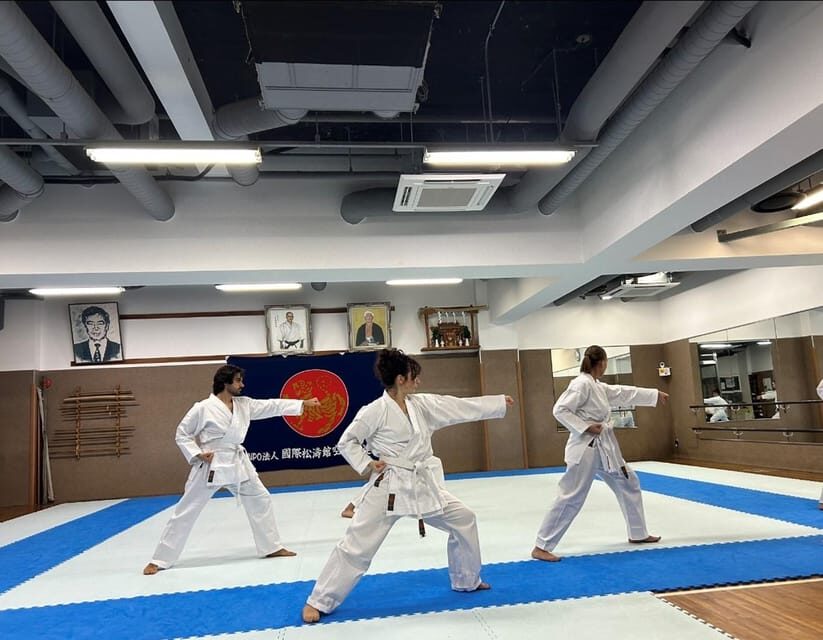
There’s a demonstration, and it’s worth paying attention to even if you’re exhausted after drills. A good demo in karate isn’t about making it flashy. It’s about showing how the same movement should look when the technique is refined.
In a session like this, the demo helps you connect dots:
- how your stance should feel before a technique
- how your body transfers weight
- what “control” looks like when power is present
If you’re a beginner, the demo gives you a target to work toward. If you’re experienced, it can reveal how that particular SKIF instructor emphasizes certain details.
Q and A style coaching: why the English matters
This experience is led by an English-speaking instructor, and Q and A is part of the value. In at least one case, the instructor adjusted teaching to match prior karate experience and leaned into the traditional side of karate—especially explaining technique and Japanese terms on request.
That’s the kind of detail that turns a class from a tourist show into a real learning moment. You’re not guessing what a command means. You can ask why a stance is like that, what a term refers to, and how your form should change.
If you want the best results, come with 1–3 questions. For example:
- Which parts of my stance are easiest to fix first
- How instructors expect you to breathe or tense between techniques
- How to interpret a term you keep hearing in your current training
Uniforms and what to bring (so you’re not rushing)
Uniforms are available for rental, which is a big convenience if you’re traveling light. Still, you’ll want to bring a towel and drinks, since those aren’t included.
This is also one of those experiences where you’ll appreciate basic comfort:
- wear athletic clothes if you plan to change quickly
- expect to sweat
- use your towel right away so you can focus on form, not wiping constantly
Also note the rules: smoking is not allowed, food and alcohol are not allowed, and electric wheelchairs are not allowed. If you have mobility needs, check the exact restrictions before booking.
The meeting point near Kugahara Station
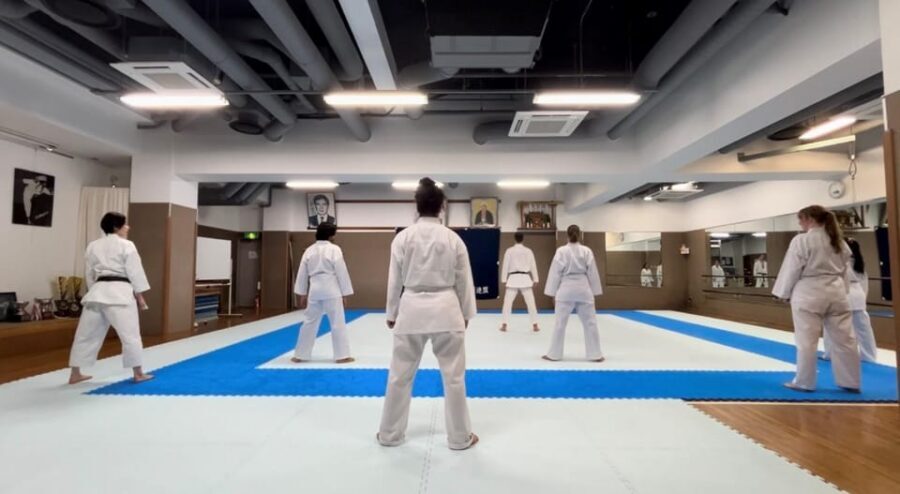
Finding the dojo matters more than most people think, because you can’t afford to be late. The meeting point is a 2-minute walk from Tokyu Ikegami Line Kugahara Station.
If you’re unsure about directions, the provider encourages you to contact them in advance so they can pick you up at the station. That small bit of support can save stress on the day, and stress is the enemy of good technique practice.
On timing: the session cannot be extended if you arrive late. You’re required to arrive at least 10 minutes before the starting time. I’d treat that as a hard rule, not a suggestion.
Price and value: what $220 is buying you
At $220 per person for a 90-minute session, you should judge value based on what’s included and what’s unique about the setting.
Here’s what you’re paying for:
- instruction in basic techniques from the Shotokan Karate-do instructor
- the chance to try board splitting
- observation of a powerful instructor demonstration
- rental uniforms
- small group size (limited to 10)
- English instruction
What’s not included:
- bottled water
- towel
- transportation to/from the dojo
So is it worth it? For me, it checks out if you care about authenticity and structured fundamentals. You’re not just paying for a class. You’re paying for coaching quality, a traditional-dojo setting, and a trainer who can explain both technique and Japanese terminology.
If you’re only looking for a casual workout, this might feel pricey. But if you want a clean start in Shotokan fundamentals—with kata and promise kumite built in—this price supports a real learning experience.
Who this is best for (and who may feel it’s not their match)
This experience is designed for beginners and experienced karate students. The program also notes that if you have karate experience, you can get a more satisfying program by letting them know your style and what kind of training you want.
Best fit:
- you want a traditional Shotokan intro in a serious dojo setting
- you like learning in small groups with a coach who can correct form
- you want a mix of basics plus kata and promise kumite
- you’re excited to try board breaking (and learn why it works)
Not suitable:
- children under 7 years
If you’re traveling with kids who are within the stated guidelines, you’ll want to contact the provider about the child visit setup, since the program specifies there’s extra guidance based on age and whether the child is visiting only.
Practical dojo etiquette tips so you can focus on training
Even without getting preachy, you’ll have a smoother session if you keep it simple:
- arrive early and be ready to start
- bring your towel and drinks
- follow your instructor’s pace and cues
- listen during the demo as if you’re taking a lesson, because you are
Karate training runs on discipline. If you match that energy, you’ll get more out of every drill, especially the kata portions where small alignment differences matter.
Should you book this Shotokan karate-do experience?
I’d book it if you want a structured, traditional Shotokan intro taught by high-level SKIF instructors in a serious dojo setting, with small-group attention and real hands-on fundamentals. The combination of striking/kicking practice, kata, promise kumite, and the chance to try board splitting makes it more than a one-off tourist activity.
Skip it if you can’t reliably arrive on time or if you’re looking for a casual class where you don’t care about technique breakdown. And if you’re bringing expectations around what your training should cover, message the provider about your karate background and the style you practice so your session can be adjusted.
If you want a memorable Tokyo-area karate moment that feels authentic and teaches you something you can keep using after the class, this is a strong choice.
FAQ
How long is the karate experience?
It lasts 90 minutes.
Where does the experience take place?
It’s held at the SKIF Headquarters dojo in Honshu, Japan, with a meeting point 2 minutes’ walk from Tokyu Ikegami Line Kugahara Station.
How many people are in the group?
The group is limited to 10 participants.
Is the instructor English-speaking?
Yes, the instructor speaks English.
What’s included in the price?
Instruction in basic techniques, the chance to try board splitting, observation of a powerful demonstration, and rental uniforms.
What should I bring?
Bring a towel and drinks.
Do I need karate experience to join?
No. The program is for beginners and experienced participants. If you have experience, you can request a more satisfying program by telling them your style in advance.
What activities are part of the training?
You’ll learn basics such as striking, kicking, kata, and promise kumite (pre-arranged sparring), plus you can try board splitting and watch a demonstration.
Is it okay for young children?
No, it’s not suitable for children under 7 years old.
What’s the cancellation policy?
You can cancel up to 24 hours in advance for a full refund.
More Tour Reviews in Tokyo



Fresh reviews from around Tokyo






Martial Arts Classes, compared.
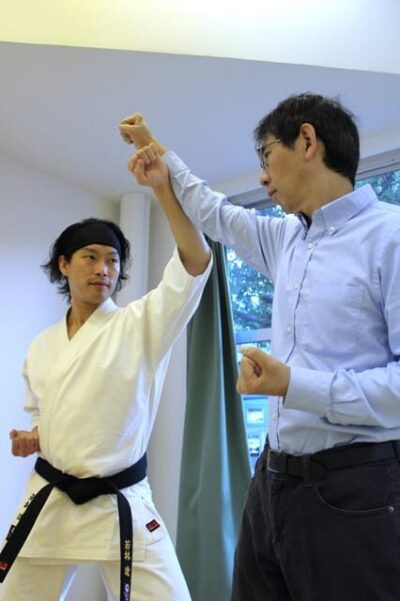 ★ 4.9Karate Experience with Former All-Japan ChampionFrom $5846 reviews
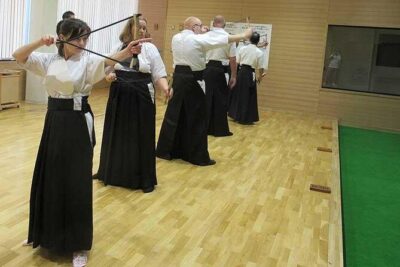 ★ 4.5Authentic Kyudo Japanese Archery Experience in TokyoFrom $12543 reviews
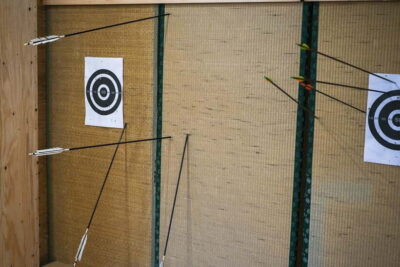 ★ 5.0Tokyo Samurai Experience: Kyudo (Archery) and SwordsmanshipFrom $9614 reviews
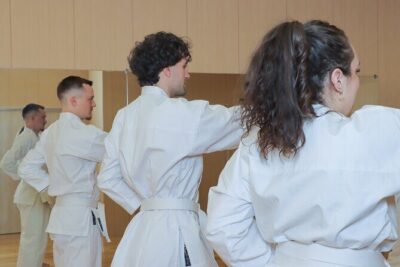 ★ 5.0A Tokyo Karate Dojo Activity ExperienceFrom $868 reviews
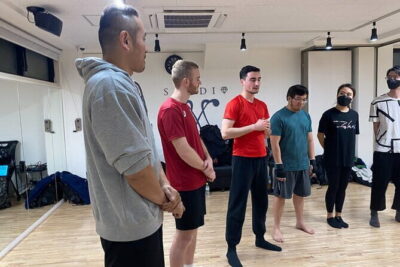 ★ 5.0Kickboxing & Body Training with EX-Pro FighterFrom $394 reviews
Browse the lists this tour appears in