
Reviewed · KAMAKURA DAY TRIPS
Japanese Sweets Making in Kamakura
Three sweets, one famous Buddha.
In about 3 hours, you learn to shape seasonal wagashi (Japanese sweets) with a friendly English-speaking guide, Hiro, then you head to the Great Buddha at Kotoku-in. The best part is that your treats reflect the time of year, so it feels less like a cooking class and more like learning a living tradition.
I especially love the hands-on pace. You make three sweets, you get clear guidance, and it stays relaxed even if you’re new to this.
I also like the walking route that includes ocean views—the route feels calmer than what you might expect on a popular day in Kamakura, with that local-sea atmosphere right along the way.
One possible drawback: the schedule is tight. With only about an hour for the sweets and about 30 minutes at Kotoku-in, you’ll want to keep expectations realistic if you’re hoping for a long temple wander.
In This Review
- Key Things I’d Focus On
- Wagashi + Great Buddha in 3 Hours: What This Tour Actually Feels Like
- Stop 1: Hase Station Wagashi-Making (Seasonal Sweets in About 60 Minutes)
- Optional Matcha (Because You’ll Want a Finish)
- What to Expect With Only Three Sweets
- Walking Break With Ocean Views: The Kamakura Way Between Stops
- Kotoku-in and the Great Buddha: The 13.35-Meter Icon
- Your Time Here: Short, Focused, Worth It
- Practical Note: Your Tour Ends at Kotoku-in
- Why the Price Works: Value for $71.51 in a Short Window
- Who Should Book This Tour (And Who Should Skip It)
- Tips to Get the Most Out of Your Day
- Should You Book This Wagashi + Great Buddha Tour?
- FAQ
- How long is the Japanese Sweets Making in Kamakura experience?
- What is included in the tour price?
- Is the Great Buddha entrance included?
- Can I take the wagashi home?
- Is matcha included?
- Where do I meet, and where does the tour end?
- Is this tour private?
Key Things I’d Focus On
- Seasonal wagashi shapes: you’ll make three sweets that match the season
- Guide Hiro’s clear coaching: instructions are easy to follow, even for beginners
- Kotoku-in entrance included: you get time with the 13.35-meter Great Buddha
- Ocean-view stop on the way: a more local-feeling break with sea views
- You can eat there or take them home: instant reward, plus a souvenir
Wagashi + Great Buddha in 3 Hours: What This Tour Actually Feels Like
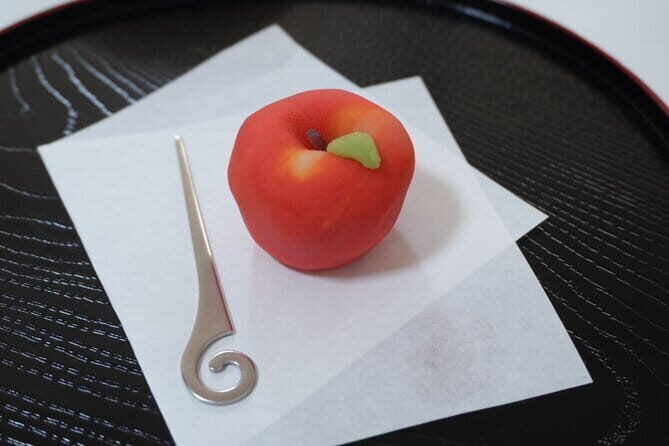
This is a short, well-paced Kamakura day that mixes two kinds of culture: food craft and historic sightseeing. You start with a traditional wagashi lesson that doesn’t drag, then you transition into one of Japan’s most recognizable temple sights.
If you’re the kind of traveler who likes learning by doing, this setup works well. You’re not just watching—your hands shape the sweets, and you’ll hear the background story that makes the seasonal designs make sense. And because it ends at Kotoku-in, you don’t waste time circling back to the original starting point.
Also, it’s a private tour/activity. That usually means you get a steadier flow, with a guide who can answer questions without rushing your group.
Stop 1: Hase Station Wagashi-Making (Seasonal Sweets in About 60 Minutes)
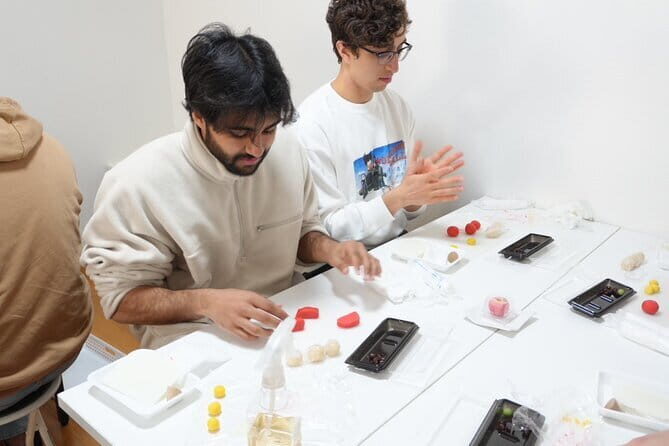
Your workshop begins near Hase Station, and the whole sweet-making block runs for about an hour. The basic concept is simple: you’ll make three seasonal wagashi, each with a shape that fits the time of year. That seasonal theme matters because wagashi isn’t just dessert—it’s a visual way of marking the seasons in everyday Japanese life.
You’ll be guided step by step, so you’re not stuck decoding techniques you’ve never seen before. The tone from the guide and the shop atmosphere is part of why people come away smiling; it’s the kind of class where beginners don’t feel like they’re in the way.
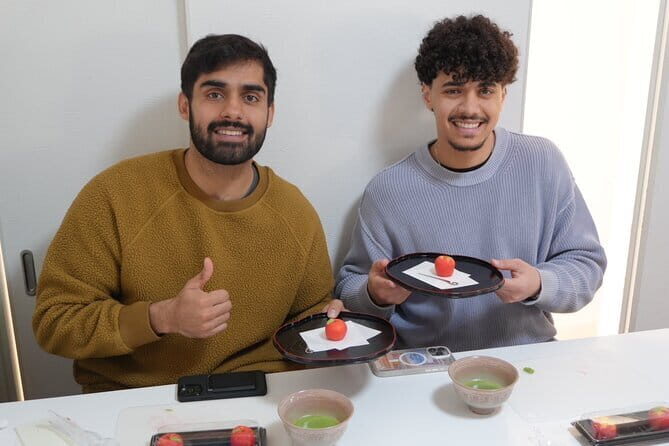
You’ll also have two ways to enjoy what you make. You can eat the wagashi on the spot, or you can take some home as souvenirs. That’s a big deal for value—because even in a short class, you get an immediate payoff and you can still share the experience later.
Optional Matcha (Because You’ll Want a Finish)
If you feel like slowing down for one more traditional moment, there’s the option of a cup of matcha for an additional 550 yen. It’s not included in the base price, but it pairs naturally with wagashi and gives you a more complete stop in a Japanese sweets shop.
What to Expect With Only Three Sweets
Because the workshop is limited to about 60 minutes, you’re not making a giant variety platter. Instead, you’ll focus on quality and learning the shapes and basics behind seasonal wagashi. If you’re looking for a long, deep, multi-day sweets marathon, this won’t be that. But if you want a fun “I can actually do this” win in a single morning/afternoon block, it’s a good format.
Walking Break With Ocean Views: The Kamakura Way Between Stops
After the wagashi class, you’ll head toward Kotoku-in. There’s a view-focused break along the way, with ocean scenery and a spot popular with locals. This part matters more than you might think.
Kamakura can feel crowded depending on the time of year and day. The walking route here is described as calmer, and it’s a nice contrast to the restaurant-and-temple grid that some popular areas become. You get a breath of sea air, a photo moment, and a sense of place that helps the temple stop feel earned.
If you like travel that slows down your brain, this walking segment is where it happens. You’re not just moving—you’re noticing.
Kotoku-in and the Great Buddha: The 13.35-Meter Icon
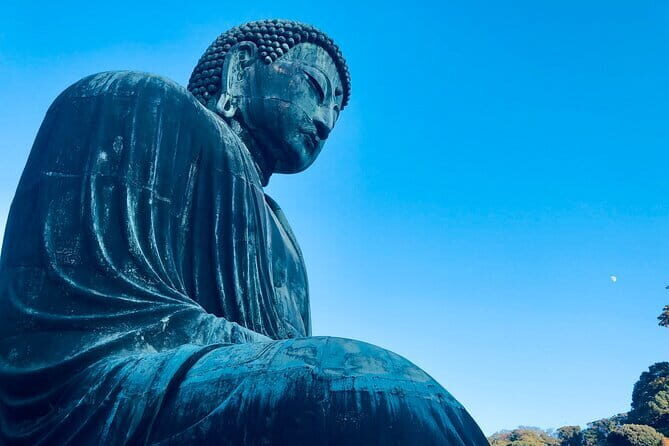
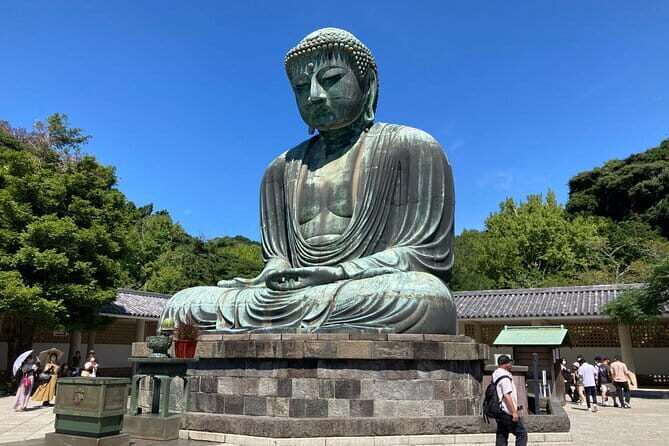
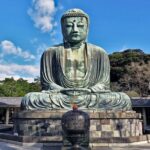
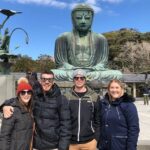
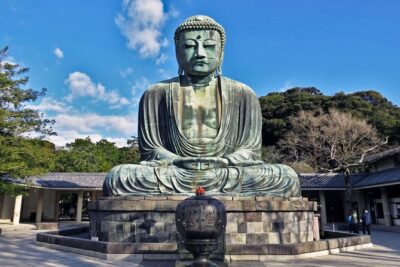
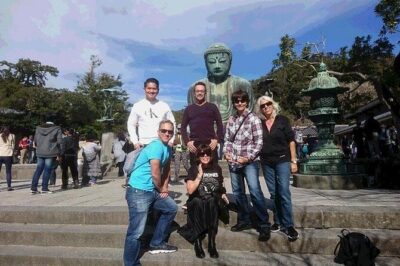
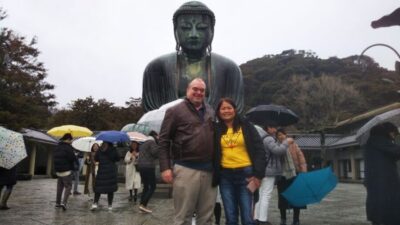
The tour’s second main stop is Kotoku-in Temple, famous for the Great Buddha of Kamakura. This statue is a massive bronze figure—about 13.35 meters tall—and it has stood for over 750 years. It weighs around 121 tonnes, and it’s Kamakura’s only Buddhist national treasure.
It’s also noted as Japan’s second tallest bronze Buddha. That kind of ranking sounds like trivia until you see the size in person. Up close, the scale does the work—your photos won’t capture it perfectly, but your body will get the message right away.
Your Time Here: Short, Focused, Worth It
You get about 30 minutes at Kotoku-in, and the entrance fee is included. That time is designed to be enough for a proper look without turning your day into an all-day temple session. You’ll learn stories about Japanese history and Kamakura culture while you’re there, which helps the visit feel more meaningful than just sightseeing.
The main advantage of this tight visit is that it keeps you from feeling stuck. You can see the Great Buddha, absorb the context, and still have energy for the rest of your day after the tour ends.
Practical Note: Your Tour Ends at Kotoku-in
This experience finishes at Kotoku-in itself. So you’ll want to plan your next step from there—food, photos, or your return route—without expecting a pick-up back at the original meeting point.
Why the Price Works: Value for $71.51 in a Short Window
At $71.51 per person for about 3 hours, you’re paying for two things: guided learning and two major experiences packaged together.
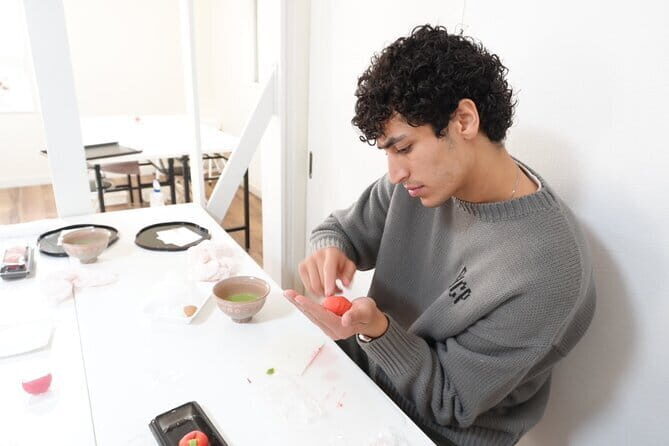
First, the wagashi-making lesson isn’t a quick “watch and go.” You actually make three seasonal sweets with coaching, and you can enjoy them there or take them home. That’s a lot more satisfying than a demo where you leave with only a photo.
Second, the Great Buddha entrance fee is included, and you’re not left to figure out what matters on your own. The guide helps connect the statue to the broader Kamakura story, which is where tours can save you time and confusion.
Also, it’s booked about 5 days in advance on average, which is a useful clue: this isn’t the kind of activity you should leave to the last minute if your dates are fixed.
Who Should Book This Tour (And Who Should Skip It)
This experience is best for you if you:
- Want a hands-on Japanese culture activity without needing prior experience
- Like short tours with a clear start and end, especially in a place like Kamakura
- Enjoy food crafting and want the season-based meaning behind wagashi
You might want to skip or look for something longer if:
- You want lots of time inside Kotoku-in beyond a quick visit
- You’re hoping to make more than three sweets in one session
- You prefer totally free-time temple wandering where you control every minute
That said, the structure here is its strength. It’s paced to deliver results fast.
Tips to Get the Most Out of Your Day
A few things can make your experience smoother.
Wear something you can move in. You’ll do the wagashi lesson and then walk between stops.
Bring an open mind about the process. Wagashi is precise. The fun is in learning the steps even if your first attempt looks a little rough.
If you care about photos, the sea-view segment is where you’ll likely get the best “this is Kamakura” shots without fighting a temple crowd. Also, plan on enjoying the wagashi either on the spot or right after you make it, rather than waiting until later.
Finally, if you’re taking home sweets, keep in mind you’re dealing with food you made by hand. Treat it like a souvenir that you’ll actually enjoy.
Should You Book This Wagashi + Great Buddha Tour?
I’d book it if you want a compact, high-reward Kamakura experience. The sweet-making lesson gives you something tangible and memorable—three seasonal wagashi shaped with help from Hiro—while the Great Buddha visit makes the day feel grounded in place and history.
It’s also a smart choice for a first-time Kamakura visit. You get an iconic temple stop plus a calmer walking moment with ocean views, and you finish at Kotoku-in so you can keep exploring immediately afterward.
The only big reason to hesitate is time expectations. If your dream day is hours of temple wandering and slow museum-style pacing, this isn’t that. But if you want a fun, guided hit of Japanese sweets and a must-see statue, it delivers.
FAQ

How long is the Japanese Sweets Making in Kamakura experience?
It lasts about 3 hours.
What is included in the tour price?
You get an English-speaking local guide, a traditional sweets making lesson, and the entrance fee to Kotoku-in.
Is the Great Buddha entrance included?
Yes. Entrance fee to Kotoku-in is included, and you’ll spend about 30 minutes there.
Can I take the wagashi home?
Yes. You can eat the sweets on the spot or take them home as souvenirs.
Is matcha included?
Matcha is not included in the base experience. You can add a cup of matcha for an additional 550 yen.
Where do I meet, and where does the tour end?
You start at Hase Station (2 Chome-14 Hase, Kamakura) and the experience ends at Kotoku-in (4-chōme-2-28 Hase, Kamakura).
Is this tour private?
Yes. It’s a private tour/activity, so only your group participates.
More Dessert Tours in Kamakura
More Tour Reviews in Kamakura
More Days by the Great Buddha
Kamakura Day Trips, compared.
 ★ 4.5Kamakura & Enoshima Day Trip including Temple TicketsFrom $581,375 reviews
 ★ 4.5From Tokyo: Kamakura & Enoshima 1-Day Bus TourFrom $66189 reviews
 ★ 5.0Kamakura Historical Walking Tour with the Great BuddhaFrom $98129 reviews
Kamakura Private Tour: Temples, Nature, and the Great BuddhaFrom $98121 reviews
Kamakura Walking Tour – The City of ShogunFrom $35100 reviews
★ 5.0Kamakura Historical Walking Tour with the Great BuddhaFrom $98129 reviews
Kamakura Private Tour: Temples, Nature, and the Great BuddhaFrom $98121 reviews
Kamakura Walking Tour – The City of ShogunFrom $35100 reviews
 ★ 5.0Kamakura 8 hr Private Walking Tour with Licensed Guide from TokyoFrom $20180 reviews
 ★ 4.1Kamakura & Enoshima Day Tour with Pickup & Train RideFrom $1361 reviews
 ★ 4.8Kamakura: Private Guided Walking Tour with Local GuideFrom $10660 reviews
Browse the lists this tour appears in