
Reviewed · GUIDED
Hidden Tokyo: Explore Kitchen Street with a Local Guide
Knives, bowls, and shop know-how. This 2-hour walk through Asakusa Kappabashi puts Japanese kitchen culture on your feet, with a local guide helping you spot what’s special. You’ll hear how samurai-era sword techniques shape today’s blades, and you’ll get a rare look at water-hardened knives made using honyaki methods.
I love the way you’ll get practical, plain-language context before you buy anything. I also love the souvenir angle: tableware picks that are only available in Asakusa Kappabashi, including Japanese food-sample style items and pro-grade tools.
The one drawback is simple: shopping stops mean you might feel tempted to spend. Also, shopping costs aren’t included, so budget for purchases if you want to bring home a knife or tableware.
In This Review
- Key Things You’ll Remember From This Kitchen Street Tour
- Why Asakusa Kappabashi Food-Craft Street Feels Like Practical Culture
- The Knife Lesson: Honyaki and Water-Hardened Blades in Plain Language
- Meeting at Wawaramachi: How to Start Smooth, Not Stressed
- Stop 1: Dengama and the Ceramic-Taste Start
- Stop 2: Majimaya and the Tableware-Tool Mindset
- Stop 3: TSUCHI-YA Glass Craft and Why Glassware Matters
- Stop 4: Hashitou and the Variety That Makes the Street Worth Walking
- Stop 5: Iidaya and the Pro-Level Tableware Picture
- Stop 6: TSUBAYA (つば屋庖丁店) and the Knife Craft Focus
- Stop 7: Ganso Shokuhin Sample-ya Kappabashi for Food-Sample Art You Can Own
- Stop 8: MUSASHI JAPAN 合羽橋 Knife & Sake Shop and the “Two Worlds” Feeling
- What the Guide Adds: Hirose-san’s Shop Timing and Local Context
- Price and Value: Is $19 Worth It for 2 Hours?
- Souvenir Strategy: Buying Tableware and Knives Without Regret
- Who This Tour Suits Best
- Should You Book This Hidden Tokyo Kitchen Street Tour?
- FAQ
- FAQ
- How long is the tour?
- Where do I meet the guide?
- Is this a private group tour?
- What languages are spoken by the guide?
- What is included in the price?
- What is not included?
- What kinds of products will I see?
- Is there a focus on Japanese knives?
- Can I buy souvenirs during the tour?
- Is free cancellation available?
Key Things You’ll Remember From This Kitchen Street Tour
- Honyaki explained in a way you can use when shopping for knives
- A focus on extremely rare water-hardened knives and advanced craft
- Tableware and kitchen goods with strong place-based exclusivity to Asakusa Kappabashi
- Stops that connect everyday cookware to restaurant-pro tools
- Guide efficiency for moving through lots of small shops
- Local Asakusa context, plus restaurant tips that help you feel like you belong
More days made easy by a guide
- Tokyo 6hr Private Tour with Government-Licensed Guide★ 5.0 · 3,902 reviews
- Tokyo: Shinjuku Local Bar and Izakaya Guided Walking Tour★ 4.9 · 1,794 reviews
- Tokyo: Private City Highlights Tour with Local Guide★ 4.8 · 1,433 reviews
Why Asakusa Kappabashi Food-Craft Street Feels Like Practical Culture
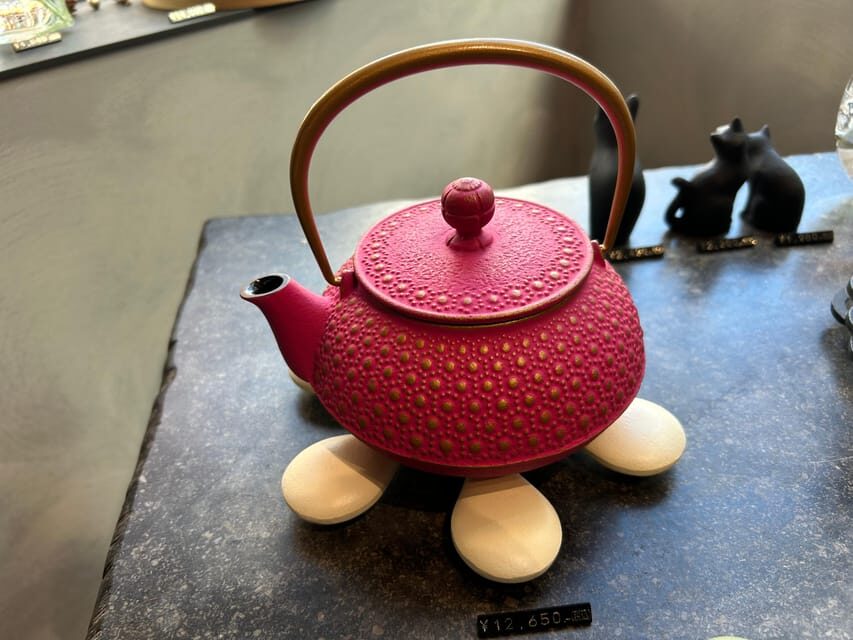
Kappabashi is one of those Tokyo areas where the purpose is obvious: kitchens, table settings, and the tools that make food work. You’re not just looking at souvenirs. You’re walking through the same kind of shopping lane that food professionals use to stock up.
What makes this tour work is the guiding layer. Without help, you can walk past a lot of stores and still miss the point. With a guide, you’ll understand what to look for and why certain items matter—especially when it comes to knives and the “Made in Japan” details that foreign shoppers often overlook.
And you’ll move at a comfortable pace. It’s a short duration for a reason: this is a shopping street, and you want time to actually look, ask questions, and decide what’s worth it to you.
The Knife Lesson: Honyaki and Water-Hardened Blades in Plain Language
One of the strongest reasons to take this tour is the knife education. Japanese blades have a reputation for sharpness, but the tour framing helps you connect that reputation to the actual craft process.
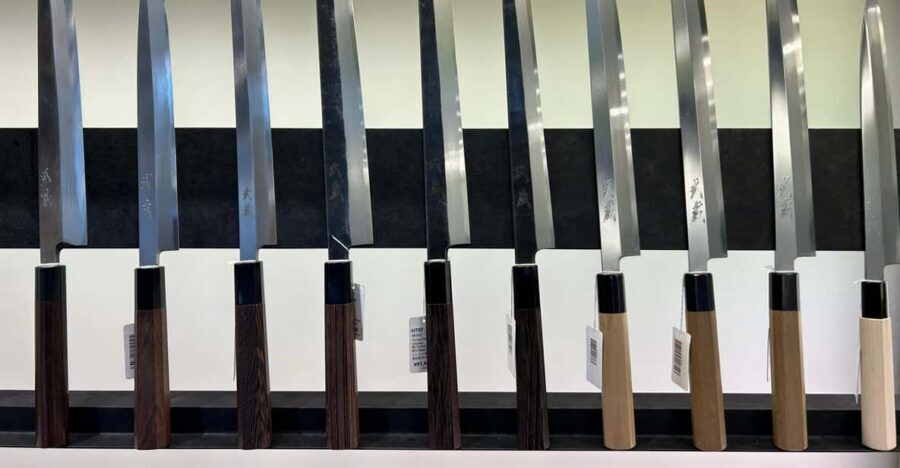
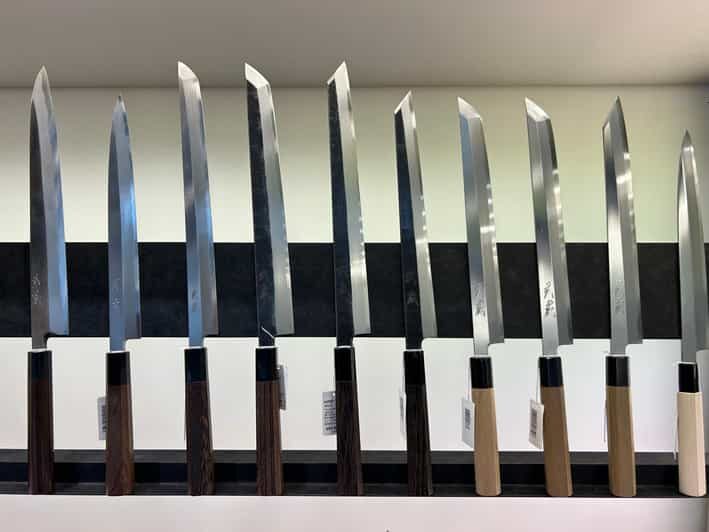
You’ll hear how sword-making techniques were passed down into everyday knife making. The standout concept is honyaki, which refers to Japanese knives made by punching a single piece of steel out of a block, following a process meant to imitate the hon-forging approach used in Japanese swords.
Then comes the rare part. There’s a shop on the route that sells knives described as water-hardened. These are extremely rare and require particularly advanced techniques. The practical takeaway is this: you’re not only buying a knife because it’s Japanese. You’re buying a knife that reflects a specific way of making the blade.
When a guide walks you toward these items, it changes how you shop. Instead of hunting for the prettiest knife, you start asking better questions about what type of steel work you’re looking at and what craftsmanship level you’re paying for.
Meeting at Wawaramachi: How to Start Smooth, Not Stressed
Your day starts at Wawaramachi metro station, exit 3. The guide will be holding a sign that says GetYourGuide, and that little detail matters more than it sounds, because Kappabashi streets can feel like a maze when you’re late or sweaty.
The tour runs for about 2 hours, so you want to arrive ready to walk and look. Wear comfortable shoes. This isn’t a sit-down lecture. It’s shop time, plus short walking links between stops.
You’ll be in a private group, and the live guide can speak Japanese, English, and German. That language flexibility is useful if you want to ask questions about specific materials, knife types, or how to choose tableware for your own cooking style.
Stop 1: Dengama and the Ceramic-Taste Start
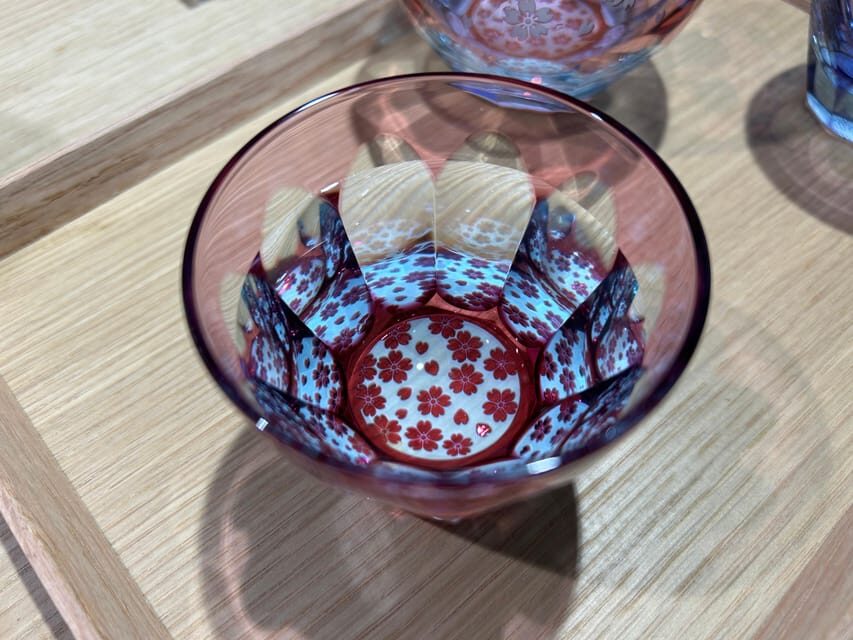
The route begins with Dengama. Even if you don’t shop for ceramics right away, the early stop sets the tone: this is a street where tableware is treated like a serious product category, not just decoration.
At this point, I like using your eyes first. Look at how the shop displays pieces, and pay attention to the shapes and finishes. Ceramic choices can affect daily life—how food looks on the plate and how comfortable the dish feels in hand.
A drawback to keep in mind: if you’re the kind of shopper who gets decision fatigue fast, the first stop can feel like information overload. The fix is to ask the guide a simple question early, like what items tend to make the best souvenirs versus what’s only practical if you cook in Japan-style habits.





Stop 2: Majimaya and the Tableware-Tool Mindset
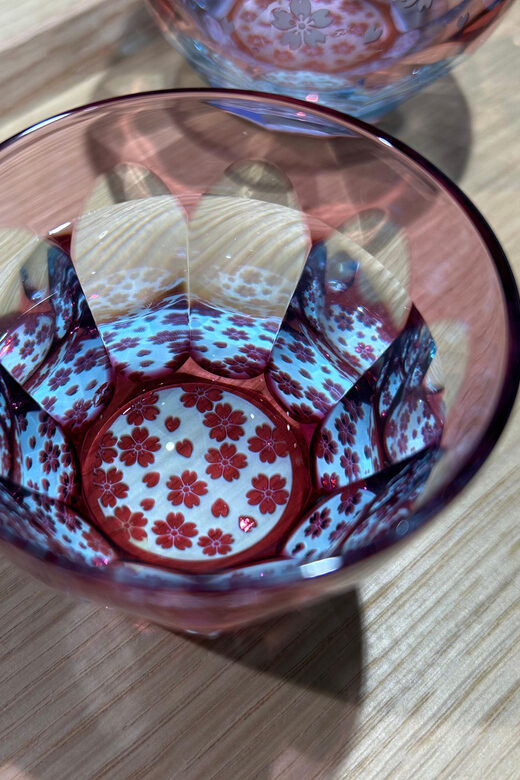
Next up is Majimaya. This is where the tour’s “kitchen goods” focus becomes more obvious: you’re seeing the kinds of items food workers and serious home cooks want around them.
I like this stage because it encourages you to think in categories:
- tableware that travels well as a gift or souvenir
- tools and accessories you’ll actually use
- pieces that reflect Japanese design without requiring you to know everything up front
You’ll also start realizing why buying here can feel different. Kappabashi isn’t trying to sell one trendy thing. It’s built around long-term use: utensils, chopsticks, and table items that show up again and again.
Stop 3: TSUCHI-YA Glass Craft and Why Glassware Matters
At TSUCHI-YA ガラスの器と工芸, the route shifts toward glass craft. Glassware is one of those categories that can be either simple and forgettable or quietly impressive, depending on how it’s made and finished.
The tour is helpful here because it steers you toward noticing the details that are easy to miss when you’re browsing alone. Watch how the glass looks under different light, and how shapes are designed for serving. That’s the kind of thing that makes a souvenir feel personal instead of random.
If you’re traveling with carry-on only, this is also a good moment to decide your “fragile policy.” Glass and ceramics can be worth it, but you need a plan for packing.
Stop 4: Hashitou and the Variety That Makes the Street Worth Walking
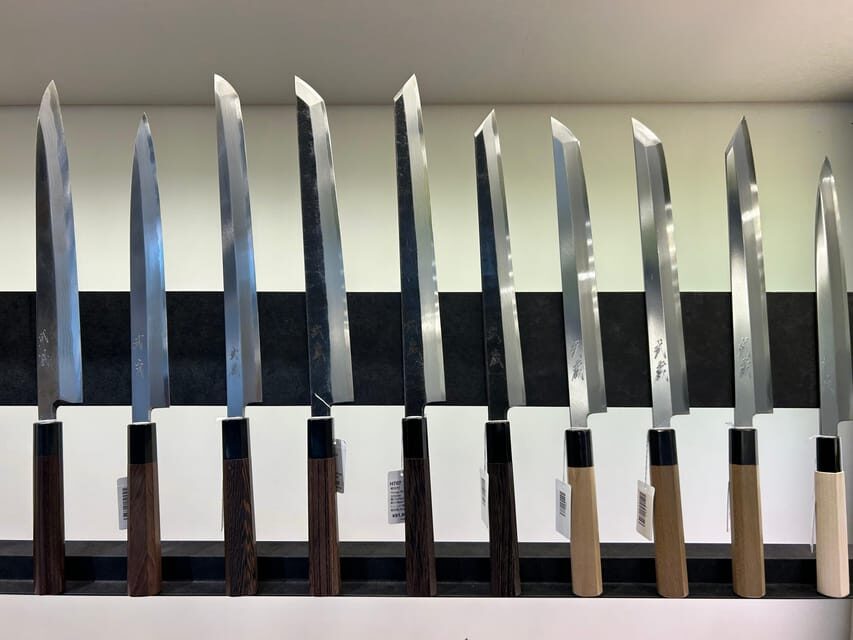
Then you’ll reach Hashitou. This stop is one of those “variety checks” that makes Kappabashi so useful. Instead of feeling locked into only knives or only dishes, you get more variety in your lineup of possible buys.
This is also a good point to ask your guide what’s actually rare or hard to find elsewhere. The tour’s overall hook is Japanese-made products and items tied to this specific area—so having someone point out what you shouldn’t skip can save money and reduce regret later.
Stop 5: Iidaya and the Pro-Level Tableware Picture
Iidaya is another stop where the focus stays on kitchen and table items. The best part of this kind of stop in a guided walk is that the guide can connect what you see to the bigger context: this street serves professionals as well as home cooks.
The tour descriptions emphasize that people gather here from all over Japan. That matters, because it helps explain the product intensity. You’re not walking past empty shelves and generic displays. You’re stepping into a supply environment.
A practical note: don’t feel like you must buy something at every store. Use this stage to narrow down what you want to prioritize—knives, chopsticks, tableware sets, or specialty items.
Stop 6: TSUBAYA (つば屋庖丁店) and the Knife Craft Focus
Next is つば屋庖丁店 | CUTLERY TSUBAYA, which is where the knife obsession becomes real.
By this point, you’ve already heard the honyaki concept, and now you’re likely standing in front of the kind of merchandise that makes that craft talk meaningful. This is also where the tour’s “you can get the one and only Japanese-made product” angle becomes relevant. In a place like this, not every item is the same, even if the display looks similar at first glance.
The tour can help you avoid a common mistake: buying a knife because it looks sharp without understanding the crafting style behind it. If you’re serious about a blade, it’s worth focusing on what makes the knife process different (like the honyaki approach) and whether the store offers the rare items tied to that advanced technique.
And yes, handling matters. The tour description highlights the idea that when you pick up and look at a high-level knife, you’ll feel a sophisticated balance and beauty. Even if you don’t buy, handling is part of learning what “quality” means in your hand.
Stop 7: Ganso Shokuhin Sample-ya Kappabashi for Food-Sample Art You Can Own
Then you’ll get to Ganso Shokuhin Sample-ya Kappabashi Showroom. This is one of the most fun stops on the walk because it connects food culture to visual craft.
Food samples are more than cute decor. They’re part of the way Japanese restaurants present food and help customers choose. The tour route includes this stop for a reason: it gives you a souvenir category that’s clearly tied to Japan’s food scene, not just generic kitchenware.
If you’re buying for someone who loves photography or foodie design, this category is often easier than knives and easier to pack. You can look for smaller pieces or items that won’t wreck your luggage.
Stop 8: MUSASHI JAPAN 合羽橋 Knife & Sake Shop and the “Two Worlds” Feeling
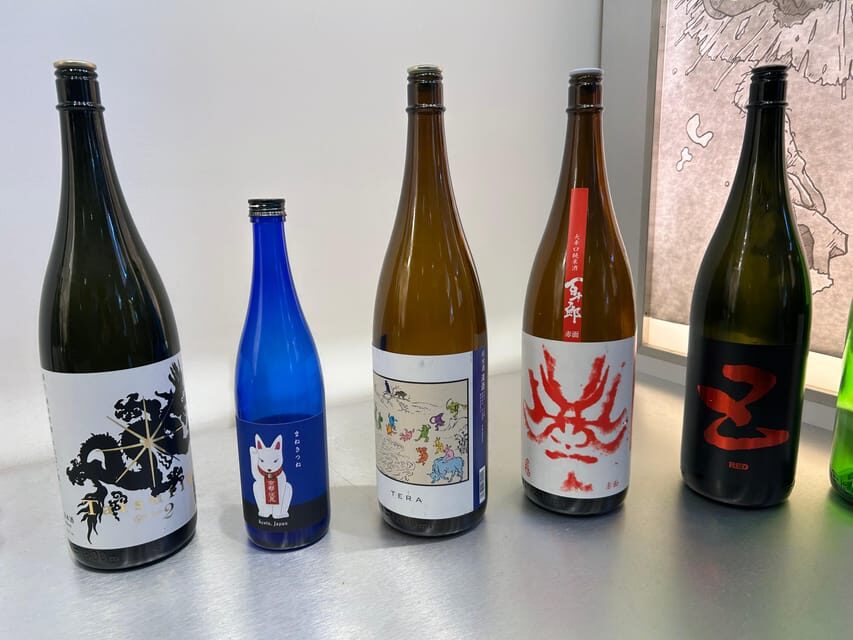
Finally, you’ll reach MUSASHI JAPAN 合羽橋店 Knife & Sake Shop. The name alone tells you what you’re seeing: knives on one side of the shop world and sake-related items on the other.
This is a good stop for people who want variety in what they bring home. If you’re not ready to commit to a high-end knife purchase, you might still find a smaller kitchen item or a related Japanese food-and-drink accessory that fits your budget.
The tour also ties into the broader theme that Kappabashi isn’t only for cookware. You’ll see kitchen and table essentials, and you’ll spot categories like:
- chopsticks
- Japanese tableware
- Nanbu ironware (mentioned in the tour info as something you can find through the area)
- food samples
- and more
That’s part of the value here. Even if you only buy one thing, you’re leaving with a clearer sense of what Japanese kitchen products are actually about.
What the Guide Adds: Hirose-san’s Shop Timing and Local Context
The tour’s most praised strength is the guide. People consistently highlight Hirose-san as taking serious time and making the walk feel interesting instead of rushed.
That shows up in two ways you’ll appreciate quickly.
First, you’ll get help choosing stores efficiently. One booking notes that on a very hot day, the guide selected shops in a way that kept the route efficient. On a shopping street, that’s real value. Heat and walking wear you down. Timing keeps you looking, not just surviving.
Second, you’ll get local context. In one German review, the guide shared stories from Asakusa, including the Sanja Matsuri (三社祭). That kind of detail doesn’t change what you can buy, but it changes how the neighborhood feels. It turns a shopping walk into a cultural connection.
And there’s practical food advice too. One review describes the final recommendation for a soba shop as excellent and says it was easier to enjoy places that can be hard to enter without local help. You don’t need that exact result to benefit. The general idea is: the guide’s local knowledge can help you plan meals around Kappabashi instead of guessing.
Price and Value: Is $19 Worth It for 2 Hours?
At $19 per person for a 2-hour private walking tour with a guide, this is priced like a solid “buy the knowledge” experience. You’re paying for someone to:
- explain knife concepts like honyaki
- point you toward rare water-hardened knives
- help you navigate multiple specialty stores efficiently
- translate what you’re seeing so it’s easier to decide
Shopping costs aren’t included, so you need to decide your goal in advance: souvenir browsing, serious knife shopping, or tableware shopping.
If you’re planning to buy nothing, the guide still helps you see what’s worth noticing. But the tour’s real value is strongest if you want to take action—because once you understand what you’re looking at, you’ll be more confident spending.
Think of it like this: the tour can save you from buying the wrong thing for your needs, and it can help you spend on the right category.
Souvenir Strategy: Buying Tableware and Knives Without Regret
Here’s how I’d approach purchases on this tour.
For tableware souvenirs: Prioritize items tied to Asakusa Kappabashi exclusivity. The highlights call out tableware you can buy here that isn’t available everywhere. You’ll also see a wide range of Japanese kitchen goods, including chopsticks and food-related pieces.
For knives: Don’t let price alone drive the decision. Use the tour’s knife framework. If you’re offered honyaki craftsmanship or a water-hardened blade, understand what that means in practice: this is advanced technique, not just marketing.
For packing: Remember you’ll likely encounter ceramics, glass, and kitchen items. Even if you don’t know how you’ll pack it yet, you can decide early whether you want to buy fragile items or stick to flatter, lighter souvenirs.
And ask questions. The guide is there to help you connect the product labels to real meaning—especially around knife-making terms like honyaki and the idea of water hardening.
Who This Tour Suits Best
This tour is a strong match for:
- people who like practical shopping with guidance
- anyone curious about Japanese knives and wants to understand what honyaki means
- foodies who want Japan-themed souvenirs beyond generic trinkets
- travelers who value a local guide who can share neighborhood context and help with meal ideas
It may not be the best fit if:
- you’re not interested in shopping for kitchen items at all
- you only want museums and photo spots, with no store time
- you’re extremely sensitive to spending pressure, because the route naturally encourages looking and buying
Should You Book This Hidden Tokyo Kitchen Street Tour?
If you want a short Tokyo experience that connects shopping to real craft, I’d book it. The tour’s focus on honyaki concepts, the rare angle of water-hardened knives, and the hands-on store pacing make it more than a casual stroll.
Book it especially if you’re aiming to buy one “keeper” item—either a knife or a set of tableware—and you want to do that with confidence. If you’re only window-shopping, it can still be fun, but the $19 price is really about paying for clarity and efficient route guidance.
FAQ
FAQ
How long is the tour?
The tour lasts 2 hours.
Where do I meet the guide?
Meet at Wawaramachi metro station, exit 3. The guide will have a sign stating GetYourGuide.
Is this a private group tour?
Yes, it’s a private group.
What languages are spoken by the guide?
The live guide speaks Japanese, English, and German.
What is included in the price?
The tour includes a tour guide and a walking tour.
What is not included?
Shopping costs at each store are not included, and transportation expenses are self-pay.
What kinds of products will I see?
You’ll see Japanese kitchen goods such as knives, tableware, chopsticks, and food samples, plus items like Nanbu ironware and other kitchen tools.
Is there a focus on Japanese knives?
Yes. The tour explains how samurai-era sword techniques connect to Japanese knife making, including the honyaki method and a rare water-hardened knife shop.
Can I buy souvenirs during the tour?
Yes. Shopping is part of the experience, but you’ll pay for items you purchase.
Is free cancellation available?
Yes, you can cancel up to 24 hours in advance for a full refund.
Easier with a Guide





More Tour Reviews in Tokyo



Fresh reviews from around Tokyo






Guided, compared.
 ★ 5.0Tokyo 6hr Private Tour with Government-Licensed GuideFrom $1553,902 reviews
 ★ 4.9Shinjuku Local Bar and Izakaya Guided Walking TourFrom $341,794 reviews
 ★ 4.8Private City Highlights Tour with Local GuideFrom $1061,433 reviews
 ★ 4.9Tsukiji Fish Market Guided Walking TourFrom $221,397 reviews
 ★ 5.0Tokyo 4hr Private Tour with Government-Licensed GuideFrom $1091,394 reviews
 ★ 5.0Tokyo Guided Small-Group Biking TourFrom $1061,250 reviews
 ★ 4.6Samurai Ninja Museum Guided tour and ExperienceFrom $271,010 reviews
 ★ 5.0Tsukiji Fish Market Guided Tour and Sushi Making with Pro ChefFrom $104775 reviews