
Reviewed · FOOD & DRINK
EXCLUSIVE Tokyo: Kichijoji Small-Group Food & Bar Hopping
Forget the tourist traps.
This Kichijoji night is built around access: you get into izakaya bars and alley spots that are hard to enter alone, then work your way through an old-school bar-hopping flow. You’re not just eating and drinking. You’re learning the rhythm of neighborhood nightlife, from what to order to how to act once you’re seated.
I like the small-group setup (up to 6), because it keeps things relaxed and lets you squeeze into those cramped, locals-only rooms. I also like that the guide handles the awkward parts: ordering help, drinking etiquette tips, and practical Japanese phrases. One drawback to plan for: drinks are not included, so you’ll need cash and a little extra budget for the 400–700 yen range.
In This Review
- Key points before you go
- Kichijoji nightlife without the sightseer crowd
- Why Hashigo-zake is easier with a guide
- Starting at the Baskin-Robbins meeting point in Kichijoji
- The first 20 minutes: photo stop plus a quick game plan
- 4 to 5 izakaya stops and local food stalls: how the tasting flows
- Harmonica Alley and the regulars-only feel you can’t fake
- Drinks are extra: budgeting for the 400 to 700 yen range
- Food and dietary reality check (and what you can do)
- Small-group pacing: up to 6 people, lots of human scale
- Getting your Japanese ready without pretending
- Who should book this Kichijoji bar-hopping experience
- Should you book this small-group Kichijoji izakaya tour?
- FAQ
- How long is the Tokyo Kichijoji Food & Bar Hopping tour?
- What’s the group size for this experience?
- How many places will we visit?
- Are drinks included in the price?
- What language is the tour guide?
- Where do we meet for the tour?
- Do I need cash?
- What should I bring?
- Is there an age limit?
- Can the tour accommodate strict vegan or gluten-free diets?
- Can I cancel, and do I pay right away?
Key points before you go
- Real local access to places tourists often can’t enter solo
- Hashigo-zake rhythm with ordering and etiquette guidance
- 4–5 izakaya and bar visits plus local food stall stops
- Small group (max 6) for an intimate, not-chaotic pace
- Hibi-led hosting vibe that turns strangers into chat partners
- Cash-ready nightlife where coins actually matter
Other plates worth crossing Tokyo for
- Tokyo: Shinjuku Food Tour (13 Dishes at 4 Local Eateries)★ 5.0 · 6,603 reviews
- Tokyo Tsukiji Fish Market Food and Culture Walking Tour★ 5.0 · 3,184 reviews
- Tokyo: Shinjuku Food Tour (15 Dishes and 4 Eateries)★ 4.9 · 2,033 reviews
Kichijoji nightlife without the sightseer crowd
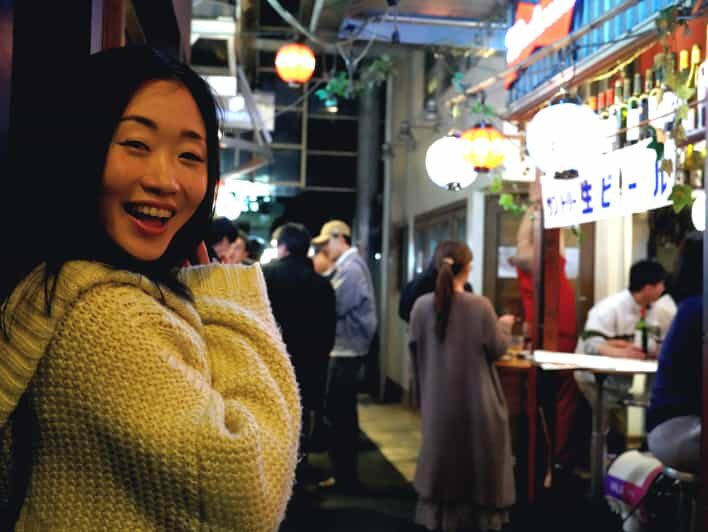
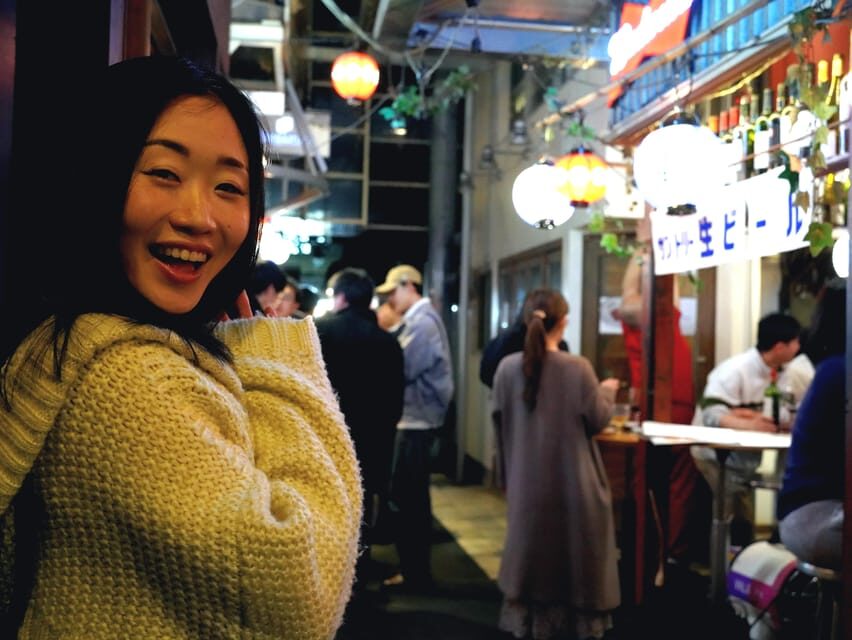
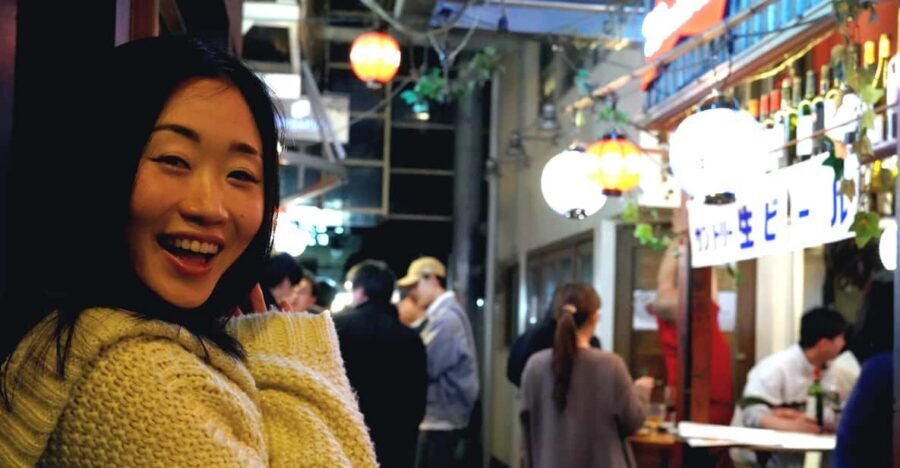
Kichijoji is one of those Tokyo neighborhoods that feels like it belongs to the people who live there, not the people passing through. The bar streets and alleyways are close together, but the experience is quietly different from the big-name tourist hubs. You’ll still see the lights and signs, but you won’t feel like you’re eating in a loud museum.
The core idea here is small-group bar hopping with real-world permission. Many izakaya spots have a No Photography vibe, a Regulars Only mood, or both. Walking in on your own can feel like you’re intruding. With a trusted guide, you move as a welcomed guest instead of an outsider hovering at the entrance.
I also like that this tour leans into how Japanese drinking nights work, not just where to go. You’ll get basics on the drinking table customs and the kind of conversational flow that keeps things friendly. That matters because the best part of izakaya is often the atmosphere—food, yes, but also the people and the pace.
Why Hashigo-zake is easier with a guide
Hashigo-zake is the Japanese version of bar hopping. You move from place to place, tasting and chatting rather than trying to cram an entire meal into one stop. The problem is that doing it solo in Tokyo can turn into decision fatigue: what to order, how to order, when to move on, and how to fit in without being weird.
That’s where the guide does heavy lifting. You’re not stuck staring at a menu, guessing what’s popular, or worrying you’re taking too long. The tour includes local recommended food at each izakaya and store, plus drinking etiquette tips. In practice, that means fewer awkward pauses and more time actually enjoying the night.
There’s also a language-learning angle. The tour includes useful Japanese phrase tips from a guide who is also a language instructor. You’re not getting long textbook explanations. You’re getting short, practical lines you can use right away—so you can contribute to the conversation instead of hiding behind English.
And if you’re wondering whether this is just a food list, it isn’t. You’ll learn the stories behind what you’re eating and the customs around the drinking table. That turns a snack into something you can talk about after the tour ends.
Starting at the Baskin-Robbins meeting point in Kichijoji
The night begins at サーティワンアイスクリーム 吉祥寺店 (Baskin-Robbins). If you’re using Kichijoji Station, take the north exit and look for the Baskin-Robbins near the bus stop area. It’s an easy landmark, which is helpful because Tokyo alleyways are not where you want to be “lost but looking.”
From there, the schedule keeps you moving. Expect a quick early stop that’s partly photo time and partly a short guided orientation, then the real bar-hopping leg kicks in. The total tour time is 3 hours, and it’s structured so you’re not standing around waiting for the group to catch up.
Two practical notes I’d underline:
- Wear comfortable shoes. You’re walking between close-by spots, but the surfaces and stairs in older neighborhoods can be uneven.
- Bring a camera, but respect the vibe. Some places have No Photography signs, so listen to the guide and don’t force photos where they’re not welcome.
The first 20 minutes: photo stop plus a quick game plan
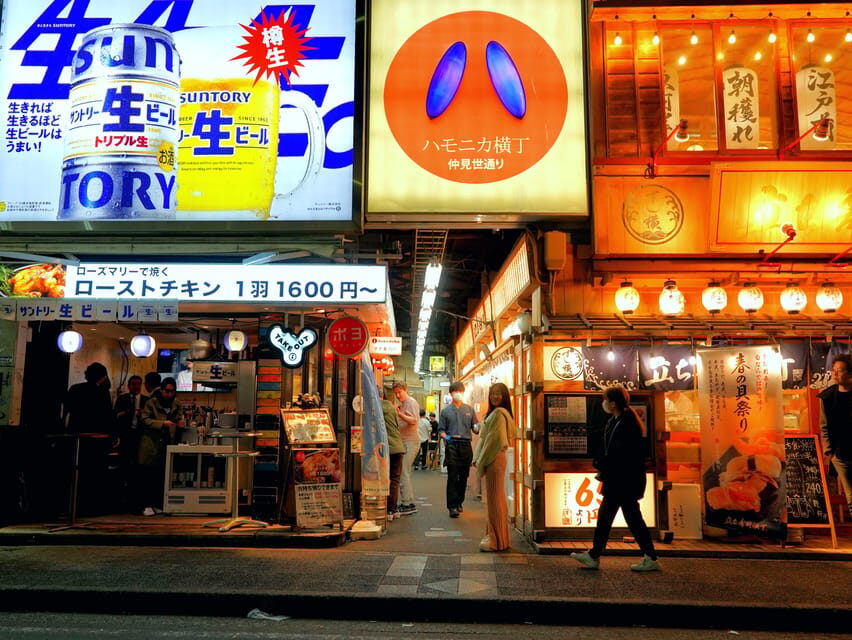
Early on, you’ll do a photo stop (about 20 minutes). For some people, that sounds like time you’d rather spend eating. But it’s often useful: you get oriented to the neighborhood feel and learn what to expect from the alleyway bar scene.
Right after that, there’s a guided period (about 20 minutes) where you’ll get the basics that make the rest of the night easier. This is when the guide sets the tone: how the ordering will work, what kind of etiquette to watch for, and how you should participate once you’re seated.
If you hate being on a schedule, this is the one chunk that might feel like “prep” rather than “fun.” On the flip side, those early instructions can save you from the most common solo mistakes: ordering hesitation, confusion around pacing, and not knowing when to ask for another recommended bite.
Worth weighing up alongside this Tokyo pick:


4 to 5 izakaya stops and local food stalls: how the tasting flows
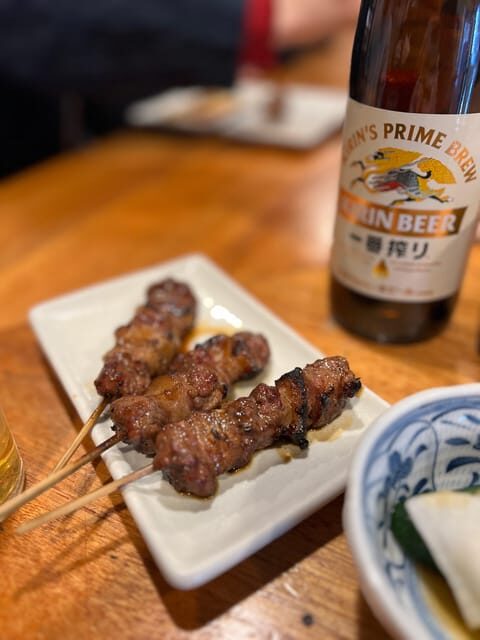
The heartbeat of the tour is 3 to 5 izakaya and bar visits, plus local food stall stops. You’ll hit a handful of places rather than one long sit-down. That’s the beauty of Hashigo-zake: you get variety without turning it into a pub crawl where everyone’s swallowing down food and sprinting to the next door.
At each stop, the tour includes the local recommended food. That’s a big value point. In Japan, picking “the right thing” is harder than it sounds, especially when the menu is packed and you don’t know what locals actually order in that exact place. With a guide, you’re sampling what you’re likely to enjoy and what the shop owners are proud to serve.
You’ll also get the social side, not just the culinary side. The tour includes chat and cheers with locals in the area. In plain terms: you’ll be nudged into conversation and group energy, the way you’d experience it if you had a local friend taking you out.
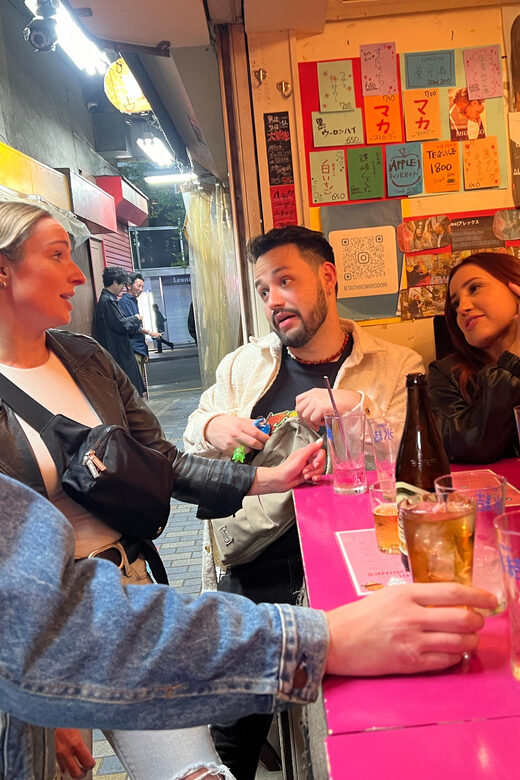
One practical rhythm detail: drinks are usually 400 to 700 yen, and the tour doesn’t include them. So you can pace yourself. If you want to try a drink at every stop, you can. If you want water between tastings, you can do that too.
Harmonica Alley and the regulars-only feel you can’t fake
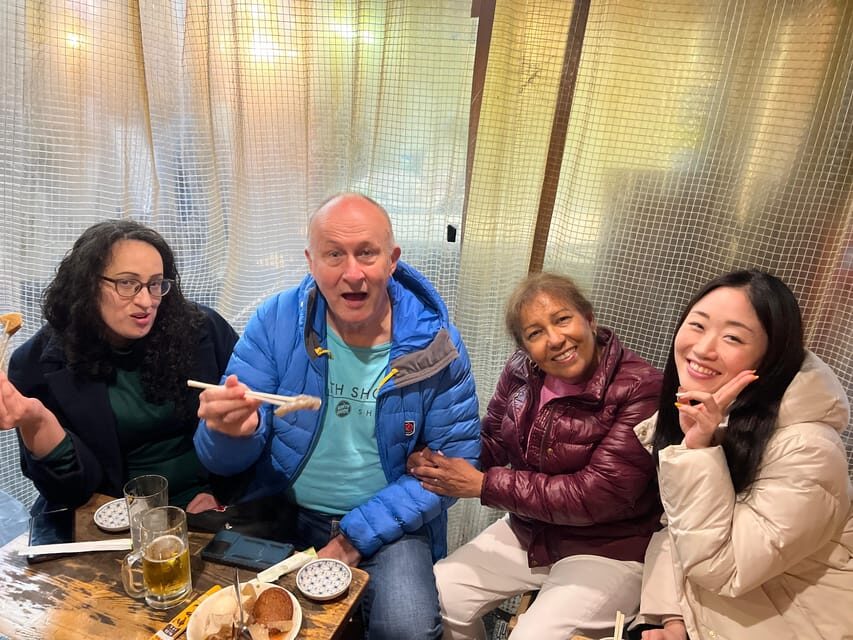
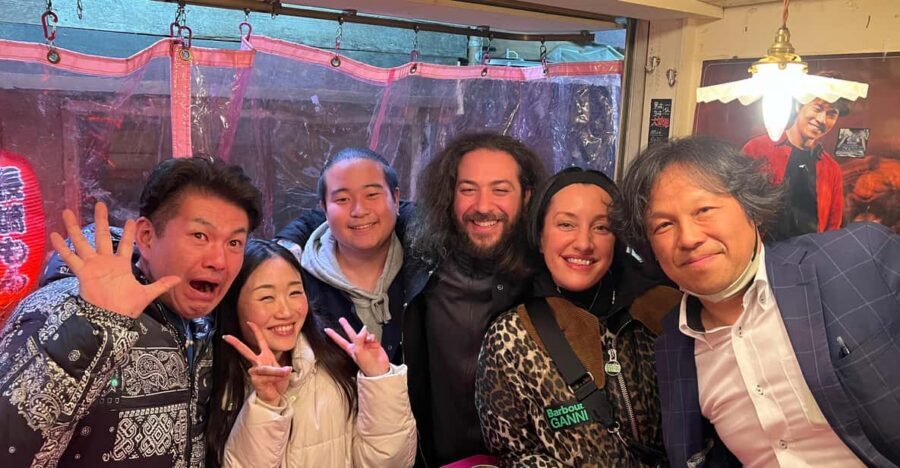
Kichijoji is famous for its Harmonica Alley, and the whole tour concept is built around getting you into the sort of cozy, tucked-away places that don’t advertise themselves for tourists. That includes alley spots and family-run rooms where you can feel the regulars’ presence.
Here’s the key difference between “tour” and “access.” Many small bars have rules that are obvious once you’re there—No Photography signs, seats that feel like they’re saved for regulars, and a general atmosphere that says you should know what you’re doing. When you walk in alone, you might not understand the unspoken rules and that can make the room feel tense.
With this tour, the guide’s relationships matter. The experience is designed around the idea that doors open because the guide has built trust with shopkeepers over time. When that works, you don’t have to perform confidence. You just show up, order what’s recommended, and let the night unfold.
I also like that the guide helps you read the room. In a tiny izakaya, one wrong move can stand out. A good host pays attention to body language, timing, and how you’re seated. The guide bridges that gap so you can focus on the flavors.
Drinks are extra: budgeting for the 400 to 700 yen range
This isn’t a drinks-included deal, so let’s plan like adults. The good news is that drink prices in the included nightlife spots are typically 400 to 700 yen. That’s not free, but it’s predictable.
Think of the $109 price as paying for four things:
- access to multiple locals-only spaces
- food recommendations and what you’re supposed to try
- bilingual interpretation so you don’t miss what matters
- etiquette and phrase help so you participate comfortably
Then drinks are the variable. If you order just one drink during the evening, you’ll spend less. If you’re chatting and want to try a drink at each stop, you’ll spend more. Either way, having a cash budget ahead of time keeps the tour fun instead of stressful.
One more thing: you’ll need cash in the local bar area. Bring coins. Yes, actual coins. The tour even hints at it—use the coins you’ve been meaning to get rid of.
Food and dietary reality check (and what you can do)
Japanese izakaya cooking is traditional, and this tour is honest about limitations. If you need strict vegan or vegetarian options, or if you have severe gluten allergies (Celiac-level), you should not expect reliable accommodation. Traditional kitchen methods can make cross-contact likely, and this tour can’t promise safe substitutions.
If you have a flexible diet, you can still have a great time, especially because the tour includes recommended foods at each stop. That means the guide can steer you toward options that fit within what the kitchens can realistically do.
For anything dietary-related, your best move is to notify at booking and discuss your needs in advance. That’s your chance to align expectations and avoid arriving hungry and disappointed.
Also bring some mental flexibility about spice, broth styles, and common ingredients. The tour isn’t a cafeteria line. It’s local food served as locals eat it.
Small-group pacing: up to 6 people, lots of human scale
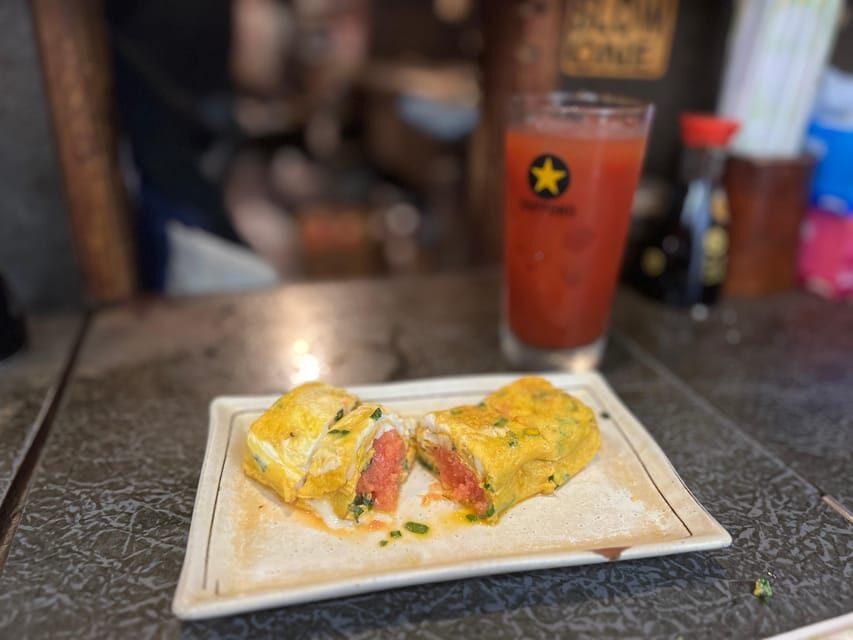
The group stays small—limited to 6 participants. That’s more than a number. It shapes the whole experience.
In a tiny izakaya, big groups get awkward fast: too many voices, too much ordering chaos, and not enough space for everyone to settle in. A small group helps the guide fit you into the best rooms and keep the pace smooth. It also helps conversation stay real. You’re more likely to talk than just follow instructions.
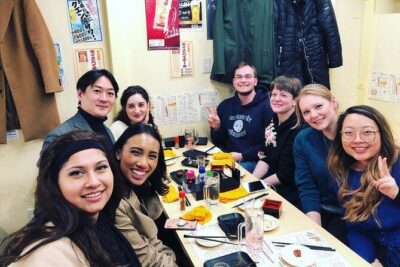
There’s also the social temperature. The tour includes time to chat and cheer with locals around you. In a small group, that energy turns into a friendly, shared night instead of a “watch the guide” show.
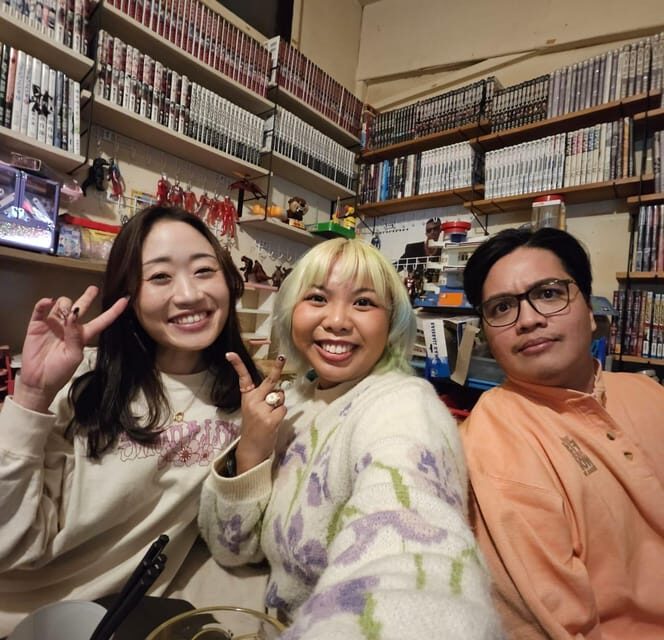
And then there’s the guide style. The tour is led by Hibi, and the consistent theme around her hosting is warmth and confidence—she makes it feel easy to pick food and drinks based on recommendations. People also note her ability to start conversations and keep the group laughing, which is a big deal when you’re stepping into a locals-first setting.
Getting your Japanese ready without pretending
You don’t need perfect Japanese. What helps is practical Japanese that matches the moment. This tour includes Japanese phrase tips and full interpretation from a bilingual guide (English and Japanese).
That blend is ideal for a lot of travelers:
- You get enough translation to understand what you’re eating.
- You get phrases that help you respond in a natural way.
- You still get the experience of using the language a little, instead of relying only on the guide.
If you can handle small, simple sentences, you’ll feel comfortable. If you’re nervous, that’s normal. The guide and the setting do the calming work.
One subtle benefit: you’ll likely leave with a few phrases you can use on your own in Kichijoji later. That’s how this turns into more than one night out—it becomes a skill you carry.
Who should book this Kichijoji bar-hopping experience
This tour is a strong match if you want:
- authentic local izakaya nights in a neighborhood that doesn’t feel tourist-heavy
- help entering places with No Photography or Regulars Only vibes
- a structured way to do Hashigo-zake without decision fatigue
- a fun, social guide-hosted night with conversation and jokes
It may not be your best fit if you:
- have strict dietary needs (especially vegan/vegetarian or severe gluten allergy)
- hate paying extra for drinks (drinks are not included)
- don’t want to carry cash/coins
If you’re traveling solo, you’ll likely appreciate the small group and the guide’s role in making introductions. If you’re coming with friends, it’s still good because the tour keeps you from spending your evening arguing over menus.
Should you book this small-group Kichijoji izakaya tour?
If your goal is a genuine Tokyo nightlife feel in a real neighborhood, I think this is worth booking. The price covers the hard parts: access, translation, food direction, and etiquette help. You’re paying to avoid the awkward solo barriers that come with locals-first places.
I’d book it if you’re comfortable walking, can bring cash, and you’re open to traditional menu items. The combination of Hibi’s friendly hosting and the small-group pacing is exactly what makes this kind of night work.
If your diet is very restricted or you want drinks included, look for a different option. Otherwise, this is the kind of evening that makes Tokyo feel personal instead of generic.
FAQ
How long is the Tokyo Kichijoji Food & Bar Hopping tour?
The tour lasts 3 hours.
What’s the group size for this experience?
It’s a small group limited to 6 participants.
How many places will we visit?
You’ll visit 3 to 5 izakaya and bar stops, plus local food stall visits.
Are drinks included in the price?
No. Drinks are not included, but the tour provides great recommendations. Drinks are usually around 400 to 700 yen.
What language is the tour guide?
The guide provides English and Japanese, with full interpretation.
Where do we meet for the tour?
Meet at サーティワンアイスクリーム 吉祥寺店 (Baskin-Robbins). If you’re at Kichijoji Station, use the north exit and find the Baskin-Robbins near the bus stop.
Do I need cash?
Yes. You will need cash in the local bar area, and it helps to bring plenty of coins for drinks.
What should I bring?
Bring comfortable shoes, a camera, and cash.
Is there an age limit?
For public tours, it’s age 20+. All ages are welcome for private tours.
Can the tour accommodate strict vegan or gluten-free diets?
No, it cannot accommodate strict vegan, vegetarian, or severe gluten (Celiac) allergies due to traditional kitchen methods. Flexible dietary needs should be discussed at booking.
Can I cancel, and do I pay right away?
You can cancel up to 24 hours in advance for a full refund. You can also reserve now and pay later to keep plans flexible.
More Good Eating in Tokyo
Eat Your Way Round Tokyo

More Tour Reviews in Tokyo





Fresh reviews from around Tokyo






Food & Drink, compared.
 ★ 5.0Shinjuku Food Tour (13 Dishes at 4 Local Eateries)From $866,603 reviews
 ★ 5.0Tokyo Tsukiji Fish Market Food and Culture Walking TourFrom $993,184 reviews
 ★ 4.9Shinjuku Food Tour (15 Dishes and 4 Eateries)From $852,033 reviews
 ★ 5.0Tsukiji Fish Market Food and Walking tourFrom $301,724 reviews
 ★ 5.0Eat and Drink Like a Local: Tokyo Ueno Food Tour-Taverns&RamenFrom $95957 reviews
 ★ 5.0Shibuya Food Tour (13 dishes and 4 Eateries)From $77770 reviews
★ 4.7Tsukiji Fish Market Food and Culture Walking TourFrom $96757 reviews
★ 5.0Shibuya Food Tour (13 dishes and 4 Eateries)From $77770 reviews
★ 4.7Tsukiji Fish Market Food and Culture Walking TourFrom $96757 reviews
 ★ 5.0Tsukiji Fish Market: Street Food & Culture Walking TourFrom $33669 reviews
Browse the lists this tour appears in