
Autumn leaves just outside Tokyo can feel like magic. This full-day bus plan takes you to Arakurayama Sengen Park, Lake Kawaguchi, and the mountain town of Koshu for fall photos, Mt. Fuji viewpoints (weather permitting), and proper Japanese food breaks.
I like that the logistics are handled: round-trip coach transportation from Tokyo and scheduled sightseeing stops, so you are not stuck figuring out unfamiliar trains and transfers. I also love that lunch and dinner are included, which saves time and removes the daily decision fatigue.
One big consideration: the walk up to the pagoda is not a quick stroll. At Arakurayama Sengen Park, you climb 398 steps one way (and the bus cannot drive you to the viewing spot), so comfortable shoes and a realistic pace matter.
In This Review
- Key things to know before you go
- Why this autumn leaves day trip from Tokyo feels like a win
- Arakurayama Sengen Park and the five-storey pagoda: the view and the climb
- Lake Kawaguchi maple corridor: how the momiji walk works
- Koshu lunch break: Kuri Okowa and Hoto hot pot
- Mt. Fuji visibility: what you can expect and what you should plan for
- Dinner on the coach and Shine Muscat grapes: small extras that add up
- Price value: what $116.55 really covers
- Who this tour fits best (and who should think twice)
- The staff and group vibe: what small details tell you
- Should you book it? A simple decision guide
- FAQ
- How long is the tour, and what do you do during the day?
- Where do you pick up in Tokyo?
- Is admission included at the main sightseeing stops?
- How many steps do I need to climb at Arakurayama Sengen Park?
- Can I count on seeing Mt. Fuji during the tour?
- What meals are included?
- Does the tour accommodate allergies or special dietary requests?
- Can I cancel and get a refund?
- Is there an English guide during the tour?
Key things to know before you go
- Coach day-trip simplicity: pick-up points in Tokyo, fixed timing, and you do not need to navigate local roads
- Mt. Fuji + the five-storey pagoda photo: the famous view is there when weather cooperates
- Lake Kawaguchi maple corridor: a walk under over 60 maples in fall color
- Real meal value: lunch with Kuri Okowa (chestnut rice) plus Hoto hot pot, then a seafood bento dinner
- Small-ish group energy: maximum 42 people, with key info shared via translation app (not a licensed guide interpreter)
- Take-home snack: a bunch of Shine Muscat grapes included
Other routes to the mountain, compared
- Mt Fuji & Hakone Cruise, Drum Show Bullet Train 1 Day from Tokyo★ 4.0 · 7,413 reviews
- Tokyo Mt Fuji 5th St & Hakone Cruise Bus Tour w/Bullet Train★ 4.4 · 5,024 reviews
- From Tokyo: Mount Fuji Full-Day Sightseeing Trip★ 4.5 · 4,970 reviews
Why this autumn leaves day trip from Tokyo feels like a win
If your Tokyo itinerary needs a dose of countryside color, this is a smart way to get it without turning the day into a math problem. You ride a comfortable bus out to Yamanashi Prefecture, hit the best fall photo zones, eat like you planned it, then roll back to the city.
The value is in what you get together: fall scenery, Mt. Fuji viewpoints, iconic architecture at Arakurayama, and two meals that are actually part of Japanese seasonal comfort food. For many people, the biggest relief is not having to hunt for restaurants between photo stops or risk missing trains when autumn traffic gets heavy.
Just keep your expectations grounded. This is a seasonal tour running in November, and it is designed around conditions that can change fast—especially visibility of Mt. Fuji and autumn leaf timing.
Arakurayama Sengen Park and the five-storey pagoda: the view and the climb
Arakurayama Sengen Park is the star location for the iconic five-storey pagoda photo. In fall, the park area delivers that classic scene people come for: the pagoda framed with mountain and city-distance views, all under autumn leaves.
Here is the practical reality check: the steps are real. You climb 398 steps one way from the entrance to reach the pagoda. In addition, you may spend about 20–30 minutes (around 400 steps) walking each way depending on your pace. If you prefer less effort, there is also an alternative route that takes about 10 minutes on foot via a gentler slope along the road.
Two ways to enjoy it, depending on how you feel that day:
- If you are up for the climb, go for the full pagoda payoff.
- If you are not confident with stairs, you can still see Mt. Fuji from near the park entrance. You just will not get the famous Mt. Fuji-and-pagoda in one frame view.
One more note that matters for planning: the bus cannot take you to the viewing spot. You will do the walk from the drop-off, so this is not a tour to “power through” in flip-flops.
Lake Kawaguchi maple corridor: how the momiji walk works
After the Arakurayama climb, you shift to Lake Kawaguchi’s Momiji Corridor, one of Japan’s most loved maple viewing areas. Instead of one main viewpoint, you get a path that feels like a tunnel of color: over 60 maple trees forming a winding walkway of red and gold.
This stop is about enjoying movement. You do not need to conquer steps here the way you do at Arakurayama. The experience is calmer—photos, slow wandering, and that moment when the path narrows and the leaves fill the frame.
Timing is important with any lake-side autumn spot. This tour schedules a visit long enough to take photos and walk, but you still need to stay flexible because autumn traffic and crowd flow can affect arrival timing.
Also, if you have ever noticed how quickly autumn photos get frustrating in bad light, bring a strategy: take a wide shot early, then come back for close details. That way, if clouds or sudden rain change the mood, you still leave with a set you like.
Koshu lunch break: Kuri Okowa and Hoto hot pot
Around 1:00 PM, you head to a mountain town area in Yamanashi Prefecture for lunch. This is not just “food on the way”—it is a chance to reset your feet and warm up before the ride back.
You eat a traditional set featuring Kuri Okowa (chestnut rice) and Hoto hot pot. The lunch includes time to sit down and eat properly, and you are also building energy for the rest of the day’s sightseeing and coach ride.
One practical perk: lunch is scheduled later than usual. That can sound odd at first, but it often works well for fall day trips because you are not rushing breakfast, and you are less likely to feel like you are eating in a panic between stops.
If you are used to planning your own meals, you might notice the trade-off: you have fewer choices and fewer spontaneity moments. But given how included food removes stress, it usually feels worth it.





Mt. Fuji visibility: what you can expect and what you should plan for
Mt. Fuji is the headline on many November trips, but the tour sets expectations honestly. If the weather is not favorable, you might not be able to see Mt. Fuji, and there is no guarantee. The schedule is based on past autumn conditions, yet leaf quality and Fuji visibility can still disappoint due to clouds or timing.
Here is how I would approach it: treat Mt. Fuji as a bonus, not the only reason you are going. The pagoda stop and Lake Kawaguchi maple corridor still deliver an autumn experience even when the mountain is hidden.
And because some spots can get congested in peak season, arrival times and time on site can shift. The tour may shorten or adjust the itinerary depending on traffic and weather. That is especially relevant in November when everyone else on the planet also wants the same photos.
Dinner on the coach and Shine Muscat grapes: small extras that add up
On the way back to Tokyo, the tour includes a seafood bento boxed dinner while you ride. This is one of those details that sounds minor until you are actually on the road: you do not need to stop for dinner, and you are not stuck scanning convenience stores for something that satisfies your hunger.
Then there is the take-home treat. You get a bunch of Shine Muscat grapes to bring back. For many visitors, that turns the day trip into more than just photos—it becomes a real souvenir you can enjoy later.
A nice side effect: with dinner handled, you can spend your last sightseeing moments staying present instead of worrying about where you will eat after the bus drops you back in Tokyo.
Price value: what $116.55 really covers
At about $116.55 per person for a roughly 9-hour day, the cost makes sense if you compare it to doing this by yourself with taxis, multiple train transfers, and paying for meals along the way.
Here is what you get that usually costs extra when you DIY it:
- Round-trip coach transportation from Tokyo with multiple sightseeing stops
- Free admissions at the listed spots (ticket free at both Arakurayama and Lake Kawaguchi in the provided timing details)
- Lunch and dinner included, so you are not budgeting for two meals
- Shine Muscat grapes included
- A tour conductor using a translation app to share key information
Is it pricey? For some budgets, yes. But for many solo travelers and first-timers, the value is in avoiding the friction. You trade a bit of independence for reduced planning stress and fewer chances to lose time.
If you are traveling with someone who loves to micromanage timing, you may find the structure limiting. But if you just want a well-run day with iconic sights and actual food, this is a fair deal.
Who this tour fits best (and who should think twice)
This is a good match if:
- You want a guided coach day trip and do not want to figure out Yamanashi transit on your own
- You like fall scenery plus one big architectural photo goal (the pagoda)
- You are comfortable walking and can handle stair climbs
- You want meals handled, including a hot meal lunch and a no-fuss dinner
This is not ideal if:
- You have leg problems or issues with stair-heavy walking. The Arakurayama section is the key problem area.
- You expect a full, deep-dive narration all day. The tour uses a Japanese-speaking conductor and a translation app for key information, and the listing notes that a national licensed guide interpreter is not included.
There is also the pacing factor. Some experiences run feeling smooth and organized, while one past guest felt it was a bit rushed and wanted more explanation detail. So if you are someone who likes long museum-style stops, you might feel the schedule pressure a little.
The staff and group vibe: what small details tell you
The tour runs with a maximum of 42 people, which tends to feel manageable rather than chaotic. Smaller groups also help with meeting points and keeping the plan moving.
Language support is practical: a Japanese-speaking tour conductor uses a translation app for assistance. One review specifically named Natsumi as an English tour leader and praised the professionalism. So if you are lucky enough to have that style of leadership, you are likely to feel guided without feeling trapped.
The conductor focus is essential information. That is not a bad thing—it keeps the day moving—but it does mean you should be okay doing some light self-guided observation at the stops.
Should you book it? A simple decision guide
Book this tour if you want:
- Autumn leaves in November with big, recognizable photo stops
- The comfort of a coach day trip from Tokyo
- Lunch + dinner included so you can spend the day looking at maples instead of searching for restaurants
- A chance at the Mt. Fuji + pagoda viewpoint, with Fuji visibility treated as luck-based rather than guaranteed
Consider skipping or choosing another option if:
- Stairs are a deal-breaker for you. The 398 steps at Arakurayama are central to the main payoff.
- You need guaranteed Mt. Fuji views. Weather can hide it, and there is no refund guarantee tied to scenery quality.
- You want long, detailed commentary on every stop. The conductor shares key information, and the setup is more about getting you to the places than giving a museum-level lecture.
If you can handle some walking and you’re flexible about the mountain view, this is an efficient, value-packed way to get classic autumn Japan without turning your day into logistics.
FAQ
How long is the tour, and what do you do during the day?
The tour runs about 9 hours 10 minutes and includes round-trip coach transportation from Tokyo. You visit Arakurayama Sengen Park, Lake Kawaguchi, and a Koshu area for lunch, then you return to Tokyo with dinner on the coach.
Where do you pick up in Tokyo?
Hotel pickup and drop-off are not included. The tour offers a choice of pick-up points in Tokyo based on your hotel location, and it’s near public transportation.
Is admission included at the main sightseeing stops?
The admission ticket is listed as free for the main stops (Arakurayama Sengen Park and Lake Kawaguchi), and the tour includes the sightseeing visits as part of the package.
How many steps do I need to climb at Arakurayama Sengen Park?
You need to climb about 398 steps one way to reach the five-story pagoda from the park entrance. The tour also notes an alternative route via a gentle slope, about 10 minutes on foot, but the bus cannot take you to the viewing spot.
Can I count on seeing Mt. Fuji during the tour?
Mt. Fuji visibility depends on weather. If conditions are not favorable, you might not be able to see Mt. Fuji, and there is no refund if you cannot enjoy the scenery as in the photo.
What meals are included?
Lunch is included around 1:00 PM and features Kuri Okowa (chestnut rice) and Hoto hot pot. Dinner is included as a seafood bento boxed meal on the coach ride back to Tokyo.
Does the tour accommodate allergies or special dietary requests?
No. The tour states it is unable to accommodate special dietary requests, including food allergies. If you have specific dietary needs, the guidance is to arrange your own meal, and no refunds are provided for meals.
Can I cancel and get a refund?
Yes. You can cancel up to 6 days in advance for a full refund. Canceling 2–6 days before gives a 50% refund, and canceling less than 2 days before does not provide a refund.
Is there an English guide during the tour?
A Japanese-speaking tour conductor is provided and uses a translation app to share key information. The tour also notes that a national government licensed guide interpreter is not included.
More Tour Reviews in Tokyo



The Fuji Shortlist: Other Days Out to the Mountain

Fresh reviews from around Tokyo






Mt Fuji Day Trips, compared.
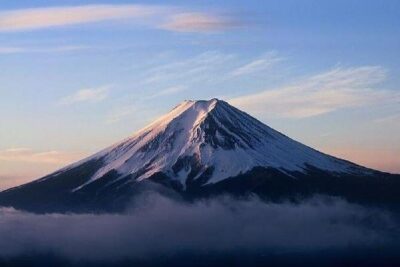 ★ 4.0Mt Fuji & Hakone Cruise, Drum Show Bullet Train 1 Day from TokyoFrom $1497,413 reviews
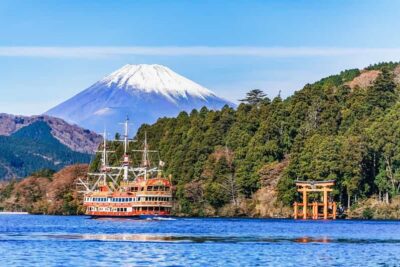 ★ 4.4Tokyo Mt Fuji 5th St & Hakone Cruise Bus Tour w/Bullet TrainFrom $1545,024 reviews
 ★ 4.5From Tokyo: Mount Fuji Full-Day Sightseeing TripFrom $684,970 reviews
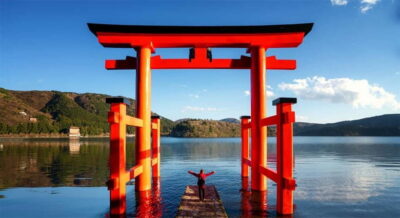 ★ 4.7Mt. Fuji Tour, Hakone Ropeway, Owakudani, Lake AshiFrom $544,002 reviews
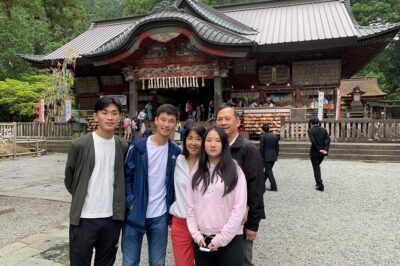 ★ 5.0Private Tour to Mt. Fuji and Hakone (Fully Licenced Operator)From $4971,910 reviews
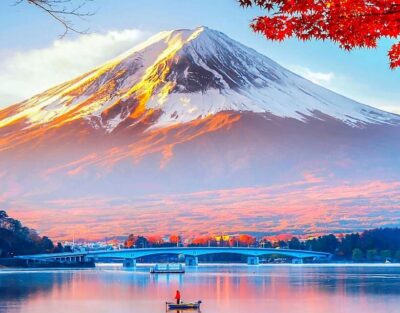 ★ 4.9Mount Fuji Full-Day Private Tour from Tokyo (Customizable)From $3931,470 reviews
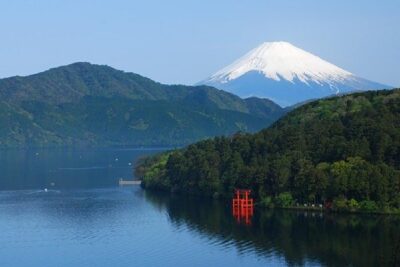 ★ 4.0Mt Fuji & Hakone Cruise, Drum Show Bus 1 Day from TokyoFrom $1221,287 reviews
 ★ 4.2From Tokyo: Mt. Fuji & Hakone Tour w/ Return by Bullet TrainFrom $1171,278 reviews
Browse the lists this tour appears in