
Reviewed · TOURS
Tokyo: Spring Hitachi Seaside & Ashikaga Flower Park Tour
That sea of blue is hard to forget. This spring day trip lines up two of the Kanto region’s most famous flower scenes: Hitachi Seaside Park’s Miharashi Hill and Ashikaga Flower Park’s world-famous wisteria tunnels. It’s also a nice change of pace from Tokyo, with a guide to manage the timing and transport so you can focus on the views.
I especially like the way the schedule balances big scenery with breathing room. You get serious time on Miharashi Hill (about two hours) to wander at your own pace, and you also get a solid window at Ashikaga (about 110 minutes) to walk under cascading purple blooms. A second thing I like is the stop at Mibu Michi no Eki, where you can snack and roam a bit like a local instead of treating the day as only a photo mission.
One possible drawback: this is a one-day loop with travel time and fixed pickup drop-off points, so if you’re the type who wants to slow-walk every path for hours, you may wish you had more time at the flower parks.
In This Review
- Key Things That Make This Tour Worth Your Time
- How the Day Fits Together (Without Feeling Rushed)
- Getting to the Start: Shinjuku or Tokyo Station Pickups
- Hitachi Seaside Park: Miharashi Hill and the 5.3 Million Blue Nemophila
- The Mibu Michi no Eki Stop: Snacks, Character Sightings, and a Local Reset
- Ashikaga Flower Park: Great Wisteria Cascades and the White Tunnel
- Photo Strategy for Spring Bloom Days (So You Don’t Miss the Best Shots)
- Price and Value: What You’re Paying For at $98
- Comfort and Logistics: The Parts That Can Affect Your Experience
- Who This Tour Fits Best (And Who Might Want Another Plan)
- Should You Book This Tour?
- FAQ
- FAQ
- What are the main stops on this tour?
- How long is the tour?
- What time is available at each attraction?
- What languages does the guide speak?
- What is included in the price?
- Are meals included?
- Where do I meet the tour?
- Is there a cancellation deadline?
- Is pay later available?
Key Things That Make This Tour Worth Your Time
- Miharashi Hill’s blue carpet: about 5.3 million nemophila flowers spread across the slope with ocean-and-sky views.
- Ashikaga’s Great Wisteria show: purple cascades from massive trees plus an about 80-meter white wisteria tunnel.
- Built-in flexibility: free time at each main stop, so you can aim for photos or just stroll.
- A food-and-snack reset at Mibu Michi no Eki: a chance to try different dishes and a dessert stop without planning your own route.
- Guide energy matters: names you might hear include Gilbert, Miss Park, and Miss Kim, and they’re described as helpful and efficient.
Before you commit, see how this one stacks up against a few Tokyo favourites:
- Mt Fuji and Hakone 1-Day Bus Tour Return by Bullet Train★ 5.0 · 26,383 reviews
- 1-Day Tokyo Bus Tour★ 5.0 · 14,250 reviews
- Tokyo: teamLab Planets TOKYO Digital Art Museum Entry Ticket★ 4.6 · 9,779 reviews
How the Day Fits Together (Without Feeling Rushed)
This tour is designed as an easy spring escape from Tokyo. You start with a bus ride out of the city, then it’s park time in two different “wow” styles: one is the sky-meets-ocean blues at Hitachi Seaside, the other is the dramatic hanging flowers at Ashikaga.
The total day runs about 690 to 750 minutes (roughly 11.5 to 12.5 hours). That includes travel, photo stops, and the free time windows. Also, Japan has a driving-time rule that limits how long a vehicle can operate, so the guide may adjust the order or timing based on real conditions.
You’re getting an English and Korean speaking guide, which is a practical advantage on these rural-ish stretches. You don’t have to figure out transport or tickets. You just show up, meet the group, and let someone else handle the bus logistics.
Getting to the Start: Shinjuku or Tokyo Station Pickups
Your meeting point depends on the option you book. One pickup is at Starbucks Coffee near Shinjuku L Tower, and another is at Starbucks Coffee at Tokyo Station.
I like that choice because it reduces the hassle of crossing town on your own that morning. If you’re already staying around Shinjuku, the Shinjuku pickup can save you time and nerves. If you’re based closer to Tokyo Station, the Tokyo pickup makes the day feel cleaner and simpler.
Plan to arrive a little early. In spring, especially around major holidays, traffic and check-in timing can add up. The tour can run late at drop-off if the roads are crowded, and spring is exactly when roads tend to get busy.
Hitachi Seaside Park: Miharashi Hill and the 5.3 Million Blue Nemophila
Hitachi Seaside Park in Ibaraki is the kind of place you understand instantly once you’re there. The star attraction is Miharashi Hill, which turns into a sea of blue when the nemophila bloom.
The scale is the point. You’re not looking at a few scattered flowers. You’re walking through a slope that’s described as supporting around 5.3 million blue blossoms. From the hill, the blue flowers blend into the open sky and the distant ocean, which creates that surreal feeling where your brain can’t decide if you’re looking at a garden or a natural painting.
You’ll typically get about two hours for photo stops, sightseeing, and free time at Hitachi. Two hours sounds like plenty until you realize how many angles there are. You’ll want to decide early what you’re after:
- If you want classic panorama photos, head toward the hill viewpoints first.
- If you like slower exploration, save your wandering for after you’ve gotten the wide shots.
A couple of practical tips:
- Bring sun protection. Blue skies and open ocean views mean you’ll feel the light.
- Wear comfortable shoes. Even if the paths aren’t extreme, you’re walking on park terrain for a while.
One review noted they caught the last stretch of nemophila bloom. That’s a reminder that spring flowers can be very timing-sensitive. Your guide can’t control nature, but a seasonal tour generally gives you a good shot at the best timing for the display.
The Mibu Michi no Eki Stop: Snacks, Character Sightings, and a Local Reset
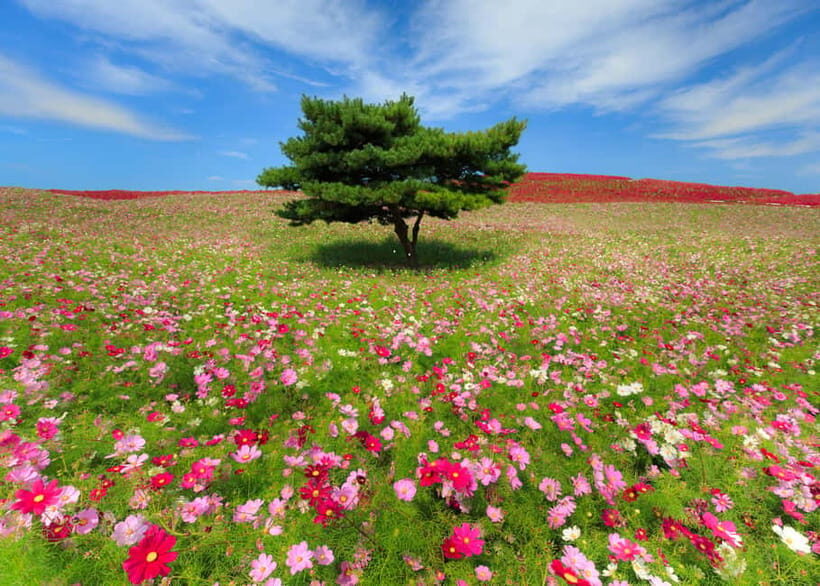
Between the two big parks, you’ll stop at Mibu Service Area at Road Station Mibu (Mibu Michi no Eki). This is a shorter break, around 40 minutes, with photo stop, visit time, and a lunch break included in the itinerary.
Here’s what makes this stop fun: it’s not just food. It’s the chance to browse and grab things that feel like Japan’s roadside culture. You can find different dishes, plus dessert. One review even mentioned meeting Bandai character products or appearances there, which adds a playful extra layer to the pause.
One important budgeting note: the tour data says meals are not included, even though lunch is part of the itinerary schedule. So treat lunch as a chance to buy what you like on-site rather than assuming a set meal is provided for free. If you’re traveling as a group, you’ll also appreciate the quick “everyone eats and meets the timing” rhythm.
This is also the moment to refuel before Ashikaga. Hitachi is all about wide open views and walking. Ashikaga is about dense floral installations and lots of steps through tunnels and paths. You’ll thank yourself for using the Mibu stop to stretch, grab water, and reset.





Ashikaga Flower Park: Great Wisteria Cascades and the White Tunnel
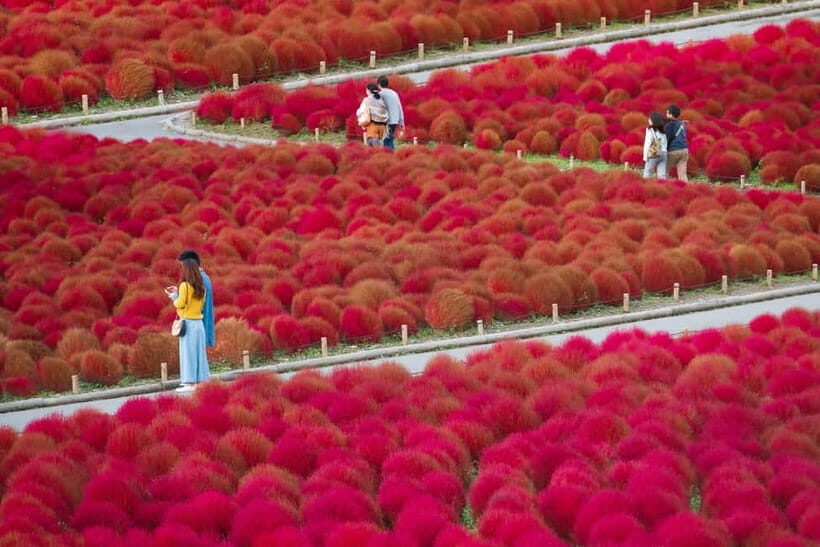
Then comes the showstopper for many people: Ashikaga Flower Park. This is the internationally known spot selected by CNN as one of the world’s dream destinations, famous for its Great Wisteria.
If you like drama in nature, this is your moment. The purple wisteria blooms cascade overhead, described as curtains pouring down from trellises. The visual effect is the kind you want to see in person, because photos flatten the scale.
You also get access to the elegant white wisteria tunnel, stretched about 80 meters. Walking through it feels like stepping into a themed scene. It’s not just pretty. It’s photogenic in a very specific way: repeating arches, soft light, and flower clusters lining your path.
Your time here is about 110 minutes, which is enough for a full walk if you stay moving. But if you’re a slow wanderer, you may feel the squeeze. One review specifically wished for more time at Ashikaga and suggested skipping other stops to extend the flower time. That tells you where the priorities are for most people.
My practical advice:
- Start at the wisteria areas you care about most, not the first corner you see.
- If you want photos without getting stuck in a knot of people, pick times when you’re willing to move closer or step back and reframe.
- Don’t plan on doing everything at full speed. Instead, choose: wide cascades first, tunnel next, then a final loop.
Photo Strategy for Spring Bloom Days (So You Don’t Miss the Best Shots)
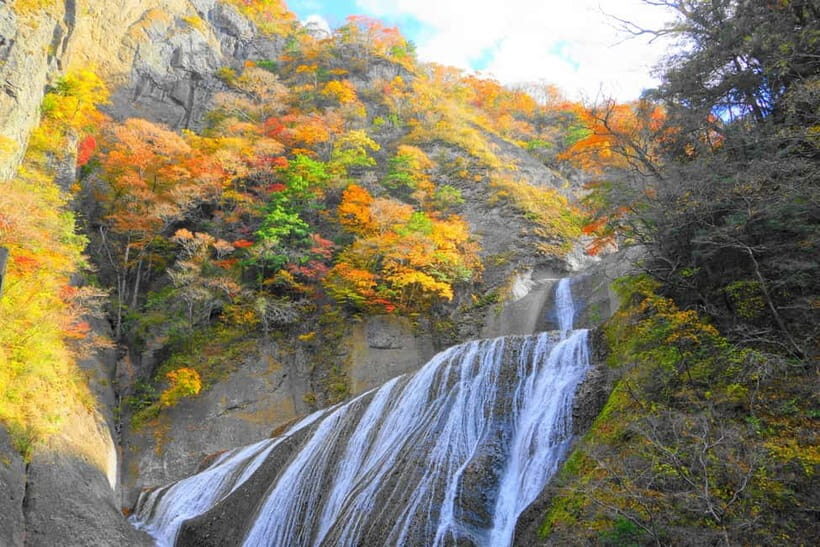
Spring flowers create the same problem every time: you’re surrounded by beauty, and your brain keeps saying wait, I can get one more shot. The schedule gives you free time, but you still have to fit everything into the bus loop.
To keep it fun, I suggest a two-stage approach:
- Stage one: “anchor photos.” Get the big signature shots early, while your energy is high and you’re not thinking about the bus.
- Stage two: “walk and refine.” After you’ve captured your must-have images, slow down and enjoy the details.
For Hitachi, your anchor shots are mostly about the hill slope and the way the nemophila spreads toward ocean and sky. For Ashikaga, anchor shots are the cascading purple trellises and the tunnel perspective.
Also, guides can help you keep momentum without rushing you. In the reviews, guides such as Gilbert, Miss Park, and Miss Kim were described as helpful, efficient, and good at keeping the group moving on time. That matters on a day like this, because you’re relying on timing to make the most of each seasonal window.
Price and Value: What You’re Paying For at $98
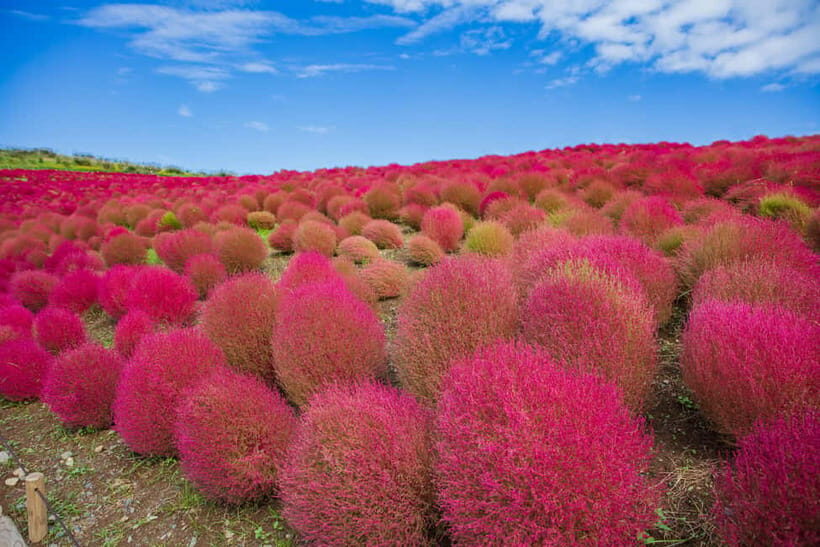
At $98 per person, the big value is that the tour bundles the hardest parts:
- Transportation by bus
- An English & Korean speaking guide
- Admission tickets for the parks
Meals aren’t included per the tour info, so you should budget for your own lunch and snacks. You’ll also want to plan for water and any small personal spending, since those are also not listed as included.
So is $98 “cheap” or “expensive”? It’s more useful to ask: how much would you pay in time and hassle to do this alone? Trying to stitch together buses, tickets, and timing between two far-apart flower parks in one day is exactly where tours save you energy. For a spring day trip with limited window time at each site, that bundled convenience is the real value.
If you’re traveling with someone who also loves flowers and wants to focus on the main sights, this price often feels fair. If you’re a lone traveler who prefers total freedom and longer park time, you might consider whether you’d rather go independently and add an extra day. But as a one-day, “greatest hits” plan, this is strong.
Comfort and Logistics: The Parts That Can Affect Your Experience
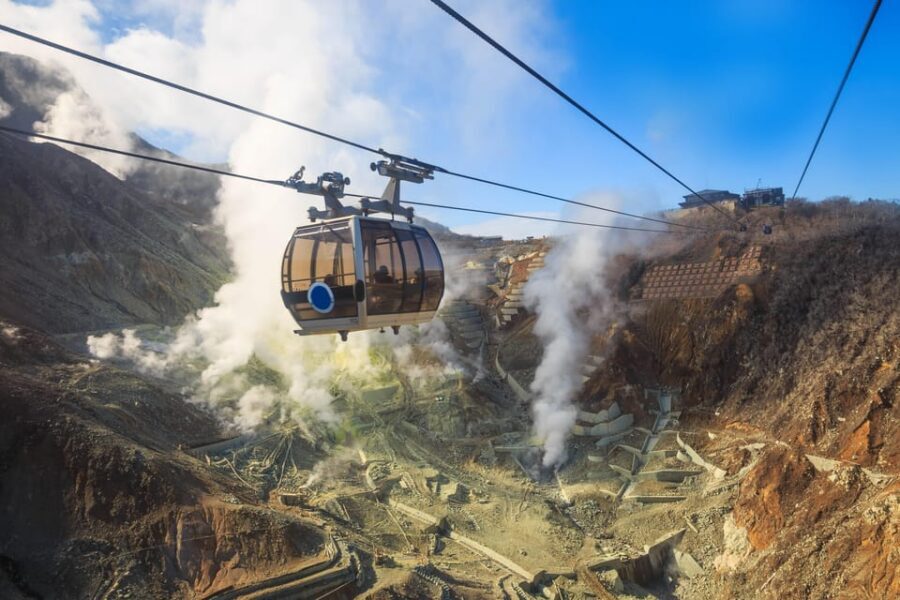
This trip runs on schedules, but spring reality kicks in. Traffic can be heavy, and drop-off can be delayed during peak season. Weather can also change how comfortable the walking feels, especially at the more open Hitachi coastal viewpoints.
There’s also the timing cap on vehicle driving time, so the guide may shift parts of the plan if needed. The tour is built to stay within those rules, which is good news because it means the trip is designed for safety and sanity rather than a perfect theoretical itinerary.
If you’re traveling with a stroller or wheelchair, the tour asks you to inform them. That’s important because park paths and tunnel areas can be more challenging than you’d expect if you’re thinking only about ticketed access.
Infants are free of charge, but there’s no seat available for the infant. That affects how you pack and how comfortable the ride will be.
Who This Tour Fits Best (And Who Might Want Another Plan)
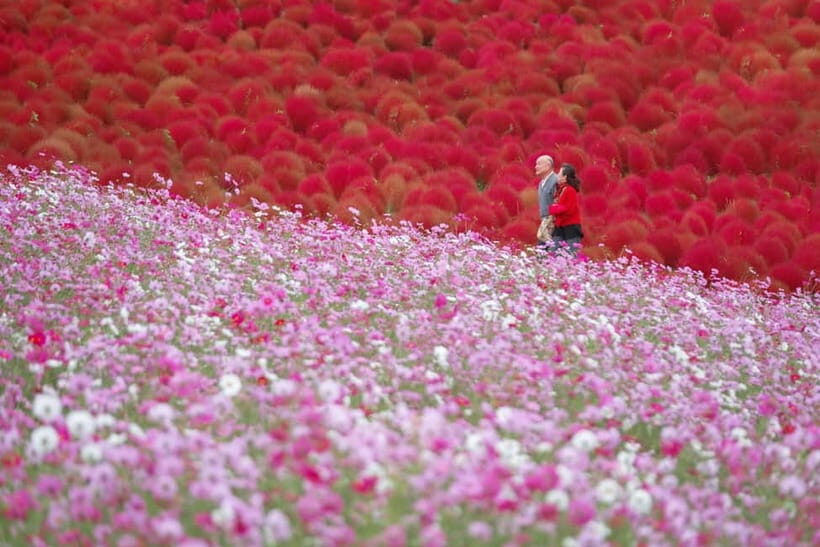
This tour is a good fit for:
- You if you want the two biggest spring flower experiences in Kanto without planning transport.
- You if you’re happy with a “see it all in one day” style rather than a slow, multi-day exploration.
- You if your priority is iconic photos: blue nemophila at Hitachi and wisteria tunnels at Ashikaga.
It’s less ideal if:
- You’re the type who always wants extra time for hiking and long garden wandering. One review wished there was more time for areas with water features and wanted more hiking time. Another review wished they had more time at Ashikaga.
- You dislike group timing. Even with free time, you’re still returning to a bus at set points.
Think of it like this: the tour gives you the highlights with guide support. If you want a slow romance with every path, you’ll likely want to add your own extra time in one place after the tour.
Should You Book This Tour?
If your dream is to see Hitachi Seaside’s blue nemophila and then walk through Ashikaga’s wisteria display, this is one of the most efficient ways to do it from Tokyo. The price works because transportation, tickets, and an English/Korean guide are bundled, and the stops include actual free time rather than just a quick drive-by.
I’d book it if:
- You’re visiting in spring and want those signature bloom moments.
- You’d rather rely on a guide than manage the day alone.
- You like the idea of mixing huge open scenery with dense flower installations.
I’d hesitate if:
- You know you’ll want hours and hours inside Ashikaga or Hitachi with no schedule pressure.
- You’re sensitive to long bus rides or peak-season delays.
FAQ
FAQ
What are the main stops on this tour?
You’ll visit Hitachi Seaside Park (including time around Miharashi Hill), then stop at Road Station Mibu / Mibu Service Area, and finish with Ashikaga Flower Park with its Great Wisteria displays.
How long is the tour?
The duration is listed as 690 to 750 minutes. Exact timing can vary due to weather and traffic.
What time is available at each attraction?
Hitachi Seaside Park has about 2 hours for photo stop, visit, and free time. Mibu Michi no Eki has about 40 minutes. Ashikaga Flower Park has about 110 minutes.
What languages does the guide speak?
The tour includes a live guide who speaks English and Korean.
What is included in the price?
Included are transportation, an English & Korean speaking guide, and admission tickets.
Are meals included?
Meals are listed as not included. The itinerary includes a lunch stop, so you should plan to purchase food during that time.
Where do I meet the tour?
Meeting points may vary by option. One option is Starbucks Coffee near Shinjuku L Tower, and another is Starbucks Coffee at Tokyo Station.
Is there a cancellation deadline?
Yes. You can cancel up to 24 hours in advance for a full refund.
Is pay later available?
Yes. The tour offers Reserve now & pay later, so you can book and pay later.
More Tours in Tokyo

More Tour Reviews in Tokyo



Fresh reviews from around Tokyo






Tours, compared.
 ★ 5.0Shinjuku Food Tour (13 Dishes at 4 Local Eateries)From $866,603 reviews
 ★ 4.4Tokyo Mt Fuji 5th St & Hakone Cruise Bus Tour w/Bullet TrainFrom $1545,024 reviews
 ★ 5.0Flagship 2-Hours Official Street Go-Kart Tour – Tokyo Bay ShopFrom $644,974 reviews
 ★ 4.7Mt. Fuji Tour, Hakone Ropeway, Owakudani, Lake AshiFrom $544,002 reviews
 ★ 5.0Tokyo 6hr Private Tour with Government-Licensed GuideFrom $1553,902 reviews
 ★ 5.0Tokyo Bar Hopping Tour in Shinjuku (All-You-Can-Drink + Dinner)From $1063,587 reviews
 ★ 5.0Tokyo Tsukiji Fish Market Food and Culture Walking TourFrom $993,184 reviews
 ★ 4.9Shinjuku Food Tour (15 Dishes and 4 Eateries)From $852,033 reviews