
Reviewed · WORKSHOPS
Tokyo: Mochi-Making Class in a Private Studio
Tokyo’s mochi is more fun when your hands make it. This class turns a classic Japanese treat into a guided, hands-on workshop where you shape dough, taste what you made, and learn why mochi matters in Japanese culture. I love that you actually produce multiple styles in one sitting, and I also love how the teaching focuses on clear, step-by-step understanding. One consideration: it isn’t suitable for wheelchair users, and the minimum age is 4.
In practice, the experience is built for interaction. With a small group capped at 8 people, you get time to ask questions during the process, then finish with a tasting paired with green tea—hot or cold, depending on what’s offered. You’ll also get a downloadable recipe, so this doesn’t feel like a one-and-done souvenir.
The best part is how personal it can feel. In the reports I read, instructors like Owa, Michiko, Ayumi, and Kiyoko are praised for warmth and strong English (with Japanese support), and Owa is specifically noted for calligraphy, shared during the experience. If you want a Tokyo activity that’s both practical and culturally grounded, this one fits.
In This Review
- Key highlights you will feel right away
- What this Tokyo mochi-making class is really like (beyond the menu)
- Your 2-hour flow: making, shaping, tasting, and taking the recipe home
- 1) Start with mochi basics and cultural context
- 2) Make mochi from scratch (get your hands on it)
- 3) Shape multiple desserts as your 5-moichi “menu” takes form
- 4) Finish with green tea tasting (hot or cold)
- 5) Photo session and downloadable recipe
- Price and value: is $82 a fair trade for 2 hours?
- Who this class suits best (and who should skip it)
- Meeting point you can actually find (and how to enter)
- What you’ll learn from the instructors (the part people rave about)
- The practical stuff to plan for
- Timing and group size
- Dietary needs
- Fruit availability
- Language
- Should you book this Tokyo mochi class?
- FAQ
- How long is the mochi-making class in Tokyo?
- How many types of mochi will I make and taste?
- What do I drink with the mochi tasting?
- Is the experience gluten-free?
- Is there a non-dairy option?
- What is the minimum age to join?
- What languages are used during the class?
- Is the class suitable for wheelchair users?
Key highlights you will feel right away
- Make 5 kinds of mochi from scratch in a 2-hour class, not just watch demonstrations
- Hands-on shaping and touching mochi dough, so you get the real texture and technique
- Small group (max 8) for easier questions and more individual attention
- Tasting paired with green tea (hot or cold) right at the end
- Take-home value: a downloadable recipe plus a photo-taking session
What this Tokyo mochi-making class is really like (beyond the menu)
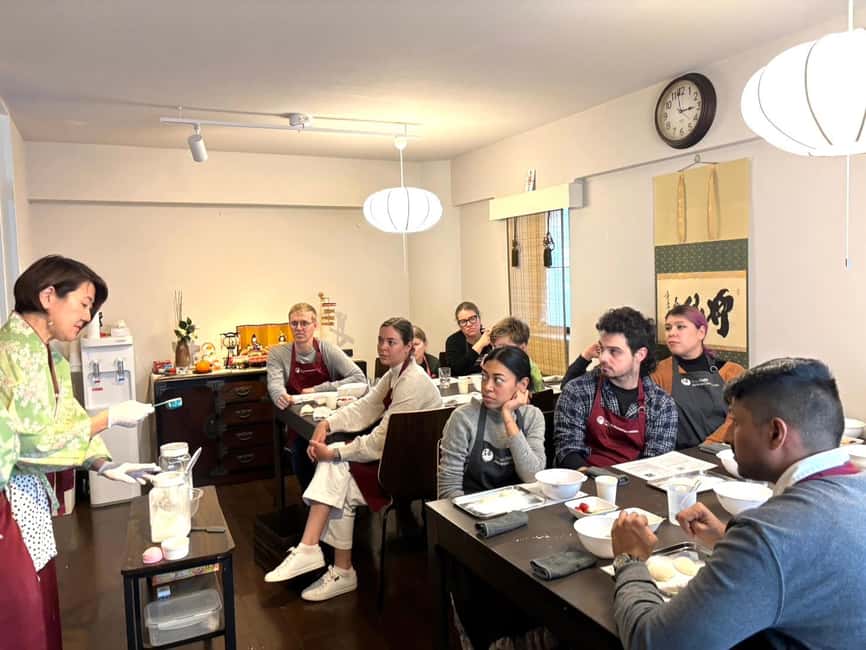
A lot of food classes teach you one thing well. This one gives you a full mini “mochi sampler” you can reproduce later. You start at a calm studio setup, then work through making mochi and turning it into multiple styles. The format matters: it’s highly interactive, so you spend more time doing than waiting.
The class is designed for a wide age range starting at 4 years old, which tells you the instructors plan for manageable steps and short, doable actions. That’s a big deal if you’re traveling with family or just want an activity that doesn’t feel overly technical.
Also, you’re not boxed into one strict flavor path. You’ll taste 5 kinds of mochi dishes created from scratch during the class. If strawberries aren’t available, other fruit is used instead. That swap is practical—so don’t worry if you’re thinking about a specific topping.
Diet matters when you travel. This experience is gluten-free, and a non-dairy option is available. That’s not just a label; it’s the difference between enjoying dessert with confidence versus trying to “guess” what’s safe.
Your 2-hour flow: making, shaping, tasting, and taking the recipe home
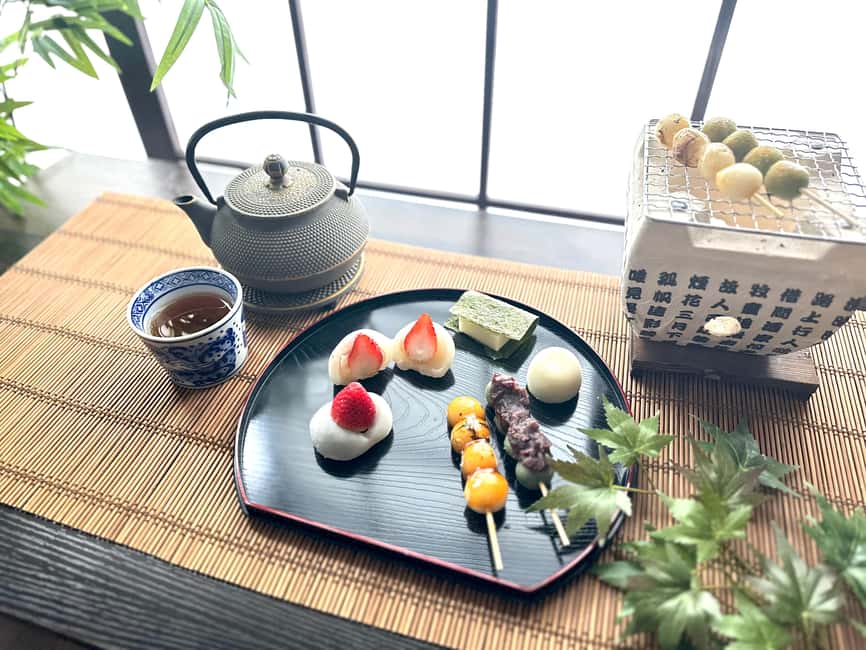
Here’s the rhythm you can expect, in the order that feels most logical for first-timers.
1) Start with mochi basics and cultural context
Before you start shaping, you’ll learn the cultural background of mochi—why it’s a beloved Japanese treat and what to pay attention to as you make it. This matters because mochi isn’t just food here; it’s a symbol of care, tradition, and craft. When someone explains the context alongside the hands-on steps, your brain tags the experience as more meaningful than a cooking demo.
In the best-known feedback, instructors like Michiko are praised for adding personal touches—taking time to listen to why people are in Japan. That kind of connection can change the whole mood of the class from formal to friendly.
2) Make mochi from scratch (get your hands on it)
Then the class moves into the work: making mochi and handling the dough. The description emphasizes touching mochi and shaping it into desserts, and that’s the core of why this class is worth doing.
If you’ve never worked with mochi before, expect the texture to feel different from typical doughs. You’ll be guided through the steps so you don’t need prior experience. The small group size (max 8) helps here: it’s easier for an instructor to spot when your dough is doing something unexpected and correct it fast.
3) Shape multiple desserts as your 5-moichi “menu” takes form
You’ll create 5 kinds of mochi dishes during the 2-hour window. That includes shaping into different forms and preparing your finished treats. Because you do multiple styles, you get a better sense of how flexible mochi can be, not just how it looks as one finished cake.
You’ll also pair your creations with fruit choices as available. Strawberries may be used, but if they’re unavailable, other fruit will take their place. Either way, you’re tasting what’s actually available that day.
4) Finish with green tea tasting (hot or cold)
At the end, you taste the mochi you made along with hot or cold green tea. This part is small, but important. Tea helps reset your palate between bites, and the contrast makes the textures feel more distinct.
Since the class ends with tasting, you don’t have to wait to enjoy your work. You get a clear payoff right away, which is great when you’re spending limited time in Tokyo.
5) Photo session and downloadable recipe
You’ll get a photo-taking session, plus a downloadable recipe so you can recreate the experience at home. For me, the download makes the class feel like an investment instead of a memory you’ll forget in a few weeks.
And if you’ve ever bought a Japanese food souvenir that looked great but didn’t last, this is a better trade: you take skills, not just packaging.
Price and value: is $82 a fair trade for 2 hours?
At $82 per person for a 2-hour class, you’re paying for three things:
1) Instruction time (hands-on coaching for a small group)
2) Ingredients and tasting (you eat what you make, not just sample a tiny bite)
3) Take-home value (downloadable recipe + a photo session)
In Tokyo, “experiences” can be expensive when they’re mostly watching. Here, you’re hands-on the whole time, and you get to taste 5 kinds of mochi you made from scratch. That’s not just one dish; it’s multiple outcomes in one sitting.
If you want one food activity that gives you both a cultural thread and a real skill you can repeat, this price lands in the reasonable-to-good range. If, however, you’re only interested in eating mochi and not learning the process, you’ll probably prefer something simpler. But for a craft-based class, it feels like you’re paying for participation, not just atmosphere.
Who this class suits best (and who should skip it)
This experience is a strong fit if you want:
- a hands-on Tokyo activity with clear steps
- a food experience with a cultural explanation built in
- small-group attention (limited to 8 participants)
- gluten-free dessert options (and non-dairy option)
- a take-home recipe you can actually use
It also seems very workable for families because the minimum age is 4. If you’re traveling with kids, this is one of the better “food craft” options, since it’s designed to be interactive rather than lecture-heavy.
Skip or reconsider if:
- you need wheelchair accessibility (wheelchair users aren’t suitable for this class setup)
- you’re traveling with someone younger than 4
- your group gets stressed by close, shared studio work (it’s a small group by design)
One small rule to note: no smoking is allowed.
Meeting point you can actually find (and how to enter)
This class uses a building entrance that’s a little “local” in how it’s accessed, so I’d treat the first visit like a mini scavenger hunt.
Your cue:
- The building is to the right of a Family Mart convenience store
- On the ground floor, you’ll see a drug store and a hair salon
How to enter:
- Go up the stairs or follow the ramp in front of the sign
- Use the entry keypad and press 303 + enter to get in
That “303” detail is the kind of thing that can save you 10–15 minutes of confusion. If you’re arriving right on time, double-check the building setup before you take your first bite of mochi.
What you’ll learn from the instructors (the part people rave about)
The most praised theme is the teaching style. Multiple instructors are described as thorough, kind, and fluent enough to explain steps clearly in English, with Japanese support. Owa, in particular, is mentioned for calligraphy—so if you’re the type who likes the visual arts side of Japanese culture, that’s a nice extra.
Another standout in the feedback: Michiko is described as giving a fascinating overview of mochi’s history and cultural significance and also taking time to listen to each person’s story. That personal attention can make the class feel like a conversation, not just a production line.
Ayumi and Kiyoko also show up repeatedly in positive notes, with comments centered on unique, memorable instruction and the culture-learning angle. Bottom line: you’re not just getting a technique lesson. You’re getting context plus warmth.
The practical stuff to plan for
Timing and group size
The class lasts 2 hours, and you’ll check availability for starting times. With a small group capped at 8 participants, it should feel more relaxed than larger tours where you constantly wonder if you’re doing it right.
Dietary needs
This experience is gluten-free and includes a non-dairy option. That’s helpful if you have dietary restrictions. If you have allergies beyond those categories, you’ll want to confirm details directly when you book, since the provided info only guarantees the gluten-free and non-dairy availability.
Fruit availability
Strawberries might be replaced by other fruit if they’re unavailable. That’s normal in a real kitchen. If strawberries are a must for you, keep your expectations flexible.
Language
You can expect English and Japanese. That’s useful if you’re comfortable asking questions, and it helps you avoid that awkward moment where you nod along but don’t fully get the step.
Should you book this Tokyo mochi class?
I think you should book it if you want a Tokyo food experience that’s genuinely interactive, not just a tasting. The biggest reasons:
- you make and taste 5 kinds of mochi from scratch
- the class is gluten-free with a non-dairy option
- small-group teaching helps you get it right
- you leave with a downloadable recipe (real value for future you)
- the instructors are consistently praised for clear, warm instruction, with extras like calligraphy and personal cultural context showing up in feedback
I’d pass if you mainly want to eat mochi and you don’t care about technique, because the value is in the process. Also pass if wheelchair accessibility is required.
If you like food craft, short lessons with real results, and a cultural story tied directly to what you’re doing, this is an easy yes for your Tokyo list.
FAQ
How long is the mochi-making class in Tokyo?
The class lasts 2 hours.
How many types of mochi will I make and taste?
You will make and taste 5 kinds of mochi dishes during the class.
What do I drink with the mochi tasting?
You’ll taste your mochi with a cup of hot or cold green tea.
Is the experience gluten-free?
Yes. The experience is gluten-free.
Is there a non-dairy option?
Yes. A non-dairy option is available.
What is the minimum age to join?
The minimum age to enter the class is 4 years old.
What languages are used during the class?
The instructor uses English and Japanese.
Is the class suitable for wheelchair users?
No. It is not suitable for wheelchair users.
Workshops, compared.
 ★ 5.0Sushi Making Tokyo Roll and Authentic Japanese Sushi ClassFrom $593,971 reviews
 ★ 5.0Tokyo Shinjuku Chopsticks Making ClassFrom $201,763 reviews
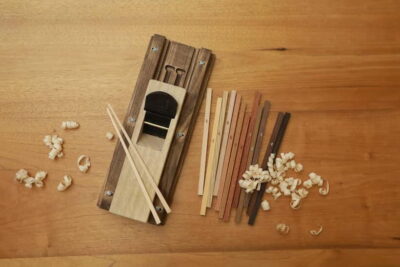 ★ 4.8Chopstick Making Workshop in GinzaFrom $251,366 reviews
 ★ 5.0Tokyo Sushi Making Class in Tsukiji with Professional ChefFrom $491,177 reviews
 ★ 5.0Ramen & Gyoza Cooking Class in Tokyo with Local Supermarket VisitFrom $122823 reviews
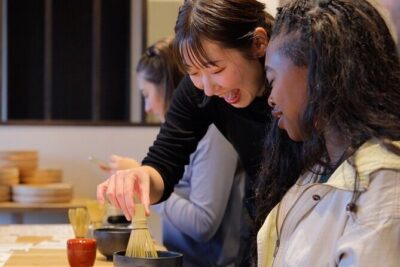 ★ 5.0Matcha Making Class in Tokyo with Authentic Japanese Sweets SetFrom $21744 reviews
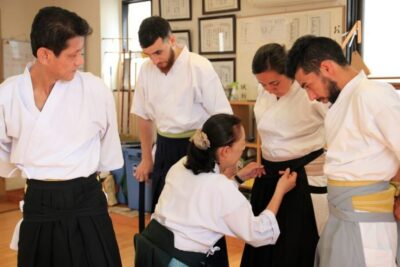 ★ 5.0Samurai Sword & Archery Class from Samurai DescendantFrom $193603 reviews
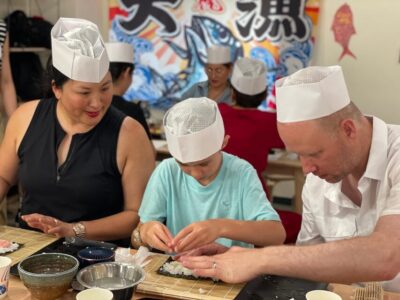 ★ 4.9Tsukiji Fish Market Sushi Making Class with Pro ChefFrom $63506 reviews
Browse the lists this tour appears in