
Reviewed · KICHIJOJI TOURS
Tokyo Kichijoji Twilight: Explore Instagram-Worthy Hidden Spots
Kichijoji looks different after sunset. This 2-hour twilight walk is built for easy, photo-ready moments as Musashino’s neighborhood shifts from day errands to lantern light. I especially like how the route mixes nature (Inokashira Park) with street scenes around Kichijoji Station and ends in retro Harmonica Yokocho.
You’ll also get a human guide, and in small groups (max 6) that means you can actually ask questions while you’re moving. One thing to consider: it’s a walking tour, so comfy shoes matter, and the 2 hours can feel fast if you stop often to shoot.
In This Review
- Key highlights (what you’ll remember)
- Kichijoji at 5 p.m.: why twilight changes everything
- Meeting at Atre Kichijoji: the fast, simple start
- Inokashira Onshi Park: shooting pond reflections before dark
- Kichijoji Station south exit: neon signs and real street motion
- Uniqlo Kichijoji: an underrated place for architecture photos
- Tokyu Department Store rooftop garden: calm city views above the noise
- Lively streets for candid shots: storefront details at night
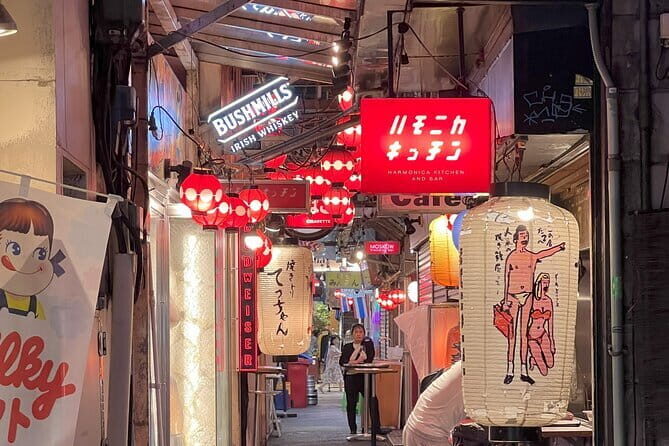
- Hamonika Yokocho at the end: lantern-lit alley dinner vibes
- Price and value: what $39.02 buys you in real time
- Who this tour is best for (and who should skip it)
- A practical photo mindset for this route
- Should you book Tokyo Kichijoji Twilight?
Key highlights (what you’ll remember)
- Inokashira Onshi Park at sunset: pond reflections for clean framing
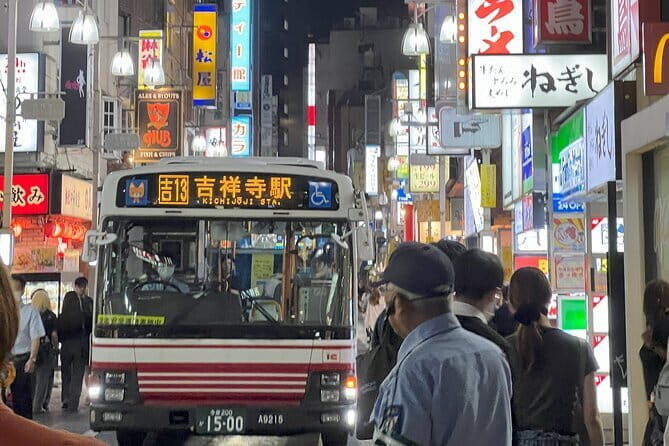
- Kichijoji Station south exit neon: practical street shots as people move
- Tokyu rooftop garden views: calmer skyline moments above the crowds
- Uniqlo Kichijoji photo angles: modern architecture with everyday vibes
- Hamonika Yokocho after dark: lantern-lit alley atmosphere for night photos
Before you commit, see how this one stacks up against a few Musashino favourites:
- Small Town in the Big City: Tasting Tokyo’s Kichijoji★ 5.0 · 195 reviews
- The 10 Tastings of Tokyo With Locals: Private Street Food Tour★ 5.0 · 48 reviews
- EXCLUSIVE Tokyo Secret: Kichijoji Small-Group Food & Bar Hopping★ 5.0 · 29 reviews
Kichijoji at 5 p.m.: why twilight changes everything
Tokyo is famous for big sights, but Kichijoji has a slower rhythm. By late afternoon, Inokashira Park starts to glow. Streetlights kick in, storefronts get warmer, and your photos go from flat to dimensional.
This tour starts at 5:00 pm, which is a smart window. You get that overlap where the sky still has color, but the neighborhood is already turning on its lights. That timing makes it easier to get both sunset and night shots without racing around.
And Kichijoji is laid out for walking. You’re moving between recognizable hubs and short segments of streets where details pop: signboards, shop displays, alley texture, and people doing normal life.
Meeting at Atre Kichijoji: the fast, simple start
You meet at les mille feuilles de liberte Atre Kichijōji, inside Atre Kichijōji (1F) near Kichijoji Station. It’s a helpful meeting spot because it’s easy to find when you’re navigating train exits and entrances.
The tour ends at Hamonika Yokocho, so your evening naturally continues there. If you want dinner, that’s convenient. If you want more wandering, you’ll already be in the right zone.
Since the group is capped at 6, the pace stays manageable. Still, it’s a 2-hour walk, so plan for it like a light evening hike through town—not a long sit-down sightseeing loop.
Inokashira Onshi Park: shooting pond reflections before dark
Your first stop is Inokashira Onshi Park, specifically the area around Inokashira Pond. This is where the whole tone of the tour clicks. Instead of chasing buildings, you’re looking for reflections, color shifts, and quiet angles you can compose quickly.
This park works year-round. If you’re there in autumn, you might catch foliage color. In spring, cherry blossoms are a possibility. Even if the weather isn’t perfect, you still get the big reward: water reflections near sunset.
Practical tip: move before you shoot. The guide’s job here is to steer you toward angles where the reflection lines up and you’re not stuck photographing random edges. If you’ve ever taken a great sunset photo that was ruined by a distracting dark spot in the corner, this kind of “where to stand” coaching helps a lot.
A small consideration: this stop is about 40 minutes, so you’ll be rotating between a few key spots rather than spending a whole afternoon. Bring a light patience mindset, then use your time for the shots you actually want.
Kichijoji Station south exit: neon signs and real street motion

Next up is the area around Kichijōji Station, near the south exit. This part is less about landscapes and more about street energy—passing buses, storefront signs, and the flow of people cutting through evening.
For photography, station-adjacent streets are gold because you get layered lighting. Neon signs, overhead lamps, and shop lights are usually in different colors and brightness levels. That variety makes it easier to create images with depth rather than a flat blur of brightness.
In this segment, the guide helps you move through the right corridors at the right moment. One review highlighted how a guide’s history and humor added fun while walking—exactly the kind of energy that keeps you engaged when you’re doing a lot of short photo stops.
This is also where you’ll feel the contrast with the park. In the park you slow down. Here you catch timing and movement.

Uniqlo Kichijoji: an underrated place for architecture photos
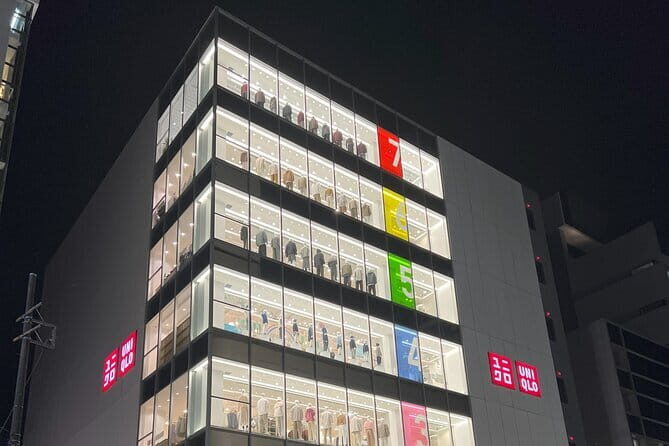
You’ll also check out a large Uniqlo store in Kichijoji. This is a clever stop because it uses a familiar brand to teach you something new: how to spot clean lines and angles in everyday buildings.
You may have seen the famous Ginza flagship, but this location can be more interesting for photo practice. You’re likely to find different viewpoints and a more neighborhood-scale feel. In other words, it can help your photos look less like postcards from major shopping districts.
Practical tip: treat this as a quick “geometry reset.” If your earlier shots are all about water reflections and sky color, using a simple facade and storefront lighting here can give your set of photos a totally different mood.
A small note: because it’s a store, you’ll still be sharing space with shoppers. Keep your gear movement tidy, and don’t block doorways while you shoot.
Tokyu Department Store rooftop garden: calm city views above the noise
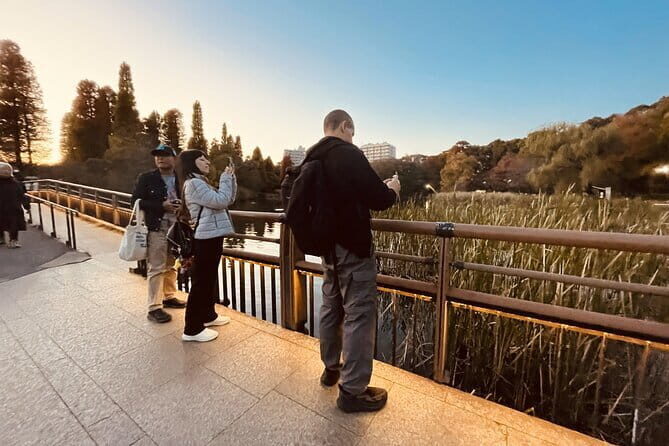
Then you head to Tokyu Department Store Kichijoji and its rooftop garden. This is one of those rare photo moments where you get a breather during a walking tour.
From the rooftop, you can work on night views with less clutter. City light patterns look cleaner up there. The greenery also softens the scene, so your images can feel cozy instead of purely urban.
This stop is short—about 10 minutes—so go in with a plan. Pick one or two directions to shoot, then adjust quickly. If you’re the type who loves long photo sessions, this might feel like “too short,” but it’s often perfect for staying on schedule and still getting the shot.
In the same review set, people praised how guides recommended good places for photos and dinner. Rooftops are especially good for helping you reset after a busy street segment.
Lively streets for candid shots: storefront details at night
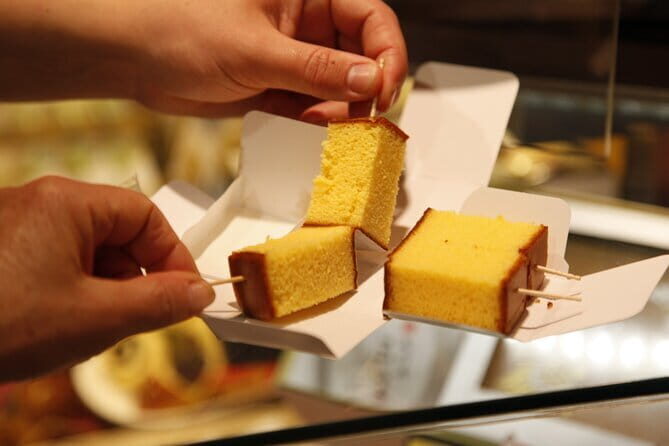
Between the rooftop and the final alley, you’ll stroll along a lively street lined with shops, cafes, and restaurants. This is where Kichijoji shows its neighborhood personality.
Street photography gets better when you focus on small stuff: a colorful storefront, seasonal decorations, interesting signage, and the rhythm of what’s open at night. Even if you’re not trying to photograph people directly, you’ll capture the “day-to-night shift” by photographing the lighting and window displays.
I like this part because it’s flexible. If you’ve been busy shooting park reflections, rooftops, and station signs, this segment lets you build variety. If you don’t want to shoot, it’s still fun for walking and getting your bearings.
One consideration: this isn’t a slow wander with long rest breaks. You’ll want to stay close to the group so the guide can lead you to the best corners without backtracking.
Hamonika Yokocho at the end: lantern-lit alley dinner vibes

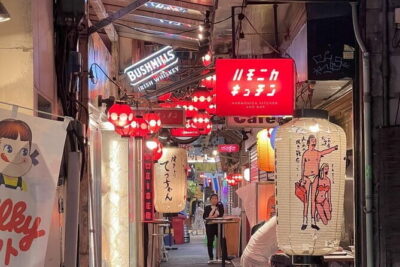
The tour finishes at Hamonika Yokocho, a retro alley known for glowing lanterns, cozy izakayas, and colorful shops. Ending here makes sense. After a photo-focused walk, you can switch gears instantly to dinner and a second round of exploring.
For photos, narrow alleys at night are ideal because you get light sources that create a natural frame. You don’t need complicated settings as much as you need good positioning. The alley feel also helps your images look like Kichijoji, not just another Tokyo shopping street.
You’ll be done after about 20 minutes at the alley. That’s enough to capture the vibe and pick a restaurant if you want. One of the tour notes says the provider can recommend or accompany you to a local restaurant after the tour, with an additional fee if you want that help.
If you’re hungry, this is the time to plan. Don’t leave right away unless you’re sure you’ve got dinner handled. Hamonika Yokocho is exactly the sort of place where you’ll wish you had 30 minutes more if you rush off.
Price and value: what $39.02 buys you in real time
The price is $39.02 per person for about 2 hours, and it includes a professional guide plus a walking tour. For a city like Tokyo, that’s a fair trade when the guide is actually shaping your experience—especially for photo stops.
Here’s what you’re paying for:
- Timing help (sunset-to-night transition)
- Routing help (staying in the best areas without wasting time)
- Photo guidance (where to stand, what to look for)
- Local context (guides like Suzuki added history and humor in one of the experiences shared)
Also, the group size is small, up to 6 travelers. That matters more than it sounds. In larger groups, photo stops turn into crowd management. Here, you can usually move at a pace that works for both shooting and walking.
Mobile ticket is included, which cuts down on fuss. And since admission at the stops is listed as free, you’re not paying extra entrance fees as you go.
The only “value risk” is your own photo style. If you’re the type who likes to linger for long sessions, a 2-hour format can feel tight. But if you want a guided set of shots plus a ready-made dinner plan, it’s a strong use of time.
Who this tour is best for (and who should skip it)
I think this tour fits best if you want:
- Night photos in a real neighborhood, not just famous landmarks
- A guided route that covers both parks and streets
- A small-group pace where you can ask questions
- An easy plan for dinner right after
It’s also a good pick if you’re new to Tokyo. The area is walkable and easier to understand with a guide pointing out practical details.
You might not love it if:
- You hate walking or you need lots of rest breaks
- You want only one big photo subject and don’t like moving between multiple spots
- You expect long, slow time in each location
If you’re staying near Kichijoji or you’re specifically here for shopping and street culture, this is a sensible way to spend a night.
A practical photo mindset for this route
You don’t need fancy gear to get good results. What you do need is a simple approach:
- Start wide at the park, then switch to reflections and details as the light changes
- In the station area, aim for layered lighting: sign + street + movement
- Use the rooftop garden to reset your composition with skyline light patterns
- In the alley, shoot for mood first, then refine angles
Also, wear shoes you can walk in for 2 hours. This tour doesn’t do a lot of long pauses. If you want to shoot a lot, pace yourself so you don’t burn your energy half-way through.
Should you book Tokyo Kichijoji Twilight?
I’d book it if you want a guided way to get Inokashira Park sunset-to-night photos plus a fun ending in Hamonika Yokocho, all in a compact 2-hour format. The small group size, mobile ticket convenience, and mix of park, station streets, rooftop views, and alley lighting make it a strong value for the time.
Skip it if you’re looking for a slow, museum-style tour or you want to stay in one place for a long time. In that case, you’d probably do better with a self-guided evening plan so you can linger.
If you want an organized path through Kichijoji’s night atmosphere, this one is built for exactly that.
More Tour Reviews in Musashino

Fresh reviews from around Musashino
Kichijoji Tours, compared.
 ★ 5.0Small Town in the Big City: Tasting Tokyo’s KichijojiFrom $195195 reviews
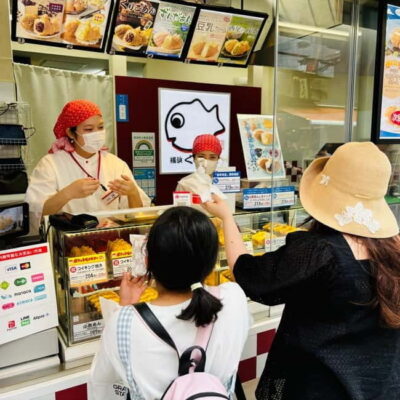 ★ 4.6Kichijoji Walking Tour with Local GuideFrom $88164 reviews
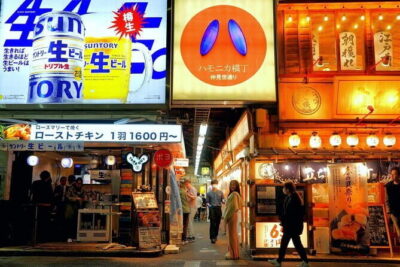 ★ 5.0EXCLUSIVE Tokyo Secret: Kichijoji Small-Group Food & Bar HoppingFrom $10529 reviews
★ 5.0Small Town in the Big City: Tasting Tokyo’s KichijojiFrom $19516 reviews
★ 5.0EXCLUSIVE Tokyo Secret: Kichijoji Small-Group Food & Bar HoppingFrom $10529 reviews
★ 5.0Small Town in the Big City: Tasting Tokyo’s KichijojiFrom $19516 reviews
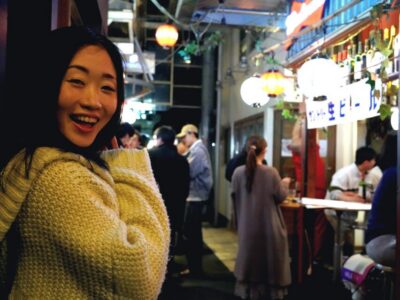 ★ 5.0EXCLUSIVE Tokyo: Kichijoji Small-Group Food & Bar HoppingFrom $1095 reviews
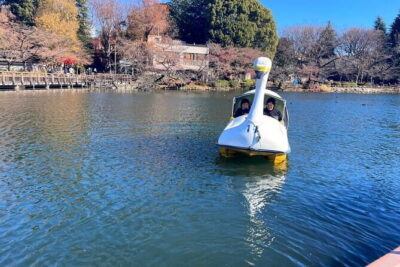 ★ 4.5Tokyo Kichijoji 4hr Private Tour: Fun for Kids and ParentsFrom $2143 reviews
 ★ 5.0Experience Mikoshi Parade in Kichijoji, Tokyo!From $393 reviews
Browse the lists this tour appears in