
Reviewed · KICHIJOJI TOURS
Experience Mikoshi Parade in Kichijoji, Tokyo!
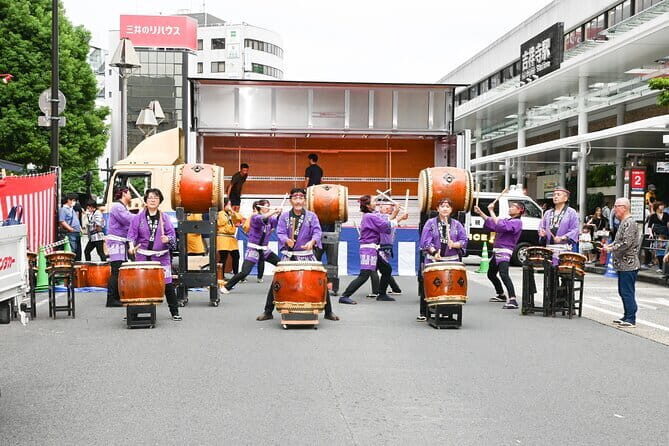
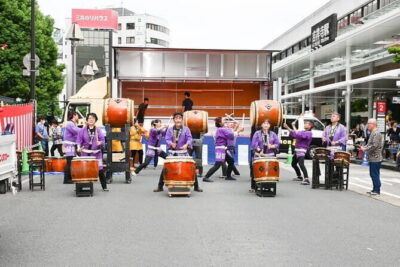
Strange, loud, and deeply moving. Kichijoji’s Autumn Festival turns everyday streets into a mikoshi parade show, with up to 11 portable shrines moving as one. It’s in Musashino, just a short train ride from Shibuya or Shinjuku, and a great way to add something cultural right after Inokashira Park.
I especially like the “do it, don’t just watch it” side. On Sept 12, you can join locals as a mikoshi carrier and wear a hanten festival jacket while you’re out on Kichijoji’s main shopping street. I also like the added meaning: the guide explains what’s behind the festival, and names like Mr Yamamoto and Kate come up for their kind, hands-on support.
One thing to plan around: this is weather-dependent. If conditions aren’t right, the event may switch dates or be refunded, so you should keep your schedule flexible in early September.
In This Review
- Key things to know before you go
- Kichijoji’s Mikoshi Parade: what you’re actually stepping into
- Price and value for a 2-hour private festival outing
- Meeting point, timing, and the easiest way to build a day in Kichijoji
- Stop 1: Kichijoji Daiyagai and the hanten jacket carrier moment (Sept 12)
- Stop 2: Musashino Hachimangu shrine, history, and the mikoshi gathering (Sept 13)
- How the guides actually help: Mr Yamamoto and Kate’s hands-on support
- What to bring and how to handle festival conditions
- How to choose between Sept 12 and Sept 13
- Who this Kichijoji mikoshi parade tour suits best
- Should you book the Kichijoji mikoshi parade experience?
- FAQ
- What days does the Mikoshi Parade in Kichijoji run?
- How long is the tour?
- How much does it cost?
- Where does the tour meet?
- Is the tour private?
- What is included in the tour price?
- Are snacks included?
- Can I carry a mikoshi?
- What happens on September 13?
- When will I receive confirmation after booking?
- What if the weather is bad?
Key things to know before you go
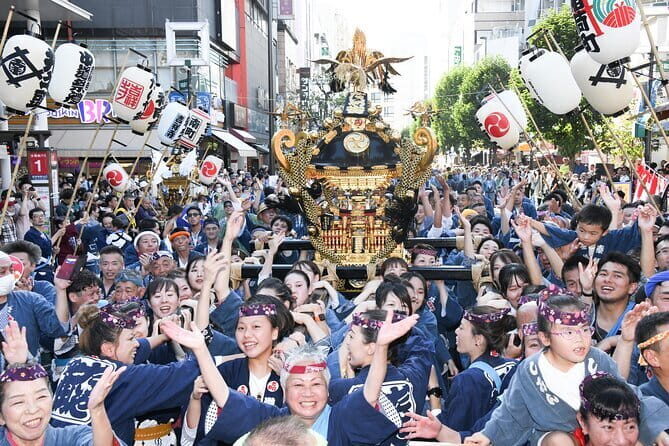
- Up to 11 mikoshi together: one from Musashino Hachimangu plus ten from the town’s districts
- Two different days, two different highlights: carry on Sept 12, shrine + mikoshi gathering on Sept 13
- Kichijoji Daiyagai is the action zone: you’ll feel the festival rhythm on a major shopping street
- Musashino Hachimangu sets the story: an 8th-century shrine with roots tied to Edo rebuilding
- Private group feel: only your group joins, and you get a professional guide
- No snacks included: plan water and light food timing before you meet
Before you commit, see how this one stacks up against a few Musashino favourites:
- Small Town in the Big City: Tasting Tokyo’s Kichijoji★ 5.0 · 195 reviews
- The 10 Tastings of Tokyo With Locals: Private Street Food Tour★ 5.0 · 48 reviews
- EXCLUSIVE Tokyo Secret: Kichijoji Small-Group Food & Bar Hopping★ 5.0 · 29 reviews
Kichijoji’s Mikoshi Parade: what you’re actually stepping into
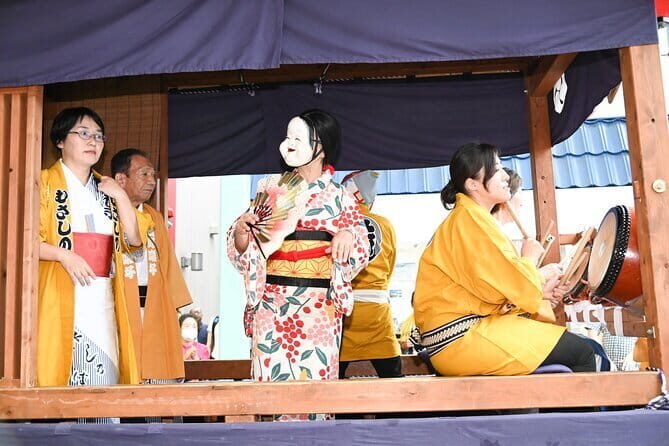
A mikoshi parade is one of those festival experiences where the details matter. You’re not watching a single float glide past. You’re seeing portable shrines—mikoshi—carried by teams, with their own style of chanting and celebration. And in Kichijoji, that variety matters because you can see mikoshi from multiple parts of the town.
The festival structure is simple but powerful. You’ll see multiple mikoshi groups moving through the streets, and then, for the big moment, the mikoshi come together for a single performance full of energy. That “separate groups becoming one” is the point where it clicks: this isn’t just pageantry. It’s community coordination, faith, and pride—played out in street-level motion.
And Kichijoji is the right place for it. This is a town that feels normal until it suddenly doesn’t. Shopping streets turn into festival lanes. People who look like they’re just out for the evening become carriers, chant leaders, and helpers in seconds. If you like Japan for its everyday details, this is Japan with the volume turned way up.
Price and value for a 2-hour private festival outing
At $39.02 per person for about 2 hours, the price can look small compared to bigger-day sightseeing tours. That’s because you’re paying for the right kind of help: a professional guide and a route that puts you where the action concentrates.
You’re also getting value in the planning simplicity. The tour uses a mobile ticket, so you’re not dealing with paper vouchers. Admission for the stops is free, so you aren’t layering on extra shrine or event fees on top of the base cost.
One more value point: it’s private, meaning only your group participates. That matters when you’re in a crowded street setting. You’ll have more room to ask questions and get practical instructions instead of being shoved into a big public scramble.
The only “cost” I’d watch for is your own timing. The parade happens in mid-afternoon (starting at 3:00 pm), so you might need to move dinner plans accordingly. Also, snacks aren’t included, so you’ll want to cover your own energy.
Meeting point, timing, and the easiest way to build a day in Kichijoji
The experience starts at 1-chōme-1-24 Kichijōji Minamichō, Musashino, Tokyo 180-0003. It ends back at the same place, so you don’t need to solve a complicated end-of-tour logistics puzzle.
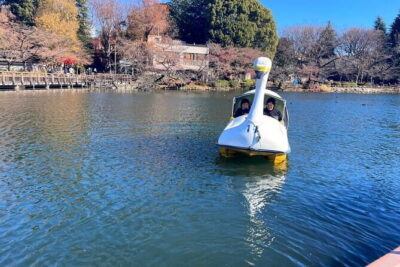
Kichijoji itself is easy to reach. It’s about 15 minutes by train from Shibuya or Shinjuku, which makes it a realistic add-on rather than a whole-day commitment. It also pairs nicely with Inokashira Park, since you can go from calm (pond-side strolling) to loud (mikoshi movement) without fighting your schedule.
Timing wise, the tour is built around the festival’s peak activity window. You’ll be out in the streets in the late afternoon when families and locals are ready to participate. That means you should arrive a few minutes early—not because you’ll be rushed, but because the festival rhythm starts quickly once you’re in the action zone.
Stop 1: Kichijoji Daiyagai and the hanten jacket carrier moment (Sept 12)
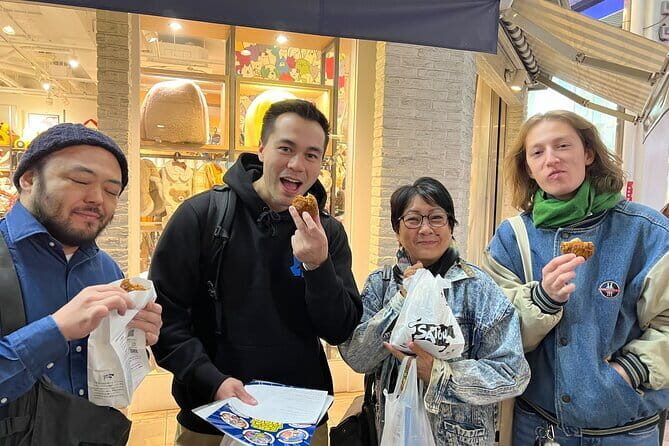
This is where the festival becomes personal.
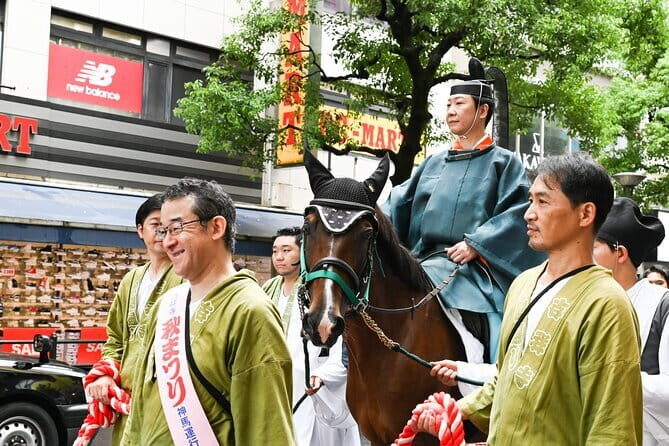
Kichijoji Daiyagai is one of Kichijoji’s major shopping streets, and on Sept 12 it becomes the heart of the event. From 3:00 pm to 6:00 pm, you join the town’s celebration as a mikoshi carrier experience, supported by your guide.
The standout detail here is the hanten festival jacket. It’s not just a costume idea—it’s a signal that you’re stepping into the group role, not acting like a distant spectator. Once you’re in that mode, you’ll follow the flow: movement, chant rhythm, and the back-and-forth timing that keeps the mikoshi teams coordinated on a street that’s meant for everyday walking and shopping.
What I like about this stop is the “permission to participate” feeling. The guide’s job isn’t only storytelling; it’s helping you fit into how locals carry and celebrate. In one of the experiences shared by the staff, Mr Yamamoto is described as kind and supportive in letting someone join the carrier side. That spirit matters. If you show up unsure, you still have a path to meaningfully take part.
Possible drawback to consider: carrying is part of the point on Sept 12. Even though the tour says most travelers can participate, this isn’t a sit-and-watch show. You’ll be on your feet and moving with instructions, so wear footwear you trust and be ready for late-afternoon standing.

Stop 2: Musashino Hachimangu shrine, history, and the mikoshi gathering (Sept 13)
Sept 13 shifts the focus from hands-on carrying to story + the big combined performance.
You’ll visit Musashino Hachimangu, a guardian shrine with roots reaching back to the 8th century. The shrine’s importance is tied to how the town formed around it. After the Great Meireki Fire in the 17th century, people rebuilt their lives in the area, and the community took shape around the shrine. Today, locals visit for New Year’s celebrations, festivals, and family events.
On Sept 13, you’ll spend time at the shrine from 3:00 pm to 5:00 pm, including guided context about the festival and the town’s relationship to the shrine. Then comes the payoff: you stroll through the town in festival spirit and watch the demonstration where all the mikoshi come together for the highlight performance.
This stop is short, but it’s designed. A 20-minute shrine visit can sound quick on paper, yet it works because it gives you the “why” right before you see the “what.” When you understand the shrine’s role in the community, the later mikoshi gathering feels less like a spectacle and more like a coordinated act of local identity.
One thing to keep in mind: the Sept 13 highlight depends on timing and the street demonstration. You’ll want to stay close to the group and follow your guide’s direction so you’re in a good viewing spot when the mikoshi meet.
How the guides actually help: Mr Yamamoto and Kate’s hands-on support

In festival settings, a guide’s value shows up in small moments: when you’re waiting, when you’re trying to understand where to stand, and when you’re not sure what you should do next.
Here, support seems to be a big deal. One experience credits Mr Yamamoto as kind and willing to help someone join the carrying side. Another experience highlights Kate as helpful with pre-day questions and calm support on the day itself.
I love this approach because it reduces the main festival anxiety: Will I slow the group down? Will I feel lost? The goal of the guide isn’t to perform the festival for you. It’s to translate the rules of participation—how to carry, how to watch, when to move—so you can take part without turning the moment into awkward guessing.
If you like getting practical context (not just background lectures), this tour fits that style. You’ll be learning the stories behind the traditions while walking Kichijoji’s streets—so the cultural meaning stays attached to what you’re seeing in real time.
What to bring and how to handle festival conditions
This experience requires good weather. If it’s canceled due to poor conditions, you’ll be offered a different date or a full refund. Since early September can be changeable, it’s smart to be ready for that reality.
Pack like you’re in a moving street crowd, not a museum:
- Bring your own snacks or plan a snack break before you meet, since snacks aren’t included
- Wear comfortable shoes for walking and standing on a busy shopping street
- Have a plan for rain if weather threatens, because the event does depend on conditions
Also, confirmations are handled within 48 hours of booking, subject to availability. If you’re pairing this with other plans, check your confirmation window so you’re not stuck adjusting at the last moment.
How to choose between Sept 12 and Sept 13
This is the decision that matters most.
Choose Sept 12 if you want to actively carry a mikoshi. It’s built for participation: hanten jacket, street action, and that hands-on moment where you become part of the rhythm with locals.
Choose Sept 13 if you want the shrine context and the big combined gathering highlight. You’ll get the Musashino Hachimangu story—8th-century roots, the Great Meireki Fire rebuilding connection, and how the town’s faith shows up in festival days—then you’ll watch the mikoshi come together as one demonstration.
If you’re short on time and only want one day, pick based on your comfort level. Carrying is meaningful, but it’s still active. Shrine + gathering is still exciting; it just trades participation for guided meaning and focused viewing.
Who this Kichijoji mikoshi parade tour suits best
This tour is a strong fit if you want:
- A festival experience you can understand quickly because the guide explains the tradition while you’re seeing it
- A chance to interact with the event beyond photos and video
- A practical half-day in a town that’s easy to reach from central Tokyo
It also makes sense if you’re traveling with a small group. Private tour format means less friction, more chance for questions, and a smoother experience in tight streets.
If you’re the kind of traveler who loves Japan’s public rituals—New Year shrine vibes, community chants, shared roles—you’ll probably enjoy this a lot.
Should you book the Kichijoji mikoshi parade experience?
Yes, if you want a real community festival moment in a manageable time window.
Book it if:
- You’re in Tokyo around Sept 12 or 13 and you like festivals that are about participation
- You want a guided route that places you in the heart of the action on Kichijoji Daiyagai
- You care about understanding the why behind what you’re seeing at Musashino Hachimangu
Skip it (or at least think hard) if:
- Your schedule is strict and you can’t handle weather-related changes
- You hate standing and moving with a group in a crowded street setting
- You’re looking only for passive sightseeing
Given the mix of carrier participation on Sept 12, shrine context and the mikoshi gathering highlight on Sept 13, and the fact that admission is free at the stops, it’s good value for what you get.
FAQ
What days does the Mikoshi Parade in Kichijoji run?
It runs on September 12 and September 13, as part of the Kichijoji Autumn Festival.
How long is the tour?
The duration is about 2 hours.
How much does it cost?
The price is $39.02 per person.
Where does the tour meet?
The meeting point is at 1-chōme-1-24 Kichijōji Minamichō, Musashino, Tokyo 180-0003, Japan.
Is the tour private?
Yes. Only your group will participate.
What is included in the tour price?
You get a professional guide. Admission at the stops is free, and the tour uses a mobile ticket.
Are snacks included?
No. Snacks are not included.
Can I carry a mikoshi?
On September 12, you can carry a mikoshi alongside locals as part of the experience.
What happens on September 13?
On September 13, you visit Musashino Hachimangu to learn about its history and the festival, then you stroll through the town and watch the mikoshi demonstration together.
When will I receive confirmation after booking?
You receive confirmation within 48 hours of booking, subject to availability.
What if the weather is bad?
The experience requires good weather. If it’s canceled due to poor weather, you’ll be offered a different date or a full refund.
More Tour Reviews in Musashino

Fresh reviews from around Musashino

Kichijoji Tours, compared.
 ★ 5.0Small Town in the Big City: Tasting Tokyo’s KichijojiFrom $195195 reviews
 ★ 4.6Kichijoji Walking Tour with Local GuideFrom $88164 reviews
 ★ 5.0EXCLUSIVE Tokyo Secret: Kichijoji Small-Group Food & Bar HoppingFrom $10529 reviews
★ 5.0Small Town in the Big City: Tasting Tokyo’s KichijojiFrom $19516 reviews
★ 5.0EXCLUSIVE Tokyo Secret: Kichijoji Small-Group Food & Bar HoppingFrom $10529 reviews
★ 5.0Small Town in the Big City: Tasting Tokyo’s KichijojiFrom $19516 reviews
 ★ 5.0EXCLUSIVE Tokyo: Kichijoji Small-Group Food & Bar HoppingFrom $1095 reviews
 ★ 5.0Tokyo Kichijoji Twilight: Explore Instagram-Worthy Hidden SpotsFrom $394 reviews
 ★ 4.5Tokyo Kichijoji 4hr Private Tour: Fun for Kids and ParentsFrom $2143 reviews
Browse the lists this tour appears in