
Reviewed · TOURS
Tokyo Full Course Tour: Explore 15 Must-See Sights & Hidden Gems
Tokyo can feel like a puzzle with a thousand pieces.
This full-day, small-group route is a practical way to connect the dots: 15 stops across classic landmarks and everyday neighborhoods, paced so you can actually enjoy the places (not just sprint through them). You’ll get explanations that tie Japanese history and culture to what you’re seeing, and you’ll also get a chance to sample sushi and end the day with drinks at an izakaya-style stop.
I especially like the focus on a local guide and the small group size (max 5 travelers). That setup usually means fewer lost-person moments, more time to ask questions, and a smoother rhythm when you switch between walking and metro.
One thing to plan for: it’s a long day (about 10 hours), and the tour is strict about timing. It also doesn’t include transportation or meals, so you’ll want cash ready and a transit IC card like Suica or PASMO.
In This Review
- Key things I’d circle before you go
- Why this 10-hour, 15-stop Tokyo day works
- Getting from Yoyogi to Asakusa without losing your mind
- Stop by stop: what each part of the day gives you
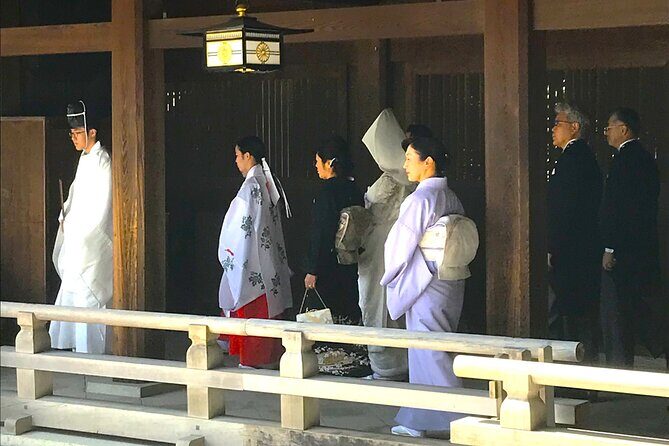
- Meiji Jingu Shrine: a calm start before the city noise
- Harajuku fashion street: where Tokyo shows its playful side
- Hachiko and Shibuya Crossing: one area, two icons
- Tsukiji Hongwanji Temple: tradition at the edge of a food world
- Tsukiji Fish Market: your built-in food highlight
- Imperial Palace (outside) and Marunouchi: Tokyo’s formal, business-facing side
- Tokyo Station Marunouchi Ekimae Hiroba: a transit landmark moment
- Akihabara: tech and pop-culture energy on the clock
- Ueno Park and Ameyoko: green air then market street reality
- Asakusa Higashi Hongan-ji Temple and Asakusa Shrine: the finale with atmosphere
- Your guide and the cultural story thread
- Food and drinks: sushi lunch plus izakaya time (and what to budget)
- Transportation IC cards and the walking pace reality check
- Group size and the kind of traveler it suits
- Quick value check: is $104.34 a smart deal?
- Should you book this Tokyo full-course tour?
- FAQ
- How long is the Tokyo full course tour?
- How many stops are included?
- What is the price, and what’s included?
- What’s not included in the tour price?
- Is there mobile ticketing?
- Where do you meet, and where does the tour end?
- How big is the group?
- Do I need an IC card for transit?
Key things I’d circle before you go
- A guide-led day across 15 different stops so you don’t waste your limited Tokyo time picking priorities
- Max 5 travelers, which makes the pacing feel human instead of chaotic
- A start in Shibuya-area Yoyogi and an end near Asakusa, so your route naturally evolves across the city
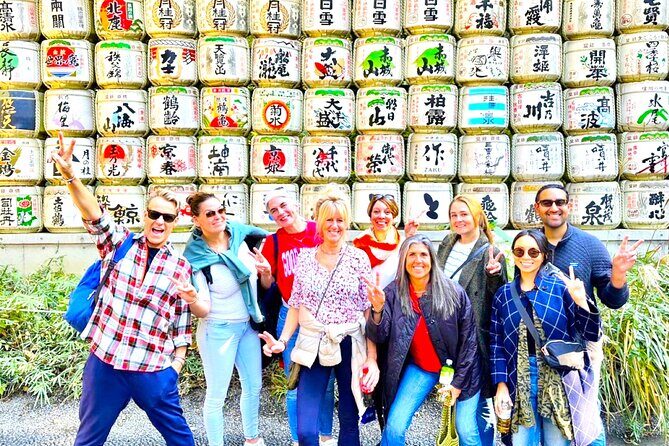
- Tsukiji Fish Market time plus a sushi lunch stop, built in as a highlight
- IC card recommended (Suica/PASMO), because you’ll be using metro for parts of the day
- Strict on-time start and staying with the host, so it’s best for travelers who like structure
Before you commit, see how this one stacks up against a few Tokyo favourites:
- Mt Fuji and Hakone 1-Day Bus Tour Return by Bullet Train★ 5.0 · 26,383 reviews
- 1-Day Tokyo Bus Tour★ 5.0 · 14,250 reviews
- Tokyo: teamLab Planets TOKYO Digital Art Museum Entry Ticket★ 4.6 · 9,779 reviews
Why this 10-hour, 15-stop Tokyo day works
If you’re visiting Tokyo for the first time, the biggest problem isn’t that there isn’t enough to see. It’s that everything feels important. This tour solves that by grouping major sights into one easy plan, then adding smaller local-feeling stops so the day doesn’t become a checklist of only postcard-famous places.
The format matters. You’re moving on foot and by metro, with an expert local guide leading the flow. With a group capped at five, you’re less likely to get separated in crowded areas like Shibuya and market streets. That small-group size also helps you get answers on the spot, whether you’re curious about daily life or why certain places matter in Japan.
The route is also designed to progress across themes. You start with a shrine and Harajuku fashion energy, move through Shibuya’s iconic intersections, shift to Tsukiji’s food-meets-tradition setting, then end in Asakusa where temple and shrine atmosphere becomes the day’s final flavor.
Getting from Yoyogi to Asakusa without losing your mind
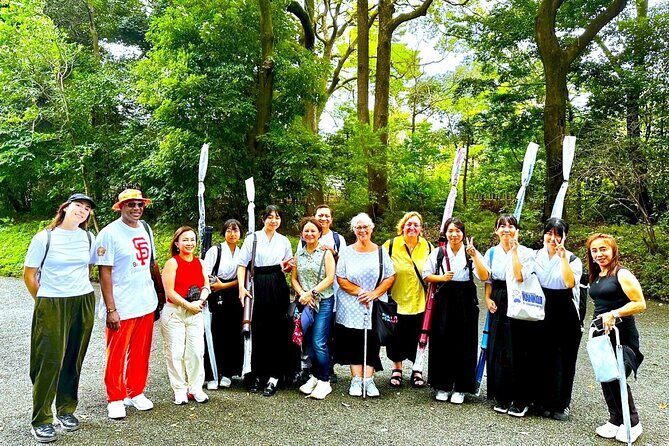
The tour meets near Yoyogi Station (in Shibuya). That’s a smart starting spot because it’s connected and central. You’ll end near Asakusa Station, which means your last hours land in a different part of Tokyo than where you began. For visitors who hate crisscrossing back and forth, this one-way-feeling route is a relief.
You do need to be comfortable with “Tokyo movement.” The program runs about 10 hours, so think comfortable shoes and a willingness to walk. You also have to follow the host from your side—if you break away, the host can’t look for you. That rule isn’t there to be annoying; it’s there because the day uses metro and crowded streets, where “I’ll catch up later” turns into a problem fast.
A practical tip: have a transport IC card ready in advance (Suica/PASMO). The tour does not include transportation expenses, so you’ll be paying your own way during metro segments.
Stop by stop: what each part of the day gives you
Meiji Jingu Shrine: a calm start before the city noise
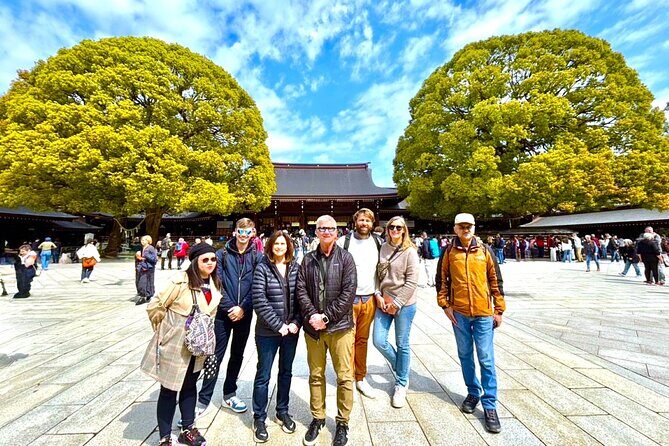
The day begins at Meiji Jingu Shrine. You only spend about 30 minutes here, but that’s a good use of time for most visitors. Starting with a shrine gives you a reset: you’re in a more traditional setting right away, which helps when the rest of the day flips between modern neighborhoods and landmarks.
This short time box is also realistic. You’re not trying to turn the first stop into an all-day meditation session. You’re setting a tone, getting oriented, and giving your camera arm a warm-up before the busier areas.
Consideration: it’s quick. If you’re the type who wants lots of quiet time to wander without a schedule, you may feel a little “still going?” when the group moves on.





Harajuku fashion street: where Tokyo shows its playful side
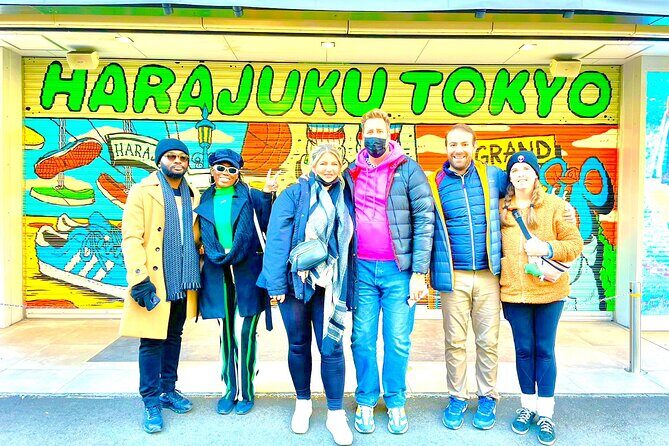
Next comes Harajuku, with time for the fashion street vibe (about 30 minutes). This stop is valuable because it shows Tokyo as a living city, not just a museum of famous sites.
Harajuku is also a fast way to understand how modern Tokyo expresses itself. The tour time may be short, but it’s long enough to take in the visual style around you and hear what your guide points out about how culture shows up in everyday streets.
Hachiko and Shibuya Crossing: one area, two icons
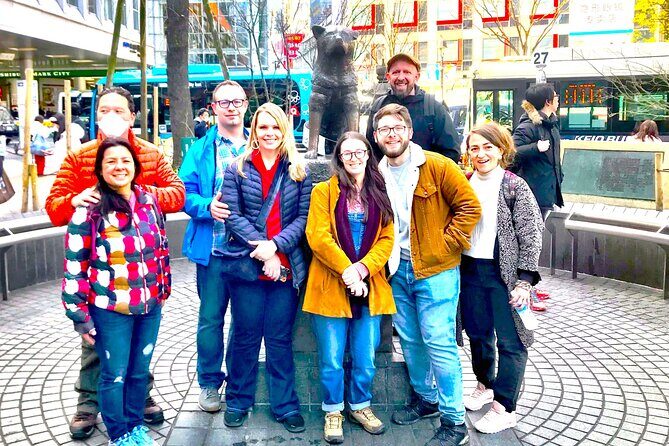
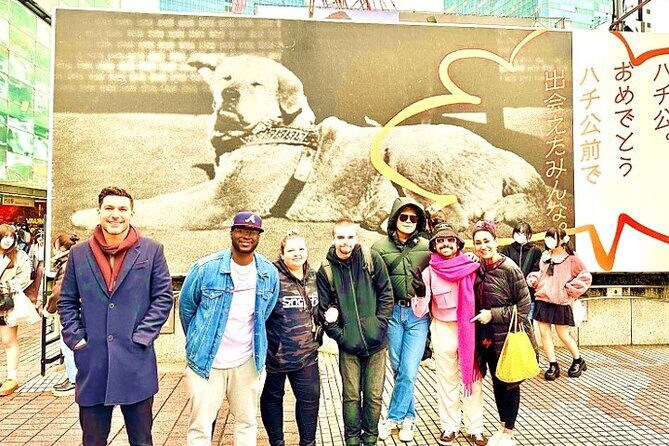
You’ll then hit Hachiko (about 10 minutes) and Shibuya Crossing (another 10 minutes). This is classic Tokyo. Even if you’ve seen photos, seeing it in person is different—especially when you’re watching how people move with purpose through the chaos.
Hachiko works as a human-sized story moment, while Shibuya Crossing is the big visual spectacle. Pairing them back-to-back gives you a nice contrast: emotion and symbolism first, then motion and scale.
Tip for photos: these spots fill quickly. Arrive ready to shoot fast, and don’t plan on lingering longer than your time window.
Tsukiji Hongwanji Temple: tradition at the edge of a food world
After Shibuya, you transition toward Tsukiji Hongwanji Temple (about 30 minutes). This stop is helpful because it adds depth to the Tsukiji area. You’re not only going there for the fish market side of things.
Having a temple in the middle of a food-focused day also helps you understand Tokyo’s pattern: places often layer roles. Sacred spaces and everyday commerce can exist in the same broader district, and a good guide helps you notice those connections.
Tsukiji Fish Market: your built-in food highlight
Then comes Tsukiji Fish Market time (about 1 hour 30 minutes), plus an opportunity to eat sushi at a nice sushi restaurant. This is the part of the day that most people remember because it turns sightseeing into a sensory payoff.
A key practical point: food and beverage aren’t included in the tour fee. The itinerary includes a sushi lunch stop, but you should budget for it separately.
Still, the value is that the tour handles the flow: you’re taken to the market area, your guide likely helps you make sense of what you’re seeing, and you don’t have to spend your limited time figuring out where to go for lunch.
Imperial Palace (outside) and Marunouchi: Tokyo’s formal, business-facing side
Next, you get a peek at the Imperial Palace from the outside (about 15 minutes), followed by Marunouchi street (about 15 minutes). These are short stops, but they matter because they show another Tokyo personality: the formal and the official, set next to modern city structure.
Marunouchi in particular is a good transition zone. It helps you shift your attention from crowds and street scenes into an area with a different rhythm—more “city center” energy.
Consideration: if you want lots of time at either location, this schedule may feel too brief. But as part of a 15-stop route, the short timing keeps the day from stalling.
Tokyo Station Marunouchi Ekimae Hiroba: a transit landmark moment
You’ll spend about 15 minutes at Tokyo Station (Marunouchi Ekimae Hiroba). Tokyo Station is one of those places that’s famous even if you’re not sure why yet—you notice it because it’s a major hub and because it looks like an entrance to the whole country.
Important note: the tour data lists that the Tokyo Station admission is not included. For most travelers, that probably just means any paid elements, if you choose to add them, are on your own.
Akihabara: tech and pop-culture energy on the clock
Then the tour heads to Akihabara street for about 30 minutes. This stop is valuable for variety. After temples, markets, and palace-area streets, Akihabara brings a more pop, gadget, and shopping vibe to your day.
Even if you’re not an obsessive collector, walking through Akihabara helps you understand Tokyo’s commercial side. It’s one of the best ways to see how niche interests become mainstream street life.
Ueno Park and Ameyoko: green air then market street reality
You’ll get Ueno Park for about 30 minutes, followed by Ameyoko Shopping Street for about 15 minutes. This combination works because it gives you two different textures:
- Ueno Park offers a pause in pace—a breather before the endgame
- Ameyoko brings you back to street-level shopping life
Again, food and drink costs are on you, but the environment is part of the experience. You’ll be walking and seeing how Tokyo shifts from calmer space into a shopping corridor feel.
Tip: If you’re prone to decision fatigue, pick one small item to buy rather than trying to optimize every stall. Fifteen minutes in Ameyoko moves fast.
Asakusa Higashi Hongan-ji Temple and Asakusa Shrine: the finale with atmosphere
The day ends with two Asakusa stops: Asakusa Higashi Hongan-ji Temple (about 30 minutes) and Asakusa Shrine (about 10 minutes). This is a strong close because it’s the most classic-feeling Tokyo of the entire day.
Asakusa works especially well as a finale. By the time you reach it, your brain is already full of scenes: modern streets, famous crossings, market energy, and formal areas. Then you land somewhere that feels slower and more ritual-focused.
Your guide and the cultural story thread
A big reason this tour keeps earning 4.8 stars is how guides tie everything together. In the past, guides such as Yasuko and Michiko have been praised for clear explanations and for keeping the day interesting even when the route is packed. There’s also mention of Takashi helping adjust the plan when needed, which suggests the tour team pays attention to individual situations when possible.
What you should expect: explanations about Japanese history and culture at the stops themselves, plus practical perspective on daily life. The best moments usually aren’t just the photos—they’re the guide’s “why this matters” comments while you’re standing right there.
Food and drinks: sushi lunch plus izakaya time (and what to budget)
The day includes a sushi lunch opportunity during the Tsukiji portion, and it also includes time for drinks at an izakaya-style stop. That’s the fun part: you don’t just look at Tokyo; you eat like you’re part of the city.
But you should budget carefully because the tour data clearly says food and beverage expenses are not included. The good news is that you can control how you spend—this is Japan, so you can find options across price levels. Still, don’t rely on the tour price to cover lunch or drinks.
If you want to keep costs reasonable, set a lunch target before you go (even just a range), then decide on drinks after you see the vibe at the end of the day.
Transportation IC cards and the walking pace reality check
A few practical details matter more than people expect:
- You’re using metro and on-foot segments, so plan on stepping out of trains frequently
- The tour recommends having an IC card like Suica or PASMO ready
- You should have a moderate physical fitness level since it’s a full-day route
- The program starts on time, and late arrivals aren’t allowed to join
This isn’t a “stroll and take your time” itinerary. It’s a structured city day. If you’re someone who likes to stay on schedule and prefers not to overthink navigation, you’ll probably enjoy it. If you’d rather roam freely, you might feel mildly compressed.
Group size and the kind of traveler it suits
With a maximum of five travelers, you’ll likely get a more personal experience than the typical big-bus format. That small group size also makes it easier for the guide to notice what you care about—especially if you ask questions.
This tour fits well if you:
- Want a first or second-day Tokyo overview
- Prefer a plan that keeps you moving without needing constant map work
- Like the mix of “big names” and more local-feeling streets
- Enjoy food stops and want them placed inside the sightseeing rhythm
It may not be the best fit if you:
- Need long, free-time wandering at each landmark
- Hate strict start times
- Want all costs included (transport and meals are on you)
One more note: the tour won’t allow participation if someone is unwell or under the influence of alcohol. It’s a safety-and-respect rule.
Quick value check: is $104.34 a smart deal?
At $104.34 per person for about ten hours, the price looks reasonable for a small-group guided day—especially when you factor in that admission is listed as free for most stops and the tour includes tour fee and consumption tax.
The two money items you must budget separately are:
- Transportation expenses (metro, etc.)
- Food and beverage expenses (including the sushi lunch and drinks)
So the value depends on your habits. If you already plan to ride metro and grab lunch anyway, this tour is a way to pay for guidance and route planning rather than just paying for access.
If you’re expecting a fully inclusive, no-extra-cost day, this won’t match that expectation. But if you’re comfortable budgeting for meals and transit, you’re paying for a well-paced day with a local guide and a tight route across Tokyo.
Should you book this Tokyo full-course tour?
Yes, if you want an organized, small-group way to cover a lot of Tokyo in one day—without turning your trip into hours of transit planning. The biggest wins are the small group, the 15-stop route, and the fact that the day blends famous places with more everyday streets, explained by your guide rather than left to chance.
Hold off or compare if you need lots of unstructured time at landmarks, or if you’d rather build your own day around meals and photos with no fixed timing. Also, if you hate walking and you’re not comfortable with a long day, you might prefer a shorter, less packed option.
If you go in knowing you’ll pay for lunch and transit on your own, and you’re ready to stay with the host and start on time, this is a strong first-day-style Tokyo plan.
FAQ
How long is the Tokyo full course tour?
The tour runs for about 10 hours.
How many stops are included?
The route covers 15 must-see sights and additional local stops across the day.
What is the price, and what’s included?
The price is $104.34 per person. The included items are the tour fee and consumption tax.
What’s not included in the tour price?
Transportation expenses and food and beverage expenses are not included.
Is there mobile ticketing?
Yes, the tour uses a mobile ticket.
Where do you meet, and where does the tour end?
The start is near Yoyogi Station (Yoyogi, Shibuya, Tokyo). The tour ends near Asakusa Station (Asakusa, Taito City, Tokyo).
How big is the group?
The maximum group size is 5 travelers.
Do I need an IC card for transit?
The tour recommends preparing a transport IC card such as SUICA or PASMO in advance.
More Tours in Tokyo

More Tour Reviews in Tokyo



Fresh reviews from around Tokyo






Tours, compared.
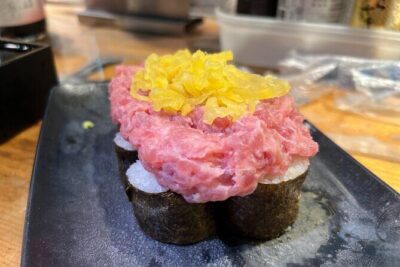 ★ 5.0Shinjuku Food Tour (13 Dishes at 4 Local Eateries)From $866,603 reviews
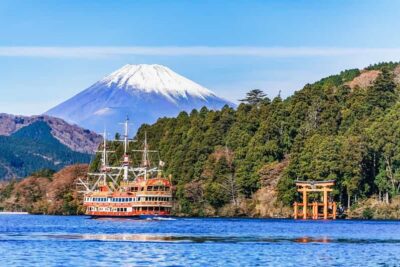 ★ 4.4Tokyo Mt Fuji 5th St & Hakone Cruise Bus Tour w/Bullet TrainFrom $1545,024 reviews
 ★ 5.0Flagship 2-Hours Official Street Go-Kart Tour – Tokyo Bay ShopFrom $644,974 reviews
 ★ 4.7Mt. Fuji Tour, Hakone Ropeway, Owakudani, Lake AshiFrom $544,002 reviews
 ★ 5.0Tokyo 6hr Private Tour with Government-Licensed GuideFrom $1553,902 reviews
 ★ 5.0Tokyo Bar Hopping Tour in Shinjuku (All-You-Can-Drink + Dinner)From $1063,587 reviews
 ★ 5.0Tokyo Tsukiji Fish Market Food and Culture Walking TourFrom $993,184 reviews
 ★ 4.9Shinjuku Food Tour (15 Dishes and 4 Eateries)From $852,033 reviews