
Reviewed · TOURS
Tokyo Full Course Tour: Explore 10 Must-See Sights & Hidden Gems
Tokyo makes sense after one guided day. This full-day walk-and-metro route strings together 10 must-sees and calmer corners, with expert local guides who can read the city’s timing and etiquette for you. You’ll also get cultural context along the way, from how shrines work to how people move through public transport like clockwork.
I like two things in particular. First, the step-by-step transit help turns Tokyo’s station maze into something you can actually follow. Second, the day mixes iconic big-city stops like Shibuya and Tokyo Station with older Tokyo moments like Meiji Jingu, Senso-ji, and Asakusa in a way that feels balanced, not random.
One consideration: it’s a fast, feet-on-the-ground kind of tour. The clock matters, so if you need lots of slow time to linger, you may feel rushed by the end.
In This Review
- Key Things You’ll Notice on This Tokyo Full Course Tour
- Tokyo in One Day: 10 Stops From Shrines to Shibuya and Akihabara
- How the 7-Hour Schedule Works (and Why the Clock Matters)
- Meiji Jingu and Harajuku: A Calm Start Before the City Gets Loud
- Shibuya Crossing and Hachiko: The Tokyo Icon Circuit
- Tsukiji Hongwanji Temple and the Fish Market Lunch Window
- Imperial Palace Outside Views and Marunouchi’s Business Core
- Tokyo Station Ekimae Hiroba to Akihabara: Architecture and Pop Culture
- Senso-ji and Asakusa Shrine: Closing on Tokyo’s Oldest Big Temple Energy
- Price and Value: Is $78.18 a Good Deal for a 10-Stop Day?
- What You’ll Learn Along the Way (Beyond the Photos)
- Pace and Physical Fit: The Main Trade-Off to Know
- Should You Book This Tokyo Full Course Tour?
- FAQ
- Is admission included for the temples and shrines?
- Do I need to pay for transportation during the tour?
- What about food and lunch—what should I budget?
- Where do I meet the guide and where does the tour end?
- How big is the group?
- What happens if the weather is bad or I need to cancel?
Key Things You’ll Notice on This Tokyo Full Course Tour
- Local guide support for metro navigation, including how to use trains/subway smoothly
- Free shrine and temple admissions at multiple stops, so your money goes to food and transit
- A smart mix of Tokyo eras, from Meiji-era shrines to Imperial-era sites to electric Akihabara
- Tsukiji market time plus an included lunch-style option, arranged before/around the temple stop
- Small group size (max 5), which helps everyone keep together in tight areas
- A start-to-finish transit flow, beginning near Yoyogi Station and ending near Asakusa Station
Before you commit, see how this one stacks up against a few Tokyo favourites:
- Mt Fuji and Hakone 1-Day Bus Tour Return by Bullet Train★ 5.0 · 26,383 reviews
- 1-Day Tokyo Bus Tour★ 5.0 · 14,250 reviews
- Tokyo: teamLab Planets TOKYO Digital Art Museum Entry Ticket★ 4.6 · 9,779 reviews
Tokyo in One Day: 10 Stops From Shrines to Shibuya and Akihabara
This tour is built for people who want Tokyo’s highlights without stitching together a half-dozen separate plans. You’ll move through neighborhoods that feel totally different from each other, all within one day, and you’ll do it with a guide who knows how to time the route so you’re not wasting daylight.
What I like is the balance. You get the big-photo sites most first-time visitors come for, but you also get the cultural “why” behind the places: what shrines mean, how etiquette shows up in real behavior, and how everyday Tokyo life works in the background. That context makes even the famous spots feel less like postcards and more like part of the city.
How the 7-Hour Schedule Works (and Why the Clock Matters)
The tour runs about 7 hours, starting at 9:30 am and finishing around Asakusa Station. That start time matters because it gives you daylight for the shrine/temple side first, then you move into busier districts later.
It’s also structured to keep you moving: you’ll spend roughly 30 minutes at each main stop, plus walking and metro time between areas. That’s a good format for seeing a lot, but it does mean you won’t have hours to wander alone in any one location. If your ideal day is slow and photo-heavy with lots of breaks, plan to let the guide’s rhythm set your pace.
Practical tip: wear shoes that can handle long walking. The tour notes mention a moderate physical fitness level, and multiple guide experiences emphasize that you should be ready to be on your feet.
Meiji Jingu and Harajuku: A Calm Start Before the City Gets Loud
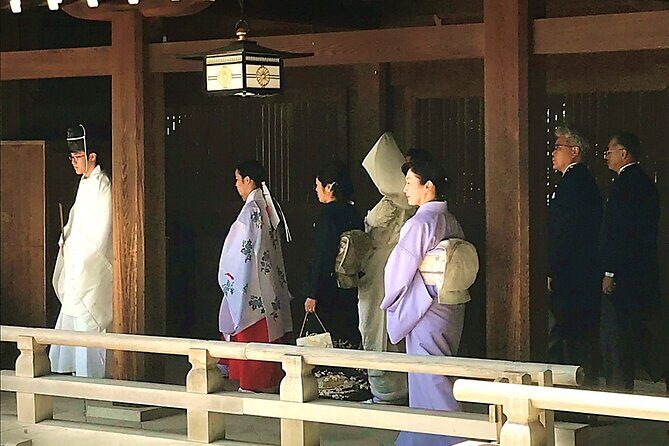
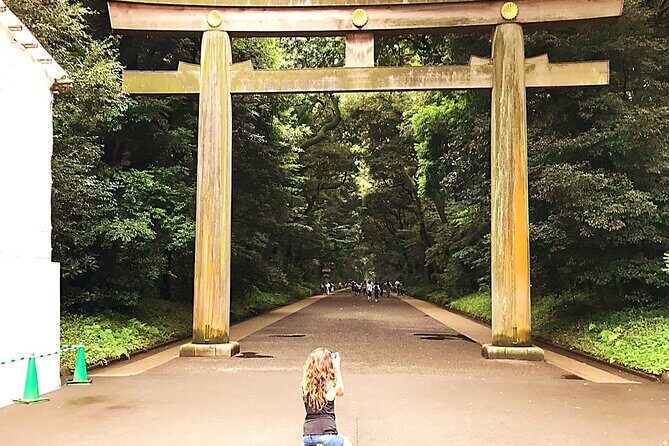
You begin at Meiji Jingu (Meiji Jingu Shrine) for about 30 minutes, with admission listed as free. This is a strong opening choice: the shrine grounds give you a breather from Tokyo’s noise, and it’s a great place to learn how a Shinto space works in real life, not just as a tourist stop.
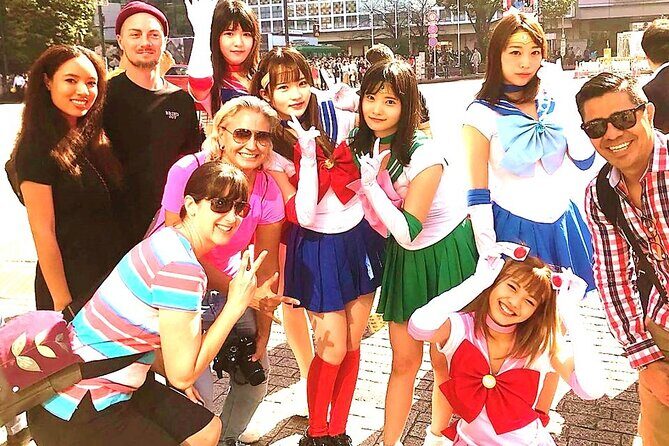
From there, you head toward Harajuku, focusing on the fashion street area (option) for about 30 minutes, also with free admission. This switch matters. It shows you the same city can hold tradition and trend in the same morning, and it helps you understand Tokyo’s extremes without needing a complicated plan.
If you want a smooth mental transition, this is it: quiet shrine first, then street-level youth culture.
Shibuya Crossing and Hachiko: The Tokyo Icon Circuit
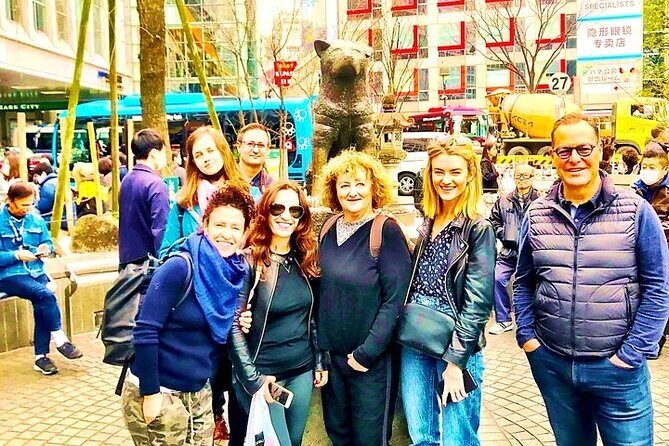
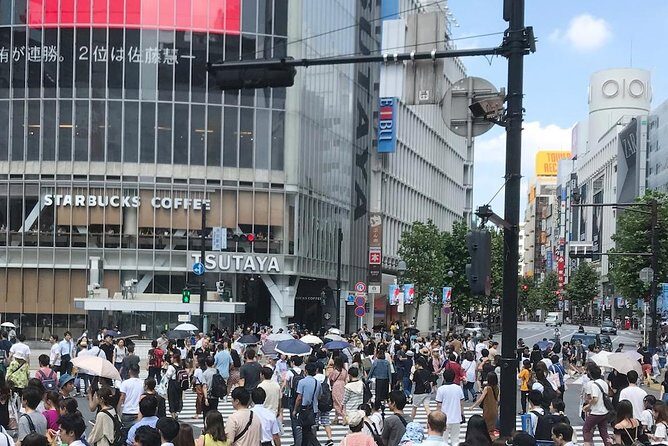
Next up is Hachiko for about 30 minutes, followed by Shibuya Crossing for another 30 minutes. Both are free to visit in the tour’s schedule.
Hachiko is small in size, but big in meaning. You’ll get the story around the dog and why it became a symbol people still point to. Then Shibuya Crossing hits with the full spectacle: crossing lines, crowd choreography, and the reality that Tokyo’s most famous intersections aren’t just images, they’re a system.
Here’s the practical angle: Shibuya can feel chaotic if you’re alone. One of the best values of a guided day is that you learn how to move through places like this without getting turned around at the worst possible time.





Tsukiji Hongwanji Temple and the Fish Market Lunch Window
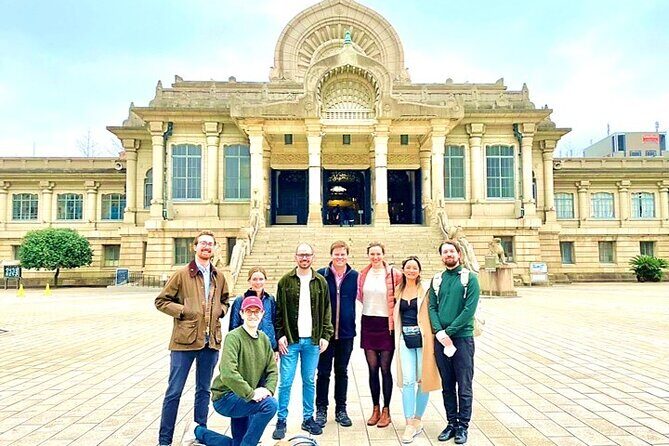
After Shibuya, you head to Tsukiji Honganji Temple for about 30 minutes (listed as free admission). The tour also notes a sushi lunch option before visiting, with an approximate cost of about $13 for that meal.
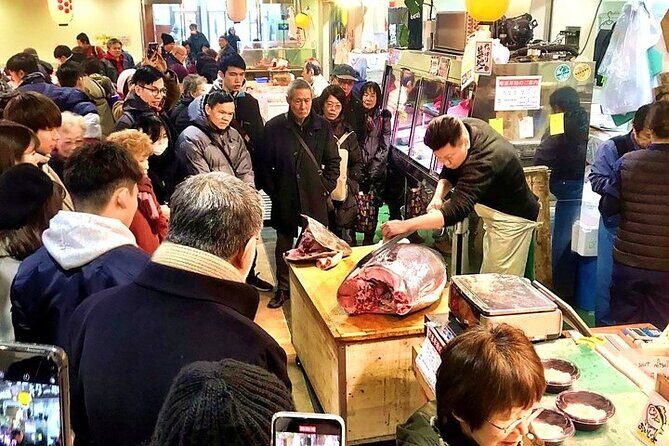
Then you move to Tsukiji, including time at the traditional fish market for about 30 minutes. The market stop is short by design, but it’s long enough to get the feel of the area and see what the day is like in that part of the city.
Two things to keep in mind:
- You’re working within a tight window, so keep your “want list” small: decide what you want photos of before you arrive.
- Food costs are not included in the base price, so bring cash or use whatever payment method your meal spot supports. The tour specifically recommends having cash ready.
Imperial Palace Outside Views and Marunouchi’s Business Core
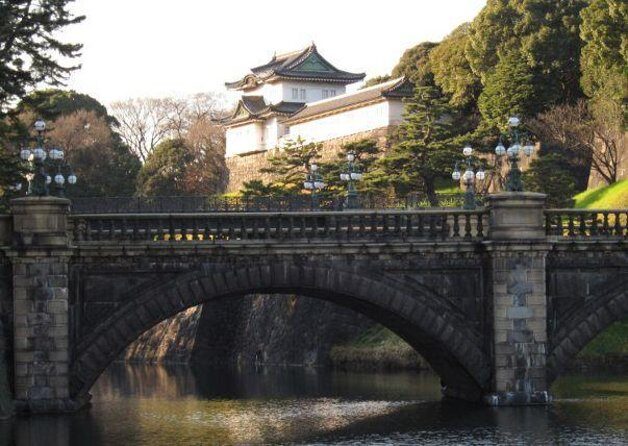
You’ll get time at the Imperial Palace area for about 30 minutes, with the tour description noting you see it by walking outside. Admission is free in the schedule. This stop shifts the day again, showing Tokyo’s formal, government-linked side—different mood, different pace.
Then comes Marunouchi, the economic center, for about 30 minutes. This area helps you understand how the city’s modern power sits just a train ride away from places that feel old or quirky.
If you’re the type who likes your travel photos to have context, these stops are where that payoff happens. You’ll see the contrast between ceremonial spaces and the corporate world, and it helps Tokyo click as a whole.
Tokyo Station Ekimae Hiroba to Akihabara: Architecture and Pop Culture
From Tokyo Station (Marunouchi Ekimae Hiroba), you go to Akihabara for about 30 minutes. Both are listed as free stops in the schedule.
Tokyo Station is one of those landmarks that looks different depending on the angle you approach it. By pairing it with Marunouchi, the tour gives you a natural sense of “grand transport hub + business district.” Then you flip into Akihabara, where tech, games, and anime-era subculture take center stage.
Practical note: Akihabara crowds can build fast. Your guided timing helps you avoid the worst of it, and a small group size helps you keep moving without constant regrouping.
Senso-ji and Asakusa Shrine: Closing on Tokyo’s Oldest Big Temple Energy
You end with Senso-ji Temple and then Asakusa Shrine, both for about 30 minutes and both listed as free admissions. This is the “old Tokyo” finish that many first-timers crave.
Senso-ji is described in the tour details as the oldest Buddhist temple in Tokyo and also one of the most popular tourist spots in Japan. Asakusa Shrine follows, keeping the spiritual and historic vibe going rather than yanking you back into a purely modern district.
By the end of the day, you’ll have seen the extremes: a shrine forest calm, the loud precision of Shibuya, the seafood-market intensity around Tsukiji, and then the temple streets of Asakusa. That’s a great way to get a feel for Tokyo’s time layers.
Price and Value: Is $78.18 a Good Deal for a 10-Stop Day?
At $78.18 per person, this is priced as a budget-friendly way to pack a lot into one guided day, especially since multiple stops list free admission. The included items are the tour fee plus consumption tax.
What’s not included is the key part for value: transportation and food and beverage. So think of the base price as paying for:
- the guide’s route planning and timing,
- the help navigating public transit,
- and access to a structured day so you don’t waste time figuring out logistics.
You’ll still need to pay for your own subway/trains and any meals. The tour explicitly recommends preparing a transit IC card like SUICA or PASMO, and it suggests having cash ready.
Also note: the group size is max 5 travelers. In a city where getting separated costs time, a small group can be a real value, not just a comfort perk.
What You’ll Learn Along the Way (Beyond the Photos)
One reason people seem to enjoy this tour is that it’s not just point-to-point sightseeing. Guides provide history, culture, society, and everyday-life context, including local etiquette and how public transport works.
In guide experiences from Sam (and also Takashi in one case), you’ll see themes like clear English, being well prepared, and teaching practical transit skills so Tokyo stops feeling intimidating. One of the standout ideas is that you’re taught how to use trains/subway so you can ride without guessing, which is what really helps after the tour ends too.
If you like learning a few Japanese words and small habits that make interactions smoother, this kind of cultural coaching is the difference between seeing sights and understanding them.
Pace and Physical Fit: The Main Trade-Off to Know
The biggest caution is pace. The tour is structured with about 30 minutes per stop, plus walking and train time between areas. Multiple experiences emphasize that the day can feel demanding, especially if you’re not used to long stretches on your feet.
Late arrivals also aren’t allowed, and the program runs on time. You also need to stay with the host from your side—if you break away, the host can’t look for you.
So, this is a good fit if you:
- enjoy a packed itinerary,
- can handle long walks,
- and want transit help so you’re not stressed by Tokyo logistics.
If your travel style is slow, sit-down heavy, or you hate crowds, you might want a different format.
Should You Book This Tokyo Full Course Tour?
Book it if you’re in Tokyo for a short time and want a single day that hits the core highlights: Meiji Jingu, Shibuya Crossing, Tsukiji market area, the Imperial Palace outside views, Tokyo Station, Akihabara, and Senso-ji/Asakusa. The guide format and small group size are what make it more than a simple checklist.
Consider skipping or switching to something lighter if you know you get tired fast, want lots of unstructured wandering, or you prefer to pay for food your own way without being guided into one lunch plan.
FAQ
Is admission included for the temples and shrines?
The tour schedule lists admission as free for Meiji Jingu, Tsukiji Honganji Temple, Senso-ji, and Asakusa Shrine. You’ll still pay for meals and transportation separately.
Do I need to pay for transportation during the tour?
Yes. Transportation expenses are not included, and the tour recommends having a transit IC card such as SUICA or PASMO in advance.
What about food and lunch—what should I budget?
Food and drinks are not included. The tour includes a sushi restaurant lunch option before visiting Tsukiji Honganji Temple with an approximate cost of about $13. You should also have cash ready.
Where do I meet the guide and where does the tour end?
The tour starts at Yoyogi Station (Yoyogi, Shibuya) around 9:30 am and ends near Asakusa Station (Asakusa, Taito City).
How big is the group?
This tour has a maximum of 5 travelers, so it stays easier to move together through busy areas.
What happens if the weather is bad or I need to cancel?
The tour requires good weather. If it’s canceled due to poor weather, you’ll be offered a different date or a full refund. If you cancel for other reasons, the experience is non-refundable and cannot be changed.
More Tours in Tokyo

More Tour Reviews in Tokyo



Fresh reviews from around Tokyo






Tours, compared.
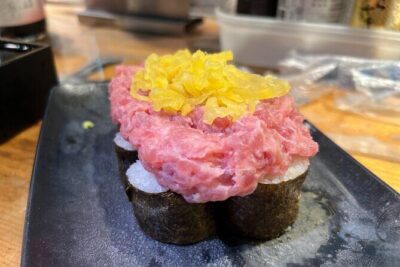 ★ 5.0Shinjuku Food Tour (13 Dishes at 4 Local Eateries)From $866,603 reviews
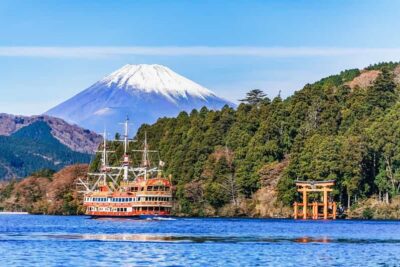 ★ 4.4Tokyo Mt Fuji 5th St & Hakone Cruise Bus Tour w/Bullet TrainFrom $1545,024 reviews
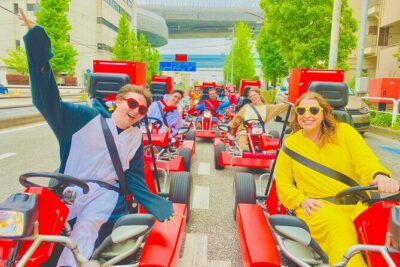 ★ 5.0Flagship 2-Hours Official Street Go-Kart Tour – Tokyo Bay ShopFrom $644,974 reviews
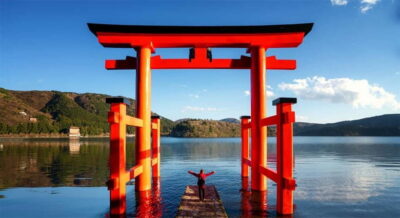 ★ 4.7Mt. Fuji Tour, Hakone Ropeway, Owakudani, Lake AshiFrom $544,002 reviews
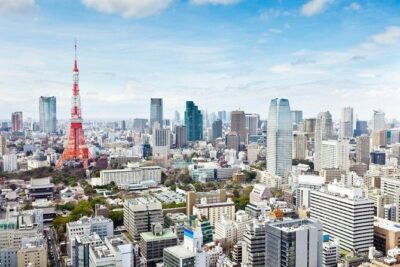 ★ 5.0Tokyo 6hr Private Tour with Government-Licensed GuideFrom $1553,902 reviews
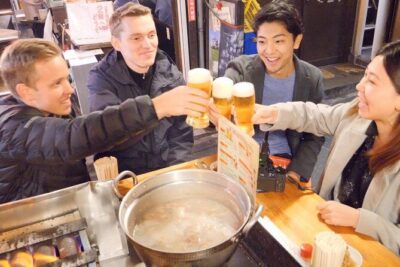 ★ 5.0Tokyo Bar Hopping Tour in Shinjuku (All-You-Can-Drink + Dinner)From $1063,587 reviews
 ★ 5.0Tokyo Tsukiji Fish Market Food and Culture Walking TourFrom $993,184 reviews
 ★ 4.9Shinjuku Food Tour (15 Dishes and 4 Eateries)From $852,033 reviews